
Sweden

The Land of the Midnight Sun
Related Lives

Dominican Republic
A Caribbean Paradise

Adventure Movies
Where courage meets the unknown

Luxembourg
The Gibraltar of the North
Nobel Prize in Physics
Celebrating the Pioneers of Science

Iraq
The Cradle of Civilization

Belarus
Land of Lakes and Forests

Italy
The Land of Art and Romance
Albania
The Land of Eagles

1959
In history, Nils Bohlin revolutionized vehicle safety when he invented the three-point seatbelt. Before his innovation, seatbelts were limited to two-point designs, which provided minimal protection in the event of a crash. Bohlin's creation in Sweden offered a new level of safety by restraining both the upper and lower body, significantly reducing injuries and fatalities during car accidents worldwide.
The three-point seatbelt quickly became a standard feature in automobiles, demonstrating its effectiveness in safeguarding passengers. With its widespread adoption, countless lives have been saved over the years. Bohlin's invention has played a crucial role in promoting road safety and has become an essential component in vehicles, ensuring that drivers and passengers are better protected on the road.
Today, the three-point seatbelt remains a cornerstone of automotive safety, highlighting Nils Bohlin's enduring legacy. His contribution has left a lasting impact, with his innovation continuing to save lives and prevent injuries in countless accidents. The invention serves as a testament to the power of creativity in enhancing public safety and influencing global practices. #NilsBohlin #VehicleSafety #Innovation #RoadSafety
View details1958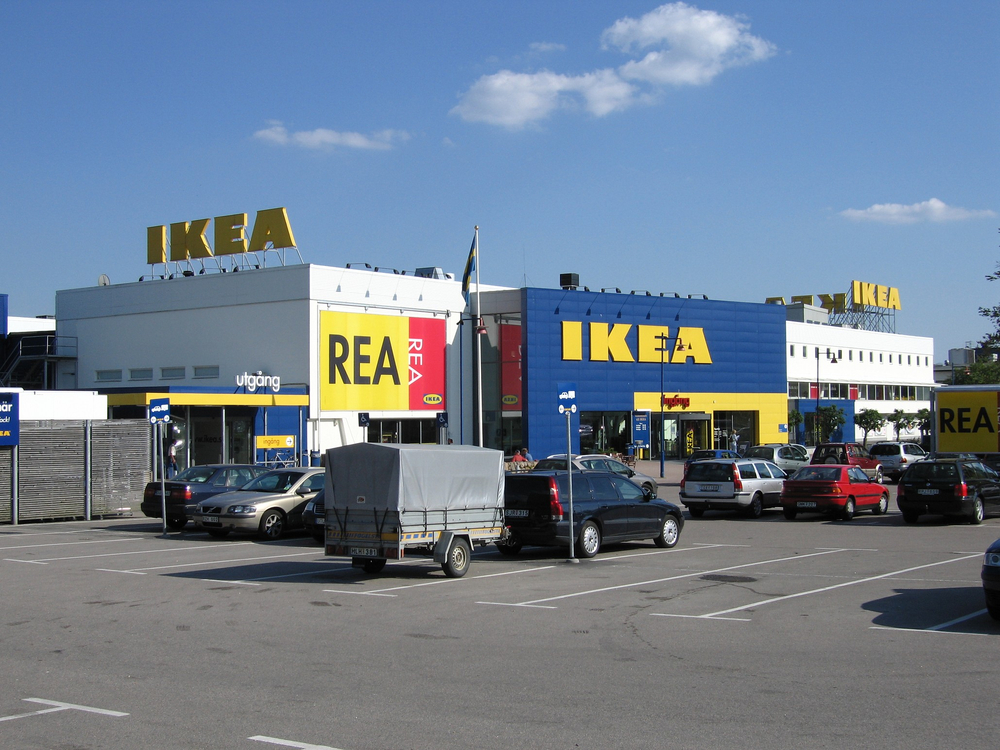
On October 28, 1958, IKEA opened its first store in Älmhult, Sweden. This store marked a significant milestone in the evolution of the global furniture and home goods retailer known today. The founder, Ingvar Kamprad, and his close associate Sven Göte had meticulously prepared for this grand opening. In anticipation of the event, they wrote an "orientation text," a document designed to communicate IKEA’s values, vision, and operational principles to their employees and customers.
The 'orientation text' served multiple purposes. Firstly, it was a manifesto of IKEA’s unique approach to business. Kamprad and Göte emphasized affordability, simplicity, and functionality, reflecting the core ethos that IKEA furniture should be both practical and accessible to the masses. This document laid out the groundwork for what would become the company’s trademark style – minimalistic, functional furniture that could be flat-packed for ease of transport.
Additionally, the text highlighted IKEA’s commitment to a democratic design philosophy. Kamprad believed that good design should not be exclusive to the wealthy but should be available to everyone. This democratization of design was revolutionary at the time and set IKEA apart from traditional furniture retailers.
The store’s layout was another innovative feature emphasized in the 'orientation text.' Instead of the conventional retail setup, IKEA’s Älmhult store featured a showroom where customers could see and interact with the furniture in a realistic home setting. This hands-on experience allowed customers to visualize how the furniture would fit into their own homes, a concept that was both engaging and practical.
Moreover, the 'orientation text' introduced the idea of self-assembly. This concept was not only a cost-saving measure but also empowered customers by involving them in the assembly process. It allowed IKEA to reduce shipping costs and pass those savings onto customers, further reinforcing their commitment to affordability.
The grand opening of the Älmhult store was a significant event in retail history. It was not just the launch of a new store but the birth of a new retail philosophy. The principles outlined in the 'orientation text' would guide IKEA’s operations and growth for decades to come, influencing not just the company’s business practices but also the broader furniture retail industry.
The Älmhult store itself became a template for future IKEA stores worldwide. The success of this model was evident as IKEA rapidly expanded beyond Sweden’s borders, eventually becoming a global retail giant. The company's innovative approach to design, affordability, and customer experience, as laid out in the 'orientation text,' proved to be a winning formula.
#MomentsOfLife #MoofLife_Moment #MoofLife #IKEAHistory #IngvarKamprad #RetailInnovation #DemocraticDesign #ÄlmhultOpening
View details1955
In 1955, Sweden expressed its interest in joining the European Economic Community (EEC) to enhance trade and economic opportunities within the European Market. The decision was driven by the potential benefits of increased integration with other European countries, aiming to boost economic growth and strengthen diplomatic relationships.
Seeking membership in the EEC presented Sweden with the promise of reduced trade barriers, expanded market access, and a more stable economic environment. By aligning with the EEC, Sweden aimed to capitalize on the growing interconnectedness of European economies and harness the collective power of the common market.
The move to pursue EEC membership marked a significant shift in Sweden's economic strategy, signaling a willingness to engage more closely with its European neighbors. The decision reflected a broader trend of European countries seeking closer cooperation to foster economic development and ensure political stability in the aftermath of World War II.
Ultimately, Sweden's quest for EEC membership highlighted its commitment to leveraging economic partnerships for mutual growth and prosperity. The event underscored the country's strategic vision and its recognition of the benefits of European integration for long-term economic sustainability.
#Sweden #EEC #EuropeanMarket #Trade #EconomicIntegration #EuropeanUnion
View details1950
Amidst the Korean War in 1950, Sweden strategically pursued a policy of neutrality to steer clear of aligning with global superpowers. The decision was rooted in Sweden's historical stance of non-alignment and its desire to avoid being drawn into Cold War conflicts between the United States and the Soviet Union.
By maintaining neutrality, Sweden aimed to safeguard its sovereignty and independence, while also emphasizing its commitment to international peace and diplomacy. This stance allowed Sweden to contribute to humanitarian efforts during the conflict without taking sides.
Sweden's neutrality in the Korean War had a significant impact on its international reputation as a neutral and peace-loving nation. It garnered respect from both Western and Eastern blocs, ensuring Sweden's continued role as a mediator and facilitator in global affairs.
The event underscored Sweden's commitment to upholding its principles of neutrality, independence, and diplomacy in the face of complex geopolitical tensions. It served as a testament to Sweden's ability to navigate international conflicts while remaining true to its values.
#Sweden #Neutrality #KoreanWar #GlobalSuperpowers #Diplomacy
View details1946
Following the aftermath of the war, Sweden faced limited supplies, prompting the introduction of a rationing system in 1946. The scarcity of resources and essential goods led the government to implement strict regulations on the distribution of items such as food, clothing, and fuel. Ration cards were issued to individuals, specifying the amount of each product they were allowed to purchase, based on their needs.
The rationing system had a profound impact on the daily lives of Swedish citizens, as they had to adapt to a reality of scarcity and carefully plan their consumption. It brought about a sense of solidarity and shared responsibility among the population, as everyone had to abide by the same restrictions to ensure fair distribution.
Despite the challenges it posed, the rationing system helped Sweden effectively manage its limited resources during a critical period of recovery. It also encouraged innovation and resourcefulness, as people found ways to make the most out of the available supplies.
The introduction of the rationing system in response to limited supplies after the war underscored the resilience and adaptability of the Swedish population in the face of adversity. It left a lasting impact on the collective memory of the nation, serving as a reminder of the importance of solidarity and sustainability in times of crisis. #Sweden #RationingSystem #LimitedSupplies #PostWarRecovery
View details1943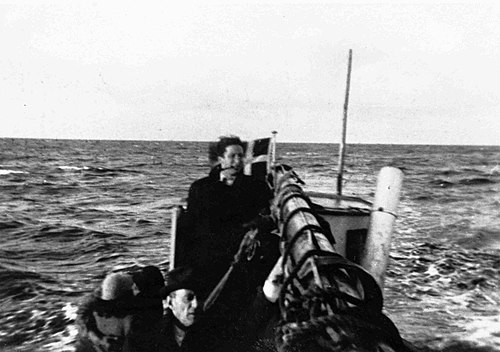
During World War II, Danish Jews sought refuge in Sweden to escape Nazi persecution. However, the Swedish government cooperated with the Nazis, deporting around 500 Danish Jews to concentration camps. This deportation was a result of political pressure and the fear of retaliation from Germany. The Danish Jews were rounded up, detained, and forcibly transported to the camps where many faced horrific conditions and lost their lives.
The impact of the deportation of Danish Jews from Sweden to Nazi camps was devastating, shattering families and communities. It exposed the vulnerability of refugees even in neutral countries during wartime. The event highlighted the dark collaboration between Sweden and Nazi Germany, tarnishing Sweden's reputation as a safe haven for those fleeing persecution.
This tragic episode serves as a stark reminder of the atrocities committed during World War II and the plight of refugees caught in the crossfire of political decisions. It emphasizes the importance of upholding human rights and resisting authoritarian regimes to prevent similar injustices from recurring. The deportation of Danish Jews from Sweden stands as a somber chapter in the history of WWII, underscoring the need for remembrance and vigilance against hatred and discrimination. #HolocaustHistory #RefugeeCrisis #HumanRights.
View detailsRaoul Wallenberg, a Swedish diplomat, orchestrated the release of thousands of Hungarian Jews during World War II. In a heroic effort, he issued protective passports and set up safe houses in Budapest to shelter Jews from Nazi persecution. Wallenberg's actions played a crucial role in saving countless lives by providing safety and facilitating escape routes for those at risk.
His bold and strategic approach in confronting the horrors of the Holocaust made a significant impact on the outcome of the war and the survival of many Hungarian Jews. Despite facing immense danger himself, Wallenberg persisted in his mission to safeguard the lives of those in need, demonstrating immense courage and resilience in the face of adversity.
The release of Raoul Wallenberg aimed to lessen the suffering of Hungarian Jews during a dark period in history, bringing hope and protection to those facing persecution and imminent death. His selfless acts of bravery and compassion continue to inspire generations to stand up against injustice and uphold human dignity in the most challenging circumstances.
#RaoulWallenberg #SwedishDiplomat #HolocaustRescue #HumanitarianHero #BudapestSafeHouses
View details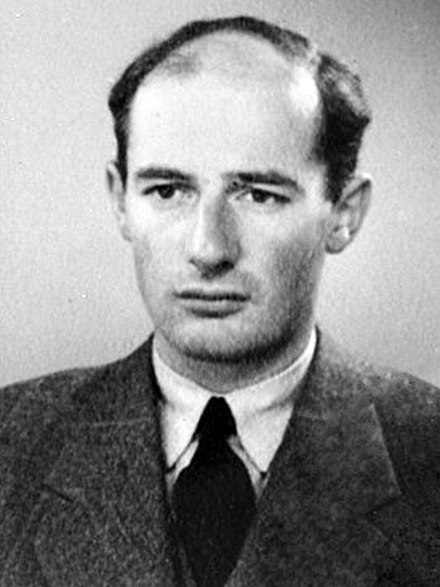
1942
During WWII, Swedish intelligence played a pivotal role by providing vital information to the Allies, especially in key operations. Sweden's strategic geographic location allowed its intelligence services to gather valuable insights on German military movements and plans. This information was successfully shared with Allied forces, aiding in crucial military decisions and operations.
Sweden's intelligence collaboration with the Allies helped in disrupting German supply lines, enhancing the effectiveness of Allied offensives, and securing important victories. The intelligence gathered by Sweden also contributed to the overall war effort by providing valuable strategic knowledge that proved instrumental in shaping military strategies.
The efforts of Swedish intelligence during WWII underscore the significant contribution made by neutral countries in supporting the Allies and confronting the Axis powers. Through their intelligence operations, Sweden played a crucial role in shaping the outcome of key battles and operations during the war.
#SwedishIntelligence #WWII #AlliedForces #MilitaryIntelligence #NeutralCountries #AxisPowers
View details1941
In 1941, the establishment of a crucial defense research institute in Sweden marked a milestone in the country's efforts to bolster national security and military intelligence. With the growing global tensions of World War II, the need for advanced defense strategies became paramount.
The formation of this institute provided a dedicated platform for experts to conduct research, develop cutting-edge technologies, and strategize defense mechanisms. Through collaborations with military personnel and intelligence agencies, the institute played a pivotal role in enhancing Sweden's defense capabilities.
This initiative led to significant advancements in areas such as cryptography, communication systems, and surveillance technologies, empowering the country to stay ahead in the game of military intelligence. The research findings and innovations generated by the institute not only strengthened Sweden's national security but also contributed to the broader field of defense technology.
The lasting impact of the defense research institute resonates in Sweden's continued emphasis on innovation, preparedness, and strategic defense measures. It stands as a testament to the country's commitment to safeguarding its interests and sovereignty in a volatile global landscape.
#DefenseResearch #NationalSecurity #MilitaryIntelligence #Sweden #Innovation
View details1940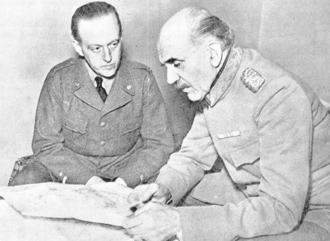
During this event, a Volunteer Corps was formed to provide military support to Finland during a critical period. The Corps consisted of Swedish volunteers who were eager to assist their neighboring country. The decision was influenced by historical ties and a desire to help Finland in its struggle against external aggression.
The establishment of the Volunteer Corps had a significant impact on Finland's defense capabilities, boosting their military forces with additional skilled personnel. The volunteers were trained and equipped to join the fight alongside the Finnish troops, strengthening their position against their common enemy.
This act of solidarity displayed the close relationship between Sweden and Finland, showcasing a united front in the face of adversity. The Volunteer Corps' contribution was crucial in supporting Finland during a time of need, highlighting the importance of regional cooperation in times of crisis.
The Volunteer Corps' establishment underlines the historical bond between Sweden and Finland, demonstrating a shared commitment to mutual defense and security. The event symbolizes unity, cooperation, and support in the face of external threats.
#VolunteerCorps #MilitaryAssistance #SwedenFinlandSolidarity
View detailsDuring World War II, Sweden bolstered its military readiness in response to escalating international tensions. Focused on ensuring national defense, Sweden underwent strategic adaptations to counter potential threats. The country's military forces deepened collaborations with neighboring nations to enhance collective security. The Swedish military harnessed advanced technology and expanded its arsenal to fortify its defensive capabilities.
This move towards preparedness was a significant step in safeguarding Swedish sovereignty and neutrality amidst the chaos of the global conflict. The strengthened military position acted as a deterrent against potential aggressors and underscored Sweden's commitment to safeguarding its borders and interests. The adaptability and resilience displayed by the Swedish military during this period proved pivotal in navigating the complex geopolitical landscape of World War II.
The event underscores Sweden's proactive approach to safeguard its borders and preserve its independence amid the turbulent circumstances of war, demonstrating the nation's commitment to ensuring national security. This historical moment highlights the strategic foresight and resilience of the Swedish military in the face of potential threats, showcasing Sweden's readiness to defend its sovereignty.
#SwedishMilitary #WorldWarII #NationalDefense #MilitaryReadiness #Geopolitics
View details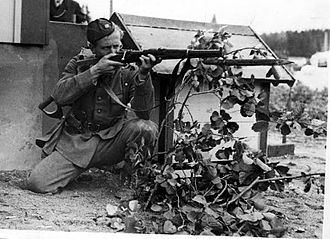
The German invasion of Norway caught the Norwegian capital by surprise, as German forces launched a swift and coordinated attack. The invasion had significant impacts on the region's political landscape, leading to heightened tensions and a sense of vulnerability among the Norwegian population. The attack sparked a sense of urgency among Norwegian leaders, who quickly mobilized their defenses in response to the sudden threat.
The invasion of Norway by Germany was part of a larger strategic plan to secure vital resources and establish military control in the region. The surprise attack on the Norwegian capital demonstrated Germany's commitment to expanding its influence and territory during this tumultuous period of history. The invasion marked a turning point in the conflict, drawing Sweden's attention to the escalating tensions in the region and prompting a reassessment of its own security measures.
#GermanInvasion #Norway #SurpriseAttack #MilitaryStrategy #Sweden #WorldWarII
View details1939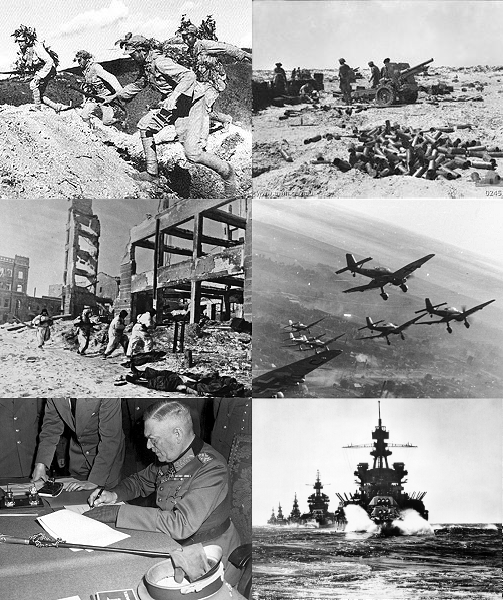
Amid escalating tensions, a global conflict erupted, ultimately resulting in World War II. The war spread throughout continents, causing widespread devastation and leading to significant consequences that would shape the course of history. Countries formed alliances, engaged in intense military operations, and faced civilian casualties on a massive scale. The conflict saw the rise of totalitarian regimes, the persecution of millions, and the use of new technologies for warfare.
From the Blitzkrieg in Europe to the Pacific Theater battles, the war touched the lives of millions and left a trail of destruction in its wake. The impact of World War II reverberated long after the battles ceased, reshaping political boundaries, economies, and societies worldwide. In the aftermath, efforts towards peace and rebuilding were paramount, as nations forged new alliances and institutions to prevent future conflicts. World War II left an indelible mark on the collective memory of humanity, serving as a reminder of the devastating consequences of global warfare.
#WorldWarII #GlobalConflict #Devastation #Consequences #HistoricalImpact #Sweden
View detailsAmidst escalating conflicts, the Swedish Red Cross spearheaded the formation of field ambulance units in 1939, aiming to offer critical medical aid in war-torn regions. The dire need for emergency care prompted the swift creation of these units, equipped to deliver essential treatments on the frontlines.
The deployment of field ambulance units proved to be a pivotal development, ensuring swift and effective medical assistance to the injured during times of turmoil. These units were strategically positioned to provide immediate relief, showcasing Sweden's commitment to humanitarian efforts in conflict zones.
The establishment of these field ambulance units exemplified Sweden's proactive approach in responding to crises, emphasizing the significance of efficient emergency medical services in mitigating casualties during wartime. The initiative underscored the Swedish Red Cross's dedication to upholding humanitarian principles and alleviating the suffering of individuals caught in the midst of armed conflicts.
This event epitomizes the critical role of emergency medical interventions in times of conflict and highlights Sweden's commitment to humanitarian aid. #SwedishRedCross #EmergencyMedicalCare #ConflictResponse #HumanitarianAid
View details1937
In response to the underrepresentation of Finland's Swedish-speaking population in politics, a group of Swedish-speaking individuals came together to establish a political party. The party aimed to address the unique needs and interests of this linguistic minority within the Finnish political landscape.
The creation of this political party marked a significant step towards advocating for the rights and recognition of Finland's Swedish-speaking community. With their own platform and voice, the party sought to ensure that the concerns of the Swedish-speaking population were heard and considered in national decision-making processes.
This initiative had a lasting impact on Finland's political scene, as it brought attention to the importance of linguistic diversity and representation within the country. The party's formation led to increased awareness and discussion surrounding the rights and issues facing the Swedish-speaking minority in Finland.
Overall, the establishment of a political party specifically representing Finland's Swedish-speaking population was a pivotal moment in the country's history, highlighting the significance of inclusivity and representation in a diverse society. #Finland #SwedishSpeakingPopulation #PoliticalRepresentation
View detailsBorn on this day, Göran Tunström made a mark in the literary world with his acclaimed works. Hailing from Sweden, he gained recognition for his contributions to Swedish literature. Tunström's writing style and storytelling captivated readers, earning him a dedicated following. His works often delved into complex human emotions and relationships, resonating with audiences on a deep level.
Tunström's literary achievements include several prestigious awards and nominations. His novels and poems are celebrated for their depth and thought-provoking themes, showcasing his talent and artistry. Through his writing, Tunström left a lasting impact on Swedish literature, influencing aspiring writers and leaving a legacy that endures to this day.
As a well-known author, Göran Tunström's birth marked the beginning of a prolific literary career that would shape the landscape of Swedish literature. His legacy lives on through his works, continuing to inspire and engage readers worldwide. #GöranTunström #SwedishAuthor #LiteraryLegacy
View details
1936
Sweden and Norway have long shared a history of cooperation and mutual defense. The Joint Defense Act signed between the two countries solidified their military alliance, aimed at enhancing security measures in the region. This agreement was a response to the growing tensions in Europe, particularly in light of the political climate at the time.
The Act outlined a framework for joint military exercises, intelligence sharing, and coordinated defense strategies. It allowed for the pooling of resources and coordination of efforts in the event of a security threat, ensuring a stronger defense posture for both nations.
The enhanced military cooperation provided a sense of security for both Sweden and Norway, strengthening their position in the region and deterring potential aggressors. The Act not only bolstered their defense capabilities but also paved the way for deeper collaboration in other areas of mutual interest.
Overall, the signing of the Joint Defense Act marked a significant milestone in the history of Sweden and Norway, underscoring their commitment to shared security and defense. It served as a testament to their enduring partnership and commitment to safeguarding their respective interests in the face of external challenges.
#Sweden #Norway #MilitaryCooperation #SecurityAlliance
View details1935
Ingrid Bergman, a Swedish actress, began her iconic film career in 1935. Making her debut appearance marked the start of a successful journey in the movie industry. Bergman's talent on screen captured the hearts of audiences worldwide.
Her first film launch was a significant turning point in cinematic history and propelled her towards international stardom. Bergman's remarkable performances in a range of roles solidified her reputation as a versatile and skilled actress. Her contribution to the film industry remains unparalleled, inspiring generations of actors.
Bergman's dedication to her craft and captivating presence made her a beloved figure in the golden age of Hollywood. She won numerous accolades for her work and left a lasting legacy in the world of cinema. Her impact continues to be felt in the entertainment industry to this day, serving as a role model for aspiring actors.
#IngridBergman #ActingCareer #HollywoodLegend #SwedishActress
View details1927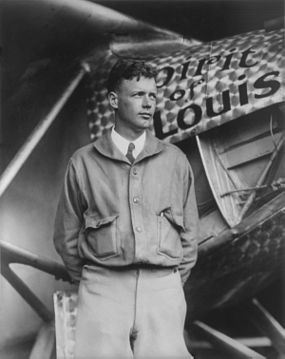
Charles Lindbergh achieved a groundbreaking feat by completing a solo flight from New York to Paris in 33.5 hours. The flight marked a pivotal moment in the history of aviation, showcasing the possibilities of long-distance air travel. Lindbergh's determination and skill captured the world's attention as he navigated through unpredictable weather conditions and mechanical challenges.
The historic flight not only highlighted advances in aviation technology but also sparked a new era of commercial air travel. Lindbergh's achievement inspired a sense of wonder and possibility, paving the way for future developments in the field of aviation. His solo journey served as a testament to human ingenuity and the spirit of exploration.
The impact of Lindbergh's solo flight from New York to Paris reverberated globally, solidifying his legacy as a pioneer in the aviation industry. The event symbolized the triumph of courage, skill, and perseverance, leaving an indelible mark on the collective imagination of people around the world.
#AviationRevolution #PioneerSpirit #HistoricFlight #GlobalImpact
View details1924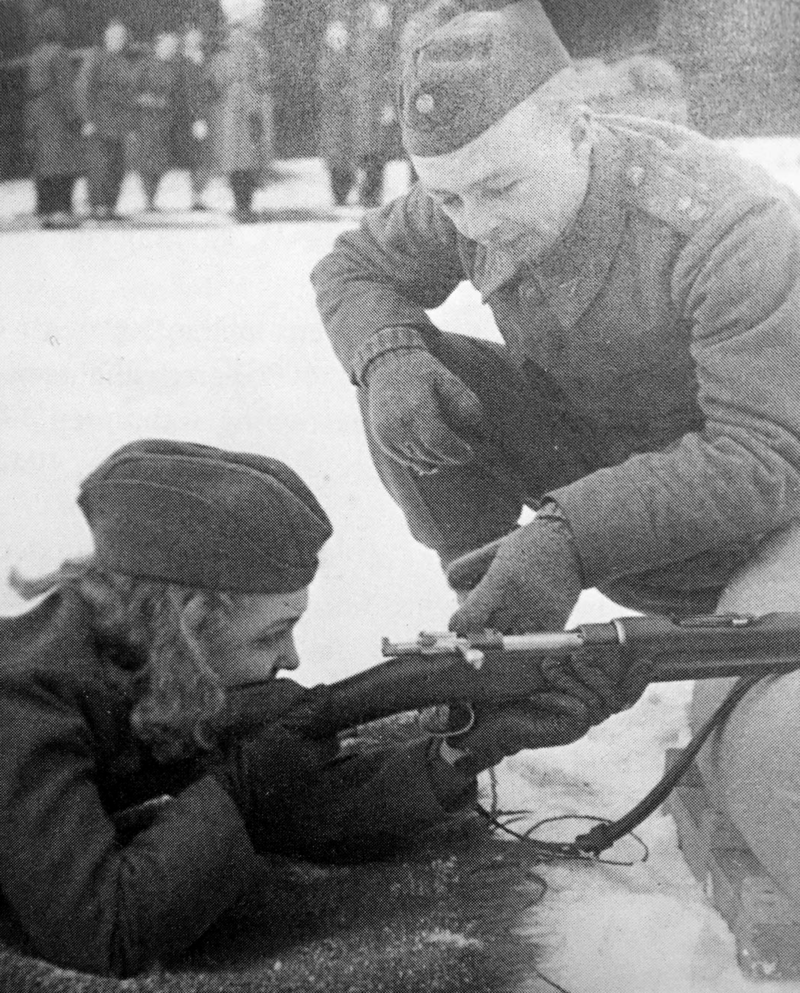
In 1924, a female defense group was established in Sweden to prepare women for enhancing national security. The formation of this group was a response to the growing need for women to be trained in defense tactics and be ready to contribute to the nation's security in times of crisis.
The group provided women with training in various defense skills such as first aid, basic combat techniques, and emergency preparedness. This initiative aimed to ensure that women could actively participate in national defense efforts alongside men. The establishment of this female defense group was a significant step towards gender equality in the defense sector and highlighted the importance of including women in national security strategies.
The impact of this event was profound as it empowered women to take on roles traditionally reserved for men in matters of national security. It also helped in breaking stereotypes and showcasing the capabilities of women in defending their country. The formation of the female defense group served as a recognition of the valuable contributions women could make in safeguarding their nation.
#Sweden #NationalSecurity #EmpowerWomen #GenderEquality #DefenseTraining
View details1918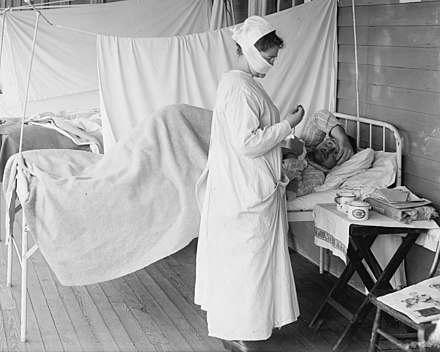
In 1918, the Spanish flu pandemic made its way to Sweden, causing widespread death and illness. The virus, known as H1N1, spread rapidly throughout the country due to increased travel and crowded living conditions.
The impact of the Spanish flu was devastating, resulting in a significant number of deaths and illnesses across Sweden. Hospitals were overwhelmed with patients, and healthcare workers struggled to keep up with the demand for medical care. The economy also suffered as businesses were forced to close due to the high numbers of sick employees.
The Spanish flu pandemic exposed weaknesses in Sweden's healthcare system and highlighted the need for better pandemic preparedness. Measures such as social distancing, quarantines, and the use of face masks were implemented to try and control the spread of the virus.
The Spanish flu pandemic in Sweden serves as a stark reminder of the importance of early detection and response to infectious diseases. It also underscores the need for robust healthcare systems and public health measures to prevent future pandemics. #SpanishFlu #Pandemic #SwedenHealthcare
View detailsGerman occupation of Åland during WWII infringes Swedish neutrality, a significant historical event.
During World War II, German forces occupied the Åland Islands, violating Swedish neutrality. The Åland Islands hold strategic importance due to their location in the Baltic Sea. Germany aimed to establish control over these islands to strengthen its position in the region and block allied forces. Sweden, being neutral, protested against this violation but was unable to prevent the occupation.
The occupation caused deep concern in Sweden as it highlighted the vulnerability of their neutrality during the war. Despite their protests, Swedish authorities had to navigate carefully to avoid escalating the situation further. The occupation ended after the German surrender, and the Åland Islands were returned to Swedish control.
This event highlighted the challenges faced by neutral countries during times of conflict, where maintaining neutrality was not always guaranteed or respected. The violation of Swedish neutrality in the Åland Islands underscored the complexities of navigating international politics during wartime.
#ÅlandIslands #GermanOccupation #SwedishNeutrality #WorldWarII
View details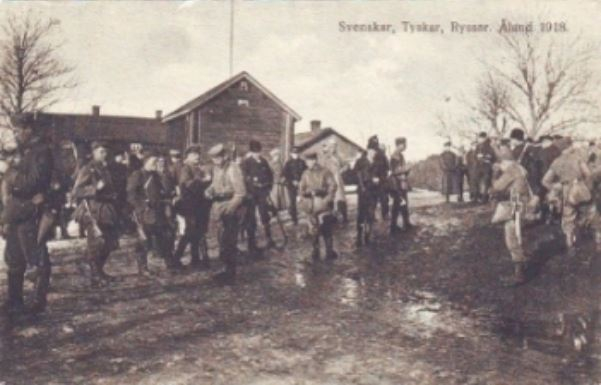
1917
In 1917, the Wallenberg Foundation was established with the aim of combating poverty on a global scale through a range of innovative projects and initiatives. The Foundation was inspired by the legacy of Raoul Wallenberg, a Swedish diplomat who saved thousands of Hungarian Jews during World War II.
The Foundation's primary focus was on addressing the root causes of poverty through education, healthcare, and economic empowerment programs. It collaborated with local communities and organizations worldwide to implement sustainable solutions that would improve the living conditions of vulnerable populations.
One of the key initiatives of the Wallenberg Foundation was the establishment of microfinance programs in developing countries, providing small loans to entrepreneurs to start or expand their businesses. This approach proved to be highly effective in lifting individuals out of poverty and creating long-term economic growth.
The Foundation's work had a significant impact on reducing poverty levels in various regions, empowering individuals to break the cycle of poverty and build better futures for themselves and their families. Its legacy continues to inspire philanthropic efforts and social initiatives to this day.
#WallenbergFoundation #PovertyEradication #GlobalImpact #SustainableDevelopment #SocialEmpowerment
View detailsIn 1917, Finland achieved independence from Sweden, marking the end of centuries of shared history between the two nations. The relationship between Finland and Sweden dated back to the Middle Ages when Finland was a part of the Swedish kingdom. Over the years, Finland had gained increasing autonomy but remained within the Swedish realm.
The move towards independence was propelled by a combination of factors, including internal political shifts within Finland and the broader geopolitical changes surrounding World War I. The Finnish people asserted their national identity and desire for self-governance, leading to the declaration of independence.
The gaining of independence had a profound impact on both countries. Finland embarked on a journey of nation-building and establishing itself as a sovereign state. On the other hand, Sweden lost a significant part of its historical territory.
The event marked a turning point in the history of both nations, reshaping their relationship and setting the course for their future interactions as independent states. It symbolized Finland's emergence as an independent player on the global stage while reaffirming Sweden's distinct identity.
#FinlandIndependence #SharedHistory #SwedenFinlandRelations
View details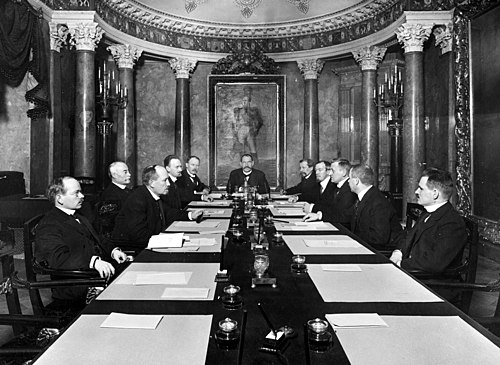
1914
During WWI, Sweden maintained a position of neutrality to safeguard its sovereignty and avoid entanglement in the widespread conflicts. The country's decision to abstain from taking sides was based on a long-standing tradition of non-intervention in foreign disputes. By staying neutral, Sweden aimed to uphold peace within its borders and protect its status as a neutral nation in international affairs.
The impact of Sweden's neutrality during WWI included maintaining stability within the country, as it did not suffer the devastating consequences of war that many other European nations experienced. By staying out of the conflict, Sweden was able to focus on its internal development and economic prosperity.
This event highlighted Sweden's commitment to diplomacy and peace, as it navigated through a tumultuous period in European history without getting embroiled in the violence and destruction of war. Sweden's neutrality during WWI serves as a testament to the country's efforts to prioritize peace and stability in the face of global conflicts.
#Sweden #Neutrality #WWI #Peace #Diplomacy
View details1910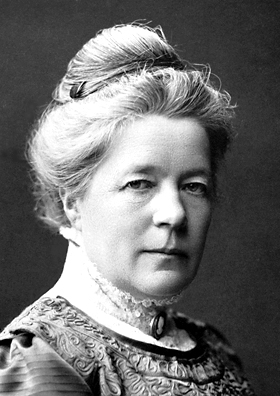
Selma Lagerlöf, a Swedish author, made history in 1909 by becoming the first woman to receive the Nobel Prize in Literature. Her groundbreaking achievement not only highlighted her exceptional literary talents but also marked a significant milestone for women in literature and the broader fight for gender equality.
Born on November 20, 1858, in Mårbacka, Värmland, Sweden, Lagerlöf was immersed in storytelling from an early age, often entertained by the folk tales recounted by her grandmother. Despite facing physical challenges due to a hip injury and societal limitations placed on women, Lagerlöf pursued education and trained as a teacher, a profession that would support her while she honed her writing skills.
Lagerlöf’s literary career began to flourish with the publication of her first novel, "Gösta Berlings Saga," in 1891. Set in her native Värmland, the novel blends realism with mythic and supernatural elements, creating a rich tapestry of Swedish culture and landscape. The book was initially met with mixed reviews but eventually gained critical acclaim and solidified Lagerlöf’s reputation as a gifted storyteller.
Her works are characterized by their imaginative narrative style, deep connection to Swedish folklore, and exploration of moral and philosophical themes. "The Wonderful Adventures of Nils," published in 1906-1907, is another seminal work that showcased her narrative prowess. Originally written as a geography textbook for Swedish schoolchildren, the story of Nils Holgersson's transformative journey across Sweden became an instant classic, beloved for its blend of educational content and enchanting storytelling.
Lagerlöf’s receipt of the Nobel Prize in 1909 was a landmark event. The Nobel Committee cited her "lofty idealism, vivid imagination, and spiritual perception" as reasons for awarding her the prestigious prize. Her win was not only a personal triumph but also a significant moment for women writers globally, serving as an inspiration for future generations.
Beyond her literary contributions, Lagerlöf was an advocate for social and political causes. She supported the women's suffrage movement in Sweden and used her influence to champion women's rights. Her legacy extends beyond her written work, as she remains a symbol of perseverance and the power of storytelling.
Selma Lagerlöf continued to write and publish until her death on March 16, 1940. Her body of work remains a cornerstone of Swedish literature, and her impact on world literature is immeasurable. She paved the way for women writers to be recognized and respected in a field traditionally dominated by men.
Lagerlöf's achievement in winning the Nobel Prize in Literature underscored the importance of diverse voices in literature and demonstrated the universal appeal and enduring power of storytelling. Her stories, filled with magical realism and deeply rooted in her cultural heritage, continue to resonate with readers worldwide.
#SelmaLagerlöf #NobelPrize #Literature #WomenInLiterature #SwedishLiterature #MomentsOfLife #MoofLife_Moment #MoofLife
View details1909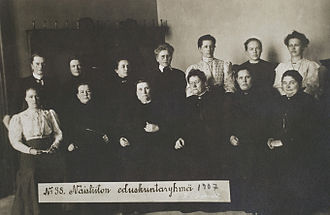
In 1909, the Swedish Parliament made history by granting equal voting rights to both men and women. The decision marked a pioneering move globally and a significant step toward gender equality in the political realm. This progressive decision came after years of advocacy and struggle by the women's suffrage movement in Sweden.
The impact of this decision was profound, setting a precedent for other countries to follow suit in granting equal voting rights to all citizens regardless of gender. Sweden's move sparked conversations worldwide about the importance of gender equality in governance and paved the way for future advancements in women's rights.
The granting of equal voting rights in Sweden was a turning point in the fight for gender equality and democracy. It signified a shift towards a more inclusive and representative political system, where the voices of both men and women were valued equally in shaping the future of their country.
#GenderEquality #PoliticalAdvancement #SuffrageMovement #SwedenWomenRights #TrailblazingChange
View details1905
The Treaty of Karlstad formed a personal union between Norway and Sweden. Norway had been in a union with Denmark for centuries until 1814 when it was ceded to Sweden following the Napoleonic Wars. Tensions arose due to cultural and political differences, leading to Norway's push for independence. In a referendum, the majority voted for dissolution of the union with Sweden.
Under the Treaty of Karlstad, Prince Carl of Denmark was elected as the King of Norway, taking the name Haakon VII. The union allowed Norway to have its own parliament, government, and constitution, while sharing a common king with Sweden. This arrangement ensured peace and stability between the two nations.
The union between Norway and Sweden lasted until 1905 when Norway peacefully gained full independence. This event marked a significant moment in Norwegian history, symbolizing the country's sovereignty and self-governance after years of being in unions with Denmark and Sweden.
The Treaty of Karlstad established a unique relationship between Norway and Sweden, demonstrating a balance between autonomy and cooperation. This event highlighted the importance of diplomacy and peaceful resolutions in international relations. #UnionofNorwayandSweden #TreatyofKarlstad #HaakonVII #IndependenceDay #Diplomacy
View detailsIn 1905, Swedish artist Carl Larsson completed his renowned watercolor series capturing family life in Sundborn. The series depicted the daily activities and intimate moments of Larsson's own family. This collection showcased the charming rural setting of Sundborn in Dalarna, Sweden, where Larsson found inspiration.
With a colorful and detailed style, Larsson's artwork captured the simplicity and warmth of family life, resonating with audiences worldwide. The series not only celebrated the beauty of domestic life but also highlighted the importance of family bonds and togetherness.
Carl Larsson's watercolor series in Sundborn became an iconic representation of Swedish art and culture, drawing attention to the idyllic countryside living in Sweden. The series remains a timeless portrayal of family dynamics and the joys of ordinary life, inspiring generations of artists and art enthusiasts.
#CarlLarsson #Sundborn #SwedishArt #FamilyLife #WatercolorSeries #Domesticity
View details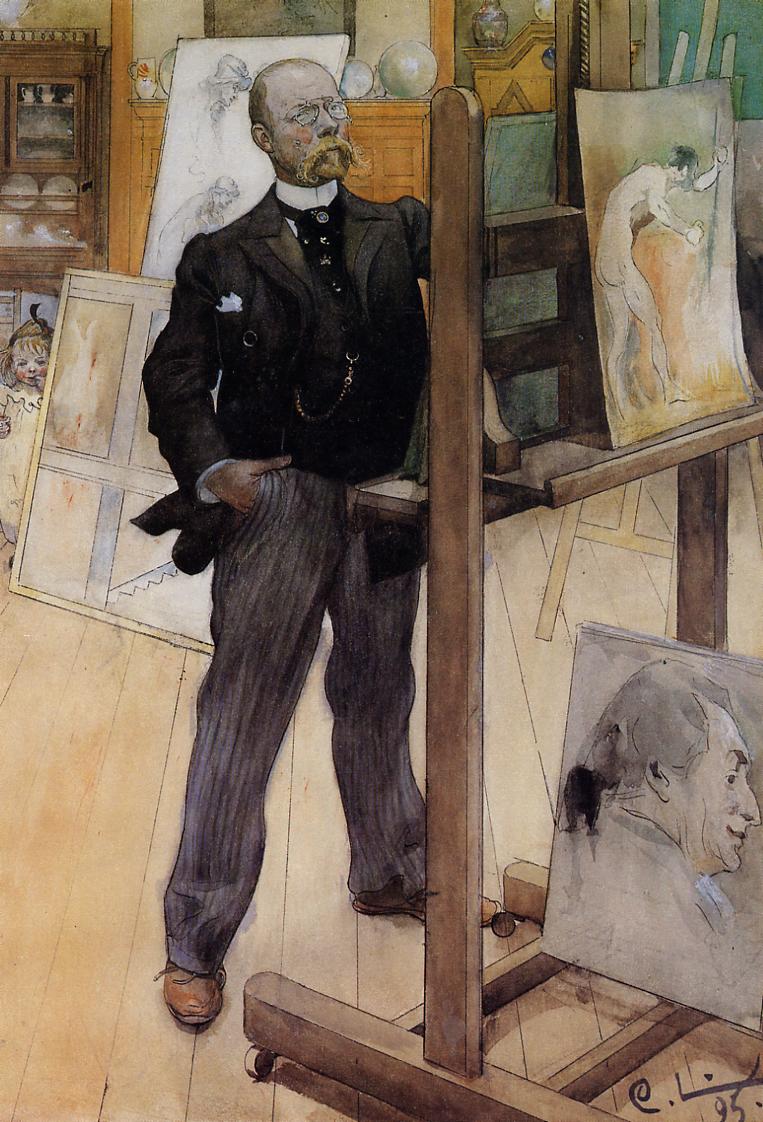
1902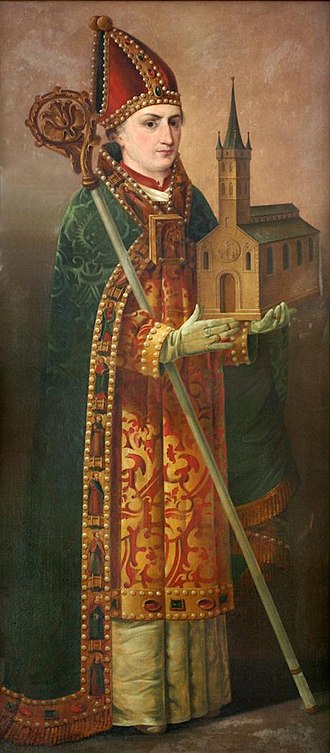
In 5/2/1902, Frankish missionary Ansgar embarked on a mission to convert Sweden to Christianity. Ansgar's goal was met with challenges and setbacks as he faced resistance from the pagan beliefs deeply rooted in Swedish society. Despite these obstacles, Ansgar remained determined, spreading his message of Christianity through preaching and establishing churches.
Ansgar's mission had a lasting impact on Sweden, laying the foundation for the eventual Christianization of the region. His efforts paved the way for the gradual acceptance of Christianity in Sweden, contributing to the country's religious and cultural transformation.
However, Ansgar's journey was not without difficulties. He encountered hostility from local rulers and opposition from those who were reluctant to abandon their traditional beliefs. Despite facing setbacks, Ansgar's perseverance and dedication to his mission played a crucial role in the spread of Christianity in Sweden.
Ansgar's mission to convert Sweden to Christianity reflects the challenges and triumphs of spreading a new faith in a resistant society. His legacy continues to be celebrated in Sweden and beyond, as a testament to the enduring influence of his missionary work. #Ansgar #Christianization #SwedenMission
View details