
Sweden

The Land of the Midnight Sun
Related Lives

Dominican Republic
A Caribbean Paradise

Adventure Movies
Where courage meets the unknown

Luxembourg
The Gibraltar of the North
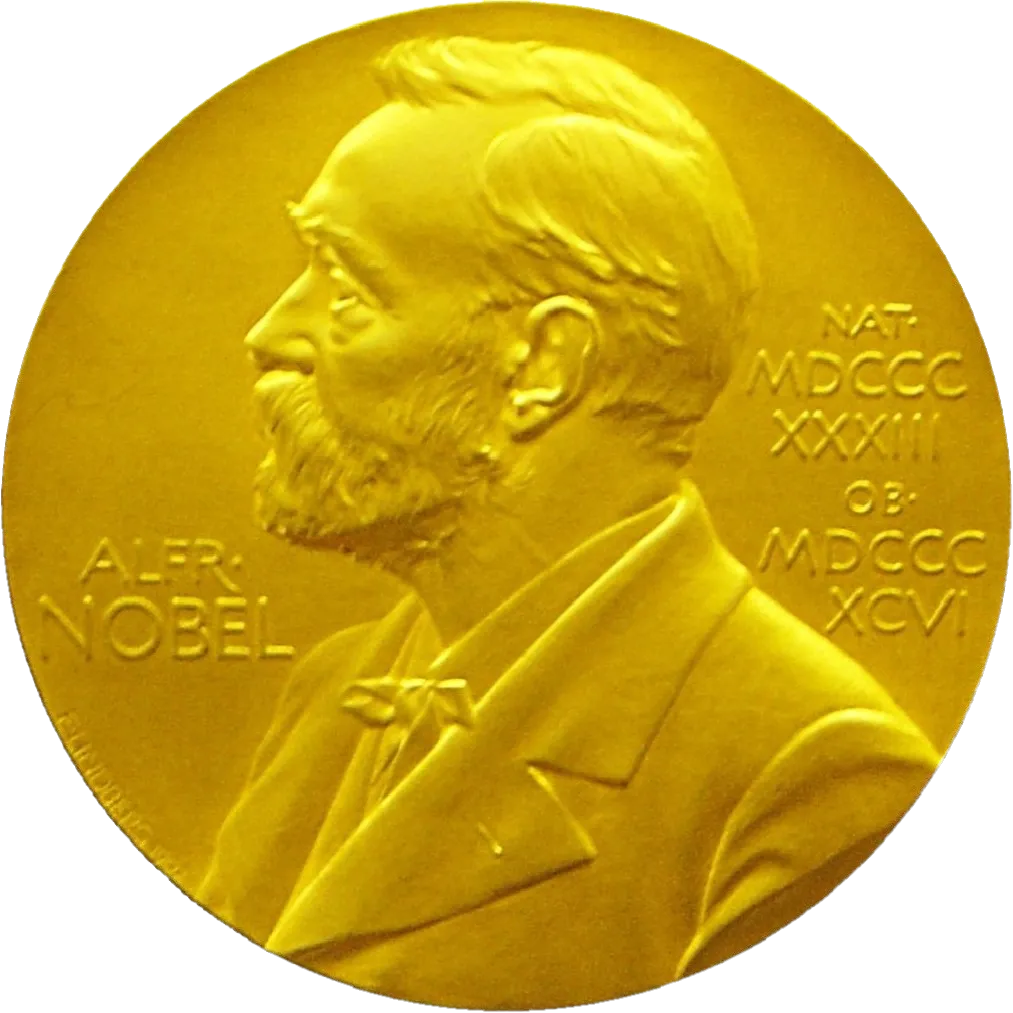
Nobel Prize in Physics
Celebrating the Pioneers of Science

Olympics
The Grandest Stage of All

Iraq
The Cradle of Civilization

Portugal
The Land of Explorers

Bolivia
The Heart of South America

0400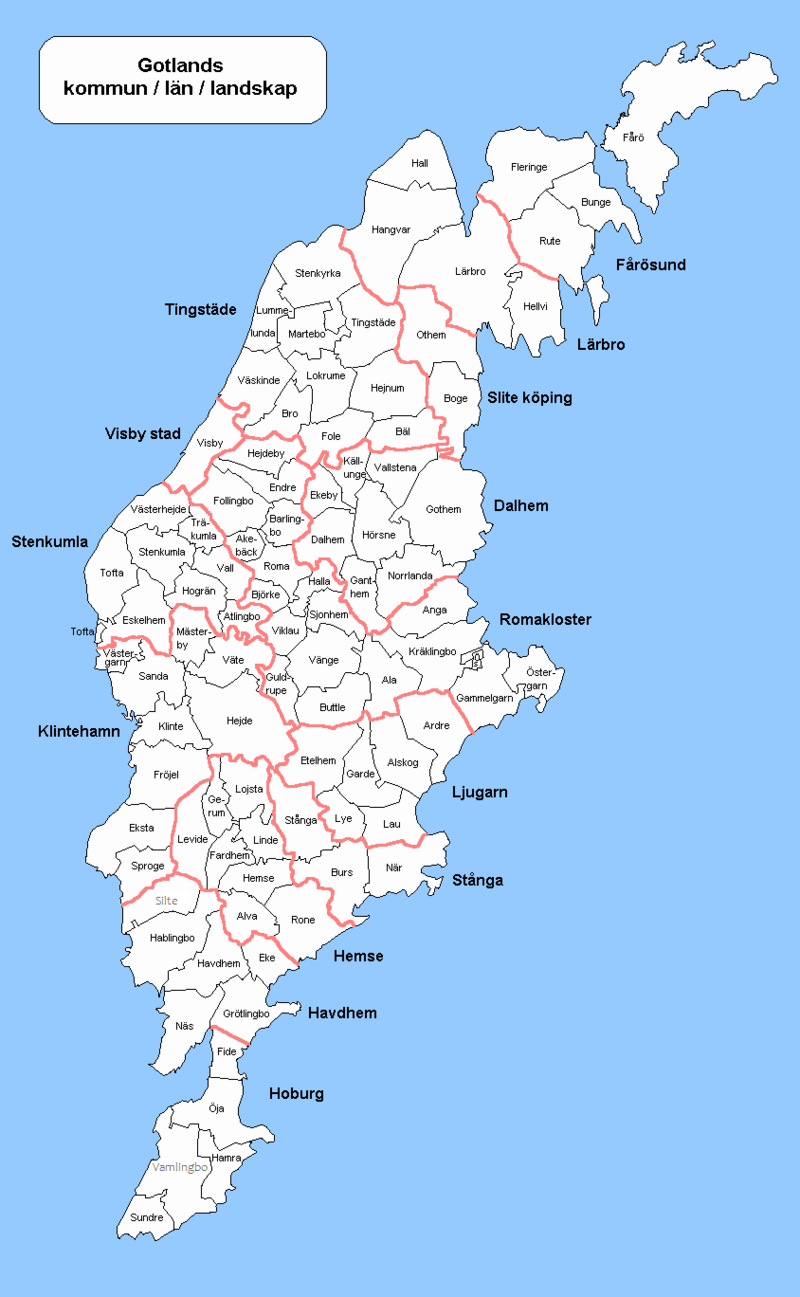
In ancient times, the Gutes, a Germanic tribe, settled on Gotland Island, shaping the island's history and culture. The Gutes established their presence through trade and agriculture, building a thriving society that lasted for centuries. Their strategic location in the Baltic Sea allowed them to engage in maritime trade with nearby regions, contributing to their prosperity.
The Gutes' arrival on Gotland Island had a lasting impact on the island's development. They constructed impressive stone structures, such as the famous Gotlandic picture stones, which provided insight into their beliefs and way of life. The Gutes also left behind a rich archaeological legacy, with numerous artifacts and burial sites showcasing their advanced craftsmanship and customs.
In the centuries that followed, Gotland Island became a hub of trade and cultural exchange, attracting various settlers and traders. The Gutes' legacy endured through the Viking Age and into the medieval period, influencing the island's identity and traditions.
Today, the Gutes' legacy continues to be celebrated on Gotland Island, with annual events and festivals honoring their heritage. Their early presence on the island laid the foundation for Gotland's unique cultural heritage and historical significance.
#Gutes #GotlandIsland #AncientSettlement #GermanicTribe #CulturalHeritage #TradeRoute
View details0375
During the Migration Period, an influx of Germanic tribes such as the Goths and Vandals led to a population rise in Sweden. These tribes migrated from regions in modern-day Germany and Scandinavia, seeking new lands and opportunities.
The arrival of these Germanic tribes significantly impacted the demographic landscape of Sweden. Their settlement brought about cultural exchange, trade networks, and new agricultural practices. The tribes also influenced the political dynamics of the region, forming alliances and occasionally engaging in conflicts with other groups.
As the Goths and Vandals integrated into Swedish society, they contributed to the development of the early medieval period in the region. Their presence added diversity to the population, creating a melting pot of different traditions and customs.
Overall, the migration of Germanic tribes such as the Goths and Vandals played a crucial role in shaping Sweden during this period, leaving a lasting impact on its population and culture. #MigrationPeriod #GermanicTribes #CulturalExchange #MedievalSweden
View details0250
The ancient town of Birka, located in Sweden, faced a catastrophic event when a destructive fire broke out, leading to severe devastation across the settlement. Birka, known for its significance as a prominent trading hub and a center of Viking activity, suffered immense loss as the flames ravaged through the wooden structures and valuable goods contained within.
The impact of the fire was profound, resulting in the destruction of numerous buildings, marketplaces, and archaeological artifacts that held historical and cultural importance. The inferno left the town in ruins, disrupting daily life and trade activities that were vital to Birka's existence.
The aftermath of the fire called for extensive efforts to rebuild and restore the town's infrastructure and heritage. The community rallied together to initiate reconstruction projects and salvage whatever remnants remained from the blaze, showcasing resilience and determination to revive their cherished town.
This tragic event serves as a reminder of the vulnerability of ancient settlements and the importance of preserving historical sites for future generations to appreciate and learn from.
#Birka #Sweden #FireDisaster #ReconstructionEfforts
View details0240
In AD 240, Romans acknowledged Swedish tribes in Götaland through the signing of the rationes transaction. This event marked a crucial recognition of the Swedish tribes by the powerful Roman Empire. The transaction aimed to establish diplomatic relations and trade agreements between the two regions. It also highlighted the growing influence and presence of Swedish tribes in the broader European landscape.
The recognition by the Romans brought significant benefits to the Swedish tribes, including access to Roman markets, technology, and cultural exchange. It helped in boosting the economy of the region and opened up new opportunities for growth and development. The acknowledgment also provided a sense of legitimacy and status to the Swedish tribes, enhancing their standing among neighboring communities.
Overall, the Götaland rationes transaction signed by Romans recognizing Swedish tribes was a momentous event that solidified the relations between these two distinct yet interconnected cultures. It paved the way for future interactions and collaborations, shaping the trajectory of both regions in the centuries to come.
#GötalandRecognition #RomanAcknowledgment #SwedishTribesHistoricalEvent
View details0200
In the Iron Age, Uppåkra near Lund, Sweden, started its construction, evolving into a prominent settlement. This pivotal development saw Uppåkra becoming a crucial site for trade, craft, and social gatherings in the region. The strategic location of Uppåkra facilitated interactions between different communities, fostering cultural exchange and economic growth.
The construction of Uppåkra marked a shift in the regional power dynamics, as it attracted skilled craftsmen, traders, and settlers seeking new opportunities. The settlement's growth led to the establishment of specialized production centers, such as iron workshops and pottery kilns, contributing to the local economy's diversification.
Uppåkra's rise as a major site in the Iron Age not only stimulated economic activities but also influenced social structures and cultural practices in the surrounding areas. The settlement's central role in the network of Iron Age communities highlights its significance as a hub for communication, commerce, and cultural diffusion.
The development of Uppåkra during this period underscores the resilience and adaptability of prehistoric societies in responding to changing environmental and social conditions. By harnessing local resources and fostering connections with neighboring regions, Uppåkra emerged as a vibrant center of innovation and prosperity.
#Uppåkra #IronAge #Lund #Settlement #Sweden #Archaeology #EconomicGrowth #CulturalExchange
View details0098
The oldest known mention of the Swedes (Suiones) appears in the Roman historian Tacitus' work *Germania*, written in 98 AD. Tacitus describes the Suiones as a powerful tribe living on islands in the ocean, distinct from other Germanic peoples due to their naval prowess. He notes that they had strong fleets with uniquely shaped ships, pointed at both ends, which allowed them to navigate the waters skillfully. Unlike many other Germanic tribes, the Suiones were also ruled by a king with absolute authority, a significant departure from the more democratic governance structures common among neighboring tribes.
Tacitus' mention of the Suiones provides one of the earliest glimpses into the ancestors of the Swedish people. His description highlights their maritime strength and centralized rule, characteristics that would later define Sweden’s influence in the Viking Age and beyond. Though much of what Tacitus wrote was based on secondhand accounts, his observations remain an essential historical reference for understanding early Scandinavian societies. This ancient mention marks the beginning of Sweden’s long and storied history.
#MomentsOfLife #MoofLife_Moment #MoofLife #SwedenHistory #Tacitus #AncientSwedes #ScandinavianRoots
View details