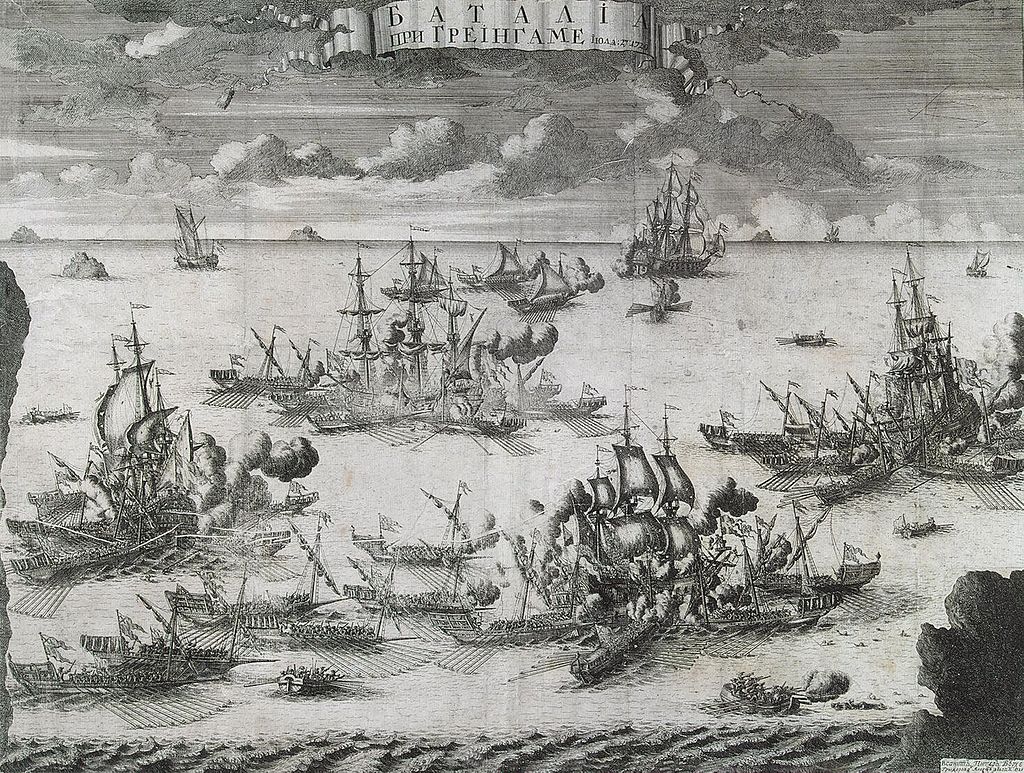
Great Northern War began when Sweden
Sweden

Political
European
3 min read
Updated By: History Editorial Network (HEN)
Published:
Updated:
In 1700, the Great Northern War began when Sweden found itself against an alliance composed of Russia, Denmark-Norway, and Saxony-Poland. The war was primarily driven by territorial disputes and power struggles in the Baltic Sea region. Sweden, under the rule of King Charles XII, aimed to assert its dominance and protect its strategic interests against the coalition of powerful neighbors.
The war had significant consequences for all parties involved. Initially, Swedish forces achieved several victories, including the Battle of Narva in 1700, showcasing their military prowess. However, as the conflict prolonged, Sweden's resources became strained, leading to a shift in power dynamics. The alliance gradually gained the upper hand, gaining territories and weakening Sweden's influence in the region.
The Great Northern War ultimately reshaped the political landscape of Northern Europe. It marked the decline of Sweden as a dominant power and the rise of Russia as a major player in European affairs. The war also highlighted the importance of alliances and military strategies in determining the outcomes of conflicts.
#GreatNorthernWar #Sweden #BalticPowerStruggles #EuropeanPolitics
Primary Reference
Great Northern War - Wikipedia

Explore the Life Moments of
 AI Twin