
Sweden

The Land of the Midnight Sun
Related Lives

Dominican Republic
A Caribbean Paradise

Adventure Movies
Where courage meets the unknown

Luxembourg
The Gibraltar of the North
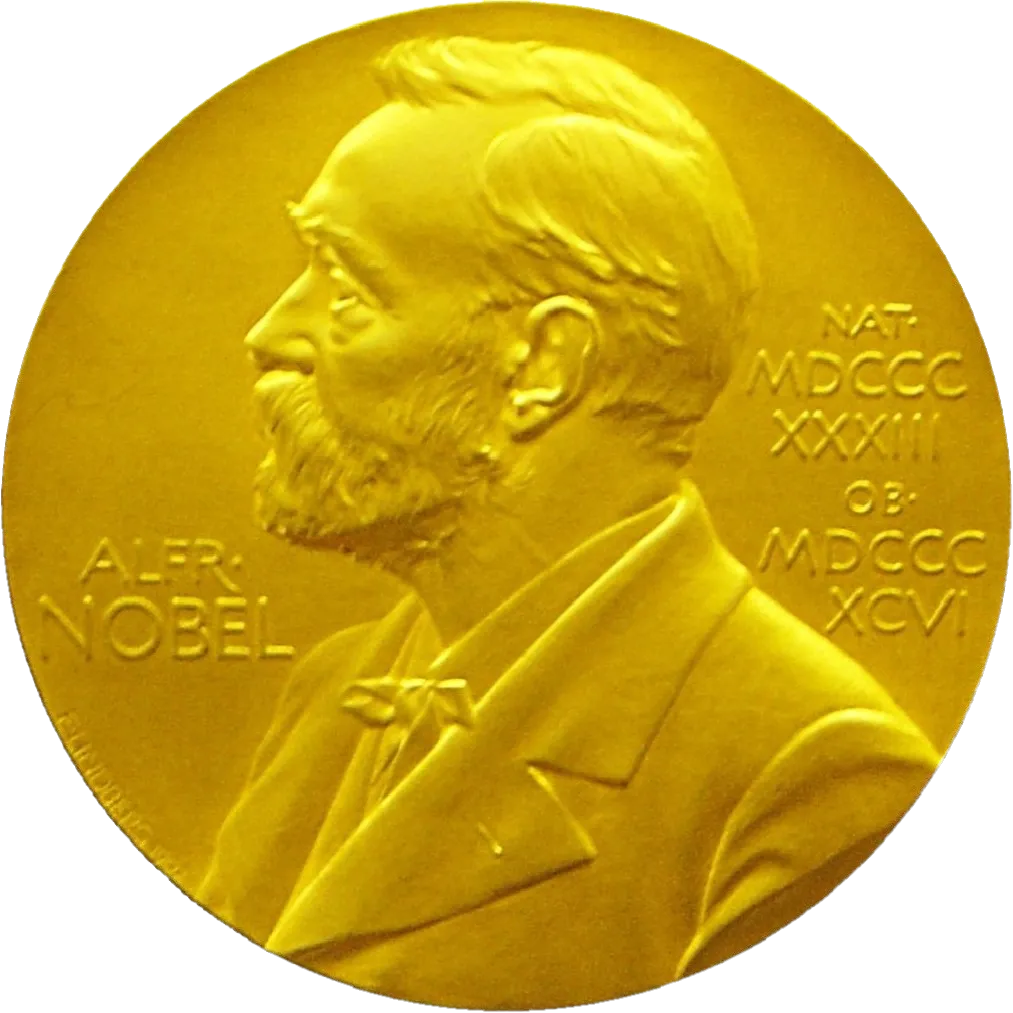
Nobel Prize in Physics
Celebrating the Pioneers of Science

Brunei
Abode of Peace

Ghana
Culture-Warmth-Rhythm

Italy
The Land of Art and Romance

Andorra
Hidden Gem of the Pyrenees

1611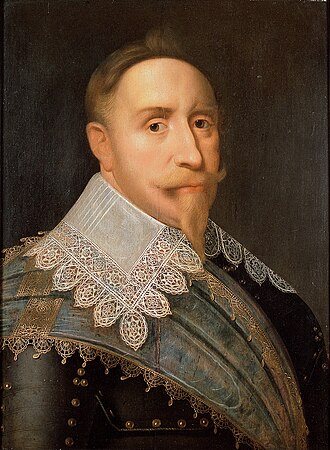
Gustavus Adolphus succeeded his father as the ruler of Sweden. His ascension to the throne marked a pivotal moment in Swedish history. Gustavus Adolphus, known for his military prowess and innovative reforms, brought about significant changes in the country. Under his rule, Sweden transitioned into a major European power, transforming its economy, military, and governance.
Gustavus Adolphus implemented key military reforms that revolutionized the Swedish army, turning it into one of the most formidable forces in Europe. His innovative strategies in warfare, such as the use of mobile artillery and disciplined infantry, helped Sweden achieve numerous military victories.
Economically, Gustavus Adolphus implemented policies to boost trade and commerce, laying the foundation for Sweden's future economic prosperity. His reign also saw advancements in education, culture, and infrastructure, shaping Sweden into a more modern and developed nation.
Gustavus Adolphus's rule had a lasting impact on Sweden, solidifying its position as a prominent player in European politics and setting the stage for its future expansion and influence.
#GustavusAdolphus #SwedishHistory #MilitaryReforms #EuropeanPower #EconomicProsperity
View details1566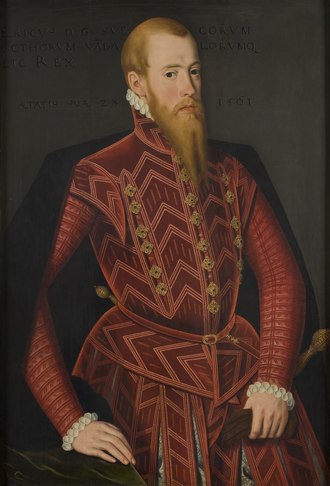
During the 16th century, King Erik XIV of Sweden faced a severe mental illness that led to his imprisonment by nobles who found his rule unfit. His erratic behavior and paranoia strained his relationships within the court, eventually leading to his dethronement by his brother Johan III. King Erik XIV's mental instability not only jeopardized his own well-being but also the stability of the kingdom. After being deposed, he spent his remaining days in captivity until his death. The event highlighted the vulnerability of monarchs and the importance of having a stable ruler to ensure the well-being of the nation. Johan III assumed the throne and aimed to restore order and strengthen Sweden's position in Europe. This transition of power marked a crucial moment in Swedish history as the kingdom navigated through a period of uncertainty and unrest. The dethronement of King Erik XIV served as a reminder of the consequences of inadequate leadership and the necessity for a ruler capable of fulfilling their duties effectively. #ErikXIV #JohanIII #MentalIllness #Dethronement #SwedishHistory
View details1554
Amid growing tensions over territorial disputes, Sweden and Russia found themselves at the brink of war in 1554. The conflict stemmed from conflicting claims over strategic regions in the Baltic Sea. The militaristic posturing on both sides ultimately led to the outbreak of hostilities.
The war between Sweden and Russia had significant impacts on both nations. A series of battles and sieges ensued, resulting in widespread devastation as both armies fought for supremacy. The conflict also tested the military capabilities of both nations, showcasing the strategies and tactics employed by each side.
The war also had broader implications for the region, drawing in neighboring powers and creating a complex web of alliances and rivalries. The outcome of the conflict would have far-reaching consequences for the balance of power in Northern Europe.
Ultimately, the war between Sweden and Russia highlighted the volatile nature of international relations during this period. It underscored the importance of territorial control and strategic dominance in shaping the political landscape of the time.
#Sweden #Russia #Warfare #TerritorialDisputes #InternationalRelations
View details1523
For over a century, Denmark and Sweden had shared a union since the Kalmar Union's formation in 1397. The Danish-Swedish Union's end in 1523 marked a significant shift in power dynamics in the region. Gustav Vasa's successful rebellion against Danish rule led to the establishment of an independent Swedish kingdom under his leadership. Vasa's decisive actions solidified Sweden's independence, ending Danish dominance in the region.
The dissolution of the union brought about political and economic changes for both countries. Sweden's newfound autonomy allowed for the consolidation of power and the strengthening of national identity. The end of the union also paved the way for Sweden to become a major player in European politics in the centuries to come. Denmark, on the other hand, faced challenges in maintaining control over its territories following the loss of Sweden.
The end of the Danish-Swedish Union in 1523 had far-reaching consequences that shaped the course of both countries' histories. It marked the beginning of Sweden's emergence as a powerful nation in the Baltic region and set the stage for future conflicts and alliances in Northern Europe. The event serves as a reminder of the complex relationships between nations and the enduring quest for independence and self-determination. #SwedishIndependence #NordicHistory #UnionDissolution
View detailsIn 1523, Gustav Vasa ascended to the throne of Sweden, marking a pivotal moment in the country's history. Previously under Danish rule, Sweden had been fighting for independence for years. Gustav Vasa, a skilled leader and strategist, emerged as a key figure in the Swedish freedom movement.
After a successful uprising against the Danish regime, Gustav Vasa was crowned King of Sweden, establishing the Vasa dynasty. His reign marked the beginning of a new era for the Swedish kingdom, characterized by increased autonomy and centralization of power. Gustav Vasa implemented various reforms, including the confiscation of church lands and the establishment of a national church, which helped strengthen the monarchy.
Under Gustav Vasa's rule, Sweden saw significant economic growth and expanded its influence in the region. His legacy as the founder of modern Sweden endures to this day, as he is remembered as a national hero who secured Sweden's independence and laid the foundation for the country's future prosperity.
#GustavVasa #SwedishMonarchy #Independence #VasaDynasty
View details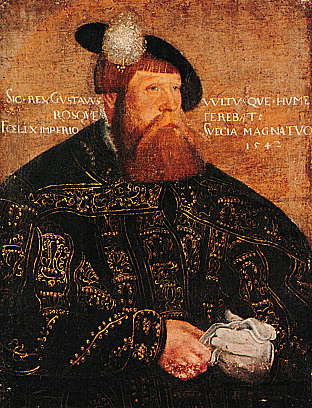
1520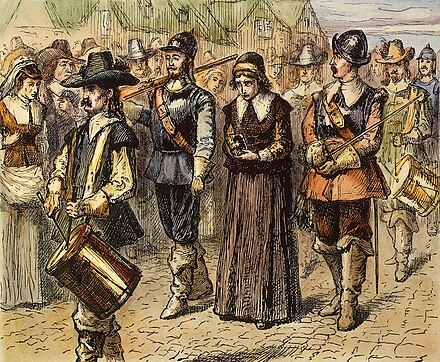
In 1520, following the Stockholm Bloodbath, a violent massacre unfolded as the Danish king sought to suppress rebellion in Sweden. The event marked a brutal political purge, with mass executions carried out to crush the Protestant uprising. Under the rule of King Christian II, the Danes aimed to assert dominance over the Swedish nobility who had opposed his regime.
The bloodshed of the massacre left a lasting impact on Swedish history, striking fear into those who challenged Danish authority. The mass execution of Swedish leaders and nobles served as a stark warning to those who dared to resist foreign rule. The event solidified Danish control over Sweden for years to come, quelling any further attempts at rebellion.
The violent massacre and political purge that unfolded in Sweden highlighted the brutal methods used to maintain power during this tumultuous period in Scandinavian history. The Stockholm Bloodbath remains a somber reminder of the high cost of resistance against oppressive regimes.
#StockholmBloodbath #DanishControl #PoliticalPurge #SwedishHistory #ProtestantUprising #MassExecution.
View details1477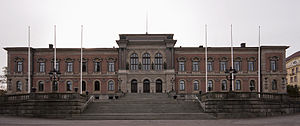
The University of Uppsala was founded as Sweden's premier academic institution, marking a significant milestone in the country's pursuit of knowledge and education. Established to meet the growing intellectual needs of the region, the university quickly became a hub for research and learning, attracting scholars and students from across Europe.
The establishment of the University of Uppsala had a profound impact on Swedish society, fueling advancements in various fields such as theology, science, and philosophy. Its innovative approach to academia set the standard for higher education in Sweden and beyond, pioneering new methodologies and fostering a culture of intellectual exchange.
Over the centuries, the University of Uppsala has continued to grow and evolve, maintaining its reputation as a leading institution of learning. Its rich history and tradition of excellence have shaped the academic landscape of Sweden, producing generations of scholars who have made significant contributions to their respective fields.
Today, the University of Uppsala stands as a testament to Sweden's commitment to education and innovation, inspiring future generations to pursue knowledge and expand the boundaries of human understanding. #UniversityofUppsala #Sweden #AcademicExcellence
View details1434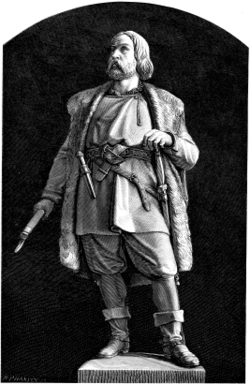
In 1434, Engelbrekt Engelbrektsson, a Swedish nobleman, led an uprising against the ruling class to demand greater rights and freedoms for the common people. The revolt was fueled by widespread discontent with the oppressive rule of the aristocracy, who held most of the political and economic power in the country.
Engelbrekt's uprising gained momentum as peasants, miners, and other disenfranchised groups joined forces to challenge the established order. They engaged in acts of sabotage and guerrilla warfare, targeting the estates and properties of the nobility to weaken their grip on power.
The impact of Engelbrekt's rebellion was profound. It marked a turning point in Swedish history, leading to the establishment of a more representative and inclusive government. The uprising paved the way for greater social mobility and political participation for the common people, ushering in a new era of rights and freedoms in the country.
Engelbrekt's legacy as a champion of the people's cause endures to this day, inspiring movements for equality and justice. His uprising against the ruling class serves as a reminder of the power of collective action in standing up to oppression and advocating for a more equitable society. #Engelbrekt #SwedishUprising #RightsandFreedom
View details1397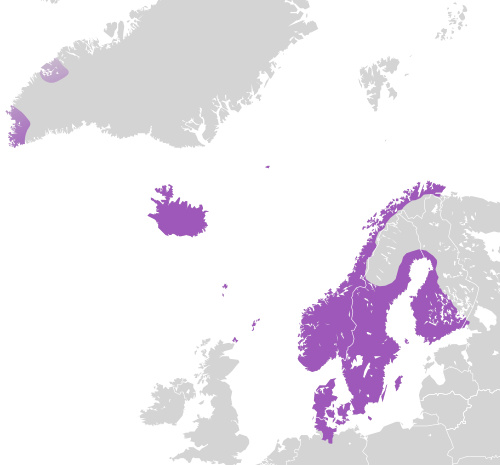
In 1397, the Union of Kalmar brought together Denmark, Norway, and Iceland under one monarch for an extended period. This union aimed to strengthen the political control over the territories and enhance economic and military cooperation. Margrete I, the Queen of Denmark, played a pivotal role in the formation of this union, which lasted for centuries.
The Union of Kalmar had a significant impact on the territories involved. It allowed for more centralized governance and facilitated trade and cultural exchange among the regions. However, tensions arose over time due to the unequal treatment of the constituent countries and power struggles within the union.
One of the most notable outcomes of the Union of Kalmar was the eventual separation of Sweden from the union in 1523, leading to the dissolution of the once-united territories. This event marked a turning point in the history of Scandinavia, as it paved the way for the emergence of independent nation-states in the region.
The legacy of the Union of Kalmar continues to influence the historical narratives of Denmark, Norway, Iceland, and Sweden, highlighting the complexities of political alliances and the challenges of maintaining unity among diverse regions. #UnionofKalmar #ScandinavianHistory #MonarchicalUnion #RegionalIntegration
View details1395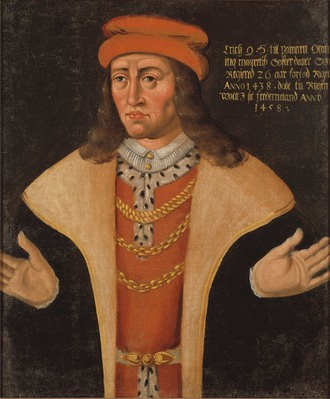
Eric of Pomerania, a nobleman with aspirations for royal power, ascended to the throne over Sweden, Norway, and Denmark. His rule marked a significant consolidation of power in the Scandinavian region. By uniting these kingdoms under his reign, Eric aimed to create a strong and centralized authority. This move was met with mixed reactions from the populace, with some regions welcoming the stability and shared governance, while others resisted the centralization of power.
During his reign, Eric of Pomerania sought to strengthen trade and military capabilities across his domains, promoting economic prosperity and defense readiness. However, his ambitious plans and centralized rule generated conflicts with local leaders and fueled discontent among the nobility. These tensions ultimately contributed to challenges to Eric's authority and his eventual decline.
The era under Eric of Pomerania's reign was marked by political intrigue, economic growth, and cultural exchange across the three kingdoms. His legacy remains a subject of historical debate, with interpretations varying between a visionary ruler seeking unity and progress, and a controversial figure facing resistance and conflicts in his quest for power.
#EricofPomerania #ScandinavianUnion #MedievalKingdoms
View details1387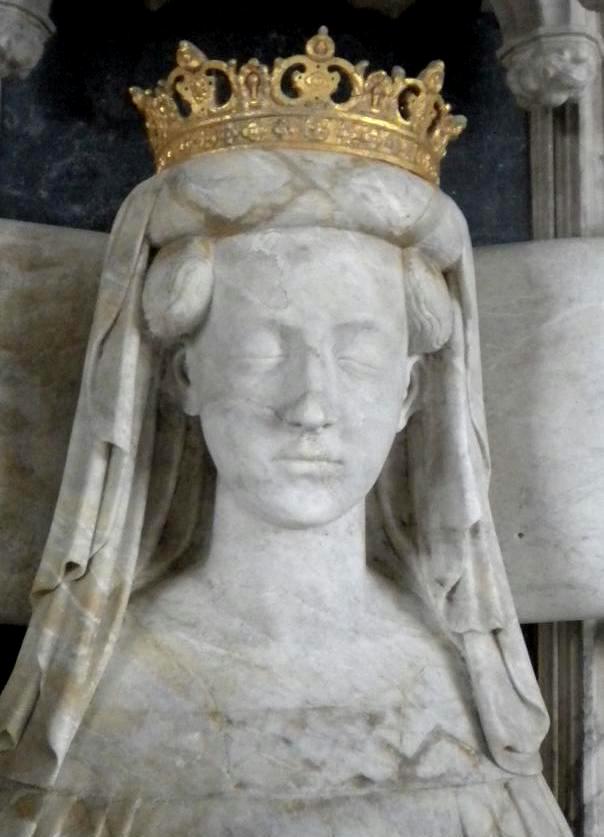
Amidst the dynamics of medieval Scandinavian politics, Queen Margaret I of Denmark ascended to power in Sweden following the establishment of the Kalmar Union agreement. This union aimed to consolidate the three Nordic kingdoms of Denmark, Norway, and Sweden under a single monarch to promote unity and cooperation. Margaret's rise to rule Sweden was a strategic move to exert Danish influence over the region and strengthen the union's political stability.
Queen Margaret's rule marked a significant shift in power dynamics in the region, as she centralized authority and implemented reforms to harmonize governance across the three kingdoms. Her assertive leadership style and diplomatic prowess enabled her to navigate complex rivalries and establish a more cohesive union. The Kalmar Union facilitated economic growth, improved security, and promoted cultural exchange among the member states.
The union faced challenges, including resistance from local nobles and periodic conflicts, yet it endured for several centuries before its eventual dissolution. Queen Margaret's legacy as a shrewd and influential ruler in medieval Scandinavia is a testament to her lasting impact on the region's political landscape.
#QueenMargaret #KalmarUnion #MedievalScandinavia #PoliticalUnity
View details1361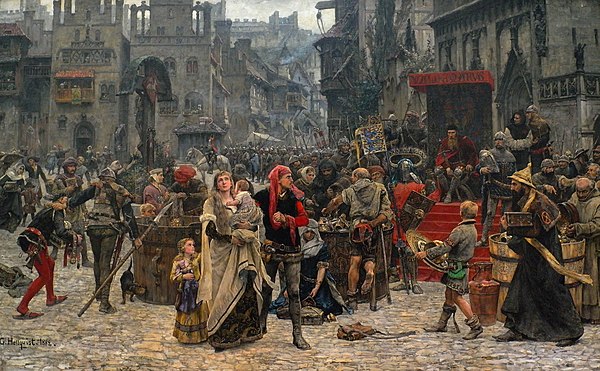
Valdemar IV of Denmark led an invasion into Sweden, sparking regional conflict and power struggles. The conflict arose from territorial ambitions and longstanding tensions between the two nations. Valdemar IV sought to expand his influence and control by seizing Swedish territories, further fueling animosity in the region.
The invasion prompted Sweden to rally its forces and seek alliances with neighboring powers to resist the Danish incursion. The conflict not only led to intense military engagements but also triggered political maneuvering and diplomatic efforts to garner support against the invading forces. The power struggles that ensued reshaped the political landscape in the region, with various factions vying for dominance and strategic advantage.
The aftermath of Valdemar IV's invasion of Sweden left a lasting impact on both nations, influencing their relations for years to come. The event underscored the complex dynamics of power and competition among medieval European kingdoms, highlighting the precarious balance of power in the region.
#ValdemarIV #Denmark #Sweden #Invasion #RegionalConflict #PowerStruggles #MedievalEurope
View details1323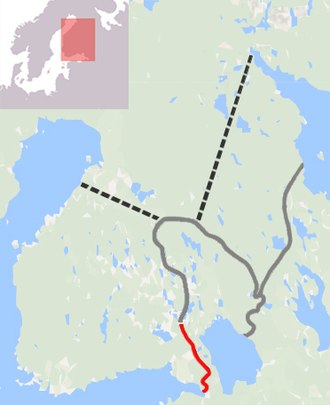
The Treaty of Nöteborg played a crucial role in resolving longstanding land disputes between Sweden and Novgorod. The conflict arose due to territorial claims in the northern regions, particularly around the Gulf of Finland. Tensions escalated as both sides sought to assert their dominance in the area, leading to frequent clashes and instability.
Through diplomatic negotiations, the Treaty of Nöteborg was successfully drafted, outlining clear boundaries and territories for both parties. The agreement not only brought an end to the hostilities but also provided a framework for future relationships and trade between Sweden and Novgorod. This marked a significant turning point in their interactions, shifting from confrontation to cooperation.
The treaty's impact was felt beyond the immediate resolution of territorial disputes. It laid the groundwork for peaceful coexistence and paved the way for increased economic opportunities and cultural exchanges between the two powers. The stability brought about by the treaty contributed to the development of the region and set a precedent for diplomatic solutions to future conflicts.
#TreatyofNöteborg #Sweden #Novgorod #Diplomacy #TerritorialDisputes #PeacefulResolution #HistoricAgreement
View details1319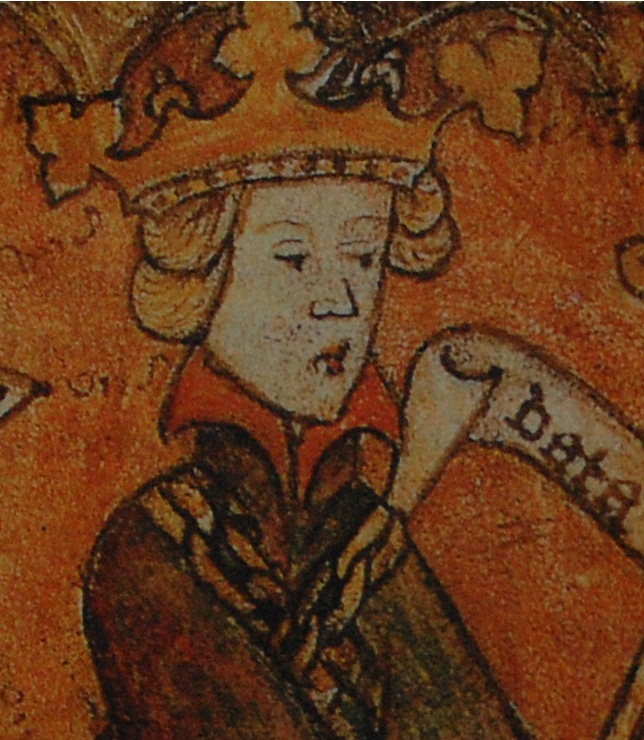
King Magnus Eriksson took the throne, unifying Sweden and Norway under his rule. This significant event marked a turning point in Scandinavian history, as Magnus became the ruler of two powerful kingdoms. His ascension came after a period of turmoil and political instability in the region, bringing a sense of unity and stability to the people.
Magnus Eriksson's reign was characterized by efforts to strengthen the ties between Sweden and Norway, consolidating his power and influence over both realms. His rule was marked by a series of reforms and administrative changes aimed at centralizing authority and promoting economic development. Under his leadership, trade flourished, and cultural exchanges between the two kingdoms increased significantly.
The ascension of King Magnus Eriksson had a lasting impact on the political landscape of Scandinavia, setting the stage for closer cooperation between Sweden and Norway in the years to come. His legacy as a skilled ruler who successfully governed two kingdoms simultaneously remains an important chapter in Nordic history.
#KingMagnusEriksson #SwedenNorwayUnion #ScandinavianHistory
View details1310
In the early 14th century, the civil war in Sweden had torn the nation apart. Factions were at odds, causing chaos and instability. The need for peace became urgent, leading to negotiations mediated by neighboring Denmark. Finally, after much deliberation, a treaty was signed in Helsingborg, marking the end of the prolonged conflict. The agreement aimed to restore order, reunify the divided regions, and establish a framework for peaceful coexistence.
The treaty brought an end to the violence and devastation that had plagued Sweden for years. It facilitated the return to normalcy, allowing the country to focus on rebuilding and reconciliation. The significance of the Helsingborg treaty reverberated throughout the region, setting a precedent for diplomatic resolutions to internal conflicts. It laid the foundation for a more stable and cohesive Sweden, strengthening its position on the international stage.
#SwedenHistory #CivilWarResolution #HelsingborgTreaty
View details1304
King Birger and his brothers - Dukes Erik and Valdemar rebelled against their brother-in-law, King Magnus Eriksson. The conflict arose due to power struggles and territorial disputes within the Swedish royal family. Birger and his brothers aimed to overthrow Magnus and seize control of the kingdom.
The revolt plunged Sweden into a bitter civil war that lasted for years, tearing the country apart. The conflict divided nobles and common folk, leading to widespread unrest and instability. The fighting resulted in significant loss of life and destruction across the land.
King Birger and his brothers were ultimately defeated by King Magnus, leading to their capture and imprisonment. Birger's betrayal of his own family had grave consequences, as he lost his crown and power, facing a humiliating end. The civil war left a lasting impact on Sweden, reshaping its political landscape and royal succession.
The uprising of King Birger and brothers against King Magnus Eriksson stands as a pivotal moment in Swedish history, symbolizing the treacherous nature of power struggles within the royal family. #SwedishHistory #RoyalConflict #CivilWar
View details1303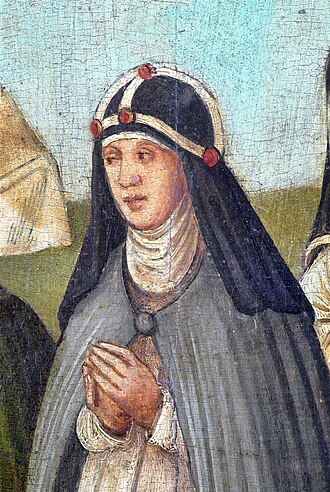
In 1303, Saint Bridget established the Birgittine Order at Vadstena Abbey in Sweden. This initiative aimed to enhance spiritual life and promote service among believers. The Birgittine Order was founded on the principles of contemplation, charitable works, and devotion to God.
Upon its establishment, Vadstena Abbey became a center for religious practice and service, attracting followers from far and wide. The members of the Birgittine Order devoted their lives to prayer, meditation, and serving the community. Through their spiritual practices, they aimed to deepen their connection to God and spread His teachings.
The impact of Saint Bridget's establishment of the Birgittine Order was profound, as it provided a space for individuals to dedicate themselves to a life of faith and service. The teachings and practices of the order influenced many believers, shaping their spiritual journey and guiding them towards a more meaningful and devout life.
Today, the legacy of Saint Bridget and the Birgittine Order continues to inspire individuals seeking a deeper connection to their faith and a life of service to others. The establishment of the Vadstena Abbey remains a pivotal moment in religious history, highlighting the importance of spirituality and service in the lives of believers. #SaintBridget #VadstenaAbbey #BirgittineOrder #Spirituality #Service
View details1275
The Battle of Hova unfolded as a pivotal conflict within the Swedish monarchy. King Birger found himself entangled in a fierce power struggle with his siblings, Dukes Valdemar and Eric. The backdrop was a longstanding rivalry over influence and control, simmering within the royal family.
Tensions reached a breaking point when King Birger attempted to consolidate power, alienating his brothers in the process. The stage was set for a violent clash, with each faction gathering their supporters for a decisive confrontation near the town of Hova.
The outcome was decisive. King Birger faced defeat at the hands of his siblings, marking a significant shift in the balance of power within the kingdom. The aftermath of the battle saw King Birger stripped of his authority, with Dukes Valdemar and Eric asserting their dominance over the Swedish throne.
The Battle of Hova stood as a turning point in Swedish history, reshaping the political landscape and cementing the influence of the rival siblings. The repercussions of this conflict would reverberate throughout the kingdom for years to come, leaving a lasting impact on the monarchy.
#BattleofHova #KingBirger #SiblingRivalry #SwedishMonarchy
View details1252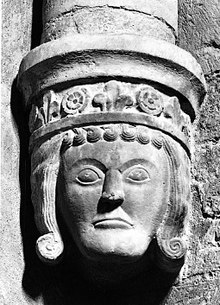
In the 13th century, Birger Jarl laid the foundations of what would become Sweden's capital city, Stockholm. Located strategically on 14 islands, the new city served as a vital hub for trade and defense. Establishing Stockholm shifted the power center within Sweden, consolidating authority and attracting settlers and merchants, fueling urban growth.
The foundation of Stockholm marked a turning point in Swedish history, propelling the region towards economic prosperity and political prominence. The city's growth boosted the Kingdom's influence in the Baltic Sea region, fostering cultural exchange and alliances. Moreover, the establishment of Stockholm as the capital centralised governance and facilitated the administration of the fast-expanding realm.
Over time, Stockholm evolved into a bustling metropolis, home to royal palaces, churches, and vibrant markets that attracted people from far and wide. Its strategic location made it a key player in Northern Europe's political landscape, shaping Nordic history for centuries to come. The legacy of Birger Jarl's vision endures in Stockholm's rich heritage, blending medieval roots with modern innovations.
#BirgerJarl #Stockholm #CapitalCity #SwedishHistory #UrbanGrowth
View details1249
In 1249, the Treaty of Lödöse was enacted to demarcate the border between Sweden and Norway. This agreement, facilitated by representatives from both nations, aimed to resolve territorial disputes and establish clear boundaries to avoid future conflicts.
The signing of the treaty at Lödöse, a strategic trading hub along the Göta älv river, marked a pivotal moment in the relations between the two kingdoms. The delineation of the border brought a sense of stability and security to the region, fostering prosperous trade and diplomatic ties.
The treaty’s provisions outlined specific land allocation and fishing rights, regulating activities along the shared border. This legal framework laid the foundation for peaceful coexistence and cooperation between Sweden and Norway, setting a precedent for future diplomatic engagements.
The Treaty of Lödöse stands as a testament to the mutual respect and collaboration between Sweden and Norway, solidifying their bond and enhancing regional stability. Its enduring legacy continues to shape the geopolitical landscape of the Scandinavian region to this day.
#Sweden #Norway #TreatyofLödöse #BorderAgreement #DiplomaticRelations #HistoricEvent
View details1208
Erik Knutsson's coronation marked the beginning of the Erik dynasty's rule in the history of Swedish kingship. It brought stability and a sense of continuity to the kingdom. As the first king of the Erik dynasty, Erik Knutsson sought to consolidate power, expand territories, and strengthen the monarchy. His reign laid the foundation for future monarchs to further develop Sweden as a prominent power in the region.
The coronation of Erik Knutsson was a pivotal moment in Swedish history, as it signaled a shift in leadership and ushered in a new era of governance. Under his rule, the kingdom experienced relative peace and prosperity, with advancements in trade, agriculture, and culture. The Erik dynasty's reign would go on to shape the political landscape of Sweden for years to come.
Erik Knutsson's coronation set the stage for a series of events that would shape the course of Swedish history. His legacy as the founder of the Erik dynasty would be remembered for generations to come, serving as a symbol of strength, leadership, and unity for the Swedish people. #ErikKnutsson #ErikDynasty #SwedishKingship #Monarchy #HistoricCoronation
View detailsFollowing Sverker II's passing, Erik Knutsson ascended to the throne as the new King of Sweden. This transition in power marked the beginning of a new era with Erik Knutsson leading the nation. Known for his strong leadership and diplomatic skills, Erik Knutsson brought stability to the kingdom and initiated various reforms to improve governance and strengthen the economy.
His reign saw advancements in trade and infrastructure, contributing to the overall prosperity of the kingdom. Erik Knutsson's rule also brought about changes in foreign policy, fostering alliances with neighboring countries and enhancing Sweden's standing on the international stage.
Under his leadership, Sweden experienced a period of relative peace and development, as Erik Knutsson worked to consolidate his power and maintain order within the realm. His legacy endured long after his reign, shaping the course of Swedish history for years to come.
#ErikKnutsson #SwedishMonarchy #ReignCommencement
View details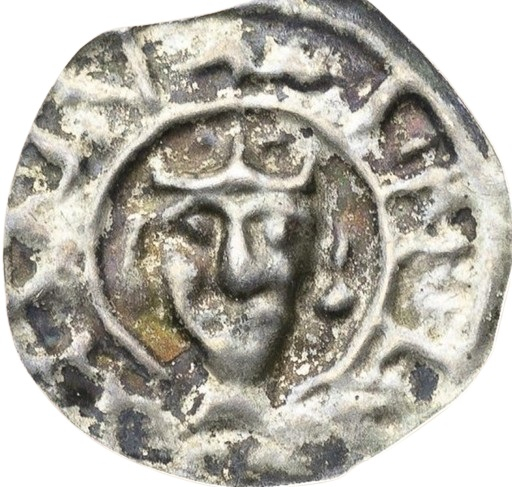
1186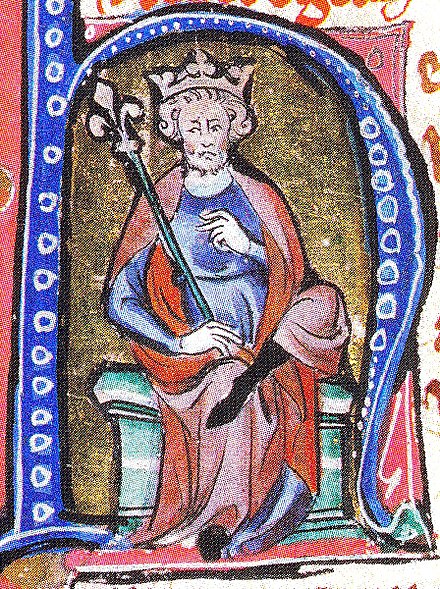
Uppsala Cathedral, a monumental feat of medieval architecture, was consecrated in a grand ceremony attended by King Knut Eriksson of Sweden. The cathedral, located in the heart of Uppsala, held great religious and political significance as the seat of the Archbishop of Uppsala and a symbol of the growing power of the Swedish Kingdom.
The consecration of Uppsala Cathedral marked a pivotal moment in the history of Sweden, highlighting the close relationship between the monarchy and the Church. The event showcased the King's authority and his role in promoting Christianity throughout the realm.
The Cathedral's consecration ceremony was a lavish affair, attended by nobles, clergy, and commoners alike, reflecting the unity of faith and community in medieval Sweden. The majestic architecture of the Cathedral, with its towering spires and intricate stained glass windows, served as a testament to the wealth and influence of the Swedish Kingdom.
This event solidified Uppsala Cathedral as a central hub of religious life and royal authority in Sweden, leaving a lasting impact on the cultural and historical landscape of the region. The ceremony's significance reverberated throughout the kingdom, shaping the country's identity for centuries to come.
#UppsalaCathedral #SwedenHistory #RoyalCeremony #MedievalArchitecture
View details1160
King Erik Jedvardsson, known as Erik the Saint, ruled Sweden during a turbulent time marked by power struggles. Despite facing challenges, he was admired for his devout Christianity and dedication to his people. His death, considered a martyrdom, occurred during a conflict with political rivals. This event deeply impacted the religious landscape of Sweden, leading to his later canonization as the country's patron saint. King Erik's legacy as a just and virtuous ruler endured, inspiring generations of Swedes.
The memory of King Erik Jedvardsson is honored annually, with church services and processions held in his remembrance. His martyrdom serves as a reminder of the sacrifices made by leaders in defense of their beliefs. King Erik's story continues to resonate, showcasing the intersection of faith and governance in medieval Sweden.
#KingErikJedvardsson #Sweden #PatronSaint #Martyr #DevotedRuler #Legacy
View detailsErik Jedvardsson, a Christian king known for his efforts to spread Christianity in Sweden, was assassinated by Knut Jonsson in a power struggle. Despite his violent death, Erik's legacy endured, and he was posthumously recognized as Saint Eric for his martyrdom.
Erik's assassination marked a turning point in Swedish history, solidifying his position as a revered figure in the country's Christian narrative. His death sparked a wave of support from the populace, who saw him as a symbol of faith and righteousness. Over time, Erik's cult grew, eventually leading to his canonization by the Catholic Church.
The veneration of Saint Eric had a lasting impact on Swedish society, influencing both religious practices and political dynamics. Pilgrimages to his shrine became popular, drawing believers from far and wide seeking solace and divine intervention. The cult of Saint Eric also played a role in shaping Sweden's national identity, with his legacy intertwined with the country's Christian heritage.
The assassination of Erik Jedvardsson and his subsequent canonization as Saint Eric exemplify the complex interplay between faith, power, and memory in Swedish history. His story continues to resonate with believers and historians, highlighting the enduring significance of martyrdom and sanctity in shaping cultural narratives. #Sweden #SaintEric #Martyrdom #Assassination #Christianity
View details
1156
In the Battle of Lena, King Sverker the Elder's demise marked the downfall of the House of Sverker's rule in Sweden. The conflict erupted due to rival claims to the throne between the House of Sverker and the House of Eric. King Sverker's death on the battlefield decisively shifted the power dynamics in Sweden, leading to the House of Eric's ascension to the throne.
The Battle of Lena's outcome had a lasting impact on Sweden's political landscape. With the House of Sverker's rule coming to an end, it paved the way for the House of Eric to establish a newfound reign and consolidate power in the region. This transition of power reshaped the course of Swedish history and ushered in a new era of governance and leadership.
The conflict at Lena was a pivotal moment in Swedish history, marking the end of an era and the beginning of a new chapter for the kingdom. The legacy of King Sverker the Elder's death in battle endures as a significant event that altered the trajectory of Sweden's ruling dynasties.
#BattleofLena #HouseofSverker #HouseofEric #Swedishhistory #Dynasticstruggle
View details1130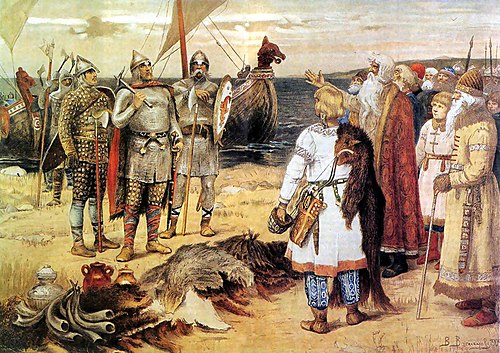
Prince Rurik, a skilled warrior and leader, established the House of Rurik, heralding the beginning of a powerful ruling dynasty in Sweden. His arrival marked a turning point in Swedish history, as the newfound dynasty brought stability and unity to the land. Under Rurik's leadership, the region flourished, with advancements in agriculture, trade, and culture.
The House of Rurik's legacy endured for generations, shaping the political landscape of Sweden. The ruling dynasty established strong diplomatic relations with neighboring kingdoms, fostering peace and prosperity in the region. They also implemented effective governance systems that laid the foundation for future developments in Swedish society.
Prince Rurik's founding of the House of Rurik left a lasting impact on Swedish history, influencing the country's trajectory for years to come. His descendants continued to rule with wisdom and strength, leaving a mark on the cultural and political identity of Sweden.
#PrinceRurik #HouseofRurik #SwedishHistory #RulingDynasty #DynasticLegacy
View details1103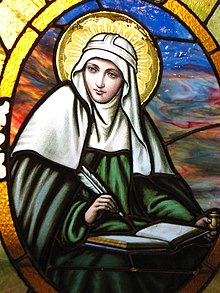
Saint Bridget of Sweden was born in 1103, in a time when Europe was undergoing significant religious transformations. She became renowned for her acts of charity and her reported visions, which inspired many across the continent. Bridget dedicated her life to helping the poor and the sick, and her compassion knew no boundaries. Her visions were said to be messages from God, guiding her to continue her charitable work and advocate for spiritual renewal.
At a time when Europe was in need of spiritual guidance, Bridget's life and teachings served as a beacon of hope for many. She influenced not only individuals but also the institutions of the church, advocating for reform and a deeper connection to faith. Bridget's legacy extended far beyond her lifetime, as she was later canonized and became the patron saint of Europe.
Bridget's compassionate deeds and mystical experiences left an indelible mark on the landscape of European spirituality. The impact of her life can still be felt today, as she continues to be venerated by Catholics and others who are inspired by her devotion to serving others and her unwavering faith. The birth of Saint Bridget of Sweden marked a turning point in European religious practices and beliefs, shaping the spiritual landscape for generations to come.
#SaintBridgetofSweden #PatronSaintofEurope #Charity #Visions #SpiritualRenewal
View details1085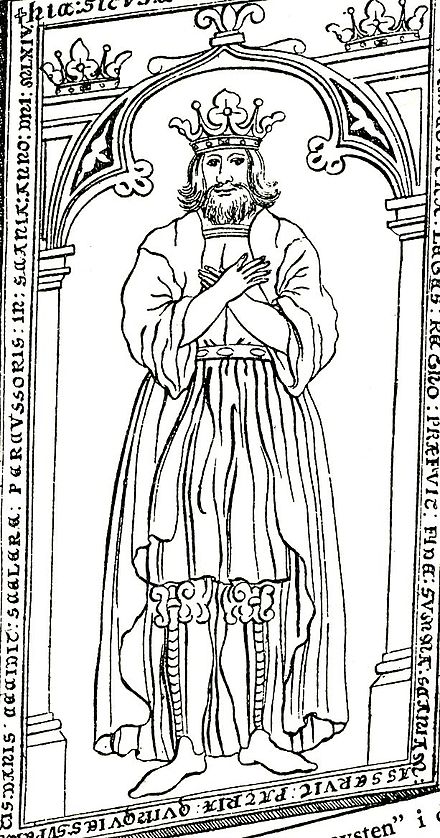
In the year 1085, King Inge the Elder of Sweden made a pivotal decision to convert the kingdom to Christianity. This marked a significant shift in the religious landscape of Sweden, establishing it as a Christian nation. The conversion was not solely a spiritual transformation but held political implications as well, aligning Sweden with the growing influence of Christianity in Europe at that time.
King Inge's decision to convert Sweden to Christianity had a lasting impact on the kingdom's culture, society, and politics. The spread of Christianity brought about changes in religious practices, social structures, and interactions with neighboring Christian kingdoms. It also paved the way for closer ties with other Christian nations and opened up new opportunities for trade and diplomacy.
The establishment of Sweden as a Christian kingdom under King Inge the Elder laid the foundation for the development of a distinctive Swedish Christian identity that continues to shape the country's history and traditions to this day. The legacy of this conversion is evident in Sweden's rich religious heritage and its ongoing contributions to the Christian faith.
#KingIngeTheElder #SwedenChristianity #ReligiousTransformation
View details1066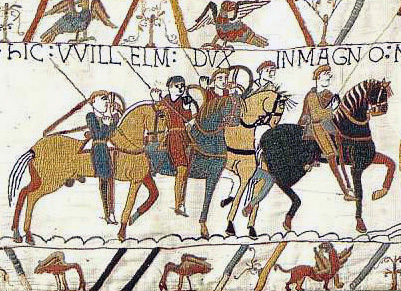
In 1066, King Stenkil, the first ruler of the House of Stenkil in Sweden, passed away, signaling the conclusion of an influential era in the country's history. The House of Stenkil was established by Stenkil, who rose to power through strategic alliances and military victories. During his reign, King Stenkil implemented administrative reforms, consolidated power, and expanded the kingdom's territory through successful military campaigns.
King Stenkil's death marked a significant turning point for Sweden, as it created a power vacuum and sparked a period of political instability. The succession process was marred by disputes among rival factions, leading to a succession crisis that threatened to plunge the kingdom into chaos.
The passing of King Stenkil also had long-lasting implications for the House of Stenkil and the broader political landscape of Sweden. His successors struggled to maintain control and faced internal opposition, weakening the dynasty's grip on power. Ultimately, the death of King Stenkil marked the end of an era characterized by his strong leadership and strategic vision.
#KingStenkil #HouseofStenkil #SwedenHistory
View details