
Sweden

The Land of the Midnight Sun
About
#Sweden
#Scandinavia
#Sweeden_History
#Swedish_history
#Sweeden_History_Timeline
Life Classification
Country
Life ID
EL2673141631742
Verified Name
sweden
Life Type
Entity Life
Life Editor(s)
History Editorial Network (HEN)
Life Privacy
Public
Subscription
Elite
Created On
2024-03-01
Updated On
2025-12-19
Connect
Related Lives
Dominican Republic
A Caribbean Paradise

Adventure Movies
Where courage meets the unknown

Luxembourg
The Gibraltar of the North
Nobel Prize in Physics
Celebrating the Pioneers of Science
Germany
The Land of Ideas

Brunei
Abode of Peace

Olympics
The Grandest Stage of All
Tanzania
African Serenade

2026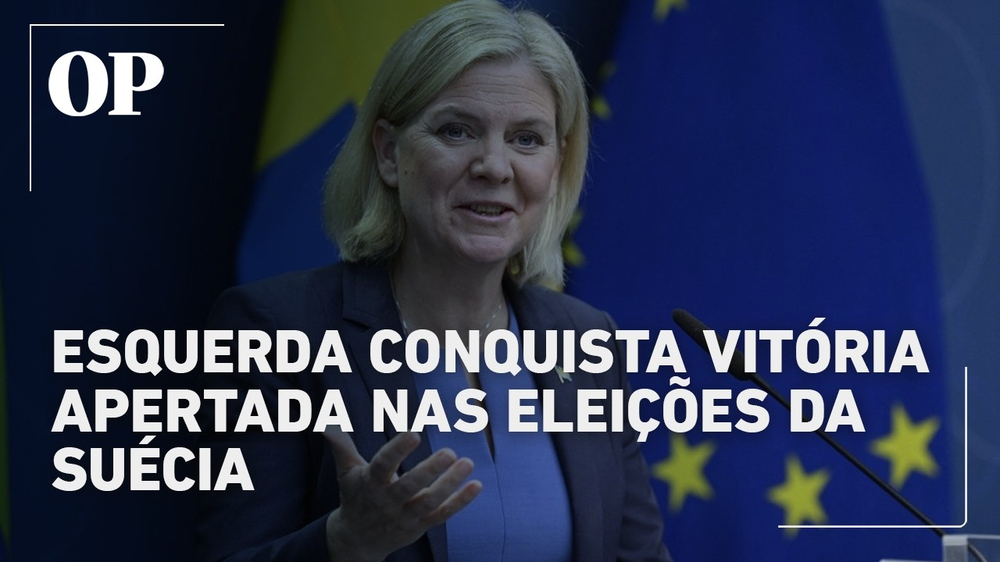
The 2026 Swedish general election, held on 13/09/2026, resulted in a narrow parliamentary majority for the centre-left opposition bloc led by former Prime Minister Magdalena Andersson of the Social Democratic Party. The four-party alliance, comprising the Social Democrats, Left Party, Green Party and Centre Party, secured 176 of the 349 seats in Sweden's parliament, the Riksdag. The governing right-wing bloc led by Prime Minister Ulf Kristersson won 173 seats, falling three seats short of its opponents.
The Social Democrats remained Sweden's largest party, winning 28.02% of the vote and 99 parliamentary seats. The Moderate Party secured 70 seats, while the Sweden Democrats won 62. Voter turnout reached 84.89%, with approximately 6.83 million ballots cast. Following the election, Kristersson requested his dismissal on 17/09/2026, opening the process of forming a new government. However, Andersson subsequently encountered difficulties securing agreement among the four opposition parties.
Historical Significance: The result reversed the parliamentary balance established in the 2022 election, giving the centre-left bloc a narrow majority. However, winning a parliamentary majority did not automatically guarantee the formation of a government, as disagreements among the parties continued.
View details2024
After a period of negotiations, Sweden was officially accepted into the North Atlantic Treaty Organization (NATO), becoming its 32nd member. This strategic move marked a significant expansion for the military alliance and reshaped the security dynamics in Europe.
Sweden's journey to NATO membership was driven by increasing security concerns in the region, particularly following heightened tensions with neighboring Russia. The country had long maintained a policy of military non-alignment, but recent geopolitical developments prompted a reevaluation of its defense strategy.
The accession process began when Sweden applied for NATO membership, a decision supported by a substantial majority in the Swedish parliament. The move was also backed by NATO's key members, who viewed Sweden's membership as a strengthening of the alliance's northern flank. Sweden's inclusion brings a highly capable military force into NATO, with the Swedish Armed Forces recognized for their advanced technology and well-trained personnel.
The integration of Sweden into NATO is expected to enhance collective defense mechanisms in the Baltic Sea region. With Sweden's membership, NATO now covers almost the entire northern and northeastern flanks of Europe, increasing the strategic depth and operational capabilities of the alliance. This geographic expansion provides NATO with greater access to the Arctic and enhances its ability to respond to potential threats in the area.
In terms of military resources, Sweden contributes significantly to NATO's defense posture. The Swedish military is equipped with modern fighter aircraft, submarines, and an effective ground force. Sweden's defense spending, which aligns with NATO's recommended target of 2% of GDP, further demonstrates its commitment to collective security.
The decision was met with mixed reactions globally. While many European nations and the United States welcomed Sweden's membership, viewing it as a step towards greater regional stability, Russia expressed concerns, perceiving NATO's expansion as a direct threat to its security interests.
Sweden's official entry into NATO is a pivotal moment in European security history, reflecting the shifting alliances and defense strategies in the face of evolving geopolitical tensions.
#NATO #Sweden #MoofLife #EuropeanSecurity #DefenseStrategy #Geopolitics
View details2021
The opening of The Eurovision Song Contest in Malmö marked the beginning of one of Europe's most popular music events. The selection of Malmö as the host city came after Sweden's victory in the previous contest held in Liverpool, United Kingdom. This event continues the tradition started in 1956, where countries from across Europe, and more recently Australia, showcase their musical talent in a competition that promotes cultural diversity and unity through music.
Malmö previously hosted the contest in 2013. The city's infrastructure and experience in managing large-scale events provided a fitting backdrop for Eurovision's return. The venue for the event was Malmö Arena, which has a capacity of around 15,000 people, making it capable of accommodating the influx of fans, delegations, and media representatives.
The contest saw participation from 37 countries, each aiming to capture the title. Public broadcasters across Europe as well as associate member stations broadcasted the event, enabling millions of viewers to watch the live performances. Notably, this year's show included updated voting regulations to ensure transparency and fairness, addressing previous concerns related to jury biases and televoting issues.
The impact of the Eurovision Song Contest extends beyond the realm of entertainment. Economically, the event brought significant financial benefits to Malmö, with thousands of international visitors contributing to the local hospitality and tourism sectors. Hotels reported near full bookings, and local businesses experienced a surge in sales.
Culturally, Eurovision has historically played a role in platforming emerging artists, and this year was no exception. The event highlighted diverse musical styles, providing a global stage for artists to gain recognition and for countries to showcase their cultural heritage.
Social media buzzed with Eurovision-related content, with hashtags like #Eurovision2024 and #ESC2024 trending as fans and participants shared their experiences and supported their favorite entries. The contest's impact on social media further amplifies its reach, engaging a younger demographic and fostering a community around shared musical appreciation.
Conclusively, The Eurovision Song Contest in Malmö underscored the event's significance in promoting cultural engagement, economic development, and global connectivity through music.
#Eurovision2024 #ESC2024 #Music #CulturalDiversity #MoofLife
View details2018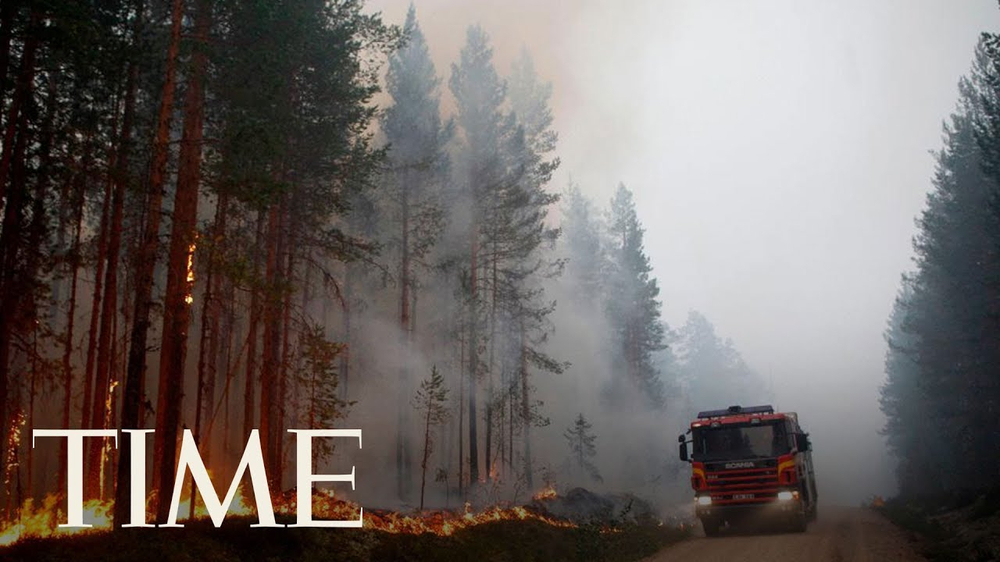
Sweden faced a severe crisis as over 60 forest fires raged across the country due to a prolonged heatwave. The scorching temperatures and dry conditions created a perfect storm for the fires to spread rapidly, stretching resources thin and causing widespread destruction.
The combination of strong winds and the lack of precipitation made it challenging for firefighters to contain the flames, leading to evacuations of homes and widespread concern for the safety of residents. The fires also took a toll on the environment, destroying thousands of hectares of forest and wildlife habitats.
The Swedish government mobilized all available resources to combat the fires, including assistance from neighboring countries and the European Union. Efforts were made to provide support to affected communities and minimize the damage to forests and wildlife. The crisis served as a stark reminder of the increasing threat of climate change and the need for proactive measures to prevent future disasters.
#Sweden #ForestFires #ClimateChange #Heatwave
View details2017
A truck hijacking at a department store led to five deaths and multiple injuries in Sweden. The incident shocked the nation as it unfolded during a busy shopping day. The hijacked truck plowed through a crowd of pedestrians before crashing into the store's entrance. Chaos ensued as emergency services rushed to the scene, tending to the wounded and securing the area.
The impact of the truck hijacking was felt nationwide, sparking conversations about security measures and vulnerability to such attacks. Families mourned the lives lost, while survivors grappled with the trauma of the event. The authorities launched a thorough investigation to understand the motives behind the attack and prevent future tragedies.
The truck hijacking at the department store exemplified the unexpected threats faced in public spaces, prompting discussions on safety protocols and vigilance. It served as a somber reminder of the need for communities to come together in times of crisis and support one another in the face of adversity.
#Sweden #TruckHijacking #DepartmentStore #Mourning #CommunitySafety
View details2016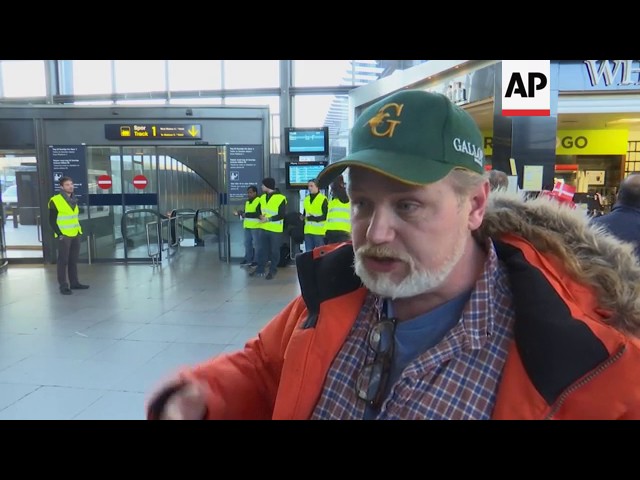
A new border crossing was inaugurated in response to the increasing drug trafficking from Denmark into Sweden. The rising flows of illegal substances prompted authorities to establish a more secure entry point. This initiative aimed to enhance surveillance and control over the border, preventing the influx of drugs and related criminal activities. The improved checkpoint facilitated thorough inspections of vehicles and individuals, enabling law enforcement to better intercept illicit goods.
The new border crossing had a direct impact on disrupting the flow of drugs into Sweden, contributing to the overall efforts to combat drug trafficking in the region. By bolstering security measures and deploying additional resources, authorities were able to curb the smuggling activities that posed a threat to public health and safety. This strategic intervention demonstrated a proactive approach to addressing the challenges posed by cross-border crime, safeguarding the wellbeing of communities on both sides of the border.
#BorderSecurity #DrugTrafficking #CrossBorderCrime #CommunitySafety #LawEnforcement
View detailsSweden implemented ID checks to manage the high influx of migrants into the country. The surge in migrant numbers had strained resources and raised concerns about security and integration. As a member of the Schengen Area, Sweden had initially allowed free movement across its borders, but the situation prompted a shift in policy.
The introduction of ID checks at major entry points aimed to regulate the flow of migrants and establish better control over who entered the country. This measure also sought to alleviate pressure on local communities and services by ensuring a more organized reception process for newcomers.
The decision to enforce ID checks sparked mixed reactions. While some supported the move as necessary for better managing the situation, others criticized it for potentially hindering the rights of asylum seekers and creating barriers for those in need of refuge.
Overall, the ID checks marked a significant policy shift for Sweden in response to the challenges posed by the migrant crisis. They reflected the growing concerns around migration in the country and emphasized the need for stricter border controls to address the complex issues arising from the influx of migrants.
#Sweden #IDchecks #MigrantInflux #BorderControls #IntegrationChallenges
View details2014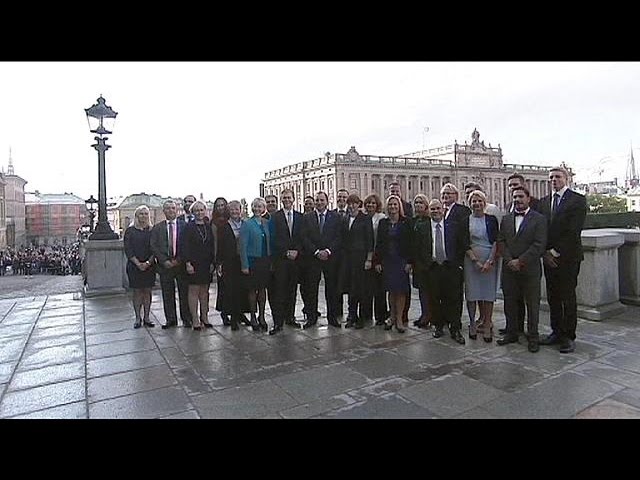
Sweden officially recognized Palestine as a state, becoming the first major Western European nation to do so. This move was a significant shift in Sweden's foreign policy towards the Middle East conflict, showing support for the Palestinian quest for statehood. The decision was met with mixed reactions from the international community, with some countries praising Sweden for its bold stance, while others criticized it for potentially undermining peace efforts in the region.
The recognition of Palestine as a state by Sweden had both political and symbolic implications. It aimed to increase the prospects for a two-state solution to the Israeli-Palestinian conflict and put pressure on other European countries to follow suit. The decision also signaled Sweden's commitment to supporting Palestinian rights and aspirations for self-determination.
Overall, Sweden's recognition of Palestine as a state sparked conversations about the role of international recognition in the Israeli-Palestinian conflict and encouraged other nations to reconsider their stance on the issue. It highlighted the complexities of the conflict and the importance of diplomatic efforts in finding a peaceful resolution.
#Sweden #Palestine #StatehoodRecognition #MiddleEastPeace #Diplomacy
View detailsThe coalition between the Social Democrats and the Green Party in Sweden marked a shift in the country's political landscape. With the Social Democrats' history of advocating for social welfare and the Green Party's focus on environmental sustainability, the coalition aimed to address a wide range of issues, from climate change to income inequality.
The collaboration between the parties led to the implementation of policies promoting renewable energy, increasing taxes on high-income earners, and expanding social programs. This partnership also reflected a growing trend in Europe towards coalition governments as a means to address complex challenges that single parties may struggle to tackle alone.
The formation of the coalition was met with mixed reactions, with some applauding the diversity of perspectives it brought to governance, while others expressed concerns about potential clashes in policy priorities. Despite these reservations, the coalition managed to govern effectively and achieve several key objectives during its tenure.
The partnership between the Social Democrats and the Green Party underscored the importance of cross-party collaboration in addressing contemporary societal challenges, demonstrating that by working together, political parties can leverage their respective strengths to enact meaningful change for the benefit of the population.
#Sweden #CoalitionGovernment #SocialDemocrats #GreenParty #Collaboration
View detailsAfter national elections, Stefan Löfven was appointed Prime Minister of Sweden. As leader of the Social Democratic Party, Löfven's appointment followed weeks of negotiations to form a coalition government. His leadership marked a return to power for the Social Democrats after a period of center-right governance.
Löfven faced the challenge of addressing economic issues, unemployment rates, and social welfare policies. His government worked to implement reforms focusing on education, healthcare, and the environment, aiming to promote sustainable development and maintain Sweden's welfare state model.
Internationally, Löfven advocated for issues such as climate change, human rights, and gender equality. He aimed to strengthen Sweden's position in the European Union and enhance cooperation within the Nordic region.
Löfven's tenure as Prime Minister was marked by both successes and challenges, with political opposition and shifting coalition dynamics influencing policy-making decisions. Despite facing criticism on certain fronts, he remained a key figure in Swedish politics for several years.
#StefanLöfven #Sweden #PrimeMinister #SocialDemocrats #CoalitionGovernment #WelfareState #Sustainability #EU #NordicCooperation #PolicyMaking
View details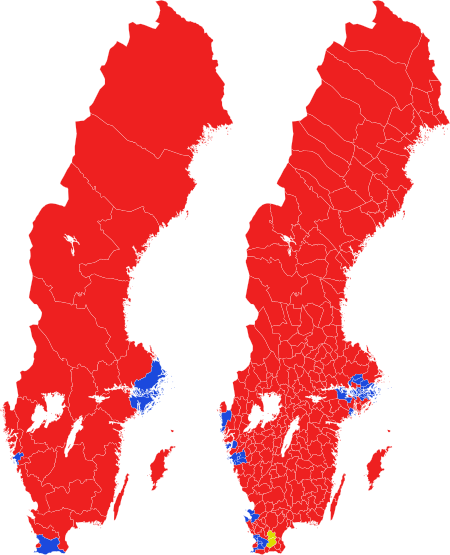
2013
Riots erupted in Husby, a suburb of Stockholm, sparking discussions on societal disparities and equity within Sweden. The unrest was triggered by the fatal shooting of a local resident by the police, leading to widespread anger and frustration among the community.
Husby, characterized by high unemployment rates and a significant immigrant population, had long-standing issues of marginalization and neglect. Residents expressed feelings of alienation and lack of opportunities, fueling the tensions that erupted into violent protests.
The riots drew attention to the deep-seated social and economic inequalities present in Swedish society, raising questions about the effectiveness of integration policies and government support for marginalized communities.
In the aftermath of the riots, there were calls for increased investment in education, employment opportunities, and social services in underprivileged areas to address the root causes of the unrest. The events in Husby served as a stark reminder of the importance of addressing systemic inequities and fostering inclusivity within Swedish society.
#HusbyRiots #SocietalDisparities #EquityDebates #MarginalizedCommunities.
View details2010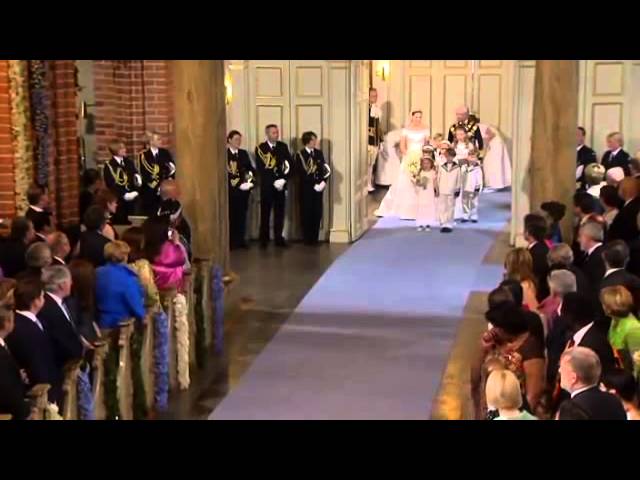
Crown Princess Victoria of Sweden wed her former personal trainer, Daniel Westling, in a lavish royal wedding ceremony. The marriage marked a significant moment in Swedish history as it was the first time a Swedish heir to the throne married a commoner with a non-noble background. Their union was celebrated by thousands of well-wishers who gathered in Stockholm to witness the grand event.
The wedding was a blend of tradition and modernity, with the bride wearing a stunning gown adorned with a cameo tiara, a family heirloom. The couple exchanged vows at Stockholm Cathedral in the presence of European royals and dignitaries, followed by a procession through the streets in a horse-drawn carriage.
The marriage of Crown Princess Victoria and Daniel Westling was seen as a symbol of love transcending social barriers and was met with great enthusiasm from the Swedish public. The couple's love story, from their humble beginnings to the royal union, captivated people's hearts and inspired many.
#RoyalWedding #Sweden #LoveTranscends #HistoricEvent
View details2006
Christer Fuglesang, a Swedish citizen and astronaut, achieved a historic milestone by becoming the first Swede to travel and work in space. Fuglesang's journey into outer space was a momentous occasion that captured the attention and pride of the entire nation. His mission marked a significant advancement in Sweden's contributions to space exploration and technology.
Fuglesang's successful space travel not only demonstrated Sweden's growing presence in the global space community but also inspired a new generation of Swedish scientists and astronauts. His work on the International Space Station furthered scientific research and collaboration on an international scale.
The event solidified Sweden's position as a key player in space exploration and technology. Fuglesang's groundbreaking achievement was a testament to Sweden's commitment to innovation and scientific progress.
#ChristerFuglesang #SwedishSpaceExploration #HistoricSpaceMission
View detailsIn 2006, the Nobel Prize in Physiology or Medicine was awarded to Craig Mello and Andrew Fire for their discovery of RNA interference (RNAi). This groundbreaking finding revolutionized the field of genetics by elucidating a mechanism through which gene expression is regulated.
RNAi is a natural process within cells that can selectively silence genes, offering a powerful tool for understanding gene function and potentially treating diseases. Mello and Fire's work provided a fundamental insight into how double-stranded RNA molecules can silence specific genes in a precise and efficient manner.
Their discovery has had a profound impact on biomedical research, opening up new avenues for studying diseases and developing innovative therapeutic strategies. RNAi technology is now widely used in research laboratories worldwide and has paved the way for advancements in areas such as cancer treatment, viral infections, and genetic disorders.
The Nobel Prize recognition solidified Mello and Fire's contributions to science and highlighted the importance of their work in advancing the understanding of gene regulation. Their discovery continues to inspire future generations of scientists to explore the therapeutic potential of RNA interference.
#NobelPrize #RNAi #Genetics #Innovation #BiomedicalResearch #ScienceDiscovery #Sweden
View details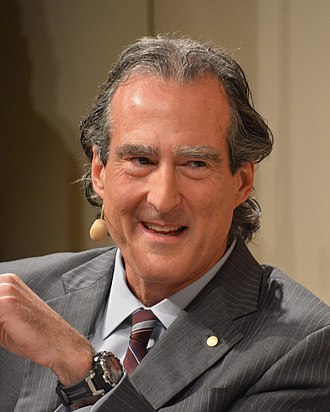
In the general elections of 2006 in Sweden, the center-right Alliance coalition emerged victorious, defeating the incumbent government. The Alliance, comprised of four parties - the Moderate Party, the Centre Party, the Liberal People's Party, and the Christian Democrats, secured a majority in the parliament, leading to a significant shift in the country's political landscape.
The defeat of the incumbent government, led by the Social Democrats, marked the end of 12 years of left-leaning governance. The election results reflected a desire for change among the Swedish electorate, with issues such as healthcare, education, and immigration playing crucial roles in shaping voter preferences.
The victory of the center-right Alliance coalition brought about a series of policy changes, focusing on economic liberalization, tax cuts, and privatization of certain sectors. The new government also emphasized reforms aimed at improving the efficiency of the public sector and fostering a more business-friendly environment.
Overall, the outcome of the general elections in 2006 had a lasting impact on Sweden's political landscape, ushering in a period of center-right rule and signaling a shift towards more market-oriented policies.
#SwedenElections #CenterRightAlliance #PoliticalShift
View details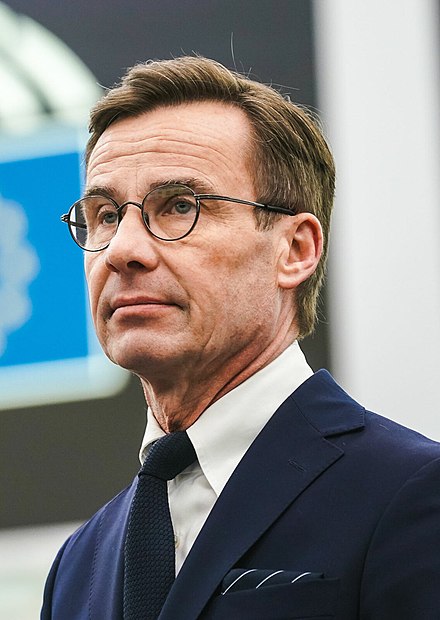
The popular file-sharing website Pirate Bay was raided by police in a crackdown operation. The platform allowed users to share and download movies, music, software, and other digital content. The founders of Pirate Bay faced legal battles due to copyright infringement claims from various entertainment industries. Despite multiple attempts to shut down the site, it continued to operate, garnering millions of users worldwide.
The police raid resulted in servers and equipment being confiscated, temporarily taking Pirate Bay offline. However, the site quickly resurfaced through mirror sites and continued to function. The raid sparked debates on internet freedom, copyright laws, and the responsibilities of online platforms. Supporters viewed Pirate Bay as a symbol of information sharing, while opponents criticized it for facilitating illegal downloads.
The incident highlighted the challenges of regulating online content and the ongoing battle between copyright holders and digital piracy. It also brought attention to Sweden's stance on intellectual property rights and its enforcement measures against online piracy platforms. Despite the raid, Pirate Bay remained operational, showcasing the resilience of decentralized file-sharing networks in the face of legal challenges.
#PirateBay #FileSharing #CopyrightInfringement #InternetFreedom #DigitalPiracy #Sweden
View details
Sweden's ice hockey team showcased their dominance in the World Championship finals by securing a resounding victory. The team had displayed exceptional skills and teamwork throughout the tournament, earning them a spot in the finals. Facing off against a formidable opponent, they played with determination and precision, ultimately outscoring their rivals to claim the championship title.
The victory had a significant impact on the players, fans, and the nation as a whole. It was a moment of celebration and pride for Sweden, highlighting their prowess in the sport. The triumph further solidified Sweden's reputation as a powerhouse in ice hockey, showcasing their talent on the international stage.
The team's achievement in the finals was the culmination of their hard work and dedication, as they overcame tough competition to emerge victorious. Fans across the country rallied behind the team, cheering them on to victory and basking in the glory of their success.
The win in the Ice Hockey World Championship finals brought joy and excitement to Sweden, leaving a lasting impression on all who witnessed the historic moment. It was a testament to the team's skill and perseverance, solidifying their place in ice hockey history.
#Sweden #IceHockey #Champions #Teamwork
View details
Stockholm was selected as the host city for the Eurovision Song Contest. The event brought together talented performers from various countries across Europe. The competition showcased a diverse range of musical styles and cultural performances, captivating audiences both in the arena and watching from home.
The Eurovision Song Contest in Stockholm had a significant economic impact on the city, boosting tourism and revenue for local businesses. The event also provided a platform for artists to gain international recognition and connect with new audiences. Beyond the competition itself, the festivities surrounding the event included celebrations, parties, and cultural exchanges, further enhancing the experience for attendees and participants alike.
The performances during the Eurovision Song Contest in Stockholm were memorable, with countries showcasing their best musical talents and creative stage designs. The event fostered a sense of unity and camaraderie among participating nations, highlighting the power of music to bring people together.
Overall, the Eurovision Song Contest in Stockholm was a remarkable celebration of music and culture, leaving a lasting impact on the city and its residents. It reaffirmed Sweden's position as a hub for artistic expression and creativity on the international stage. #Eurovision #Stockholm #MusicCelebration
View details
Spotify, a popular music streaming platform, was launched, altering the landscape of digital music consumption. Founded in Sweden, the platform was a response to the rise of illegal downloads and the decline of physical music sales. This innovative service provided users with access to a vast library of music through both free and subscription-based models.
Spotify's introduction paved the way for a shift in how people listened to music. By offering a convenient and legal alternative to piracy, it encouraged music lovers to embrace streaming as the primary means of enjoying their favorite songs. The platform's personalized playlists and recommendation features further enhanced the user experience, making it a hit among music enthusiasts worldwide.
The impact of Spotify on the music industry was profound. It influenced how artists released music, promoted their work, and earned royalties. The platform also contributed to the decline of traditional album sales and the rise of music streaming as the dominant form of music consumption. Additionally, Spotify played a significant role in shaping the digital music landscape and inspiring the launch of other streaming services.
Overall, Spotify's inception revolutionized how people accessed and enjoyed music, making it an integral part of modern music culture. #Spotify #DigitalMusic #StreamingRevolution #Sweden
View details
2003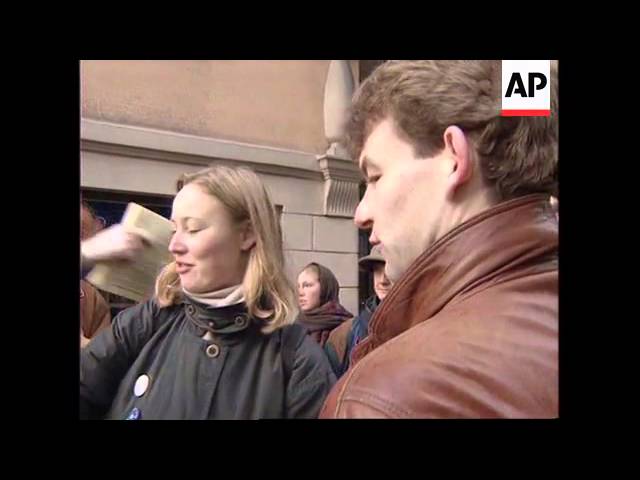
Sweden held a referendum regarding Eurozone membership, which was rejected with a 'No' vote by the majority of the population. The decision came after extensive debates within the Swedish government concerning the potential benefits and drawbacks of adopting the euro as their currency. Despite some political leaders advocating for integration into the Eurozone, a significant portion of the Swedish population expressed concerns about losing control over their monetary policy and the impact on national sovereignty.
The rejection of Eurozone membership had a significant impact on the country's economic and political landscape, maintaining the Swedish krona as the official currency. This decision reinforced Sweden's independent monetary policy and provided stability during periods of economic uncertainty within the European Union.
Overall, the referendum in Sweden rejecting Eurozone membership reflected the population's desire to preserve their economic autonomy and decision-making power. It highlighted the importance placed on national identity and sovereignty in relation to financial matters.
#Sweden #Eurozone #referendum #nationalidentity #sovereignty #currency
View details1995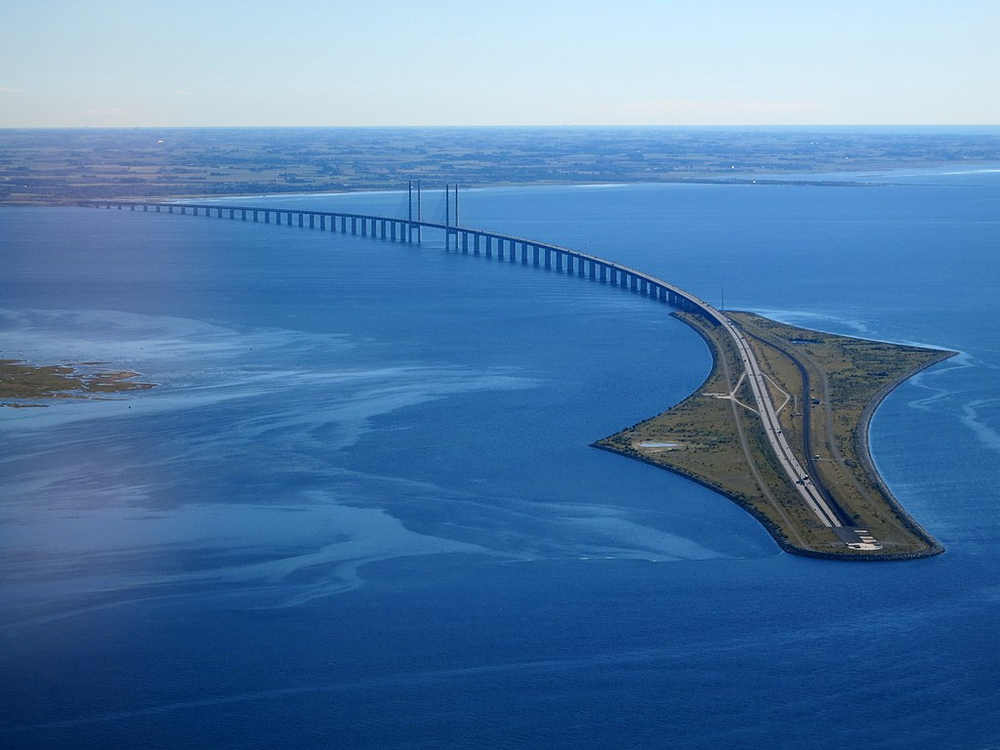
In 1995, Denmark and Sweden initiated the construction of the Öresund Bridge to enhance connectivity between the two countries. Spanning over 8 kilometers, the bridge combined with an underwater tunnel, becoming the longest combined road and rail bridge in Europe. This engineering marvel not only facilitated easier travel but also promoted economic growth and cultural exchange between the neighboring nations.
The Öresund Bridge significantly reduced travel time between Copenhagen and Malmö, benefiting commuters and businesses on both sides of the strait. The seamless connection boosted tourism, trade, and cooperation in various fields. Additionally, it symbolized a landmark achievement in European infrastructure, attracting global attention for its innovative design and technological advancements.
The completion of the Öresund Bridge marked a new era of collaboration and progress for Denmark and Sweden. It served as a model for transnational projects and demonstrated the power of cross-border partnerships. The bridge remains a testament to the vision and determination of the two nations to overcome geographical barriers and build a stronger, more interconnected region.
#ÖresundBridge #Denmark #Sweden #CrossBorderCooperation #InfrastructureDevelopment #EuropeanIntegration
View details1986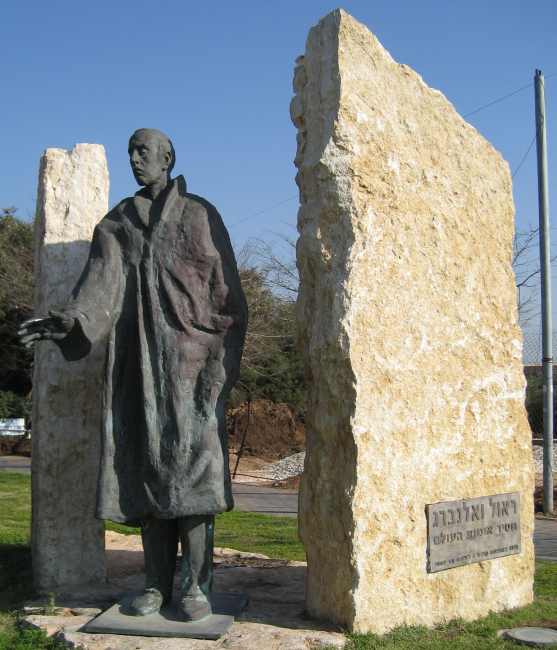
Raoul Wallenberg, a Swedish diplomat, was posthumously awarded U.S. citizenship for his courageous actions during World War II. Wallenberg played a pivotal role in saving thousands of Hungarian Jews from Nazi persecution by issuing protective passports and providing shelter in Swedish safe houses. His heroic efforts earned him international recognition and gratitude from the survivors he rescued. Despite his disappearance in 1945 after being arrested by Soviet forces, Wallenberg's legacy lived on as a symbol of resistance against tyranny and a beacon of hope during one of humanity's darkest hours. The award of U.S. citizenship served as a tribute to his selfless bravery and unwavering commitment to uphold the values of justice and compassion in the face of adversity. To this day, Wallenberg's name remains synonymous with the resilience and resilience of the human spirit in times of crisis and oppression. #RaoulWallenberg #WWIIHero #SwedishDiplomat #HumanitarianLegacy
View detailsOlof Palme, the Prime Minister of Sweden, was fatally shot while walking home from a cinema with his wife. The assassination sent shockwaves through the country and the international community, marking a tragic day in Swedish history. Palme, a prominent figure known for his progressive policies and vocal opposition to apartheid and nuclear weapons, had faced both admiration and controversy during his time in office.
The investigation into Palme's murder was one of the largest in Sweden's history, with numerous theories and suspects emerging over the years. Despite ongoing efforts, the case remains officially unsolved, leaving many questions unanswered.
The impact of Palme's assassination reverberated beyond Sweden, sparking debates about political violence, security measures for public officials, and the nature of democracy. The loss of such a significant leader left a void in Swedish politics and society, with many mourning the untimely death of a man who had dedicated his life to serving his country.
The legacy of Olof Palme endures through his contributions to social democracy, human rights, and international diplomacy. His memory lives on as a symbol of hope and activism for a more just and peaceful world.
#OlofPalme #Assassination #Sweden #PoliticalLegacy #UnsolvedCase #HistoricalEvent
View details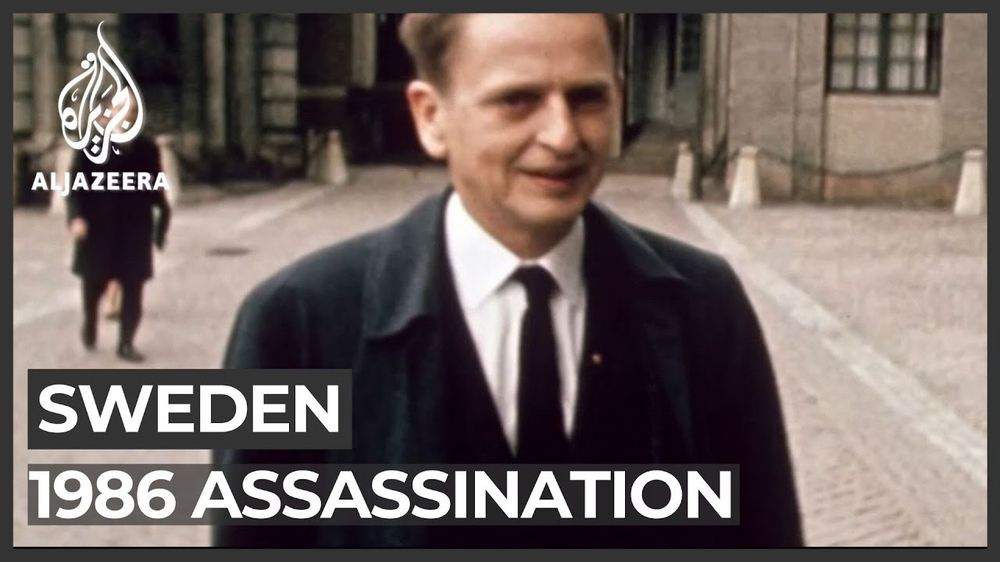
1979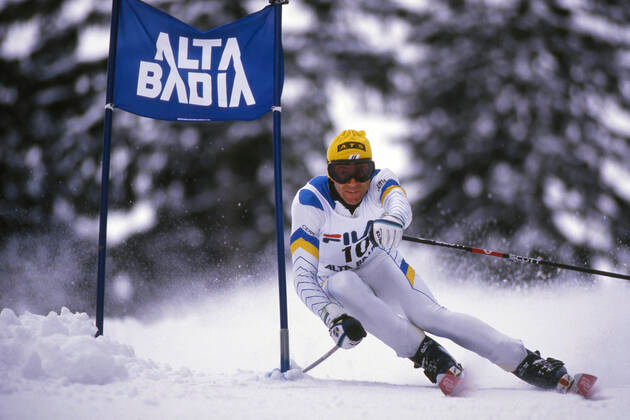
Born in Sweden, Ingemar Stenmark a renowned alpine skier who started his career in 17 years. His career saw him dominate the skiing world, setting numerous records and winning multiple titles. Stenmark's precision and agility on the slopes left a lasting impact on the sport of alpine skiing. His technique and consistency were unparalleled, earning him the reputation of being one of the greatest skiers in history. Stenmark's success inspired a generation of athletes and raised the profile of skiing in Sweden and beyond. His achievements continue to be celebrated by fans and experts alike, cementing his legacy as a true skiing legend. #IngemarStenmark #AlpineSkiing #SwedenTailored.
View details1978
Sweden made history by becoming the first nation to enact a nationwide ban on aerosol sprays due to their harmful environmental impact. The ban was a groundbreaking move that set a new standard for sustainability practices worldwide.
The decision was prompted by growing concerns over the ozone layer depletion and the role of aerosol sprays in contributing to this environmental challenge. By outlawing aerosol sprays, Sweden demonstrated its commitment to protecting the environment and promoting eco-friendly alternatives.
The ban had a significant impact on the aerosol industry, leading to a shift towards more sustainable packaging and products. Other countries took notice of Sweden's bold stance and began considering similar measures to reduce their environmental footprint.
Overall, Sweden's decision to outlaw aerosol sprays marked a turning point in the global sustainability movement, inspiring other nations to take action to protect the environment for future generations.
#Sweden #Sustainability #EnvironmentalProtection #AerosolBan
View details1973
In 1973, Sweden officially abolished the death penalty after receiving official approval. This decision was a significant step towards upholding human rights and promoting a more compassionate justice system. The abolition of the death penalty had been a long-standing goal for many activists and officials in Sweden, who believed in the importance of valuing every individual's right to life.
The impact of this event was profound, as Sweden became a leading example for other nations considering the abolition of capital punishment. The decision highlighted Sweden's commitment to principles of fairness, justice, and respect for human dignity. By banning the death penalty, Sweden affirmed its stance against inhumane forms of punishment and demonstrated a progressive approach to criminal justice.
The official approval of the abolition of the death penalty marked a new chapter in Sweden's history, one that prioritized respect for human life and fundamental rights. This milestone event reflected Sweden's ongoing efforts to create a more equitable and humane society for all its citizens.
#HumanRights #JusticeReform #HistoricAbolition
View details1972
In the referendum, citizens of Sweden voted to maintain alcohol rationing measures within the country. The rationing system was initially implemented during the mid-20th century to regulate alcohol consumption and minimize related issues. The results of the referendum reflected the ongoing support for these measures among the population.
The decision to uphold alcohol rationing had a significant impact on the country's social fabric and public health. It continued to shape the drinking habits of individuals, contributing to lower levels of alcohol-related problems compared to other nations without similar restrictions in place. The referendum outcome highlighted the continued prioritization of public well-being and moderation in alcohol consumption among Swedish citizens.
The efficiency of the rationing system in curbing excessive drinking and its associated repercussions was evident in the referendum results. The ongoing support for these measures showcased the alignment between public opinion and government policies regarding alcohol regulation in Sweden. The referendum reaffirmed the nation's commitment to maintaining a balanced and responsible approach to alcohol consumption.
#Sweden #AlcoholRationing #PublicHealth #ReferendumOutcome
View details1969
In 1969, the Swedish Social Democratic Party emerged victorious in the election, appointing Olof Palme as the Prime Minister. This marked a significant moment in Swedish political history, as Palme's leadership brought about progressive reforms in healthcare, education, and social welfare. His government focused on implementing policies aimed at reducing economic disparities and promoting equality. Under Palme's administration, Sweden saw an increase in public spending, bolstering the country's welfare state and solidifying its reputation as a welfare state model for other nations to follow. Palme's tenure was characterized by his strong advocacy for peace and disarmament, as well as his commitment to social justice and human rights on both domestic and international fronts.
The election victory of the Swedish Social Democratic Party with Olof Palme as Prime Minister represented a turning point in Swedish politics, emphasizing the values of social democracy and the prioritization of the well-being of all citizens. #OlofPalme #SwedishSocialDemocracy #WelfareState #ProgressiveReforms
View details1967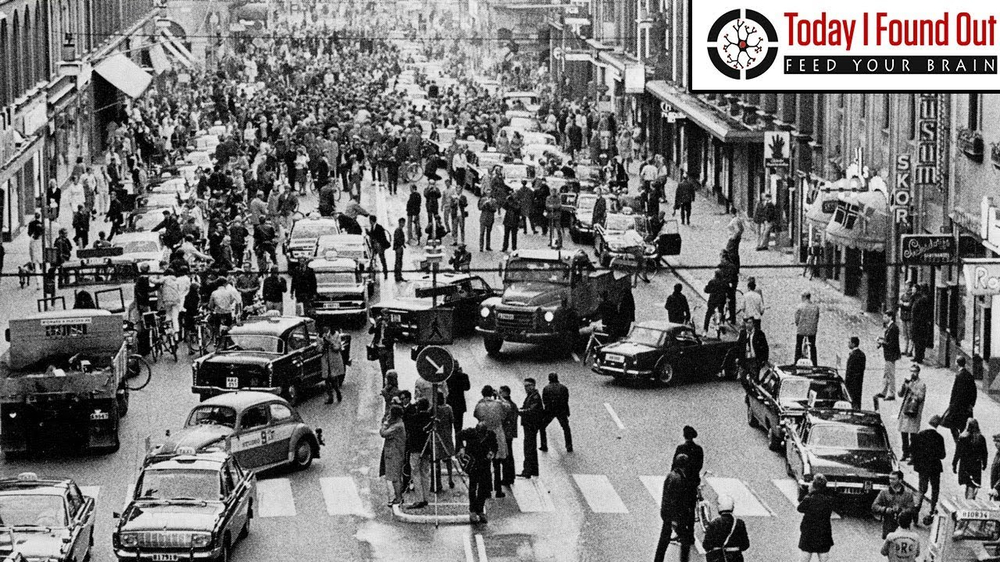
In Sweden, the decision to switch driving direction was made to align with neighboring countries. The shift required meticulous planning and preparation to ensure a smooth transition. On the designated day, known as Dagen H, traffic was halted before vehicles gradually started driving on the right side of the road, causing temporary chaos and confusion. Although there were concerns about potential accidents and congestion, extensive public awareness campaigns and strategic measures helped minimize disruptions.
Despite initial challenges, the transition to right-hand driving eventually improved road safety and streamlined traffic flow in the long run. The event marked a significant milestone in Sweden's transportation history, showcasing the country's adaptability and commitment to international standards. Dagen H serves as a reminder of the effectiveness of meticulous planning and coordinated efforts in implementing large-scale changes. The successful switch to right-hand driving demonstrated Sweden's ability to overcome logistical hurdles for the greater good of its citizens.
#Sweden #TransportationHistory #DagenH #RoadSafety
View details1960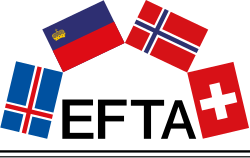
On 3 May 1960, Sweden officially became a founding member of the European Free Trade Association (EFTA), as the Stockholm Convention, signed four months earlier on 4 January 1960, came into force. This date marked the beginning of a new chapter in European economic relations and confirmed Sweden’s commitment to regional trade cooperation while preserving its policy of neutrality and independence in political matters.
Sweden, along with six other countries—Austria, Denmark, Norway, Portugal, Switzerland, and the United Kingdom—helped establish EFTA as a counterbalance to the European Economic Community (EEC). The EEC, formed by the “Inner Six” (Belgium, France, Italy, Luxembourg, the Netherlands, and West Germany) in 1957, had a vision for deeper political and economic integration. However, nations like Sweden sought economic benefits without the supranational commitments that the EEC entailed. EFTA provided the perfect alternative: a framework for free trade in industrial goods, with less political integration and more respect for national sovereignty.
Sweden’s economy in the post-war period was expanding rapidly, with a strong industrial base and an increasing interest in securing export markets. Membership in EFTA offered Sweden access to a larger market, allowing it to compete more effectively across Europe while maintaining its non-aligned foreign policy stance during the Cold War. The EFTA arrangement suited Sweden’s goals, focusing on the removal of tariffs and trade barriers among member states without requiring the common external tariff or political union that the EEC demanded.
Over the decades, Sweden benefited from growing trade volumes with its EFTA partners, particularly in sectors like machinery, vehicles, paper, and chemicals. Yet as European integration deepened and the EEC evolved into the European Union (EU), Sweden began to reconsider its position. By the early 1990s, the global economic landscape and geopolitical shifts—especially the end of the Cold War—prompted Sweden to pursue deeper integration with the European mainstream.
As a result, Sweden left EFTA and joined the European Union in 1995, following a national referendum in 1994 where a majority voted in favor of EU membership. Nevertheless, Sweden’s time in EFTA laid important groundwork for its international trade policy, showcasing its commitment to multilateralism, regional cooperation, and economic openness.
Thus, 3 May 1960 is more than a technical accession date—it marks Sweden’s strategic alignment with a vision of Europe grounded in free trade and pragmatic cooperation, setting the stage for its evolving role in European economic structures throughout the late 20th century.
#MomentsOfLife #MoofLife_Moment #MoofLife #EFTA #SwedishHistory #TradeCooperation #EuropeanIntegration #1960sEurope
View details