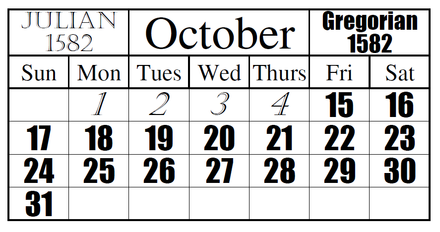
Sweden transitions to modern Gregorian calendar, updating timekeeping system from Julian calendar.
Sweden
Cultural
3 min read
Updated By: History Editorial Network (HEN)
Published:
In 1753, Sweden transitioned from the Julian calendar to the Gregorian calendar, aligning its timekeeping system with many other European countries. The decision to make this adjustment had been made years earlier by the Swedish Parliament, in order to correct the discrepancies that had accumulated between the two calendars.
The shift to the Gregorian calendar had a significant impact on various aspects of Swedish society. It brought Sweden in line with international standards, facilitating better communication and coordination with other nations. Additionally, the change affected various religious and cultural traditions in the country, as dates for holidays and events were now different under the Gregorian calendar.
This transition was not without challenges, as some segments of the population resisted the change due to longstanding customs and practices associated with the Julian calendar. However, over time, the benefits of adopting the Gregorian calendar became evident, and Sweden fully embraced the new system.
Overall, Sweden's shift to the Gregorian calendar in 1753 marked a significant moment in the country's history, reflecting its willingness to adapt and modernize its timekeeping practices. #Sweden #GregorianCalendar #HistoricalTransition

Explore the Life Moments of
 AI Twin