
Sweden

The Land of the Midnight Sun
Related Lives

Dominican Republic
A Caribbean Paradise

Adventure Movies
Where courage meets the unknown

Luxembourg
The Gibraltar of the North
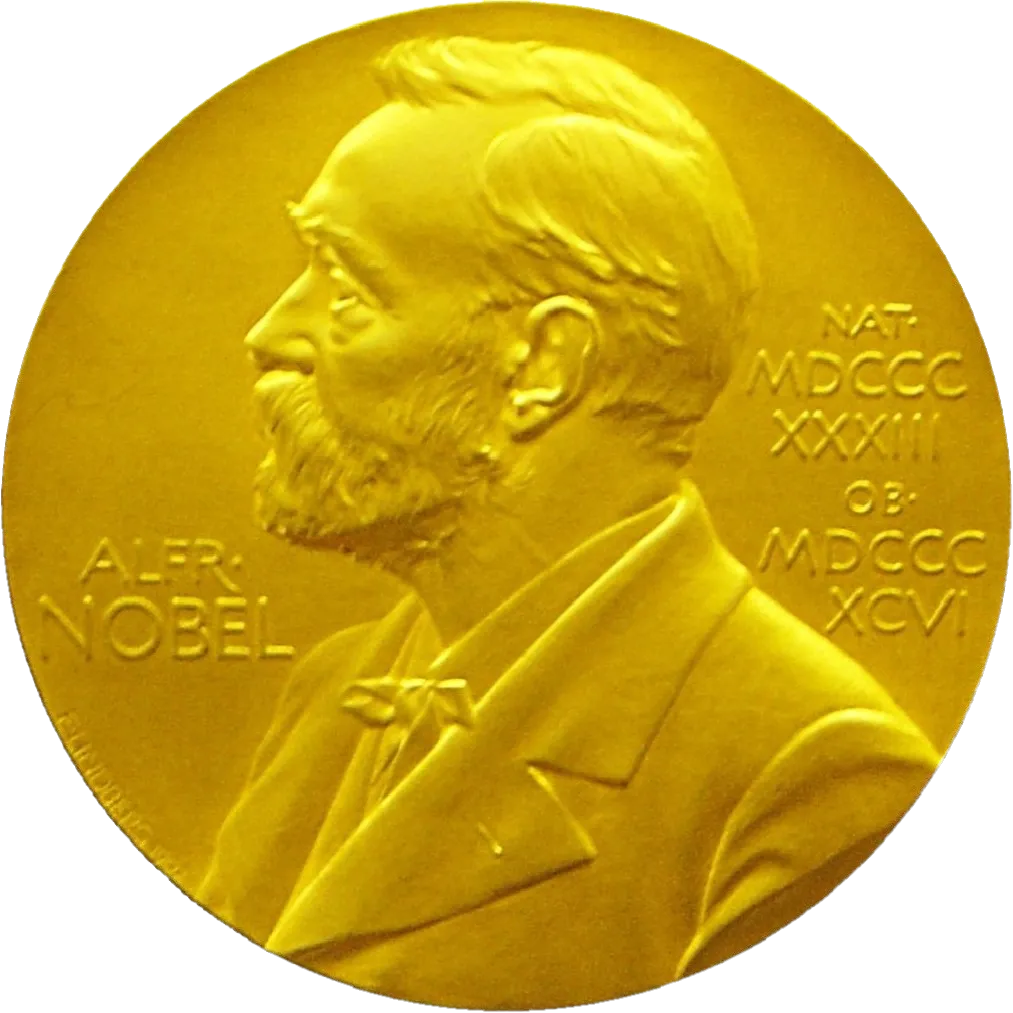
Nobel Prize in Physics
Celebrating the Pioneers of Science

Australia
The Land Down Under

United Arab Emirates
The Emirates

Honduras
Heart of Central America

South Africa
The Rainbow Nation

1064
Transition to Christianity in Sweden influenced by neighboring Christian territories during the era.
During this period, Sweden underwent a significant religious shift towards Christianity, primarily influenced by surrounding Christian territories. The transition was led by King Knut Eriksson, who played a crucial role in the introduction and establishment of Christianity within the kingdom. Missionaries from Germany and other nearby Christian regions also contributed to the spread of the faith.
This transition had a profound impact on Swedish society, reshaping cultural practices, beliefs, and traditions. Churches and monasteries were built across the country, becoming centers of religious and social life. The Christianization of Sweden also led to closer political ties with other Christian nations in Europe, strengthening diplomatic relations and trade networks.
The adoption of Christianity in Sweden marked a turning point in the country's history, aligning it with the dominant religion of medieval Europe. It paved the way for further integration into the Christian world and influenced the development of Swedish identity and culture.
#Sweden #Christianization #MedievalEurope #CulturalShift
View details1060
King Stenkil ascended to the throne of Sweden after his predecessor's reign came to an end. He assumed leadership at a critical time in the history of the kingdom. Stenkil's rule marked a significant transition in Swedish governance, as he sought to consolidate power and establish stability within the realm.
As the new ruler, King Stenkil faced the challenge of maintaining internal cohesion while also dealing with external threats. His leadership was characterized by efforts to expand the kingdom's influence and strengthen its position among neighboring regions. Under his reign, Sweden experienced a period of relative peace and territorial growth.
King Stenkil's legacy endured beyond his time, laying the foundation for future monarchs to build upon. His strategic decisions and diplomatic endeavors contributed to shaping Sweden's political landscape for years to come. The transition of power to Stenkil marked a new chapter in the history of the kingdom, ushering in an era of development and consolidation.
#KingStenkil #SwedenRuler #MedievalHistory
View details1026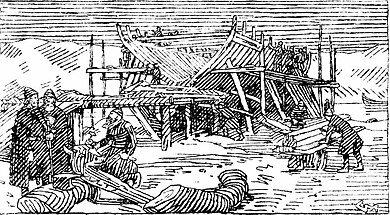
The Battle of Helgeå marked a crucial turning point in the control of Skåne, as Sweden emerged victorious over Denmark. The conflict was fueled by territorial disputes and power struggles between the two Nordic nations. The Swedish forces, led by King Olof Skötkonung, clashed with the Danish army, led by King Cnut the Great, in a fierce and decisive battle near the Helgeå river.
Swedish determination and strategic maneuvers ultimately led to a significant triumph, resulting in the annexation of Skåne under Swedish control. This victory reshaped the regional power dynamics and solidified Sweden's influence in the southern territories. The annexation of Skåne provided Sweden with access to important trade routes and valuable resources, strengthening its position in the Baltic Sea region.
The Battle of Helgeå stands as a pivotal moment in Swedish history, symbolizing the nation's resilience and military prowess. The outcome of the conflict reverberated throughout the Nordic realms, consolidating Sweden's dominance and setting the stage for future conflicts and alliances.
#BattleOfHelgeå #SkåneControl #Sweden #Denmark #NordicHistory #MilitaryVictory
View details1025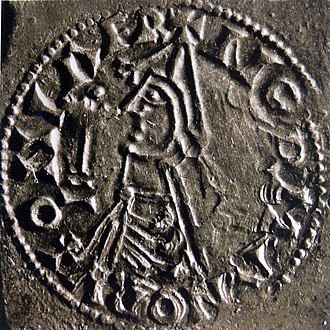
King Olaf II of Norway made a strategic decision to expand his influence by launching an invasion campaign into neighboring territory. With a well-equipped army and skilled warriors, King Olaf II embarked on this military endeavor to assert Norwegian dominance and control over the region. The invasion marked a significant move in the power dynamics of the time, sparking tensions with neighboring Sweden.
The impact of King Olaf II's invasion campaign was profound, igniting a series of conflicts and shaping future relations between Norway and Sweden. The invasion led to clashes between the two nations, with both sides vying for control over valuable territories. The campaign demonstrated King Olaf II's ambitions and military prowess, leaving a lasting impression on the political landscape of the region.
As a result of this invasion campaign, territorial boundaries were redrawn, alliances shifted, and the balance of power in the region was redefined. King Olaf II's bold military expedition into neighboring territory reverberated across the lands, leaving a legacy of conquest and rivalry between Norway and Sweden.
#KingOlafII #InvasionCampaign #Norway #Sweden #PowerDynamics
View details1022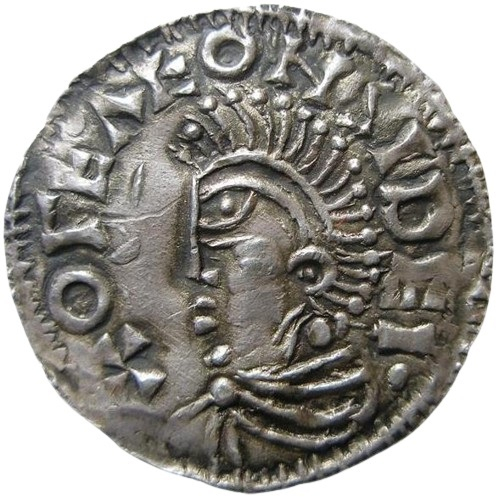
Olof Skötkonung, the first Christian king of Sweden, passed away, marking the end of an era. His reign, spanning over decades, was pivotal in the Christianization of Sweden. Olof's conversion to Christianity in the early 11th century set the stage for the transformation of the nation's religious landscape. His efforts to promote Christianity among his people left an indelible mark on Swedish history.
Under Olof's rule, Christianity gained a foothold in Sweden, bringing about significant changes in the societal and cultural fabric of the kingdom. The establishment of churches and monasteries, as well as the introduction of Christian practices, reshaped the spiritual identity of the Swedish people. Olof's legacy as the first Christian king continues to be remembered and celebrated in Sweden's historical narrative.
Upon Olof Skötkonung's demise, his legacy as a key figure in Sweden's Christianization was solidified. His reign was characterized by a concerted effort to propagate the Christian faith, leaving a lasting impact on the kingdom. Olof's death marked the end of an era but his contributions to the Christianization of Sweden endure.#Sweden #OlofSkotkonung #Christianization #Legacy
View details1015
The Battle of Oldenskog was a fierce clash between Sweden and Norway, culminating in significant casualties on both sides. The conflict arose due to territorial disputes and competition for power in the region. Swedish forces, led by their skilled commanders, engaged in a strategic confrontation with the Norwegian army, resulting in a bloody confrontation that lasted for hours. The aftermath of the battle left a trail of destruction and loss on the battlefield, as soldiers from both nations fought bravely but suffered heavy casualties in the brutal conflict.
The impact of the Battle of Oldenskog was profound, influencing the dynamics between Sweden and Norway for years to come. It reshaped the balance of power in the region, highlighting the ongoing struggle for dominance and control. The repercussions of this historic clash reverberated throughout the region, underscoring the complexities of medieval warfare and diplomatic relations. The legacy of the Battle of Oldenskog endures, serving as a reminder of the enduring rivalries and conflicts that shaped the history of Scandinavia.
#BattleofOldenskog #Sweden #Norway #MedievalConflict #TerritorialDisputes #MilitaryHistory
View details1000
In the 7th century, Sweden underwent a significant transformation as it adopted Christianity, marking a pivotal moment in the country's history. The conversion to Christianity had far-reaching impacts on Swedish culture and religion, shaping societal norms and practices for generations to come.
Following the adoption of Christianity, Swedish society saw the establishment of churches, monasteries, and schools, which played a crucial role in educating the population and spreading the teachings of the new faith. The influence of Christianity also led to the introduction of new rituals, ceremonies, and holidays, which became deeply ingrained in Swedish culture.
Moreover, the Christianization of Sweden contributed to the development of art and architecture, with many churches and religious buildings being constructed during this period, showcasing unique Scandinavian design elements influenced by Christian motifs.
The adoption of Christianity in Sweden had a lasting impact on the country's religious landscape, as well. The new faith replaced traditional Norse beliefs and practices, leading to the decline of pagan rituals and the worship of ancient deities.
Overall, the Swedish adoption of Christianity in the 7th century had profound and enduring effects on the country's culture, religion, and society, laying the foundations for the development of a distinctly Christian Swedish identity. #SwedishHistory #ReligiousTransformation #CulturalInfluence
View detailsThe naval battle in the Baltic Sea saw Danish, Norwegian, and Wendish forces engaged in a fierce confrontation. The backdrop of territorial disputes and power struggles set the stage for this significant event. The clash reverberated through the region, impacting trade routes and alliances. The outcome of this battle reshaped the balance of power among the northern kingdoms, influencing their future interactions and shaping the political landscape. This maritime showdown highlighted the strategic importance of control over the Baltic Sea and emphasized the role of naval forces in safeguarding interests. The event underscored the complexities of medieval power dynamics and highlighted the interconnected nature of politics and warfare in the region.
#NavalBattle #BalticSea #MedievalConflict #NorthernKingdoms #PoliticalIntrigue #NavalPower
View details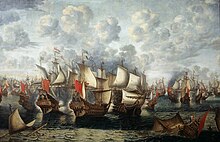
In a power struggle in historical Sweden, King Olof Skötkonung and Sigrid the Haughty clashed, marking a significant feud. Sigrid, a renowned queen with substantial power, aimed to strengthen her position by influencing the King. However, Olof, the first Christian ruler of Sweden, resisted Sigrid's demands to abandon his new faith, leading to tension between them.
The feud escalated as Sigrid sought alliances to challenge Olof's rule. Their conflict had broader implications, impacting the political landscape of Sweden at the time. Sigrid's assertiveness and Olof's steadfastness in his beliefs created a rift in the royal circles, with repercussions felt throughout the kingdom.
Despite their clash, the power struggle between King Olof and Sigrid the Haughty ended inconclusively, leaving a lasting historical mark on Sweden. The feud highlighted the intricacies of power dynamics in medieval Scandinavia, showcasing the complexities of royal authority and personal ambitions.
#SwedenHistory #MedievalPowerStruggle #RoyalFeud
View detailsDuring the reign of King Olof Skötkonung, the first Swedish coins were minted. The introduction of coins marked a transition from the previous barter system to a more regulated and centralized form of economy. These coins were made of silver and bore inscriptions referencing the King, establishing his authority over the currency and economy.
The minting of coins had a significant impact on the kingdom's economy, enabling easier trade, standardizing the value of goods, and facilitating tax collection. This development also promoted the growth of cities and trade networks, fostering economic stability and prosperity.
King Olof Skötkonung's decision to mint coins highlighted his desire to assert control over the realm's economic affairs and solidify his position as a legitimate ruler. The coins served as symbols of the King's authority and were essential in reinforcing the monarchy's power.
This event marked a crucial step in Sweden's evolution towards a more sophisticated and structured society. The minting of coins under King Olof Skötkonung's reign laid the foundation for the kingdom's future economic growth and played a pivotal role in shaping its history. #KingOlofSkötkonung #SwedishCoins #EconomicDevelopment #HistoricalMilestone
View details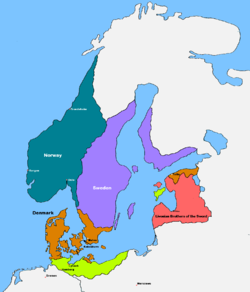
In the year 1000, Sweden witnessed the establishment of its first law code, Grauthung. This legal framework was a pivotal development in the country's governance and justice system. The Grauthung law code comprised various provisions that aimed to regulate social order, resolve disputes, and administer justice within the community. It outlined rules concerning property rights, inheritance, marriage, and criminal offenses.
The introduction of the Grauthung law code had a profound impact on Swedish society. It provided a standardized set of laws that helped maintain stability and coherence among the populace. The legal provisions outlined in the code were crucial in ensuring a fair and balanced judicial system, fostering a sense of security and predictability for the people.
Over time, the Grauthung law code evolved and set the foundation for future legal developments in Sweden. Its influence can be seen in subsequent legal systems and legislative reforms that have shaped the country's governance structure.
#Sweden #Grauthung #LawCode #Governance #Justice #HistoricalDevelopment
View details
0995
In 995, King Olof Skötkonung laid the foundation for the Kingdom of Sweden, marking a pivotal moment in Swedish history. As the first recognized king of Sweden, Olof united various tribes and regions under a centralized monarchy, establishing a more cohesive and structured governance system.
This event brought about a sense of national identity and stability, fostering cultural and political development within the region. Olof's reign saw the spread of Christianity in Sweden, influencing the country's social and religious landscape.
The establishment of the Kingdom of Sweden under King Olof Skötkonung set the stage for future dynasties to rule the country and solidified Sweden's position as a prominent power in the region. The legacy of Olof's reign continues to shape Sweden's cultural heritage and political traditions.
#KingOlofSkötkonung #KingdomofSweden #HistoricFoundation #SwedishMonarchy
View detailsIn 995, Sweden officially recognized Christianity as its main religion after the successful conversion efforts led by King Olof Skötkonung. This marked a significant shift in Sweden's religious landscape, as the traditional Norse religion was gradually replaced by Christianity. The decision to adopt Christianity as the main religion had far-reaching impacts on both the religious and socio-political spheres of the country.
The recognition of Christianity as the main religion by Sweden led to the construction of churches and monasteries across the country. Christian practices and beliefs were integrated into Swedish society, influencing cultural norms and traditions. The clergy gained significant influence and played a crucial role in shaping governance and moral values within the kingdom.
The event also facilitated closer ties with the Christian kingdoms of Europe, contributing to Sweden's integration into the broader Christian community. This recognition not only brought Sweden into alignment with prevailing European religious norms but also opened up opportunities for diplomatic and trade relations.
Overall, the official recognition of Christianity as the main religion by Sweden in 995 marked a pivotal moment in the country's history, shaping its religious identity and influencing its cultural and political development for centuries to come.
#SwedenHistory #ReligiousShift #CulturalTransformation
View details0975
In 0795, Viking raiders launched a surprise attack on a Scottish island, catching the unsuspecting residents off guard. The Vikings, known for their swift and ruthless tactics, pillaged the island, leaving behind a trail of devastation and loss. The raid resulted in significant damage to the local villages, with homes destroyed and valuable resources plundered.
The attack had a lasting impact on the Scottish island, as the community struggled to recover from the sudden destruction. Many lives were lost, and those who survived faced the daunting task of rebuilding their homes and livelihoods.
The Viking's surprise attack serves as a grim reminder of the brutal realities of war and the vulnerability of coastal communities to seaborne invasions. It also highlights the fierce reputation of the Vikings as formidable warriors who struck fear into the hearts of those they encountered.
#Vikings #Raid #Devastation #Loss #Warfare.
View details0970
In 0970, smaller tribes in Scandinavia merged to form the first unified kingdom for political stability. This consolidation aimed to centralize power, reduce internal conflicts, and enhance defense against external threats. The merging of tribes facilitated the establishment of a strong monarchial system, ensuring better governance and administration across the region. This event marked a pivotal moment in Scandinavian history, shaping the socio-political landscape for centuries to come.
The unified kingdom brought about societal changes, such as the introduction of common laws, standardized currency, and improved infrastructures. It also led to the emergence of a distinct Scandinavian identity and culture. The consolidation of tribes created a sense of unity among the people, promoting cooperation and collaboration for the betterment of the kingdom. Trade flourished, alliances were formed, and the kingdom began to exert influence beyond its borders.
This formation of the first unified kingdom in Scandinavia in 0970 laid the foundation for the future development and expansion of the region. It set the stage for subsequent dynasties to rule and further strengthen the kingdom's position in Europe. The merging of tribes not only enhanced political stability but also fostered economic growth, cultural exchange, and military prowess, solidifying Scandinavia as a significant power in the medieval era.
#ScandinavianHistory #UnifiedKingdom #TribalMergers
View details0850
In 0850, the earliest recorded Viking invasion on what is now Stockholm took place. The Vikings, known for their skilled navigation and raiding abilities, arrived on their longships along the shores of Lake Mälaren. This event marked the beginning of Viking activity in the region, as they sought valuable goods and resources.
The impact of this invasion was significant, shaping the future development of Stockholm and influencing the local inhabitants. The Vikings established trade routes and settlements, contributing to the growth of the area as a thriving trading hub. Their presence also influenced the culture and customs of the region, leaving a lasting legacy that can still be seen today.
The Viking invasion on modern-day Stockholm is a historical event that highlights the rich history of Sweden and the enduring legacy of the Viking era. It showcases the strategic importance of the region and the resilience of its people in the face of external threats. #VikingInvasion #StockholmHistory #SwedishHeritage
View details0800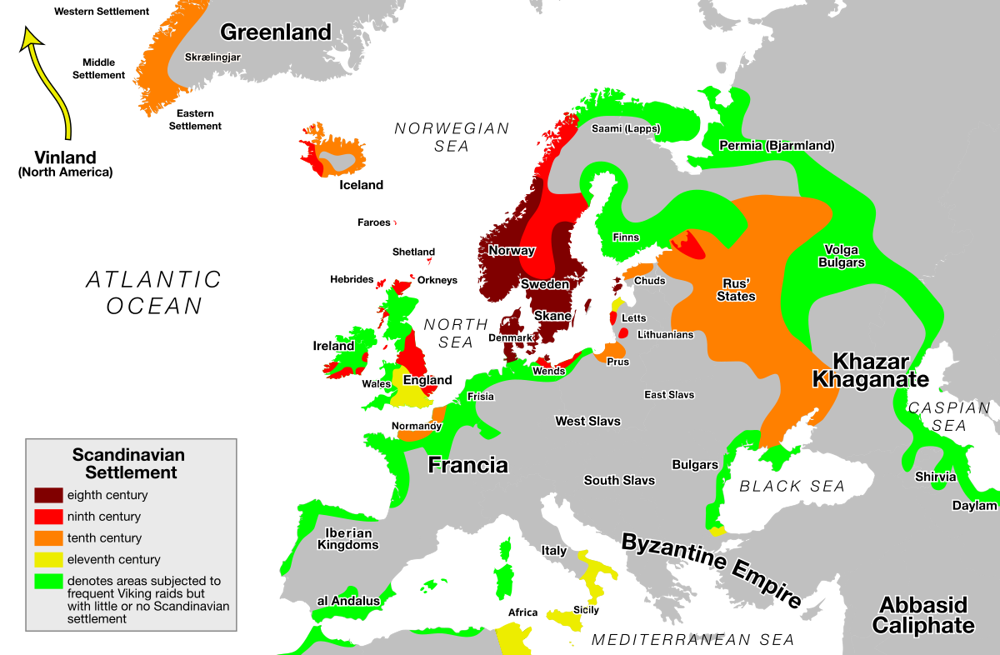
In the 9th century, Swedish Vikings embarked on expeditions that marked the beginning of the Viking Age. Known for their prowess in navigating the seas, they raided, traded, and explored across Europe and beyond. These ventures were driven by a combination of factors such as overpopulation, the search for resources, and a thirst for adventure.
The Swedish Vikings' raids instilled fear among communities along the coasts of Europe. The plundering of riches and taking of slaves were common outcomes of these raids, shaping the region's socio-political landscape. However, not all Viking activities were centered on warfare. The Vikings also engaged in trade, establishing networks that spanned vast distances. Their interactions with different cultures led to the exchange of goods, ideas, and technologies.
Exploration was another key aspect of the Swedish Vikings' endeavors. They navigated uncharted waters, reaching as far as the Mediterranean and the Middle East. These journeys not only expanded their geographical knowledge but also facilitated cultural exchanges with distant civilizations.
The initiation of the Viking Age by Swedish Vikings had a lasting impact on European history, leaving a legacy of seafaring prowess, economic influence, and cultural diffusion. Their exploits continue to captivate historians and archaeologists, shedding light on a transformative period in the Scandinavian past.
#SwedishVikings #VikingAgeBeginnings #RaidingTradingExploring
View details0799
In the 9th century, the Swedes established the city of Uppsala, marking a crucial milestone in the region's history. Situated strategically, Uppsala became a center for trade, culture, and religious practices, playing a key role in the development of the Swedish kingdom. The city's founding by the Swedes solidified their presence in the area and helped shape the political landscape of the region.
Over time, Uppsala grew into a prominent hub for commerce and education, attracting scholars and traders from near and far. The establishment of Uppsala University in the 15th century further enhanced the city's reputation as an academic center. Additionally, Uppsala's significance as a religious center was exemplified by the construction of the Uppsala Cathedral, a symbol of Sweden's Christian heritage.
The founding of Uppsala by the Swedes laid the foundation for the city's growth and prosperity, leaving a lasting impact on Sweden's historical and cultural heritage. Today, Uppsala continues to be recognized for its rich history, vibrant academic community, and architectural marvels, making it a must-visit destination for those interested in Sweden's past.
#UppsalaHistory #SwedishHeritage #CityFounding #CulturalCenter
View details0793
The Viking raid on the monastery of Lindisfarne, located in England, marked a pivotal moment in the history of Sweden. The raid, carried out by Norse seafarers from Scandinavia, was the first of its kind and initiated the Viking expansion across Europe. The attack on Lindisfarne not only exposed the vulnerability of coastal settlements but also demonstrated the military prowess and seafaring skills of the Vikings.
The raid on Lindisfarne had far-reaching consequences, as it set the stage for further Viking invasions and conquests throughout Europe. It contributed to the establishment of Viking settlements in various regions and paved the way for the eventual formation of Viking kingdoms. The event also played a significant role in shaping Swedish history, as Swedish Vikings were among those who participated in subsequent raids and expeditions across the continent.
Overall, the Viking raid on Lindisfarne in England was a defining moment that marked the beginning of the Viking Age and the expansion of Scandinavian influence in Europe. It was a crucial event that not only impacted the history of Sweden but also left a lasting legacy on the entire region. #VikingExpansion #SwedishHistory #LindisfarneRaid
View detailsIn 793, Vikings launched a sudden attack on the monastery at Lindisfarne, a significant event marking the start of Viking raids in history. Lindisfarne, located on the northeast coast of England, was a center of Christian learning and culture. The monastery was known for its valuable treasures, making it a prime target for the Viking raiders from Sweden.
The Vikings descended upon the monastery, looting its riches and causing widespread destruction. The attack sent shockwaves throughout Europe, as it was the first recorded Viking raid on a Christian religious institution. The brutality of the raid, coupled with the loss of precious artifacts and manuscripts, had a lasting impact on the local community and the region as a whole.
The Raid and its Significance
The attack on Lindisfarne was brutal. The raiders, often described in contemporary accounts as "heathen men," looted the monastery, desecrated holy sites, and murdered many of the monks. Others were taken captive, likely to be sold as slaves. The Viking assault struck at the heart of the Northumbrian kingdom's spiritual identity, as Lindisfarne was revered as the place where Saint Aidan had established his mission in 635 CE, spreading Christianity to the region.
The D and E versions of the Anglo-Saxon Chronicle vividly describe the ominous signs preceding the raid: fierce storms, lightning, whirlwinds, and even fiery dragons seen flying in the sky. These celestial and atmospheric phenomena were interpreted as portents of divine displeasure or impending catastrophe. Shortly after, the monastery was devastated, with its treasures plundered and many of its sacred relics destroyed or stolen.
Why Lindisfarne Was Targeted
The choice of Lindisfarne was no accident. Monasteries in this period were often rich repositories of gold and silver artifacts, such as illuminated manuscripts, chalices, and reliquaries. These valuables made them attractive targets for raiders. Furthermore, monasteries were often isolated and poorly defended, offering little resistance to well-organized Viking bands.
Lindisfarne's attack was particularly shocking due to the monastery's stature as a center of learning, art, and faith. It housed the Lindisfarne Gospels, an exquisite illuminated manuscript created in the early 8th century, which fortunately survived the raid. The psychological impact of the raid was immense, shaking the Christian West to its core.
The Monks’ Response and the Journey of Saint Cuthbert's Relics
In the wake of the raid, the monks of Lindisfarne faced ongoing threats from Viking incursions. This led to repeated evacuations of the monastery. One such evacuation saw the monks carrying with them the relics of Saint Cuthbert, Lindisfarne’s most revered saint. Saint Cuthbert, who had died in 687 CE, was a figure of immense veneration, and his remains were believed to possess miraculous powers.
During the upheaval, the monks transported Cuthbert’s body to Chester-le-Street, a small village near Durham, where they temporarily resettled. This migration symbolized both the resilience of the monastic community and the determination to preserve their sacred traditions amidst turmoil. Saint Cuthbert’s relics eventually found a permanent resting place in Durham Cathedral, a site that became a major pilgrimage destination.
Cultural and Historical Impact
The raid on Lindisfarne is often regarded as the beginning of the Viking Age, a period characterized by Norse expansion, raiding, and trading across Europe and beyond. The attack not only heralded an era of Viking raids on the British Isles but also left a profound mark on the medieval imagination. The vulnerability of sacred sites became a recurring theme, and monasteries across Europe began fortifying their defenses in response.
The event also underscored the tension between the Christian and pagan worlds of the time. The desecration of a prominent Christian holy site by "heathen" Vikings was interpreted as a direct challenge to the Christian order and a test of divine will.
#Vikings #Lindisfarne #Monastery #Raid #Sweden #History #Invasion
View details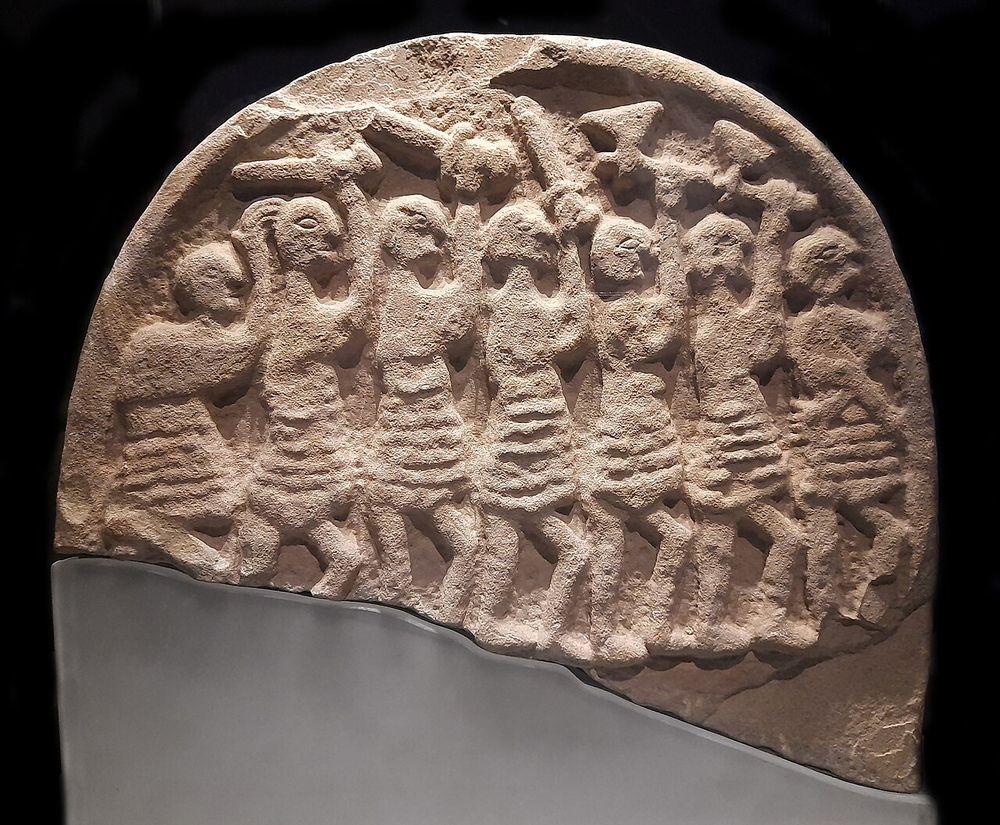
0750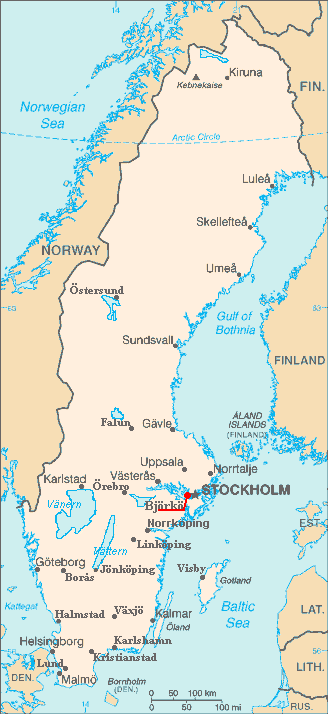
The establishment of Birka town marked a crucial development in the history of Sweden. Situated on the island of Björkö in Lake Mälaren, Birka quickly evolved into a vital trading center in the region. Its strategic location facilitated trade routes connecting the Baltic region with the rest of Europe, contributing significantly to the town's prosperity.
Birka attracted merchants and traders from far and wide, dealing in a variety of goods such as furs, amber, and handicrafts. The town's economic success was further enhanced by its advanced metallurgy industry and skilled artisans producing high-quality goods. As a result, Birka became a melting pot of cultures, bustling with activity and trade.
The town's influence extended beyond its economic prowess, playing a crucial role in the spread of Christianity in the region. Missionaries and clergy used Birka as a base for their evangelism efforts, leaving a lasting impact on the religious landscape of Sweden.
The flourishing of Birka as a pivotal trade hub reshaped the social, economic, and religious dynamics of the region, leaving a lasting legacy that continued to influence Sweden for centuries to come. #BirkaTown #TradeHub #HistoricSweden
View details0650
In the 7th century, the Swedish king and the Svear tribe played pivotal roles in shaping Scandinavian politics. The Svear tribe, residing in present-day central Sweden, was influential in expanding territories through strategic alliances and military conquests. The Swedish king, supported by loyal tribes, consolidated power and established dominance over neighboring regions.
Their united efforts led to the formation of an early centralized authority in Sweden, setting the foundation for future monarchies in the region. The Swedish king's ability to navigate complex political landscapes and maintain strong alliances with neighboring tribes ensured stability and prosperity within the kingdom.
The influence of the Swedish king and the Svear tribe extended beyond domestic affairs, impacting diplomatic relations and trade networks with neighboring territories. Their domination in Scandinavian politics not only secured their own positions of power but also elevated Sweden's standing on the regional stage.
This event underscores the critical role played by early Swedish monarchs and tribal alliances in shaping the political landscape of Scandinavia, laying the groundwork for the kingdom's future development and influence. #SwedishMonarchy #SvearTribe #ScandinavianPolitics
View details0611
Theophylact Simocatta detailed the Swedish raid in Spoleto, shedding light on Sweden's influence extending beyond the Baltic region. The event highlighted the Swedish warriors' prowess and their far-reaching expeditions. This raid in Spoleto showcased the Vikings' ability to navigate distant lands and assert their power.
The account by Theophylact Simocatta provided valuable insight into the Swedish expansion and militaristic capabilities during that era. The raid in Spoleto served as a testament to the Vikings' ambitions for territorial expansion and control.
The narrative of the Swedish raid in Spoleto signifies the broader impact of Swedish influence in the early medieval period. It underscores Sweden's presence in regions beyond the traditional Scandinavian territories, revealing their active participation in global exploration and conflicts.
The event narrated by Theophylact Simocatta depicts a significant moment in Swedish history where their influence crossed borders and left a remarkable impression in regions such as Spoleto. This account serves as a historical marker of Sweden's presence and impact on the geopolitical landscape of the time.
#SwedishRaid #VikingWarriors #GlobalInfluence
View details0601
During the 6th century, Swedish traders ventured to Rome, showcasing the commercial ties Sweden had within Europe. The traders played a crucial role in enhancing Sweden's economic significance on the continent. Their presence in Rome would have sparked curiosity among locals and other traders alike, opening up opportunities for further trade and cultural exchanges.
The event not only highlighted Sweden's active participation in the European trade network but also demonstrated the country's willingness to engage in commerce beyond its borders. This interaction would have helped Sweden establish itself as a key player in the economic landscape of Europe during that period.
Ultimately, the visit by the Swedish traders to Rome served as a testament to the country's growing importance in the European economic scene, solidifying its position as a trading partner to be reckoned with.
#Sweden #EuropeanTrade #EconomicSignificance #CulturalExchange #CommercialLinks #Rome #SwedishTraders
View details0600
King Olof's conversion marked a pivotal moment in Sweden's history as Christianity gradually replaced pagan beliefs. King Olof's embrace of Christianity led to the eventual Christianization of Sweden, influencing its culture, laws, and societal norms. The conversion signaled a shift towards a new era of religious practices and alliances with other Christian nations.
The impact of King Olof's conversion was profound, shaping the future of Sweden and its relations with neighboring kingdoms. The spread of Christianity brought about changes in art, architecture, and education, establishing churches and monasteries across the land. This transformation also paved the way for Sweden to become a key player in European politics and trade networks.
King Olof's decision to convert to Christianity opened doors to diplomatic ties with other monarchs and paved the way for Sweden to be recognized as a Christian kingdom. The Christianization of Sweden brought stability and unity to the realm, strengthening its position on the international stage.
#KingOlof #Sweden #Christianization #CulturalTransformation #Diplomacy #HistoricEvent
View details0540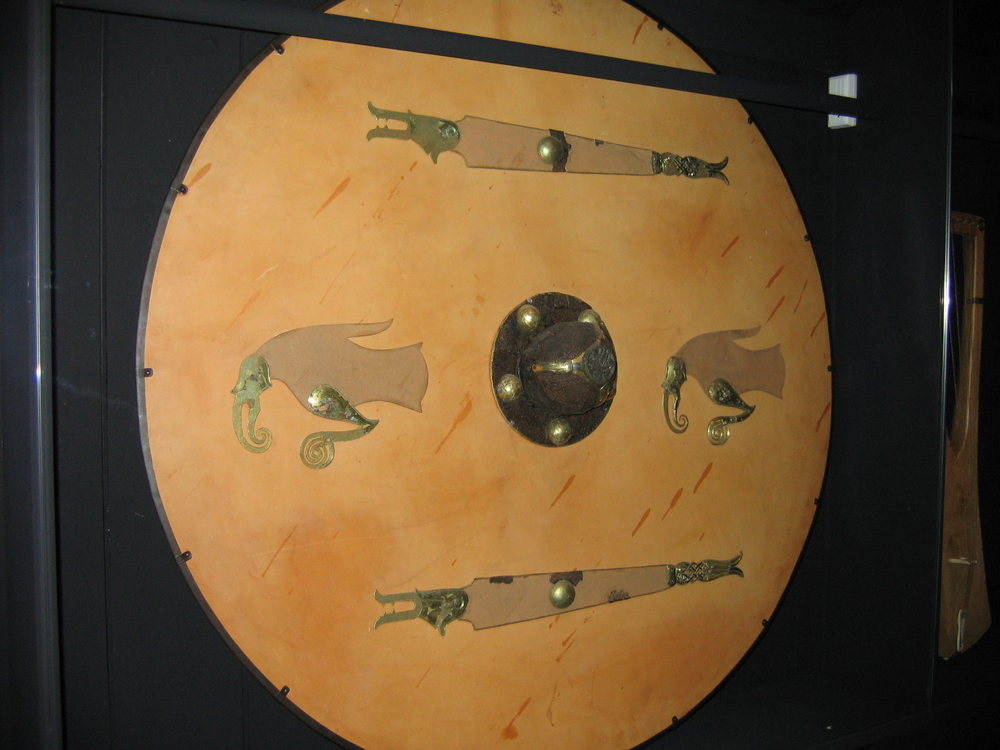
During the Vendel Period, Sweden witnessed a flourishing of significant burials and artifacts that have contributed immensely to early Swedish history. The period is characterized by the discovery of elaborate grave sites containing valuable items, such as weapons, jewelry, and tools, reflecting the social hierarchy and cultural practices of the time.
These discoveries have provided valuable insights into the beliefs, customs, and trading networks of the Vendel people, shedding light on the complexity of their society and interactions with neighboring regions. The artifacts unearthed in these burials have helped archaeologists and historians piece together the puzzle of early Swedish history, bridging the gap between the migration period and the Viking Age.
The Vendel Period's rich archaeological record has deepened our understanding of the development of Swedish society, showcasing the artistry and craftsmanship of its people, as well as their connections to the wider world through trade and exchange. The legacy of this period continues to captivate researchers and enthusiasts, offering a glimpse into the vibrant and dynamic culture that laid the foundation for Sweden's future.
#VendelPeriod #SwedishHistory #ArchaeologicalDiscoveries #CulturalHeritage #EarlyCivilization
View details0500
The transition from the Bronze Age to the Iron Age was a major historical period change in Sweden. This shift marked a significant advancement in technology and metallurgy, with iron becoming the predominant material for tools and weapons. The discovery and widespread use of iron ore deposits revolutionized society, leading to the development of more advanced agricultural practices and the emergence of larger, more complex communities.
The Iron Age eclipsing the Bronze Age in Sweden had profound implications for social structures, trade networks, and cultural practices. The superior strength and durability of iron tools and weapons gave communities a competitive edge, fueling technological innovations and societal growth. This period change also saw the rise of elaborate burial rituals and the creation of distinctive artistic styles in the form of rock carvings and jewelry.
Overall, the transition to the Iron Age marked a pivotal moment in Sweden's history, shaping the trajectory of its development for centuries to come. The shift in material culture and technological advancements during this period laid the foundation for the region's future prosperity and influence.
#IronAge #SwedenHistory #TechnologicalAdvancements #CulturalShifts
View details0474
The Oland Warriors unearthed a crucial archaeological discovery shedding light on ancient civilizations. This find represents a pivotal moment in history, providing insights into the cultural practices and lifestyles of past societies. The artifacts discovered offer a glimpse into the sophistication and craftsmanship of bygone eras. The discovery has generated immense interest among historians and archaeologists worldwide, adding to the body of knowledge regarding the evolution of human civilization. This significant find showcases the resilience and ingenuity of ancient peoples, leaving a lasting impact on our understanding of the past. The Oland Warriors' dedication to uncovering these relics has opened a window into a world long forgotten.
#Archaeology #AncientCivilizations #HistoricalDiscovery #OlandWarriors
View details0450
Attila the Hun's invasion altered the landscape of Western Europe, reshaping territorial boundaries and impacting Sweden's domains. As Attila's forces swept through regions such as Gaul, further into Italy and Hispania, the repercussions reached Sweden's connections in these lands, causing widespread turmoil and power shifts. The invasion led to the displacement of various tribes and the weakening of Roman authority, paving the way for new political dynamics in the region. Sweden, closely tied to developments in Western Europe, felt the reverberations of Attila's conquests as alliances shifted and territories changed hands.
The invasion of Attila the Hun had far-reaching implications, contributing to the fragmentation and reconfiguration of power structures across Western Europe and influencing Sweden's interests in the region. The invasion marked a turning point in the history of the continent, with lasting consequences for political and territorial dynamics. The repercussions of Attila's campaigns were deeply felt in Sweden's connections in Western Europe, molding the geopolitical landscape for years to come.
#AttilatheHun #Invasion #Sweden #WesternEurope #Geopolitics #TerritorialImpact
View details0435
During the Roman Iron Age, a man and woman from Ystad, Sweden, lived a typical agricultural life. The man would have been occupied with farming tasks such as growing barley and rye, while the woman would have managed household chores and possibly engaged in textile production. Their dwelling would have been a simple structure made of timber and thatch, typical of the era.
The community in Ystad during this time would have been small and close-knit, centered around agriculture and animal husbandry. The man and woman would have likely been part of a larger extended family or kin group, contributing to the collective well-being of the community. Trading with neighboring regions and engaging in occasional conflicts for resources may have been common occurrences.
Their lives would have been heavily influenced by the changing seasons, rituals, and beliefs of the era. Religion and superstition would have played a significant role in their daily lives, with offerings to deities to ensure successful harvests and protection from misfortune.
The archaeological remains of settlements, tools, and artifacts from the Roman Iron Age provide insights into the lives of people like the man and woman from Ystad, shedding light on their daily struggles and joys.
#RomanIronAge #Ystad #Agriculture #CommunityLife #Sweden #Archaeology
View details