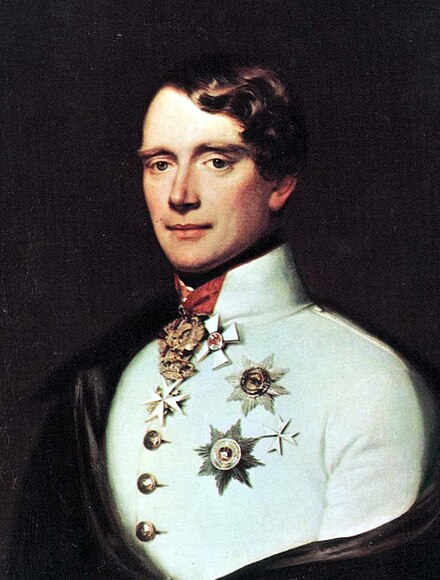
Gustav III's rise to power overthrowing parliamentary rule in a successful coup d'état.
Sweden

Political
3 min read
Updated By: History Editorial Network (HEN)
Published:
In August 1772, King Gustav III of Sweden orchestrated a successful coup, overthrowing the parliamentary government to claim the throne. The coup was a response to the increasing power of the parliament and its interference in the monarch's authority. Gustav III aimed to restore the absolute power of the monarchy and consolidate his control over the country.
Following the coup, Gustav III implemented a series of reforms to centralize power, reduce the influence of the nobility, and strengthen the monarchy. He introduced measures to improve the economy, enhance the military, and promote culture and the arts. Gustav III's reign marked a shift towards a more autocratic rule in Sweden, with the king exerting significant control over the government and society.
The coup and Gustav III's subsequent reign had a lasting impact on Sweden's political landscape. While some viewed the king as a progressive reformer, others criticized his authoritarian tendencies. The events of 1772 set the stage for a period of political centralization and modernization in Sweden.
#GustavIII #Sweden #Coup #Monarchy #Reforms
Primary Reference
Revolution of 1772 - Wikipedia

Explore the Life Moments of
 AI Twin