
Portugal

The Land of Explorers
Related Lives

Luxembourg
The Gibraltar of the North
Nobel Prize in Physics
Celebrating the Pioneers of Science

Malawi
Warm Heart of Africa

Slovenia
Green Heart of Europe


Iraq
The Cradle of Civilization

Cape Verde
Jewel of the Atlantic
Angola
Land of contrasts, from bustling cities to breathtaking landscapes.

1820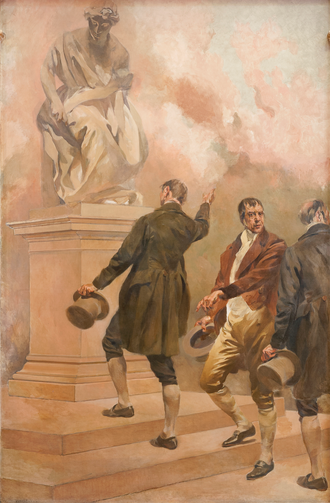
In 1820, a Liberal Revolution emerged in Portugal, sparking a transition towards a constitutional monarchy. The uprising was fueled by discontent with the monarchy's absolute power and economic issues faced by the middle class and military. The revolutionaries, comprised mainly of liberal-minded individuals, demanded a more representative government through the establishment of a constitutional monarchy. The movement quickly gained momentum and support across the country, leading to the King accepting the demands and creating a constitutional charter.
This event marked a significant turning point in Portugal's history, leading to the establishment of a constitutional monarchy and the curtailment of the monarch's absolute power. The revolution laid the foundation for political and social reforms, including the creation of a constitution that outlined civil rights and limited the King's authority. It also paved the way for the modernization of the country's institutions and governance structure.
The Liberal Revolution of 1820 in Portugal underscores the power of political movements in shaping the course of a nation's history, as well as the importance of advocating for democratic principles and reforms. #PortugalHistory #LiberalRevolution #ConstitutionalMonarchy
View details1814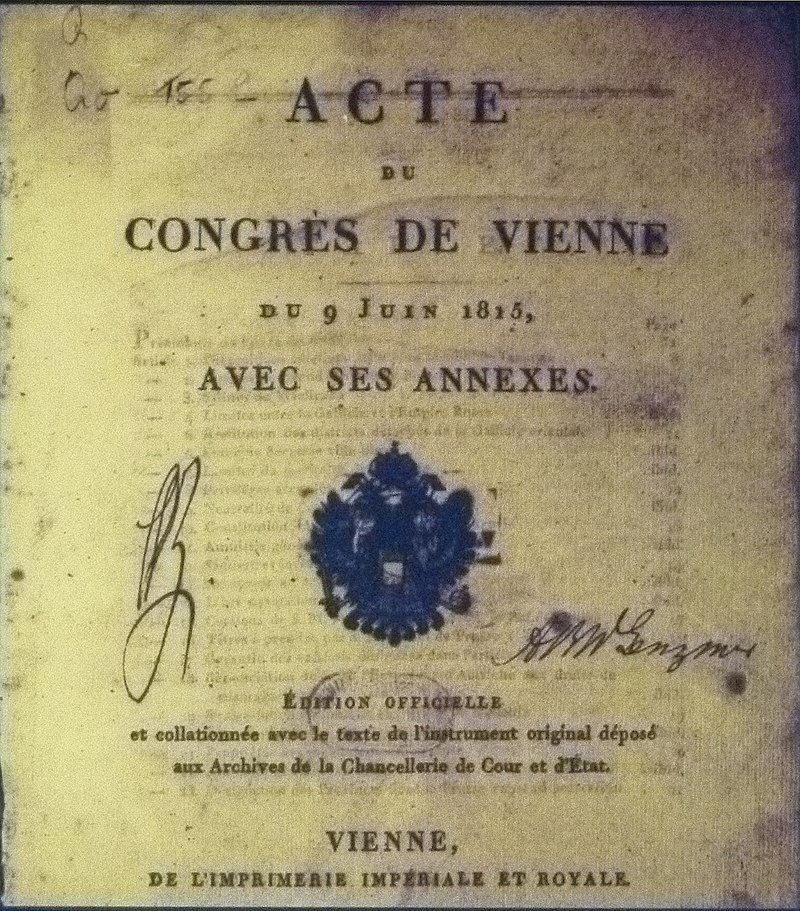
Following the Napoleonic Wars, the Congress of Vienna addressed the territorial changes in Europe and beyond. Portugal seized the opportunity to secure its claims to territories in Brazil, a colony that had gained importance as the royal family had taken refuge there during Napoleon's invasion of Portugal.
The Congress recognized Portugal's rights to its Brazilian territories, affirming its ownership and colonial rule over the region. This acknowledgment solidified Portugal's control over a vast and resource-rich territory, strengthening its colonial empire and paving the way for Brazil's future status as an independent empire.
The decision at the Congress of Vienna had a lasting impact on the colonial dynamics of the Americas, shaping the future of Brazil as a nation. Portugal's recognition of its rights to Brazil also signaled a shift in the global balance of power, acknowledging the imperial ambitions and colonial holdings of European nations.
#Portugal #Brazil #CongressOfVienna #ColonialEmpire #TerritorialRights #GlobalImpact
View detailsThe expulsion of the last French troops from Portugal marked the conclusion of the Peninsular War. The conflict arose from Napoleon's attempt to dominate the Iberian Peninsula, leading to a determined Portuguese and British resistance against the occupying French forces. The war had dragged on for years, with numerous battles and sieges taking place across Portugal and Spain.
The expulsion of the French troops symbolized the restoration of Portuguese sovereignty and the end of foreign occupation. It was a significant victory for the Portuguese and their British allies, highlighting their resilience and determination in the face of a powerful adversary. The war had taken a heavy toll on the region, causing immense suffering and destruction, but the expulsion of the last French troops brought a sense of relief and a new beginning for Portugal.
This event marked a turning point in Portuguese history, allowing the country to reestablish its independence and rebuild after years of conflict. The legacy of the Peninsular War would shape Portugal's national identity and its relationship with its neighbors for years to come. #PortugueseIndependence #EndofForeignOccupation #PeninsularWar
View details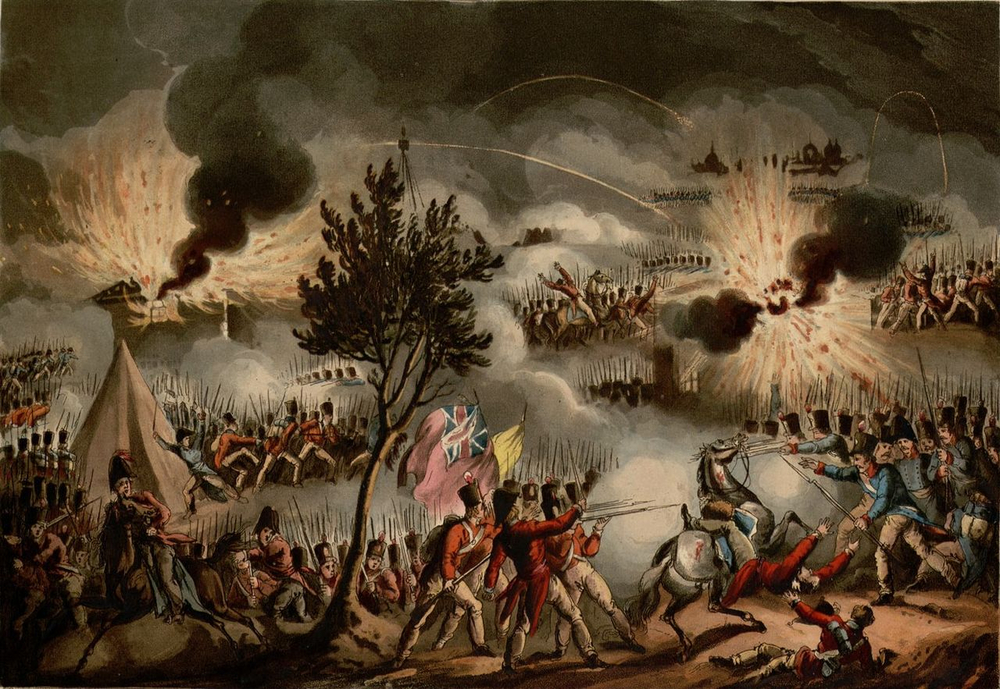
1810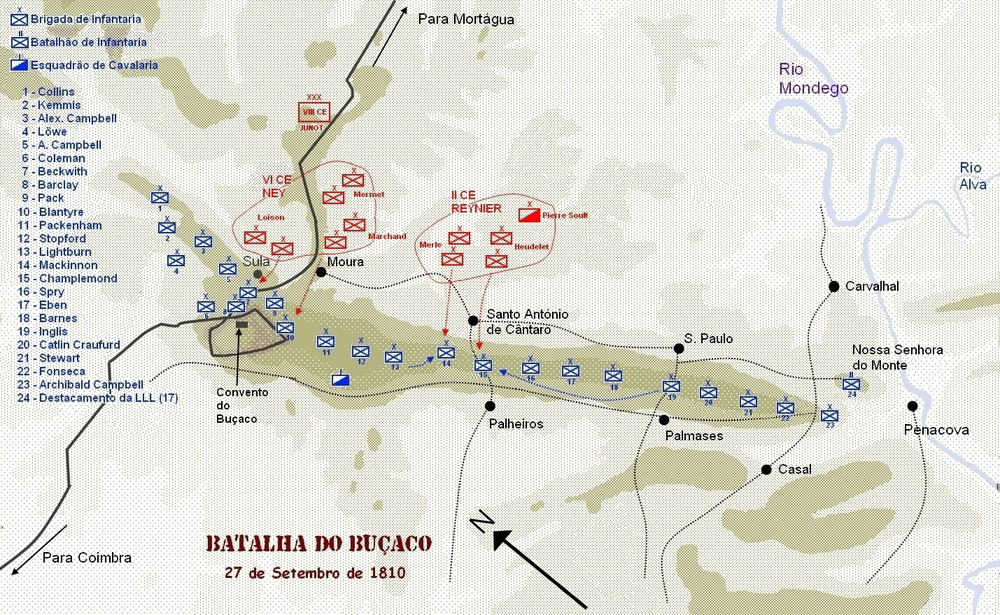
During the Battle of Bussaco, the British and Portuguese forces engaged in a decisive clash against the French troops led by Marshal Masséna. The strategic location of Bussaco Ridge gave the allies a significant advantage, forcing the French to launch a frontal assault uphill. Utilizing the natural defenses of the terrain, the allied forces effectively repelled the enemy attacks, inflicting heavy casualties. The skilled leadership of Lord Wellington played a crucial role in the victory, inspiring his troops to stand firm in the face of the enemy onslaught.
The outcome of the battle had far-reaching implications, disrupting the French advance into Portugal and boosting the morale of the allied troops. The resilience and tactical acumen displayed by the British and Portuguese forces at Bussaco demonstrated their ability to effectively counter the superior numbers and training of the French army. This triumph not only safeguarded Portugal from immediate threat but also marked a turning point in the Peninsular War, establishing Lord Wellington as a formidable military commander.
#BattleofBussaco #Portugal #AlliedVictory #PeninsularWar #LordWellington
View detailsIn response to the looming threat of French invasion during the Peninsular War, Portugal undertook the construction of the Lines of Torres Vedras. This defensive barrier spanned over 80 kilometers, consisting of forts, trenches, and redoubts strategically positioned to protect Lisbon.
The completion of the Lines of Torres Vedras provided a crucial advantage for the Portuguese and their British allies. The fortified defensive line not only effectively shielded Lisbon from the French forces but also disrupted Napoleon's plans for a swift conquest of Portugal. The French army, led by Marshal Masséna, encountered unexpected difficulties and setbacks as they faced the impenetrable barrier of the Lines.
This strategic military feat not only safeguarded Portugal's capital but also played a pivotal role in altering the course of the Peninsular War. The successful defense of Portugal boosted morale among the allied forces and dealt a significant blow to Napoleon's dominance in the region.
The Lines of Torres Vedras stand as a testament to Portugal's determination and ingenuity in the face of adversity. This defensive marvel remains a symbol of resilience and strategic foresight, securing a lasting place in military history. #LinesofTorresVedras #PeninsularWar #PortugalDefense
View details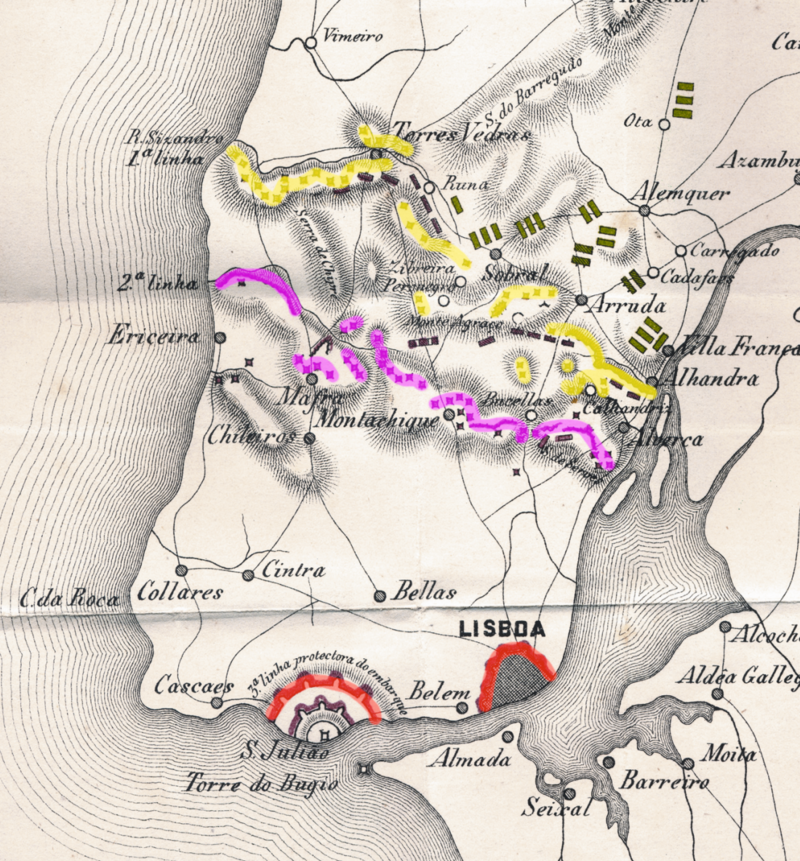
1808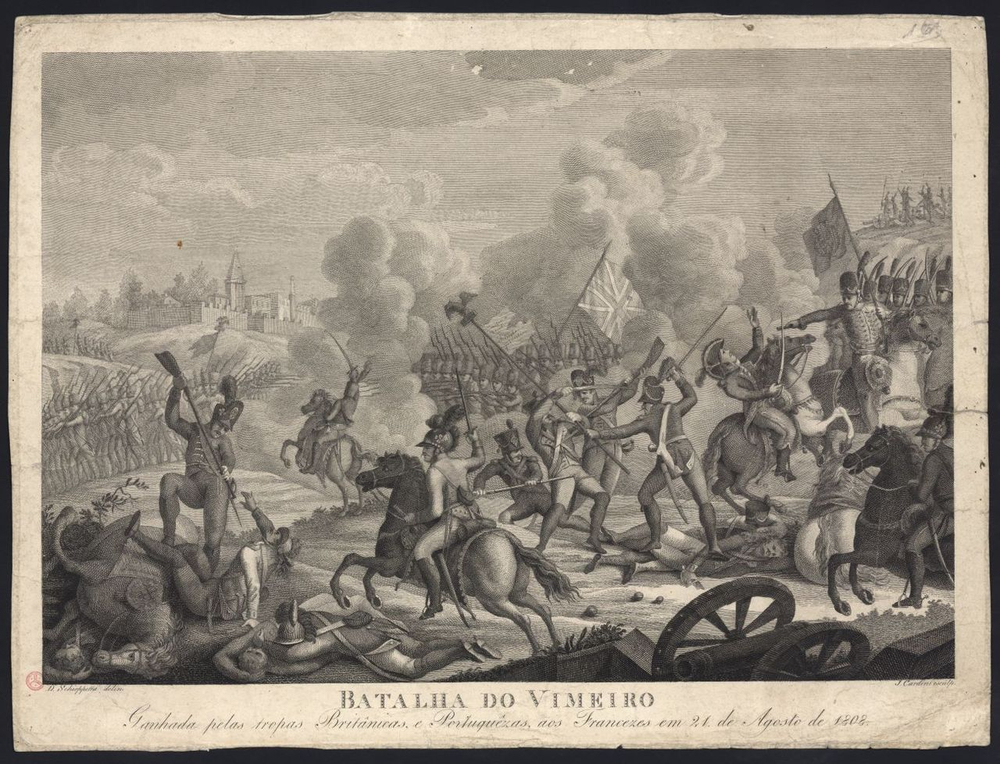
Portuguese forces, supported by the British, initiated the liberation of Portugal from French occupation. The invasion of Portugal by French forces in the early 19th century had placed the country under foreign control, sparking resistance among the Portuguese populace. With British assistance, Portuguese troops commenced a campaign to drive out the occupying French army. The collaboration between the Portuguese and British armies was crucial in pushing back the French forces and reclaiming Portuguese territory.
The liberation of Portugal from French occupation marked a significant turning point in the country's history, restoring independence and sovereignty. The successful military operations led to the expulsion of the French troops and the restoration of Portuguese authority. This event strengthened the alliance between Portugal and Britain, fostering a long-lasting relationship between the two countries. The liberation also rejuvenated Portuguese nationalism and pride, inspiring a sense of unity and patriotism among the people.
#PortugueseHistory #BritishSupport #LiberationOfPortugal #MilitaryCampaign #ForeignOccupation
View detailsOn August 30, 1808, the Convention of Sintra was signed between French and British forces, marking a pivotal moment in the Peninsular War, which was a significant theater of the Napoleonic Wars. The convention led to the evacuation of French troops from Portugal and had far-reaching consequences, both militarily and politically.
Background: The Peninsular War and French Occupation
In 1807, under orders from Napoleon Bonaparte, French forces invaded Portugal to enforce the Continental System, a blockade designed to cripple Britain’s economy. Portugal, an ally of Britain, refused to comply, leading to the French occupation of the country. The Portuguese royal family fled to Brazil, leaving the nation under French control.
The French occupation, under the command of General Junot, faced growing resistance from the Portuguese population, supported by British forces. The situation escalated into the broader conflict known as the Peninsular War, which involved France, Spain, Portugal, and Britain in a struggle for control over the Iberian Peninsula.
The British Intervention
In 1808, the British decided to take direct military action against the French occupation of Portugal. Sir Arthur Wellesley, who would later become the Duke of Wellington, led a British expeditionary force to the Portuguese coast. After landing in August 1808, Wellesley quickly achieved several victories against the French forces, most notably at the Battle of Vimeiro on August 21, 1808.
Despite Wellesley's successes, command of the British forces was soon transferred to more senior officers, Sir Harry Burrard and Sir Hew Dalrymple. Both commanders were more cautious than Wellesley, and this shift in leadership would directly influence the events that led to the Convention of Sintra.
The Convention of Sintra
After the defeat at Vimeiro, the French, led by General Junot, found themselves in a precarious position. However, rather than pressing their advantage, the British commanders, particularly Dalrymple, opted to negotiate. This decision led to the signing of the Convention of Sintra on August 30, 1808, at the Palace of Queluz, near Lisbon.
The terms of the convention were surprisingly lenient toward the French. The agreement allowed the French army to evacuate Portugal with all their equipment, arms, and loot, and they were transported back to France by British ships. Furthermore, the convention permitted the French to return home without being treated as prisoners of war.
Consequences and Controversy
The Convention of Sintra immediately sparked outrage in Britain and among the Portuguese. Many viewed the terms as a betrayal of the sacrifices made by the Portuguese people and British soldiers. The British public and press were particularly incensed that the French were allowed to leave with their plunder, which included valuables taken from Portuguese churches and homes.
In response to the outcry, the British government ordered an inquiry, known as the "Sintra Inquiry," to investigate the actions of the British commanders. While Wellesley was cleared of any wrongdoing, both Burrard and Dalrymple were recalled to England and faced severe criticism, effectively ending their military careers.
Despite the controversy, the Convention of Sintra had the immediate effect of liberating Portugal from French control, a significant victory for the British-Portuguese alliance. It marked the beginning of a long and arduous campaign that would eventually see the expulsion of French forces from the Iberian Peninsula and contribute to Napoleon’s downfall.
Legacy
The Convention of Sintra is remembered as a controversial episode in the Napoleonic Wars. While it achieved the objective of freeing Portugal from French occupation, the leniency shown to the French forces remains a point of historical debate. For Portugal, the convention marked the start of its liberation and the beginning of its role as a critical ally in the broader conflict against Napoleonic France.
#PeninsularWar #ConventionOfSintra #NapoleonicWars #PortugalHistory #BritishArmy #FrenchArmy #ArthurWellesley #MomentsOfLife #MoofLife_Moment #MoofLife
View details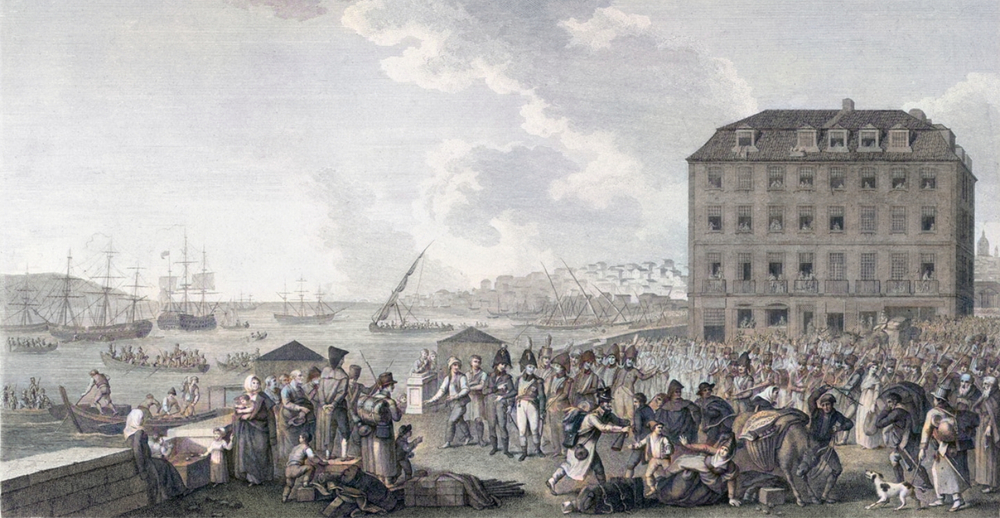
In 1808, the British forces led by Wellesley landed in Portugal to aid the Portuguese and Spanish in their fight against the French invasion. The arrival of the British troops provided much-needed support to the allied forces, enabling them to resist the French advance.
With the strategic expertise of Wellesley, later known as the Duke of Wellington, the allied forces were able to organize effective resistance against the French armies. The presence of experienced British soldiers helped boost the morale of the Portuguese and Spanish troops, ultimately leading to several key victories against the French.
The British intervention in Portugal marked a turning point in the Peninsular War, shifting the balance of power in favor of the allied forces. The alliance between Britain, Portugal, and Spain proved to be crucial in ultimately defeating the French and driving them out of the Iberian Peninsula.
The British forces' arrival in Portugal under Wellesley's command had a profound impact on the outcome of the conflict, solidifying their position as key players in the struggle against Napoleon's forces in Europe.
#BritishForces #Wellesley #Portugal #PeninsularWar #DukeofWellington
View details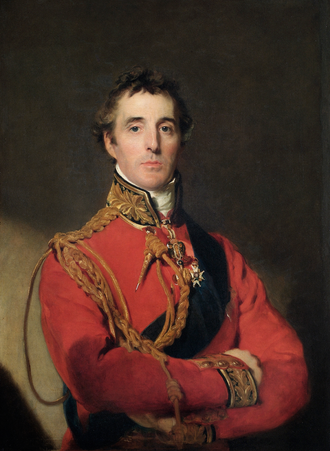
As Napoleon's troops invaded Portugal during the Peninsular War, the Portuguese Royal Family, along with the government and nobility, fled to Rio de Janeiro, Brazil. This move marked the first time a European country's capital was located in the Americas. The court's relocation had significant economic, social, and cultural impacts on Rio de Janeiro, transforming the city into a bustling hub of political activity and trade.
The presence of the Portuguese court bolstered Brazil's economy, leading to the opening of ports to international trade and the development of new industries. The influx of royals, nobles, and their entourage enriched the cultural landscape of Rio de Janeiro, fostering artistic and intellectual exchanges.
The court's move also laid the foundation for Brazil's eventual independence from Portugal, as it sparked sentiments of autonomy and self-governance among the Brazilian population. The experience of having the court in Rio de Janeiro planted the seeds of national identity and fueled aspirations for sovereignty.
Today, this event is remembered as a pivotal moment in Brazilian history that shaped the country's political trajectory and cultural heritage. It exemplifies the intricate connections between European colonial powers and their overseas territories, highlighting the enduring legacies of colonialism and imperialism. #PortugueseRoyalty #RioDeJaneiro #PeninsularWar #BrazilianIndependence
View details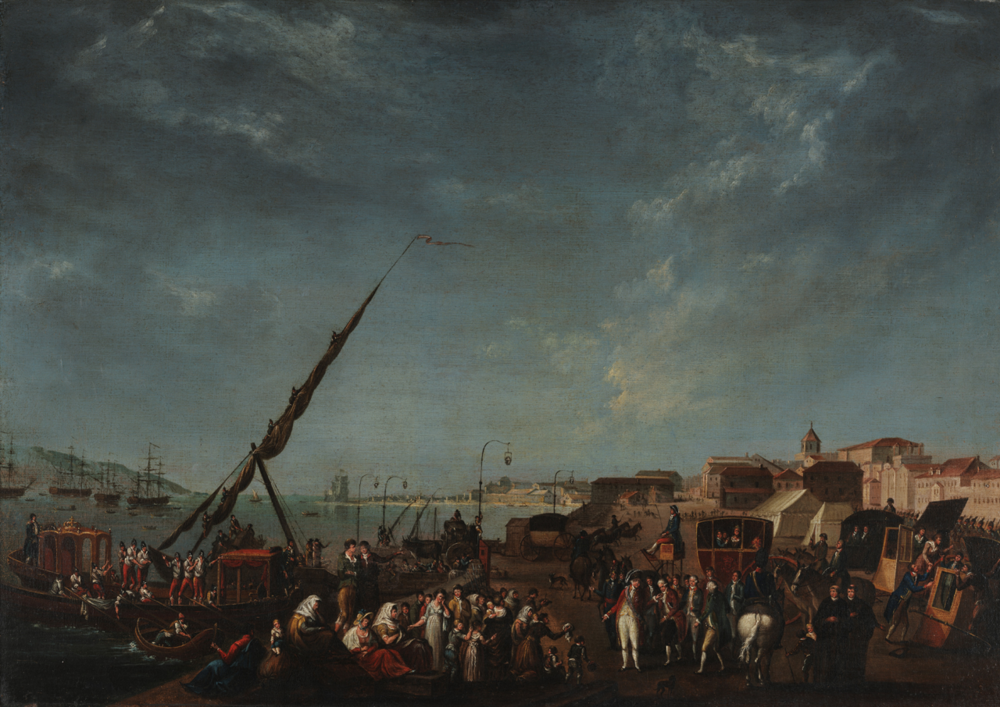
1807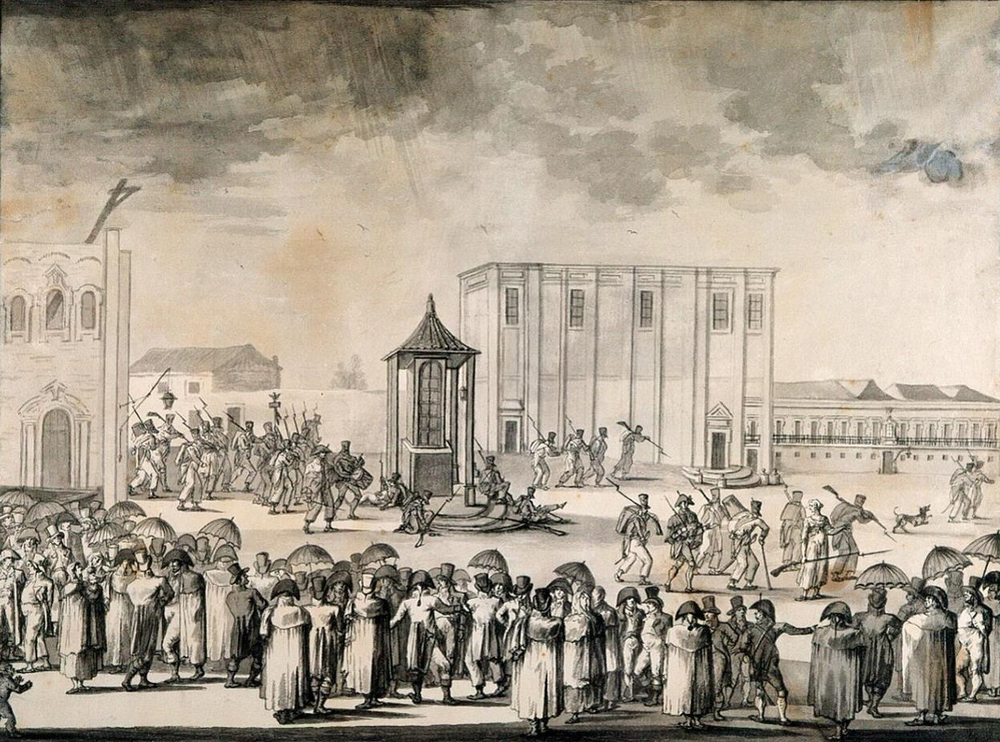
The French invasion of Portugal marked the beginning of the Peninsular War. Seeking to enforce the Continental System and control Portugal's ports, French forces crossed the border despite the nations having a long-standing alliance. The Portuguese royal family fled to Brazil under British protection, leaving the country vulnerable to occupation.
The entry of French troops into Portugal triggered a series of events that would have a profound impact on the Iberian Peninsula. The subsequent guerrilla warfare, fought by Spanish and Portuguese forces alongside British allies, would become a defining feature of the conflict. The war would last for several years, draining French resources and manpower.
This invasion reshaped the political landscape of Europe, as it drew British military involvement and strained the French Empire's control over the Iberian Peninsula. The Peninsular War also contributed to Napoleon's eventual downfall by tying down his forces and undermining his reputation.
#PeninsularWar #FrenchInvasion #PortugalWar #NapoleonicWars
View details1796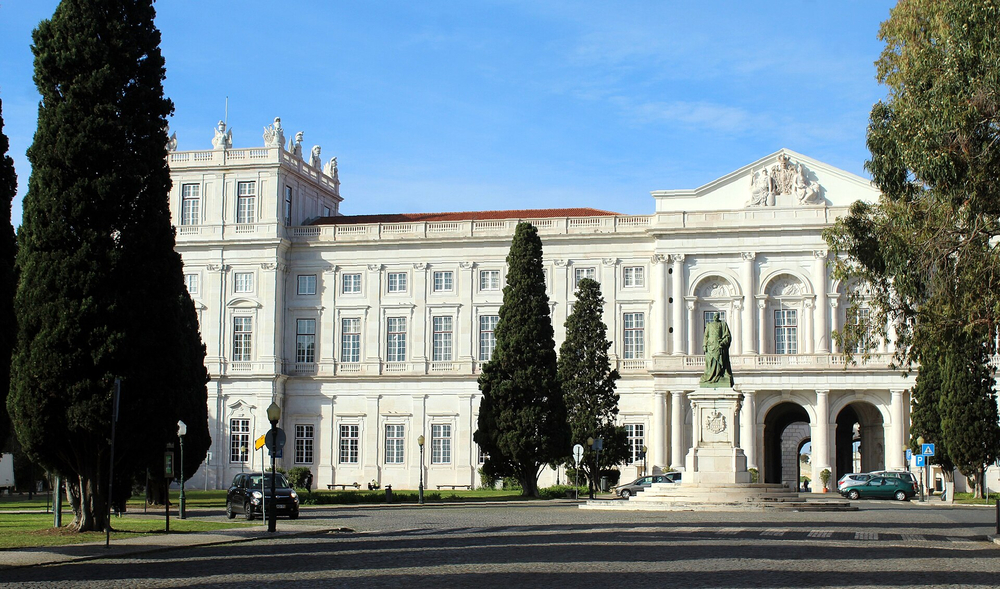
In 1795, the construction of the Ajuda National Palace in Lisbon began, showcasing the pinnacle of Baroque architecture in Portugal. The project was commissioned by Queen Maria I as a royal residence but was interrupted multiple times due to political and financial challenges. The palace's design was influenced by prominent architects and artists of the time, resulting in a stunning blend of Baroque aesthetics and neoclassical elements.
The completion of the Ajuda National Palace had a significant impact on the architectural landscape of Portugal, serving as a symbol of the nation's wealth and power during the Baroque period. The palace also played a role in shaping the cultural identity of the country, with its intricate design and opulent interiors attracting visitors from far and wide.
Today, the Ajuda National Palace stands as a testament to the grandeur of Baroque architecture in Portugal, offering a glimpse into the country's rich history and artistic heritage. Its legacy continues to inspire architects and historians, showcasing the enduring influence of Baroque design in the region.
#AjudaNationalPalace #BaroqueArchitecture #PortugalHeritage
View details1792
In 1792, the establishment of Jerónimo Martins marked the beginning of a groundbreaking journey in Portugal's retail industry. Founded by Jerónimo Pereira de Magalhães, the company initially operated as a small grocery store in Lisbon. Over time, it expanded its operations and product offerings, catering to the evolving needs of the local community.
Jerónimo Martins played a pivotal role in revolutionizing the retail landscape in Portugal, introducing innovative business practices and customer-centric approaches. By focusing on quality products, competitive pricing, and excellent customer service, the company quickly gained popularity and built a loyal customer base.
The success of Jerónimo Martins paved the way for its transformation into a leading retail conglomerate, with a diverse portfolio of brands spanning various sectors such as food retail, consumer goods, and distribution. Its enduring legacy continues to shape the retail sector in Portugal and beyond.
This event underscores the resilience, innovation, and entrepreneurial spirit that define Jerónimo Martins, making it a key player in Portugal's economic history and a symbol of retail excellence. #JerónimoMartins #PortugalRetail #InnovationLeadership
View details1761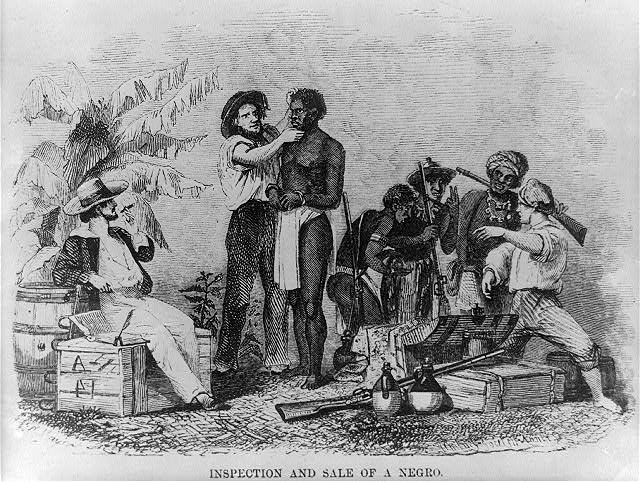
Portugal took a historic step by officially abolishing the slave trade. This decision marked the end of a long and brutal practice that had been deeply entrenched in Portuguese colonial history. The transatlantic slave trade had been a cornerstone of Portugal's economy for centuries, with millions of Africans forcibly taken from their homes and sold into slavery.
The abolition of the slave trade was a result of both internal and external pressure. Anti-slavery movements and changing global attitudes towards human rights played a significant role in pushing Portugal towards this decision. Additionally, economic factors such as the declining profitability of the slave trade also contributed to the abolition.
The impact of Portugal's abolishment of the slave trade was profound. It not only represented a significant victory for the abolitionist movement but also had lasting effects on the social, political, and economic landscape of the country. The decision to end the slave trade signaled a shift towards a more humane and progressive society, despite the long-lasting repercussions of slavery.
Portugal's abolition of the slave trade serves as a reminder of the country's dark history, but also showcases its capacity for growth, change, and progress. This significant event continues to be a point of reflection and serves as a reminder of the importance of upholding human rights and dignity. #Portugal #Abolition #SlaveTrade #History #HumanRights
View details1755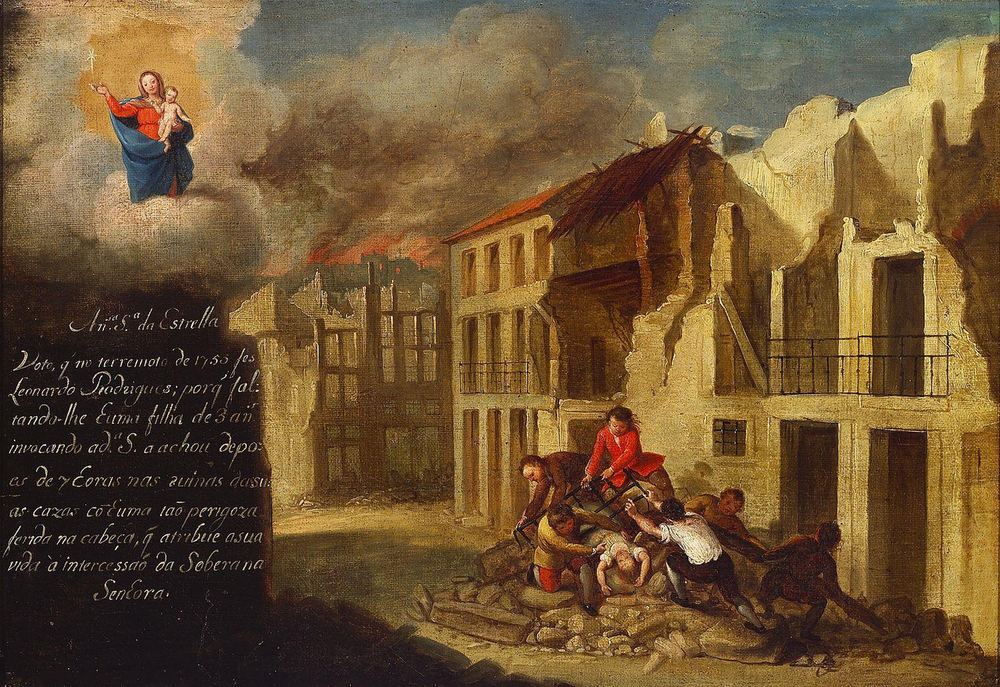
The Great Lisbon Earthquake was a catastrophic disaster that struck the city of Lisbon, Portugal. It began with a strong earthquake followed by a devastating tsunami and widespread fires that ravaged the city. The earthquake, estimated to have a magnitude of 8.5 to 9.0, caused buildings to collapse and streets to crumble. The following tsunami flooded the coastal areas, adding to the destruction. As fires broke out due to overturned candles and stoves, much of the city was engulfed in flames.
The impact of the Great Lisbon Earthquake was profound, resulting in the destruction of buildings, infrastructure, and homes. The death toll was substantial, with estimates ranging from 40,000 to 50,000 lives lost. The event also had far-reaching consequences beyond the immediate physical damage, leading to political and economic instability in Portugal.
In the aftermath, efforts were made to rebuild and restore the city of Lisbon. The disaster prompted advancements in understanding earthquakes and led to changes in urban planning and architecture to prevent similar devastation in the future. The Great Lisbon Earthquake remains a somber reminder of the unpredictable power of natural disasters.
#GreatDisaster #PortugalHistory
View details1668
In 1668, the Treaty of Lisbon was signed between Portugal and Spain, aiming to establish the boundaries of their respective colonies. This event was crucial in ending conflicts over territorial claims and defining clear borders. The treaty specified the division of territories in the Americas, Africa, and Asia, ensuring a peaceful coexistence between the two nations. It also helped to avoid future disputes and maintain a stable relationship based on mutual respect.
The Treaty of Lisbon was significant for both Portugal and Spain as it provided a legal framework to peacefully manage their overseas territories. It allowed for smoother governance and trade within their respective colonies, contributing to the economic development of both nations. The treaty's impact was long-lasting, shaping the course of history in terms of colonial expansion and diplomatic relations between European powers.
Overall, the Treaty of Lisbon was a pivotal moment in the history of Portugal and Spain, solidifying their colonial boundaries and fostering cooperation in overseas ventures. It set a precedent for future agreements between nations and highlighted the importance of diplomacy in resolving territorial disputes. #TreatyOfLisbon #ColonialBoundaries #PortugalSpainRelations
View details1640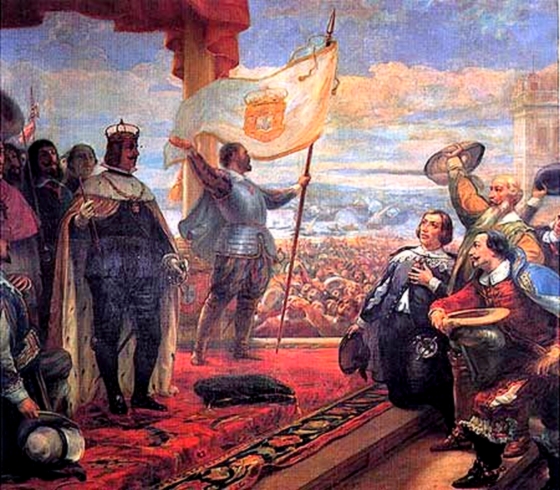
Portugal, a nation with a rich history and strong cultural identity, had been under Spanish rule for several years. The people of Portugal longed for their independence, eager to reclaim their sovereignty and autonomy. After a period of political negotiations and strategic alliances, Portugal finally broke free from Spanish control.
The independence of Portugal from Spain marked a pivotal moment in the country's history. With newfound independence, Portugal was able to govern itself, make decisions in its own best interest, and preserve its unique traditions and language. The event also strengthened Portugal's sense of national pride and identity, fostering a renewed sense of unity among its people.
The independence of Portugal from Spain had far-reaching implications, shaping the country's future trajectory and solidifying its place on the world stage. It allowed Portugal to pursue its own political and economic interests, forge new alliances, and engage in international trade and exploration.
Overall, the independence of Portugal from Spain was a defining moment in the nation's history, symbolizing the resilience and determination of its people to chart their own course and determine their own destiny. #Portugal #Independence #History
View detailsFollowing a period of Spanish dominance, the Portuguese nobility led a successful revolution, restoring independence and establishing the Kingdom of Portugal and the Algarves. The Portuguese Restoration War led to the end of the Iberian Union and saw the House of Braganza ascend to power with King João IV at the helm. This marked the beginning of a new era for Portugal as a sovereign nation.
The creation of the Kingdom of Portugal and the Algarves had a significant impact on the political landscape of Europe, shifting the balance of power and reestablishing Portugal as an independent kingdom. The war not only secured Portuguese autonomy but also paved the way for economic and cultural growth. The newfound stability allowed for the expansion of trade, colonization efforts, and the flourishing of Portuguese arts and literature.
The establishment of the Kingdom of Portugal and the Algarves following the Portuguese Restoration War marked a turning point in Portuguese history, shaping the nation's identity and laying the foundation for future developments. The resilience and determination of the Portuguese people during this turbulent period solidified their place among the great nations of Europe.
#PortugueseRestorationWar #KingdomofPortugal #Independence #HouseofBraganza #Sovereignty
View details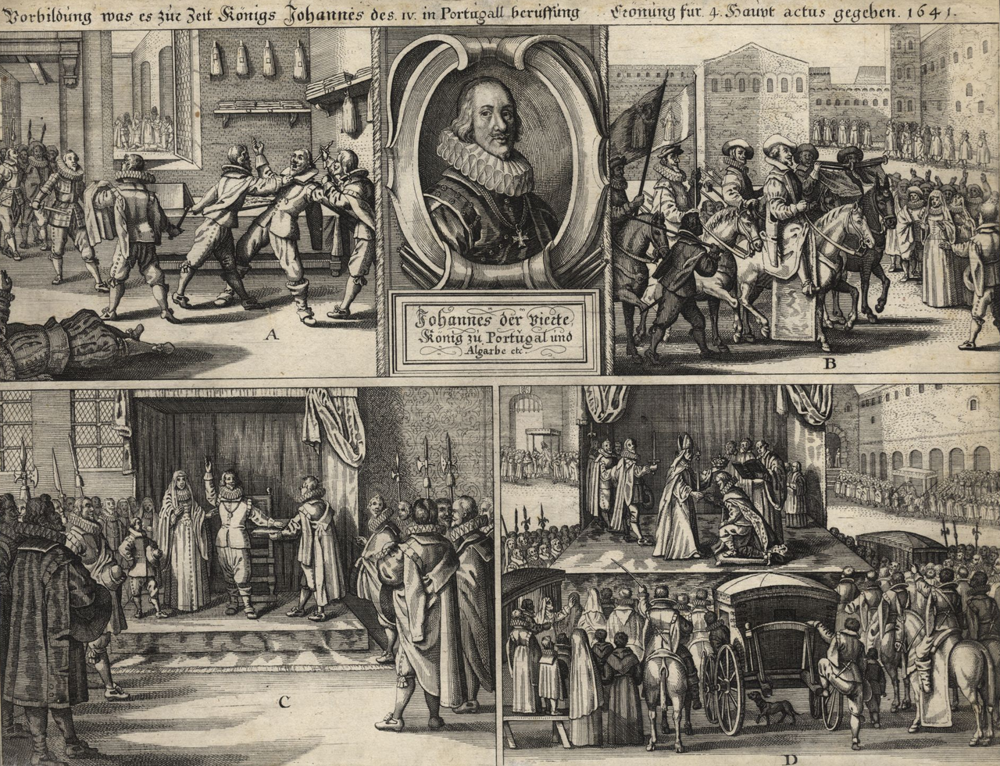
1628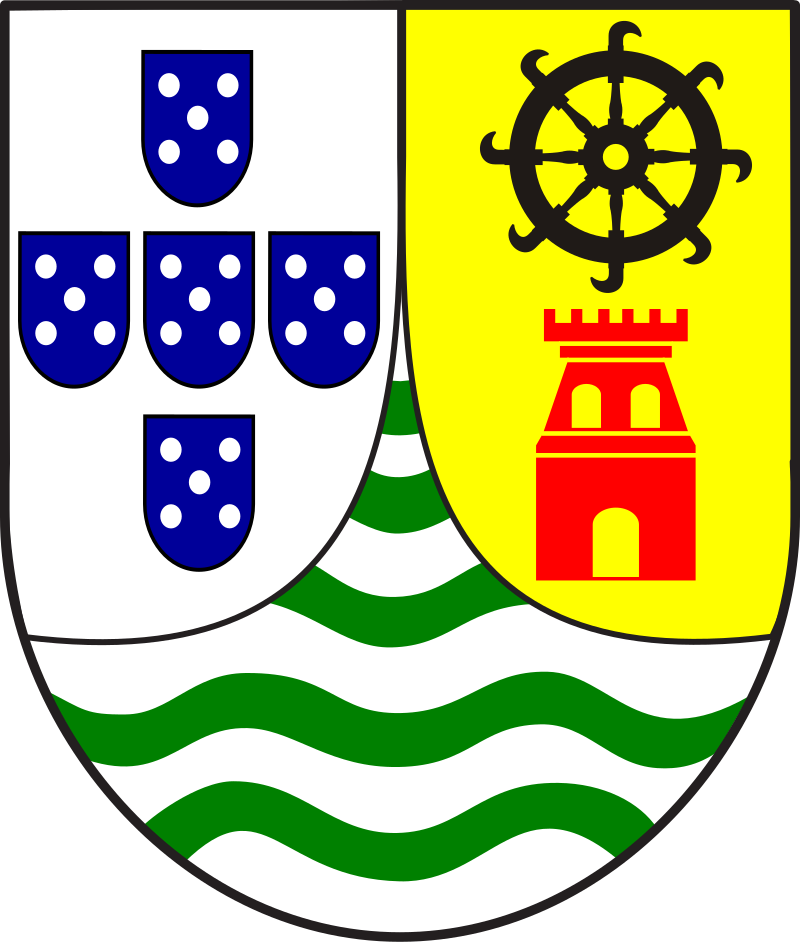
The establishment of the Portuguese East India Company marked a pivotal moment in Portuguese maritime history. It was formed to centralize and oversee Portugal’s trade activities in the East Indies, aiming to compete with other European powers in the region.
With the decline of Portuguese power in the Indian Ocean, the company was meant to revitalize Portuguese trade and assert dominance in the lucrative spice trade. The company held a monopoly on trade between Portugal and territories in Asia, Africa, and Brazil. This consolidation of trade routes and resources allowed Portugal to strengthen its presence in the region and increase its profits significantly.
The impact of the Portuguese East India Company was widespread, influencing not only economic but also political and social aspects of Portuguese society. The company played a crucial role in expanding Portuguese influence in Asia and shaping colonial policies in the Indian Ocean region. It facilitated cultural exchanges and the spread of European ideas and products in Asian markets.
Overall, the establishment of the Portuguese East India Company was a strategic move that helped Portugal regain its footing in the global trade network and assert its influence in the East Indies. It laid the groundwork for future colonial ventures and economic expansion in the region. #PortugueseEastIndiaCompany #PortugueseEmpire #ColonialExpansion
View details1601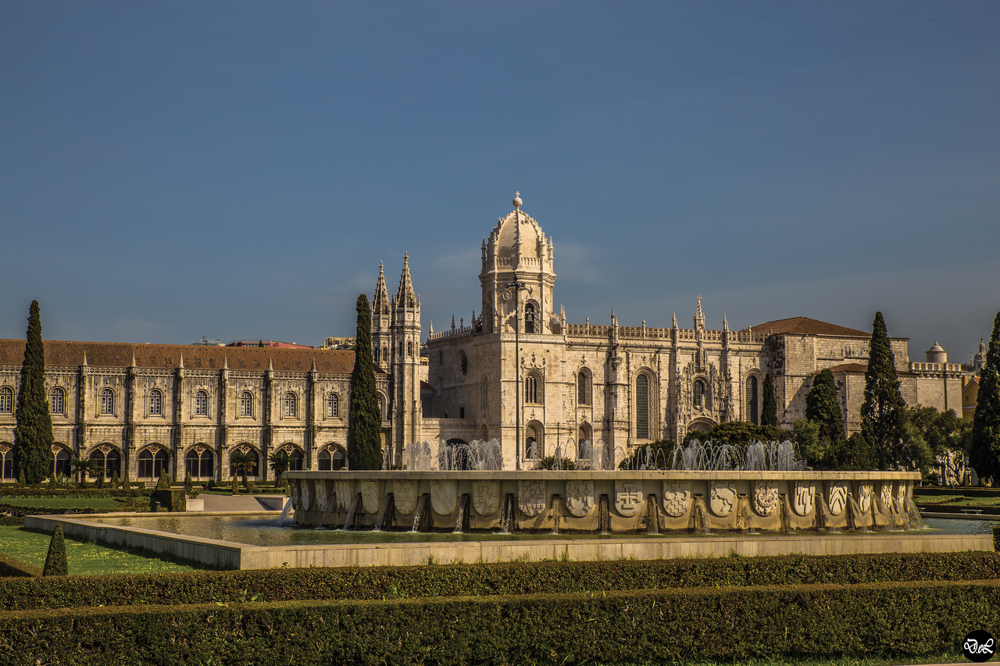
The Jerónimos Monastery in Lisbon was completed after several decades of construction. The monastery was built in the Manueline style, showcasing intricate details and craftsmanship, making it a symbol of Portugal's wealth and power during the Age of Discoveries. The construction was funded by the revenue from spices and other goods brought from the newly discovered lands.
The completion of the Jerónimos Monastery had a significant impact on Lisbon and Portugal as a whole. It became a center of religious and royal ceremonies, a burial place for kings, and a symbol of Portuguese maritime expansion. The monastery also housed monks who prayed for the safety of sailors setting out on voyages of exploration.
Today, the Jerónimos Monastery stands as a UNESCO World Heritage Site, attracting visitors from around the world to marvel at its architecture and rich history. It serves as a reminder of Portugal's golden age of exploration and its lasting influence on world history.
#JerónimosMonastery #Lisbon #PortugalHistory #UNESCO #ManuelineStyle #AgeofDiscoveries
View details1543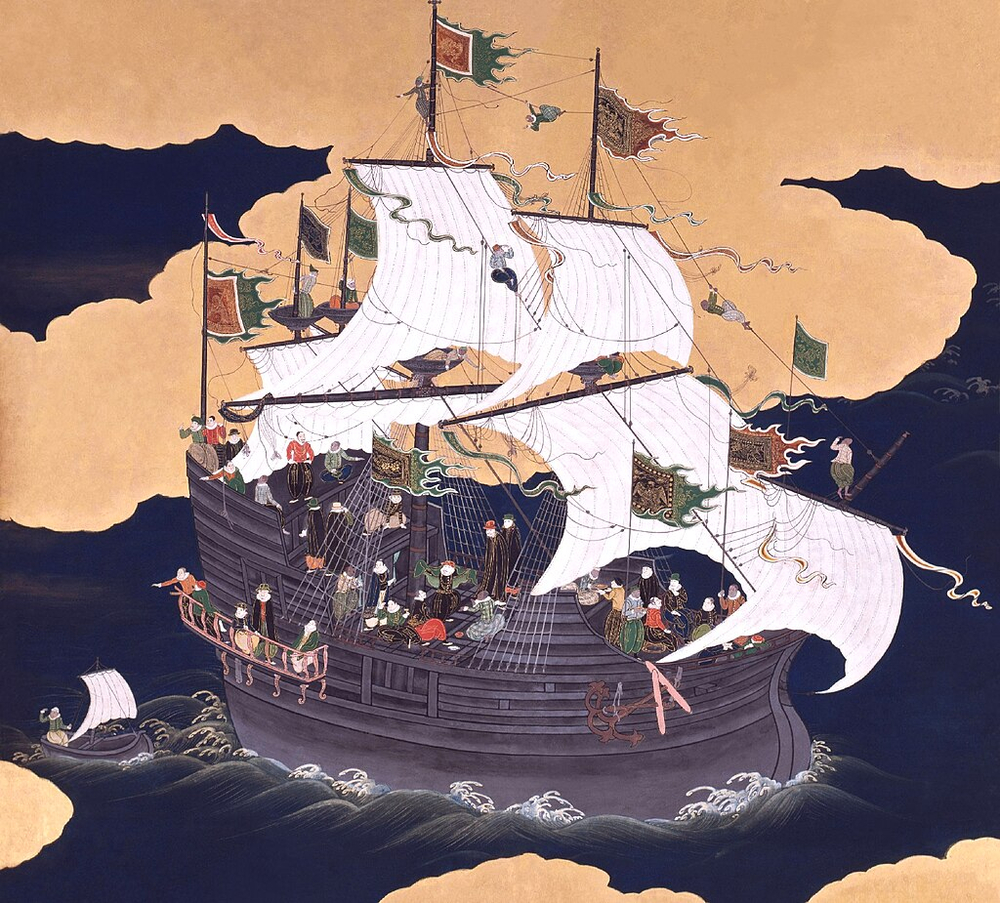
In 1543, Portuguese explorer Fernão Mendes Pinto led the first group of Portuguese arrivals in Japan. This encounter marked the beginning of significant cultural and trade exchanges between the two nations. The Portuguese introduced firearms, which revolutionized warfare in Japan, leading to shifts in power dynamics among feuding clans. This event also sparked a fascination with Western technology and goods in Japan.
The arrival of the Portuguese traders in Japan opened up new opportunities for the exchange of goods, knowledge, and ideas. The Portuguese brought silk, wool, tobacco, and firearms to trade for Japanese silver, copper, and ceramics. This initial contact paved the way for future interactions, leading to the establishment of trade routes between Japan, Portugal, and other European nations.
The cultural impact of this event was profound, as Japanese society was exposed to Western art, science, and religion for the first time. Christianity began to spread in Japan through the efforts of Portuguese missionaries, leaving a lasting legacy on the country's religious and cultural landscape.
Overall, the arrival of the first Portuguese in Japan, led by Fernão Mendes Pinto, was a pivotal moment in history that reshaped the trajectory of both nations and set the stage for centuries of cross-cultural exchange and cooperation.
#PortugueseExplorers #CulturalExchange #TradeRelations #JapanPortugalRelations
View details1536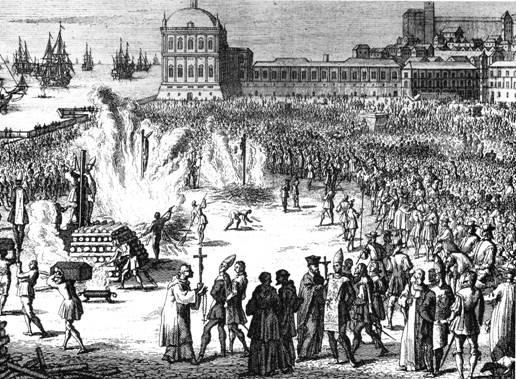
King John III of Portugal established the Portuguese Inquisition as a response to pressure from Spain and concerns about the spread of Protestantism in his kingdom. The Inquisition aimed to maintain Catholic orthodoxy and eliminate any perceived threats to the faith. It was initially under the control of the Spanish Inquisition but later became independent.
The impact of the Portuguese Inquisition was profound, leading to the persecution and expulsion of thousands of individuals, especially Jews, Muslims, and conversos. Those accused of heresy or religious nonconformity faced torture, imprisonment, and execution. The Inquisition also had far-reaching social and economic effects, as many fled the country to escape persecution, resulting in a loss of skilled professionals and merchants.
Despite its brutal methods, the Portuguese Inquisition was largely successful in achieving its goal of enforcing religious conformity and suppressing dissent. Its legacy continued well into the colonial period, influencing attitudes towards religious minorities in Portuguese colonies.
The establishment of the Portuguese Inquisition reflects a dark chapter in the history of Portugal, marked by religious intolerance and persecution. It serves as a reminder of the dangers of unchecked power and the impact of religious extremism on society. #PortugueseInquisition #ReligiousPersecution #Intolerance.
View details1514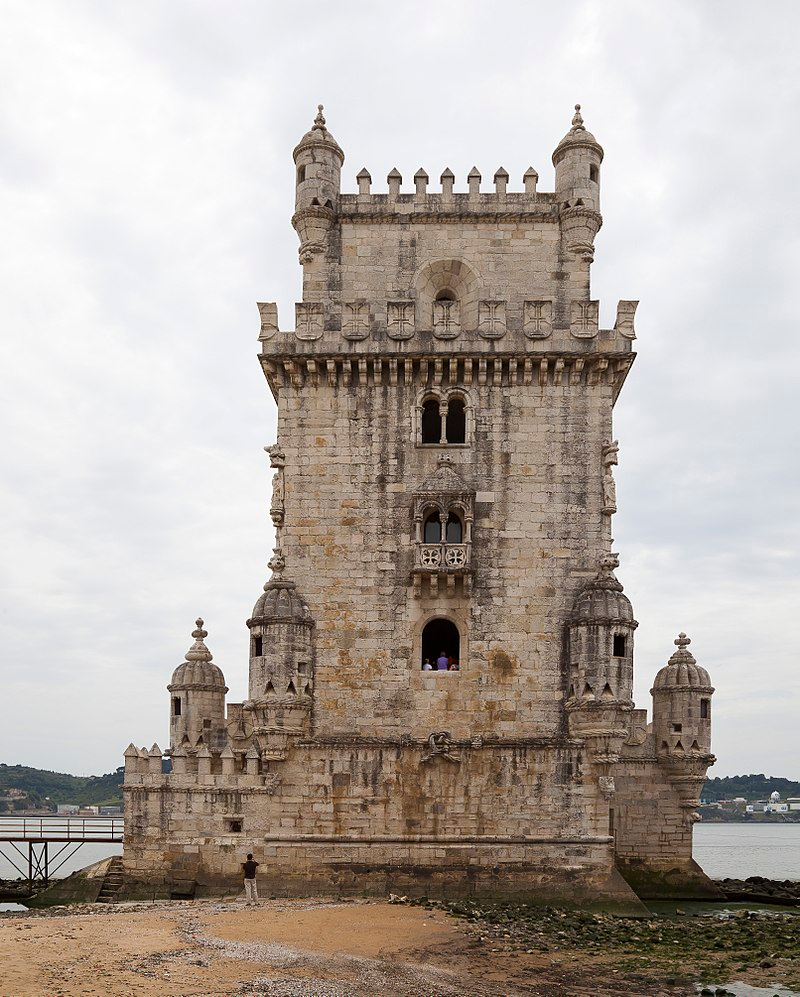
In 1519, the construction of Belém Tower in Lisbon was initiated as a defensive fortress at the mouth of the Tagus River. The tower was strategically positioned to protect the city from potential invasions by sea, serving as a vital defense structure during the Age of Discoveries.
Designed by architect Francisco de Arruda, the tower features a unique blend of Moorish and Manueline architectural styles. Its intricate carvings and maritime motifs reflect Portugal's rich maritime history and exploratory spirit.
The construction of Belém Tower had a significant impact on Lisbon's defenses, enhancing its military capabilities and safeguarding its maritime trade routes. The tower also served as a ceremonial gateway for Portuguese explorers setting sail to discover new lands.
Today, Belém Tower stands as a symbol of Portugal's Age of Discoveries and is a UNESCO World Heritage site, attracting tourists from around the world to marvel at its historical significance and architectural splendor.
#BelémTower #Lisbon #PortugalHistory #AgeOfDiscoveries #UNESCOHeritage
View details1510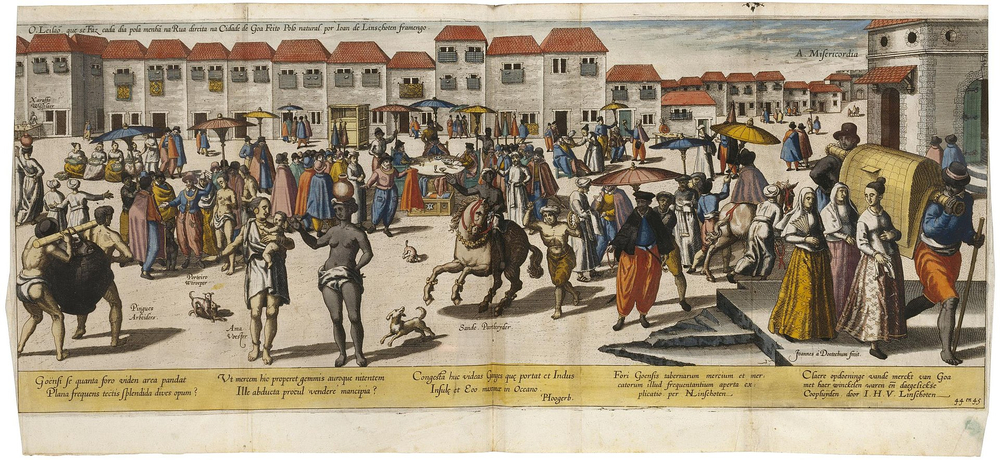
In the early 16th century, the Portuguese initiated a strategic move in Asia by capturing the Indian city of Goa. This event marked a pivotal moment in the Portuguese Empire's expansion in the region. Goa, located on the western coast of India, became a crucial hub for trade, allowing the Portuguese to establish dominance in the lucrative spice trade.
The capture of Goa by the Portuguese had a profound impact on the region. It not only solidified Portuguese control over key trading routes but also enabled them to exert political influence in the Indian subcontinent. The Portuguese fortified the city, transforming it into a major naval base and administrative center, further strengthening their presence in the region.
The acquisition of Goa provided the Portuguese with a strategic advantage in their competition with other European powers for dominance in Asia. The city served as a launching pad for further expansion into the Indian Ocean, facilitating trade and establishing a strong foothold in Asia.
The capture of Goa by the Portuguese underscores the era of European exploration and colonization, shaping the dynamics of trade and power in the region for centuries to come. The event reflects the ambition and determination of the Portuguese in their quest for global dominance.
#PortugueseEmpire #Goa #ColonialExpansion #TradeRoutes #EuropeanExploration
View details1509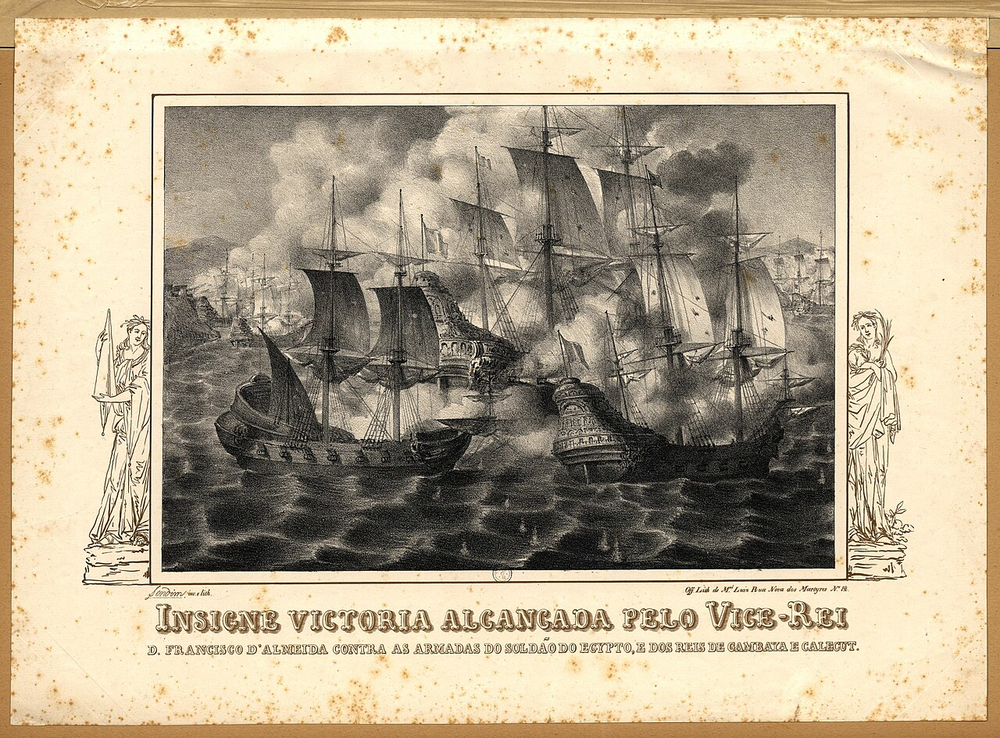
The Battle of Diu unfolded as the Portuguese fleet clashed with a combined Egyptian-Ottoman armada in the Arabian Sea. The strategic port of Diu was a coveted trading post, prompting the Egyptian-Ottoman forces to challenge Portuguese dominance in the region. The Portuguese armada, led by Admiral Almeida, showcased superior tactics and firepower, outmaneuvering and decisively defeating the enemy fleet.
The resounding victory at the Battle of Diu solidified Portuguese control over key trade routes and bolstered their maritime supremacy in the Indian Ocean. The defeat dealt a significant blow to the ambitions of the Egyptian-Ottoman alliance, limiting their influence in the lucrative spice trade. The Portuguese established a stronghold in Diu, further expanding their colonial empire in the East. This triumph underscored the potency of European naval power and paved the way for Portugal to strengthen its commercial interests in the region.
#PortugueseExpansion #MaritimeSupremacy #ColonialEmpire #TradeRoutes #NavalPower
View details1500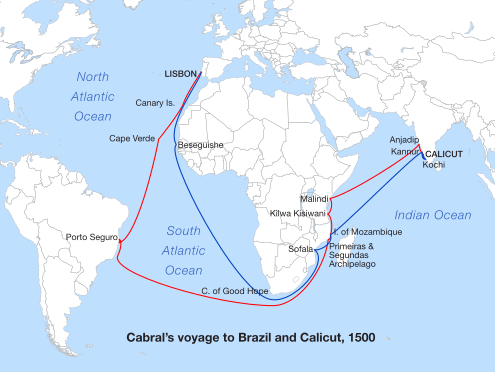
In the early 16th century, Portuguese explorer Pedro Alvares Cabral set sail with a fleet of 13 ships, aiming to establish trade routes to India. Sailing west to avoid unpredictable weather, Cabral discovered a vast landmass, which he named Vera Cruz. This land was Brazil, rich in resources and inhabited by indigenous tribes. The discovery marked the beginning of Portuguese colonization in South America.
The arrival of the Portuguese had a profound impact on the region, leading to the exploitation of its natural wealth, including brazilwood and later sugar plantations. The indigenous populations suffered greatly from diseases brought by the Europeans and forced labor practices. Despite initial conflicts, the Portuguese eventually established control over the territory, setting the stage for centuries of colonial rule.
The discovery of Brazil by Pedro Alvares Cabral reshaped the course of history, shaping the cultural, social, and economic landscape of the region. The event also played a crucial role in the broader Age of Exploration, as European powers sought to expand their empires across the globe.
#PortugueseExploration #Colonization #ImpactofDiscovery
View details1498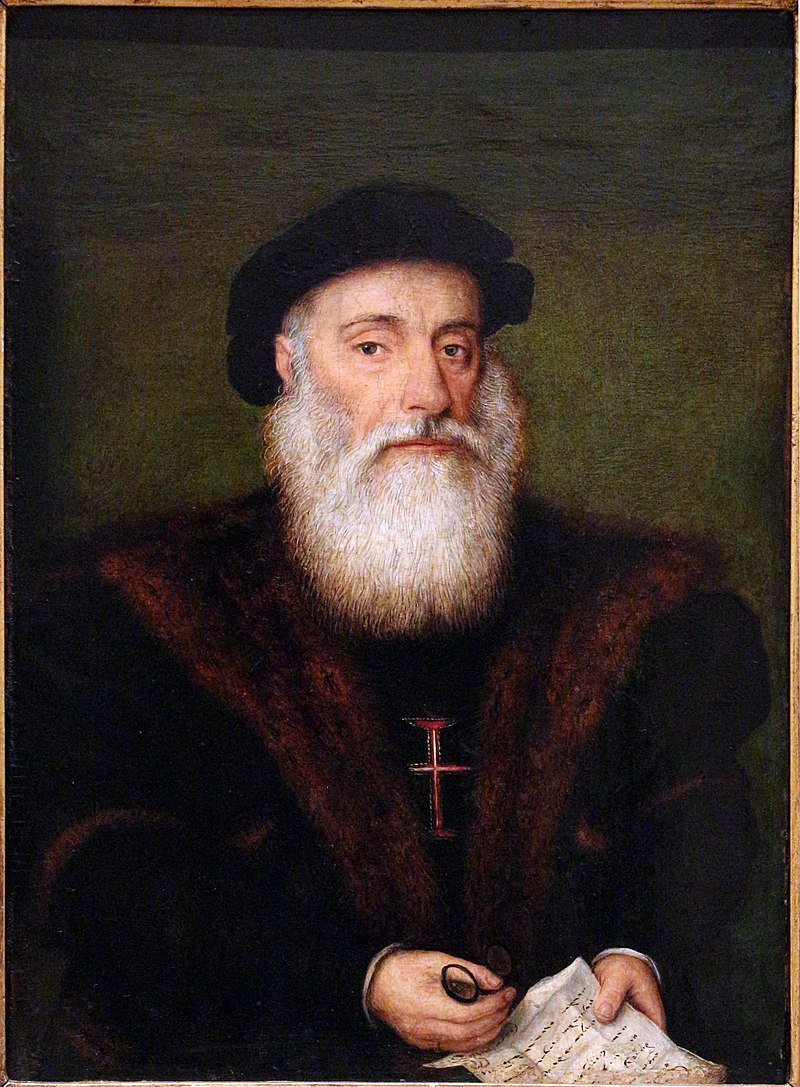
In the late 15th century, Portugal, under the rule of King Manuel I, sought to establish direct trade routes with the lucrative markets of the East. To achieve this goal, Vasco da Gama, a skilled navigator, was commissioned to sail from Lisbon to India. Departing with four ships, including the flagship São Gabriel, Da Gama's expedition navigated around the Cape of Good Hope, tracing a sea route to the East.
The successful voyage of Vasco da Gama to India had a profound impact on global trade, opening up access to valuable goods such as spices, silks, and precious metals. This established Portugal as a major player in the Age of Exploration and solidified its position as a dominant maritime power in the Indian Ocean.
Da Gama's expedition not only marked a significant milestone in maritime history but also paved the way for future European exploration and colonization in the East. The sea route discovered by da Gama revolutionized trade relations, shaping the course of world history and contributing to the rise of globalization.
#PortugueseExploration #GlobalTrade #MaritimeHistory #EastIndies #AgeofExploration #VascoDaGama
View details1494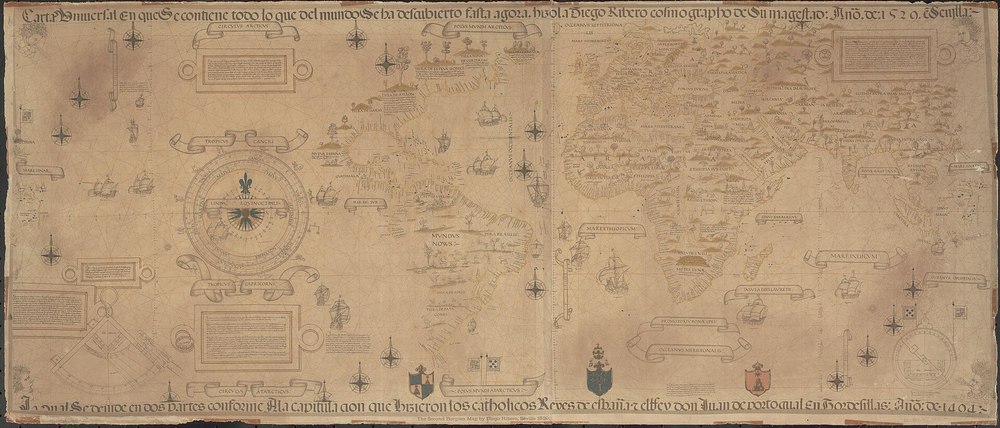
In 1494, the Treaty of Tordesillas was signed between Portugal and Spain, aiming to settle disputes over newly discovered lands outside Europe. The treaty established a meridian line 370 leagues west of Cape Verde, dividing the unexplored territories between the two countries. This agreement followed the Treaty of Alcacovas in 1479, which only divided Atlantic territories.
The Treaty of Tordesillas had a significant impact on global exploration and colonization by European powers. Portugal gained rights to lands east of the meridian, leading to their extensive maritime exploration efforts, including the discovery of Brazil by Pedro Álvares Cabral in 1500. Meanwhile, Spain was granted rights to lands west of the line, contributing to the Spanish colonization of the Americas.
This division of territories outside Europe ultimately influenced the future expansion of Portuguese and Spanish empires, shaping the cultural and linguistic landscape of regions in Africa, Asia, and the Americas. The treaty solidified the dominance of Portugal and Spain during the Age of Exploration and paved the way for their economic and imperial endeavors.
#TreatyofTordesillas #Portugal #Spain #Colonization #AgeofExploration #GlobalImpact
View details1479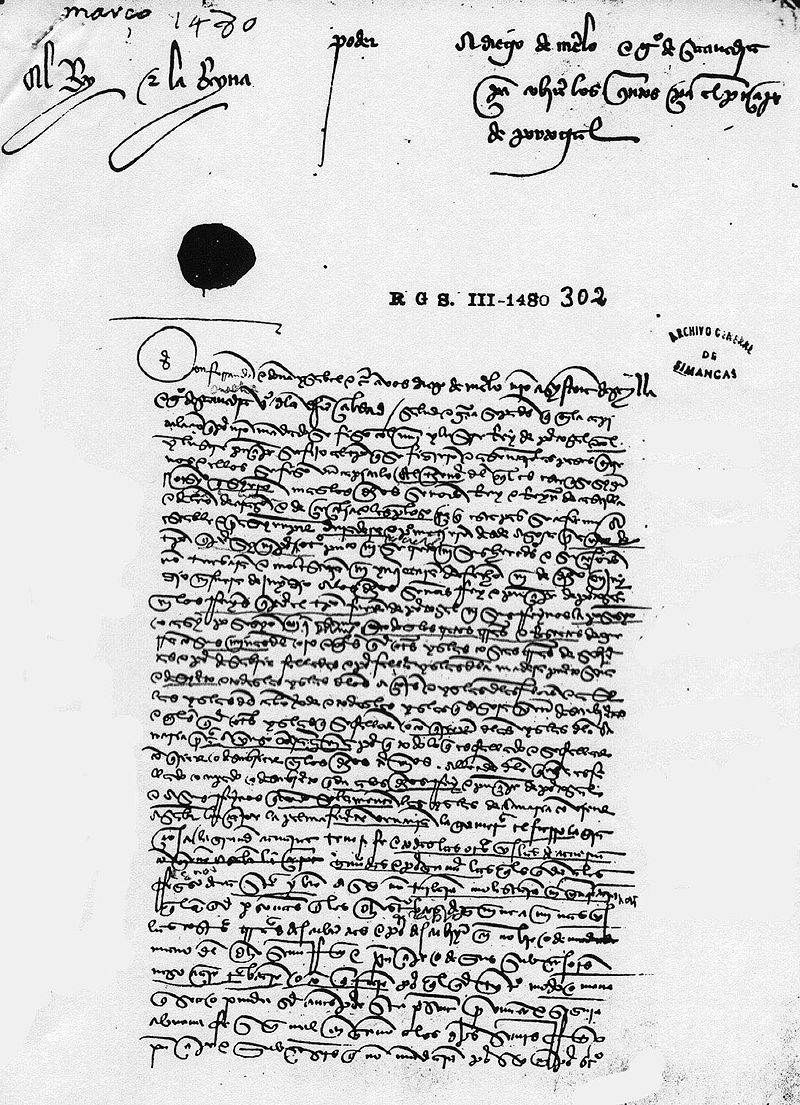
The Treaty of Alcáçovas between Spain and Portugal was a pivotal agreement that aimed to settle disputes over newly discovered territories. Backgrounded by tension between the two nations stemming from exploration voyages, the treaty brought a resolution by dividing the world outside of Europe into two spheres of influence.
Impactfully, the treaty saw Portugal securing rights to territories including present-day Brazil, Africa, and Asia, while Spain gained control over the Canary Islands and parts of the Americas. This division was crucial in shaping the colonial empires of both nations and would have lasting effects on global history.
Notably, the treaty was mediated by Pope Sixtus IV and marked the end of armed conflicts between Spain and Portugal over overseas expansion. By establishing clear boundaries for exploration and colonization, the treaty provided a framework for future colonial endeavors and set a precedent for diplomatic resolutions of territorial disputes.
#TreatyofAlcáçovas #Spain #Portugal #ColonialExpansion #TerritorialDivision #ColonialEmpires
View details1476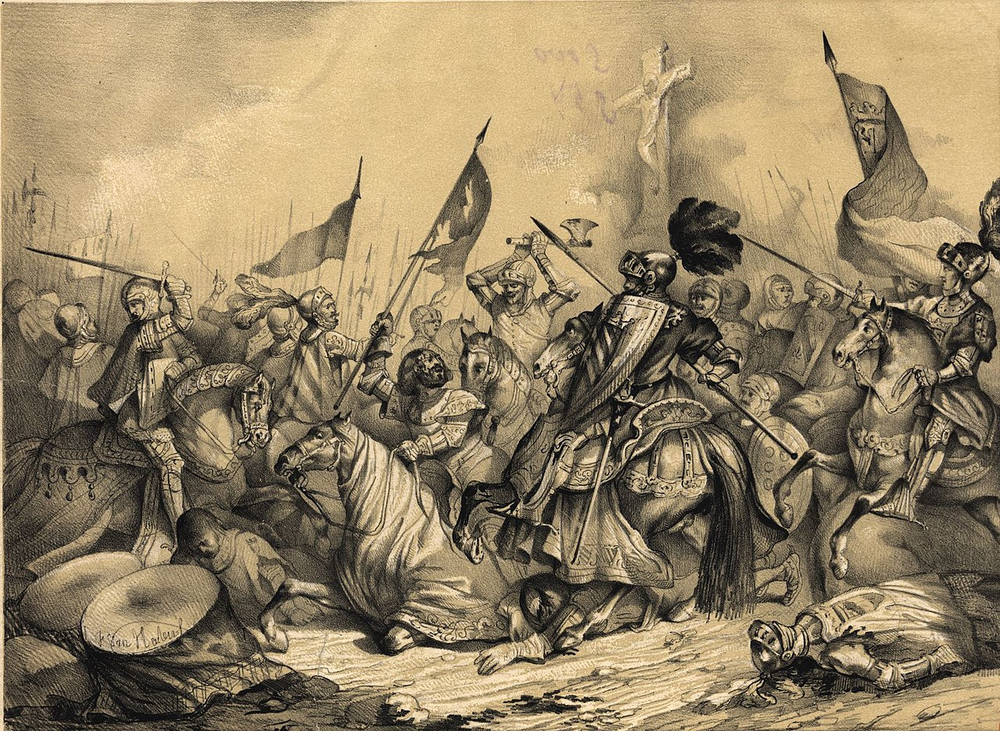
The Battle of Toro involved a clash between the Kingdom of Portugal and the Kingdom of Castile for control over the Castilian Crown. The conflict emerged as a result of both kingdoms laying claim to the throne after the death of King Henry IV of Castile. The Portuguese army, led by Prince Afonso V, engaged the Castilian forces near the town of Toro in a fierce battle.
The outcome of the Battle of Toro was decisive, with the Portuguese emerging victorious over the Castilian troops. This victory solidified Portugal's position in the contention for the Castilian throne. Despite initial setbacks for the Castilian side, the battle highlighted the military capabilities of both kingdoms and the ongoing power struggle in the Iberian Peninsula.
The Battle of Toro had a lasting impact on the relations between Portugal and Castile, shaping the geopolitical landscape of the region. The conflict also led to further turmoil within Castile, as internal factions vied for control of the crown amidst external pressures.
#BattleofToro #Portugal #Castile #IberianPeninsula
View details1444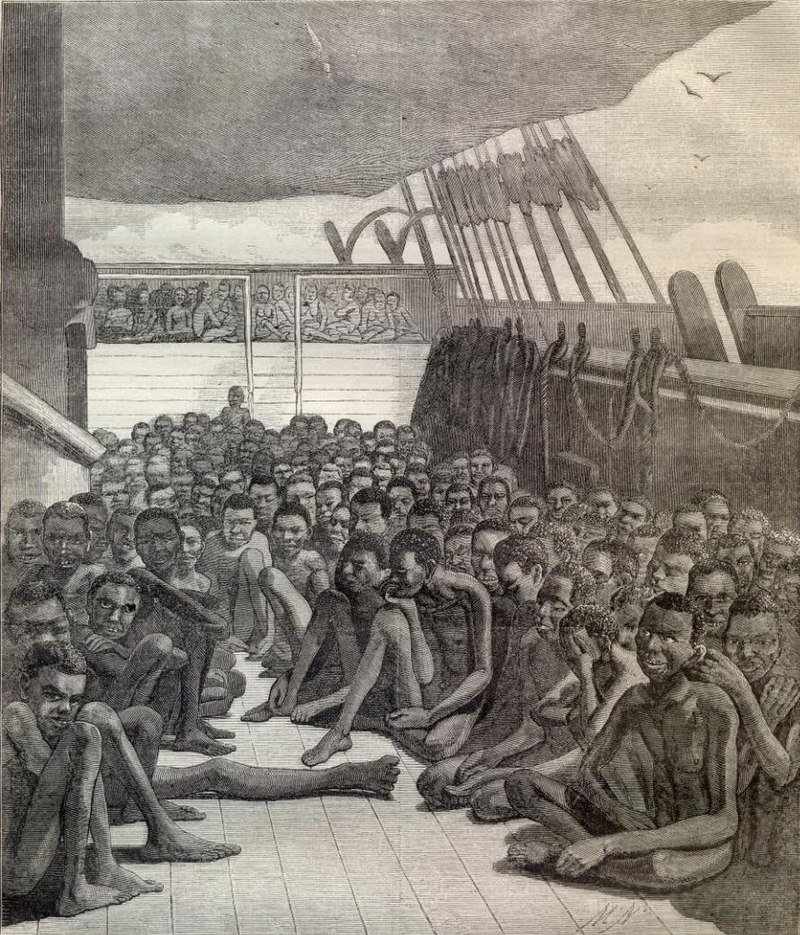
In 1444, Portugal established the slave trade in Africa, initiating a significant chapter in the transatlantic slave trade. Portuguese explorers, seeking new trade routes, arrived in West Africa and began purchasing enslaved Africans. This marked the beginning of a lucrative trade network, with the Portuguese transporting millions of individuals to the Americas over the following centuries.
The impact of the establishment of the slave trade by Portugal in Africa was profound. It led to the mass displacement and exploitation of African populations, with far-reaching consequences for the continent's demographics, economies, and societies. The slave trade contributed to the dehumanization of Africans, perpetuated systemic racism, and laid the foundation for centuries of exploitation and inequality.
This event set the stage for the transatlantic slave trade, shaping the course of history and leaving a lasting legacy of suffering and injustice. It highlights the dark history of European colonialism in Africa and the Americas, underscoring the brutal realities of human trafficking and exploitation.
#Portugal #SlaveTrade #Africa #Colonialism #TransatlanticTrade #History
View details