
Portugal

The Land of Explorers
Related Lives

Luxembourg
The Gibraltar of the North
Nobel Prize in Physics
Celebrating the Pioneers of Science

Malawi
Warm Heart of Africa
Slovenia
Green Heart of Europe

Norway
Land of Fjords and Northern Lights
Bulgaria
A Tapestry of History and Modernity

Tunisia
Golden beaches, Sunny weather, and Affordable luxuries.

Ireland
The Emerald Isle

1962
The General Agreement on Tariffs and Trade (GATT) was signed by Portugal as part of an effort to promote international trade and increase economic cooperation among nations. The agreement aimed to reduce tariffs and trade barriers, with the ultimate goal of fostering global economic growth.
Portugal's participation in the GATT signaled its commitment to a more open and interconnected global economy. By signing the agreement, Portugal agreed to abide by its rules and regulations, which helped create a more stable and predictable trading environment for businesses. This move also provided Portuguese companies with increased access to foreign markets, fostering greater competition and opportunities for growth.
The impact of Portugal's participation in the GATT was significant, as it helped pave the way for further economic integration and cooperation on a global scale. By committing to the principles of free trade and non-discrimination, Portugal played a key role in shaping the future of international trade relations.
The signing of the GATT by Portugal marked a turning point in the country's economic policy, highlighting its willingness to engage in multilateral trade agreements and work towards a more prosperous and interconnected world.
#Portugal #GATT #InternationalTrade
View details1961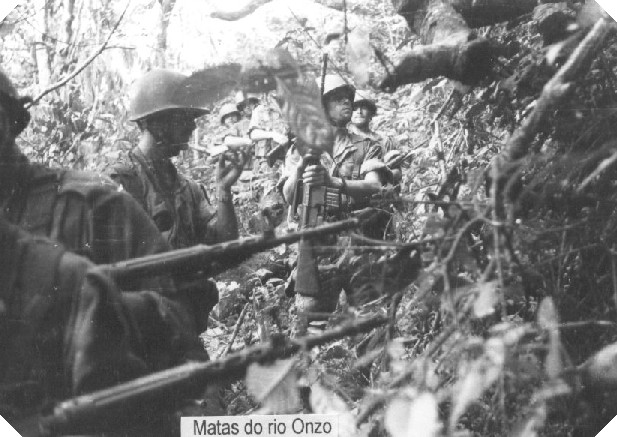
The Angolan War of Independence initiated when several uprisings were launched by Angolan nationalist groups against Portuguese colonial rule. The conflict was fueled by decades of oppression and exploitation experienced by the Angolan people under Portuguese control.
The event had a profound impact on both Angola and Portugal. It marked the beginning of a long and bloody struggle for Angolan independence, resulting in a devastating civil war that lasted for years. The war also had significant consequences for Portugal, as it was one of the triggers that led to the Carnation Revolution in 1974, which eventually led to the end of the Portuguese colonial empire.
The Angolan War of Independence was characterized by fierce fighting, atrocities committed by both sides, and the involvement of neighboring countries and international powers. It ultimately paved the way for Angola to gain independence in 1975, albeit followed by a protracted and tumultuous period of instability and further conflicts.
#AngolanWar #PortugueseColonialism #IndependenceStruggle
View details1959
In 1959, Belmiro de Azevedo and his brother established Sonae, a Portuguese retail and telecommunications conglomerate. Initially starting as a small retail store, Sonae quickly expanded its operations into various sectors, becoming one of the largest private companies in Portugal. Its diverse portfolio includes supermarkets, shopping centers, telecommunications, and technology services.
The inception of Sonae marked a significant milestone in Portugal's business landscape, contributing to economic growth and employment opportunities. Through strategic acquisitions and partnerships, Sonae has solidified its position as a major player in the European market, attracting international recognition and investment.
Sonae's commitment to innovation and sustainable practices has shaped its corporate identity and garnered a loyal customer base. With a focus on quality products and services, Sonae has continuously adapted to changing market trends and consumer demands, ensuring its relevance and competitiveness.
The establishment of Sonae exemplifies the entrepreneurial spirit and vision of its founders, shaping the company's evolution into a dynamic and diversified business powerhouse.
#Sonae #PortugalBusiness #Innovation #EconomicGrowth
View details1953
In the 1950s, amidst a changing economic landscape, The Navigator Company was established in Portugal. Originally known for its paper production, the company quickly grew to become a key player in the global market. With a focus on innovation and sustainability, The Navigator Company utilized cutting-edge technology to streamline its production processes. This commitment to technological advancement not only increased efficiency but also solidified the company's position as a leader in the industry.
The impact of The Navigator Company was far-reaching, contributing significantly to the Portuguese economy and creating numerous job opportunities for the local population. By prioritizing sustainability, the company also played a pivotal role in environmental conservation efforts, setting a standard for responsible business practices. The Navigator Company's success story continues to inspire future generations of entrepreneurs in Portugal and beyond.
#TheNavigatorCompany #PortugalEconomy #SustainabilityLeadership
View details1949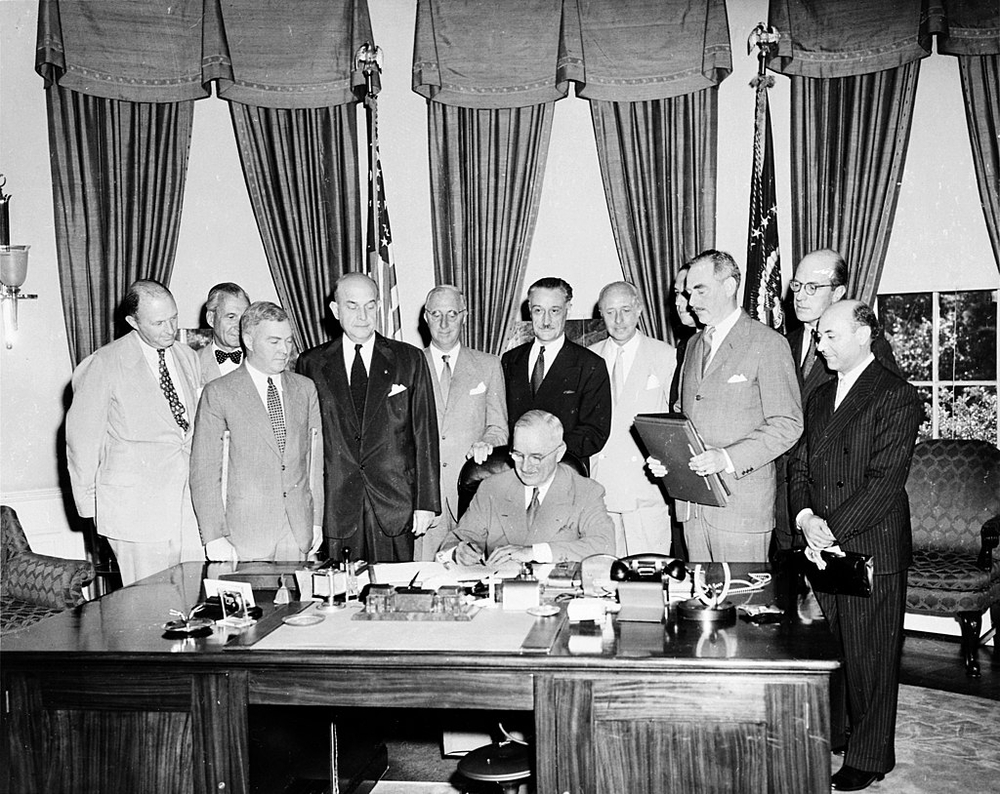
Amidst the aftermath of World War II, Portugal, alongside other European and North American nations, gathered to sign the North Atlantic Treaty Organization {NATO} agreement. This historic moment marked a collective commitment to safeguarding peace and security through mutual defense cooperation. By joining NATO, Portugal aligned itself with a critical alliance designed to counter the emerging threats of the Cold War era.
The agreement established a framework for member states to come to each other's aid in the event of an attack, promoting stability and deterring aggression. This collaborative approach to security laid the foundation for decades of peace and prosperity in Europe and North America. Portugal's involvement in NATO allowed for the sharing of military resources, intelligence, and strategic planning, bolstering its own defense capabilities.
The signing of the NATO agreement was a pivotal moment in Portugal's foreign policy, solidifying its commitment to international security and strengthening its diplomatic ties with other member states. By becoming a part of this transatlantic alliance, Portugal ensured its voice would be heard on the world stage and its interests would be protected through collective security measures.
#NATO #Portugal #InternationalSecurity #CollectiveDefense #TransatlanticAlliance.
View details1945
Established in 1945, TAP Air Portugal began its operations with a vision to connect Portugal with the world. Originally founded as Transportes Aéreos Portugueses, the airline aimed to enhance air travel options for the Portuguese and contribute to the country's economic development.
The launch of TAP Air Portugal had a significant impact on the aviation industry, as it provided a gateway for international travel to and from Portugal. The airline's fleet expansion and route network growth solidified its presence in Europe and beyond, offering passengers a comfortable and reliable flying experience.
Throughout the years, TAP Air Portugal has continued to evolve, modernize its fleet, and incorporate new technologies to improve its services. The airline's commitment to excellence in customer service and operational efficiency has earned it a reputable standing in the global aviation market.
As a vital link between Portugal and the world, TAP Air Portugal plays a crucial role in promoting tourism, trade, and cultural exchange. The airline's partnerships with other carriers and membership in leading aviation alliances have further strengthened its position in the competitive airline industry.
#TAPAirPortugal #AviationHistory #GlobalConnectivity #PortuguesePride #AirlineIndustry
View details1944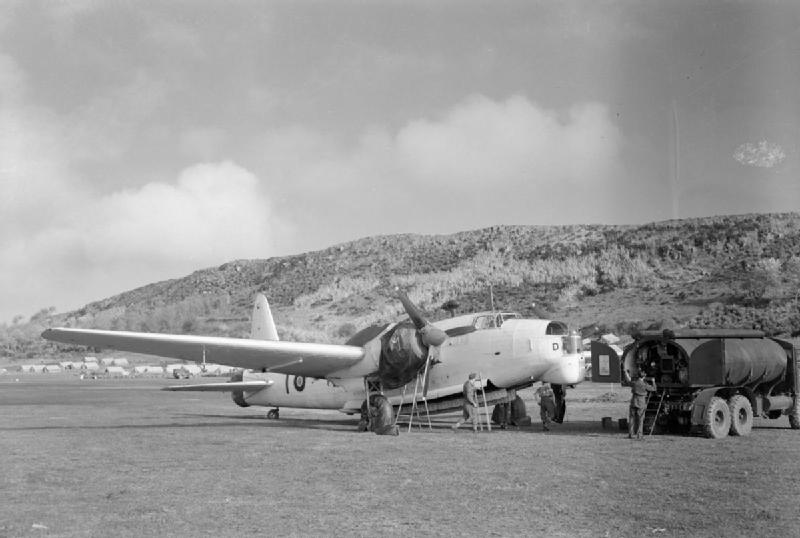
During World War II, the United Kingdom found strategic importance in establishing military bases closer to enemy territory. Portugal, a neutral country during the war, agreed to lease military bases in the Azores to the United Kingdom. This decision was crucial as it provided the British with a key location in the Atlantic, allowing for better control over shipping lanes and facilitating air operations.
The lease agreement included air and naval facilities, enabling the Allies to conduct anti-submarine warfare and support their operations in the North Atlantic. The Azores' proximity to North Africa also proved advantageous for the Allies during the North African campaign.
This collaboration between Portugal and the United Kingdom strengthened their strategic partnership and showcased the Azores as a pivotal location for military operations. The presence of British troops in the Azores helped deter Axis forces from targeting the crucial Atlantic supply lines.
The lease of military bases in the Azores from Portugal boosted the Allies' capabilities in the region and played a significant role in turning the tides of the war in their favor. It underscored the importance of international alliances and cooperation during times of conflict.
#WWII #Portugal #AlliedForces #MilitaryBases #Azores
View details1942
In 1942, Sogrape Vinhos, one of the leading wine producers in Portugal, was established. The company was founded by Fernando van Zeller Guedes, a visionary entrepreneur passionate about winemaking. With a rich history and a strong commitment to quality, Sogrape Vinhos quickly gained recognition both nationally and internationally.
Since its inception, Sogrape Vinhos has been instrumental in promoting Portuguese wines on the global stage. The company's dedication to innovation and tradition has allowed them to produce a diverse range of high-quality wines that showcase the unique terroir of Portugal.
Over the years, Sogrape Vinhos has expanded its portfolio and acquired several renowned wineries across Portugal, solidifying its position as a key player in the wine industry. The company's commitment to sustainability and corporate responsibility has also been a driving force behind its success.
The establishment of Sogrape Vinhos in 1942 marked a turning point for the Portuguese wine industry, bringing attention to the country's winemaking heritage and showcasing the potential of its unique grape varietals on a global scale.
#SograpeVinhos #PortugueseWines #WineIndustry #Innovation #Heritage
View details1939
During World War II, Portugal maintained a policy of neutrality, avoiding direct involvement in the conflict. This decision was influenced by the country's economic ties to both the Allied and Axis powers. Portugal was able to benefit from trading with both sides while avoiding the destruction and devastation that many other European countries faced during the war.
Portugal's neutrality was also influenced by internal factors, such as the regime of the authoritarian Estado Novo government led by António de Oliveira Salazar. Salazar believed that neutrality was the best course of action to protect Portugal's interests and maintain stability within the country.
By remaining neutral during World War II, Portugal was able to safeguard its colonial possessions and maintain a sense of independence in its foreign policy decisions. The country provided refuge to thousands of refugees fleeing the conflict, including Jewish individuals escaping persecution.
Portugal's decision to remain neutral had lasting impacts on its relations with other countries after the war ended. The country's stance during the conflict influenced its position in the emerging Cold War era and shaped its foreign policy for years to come.
#Portugal #Neutrality #WorldWarII
View details1936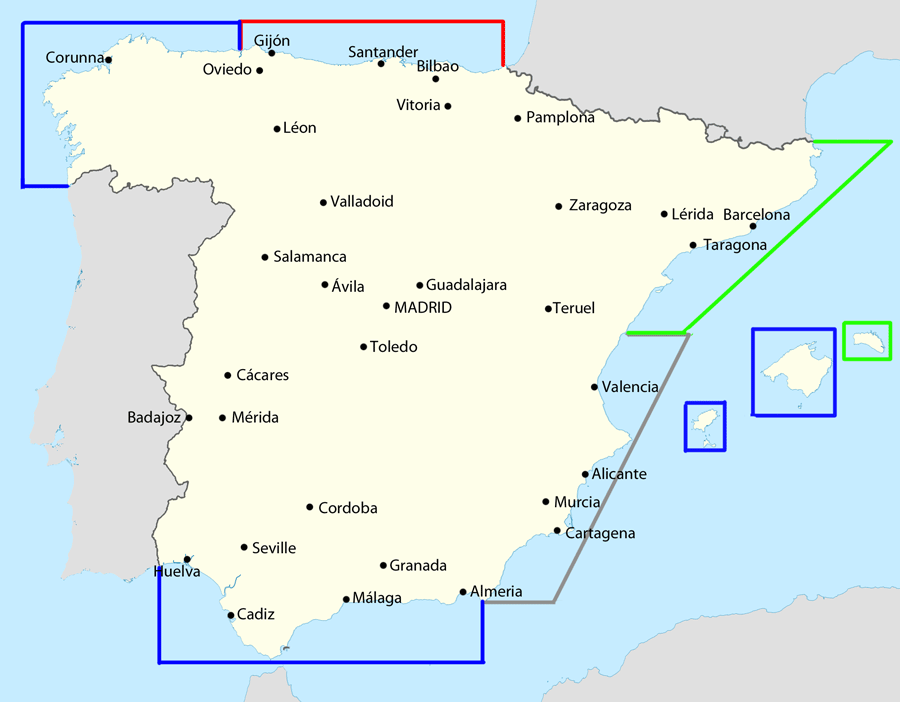
During the Spanish Civil War, Portugal joined the Non-Intervention Committee to maintain neutrality. The Committee aimed to prevent external involvement in the conflict. Portugal's decision to join was influenced by its desire to avoid escalation of the war and maintain stability in the region. This move was in line with Portugal's foreign policy of non-alignment and neutrality.
Portugal's participation in the Non-Intervention Committee had a noticeable impact on the conflict by limiting foreign interventions and reducing the spread of the war beyond Spain's borders. This decision also helped Portugal avoid being directly drawn into the conflict, safeguarding its own interests and sovereignty.
By joining the Non-Intervention Committee, Portugal demonstrated its commitment to diplomatic solutions and peacekeeping efforts during a tumultuous period in European history. This event highlighted Portugal's strategic positioning and its efforts to navigate complex political landscapes while prioritizing regional stability.
#Portugal #NonInterventionCommittee #SpanishCivilWar #Neutrality
View details1933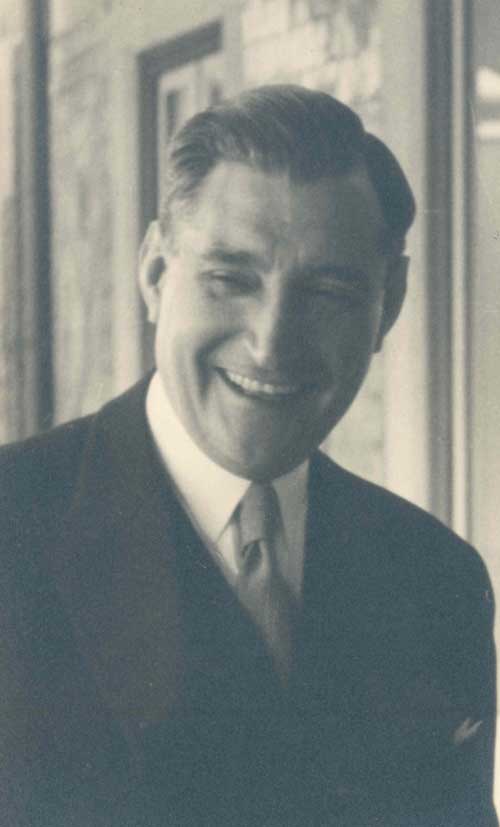
In 1933, Portugal saw the establishment of the Estado Novo authoritarian regime under the leadership of António de Oliveira Salazar. This marked a significant turning point in the country's history, as the new regime aimed to centralize power, promote nationalism, and assert control over political opposition. The Constitution accompanying the regime emphasized traditional values, strict social order, and strong Catholic influence.
Under the Estado Novo, political parties were banned, and censorship was widely implemented to suppress dissent. The regime also heavily controlled the economy and limited civil liberties. However, the authoritarian rule managed to bring stability to Portugal after years of political turmoil and economic instability.
The Estado Novo regime remained in power for nearly four decades, until the Carnation Revolution in 1974 led to its downfall. Despite its repressive nature, the regime left a lasting impact on Portuguese society and politics. The Constitution crafted during this period shaped the country's legal framework for years to come.
#EstadoNovo #AuthoritarianRegime #Constitution #Portugal #AntónioDeOliveiraSalazar #CarnationRevolution #PoliticalHistory
View details1926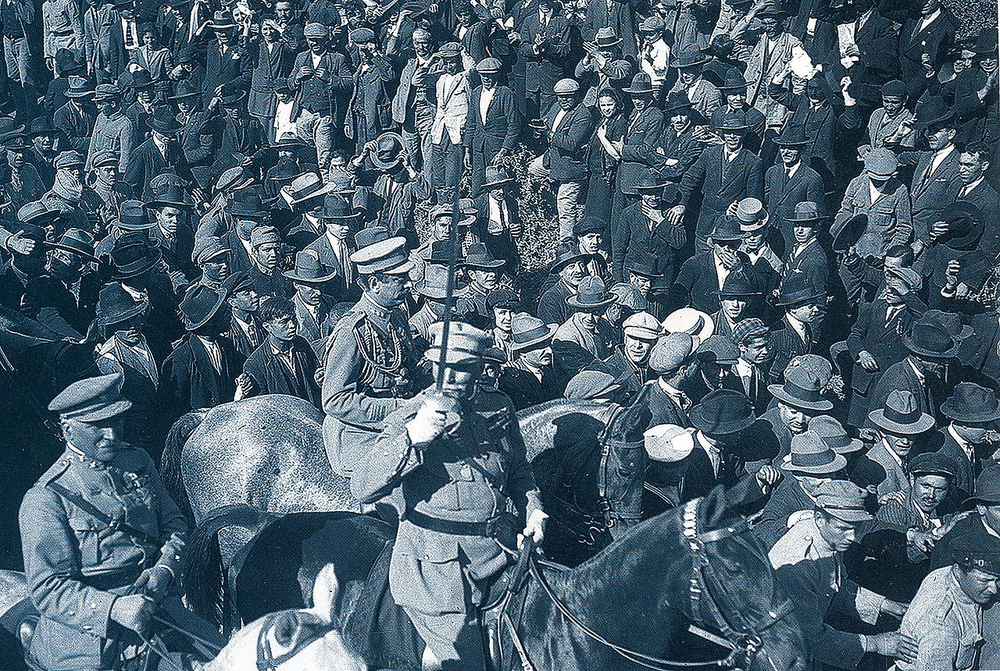
In the midst of political instability and economic uncertainty, a military coup took place in Portugal, resulting in the establishment of a Military Dictatorship. Dissatisfied with the government's handling of various issues, the military saw an opportunity to intervene and seize control of the country. The coup was supported by conservative and authoritarian factions seeking to restore order and stability.
The Military Dictatorship in Portugal led to the suspension of the constitution, the dissolution of political parties, and the suppression of civil liberties. The junta implemented authoritarian policies, centralized power, and cracked down on dissent. Under the new regime, censorship and repression became widespread as the military sought to maintain control and enforce its agenda.
The impact of the Military Dictatorship was profound, shaping the country's politics and society for years to come. Despite initial promises of stability and reform, the dictatorship grew increasingly repressive, sparking resistance and discontent among the population. The regime's grip on power would eventually weaken, paving the way for a transition to democracy in the years to follow.
#PortugalHistory #MilitaryDictatorship #PoliticalInstability #AuthoritarianRule
View details1918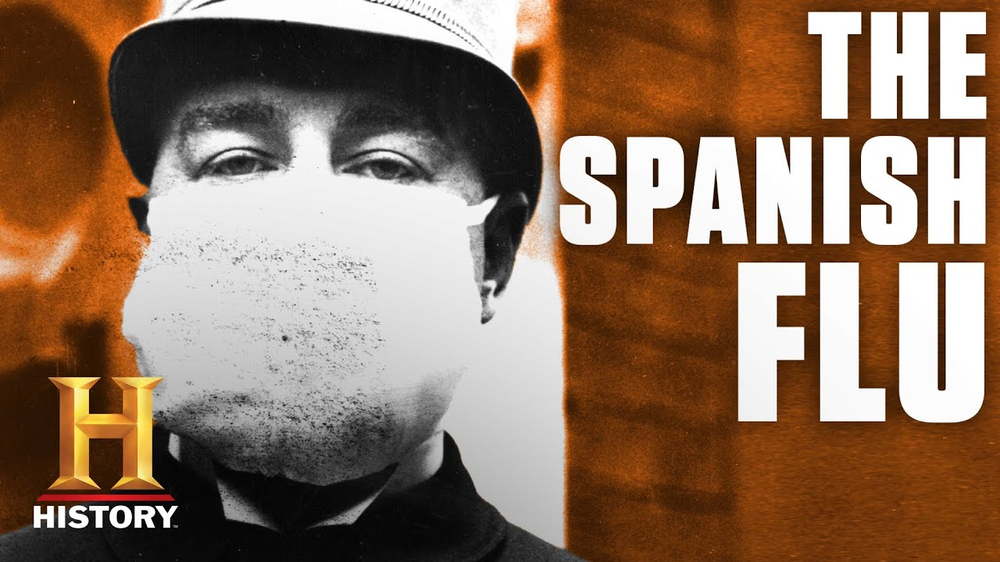
In the midst of the global Spanish flu pandemic, Portugal was severely affected, experiencing a significant number of casualties. Originating in Spain, the deadly influenza virus quickly spread to various parts of the world, including Portugal. The country's lack of resources and medical infrastructure exacerbated the impact of the pandemic, leading to a high death toll.
The Spanish flu pandemic had a devastating effect on Portugal, overwhelming healthcare systems and causing a surge in fatalities. The virus spread rapidly across the country, affecting people of all ages and socio-economic backgrounds. The nation struggled to cope with the sheer volume of cases, leading to widespread fear and uncertainty among the population.
The Portuguese government implemented various measures in an attempt to contain the spread of the virus, including quarantine measures and travel restrictions. Despite these efforts, the Spanish flu continued to wreak havoc in Portugal, leaving a lasting impact on the nation's population and healthcare system.
#SpanishFlu #Portugal #PandemicEffects
View details1916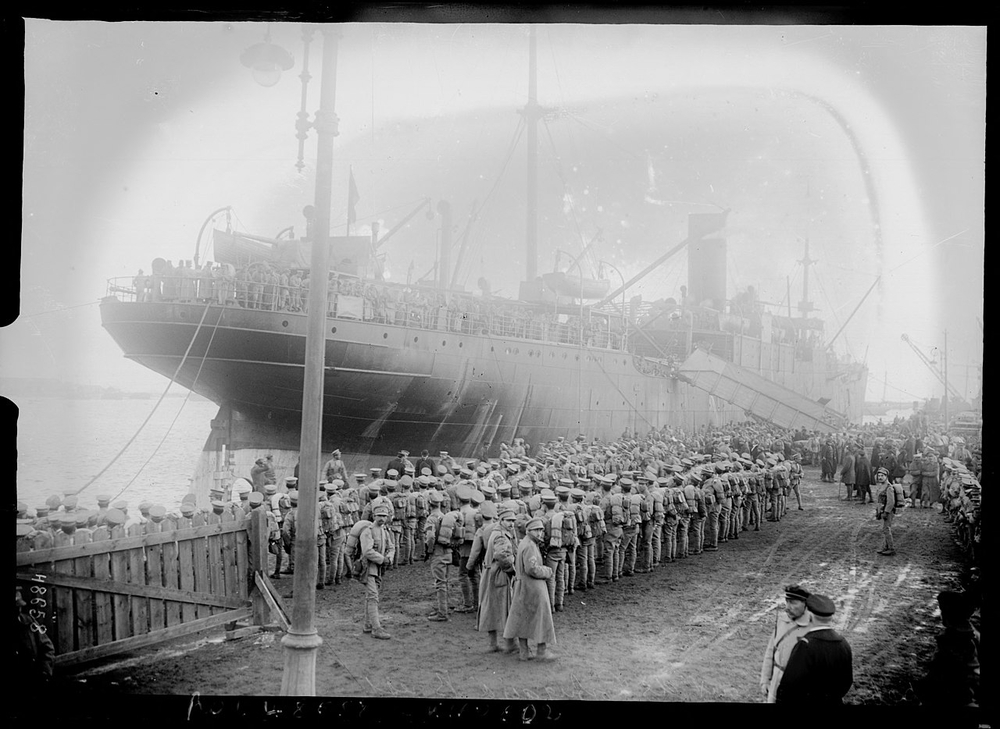
Portugal entered World War I on the side of the Allies in 1916. The decision was influenced by historical alliances and economic ties with Britain and France. The Portuguese participation in the conflict aimed to protect colonial possessions in Africa and secure maritime routes. Despite facing challenges like lack of resources and experience, Portuguese troops were sent to the Western Front.
The impact of Portugal's involvement in World War I was significant. The country suffered thousands of casualties in battles like the Battle of La Lys. The war effort strained the economy and led to domestic unrest. However, Portuguese participation was recognized by the Allies and brought diplomatic benefits post-war.
Portugal's role in World War I exemplifies the complexity and global nature of the conflict. It also highlights the sacrifices made by Portuguese soldiers in support of Allied efforts. The event underscores the interconnectedness of nations and the impact of war on smaller countries like Portugal. #Portugal #WorldWarI #Allies #Colonialism
View details1910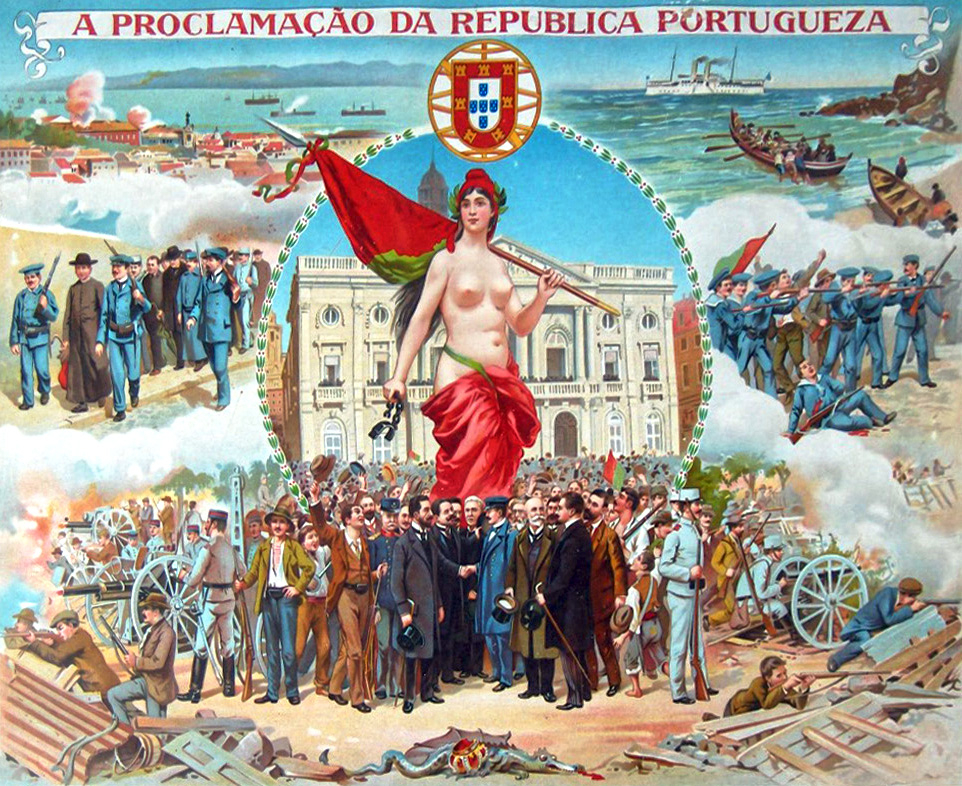
In the early 20th century, Portugal was facing political instability under the constitutional monarchy. Various social and economic issues led to growing discontent among the population. A group of revolutionaries, including military officials and civilians, organized a coup to overthrow the monarchy and establish the First Portuguese Republic.
Following a successful revolution, the monarchy was abolished, and a provisional government was formed to oversee the transition. The new republic aimed to modernize the country, promote secularism, and improve social conditions. Despite initial optimism, the republic faced challenges in consolidating power and satisfying the diverse interests of the population.
The establishment of the First Portuguese Republic marked a significant shift in Portugal's political landscape. It brought an end to centuries of monarchy and opened a new chapter in the country's history. The republic's legacy continues to influence Portuguese politics and society to this day.
#PortugueseRepublic #MonarchyAbolished #PoliticalRevolution
View details1872
In 18-Sep-1872, the Carris Company was founded in Lisbon, Portugal, marking the beginning of a new era in public transportation in the city. The creation of Carris aimed to provide efficient and reliable tram services to the rapidly growing population of Lisbon.
Initially operating with horse-drawn trams, Carris later transitioned to electric trams, contributing to the modernization of urban transportation in the city. This shift not only improved the quality of transportation services but also played a crucial role in facilitating the movement of people and goods within Lisbon.
The establishment of Carris had a significant impact on the daily lives of Lisbon residents, offering them a convenient and affordable way to navigate the city. The company's services helped connect different neighborhoods, promote economic activities, and enhance overall mobility.
Over the years, Carris has evolved and expanded its services to include buses and other transportation modes, further solidifying its position as a vital component of Lisbon's public transportation network.
Today, Carris continues to be a fundamental aspect of Lisbon's urban landscape, providing essential transportation services to residents and visitors alike. Its legacy as one of the oldest public transportation companies in Europe underscores its enduring importance in the city's history. #Carris #PublicTransportation #Lisbon #UrbanMobility
View details1861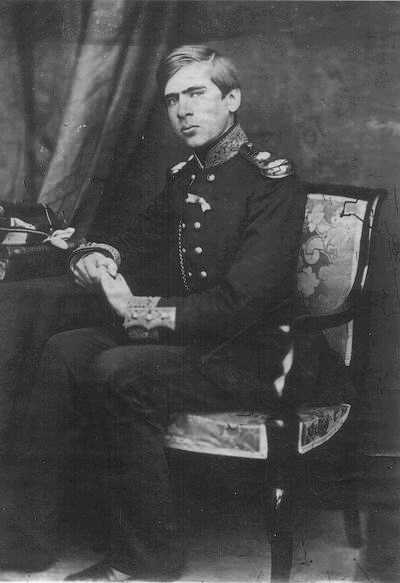
King Pedro V of Portugal passed away, leaving a void in the monarchy. His younger brother, King Luís I, ascended to the throne. Pedro V was known for his progressive policies and modernizing reforms during his short reign. His untimely death at a young age saddened the nation.
King Luís I, the new monarch, aimed to continue his brother's legacy while implementing his own vision for Portugal. Luís I focused on cultural development and urban improvements, bringing about advancements in infrastructure and the arts. His reign was marked by stability and economic growth, propelling Portugal into a new era of prosperity.
The transition from Pedro V to Luís I was met with mixed emotions. While the loss of Pedro V was mourned, there was hope and curiosity surrounding Luís I's reign. The new king's leadership style and policies would shape the country's trajectory for years to come.
The death of King Pedro V and the ascension of King Luís I marked a pivotal moment in Portuguese history, setting the stage for continued progress and development in the years ahead.
#PortugueseMonarchy #ProgressiveReforms #CulturalDevelopment #MonarchSuccession
View details1856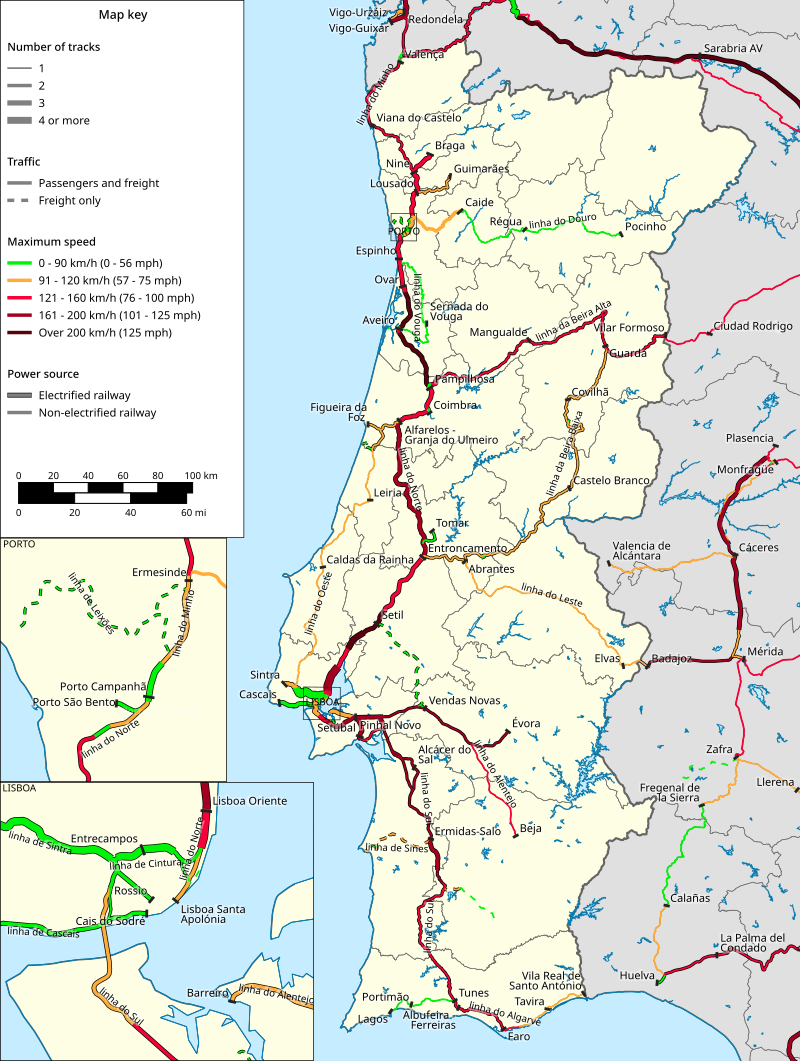
The first railway in Portugal opened, connecting Lisbon to Carregado. This marked a milestone in the country's transportation history. The railway was built to improve the efficiency of transportation for both passengers and goods between the two cities. The project was led by industrialist William Braganzza. It featured a single railway line spanning approximately 40 kilometers, using steam locomotives for its operations. The opening of the railway brought about a significant reduction in travel time between Lisbon and Carregado, revolutionizing the way people and products moved across the region. The railway played a crucial role in boosting economic development in Portugal by facilitating trade and commerce. It also set a precedent for the expansion of railway networks throughout the country in the years to come. The success of this railway project paved the way for further advancements in Portugal's transportation infrastructure, setting the stage for future progress and modernization. #Portugal #RailwayHistory #TransportationDevelopment #EconomicGrowth
View details1853
Queen Maria II of Portugal passed away, leading to the succession of her son, King Pedro V. Maria II, known for her liberal policies and efforts to strengthen the constitutional monarchy, faced political turmoil during her reign. Her death marked the end of an era as Pedro V ascended the throne at a young age, becoming one of the youngest monarchs in Portuguese history.
Pedro V's rule brought stability and prosperity to Portugal. He focused on modernizing the country, supporting cultural and educational initiatives, and strengthening diplomatic relations. His reign was characterized by economic growth and social development, earning him the admiration of his subjects.
The transition from Maria II to Pedro V marked a significant shift in Portuguese leadership, ushering in a period of progress and reform. Pedro V's legacy as a wise and visionary ruler endured long after his untimely death at a young age, leaving a lasting impact on the country's development.
#Portugal #Monarchy #Succession #Reform
View details1847
In 1847, the Convention of Gramido concluded the Liberal Wars in Portugal, solidifying the establishment of a constitutional monarchy in the nation. This marked the end of a period of political turmoil and armed conflict between liberals and conservative factions vying for control of the government.
Following the convention, a constitutional monarchy was put into place, paving the way for a more stable and unified Portugal. The constitutional framework outlined the powers and limitations of the monarch, as well as the rights of the people, creating a more balanced system of governance.
The impact of the Convention of Gramido was significant as it brought an end to years of internal strife and set Portugal on a path towards modernization and progress. The establishment of a constitutional monarchy provided a foundation for political stability and laid the groundwork for future reforms and developments in the country.
#ConventionofGramido #PortugalHistory #ConstitutionalMonarchy
View details1846
In 1846, the Banco de Portugal was established to stabilize the country's financial system. Prior to its inception, Portugal faced economic instability due to the lack of a centralized banking institution. The establishment of Banco de Portugal aimed to regulate the circulation of currency, manage public debt, and promote economic growth. With its role as the central bank, Banco de Portugal was entrusted with maintaining price stability and safeguarding the financial system.
The creation of Banco de Portugal marked a turning point in Portugal's economic history, providing a foundation for a more organized and stable financial sector. Its establishment brought about a more structured approach to monetary policies and contributed to the overall development of the country's economy. Over the years, Banco de Portugal has evolved to adapt to changing economic landscapes, playing a crucial role in ensuring the stability and resilience of Portugal's financial system.
The founding of Banco de Portugal heralded a new era of financial management in the country, setting the stage for sustained economic growth and development. Its establishment continues to shape the financial landscape of Portugal, with the institution playing a pivotal role in maintaining stability and fostering economic prosperity. #BancoDePortugal #FinancialStability #EconomicDevelopment 🇵🇹🏦💰
View detailsIn 1846, the Duke of Saldanha assumed office as Prime Minister of Portugal for his second term. His tenure marked a pivotal moment in the country’s history as he embarked on a series of military reforms aimed at modernizing the armed forces. The Duke implemented changes such as restructuring the army organization, improving training for soldiers, and upgrading military equipment. These reforms were crucial in enhancing Portugal's military capabilities and better preparing the country to deal with potential threats.
Under the Duke's leadership, Portugal saw significant advancements in its military efficiency and readiness. The reforms not only strengthened the armed forces internally but also increased the country's standing and prestige on the international stage. The Duke of Saldanha's initiatives laid the groundwork for a more modern and effective military that could better protect Portugal's interests and borders.
The Duke of Saldanha's term as Prime Minister and his military reforms were instrumental in shaping Portugal's defense strategies and capabilities for years to come. His legacy in modernizing the armed forces reverberated long after his time in office, leaving a lasting impact on Portugal's military landscape. #DukeofSaldanha #PrimeMinister #MilitaryReforms #Portugal
View details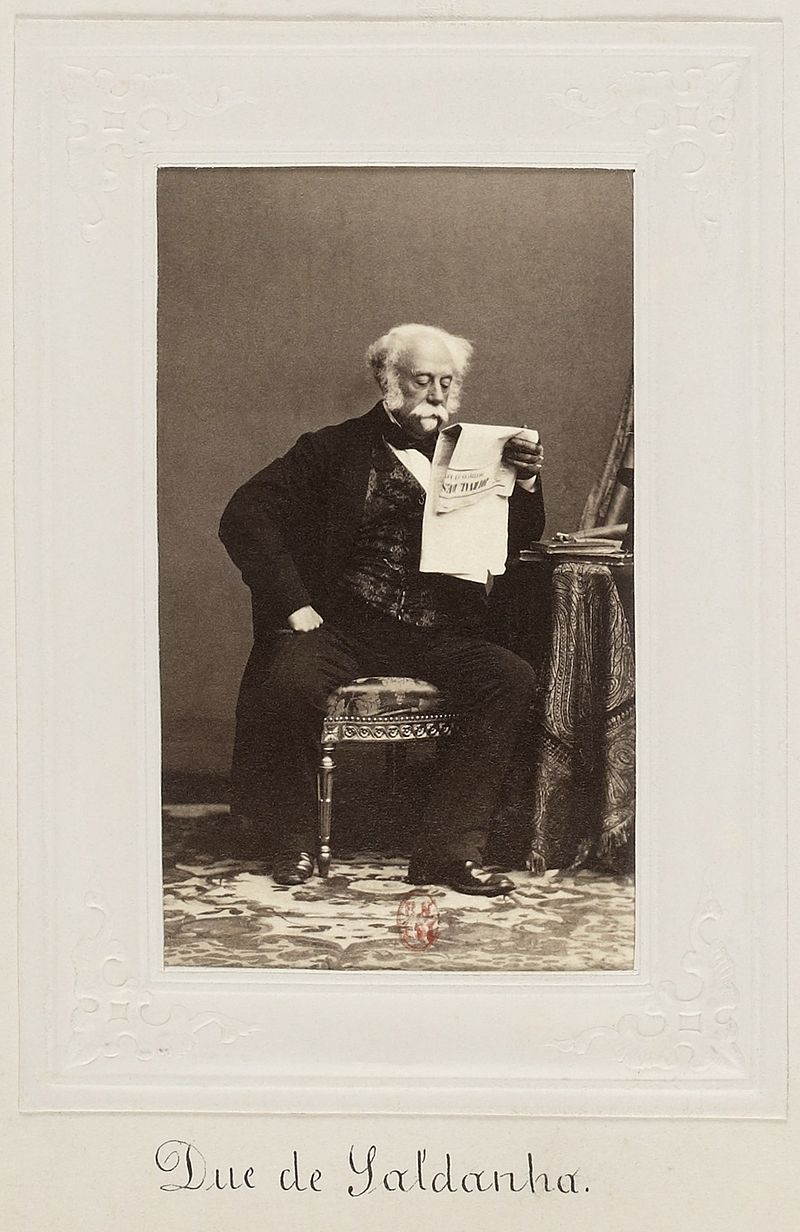
1836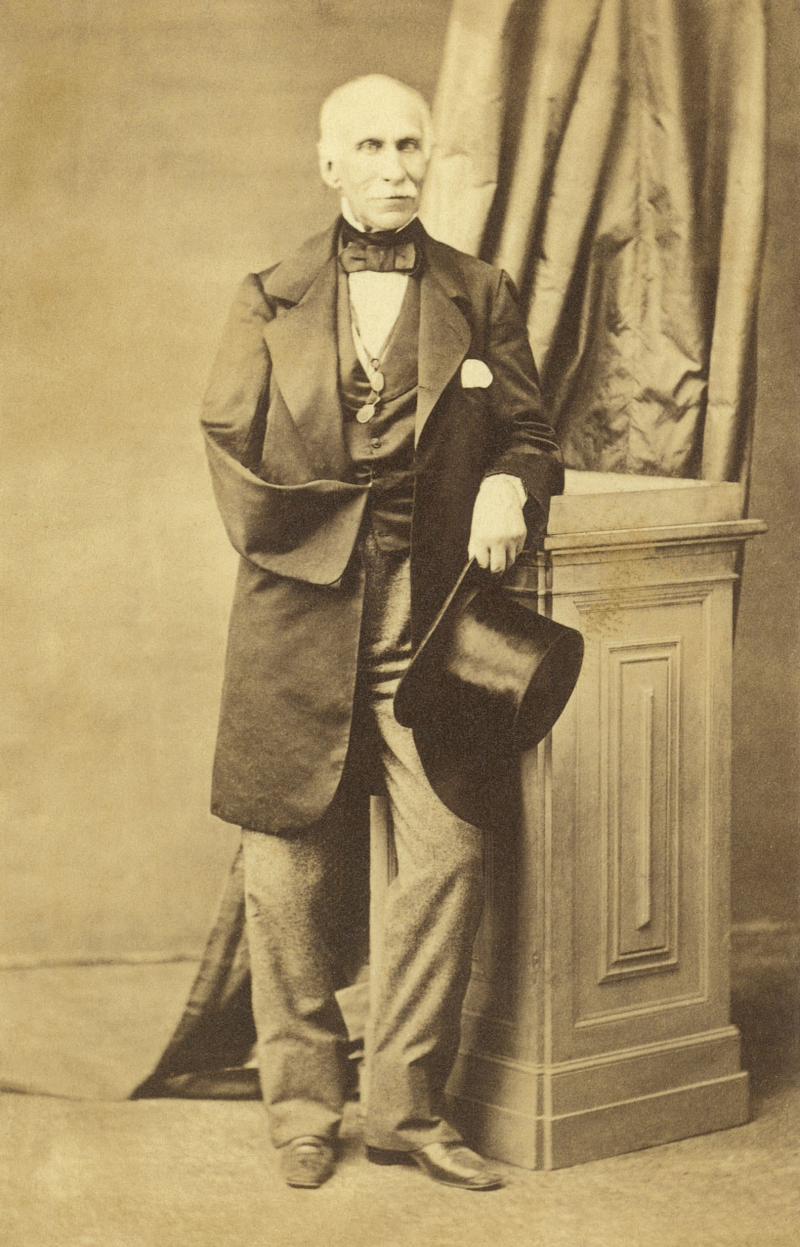
The Marquis of Sá da Bandeira, a prominent Portuguese statesman known for his progressive ideas, rose to power as Prime Minister and instituted crucial administrative reforms. Prior to his tenure, Portugal was facing deep-rooted issues in its bureaucracy and governance. The Marquis, recognized for his determination and vision, wasted no time in revamping the administrative system. He prioritized modernization and efficiency, streamlining processes to enhance government functionality.
The impact of these reforms was profound, leading to a more organized and responsive administration. The Marquis of Sá da Bandeira's initiatives aimed to improve the quality of public services, foster economic development, and bolster the nation's overall stability. His leadership heralded a new era of governance in Portugal, setting the stage for progress and innovation. The reforms enacted under his tenure laid the foundation for future advancements and positioned Portugal on a path towards greater prosperity.
The legacy of the Marquis of Sá da Bandeira's premiership endures, showcasing the transformative power of visionary leadership in shaping a nation's trajectory. His commitment to reform and modernization continues to be celebrated, underscoring the enduring importance of administrative efficiency and innovation in driving societal progress. #PortugueseHistory #AdministrativeReforms #VisionaryLeadership
View detailsMaria II of Portugal, heir to the Portuguese throne, married Prince Ferdinand of Saxe-Coburg and Gotha, cementing the alliance between Portugal and the influential Coburg dynasty. The marriage aimed to strengthen the ties between the two royal houses and bolster the stability of both nations.
The union with Prince Ferdinand brought a sense of security to the Portuguese monarchy during a period of political upheaval. The Coburg dynasty's prestigious lineage added a touch of royalty to Portugal and helped enhance its international standing. The marriage solidified Portugal's position in European politics and secured valuable support from the Coburg family.
Maria II and Prince Ferdinand's marriage not only united two royal families but also set the stage for future collaborations between Portugal and the Coburg dynasty. The couple's union symbolized a blend of tradition, power, and strategic alliances, shaping the course of Portugal's diplomatic relations for years to come.
#PortugueseMonarchy #CoburgDynasty #RoyalAlliance
View details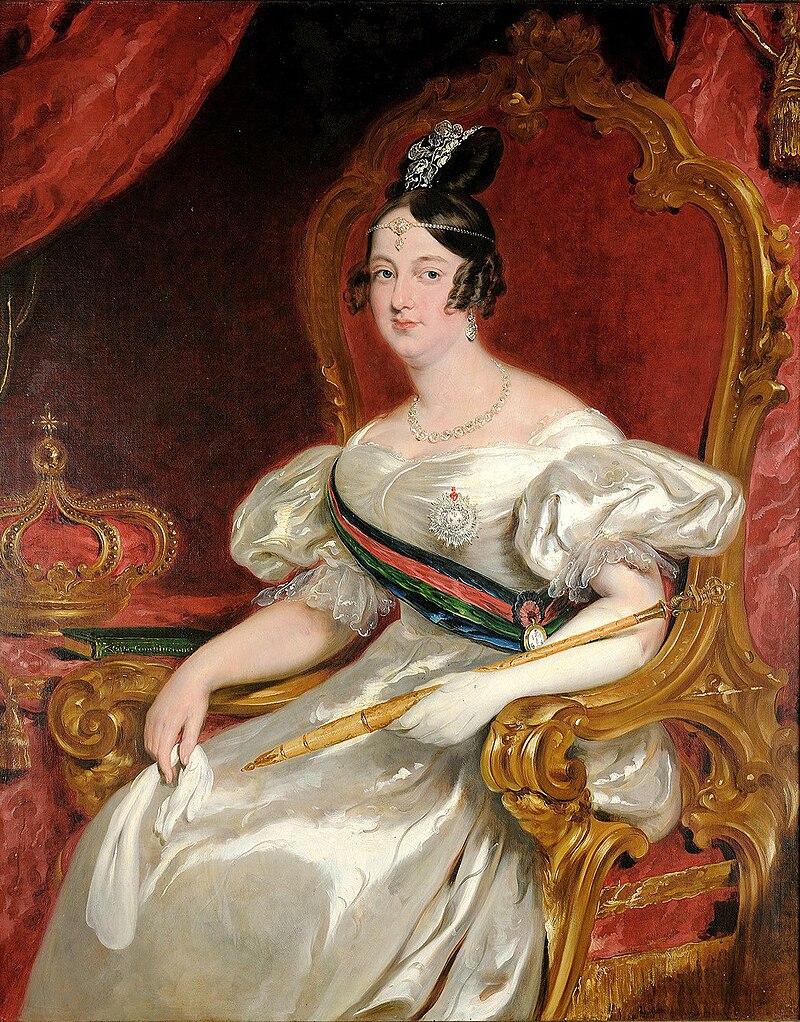
September Revolution leads to Liberal victory and constitutional monarchy establishment in Portugal.
In 1836, the September Revolution in Portugal led to the triumph of the Liberals, marking the establishment of a constitutional monarchy. This uprising was a culmination of longstanding tensions between the absolutist regime and those advocating for constitutional reforms. The Liberals, supported by a significant portion of the population and the military, successfully overthrew the existing government.
The impact of the September Revolution was significant. It marked a turning point in Portuguese history, ushering in a new era of constitutional monarchy and political stability. The establishment of a constitutional monarchy granted citizens greater rights and freedoms, laying the groundwork for a more inclusive and representative government.
This event paved the way for the implementation of political and social reforms, contributing to the modernization and progress of Portugal. The September Revolution symbolized the victory of liberal ideals and the rejection of absolutist rule, shaping the country's political landscape for years to come.
#PortugalHistory #ConstitutionalMonarchy #LiberalTriumph
View details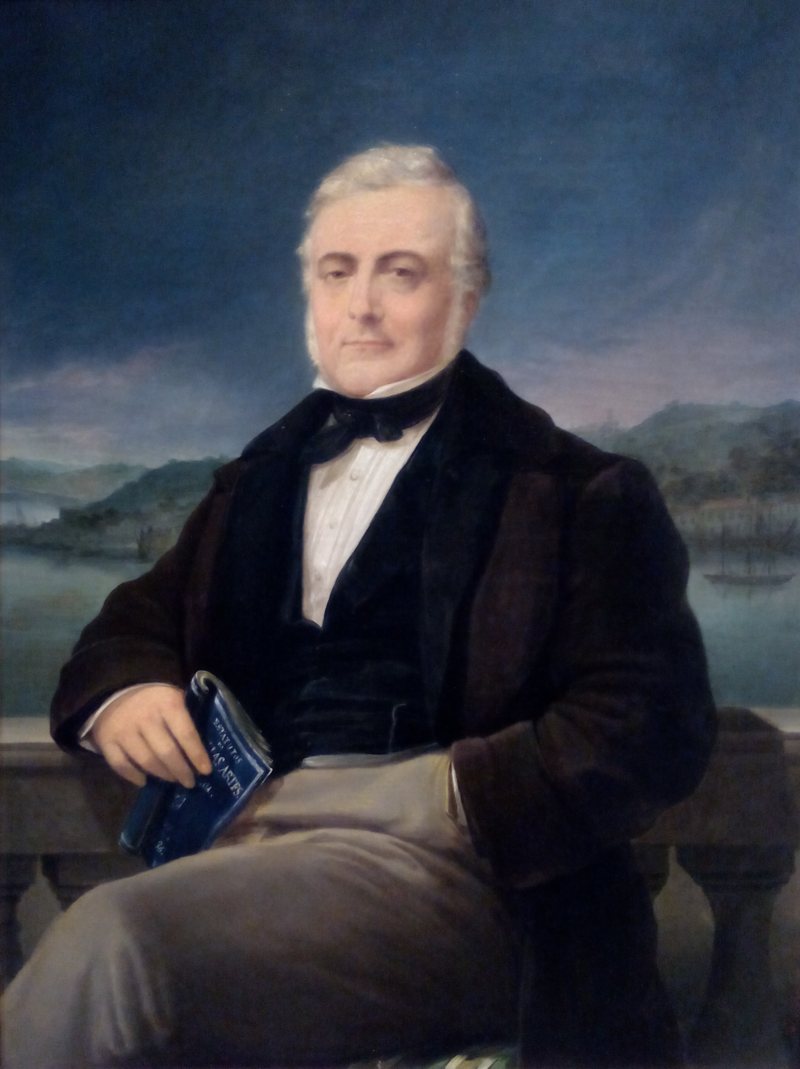
1832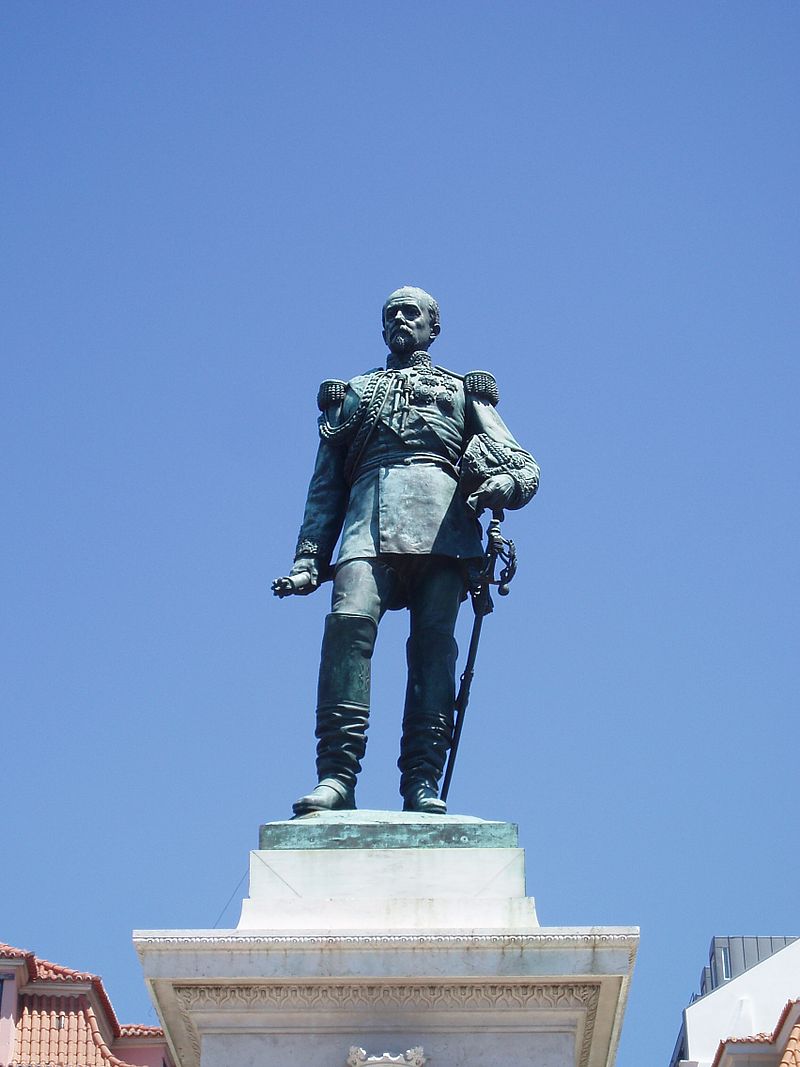
Amidst the turmoil of the Liberal Wars in Portugal, the Duke of Terceira spearheaded a pivotal moment by leading a successful landing in Mindelo. This strategic move bolstered the Liberal cause, as it allowed for the establishment of a stronghold in the Azores that proved to be instrumental in the conflict.
The Duke's landing in Mindelo marked a turning point in the Liberal Wars, as it provided a crucial base for the liberal forces to regroup, resupply, and launch further offensives against the absolutist regime. The successful operation in Mindelo not only secured a vital foothold for the Liberals but also garnered widespread support for their cause both domestically and internationally.
The Duke of Terceira's leadership and tactical acumen played a significant role in shaping the outcome of the Liberal Wars in Portugal. His bold and calculated move in Mindelo demonstrated the Liberals' determination to fight for their ideals and ultimately contributed to their eventual triumph over the absolutist forces.
#DukeofTerceira #LiberalWars #MindeloLanding #PortugalHistory #AzoresBattles
View details1827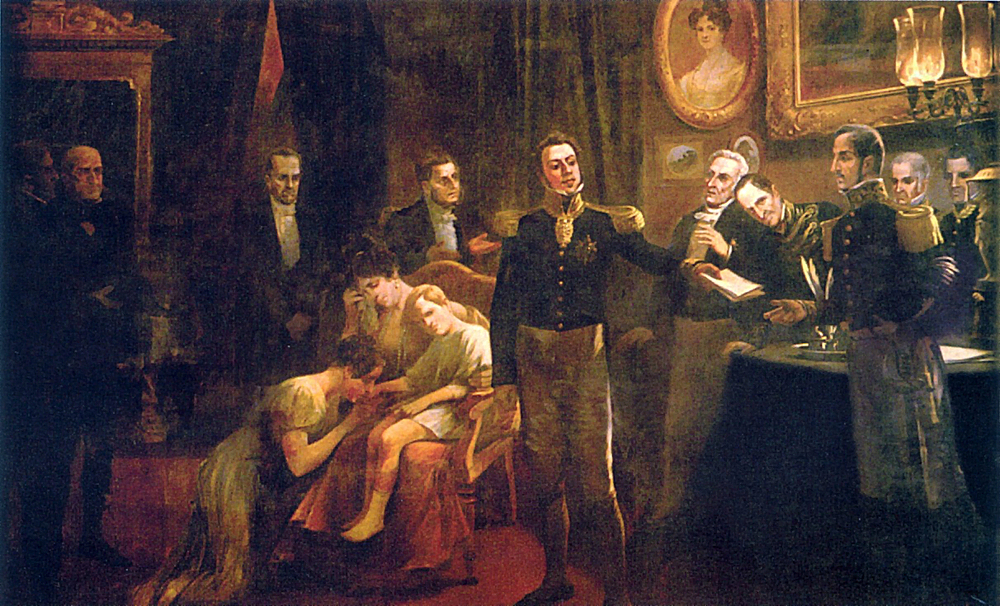
Dom Pedro IV of Portugal made the decision to abdicate his throne in favor of his daughter, Maria II, setting the stage for the Liberal Wars in Portugal. This move came amidst political tensions between liberals and absolutists within the country, with Pedro supporting liberal ideals. By relinquishing his power to Maria II, Pedro aimed to uphold liberal principles and ensure a smoother transition of power.
The abdication sparked a series of conflicts known as the Liberal Wars, which lasted for years as the two factions battled for control of the Portuguese government. The wars ultimately resulted in the victory of the liberal forces and the establishment of Maria II as the reigning monarch.
Pedro's abdication and the subsequent Liberal Wars marked a crucial turning point in Portugal's history, shaping the country's political landscape for years to come. The events not only solidified the influence of liberal ideals in Portuguese governance but also highlighted the ongoing struggle for power and ideology within the nation.
#Portugal #DomPedroIV #MariaII #LiberalWars #Abdication
View details1826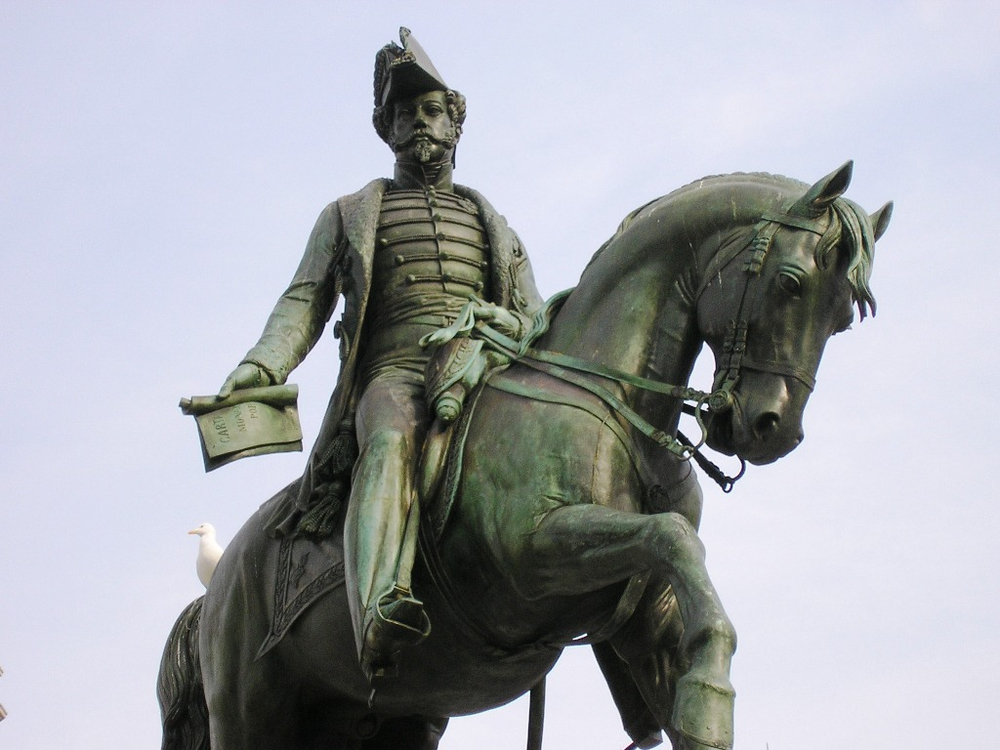
In 1826, Portugal saw the promulgation of the Constitutional Charter, ushering in a new era for the nation under a constitutional monarchy. This significant development came in the aftermath of political turmoil and struggles for power within the country. The Charter aimed to establish a balance of power between the monarch and parliament, laying out the framework for a constitutional monarchy.
The impact of the Constitutional Charter was profound, setting the stage for a more stable political system in Portugal. It granted certain rights and freedoms to the people, while also defining the powers of the monarch and the government. This document helped to shape the political landscape of the country for years to come, providing a foundation for the rule of law and governance.
The promulgation of the Constitutional Charter in Portugal marked a pivotal moment in the nation's history, as it represented a move towards a more democratic and representative form of government. The values and principles enshrined in the Charter would continue to influence Portuguese politics and society in the years ahead, shaping the country's development.
#PortugueseHistory #ConstitutionalMonarchy #PoliticalDevelopment
View details1822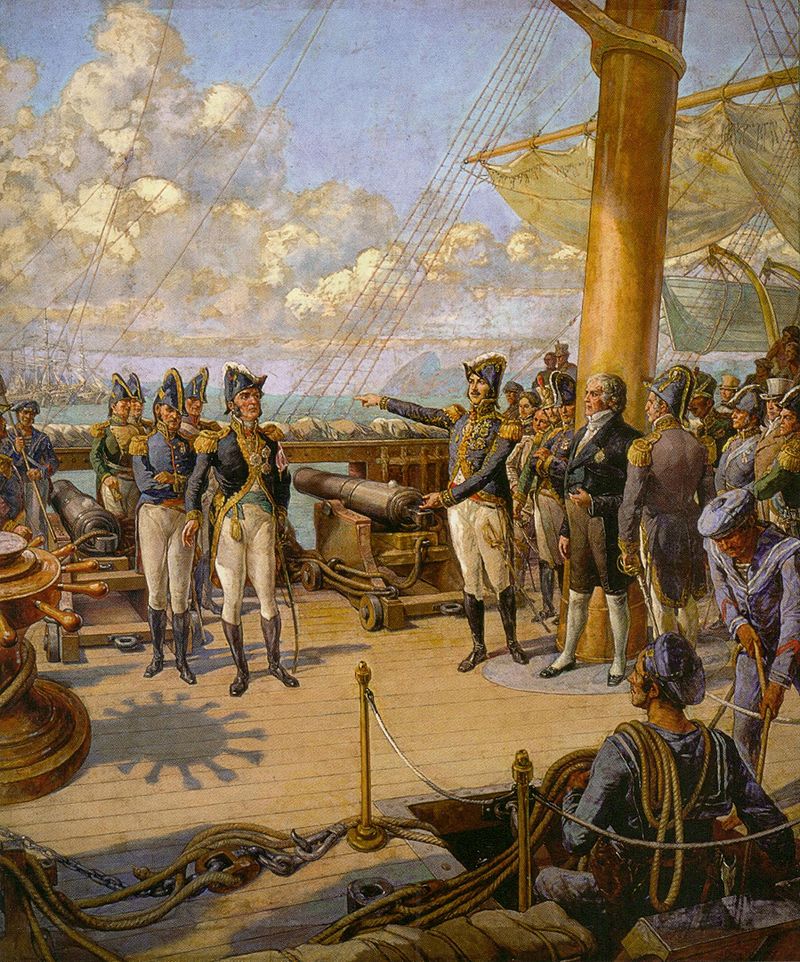
After years of Portuguese colonial rule, Brazil declared its independence. The process was triggered by political and economic tensions between the two countries. Dom Pedro, the prince regent of Portugal, played a key role in leading the movement for independence. With increasing support from the Brazilian elite and population, Dom Pedro proclaimed Brazil's autonomy.
The recognition of Brazil's independence had a profound impact on the nation's history. It marked the end of centuries of colonial dominance and paved the way for the establishment of a sovereign state. The recognition also led to the creation of the Brazilian Empire, with Dom Pedro becoming the first emperor of Brazil.
The newfound independence brought about significant changes in Brazil's political, social, and economic landscape. It allowed for the development of a distinct Brazilian identity and culture, separate from its Portuguese roots. The country began to assert itself on the international stage, forging new diplomatic relationships and trading partnerships.
The independence of Brazil from Portugal is a milestone in Brazilian history, symbolizing the country's struggle for self-determination and freedom. It remains a celebrated event, highlighting Brazil's resilience and determination to shape its own destiny. #BrazilianIndependence #DomPedro #PortugueseColonialRule
View details1821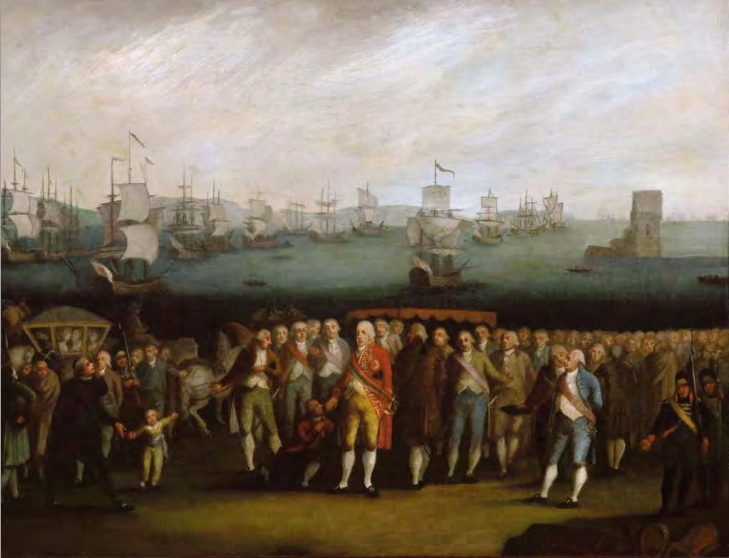
King John VI returned to Portugal from Brazil after a long stay in the South American colony. His decision to leave Brazil was influenced by political tensions and pressure from the Portuguese Cortes. This marked the end of the United Kingdom of Portugal, Brazil, and the Algarves, as Brazil declared its independence shortly after his departure.
The return of King John VI to Portugal had a significant impact on the political landscape of both countries. In Portugal, his return brought a sense of stability as he resumed his role as monarch. However, in Brazil, his absence paved the way for increased calls for independence, ultimately leading to the country breaking away from Portuguese rule.
The return of King John VI from Brazil to Portugal marked a turning point in the history of both nations, setting them on separate paths towards their futures. It highlighted the complexities of imperial rule and the shifting dynamics of colonial relationships.
#KingJohnVI #Portugal #Brazil #Independence #HistoricalEvent
View details