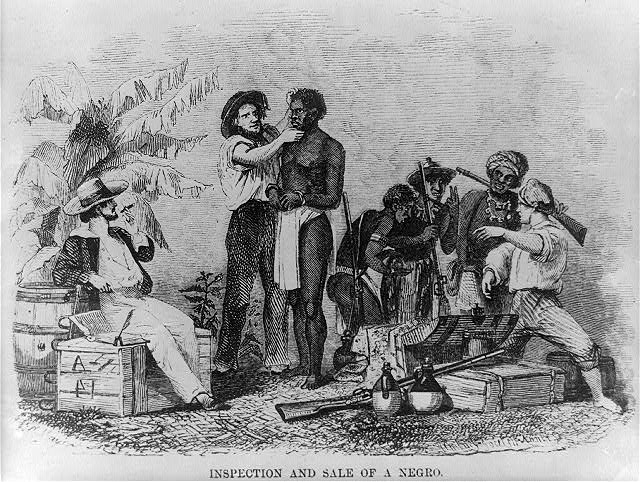
Abolishment of the slave trade in Portugal marked a significant moment in history.
Portugal

Human Rights
3 min read
Updated By: History Editorial Network (HEN)
Published:
Updated:
Portugal took a historic step by officially abolishing the slave trade. This decision marked the end of a long and brutal practice that had been deeply entrenched in Portuguese colonial history. The transatlantic slave trade had been a cornerstone of Portugal's economy for centuries, with millions of Africans forcibly taken from their homes and sold into slavery.
The abolition of the slave trade was a result of both internal and external pressure. Anti-slavery movements and changing global attitudes towards human rights played a significant role in pushing Portugal towards this decision. Additionally, economic factors such as the declining profitability of the slave trade also contributed to the abolition.
The impact of Portugal's abolishment of the slave trade was profound. It not only represented a significant victory for the abolitionist movement but also had lasting effects on the social, political, and economic landscape of the country. The decision to end the slave trade signaled a shift towards a more humane and progressive society, despite the long-lasting repercussions of slavery.
Portugal's abolition of the slave trade serves as a reminder of the country's dark history, but also showcases its capacity for growth, change, and progress. This significant event continues to be a point of reflection and serves as a reminder of the importance of upholding human rights and dignity. #Portugal #Abolition #SlaveTrade #History #HumanRights

Explore the Life Moments of
 AI Twin