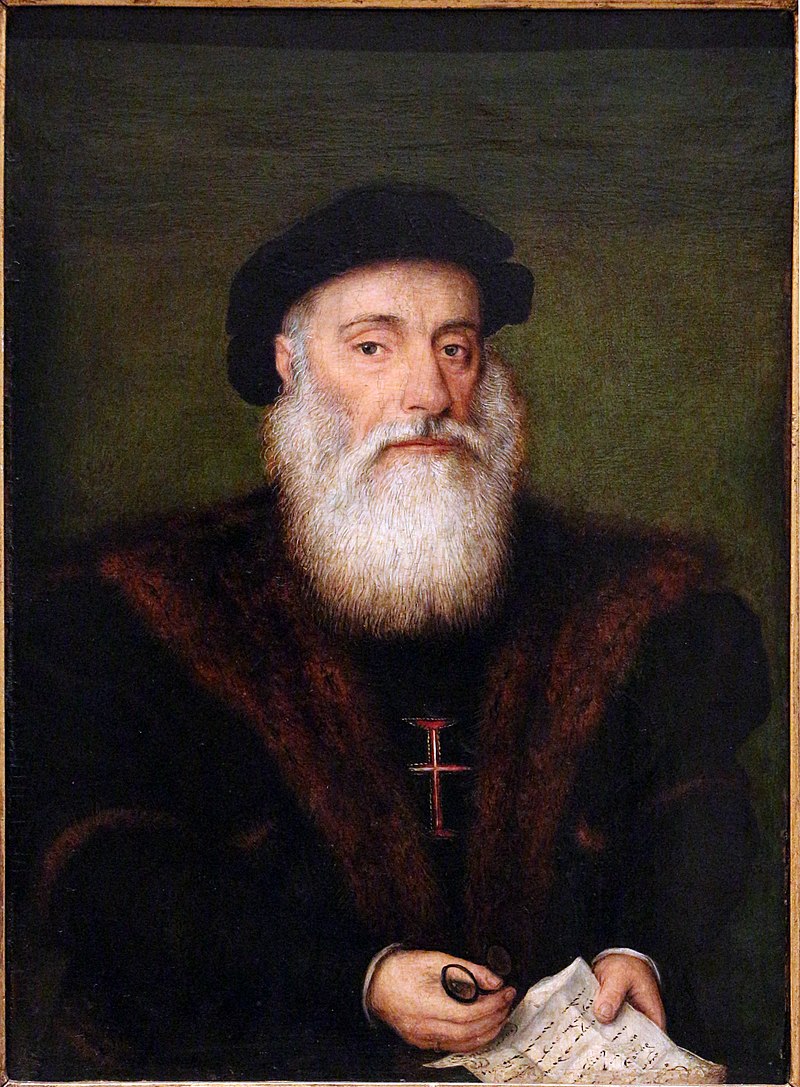
Vasco da Gama's voyage to India revolutionizes trade with the East via a new sea route.
Portugal

Global Trade
Maritime
3 min read
Updated By: History Editorial Network (HEN)
Published:
In the late 15th century, Portugal, under the rule of King Manuel I, sought to establish direct trade routes with the lucrative markets of the East. To achieve this goal, Vasco da Gama, a skilled navigator, was commissioned to sail from Lisbon to India. Departing with four ships, including the flagship São Gabriel, Da Gama's expedition navigated around the Cape of Good Hope, tracing a sea route to the East.
The successful voyage of Vasco da Gama to India had a profound impact on global trade, opening up access to valuable goods such as spices, silks, and precious metals. This established Portugal as a major player in the Age of Exploration and solidified its position as a dominant maritime power in the Indian Ocean.
Da Gama's expedition not only marked a significant milestone in maritime history but also paved the way for future European exploration and colonization in the East. The sea route discovered by da Gama revolutionized trade relations, shaping the course of world history and contributing to the rise of globalization.
#PortugueseExploration #GlobalTrade #MaritimeHistory #EastIndies #AgeofExploration #VascoDaGama

Explore the Life Moments of
 AI Twin