
Portugal

The Land of Explorers
Related Lives

Luxembourg
The Gibraltar of the North

Nobel Prize in Physics
Celebrating the Pioneers of Science

Malawi
Warm Heart of Africa

Slovenia
Green Heart of Europe

Japan
The Land of the Rising Sun

Benin
The Jewel of West African Culture.

Mexico
The Land of the Maya

Burundi
The Land of a Thousand Hills

1427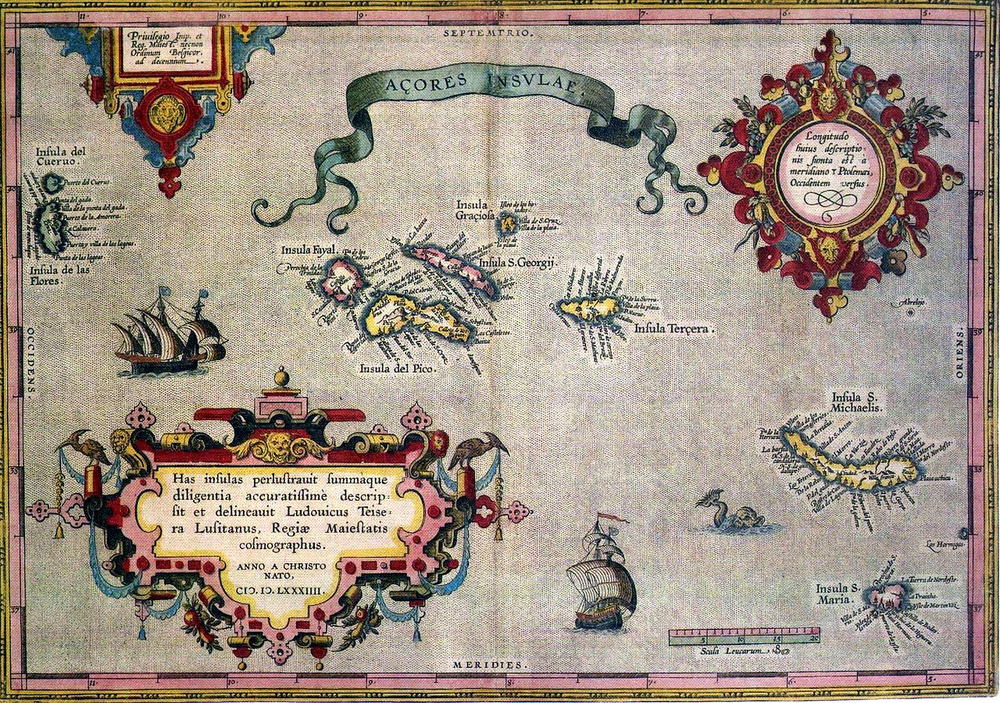
Portuguese sailors stumbled upon the Azores Islands during an expedition to explore uncharted territories. The discovery was a turning point in the Age of Exploration, strategically positioning Portugal for maritime dominance. These remote islands became crucial pit stops for Portuguese sailors navigating the Atlantic, enhancing their trade routes and expanding their empire.
The Azores offered abundant natural resources and fertile land, attracting settlers who established thriving communities and agricultural practices. The islands' strategic location played a pivotal role in shaping global trade networks, serving as a crucial link between Europe, Africa, and the Americas.
This discovery showcased Portugal's prowess in maritime exploration, solidifying its reputation as a formidable seafaring nation. The newfound knowledge of the Azores Islands redefined geographical maps and encouraged further expeditions to uncover new lands and resources.
The impact of the discovery of the Azores Islands reverberates through history, highlighting the interconnectedness of cultures and economies through maritime trade and exploration. It stands as a testament to human curiosity and the relentless pursuit of discovery.
#PortugueseExploration #AzoresDiscovery #MaritimeDominance
View details1419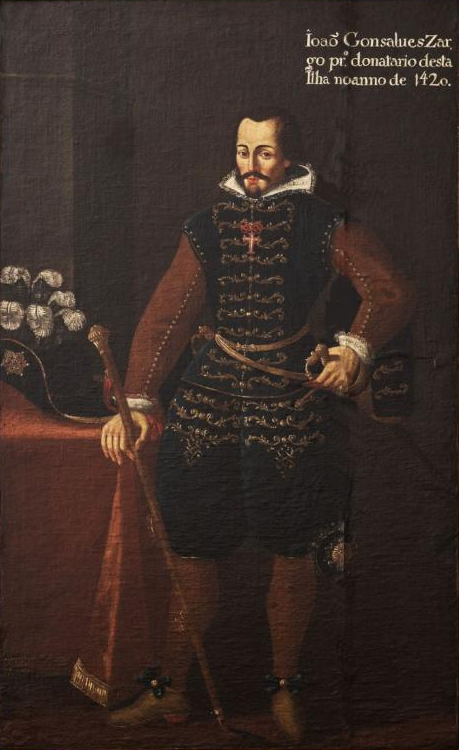
Portuguese sailors embarked on an expedition to the Madeira Islands in 1419, aiming to explore uncharted territories and expand their maritime knowledge. Led by João Gonçalves Zarco and Tristão Vaz Teixeira, the sailors encountered a lush, subtropical paradise, rich in resources and potential for colonization. The rugged terrain and dense forests posed challenges to the sailors, but they persevered, establishing settlements and cultivating crops on the islands.
The exploration of the Madeira Islands by Portuguese sailors marked a significant milestone in the Age of Discovery, showcasing Portugal's prowess in navigation and colonization. The discovery of these islands opened up new trade routes and opportunities for the Portuguese empire, enhancing their influence in the maritime world.
The Madeira Islands quickly became a strategic hub for Portuguese trade, especially in the production of sugar, wine, and timber. The influx of wealth from the islands contributed to the growth of Portugal as a major player in European exploration and colonization.
#PortugueseExploration #MadeiraIslands #AgeOfDiscovery #MaritimeTrade #PortugueseEmpire #Colonization
View detailsThe exploration of the African coast under Prince Henry the Navigator marked the beginning of Portugal's significant maritime achievements. Motivated by a desire to find a sea route to Asia and expand trade opportunities, Prince Henry spearheaded expeditions along the West African coast. This endeavor led to the discovery of new territories, resources, and trade routes. The establishment of trade posts and settlements facilitated the exchange of goods and culture, contributing to the growth of Portugal's economy and influence. This exploration also played a crucial role in advancing navigation and cartography, laying the groundwork for future explorations and discoveries. It fostered a spirit of exploration and innovation, shaping Portugal's identity as a maritime power. The legacy of Prince Henry's navigation efforts continues to resonate, symbolizing Portugal's pioneering spirit and global impact in the Age of Discovery. #Portugal #Exploration #Trade #Navigation #Innovation
View details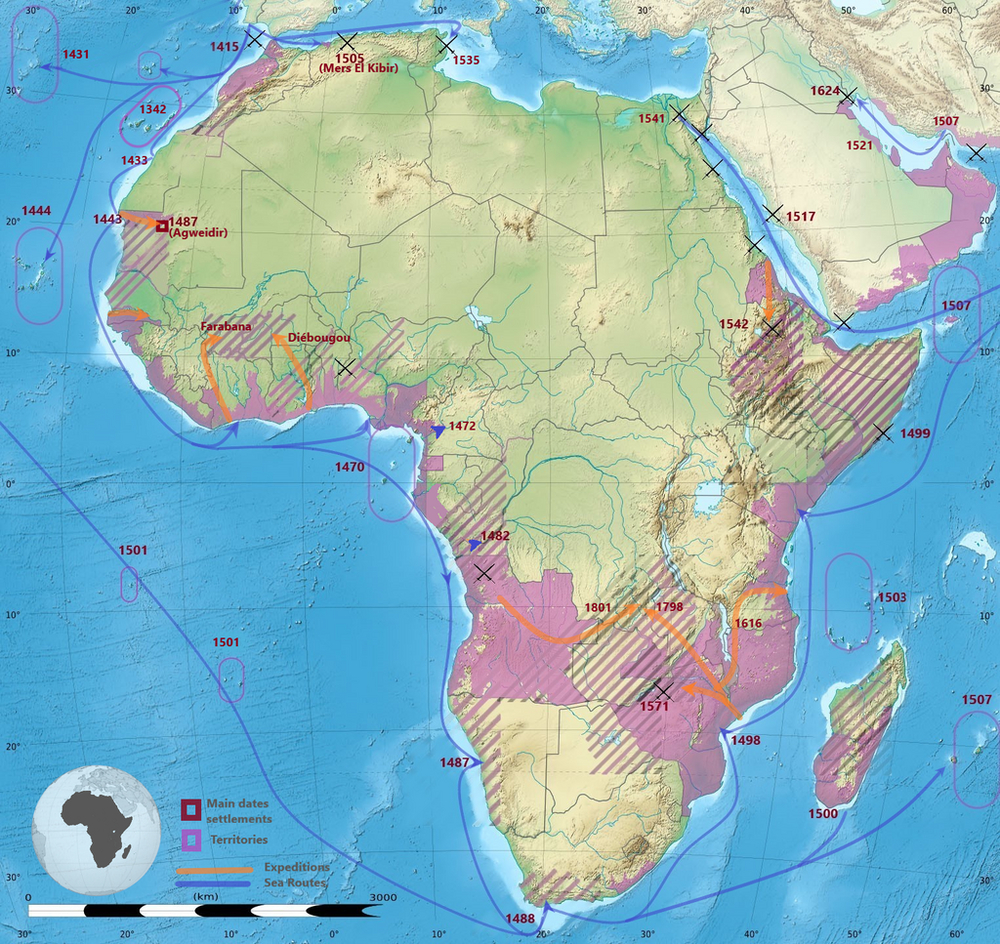
1415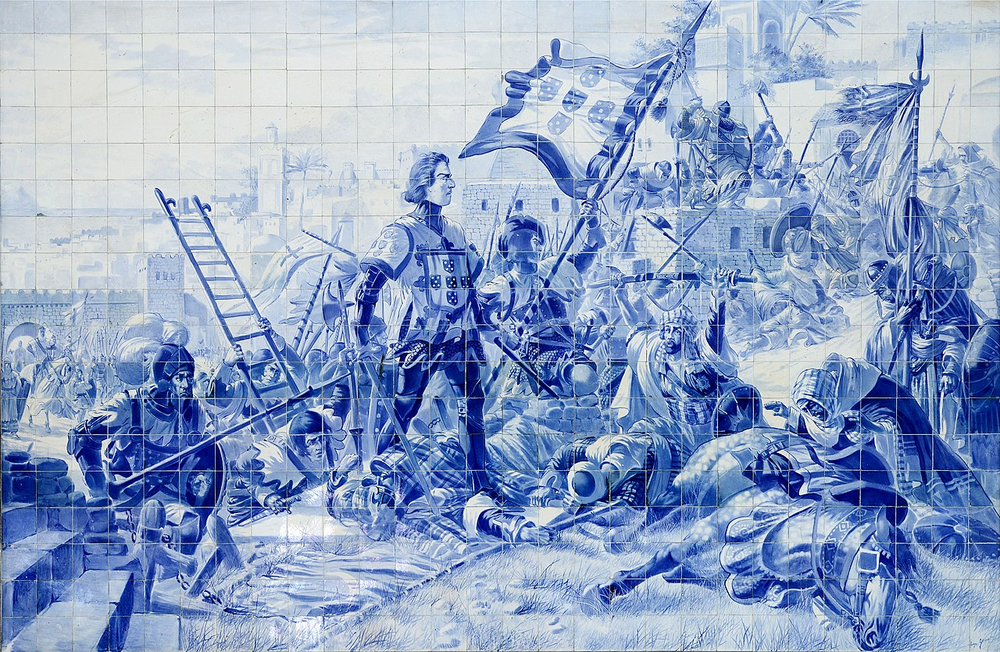
Portugal's capture of Ceuta in North Africa marked the start of their overseas expansion. Ceuta was a strategic city for trade and military purposes. The success of this conquest boosted Portugal's confidence and set the stage for further expansion into Africa and beyond.
The capture of Ceuta had significant implications for Portugal's power and influence in the region. It allowed them to establish a foothold in North Africa and control key trade routes. The event also demonstrated Portugal's military capabilities and willingness to engage in overseas expansion.
Portugal's expansion overseas was driven by a desire for wealth, power, and spreading Christianity. The conquest of Ceuta was a key milestone in this larger strategy. It paved the way for future Portuguese exploration and colonization efforts in Africa, Asia, and the Americas.
Overall, Portugal's capture of Ceuta in North Africa was a crucial moment in their history, marking the beginning of a new era of overseas expansion and shaping the course of world history. #Portugal #OverseasExpansion #ConquestofCeuta
View details1394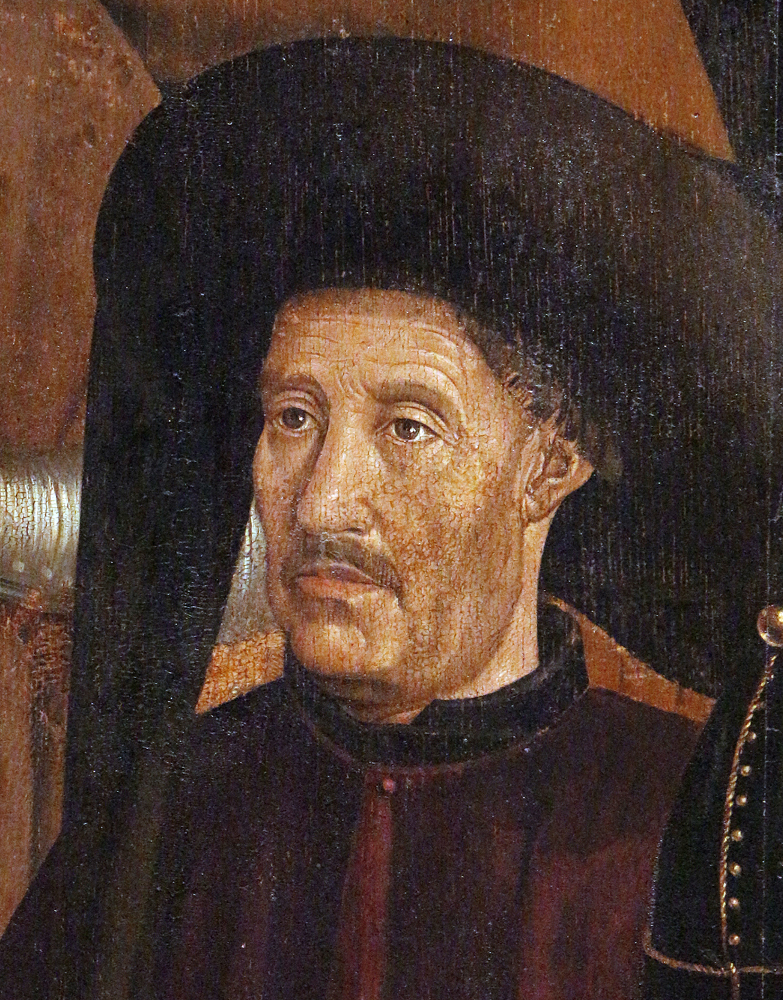
Prince Henry the Navigator was born into the Portuguese royal family, shaping the Age of Discovery. With a keen interest in navigation, he established a center for exploration, advancing maritime knowledge and technology. His patronage led to expeditions along the African coast, opening up new trade routes and expanding Portugal's influence.
Prince Henry's contributions were instrumental in the development of mapmaking, shipbuilding, and navigation techniques. His support for exploratory voyages laid the groundwork for future discoveries, including Vasco da Gama's journey to India. Through his efforts, Portugal became a pioneering force in global exploration and colonization during the 15th and 16th centuries.
Prince Henry the Navigator's legacy endures as a pivotal figure in European expansion and cross-cultural exchange. His strategic vision and promotion of maritime exploration transformed the course of history, shaping the world as we know it today. #Portugal #AgeofDiscovery #Exploration
View details1387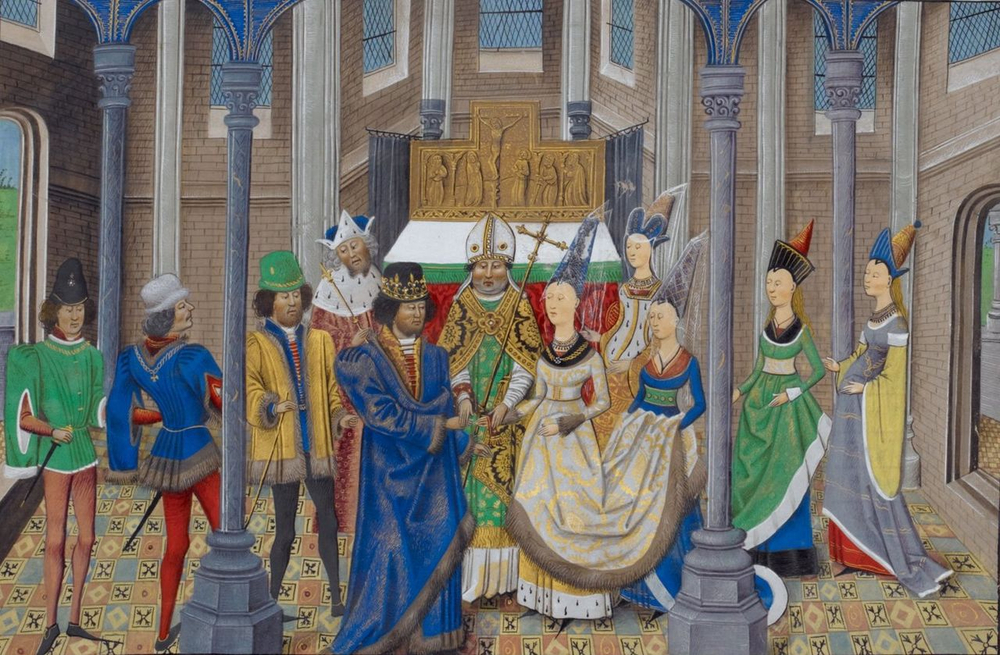
In 1387, King John I of Portugal married Philippa of Lancaster, a union that solidified the bond between Portugal and England. The marriage was part of a strategic alliance between the two countries, aiming to strengthen their political and commercial ties. Philippa brought with her a large dowry and important connections to the English royal family, which further enhanced the relationship between the two nations.
This royal marriage had significant implications for both Portugal and England. It paved the way for future diplomatic collaborations and trade agreements, benefiting the economies of both countries. Additionally, it symbolized a union of power and influence in Europe, as the Portuguese and English monarchies aligned themselves against common adversaries. The marriage of John I and Philippa of Lancaster marked a turning point in the history of Portugal, establishing a long-standing alliance with England that would endure for centuries to come.
#Portugal #England #PoliticalAlliance #RoyalMarriage #DiplomaticRelations
View details1386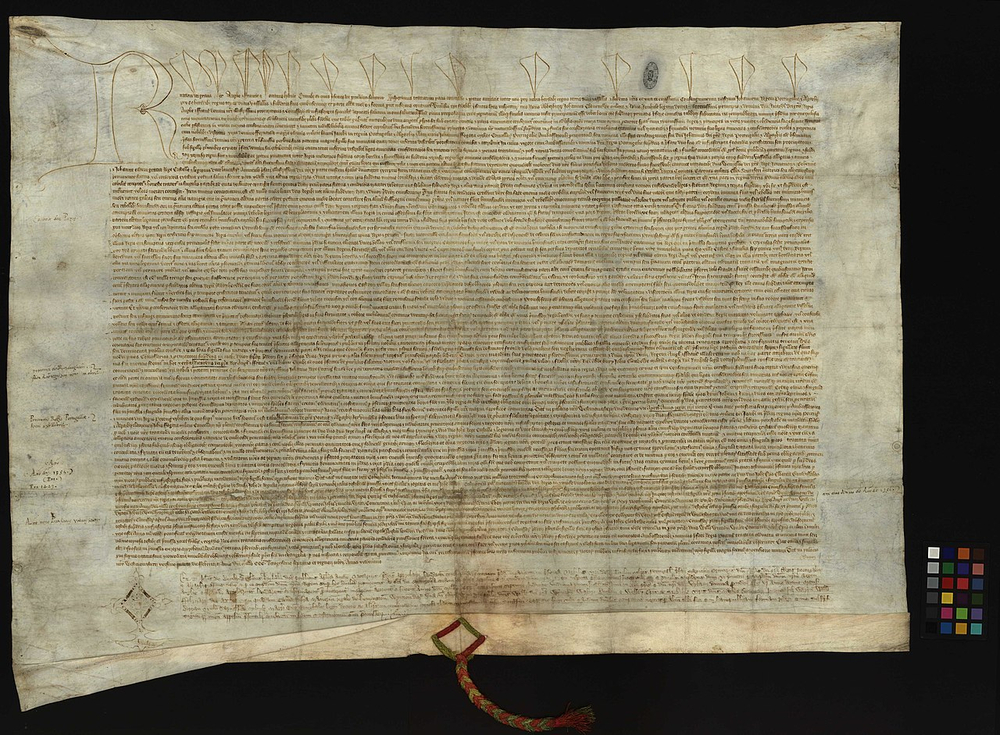
In 1386, the Treaty of Windsor was signed between Portugal and England, solidifying the oldest alliance in the world still in force. The agreement was born out of a shared interest in countering Spanish dominance and securing mutual support against common enemies.
The treaty was strategically significant for Portugal, as it provided the much-needed protection and support from England, a powerful maritime nation. This alliance brought benefits to both countries, facilitating trade, military cooperation, and diplomatic relations.
The Treaty of Windsor symbolized a landmark moment in the history of Portugal, as it marked the beginning of a lasting friendship that has endured through centuries. This alliance proved vital during various conflicts and challenges faced by both nations over the years.
Overall, the signing of the Treaty of Windsor was a pivotal event that shaped the course of history for Portugal and England, establishing a strong bond that has stood the test of time.
#Portugal #England #Alliance #TreatyofWindsor #History #Diplomacy
View details1385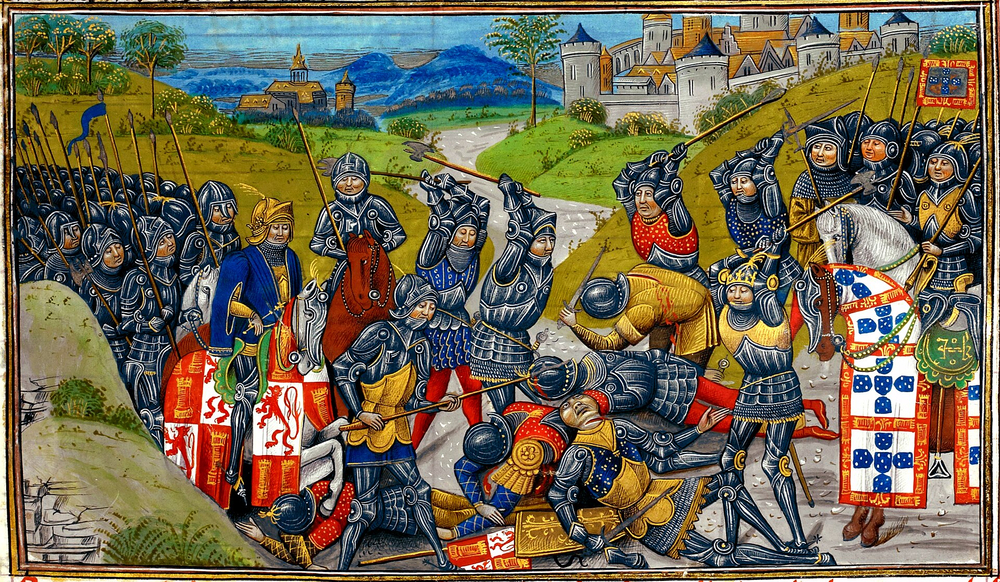
In the historical Battle of Aljubarrota, a decisive conflict took place for the Portuguese throne. The confrontation emerged in the context of the 1383-1385 Portuguese Crisis, triggered by the death of King Ferdinand I without a male heir. This power vacuum led to a disputed claim to the throne between John I of Portugal, supported by the Portuguese nobility, and King John I of Castile, backed by the Castilian crown.
The Battle of Aljubarrota unfolded as a significant military engagement, with John I of Portugal's forces securing a remarkable victory over the Castilian army. This triumph established John I as the legitimate ruler of Portugal, solidifying his reign and marking the beginning of the Aviz dynasty. The ramifications of this battle reverberated across the Iberian Peninsula, securing Portugal's independence and sovereignty. Furthermore, it shaped the country's future alliances and strategic positioning in the region.
The legacy of the Battle of Aljubarrota endures in Portuguese history as a defining moment that safeguarded the nation's autonomy and shaped its political landscape for centuries to come. The valor displayed by John I and his troops in this conflict remains a source of national pride and identity, symbolizing resilience and determination in the face of adversity. #PortugueseHistory #BattleOfAljubarrota #Independence #JohnI #AvizDynasty
View details1290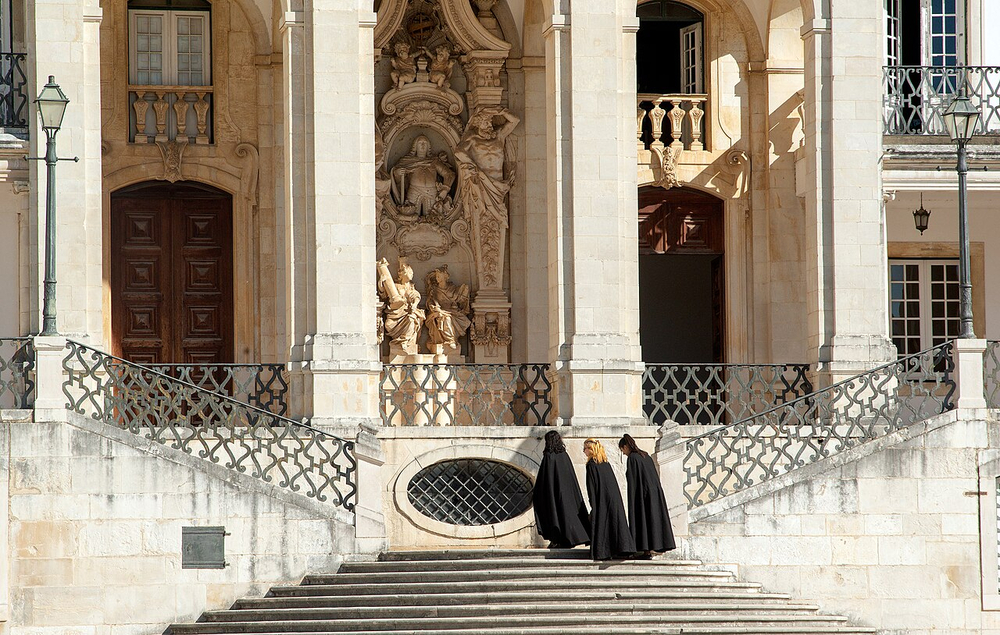
In 1290, Dom Dinis established the University of Coimbra, one of the world's oldest continuously operating universities. The university's foundation marked a significant moment in Portugal's history, contributing to the country's intellectual development and influence. Originally founded in Lisbon, the university was later moved to Coimbra in 1537, where it remains to this day.
The University of Coimbra played a crucial role in shaping Portugal's cultural and educational landscape. It became a center for learning, attracting scholars and students from around the world. The university's curriculum focused on theology, canon law, medicine, and the arts, providing a well-rounded education to its students.
Over the centuries, the University of Coimbra has produced notable alumni who have made significant contributions to various fields. Its rich history and academic excellence have solidified its reputation as a prestigious institution both nationally and internationally.
The establishment of the University of Coimbra by Dom Dinis continues to impact Portugal's education system and intellectual legacy. It stands as a testament to the country's commitment to higher learning and knowledge dissemination. #UniversityofCoimbra #DomDinis #PortugalEducation #HistoricLegacy
View details1279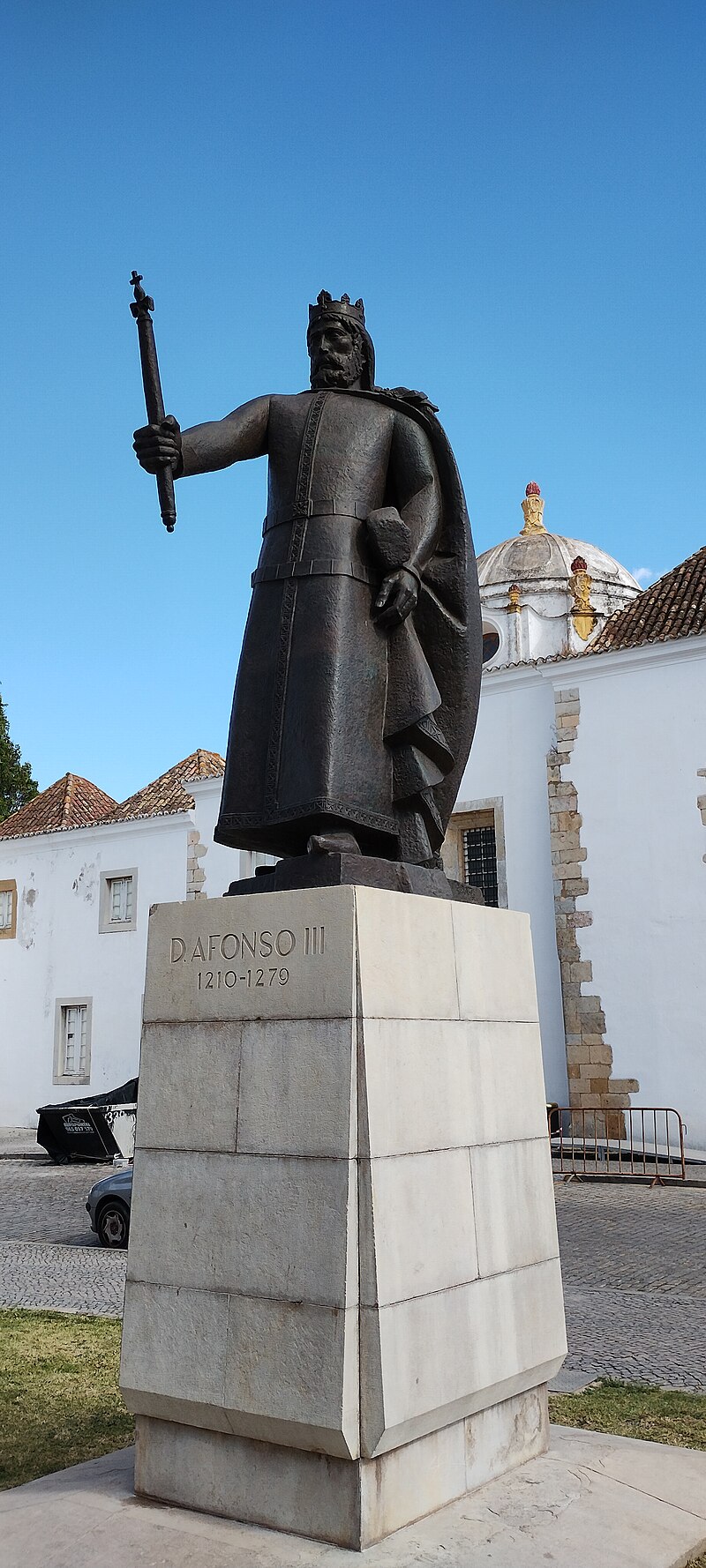
King Afonso III played a pivotal role in the consolidation of Portugal as a kingdom. Following a period of internal strife, he ascended to the throne and continued the reconquest of territories from the Moors. His reign saw the expansion of Portuguese territory and the centralization of power. Under his rule, laws were codified, administrative institutions were strengthened, and the groundwork was laid for a unified nation.
Afonso III's death marked the end of an era and solidified Portugal's status as a stable kingdom. His policies laid the foundation for future monarchs to continue strengthening the nation. The consolidation of power under his reign ensured that Portugal would emerge as a significant player on the Iberian Peninsula.
His passing also led to a smooth succession, with his son, Dinis, taking the throne and continuing his father's work of nation-building. This transition of power further solidified Portugal's stability and growth.
The death of King Afonso III marked a turning point in Portuguese history, completing the consolidation of the kingdom and setting the stage for future prosperity and influence. #Portugal #KingAfonsoIII #Consolidation #Monarchy #NationBuilding
View details1189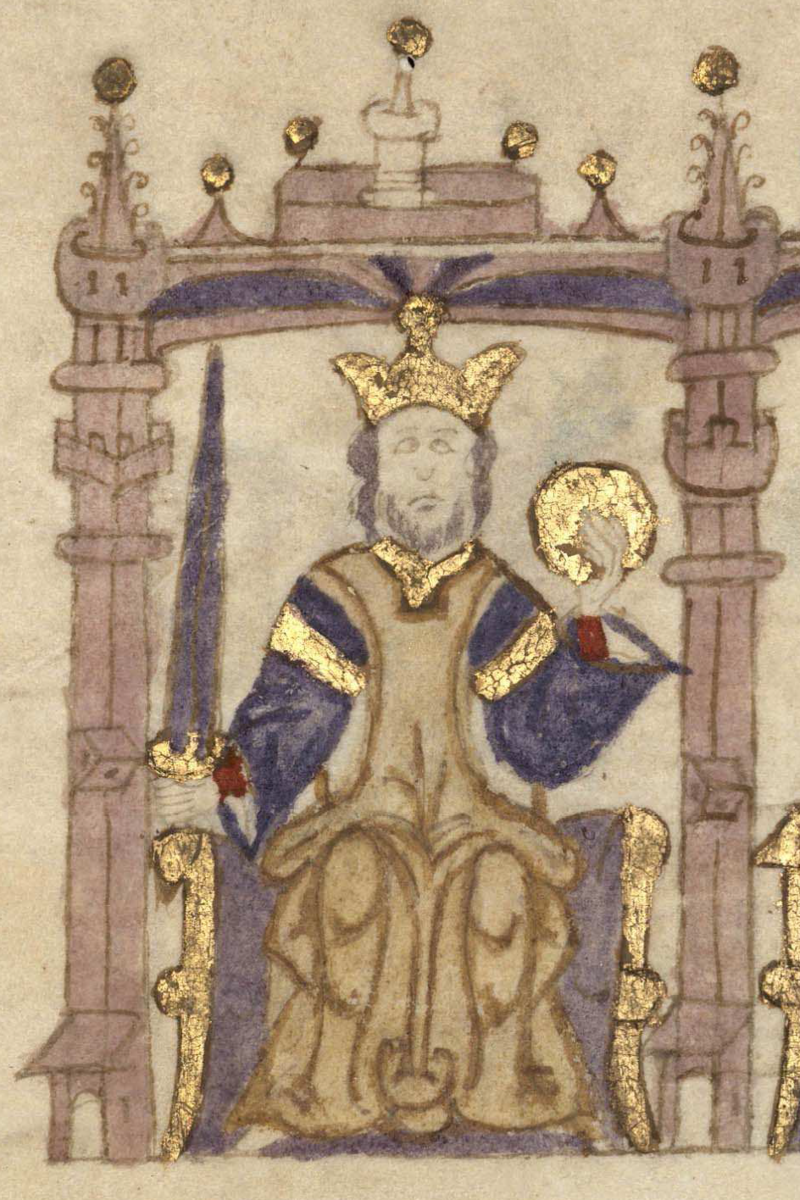
In a strategic move during the Reconquista, King Sancho I of Portugal led his forces to recapture the city of Silves from the Moors, aiding in the expansion of Christian territories in the region. Silves, known for its Moorish fortifications and strategic location, served as a significant stronghold in the Algarve region.
The successful reconquest of Silves bolstered the influence of the Portuguese kingdom in the southern territories, marking a crucial advancement in pushing back Moorish control. The city's recapture also facilitated trade routes and secured key military positions for further incursions into the Moorish-held lands.
King Sancho I's victory in reclaiming Silves showcased his military prowess and strategic acumen, earning him prestige among his Christian counterparts and consolidating his reign in the region. The event symbolized a turning point in the Reconquista period, underscoring the gradual Christian dominance in the Iberian Peninsula.
#Reconquista #PortugueseHistory #MoorishInfluence #Silves #KingSanchoI
View details1147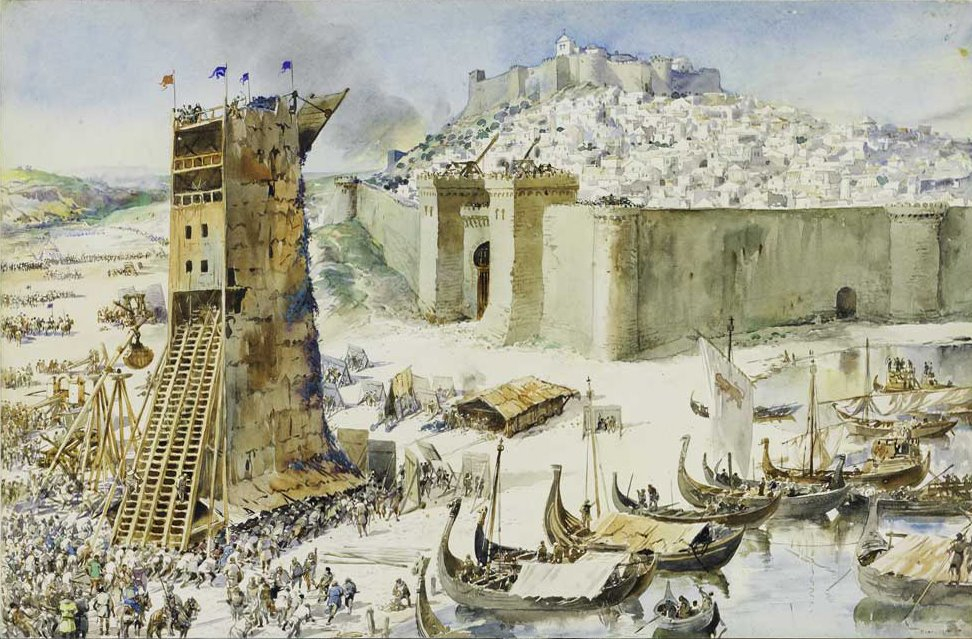
In 1147, Afonso I led the conquest of Lisbon from the Moors, marking a pivotal moment in the history of Portugal. The city had been under Moorish control for centuries, serving as a strategic stronghold due to its commanding position overlooking the Tagus River.
The conquest of Lisbon represented a significant turning point in the Reconquista, the Christian efforts to push the Moors out of the Iberian Peninsula. Afonso I's successful siege of the city not only expanded the territory under his control but also demonstrated his military prowess and strategic acumen.
After the fall of Lisbon, Afonso I worked to consolidate his power in the region, establishing the foundations of what would later become the Kingdom of Portugal. The influx of wealth and resources from the city contributed to the growth and prosperity of the burgeoning kingdom.
This event solidified Afonso I's reputation as a formidable leader and set the stage for Portugal's emergence as a major power in the region. The conquest of Lisbon laid the groundwork for the country's future expansion and influence in Europe and beyond.
#PortugueseHistory #ConquestofLisbon #AfonsoI #Reconquista #MoorishInvasion
View details1143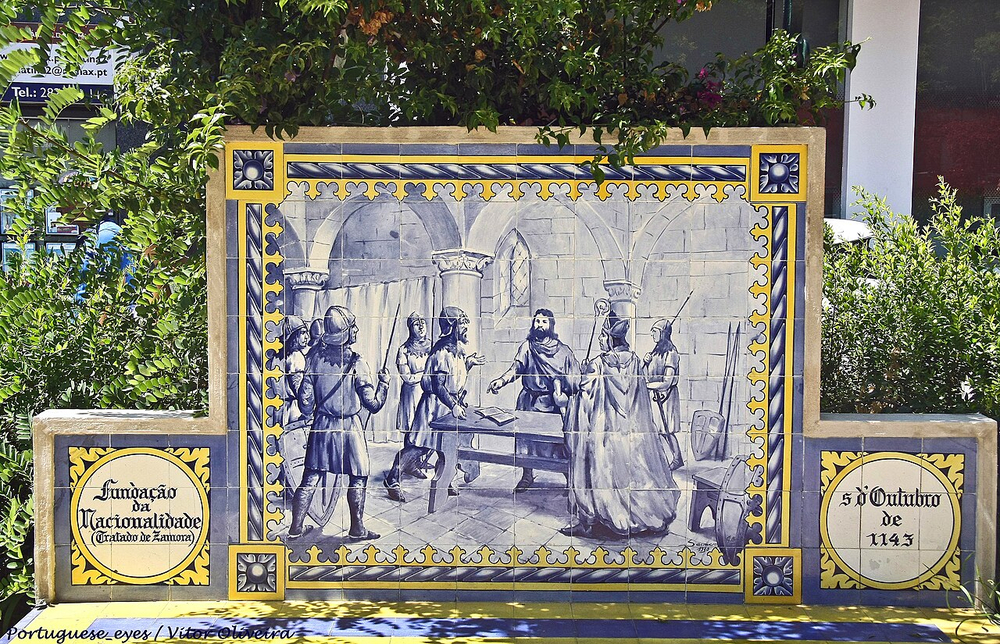
Following years of regional conflicts and struggles for independence, the Treaty of Zamora was a pivotal agreement signed between Portugal and the Kingdom of León. This treaty marked a significant milestone in Portugal's history, as it formally recognized Portugal as an independent kingdom. The signing of the treaty brought an end to years of disputes and solidified Portugal's status as a sovereign nation.
The Treaty of Zamora had far-reaching impacts on the future of Portugal, shaping its identity and laying the foundation for its growth and development as a nation. It granted Portugal the autonomy and authority to govern itself, establishing a new era of stability and prosperity for the fledgling kingdom. This event marked a turning point in Portuguese history, paving the way for centuries of autonomy and independence.
The Treaty of Zamora remains a symbol of Portugal's struggle for independence and self-determination. It is a testament to the perseverance and resilience of the Portuguese people in the face of adversity. This historic agreement is a reminder of the importance of sovereignty and freedom in shaping the destiny of a nation.
#TreatyofZamora #PortugalIndependence #SovereigntySymbolized
View details1139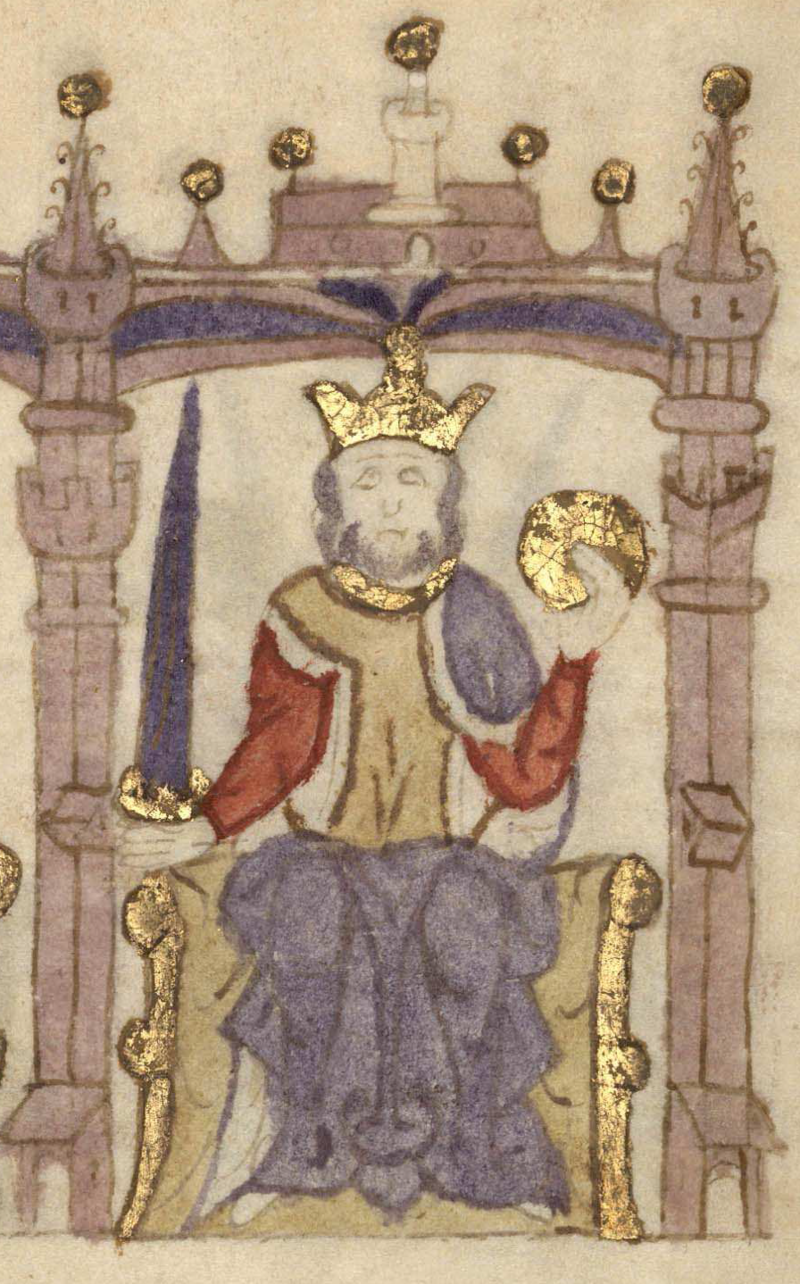
In the midst of the Reconquista, a defining moment in the history of Portugal unfolded at the Battle of Ourique. Afonso I, leading his outnumbered Christian forces, achieved a remarkable victory over the Almoravid Moors, securing his place as the first King of Portugal.
Prior to the battle, Afonso I had been count of Portucale, expanding his territory through strategic alliances and military conquests. The clash at Ourique marked a turning point in his quest for independence, as the resounding triumph bolstered his claim to the throne and solidified his leadership over the nascent Portuguese kingdom.
The declaration of Afonso I as king following the battle not only established a sovereign monarchy in Portugal but also inspired national identity and unity among its people, galvanizing them to rally behind their new ruler. The event at Ourique symbolized the culmination of years of struggle against Moorish rule and set the stage for Portugal's emergence as a formidable European power.
The legacy of the Battle of Ourique endures in Portugal's collective memory, serving as a testament to the perseverance and valor of its founding monarch and the resilient spirit of its people. #BattleofOurique #AfonsoI #FirstKingofPortugal #Reconquista #PortugueseHistory
View details1064
The re-conquest of Coimbra by the Christians marked a crucial shift in the control of the Iberian Peninsula. Initially under Moorish rule, Coimbra held strategic importance due to its location and fortified structures. Christian forces, led by King Alfonso III, launched a series of campaigns to reclaim territories.
The fall of Coimbra to the Christians came after a prolonged period of clashes between the two factions, resulting in a decisive victory for the Christian forces. The city's recapture led to the restoration of Christian rule and set the stage for further advancements to push back the Moors.
The re-conquest of Coimbra had lasting effects on the region, significantly altering the cultural and religious landscape. The Christians imposed their governance, established new institutions, and initiated a period of reconstruction and development in the city.
This event symbolizes the ongoing struggle for power and control in the Iberian Peninsula, shaping the history of Portugal and influencing its identity as a nation. #ReconquestofCoimbra #ChristianRule #PortugueseHistory
View details910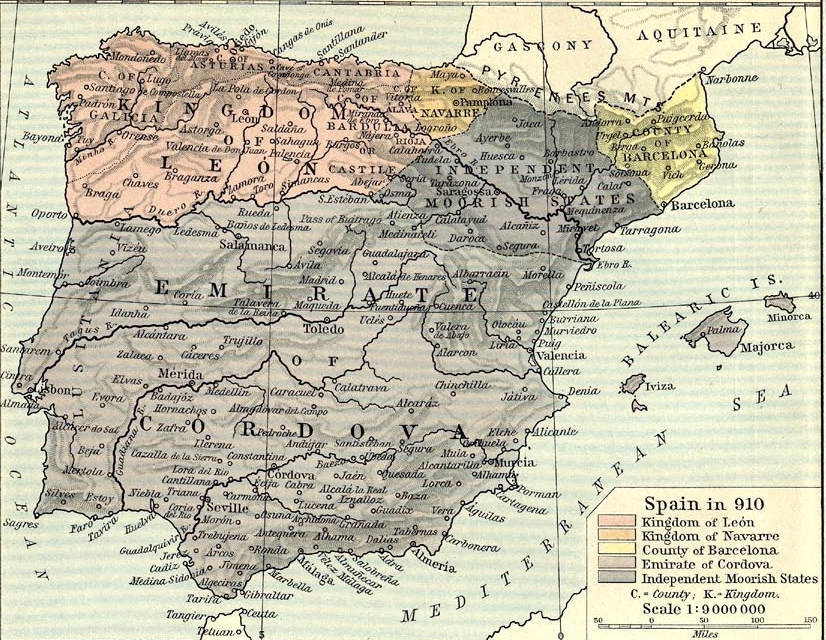
During the 12th century, the region of Portugal was established as part of the territories of the Kingdom of León. This recognition marked a pivotal moment in the history of Portugal's independence. With the Treaty of Zamora, the Kingdom of León acknowledged the sovereignty of Portugal, solidifying its autonomy. This event represented a crucial step towards Portugal's eventual independence.
The recognition of Portugal as a distinct territory meant that it could govern itself and make decisions independently from the Kingdom of León. This acknowledgment laid the foundation for Portugal to develop its own identity, culture, and governance structure. The event signaled the beginning of Portugal's journey towards becoming a separate kingdom.
By being recognized as part of the territories of the Kingdom of León, Portugal gained the legitimacy needed to assert its autonomy and independence. This recognition provided Portugal with the opportunity to grow and flourish as a nation. The event was a turning point in Portugal's history, shaping its future as an independent kingdom.
#Portugal #KingdomOfLeón #TreatyOfZamora #Independence #Sovereignty
View details0868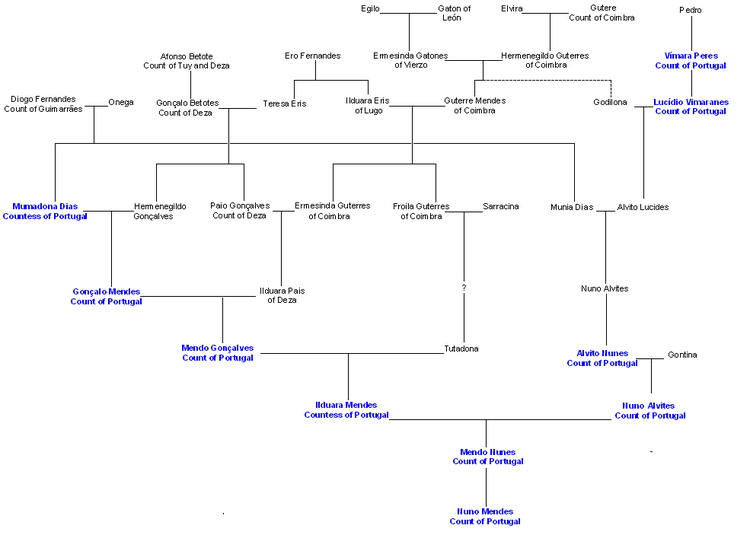
Vímara Peres, a nobleman and warrior, established the County of Portugal in the 9th century. Tasked by the King with pushing back the Moors, Peres successfully secured the region of Portus Cale, laying the foundation for the future nation of Portugal.
The establishment of the County of Portugal marked a significant shift in the balance of power in the Iberian Peninsula. As a result, the region gained autonomy and strategic importance in the ongoing conflicts between Christians and Muslims. This event served as a catalyst for the formation of a unique Portuguese identity, blending Moorish, Christian, and indigenous influences.
Through strategic military campaigns and alliances with local nobles, Peres secured and expanded the territory, setting the stage for future generations to continue his legacy. His actions contributed to shaping the borders and culture of Portugal, creating a distinct entity within the medieval kingdoms of Europe.
The legacy of Vímara Peres and the establishment of the County of Portugal endure to this day, serving as a symbol of resilience, cultural diversity, and the enduring spirit of the Portuguese people. #VímaraPeres #CountyofPortugal #PortugueseIdentity #MedievalHistory
View details844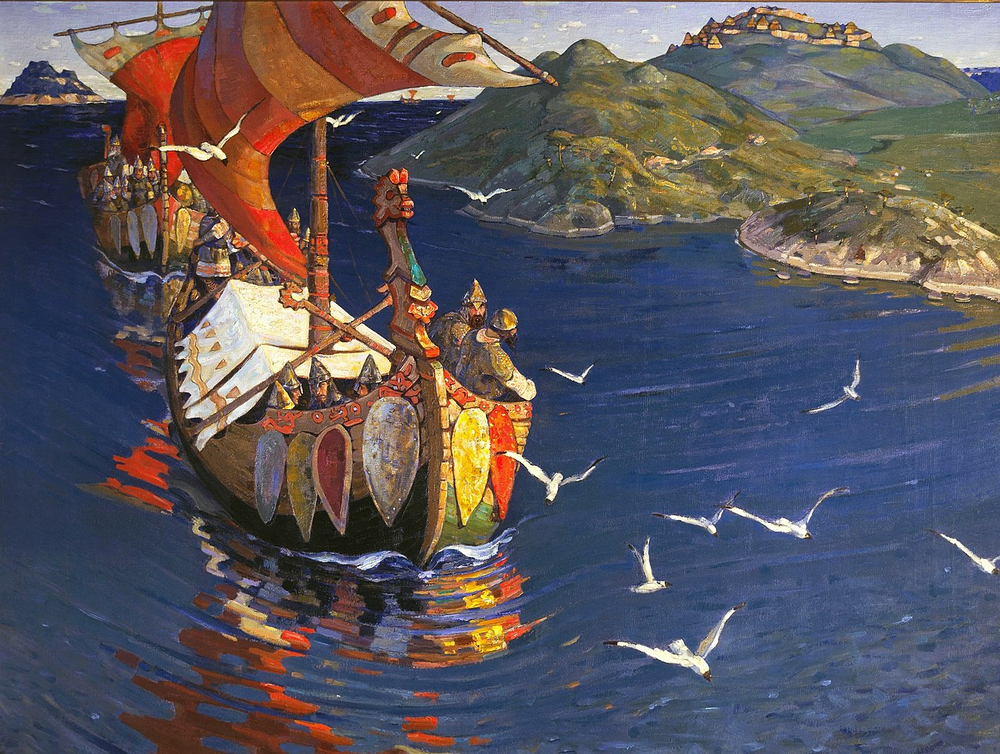
The Viking raids along the Portuguese coast were part of the Northmen's expansion into the Iberian Peninsula. These fierce seafarers, known for their swift longships and plundering tendencies, targeted the rich coastal towns of Portugal. The vulnerable coastal villages were attractive targets for the Vikings seeking valuable treasures and slaves.
The raids had a significant impact on the local population, causing fear and chaos as the Vikings struck swiftly and without warning. The coastal communities had to fortify their defenses and protect their valuables, leading to the development of stronger coastal fortifications and improved maritime security measures.
The Viking raids along the Portuguese coast highlighted the vulnerability of the region to external threats and the need for stronger naval defenses. It also intensified the interactions between the Vikings and the people of Portugal, leading to cultural exchanges and possible assimilation of Norse influences in the region.
The raids were a turbulent period in Portugal's history, showcasing the challenges faced by coastal communities in defending against foreign invasions. The events served as a reminder of the importance of maritime security and the need for unified defense strategies against external aggressors.
#VikingRaids #PortugueseCoast #NavalDefenses #CulturalExchanges
View details0711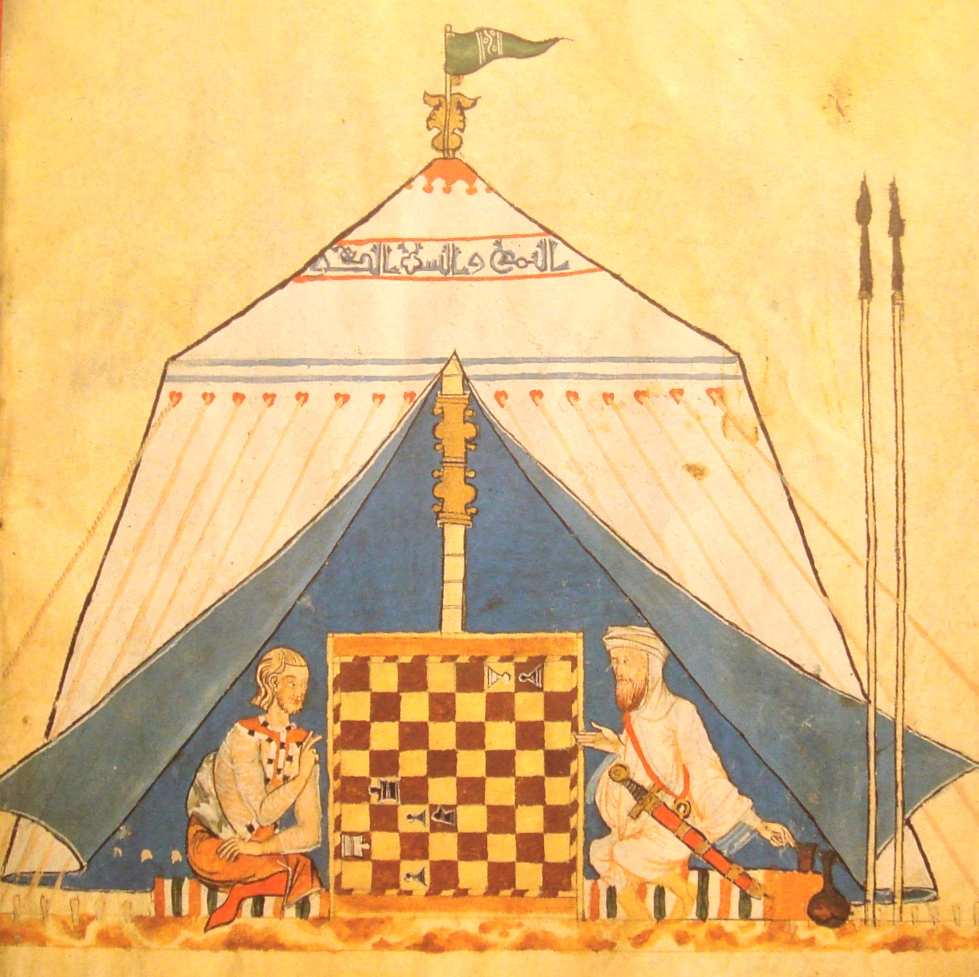
In 711, the Moors arrived in the Iberian Peninsula, leading to the commencement of Muslim rule in Portugal. This marked a significant turning point in the region's history, bringing profound cultural, architectural, and societal changes. The Moors, with their advanced knowledge in science, mathematics, and agriculture, greatly influenced the development of the area.
Their rule led to a period of prosperity and advancement, with key cities like Lisbon, Silves, and Faro flourishing as major cultural and economic hubs. The Moors also introduced new agricultural techniques, irrigation systems, and architectural styles that can still be seen in Portugal today.
The Muslim rule in Portugal lasted for centuries, leaving a lasting impact on the country's language, art, and cuisine. The blending of Moorish, Christian, and Jewish cultures resulted in a rich and diverse society.
The arrival of the Moors in the Iberian Peninsula reshaped the cultural landscape of Portugal, laying the foundation for the country's unique identity that continues to be celebrated today. #Moors #MuslimRule #CulturalExchange #IberianPeninsula #Portugal
View details0484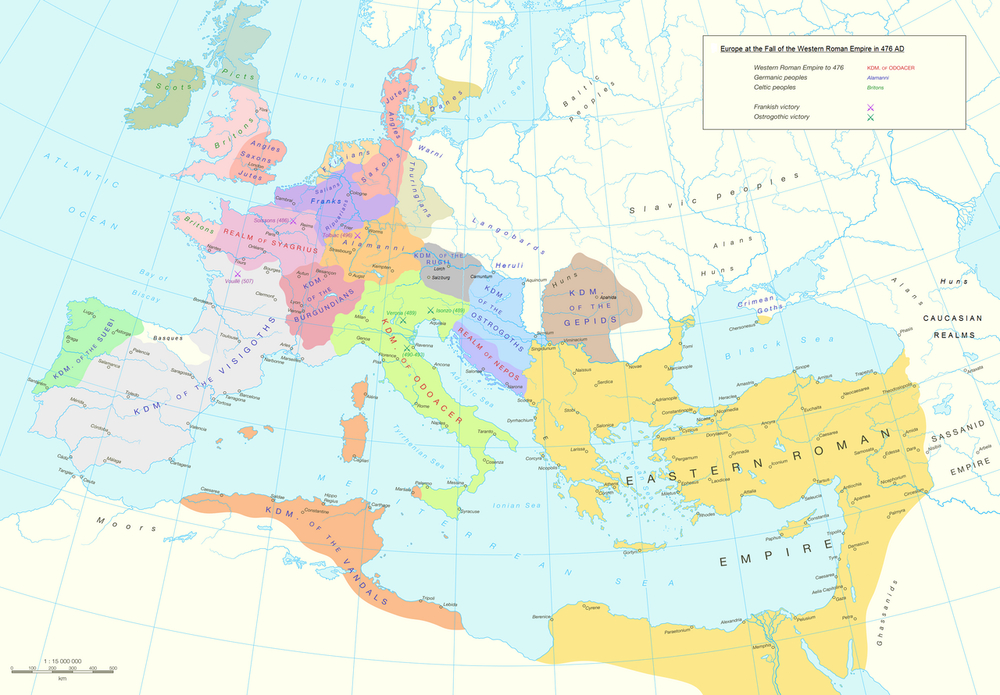
Following the collapse of the Western Roman Empire, the Visigoths established their dominance in the Iberian Peninsula. In 0484, the Visigothic Kingdom of Toledo was officially recognized, solidifying their power in the region. This recognition marked the culmination of Visigothic efforts to establish their rule and assert their authority over the territory.
The consolidation of the Visigothic Kingdom of Toledo had a significant impact on the political landscape of the Iberian Peninsula. It led to the establishment of a stable governance system and the centralization of power in Toledo. The Visigoths implemented policies to govern the diverse population of the region, including Romans, Suebi, and other groups. Additionally, the recognition of the kingdom helped legitimize Visigothic rule and strengthen their position in the region.
The Visigothic Kingdom of Toledo's official recognition was a turning point in the history of the Iberian Peninsula, shaping its political and cultural development for centuries to come. The consolidation of Visigothic power in the region laid the foundation for the subsequent history of Portugal and Spain, influencing their identities and shaping their societies.
#Visigoths #Toledo #IberianPeninsula #PoliticalPower #HistoricalLegacy #Portugal
View details0419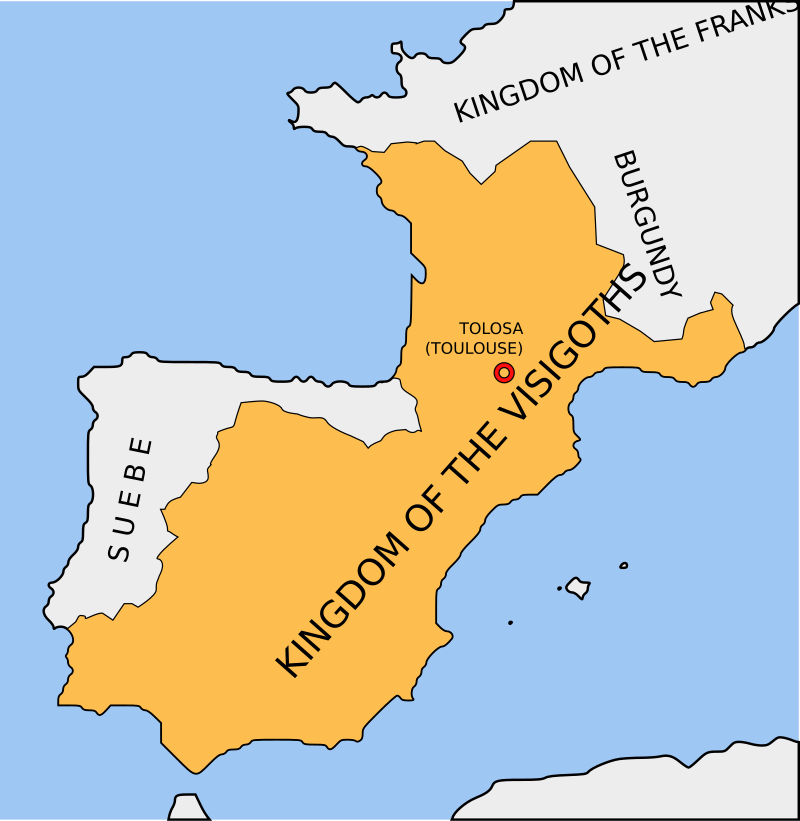
In 0419, the Visigoths successfully conquered Lisbon, establishing it as a crucial city in the region. This event marked a significant shift in power dynamics in the Iberian Peninsula. The Visigoths, a Germanic tribe, overthrew the Roman rule and brought their governance to Lisbon.
The conquest of Lisbon by the Visigoths had a lasting impact on the region. It solidified Lisbon's status as a strategic and influential city, paving the way for its development as a key political and economic center. The Visigoths' rule brought about changes in administration, infrastructure, and culture, shaping the future trajectory of the city.
Under Visigothic rule, Lisbon flourished as an important hub for trade and communication. The establishment of the city as a prominent center attracted merchants, craftsmen, and settlers, contributing to its growth and prosperity.
The Visigothic conquest of Lisbon reshaped the political landscape of the Iberian Peninsula and left a lasting imprint on the city's identity. The event marked a pivotal moment in the history of Lisbon, setting the stage for its evolution into a significant urban center in the region. #Visigoths #LisbonConquest #IberianPeninsula #HistoricalEvent #Portugal
View details0411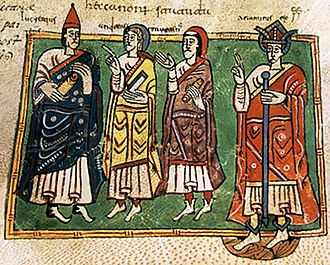
The Council of Braga convened to address crucial ecclesiastical matters affecting the Iberian Peninsula. Held in Braga, Portugal, prominent bishops and church officials gathered to discuss issues impacting the religious landscape of the region.
During the council, topics such as clerical discipline, the spread of Christianity, and doctrinal disputes were meticulously deliberated upon. Decisions made at the Council of Braga played a significant role in shaping the religious practices and beliefs of the local Christian communities.
Moreover, the outcomes of the council had a lasting impact on the governance and organization of the Church in the region, influencing its trajectory for years to come. The discussions and resolutions reached at the Council of Braga contributed to the development of ecclesiastical policies and practices in Portugal and beyond.
This gathering underscored the importance of unity and collaboration among religious leaders in addressing theological challenges and upholding the integrity of the Christian faith. The Council of Braga stands as a testament to the enduring legacy of religious assemblies in shaping the beliefs and practices of their respective communities. #CouncilofBraga #EcclesiasticalMatters #ChurchHistory
View details0409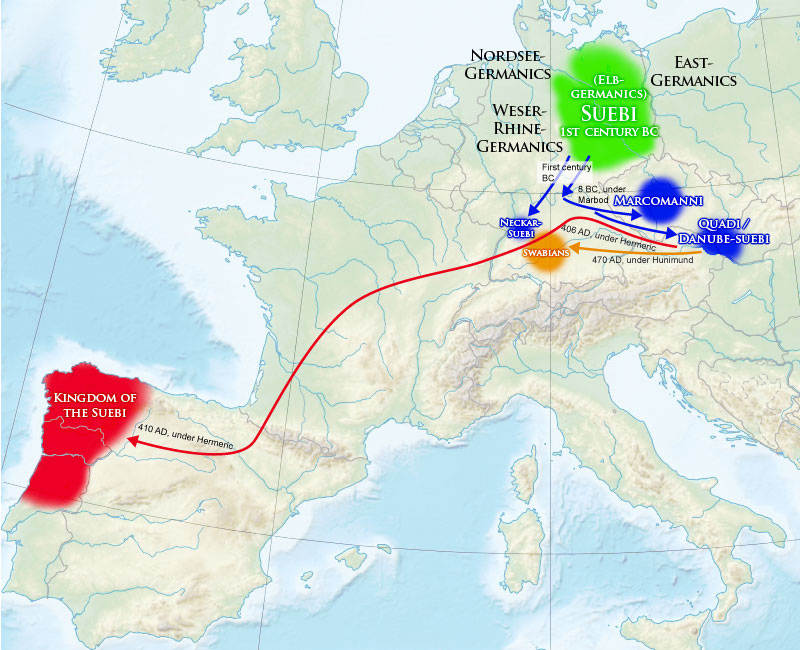
Originating from central Europe, the Suebi, a Germanic tribe, established their kingdom in what is now known as Portugal. The Suebi's migration into the Iberian Peninsula was part of the larger movements of barbarian groups into the declining Roman Empire. Their arrival marked a significant shift in the region's political landscape as they carved out their own territory.
The Suebi's kingdom in Portugal had a lasting impact on the region's culture and history. They brought their Germanic traditions and language, influencing the local populations they encountered. Their rule also had political consequences, as they clashed with the Visigoths and other tribes vying for control of Iberia.
The establishment of the Suebi kingdom in present-day Portugal laid the foundation for the development of medieval kingdoms on the Iberian Peninsula. Their presence helped shape the unique blend of cultures that defines Portugal's identity today.
#Suebi #GermanicTribe #Portugal #IberianPeninsula #Kingdom #HistoricalLegacy
View details0306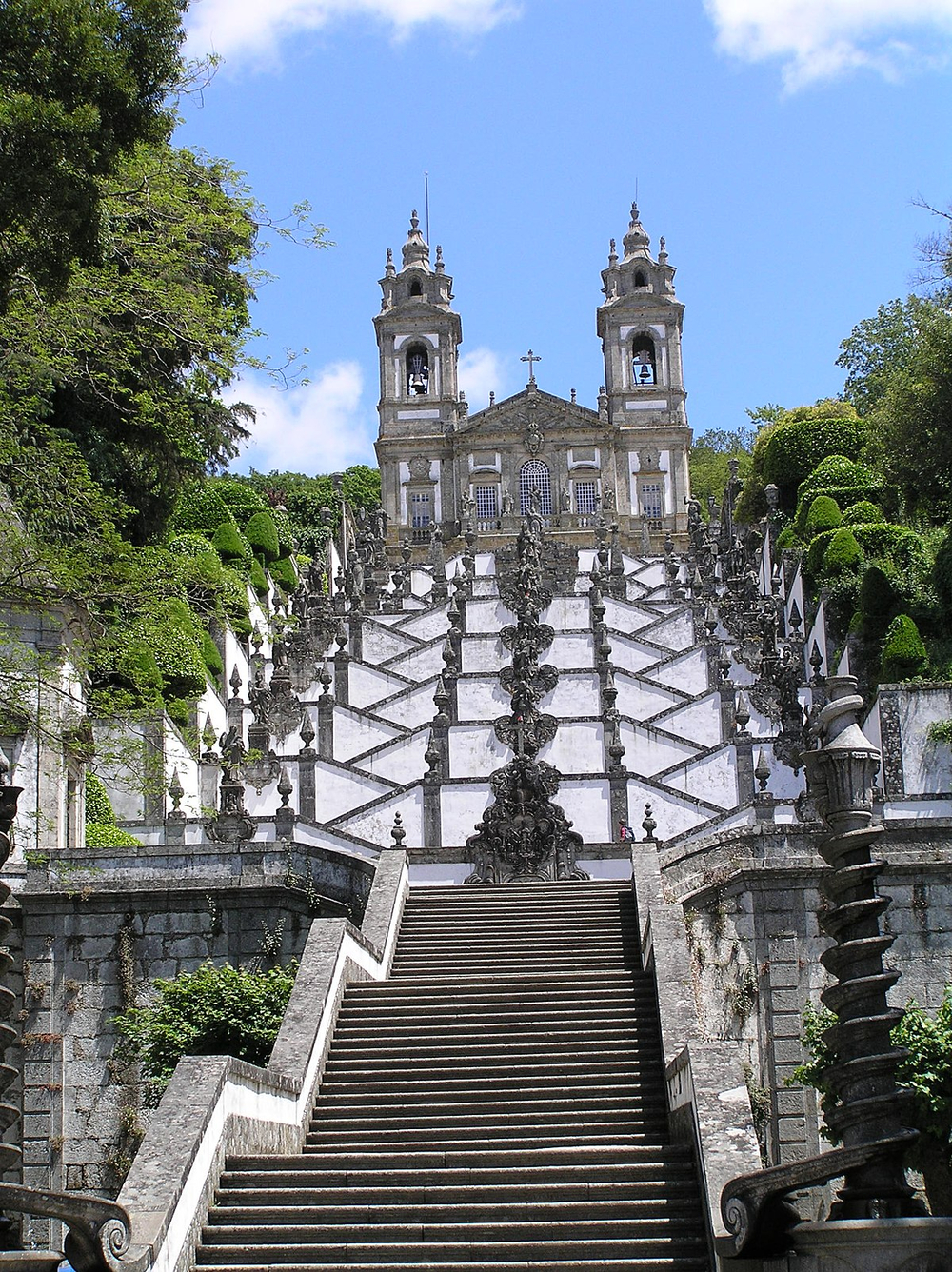
The Council of Elvira played a pivotal role in establishing the Diocese of Braga, making it Portugal's first diocese. This decision laid the foundation for the organization of the Catholic Church in the region. Braga, known for its religious significance, was chosen as a strategic location for the diocese. The establishment of the diocese brought a sense of structure and authority to the Church in Portugal, allowing for better administration of religious affairs.
The impact of this decision extended beyond just the religious sphere. It influenced the cultural and social fabric of the region, as the Church played a central role in medieval European society. The Diocese of Braga wielded considerable influence over the population, shaping beliefs, morals, and even politics. Over time, the diocese became a symbol of religious power and authority in Portugal, leaving a lasting legacy that continues to this day.
Today, the establishment of the Diocese of Braga remains a poignant moment in Portuguese history, highlighting the early development of the Church in the region. It signifies the enduring importance of religion in shaping society and culture, while also showcasing the rich historical heritage of Portugal. #DioceseOfBraga #CouncilOfElvira #PortugueseHistory
View details300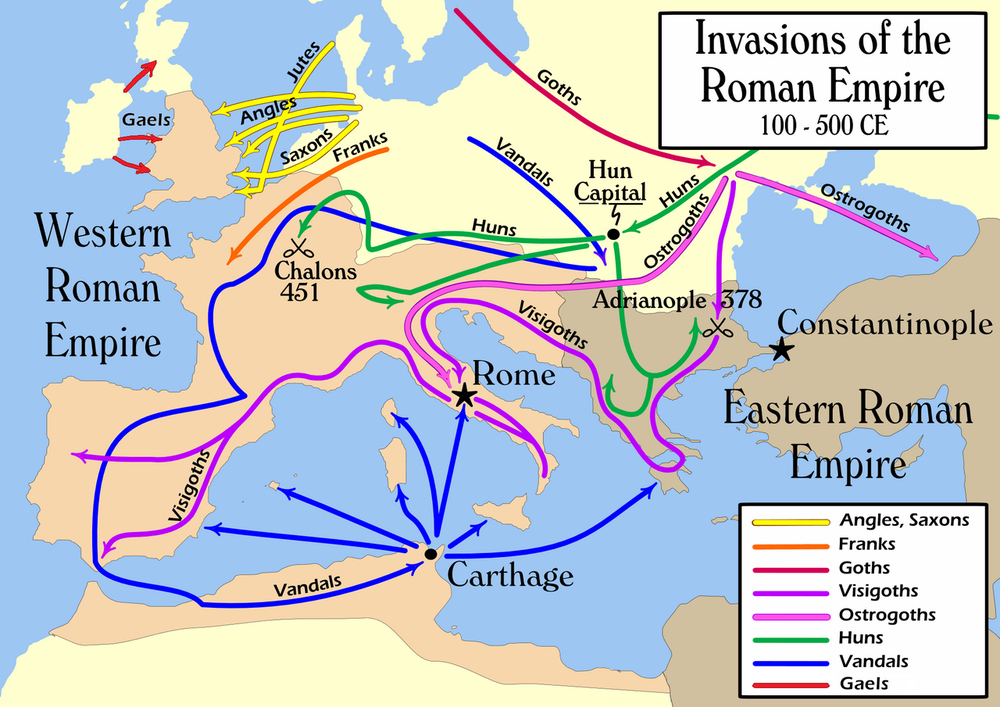
The migration of Germanic tribes, such as the Suebi and the Vandals, into the Iberian Peninsula brought significant changes to the region. These tribes crossed over the Pyrenees and settled in various parts of what is now modern-day Portugal.
The arrival of the Germanic tribes marked a period of conflict and instability in the Iberian Peninsula, as they clashed with the existing Roman and Visigothic populations. The Suebi established their kingdom in the northwest of the peninsula, while the Vandals settled in the south.
The Suebi and the Vandals left a lasting impact on the region, influencing its culture, language, and societal structure. They introduced new customs and beliefs, contributing to the diversity of the Iberian Peninsula.
The migration of these Germanic tribes into the Iberian Peninsula reshaped the political landscape of the region, setting the stage for further invasions and power struggles in the centuries to come. Their presence left a lasting imprint on the history of Portugal, as their legacy continued to be felt long after their initial arrival.
#GermanicTribes #Migration #IberianPeninsula #Portugal #Suebi #Vandals.
View details0217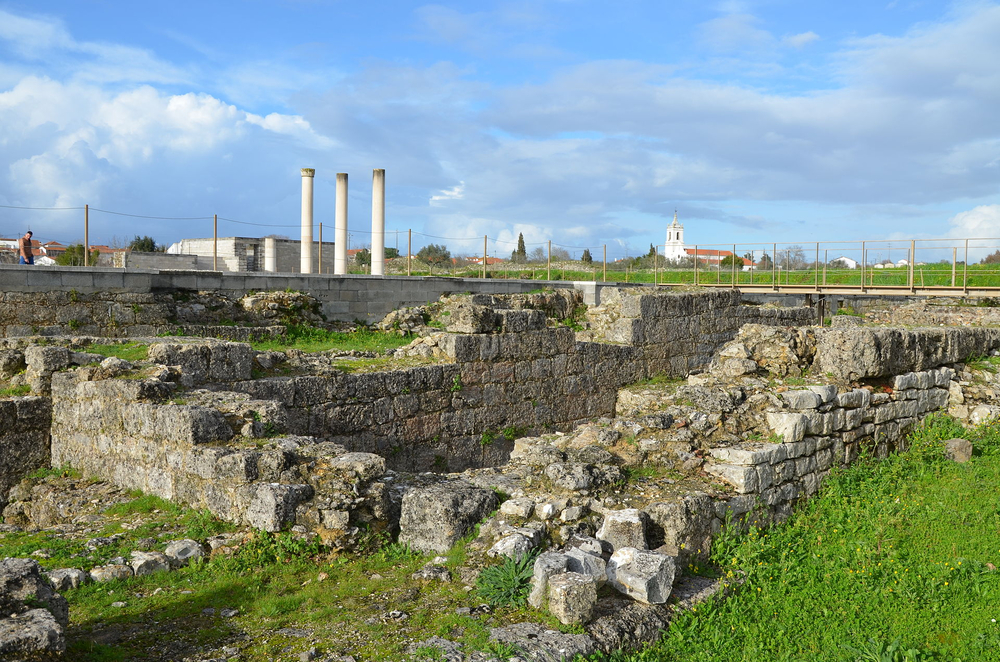
The construction of the Roman amphitheater complex in Conimbriga marked a pivotal moment in showcasing the Roman influence in Lusitania, present-day Portugal. The amphitheater complex was built to accommodate various forms of entertainment, such as gladiator fights and animal hunts, a common practice in Roman culture. With its strategic location along the ancient Roman road network, Conimbriga became a bustling hub for social gatherings and cultural exchanges.
The Roman amphitheater complex not only served as a center for entertainment but also played a crucial role in reinforcing Roman authority and cultural norms in the region. The architectural design of the complex, characterized by its elliptical shape and tiered seating, reflected Roman engineering prowess and architectural ingenuity.
The presence of the amphitheater complex in Conimbriga highlighted the enduring legacy of Roman civilization in Lusitania, leaving a lasting impact on the local population and shaping the cultural landscape of the region for generations to come. Today, the ruins of the amphitheater complex stand as a testament to the rich historical heritage of Conimbriga and its ties to the Roman Empire.
#RomanInfluence #ConimbrigaAmphitheater #CulturalHeritage #Lusitania #Portugal
View details