
Portugal

The Land of Explorers
About
#Portugal
#VisitPortugal
#ExplorePortugal
Life Classification
Country
Life ID
EL2703238701775
Verified Name
portugal
Life Type
Entity Life
Life Editor(s)
History Editorial Network (HEN)
Life Privacy
Public
Subscription
Elite
Created On
2024-03-01
Updated On
2025-12-19
Connect
Related Lives

Luxembourg
The Gibraltar of the North
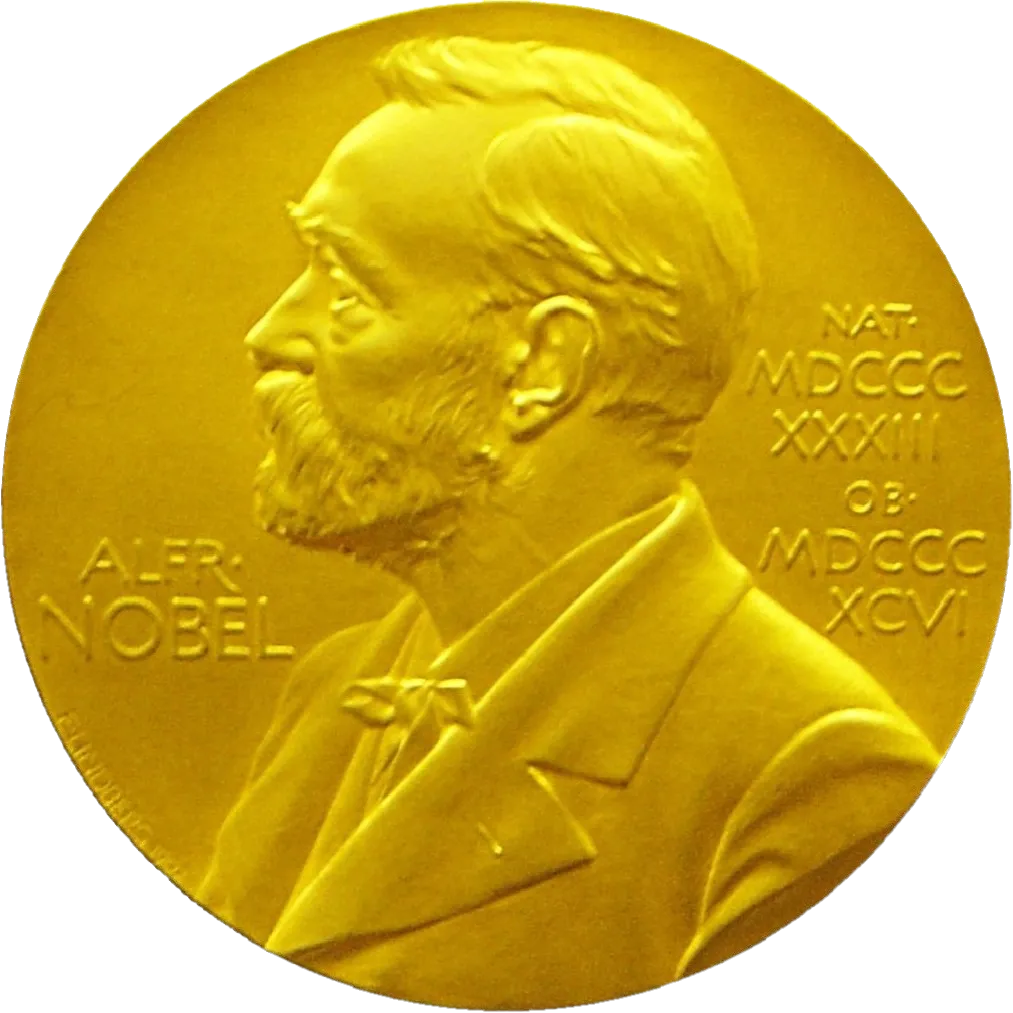
Nobel Prize in Physics
Celebrating the Pioneers of Science

Malawi
Warm Heart of Africa

Slovenia
Green Heart of Europe
Monarchy of the United Kingdom
The enduring legacy of the Royal Family.
Burkina Faso
The Heart of West Africa

Comoros
A Blend of Cultures, Natural Beauty, and Challenges
Azerbaijan
The Land of Fire

2026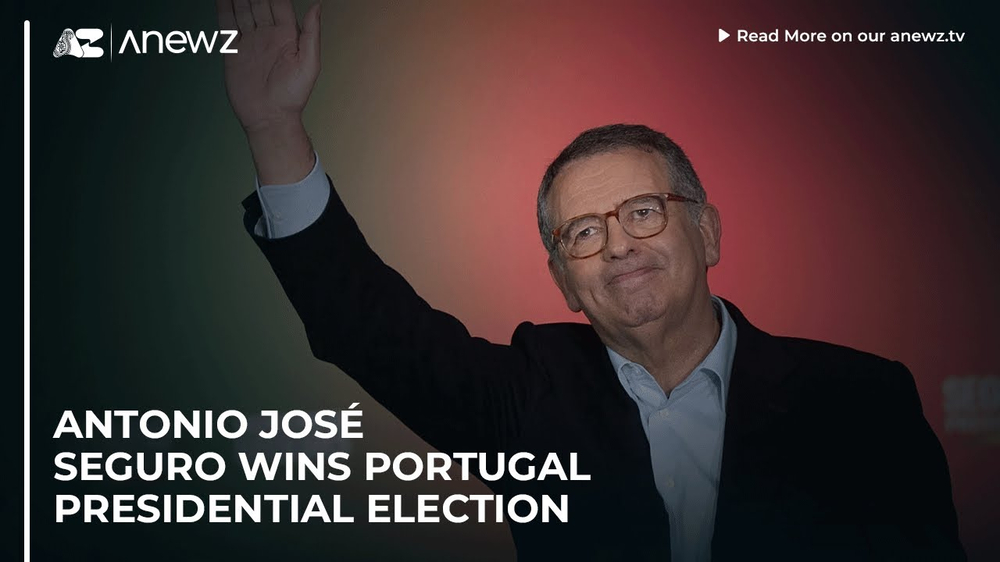
Portugal’s 2026 presidential election concluded on February 8, 2026, with Socialist Party (PS) candidate António José Seguro elected President of Portugal after winning the second-round runoff against André Ventura, leader of the far-right party Chega.
With most votes counted, Seguro secured about two-thirds of the vote-reported at 66.82% (3,482,481 votes)-while Ventura received 33.18% (1,729,381 votes). Reporting on election night described the outcome as a clear win for Seguro, while noting that Ventura’s share represented an unusually high result for a far-right challenger in a Portuguese presidential race.
The runoff followed a first round on January 18, 2026, held under Portugal’s two-round system when no candidate reaches an absolute majority. Turnout in the second round was reported at about 50%. While Portugal’s presidency is largely ceremonial, it includes constitutional powers such as vetoing legislation and dissolving parliament under defined conditions-factors that kept the contest closely watched beyond party politics.
#Portugal #AntonioJoseSeguro #AndreVentura #Chega #PS
View details2025
Severe wildfires swept across Portugal, burning more than 275,000 acres as an intense European heatwave fueled extreme fire conditions. Prolonged high temperatures, low humidity, and strong winds accelerated the spread of multiple blazes, particularly in central and northern regions. Authorities deployed thousands of firefighters, aircraft, and military support to contain the fires, while several communities were evacuated as a precaution. The fires damaged homes, disrupted transport, and caused significant environmental losses, with air quality deteriorating across affected areas.
The crisis highlighted growing concerns over climate change and its role in increasing the frequency and intensity of heatwaves and wildfires across southern Europe. Portuguese officials urged residents to follow safety advisories and imposed temporary restrictions on forest access and agricultural burning. The government also coordinated with European partners for aerial firefighting assistance under the EU Civil Protection Mechanism. As temperatures gradually eased, emergency services continued containment and recovery efforts, assessing damage and supporting displaced residents. The wildfires underscored the region’s vulnerability to extreme weather and the need for long-term fire prevention and climate adaptation strategies.
View detailsPortugal won the UEFA Nations League Finals after defeating Spain on penalties, securing another major international title and reinforcing its position among Europe’s elite football nations. The final match was closely contested, with both teams displaying strong tactical discipline, technical quality, and defensive organization. After a balanced performance in regular time and extra time, neither side was able to find a decisive goal, pushing the match to a penalty shootout. Portugal showed composure under pressure, successfully converting their spot kicks, while Spain missed a crucial attempt. The victory added another trophy to Portugal’s recent history of international success, following earlier achievements in European competitions.
The win carries significant sporting and national importance for Portugal. It highlights the team’s ability to compete consistently at the highest level, blending experienced players with emerging talent under a well-structured system. The triumph also strengthens Portugal’s reputation for mental resilience, particularly in high-pressure situations such as penalty shootouts. For Spain, the final represented another strong performance on the international stage, despite falling short of the title, and demonstrated continued progress in rebuilding and tactical development. More broadly, the Nations League final showcased the competitiveness and quality of modern European football, offering fans an intense and high-level contest. Overall, Portugal’s penalty shootout victory over Spain underscores the importance of preparation, composure, and depth in international tournaments, while reaffirming Portugal’s status as a leading force in European football.
View details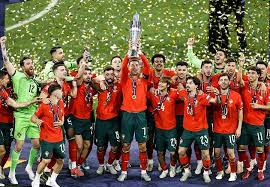
2024
On a notable day, Bulgaria and Romania achieved a significant milestone by becoming part of the Schengen Area through sea and air routes. This expansion marks a crucial step in the ongoing integration process within the European Union. The Schengen Area, known for its policy of passport-free travel across member countries, now facilitates smoother transit for citizens traveling by sea and air in and out of Bulgaria and Romania.
The inclusion of Bulgaria and Romania in the Schengen Area's sea and air routes is the result of sustained efforts and extensive evaluations. Both countries had to meet stringent criteria regarding border management, security, and data protection standards set by the EU. This development reflects their progress in aligning with the Schengen acquis, which standardizes border controls and visa policies among participating countries.
Before this inclusion, Bulgaria and Romania faced criticism over issues such as corruption, organized crime, and insufficient border controls, which delayed their full membership in the Schengen Area. Over time, both nations have implemented substantial reforms to address these concerns, garnering support and recognition from other EU member states.
The impact of this inclusion is multifaceted. It is expected to boost economic activities by enhancing tourism and trade. Easier and more efficient travel routes can lead to increased tourist flow, which is vital for both nations' economies, primarily driven by the service and tourism sectors. Additionally, businesses in Bulgaria and Romania can benefit from streamlined logistics and reduced costs associated with moving goods through maritime and aerial transport.
Statistics highlight the significance of this move: anticipated increases in annual tourists, estimated at over 1.5 million additional visitors combined, and a potential rise in GDP growth by 0.5% in the coming years due to improved trade flows and foreign investments.
While this marks a considerable achievement for Bulgaria and Romania, it also exemplifies the European Union's commitment to furthering integration and economic cohesion among member states. The move will likely encourage continuous improvements in border management practices and foster stronger alliances within the EU.
#MoofLife #SchengenExpansion #EUIntegration #Bulgaria #Romania #TravelAndTrade #EconomicImpact
View detailsThe Democratic Alliance won the Portuguese legislative election and formed a minority government. This victory followed widespread dissatisfaction with the incumbent administration. The Democratic Alliance, a centrist political group, capitalized on voters' desires for political change.
Leading up to the election, economic issues, healthcare, and education were primary voter concerns. With 210 seats in the Assembly of the Republic, the Democratic Alliance secured 86 seats, falling short of a majority, thus necessitating the formation of a minority government. The incumbent government, the Socialist Party, garnered 82 seats, reflecting a significant decline in support.
This shift in political power is set to impact various policy approaches. The Democratic Alliance has emphasized fiscal responsibility, economic reform, and improvements in public services. Challenges such as negotiating support from other parties for passing legislation will shape this minority government’s approach.
Voter turnout was recorded at 68%, indicating active public engagement. Analysts predict that coalition partnerships and strategic alliances will play a crucial role in the governance process. The new government faces the immediate task of addressing national debt and implementing reforms to boost economic growth.
The international community is observing the Democratic Alliance’s strategies closely, particularly concerning European Union policies and economic relations.
#PortugueseElection #DemocraticAlliance #PoliticalShift #MinorityGovernment #MoofLife
View details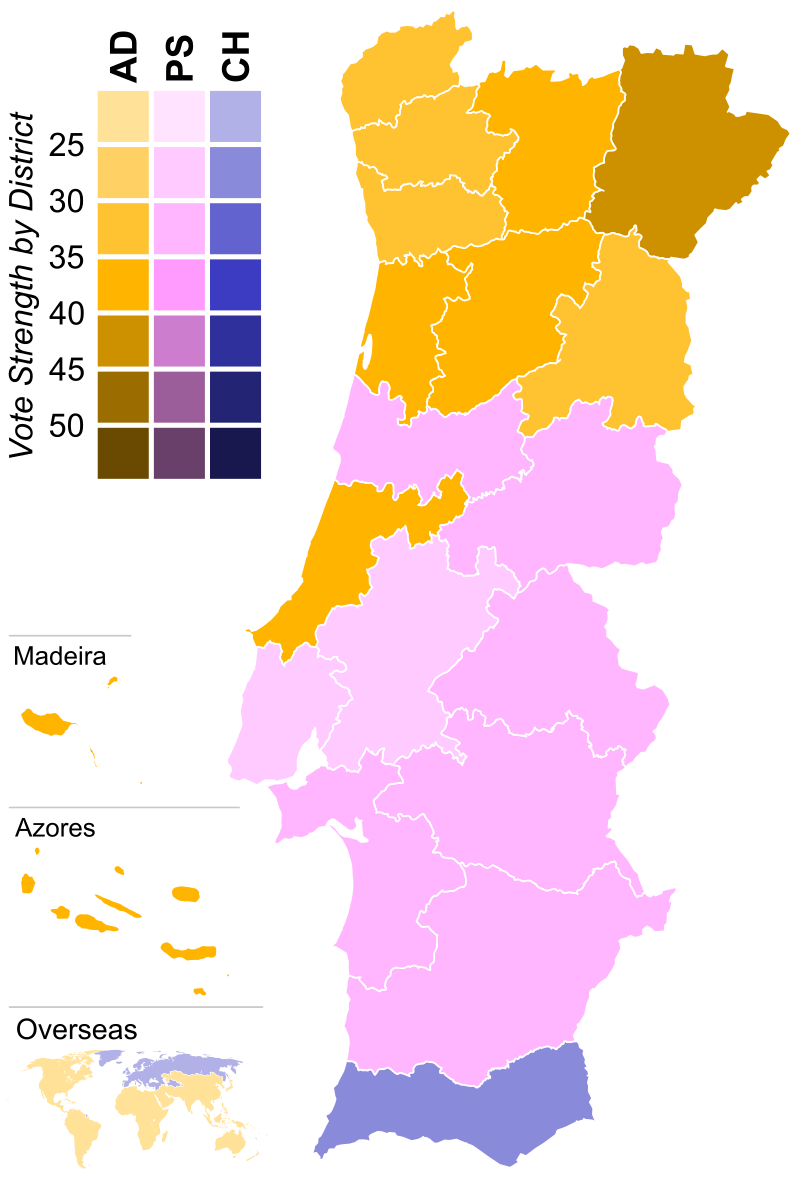
2022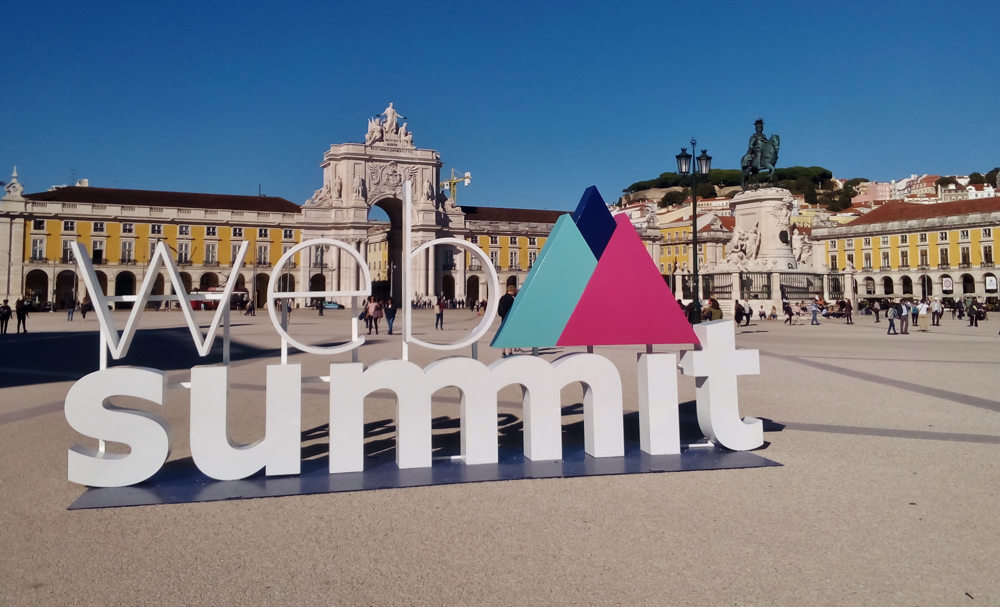
Lisbon recently welcomed the Web Summit, a renowned global tech conference that drew thousands of participants from various corners of the world. This event, originally launched in 2010, has grown into one of the largest of its kind, attracting industry leaders, entrepreneurs, and tech enthusiasts.
The Web Summit in Lisbon facilitated networking opportunities, knowledge sharing, and discussions on cutting-edge technologies and digital trends. The event featured keynote speeches, panel sessions, workshops, and product demonstrations, providing valuable insights into the future of technology and its impact on society.
Attendees had the chance to engage with innovative startups, established tech companies, and thought leaders, fostering collaborations and partnerships. The conference also offered a platform for showcasing groundbreaking ideas and projects, driving inspiration and fostering creativity within the tech community.
Overall, the Web Summit in Lisbon served as a catalyst for driving innovation, fostering connections, and shaping the future of the tech industry on a global scale. As participants returned to their respective destinations, they carried with them new perspectives, insights, and ideas to fuel further advancements in the world of technology.
#WebSummit #Lisbon #TechConference #Innovation #GlobalImpact
View details2021
Portugal achieved a milestone by becoming the inaugural European nation to immunize 80% of its citizens against COVID-19. This success is attributed to the country's robust vaccination campaign and high vaccination acceptance rates among the population. The government, in collaboration with healthcare professionals, implemented efficient distribution strategies, ensuring widespread access to vaccines across the nation.
The impact of Portugal's accomplishment is evident in the significant reduction of COVID-19 cases, hospitalizations, and fatalities. The achievement has enabled the country to safely reopen its economy, tourism sector, and social activities, fostering a sense of normalcy. With a well-protected population, Portugal is better equipped to manage potential future outbreaks and safeguard public health.
The milestone underscores the importance of vaccination in combating the pandemic and serves as a model for other nations striving to achieve widespread immunization coverage. Portugal's achievement reflects a collective effort and commitment to public health, highlighting the effectiveness of proactive vaccination strategies in mitigating the spread of infectious diseases.
#Portugal #COVID19Vaccination #PublicHealth #Milestone #HerdImmunity
View detailsCristiano Ronaldo, the renowned Portuguese footballer, achieved the milestone of becoming the leading goal scorer in international football, surpassing Ali Daei's record. This accomplishment solidified Ronaldo's status as one of the greatest footballers in history. Known for his exceptional athleticism and goal-scoring prowess, Ronaldo's dedication to his craft has been evident throughout his career.
Ronaldo's feat garnered global attention, with fans and experts alike acknowledging the significance of his achievement. The record-breaking goal not only highlighted Ronaldo's individual brilliance but also showcased Portugal's strength as a team. Ronaldo's leadership and scoring abilities have been instrumental in driving Portugal to numerous victories on the international stage.
As Ronaldo celebrated this historic moment, accolades poured in from all corners of the world, recognizing his unparalleled talent and work ethic. His relentless pursuit of excellence has inspired a generation of aspiring footballers and cemented his legacy in the annals of the sport.
#CristianoRonaldo #Portugal #GoalScorer #RecordBreaker #FootballLegend
View details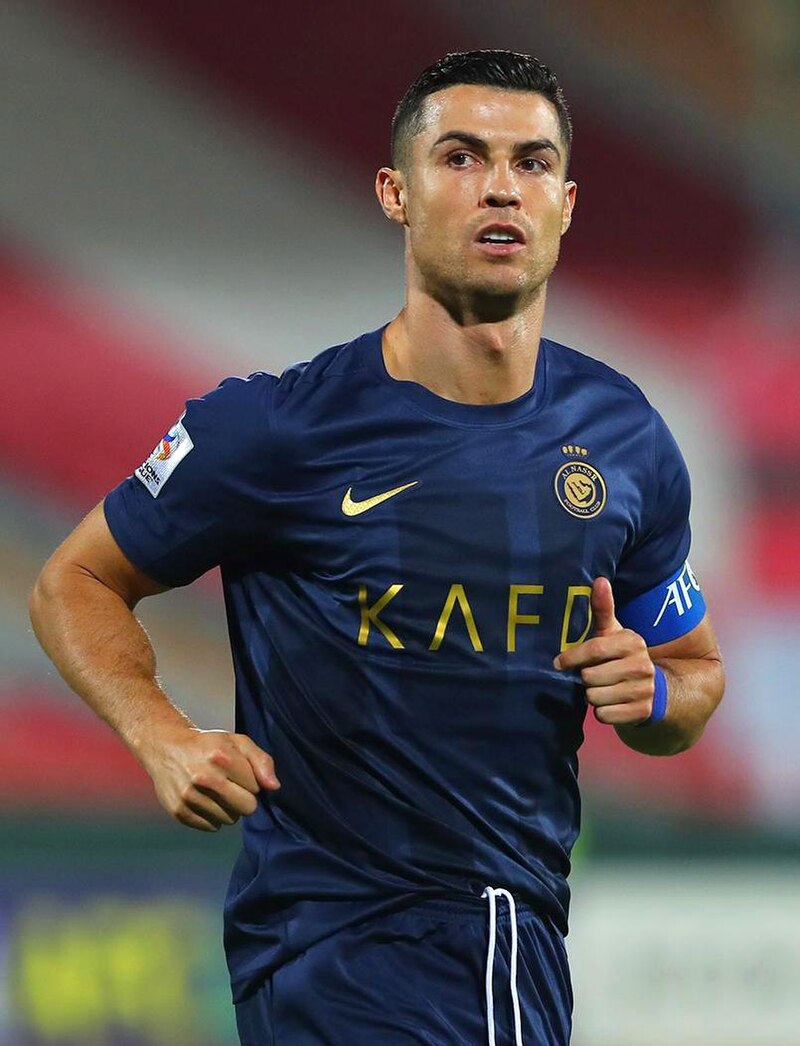
2017
Portugal was honored once again as the World's Best Golf Destination by the World Golf Awards, securing the prestigious title for the fourth consecutive time. Positioned as a premier golfing destination, Portugal boasts stunning golf courses against a backdrop of scenic landscapes, attracting enthusiasts globally. The country's commitment to excellence in golf tourism is exemplified through its top-tier facilities and exceptional hospitality services. This recognition reaffirms Portugal's reputation as a leading destination for golfers seeking world-class experiences.
The impact of being named the World's Best Golf Destination resonates throughout Portugal's tourism industry, drawing attention to its diverse offerings beyond golf. The accolade contributes significantly to the country's economy by boosting tourism revenue and attracting golf travelers seeking unforgettable experiences. Portugal's continuous success in the global golfing community underscores its unwavering dedication to maintaining exceptional standards in the sport and leisure sector.
This accolade highlights Portugal's continuous pursuit of excellence in golf tourism, reinforcing its position as a top choice for travelers seeking exceptional golfing experiences amidst scenic beauty and unparalleled hospitality. The country's reputation as the World's Best Golf Destination further solidifies its status as a premier destination for golf enthusiasts worldwide.
#Portugal #GolfDestination #WorldGolfAwards #TourismExcellence
View detailsIn June 2017, Portugal faced a disastrous event as forest fires swept through the country, leaving a trail of death and destruction. The fires were fueled by a combination of extreme heat, strong winds, and dry conditions, making them difficult to contain.
The impact was staggering, with numerous lives lost and thousands of homes and acres of land destroyed. The fires ravaged several regions, including Pedrógão Grande, where a significant number of casualties were reported. Firefighters worked relentlessly to extinguish the flames, but the sheer intensity of the infernos posed a great challenge.
The aftermath of the event left communities in mourning and shocked by the scale of devastation. The loss of life and property was profound, marking one of the country's darkest chapters in recent history. The Portuguese government declared a state of emergency and launched investigations to determine the causes of the fires and prevent future occurrences.
#PortugalWildfires #ForestFiresDisaster #TragedyAndRecovery
View details
On May 13, 2017, Portuguese singer Salvador Sobral achieved a historic victory at the Eurovision Song Contest, held in Kyiv, Ukraine. Sobral's win marked Portugal's first triumph in the competition since its debut in 1964, ending a 53-year wait for the coveted title. His poignant and minimalist performance of "Amar pelos dois" (Love for Both), written by his sister Luísa Sobral, captivated audiences and juries alike, earning him top marks and widespread acclaim.
The Song: "Amar pelos dois"
"Amar pelos dois" is a heartfelt ballad that stands out for its simplicity and emotional depth. Unlike many Eurovision entries, which often rely on elaborate staging and high-energy performances, Sobral's song featured a stripped-back arrangement with a focus on melody and lyrics. Accompanied by soft piano and strings, Sobral delivered the song with an intimate and soulful interpretation, emphasizing its lyrical beauty and emotional resonance.
The song's lyrics speak of unrequited love and the longing to be loved, a theme that resonated deeply with listeners. Luísa Sobral's composition drew inspiration from classic jazz and bossa nova, bringing a timeless quality to the piece that set it apart from the typical Eurovision fare.
Salvador Sobral's Performance
Salvador Sobral's performance was noted for its authenticity and emotional intensity. Known for his unique vocal style and expressive delivery, Sobral performed "Amar pelos dois" with a sense of vulnerability and sincerity that connected powerfully with the audience. His decision to perform on a smaller stage, closer to the audience, added to the intimate atmosphere and highlighted the song's emotional core.
Sobral's approach to the competition was also distinct in his focus on music as an art form rather than a spectacle. He famously stated that music is not fireworks, advocating for a return to genuine artistry and emotional expression in the Eurovision Song Contest.
The Impact of the Win
Sobral's victory was met with overwhelming joy in Portugal and was celebrated as a significant cultural milestone. The win brought national pride and recognition to Portuguese music and culture on an international stage. It also underscored the importance of musical authenticity and emotional connection, influencing future entries in the competition.
Following his win, "Amar pelos dois" received widespread acclaim and commercial success across Europe. The song topped charts in several countries and brought renewed attention to the Eurovision Song Contest, demonstrating that a heartfelt ballad could triumph in a competition often dominated by high-energy performances.
Personal Challenges and Triumphs
Salvador Sobral's journey to the Eurovision stage was marked by personal challenges. At the time of the competition, he was dealing with serious health issues, awaiting a heart transplant that he eventually received later in 2017. Despite his health struggles, Sobral's dedication to his craft and his emotional resilience shone through in his performance.
His story added an additional layer of poignancy to his Eurovision win, highlighting themes of perseverance and the power of music to transcend personal hardships. Sobral's success also brought attention to the importance of organ donation, raising awareness and inspiring many with his journey.
Legacy
Salvador Sobral's victory at Eurovision 2017 left a lasting legacy on the contest and the music industry. It reaffirmed the value of artistic integrity and emotional authenticity in music, influencing future Eurovision entries to focus on genuine expression rather than spectacle alone. His win is often cited as a turning point in the competition's history, showcasing that simplicity and emotional depth can prevail in a field known for its diversity and theatricality.
For Portugal, Sobral's win was a moment of national pride and cultural significance, highlighting the country's rich musical heritage and its contributions to the global music scene. It also inspired a new generation of musicians to pursue their artistic visions with authenticity and passion.
Hashtags
#SalvadorSobral #Eurovision2017 #AmarPelosDois #PortugueseMusic #EmotionalPerformance #MusicAuthenticity #NationalPride #EurovisionHistory #MomentsOfLife #MoofLife_Moment #MoofLife
View details
2016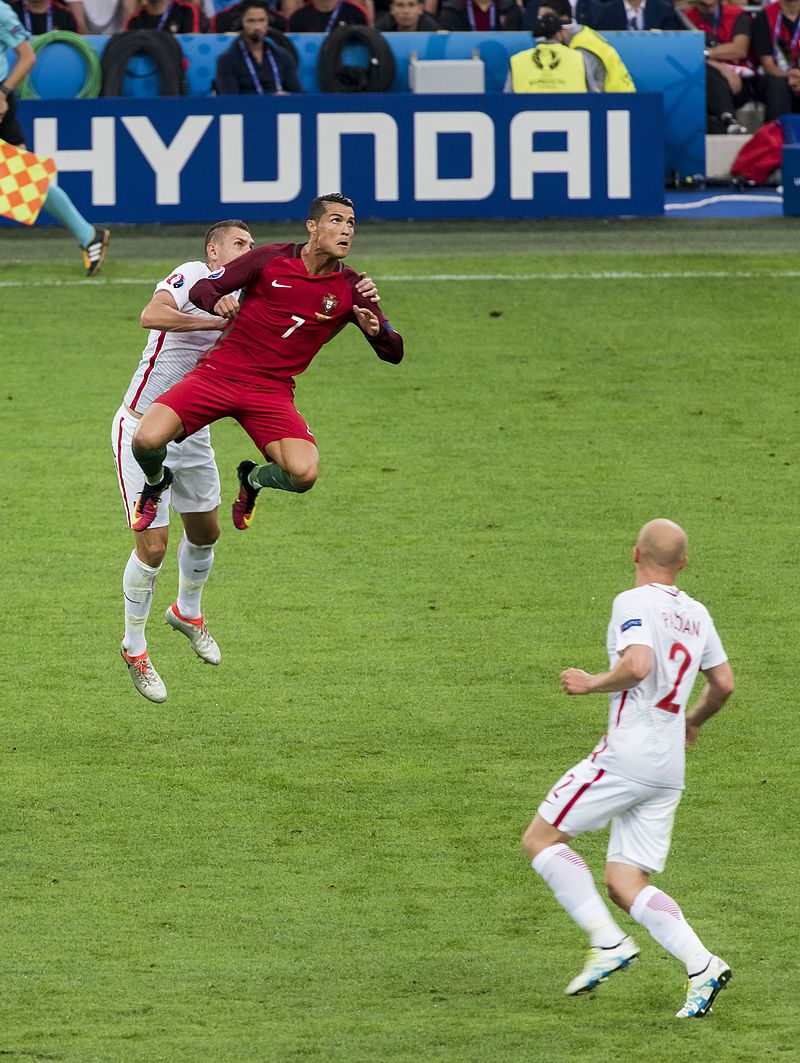
In 2016, Portugal secured victory in the Euro 2016 football championship after a thrilling match against France. Despite losing their star player, Cristiano Ronaldo, due to injury in the early stages of the final, Portugal exhibited resilience and determination throughout the tournament. The winning goal was scored by Eder in extra time, leading Portugal to their first major international title.
The impact of Portugal's triumph was significant, with fans celebrating across the country and Portuguese communities worldwide. The achievement brought a sense of pride and unity to the nation, highlighting the talent and strength of Portuguese football. The victory also marked a historic moment for the team and their coach, Fernando Santos, showcasing their ability to overcome challenges and emerge victorious against formidable opponents.
The Euro 2016 win solidified Portugal's position in the football world and left a lasting legacy for future generations. It was a moment of glory that will forever be remembered in the hearts of Portuguese football fans, serving as inspiration and motivation for continued success in the sport.
#Portugal #Euro2016 #FootballChampions
View details2011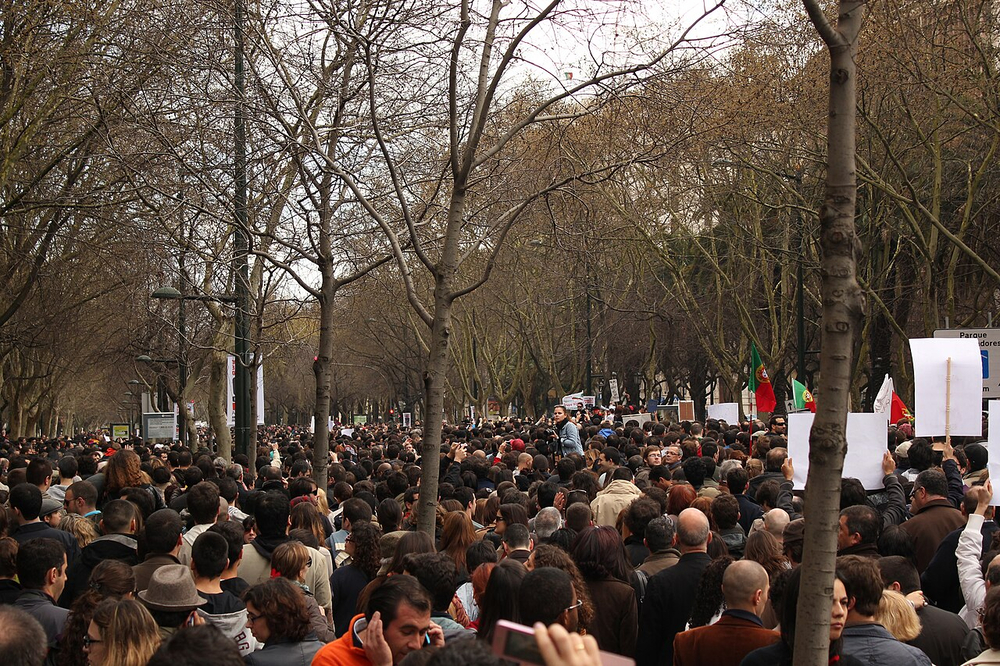
Portugal faced country-wide protests due to imposed austerity measures and economic challenges. The government had initiated several austerity measures to comply with international bailout requirements following the financial crisis. The population reacted with mass demonstrations, expressing discontent and frustration with the government's decisions.
The protests represented a dramatic display of public dissent, with thousands of people coming together to voice their opposition to the austerity policies. Citizens from various sectors of society took to the streets, resulting in disruptions to daily life and a significant strain on the government's stability. The demonstrations heightened tensions between the government and the people, leading to a period of social unrest and uncertainty.
The impact of the protests was felt both nationally and internationally, drawing attention to the economic struggles facing Portugal and the social repercussions of austerity measures. The events served as a reminder of the importance of balancing economic stability with social welfare, sparking debates and discussions on alternative approaches to addressing financial crises.
#PortugalProtests #AusterityMeasures #EconomicChallenges #SocialUnrest
View details2010
In 2010, the Portuguese government approved same-sex marriage, making Portugal the sixth country in Europe and the eighth in the world to do so. The decision came after a proposal was introduced by the Socialist Party, gaining support from other political parties. This milestone marked a significant shift towards LGBTQ+ rights in the country.
The approval of same-sex marriage in Portugal had a profound impact on the LGBTQ+ community, as it granted them the legal recognition and rights that were previously unavailable to them. Couples were now able to formalize their relationships, access legal protections, and enjoy equal rights under the law. This move towards equality was celebrated by many as a step towards a more inclusive and progressive society.
The decision also had broader implications, setting an example for other countries to follow in the fight for LGBTQ+ rights and marriage equality. It sparked discussions and debates on the topic both within Portugal and internationally, highlighting the ongoing struggle for equal rights and acceptance.
Overall, the approval of same-sex marriage in Portugal marked a crucial moment in the country's history, championing equality and diversity. It paved the way for a more inclusive society where love knows no boundaries. #Portugal #LGBTQ+ #Equality #MarriageEquality
View details2008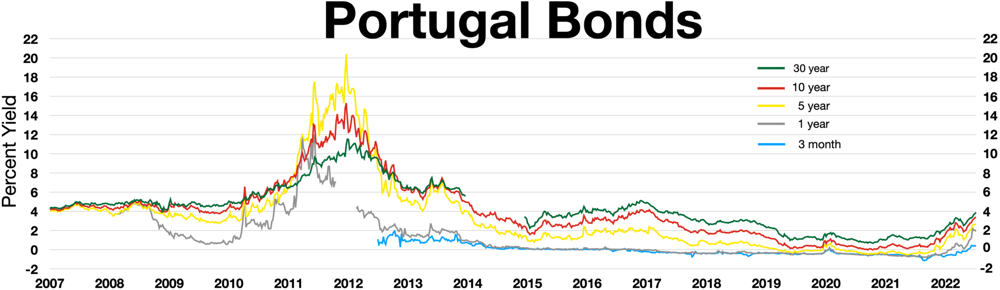
Following the global financial crisis, Portugal faced severe economic repercussions, plunging the country into a deep recession. The crisis stemmed from a collapse in the housing market and risky financial practices worldwide. Portugal's economy, heavily reliant on exports and tourism, suffered a sharp decline in growth and rising unemployment rates.
The government implemented austerity measures to secure a bailout from the International Monetary Fund and European Union, triggering widespread protests and social unrest. The country grappled with high public debt, dwindling investments, and a fragile banking system. The repercussions of the crisis were felt across various sectors, with businesses shuttering, wages stagnant, and poverty levels increasing.
Portugal endured years of economic hardship before showing signs of recovery amidst structural reforms and increased competitiveness. The crisis exposed vulnerabilities in the country's economy and prompted calls for better financial regulations and sustainable growth strategies. The impact of the global financial crisis took a toll on Portugal's citizens, leading to a reevaluation of economic policies and priorities. #Portugal #EconomicCrisis #AusterityMeasures #GlobalRecession
View detailsCristiano Ronaldo won the FIFA Ballon d'Or, becoming the first Portuguese player to achieve this accolade. His exceptional skills and remarkable performances throughout the year earned him this prestigious award. Ronaldo's achievement marked a significant milestone in his career, solidifying his status as one of the greatest footballers of his generation.
The impact of Ronaldo's Ballon d'Or win extended beyond personal recognition. It inspired aspiring young footballers in Portugal and around the world, showcasing what dedication and hard work can lead to in the world of sports. His win also brought pride to Portugal, highlighting the country's talent and competitiveness on the global football stage.
Ronaldo's victory in 2008 served as a motivation for him to continue pushing boundaries and striving for excellence in his career. It fueled his determination to achieve even greater success in the years that followed, showcasing his relentless pursuit of perfection on the football field.
#CristianoRonaldo #FIFABallonDor #Portugal #FootballGreatness
View details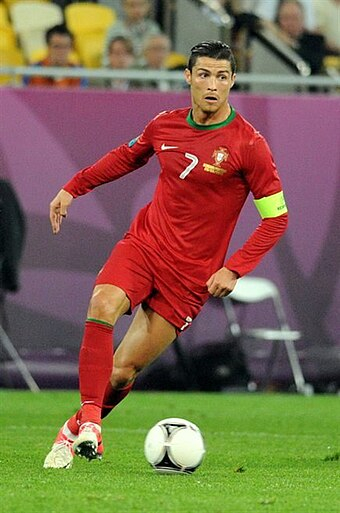
2007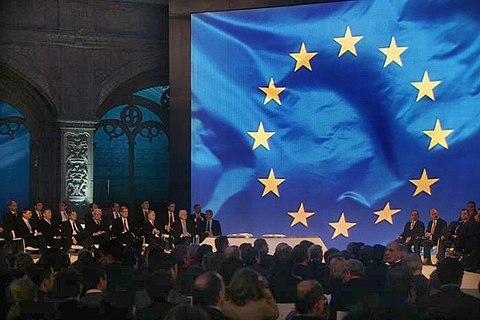
The Treaty of Lisbon marked a pivotal moment for Portugal as it further integrated the country into the European Union. The treaty amended the founding treaties of the EU, solidifying the union's structure and decision-making processes. This event aimed to streamline the EU's institutions, enhance their efficiency, and give more prominent roles to national parliaments.
Portugal's involvement in the Treaty of Lisbon highlighted its commitment to European integration and cooperation among member states. The amended treaty strengthened Portugal's position within the EU, allowing for greater participation in policymaking and decision-making at the European level.
The signing of the Treaty of Lisbon had a lasting impact on Portugal's relationship with the EU, shaping the country's future within the union. It signified a significant step towards a more unified and effective European Union, with Portugal playing a vital role in this process.
#Portugal #EuropeanUnion #TreatyofLisbon #Integration
View details1999
Galp Energia was established as Petrogal merged with Gás de Portugal, forming one of the largest energy companies in Portugal. The merger aimed to create a more robust entity capable of meeting the increasing demands of the energy market and achieving greater operational efficiency.
The formation of Galp Energia had a significant impact on the energy sector in Portugal, consolidating the country's position in the global energy market. The company's diverse portfolio spanning exploration, production, refining, and distribution of energy resources contributed to its rapid growth and success.
The merger allowed Galp Energia to enhance its capabilities in renewable energy sources and expand its presence in international markets. This move positioned the company as a key player in the transition towards sustainable energy solutions.
The establishment of Galp Energia marked a new era in Portugal's energy sector, fostering innovation and competition while driving economic growth. The company's commitment to sustainability and technological advancement has solidified its reputation as a leading energy provider in the region.
#GalpEnergia #PortugalEnergy #InnovationDriven #SustainableFuture
View detailsPortugal's application to join the Eurozone as a founding member marked a significant step in the country's economic history. The decision reflected Portugal's commitment to deeper economic integration within Europe.
Joining the Eurozone meant adopting the euro as the national currency, which aimed to promote trade, investment, and economic stability among member countries. Despite concerns about potential challenges in meeting the criteria for membership, Portugal successfully demonstrated its readiness to adopt the common currency.
The move had a profound impact on Portugal's economy, leading to increased financial stability, reduced exchange rate volatility, and improved access to European markets. It also signaled Portugal's alignment with the broader goals of the European Union, strengthening its position within the bloc.
Portugal's application to join the Eurozone as a founding member underscored its determination to embrace closer economic cooperation with its European partners. This milestone paved the way for greater integration and collaboration within the Eurozone, shaping Portugal's economic trajectory for years to come.
#Portugal #Eurozone #EconomicIntegration #EuropeanUnion #CurrencyUnion
View details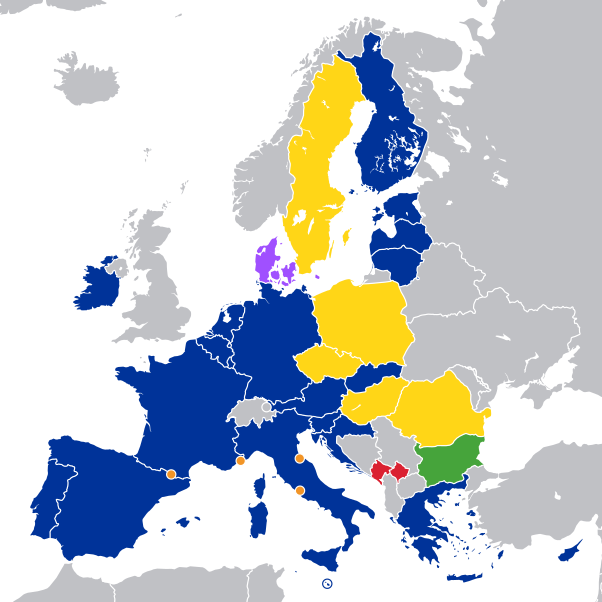
1998
In Portugal, the World Expo '98 took place in Lisbon with the aim of boosting tourism and highlighting the country's rich cultural heritage. The event was a significant platform for Portugal to showcase its advancements in various sectors including technology, architecture, and arts.
The Expo played a crucial role in attracting visitors from around the world, bringing together diverse cultures and fostering international cooperation. It offered a unique opportunity for Portugal to present its traditions, innovations, and achievements on a global stage. The event also contributed to the country's economy by stimulating investments and creating job opportunities in the tourism and related industries.
The Expo site, located in Parque das Nações, was transformed into a modern and vibrant area, featuring pavilions, exhibition spaces, and entertainment venues. The iconic Oceanarium, one of the largest aquariums in the world, was a standout attraction that continues to be a popular tourist destination.
Overall, the World Expo '98 in Lisbon was a momentous occasion that left a lasting impact on Portugal's tourism sector and global reputation. It helped to elevate the country as a dynamic and culturally rich destination for travelers and provided a platform for showcasing its achievements to the world.
#Portugal #WorldExpo98 #Lisbon #CulturalHeritage #TourismBoost
View details1994
Portugal Telecom emerged as a prominent telecommunications company in the 1990s, stemming from the privatization of the state-owned service provider. With a vision to introduce advanced technology and expand services, Portugal Telecom aimed to enhance communication infrastructure nationwide. The shift towards privatization marked a turning point, encouraging competition and innovation in the telecommunications sector.
The inception of Portugal Telecom provided customers with an array of modern telecommunication services including fixed-line, mobile, internet, and television. This diversification not only improved connectivity within Portugal but also boosted the economy by attracting foreign investment and creating job opportunities. The company's strategic partnerships and acquisitions further solidified its position in the market, leading to significant growth and a strong customer base.
Portugal Telecom's inception transformed the telecommunications landscape, offering reliable and efficient communication solutions to individuals and businesses. The company's commitment to technological advancements and customer satisfaction propelled its success and established it as a key player in the industry. This event marked a pivotal moment in Portugal's telecommunications history, shaping the way for future developments and innovations.
#PortugalTelecom #TelecommunicationsEvolution #PrivatizationImpact
View details1989
Amid a shared passion for preserving and promoting the Portuguese language, the International Portuguese Language Institute was established. This initiative aimed to enhance linguistic ties among Portuguese-speaking communities worldwide. The institute fostered cultural exchanges, educational programs, and language policies to strengthen the language's presence internationally. By unifying Portuguese-speaking countries in this linguistic endeavor, the institute facilitated cooperation and solidarity among nations with Portuguese as an official language. Through its initiatives, the institute played a vital role in preserving Portuguese cultural heritage, expanding opportunities for linguistic studies, and promoting multilateral partnerships. Its impact reverberated across continents, nurturing a sense of belonging and pride among Portuguese speakers globally. The establishment of the International Portuguese Language Institute marked a milestone in the history of linguistic cooperation, standing as a testament to the enduring power of language in connecting diverse communities. #PortugueseLanguage #CulturalExchange #LinguisticUnity
View details1986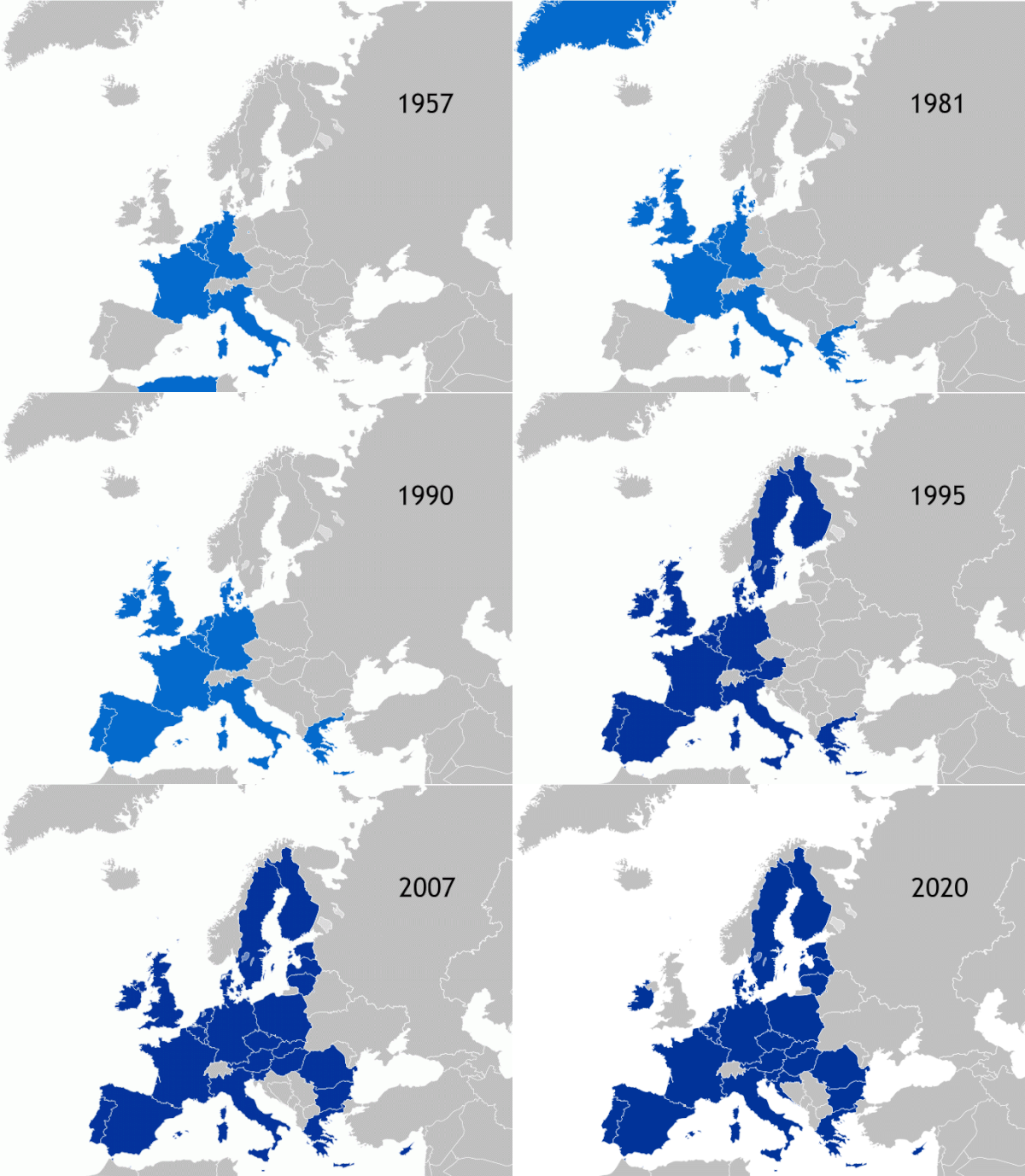
Portugal was granted associate membership in the European Economic Community (EEC), marking a significant step towards deeper integration with the European bloc. This decision came after years of negotiations and reforms within Portugal to align its economy and policies with European standards.
The impact of this milestone was profound, as Portugal gained access to the European single market, enabling freer movement of goods, services, and people. This move stimulated economic growth and modernization in Portugal, attracting foreign investments and facilitating trade with other EEC members.
Furthermore, becoming an associate member of the EEC allowed Portugal to benefit from financial aid and structural funds to support its development initiatives. This support contributed to the improvement of infrastructure, education, and healthcare systems in the country.
Overall, Portugal's associate membership in the EEC was a turning point in its history, strengthening its ties with European nations and enabling closer collaboration on political, economic, and social matters.
#Portugal #EEC #EuropeanIntegration #EconomicDevelopment #AssociateMembership
View details1976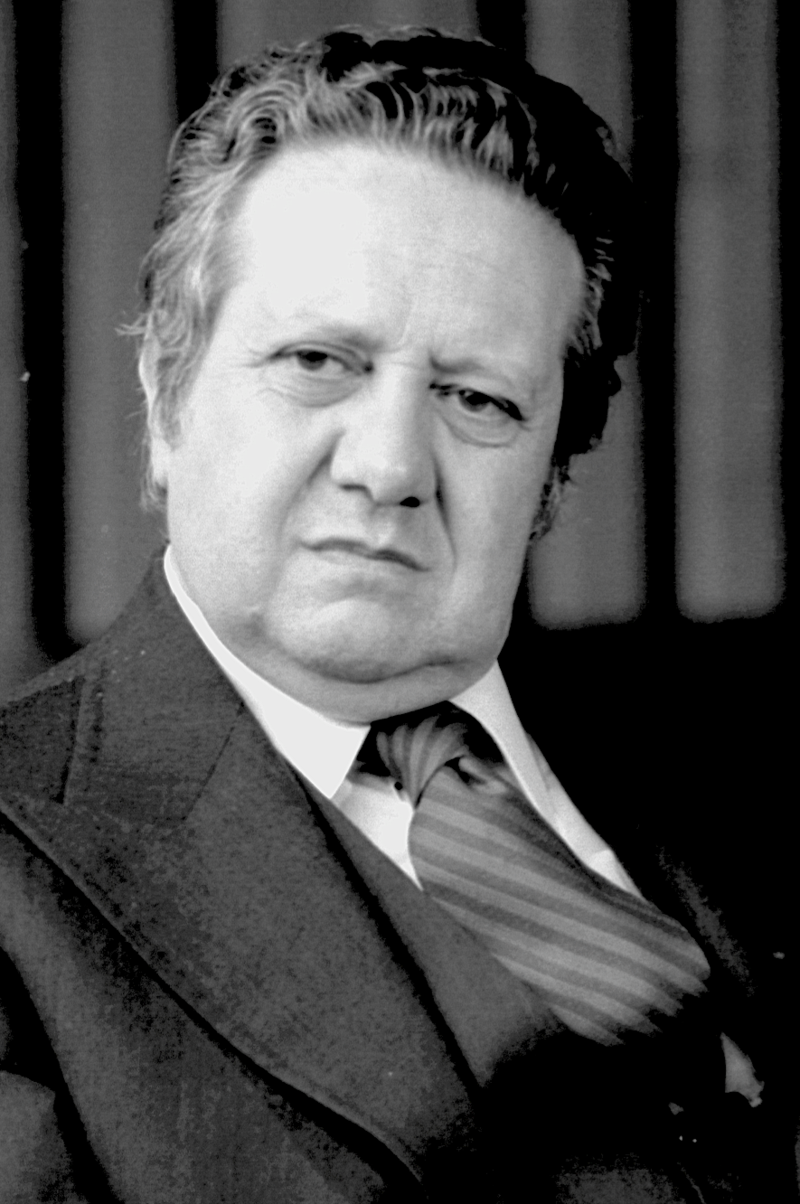
During the parliamentary elections in Portugal, the Socialist Party emerged victorious, leading to the appointment of Mário Soares as the Prime Minister. This marked a significant turning point in the country's political landscape, as it signified a departure from the previous authoritarian regime. The Socialist Party's victory represented a shift towards a more progressive and inclusive government, focused on addressing social inequalities and promoting democracy.
Mário Soares, known for his democratic ideals and commitment to social justice, implemented various reforms aimed at modernizing the economy, promoting civil liberties, and strengthening Portugal's ties with other European nations. His leadership brought about a period of political stability and economic growth, laying the foundation for Portugal's integration into the European Community.
The election of the Socialist Party and the appointment of Mário Soares as Prime Minister had a lasting impact on Portugal, setting the stage for continued democratic governance and socio-economic development. The reforms initiated during his tenure laid the groundwork for Portugal's future prosperity and its emergence as a modern European nation.
#Portugal #SocialistParty #MárioSoares #PrimeMinister #Elections #Democracy
View detailsEnergias de Portugal (EDP) was established as a result of nationalization efforts within the energy sector in Portugal during the mid-1970s. The company was created to centralize and manage the country's energy resources, including electricity generation, distribution, and sales.
With its formation, EDP became a key player in Portugal's energy landscape, aiming to provide reliable and affordable energy to both residential and industrial consumers. The company's operations were crucial for powering the nation's infrastructure and supporting its economic development.
The starting of EDP marked a significant shift in Portugal's energy policies, emphasizing domestic control and management of energy resources for the benefit of the country. This move also aimed to improve energy access and efficiency across various sectors, contributing to overall national progress.
Over the years, EDP has expanded its operations internationally, becoming a major player in the global energy market. The company's continued success and growth have solidified its position as a key contributor to Portugal's economy and energy security.
#Portugal #Energy #Development #EnergiasDePortugal #Nationalization
View details
Following the Carnation Revolution that overthrew the authoritarian Estado Novo regime, the adoption of the current Portuguese Constitution aimed to establish a democratic framework for the country. Drafted by a Constituent Assembly, the constitution was put to a referendum and was approved by a majority of the population.
The Constitution of Portugal guarantees fundamental rights such as freedom of expression, religion, and assembly, and establishes the country as a parliamentary republic with a President as head of state. It also defines the separation of powers among the executive, legislative, and judicial branches, ensuring checks and balances in the governance system.
The adoption of the current Portuguese Constitution marked a significant step in the country's transition to democracy after decades of dictatorship. It laid the foundation for a more inclusive and participatory political system, promoting social progress and the rule of law. The constitution continues to be a symbol of democratic values and principles in Portugal, shaping the country's political landscape and guiding its development.
#Portugal #Constitution #Democracy #CarnationRevolution
View details1974
After years of repression under the authoritarian regime, the Communist Party of Portugal was finally legalized. The party had been banned since the 1926 military coup that established a dictatorship in the country. The legalization marked a turning point in Portuguese politics, allowing the Communist Party to openly participate in the democratic process.
The party's legalization had a significant impact on the political landscape of Portugal, as it became a key player in the country's post-authoritarian democracy. The Communist Party's support for workers' rights and social justice resonated with many Portuguese citizens, leading to a surge in popularity.
With its new-found freedom, the Communist Party was able to campaign openly, participate in elections, and advocate for its socialist agenda. Its presence in the political arena challenged the traditional power structures and provided a voice for marginalized groups in society.
The legalization of the Communist Party of Portugal paved the way for a more pluralistic and inclusive political system in the country. It marked a victory for democracy and political freedom, setting the stage for a more vibrant and diverse political landscape in Portugal.
#CommunistParty #Legalization #Portugal #PoliticalFreedom
View detailsPortugal was under the authoritarian regime of Estado Novo for nearly five decades. The regime stifled freedoms, leading to discontent within the military, students, and the general population. The Carnation Revolution, a peaceful military coup, swiftly removed the authoritarian government from power. This bloodless revolution brought about significant social, political, and economic changes in Portugal.
The Carnation Revolution marked the end of the dictatorship and paved the way for a democratic government. The new leadership in Portugal was particularly keen on decolonization, granting independence to its African colonies of Angola, Mozambique, Cape Verde, Guinea-Bissau, and São Tomé and Príncipe. The independence of these colonies ended years of oppressive colonial rule.
The transition to democracy in Portugal brought about political pluralism, increased civil liberties, and improved living conditions for the Portuguese people. The newfound democracy also led to economic reforms and the country's integration into the European Economic Community, now known as the European Union.
The Carnation Revolution and ensuing events significantly impacted not only Portugal but also its former colonies. The event symbolizes a turning point in Portuguese history, representing the end of an era of authoritarian rule and the beginning of a new democratic chapter, emphasizing freedom, self-determination, and progress.
#CarnationRevolution #PortugalIndependence #Decolonization #Democracy #EuropeanIntegration
View details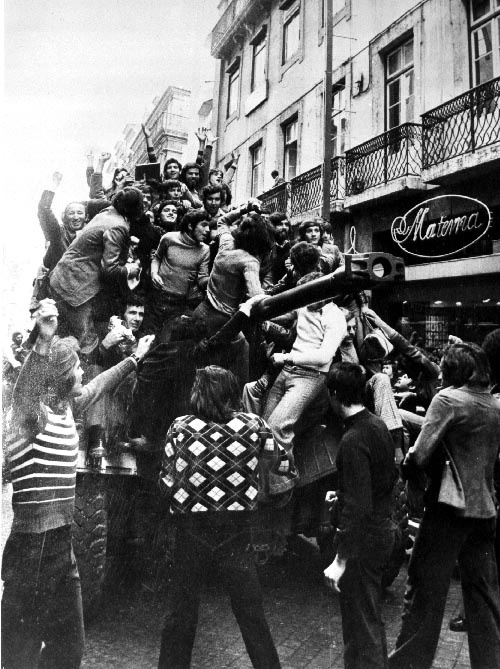
Marcelo Caetano's resignation as Prime Minister marked the end of his authoritarian regime in Portugal. Caetano was seen as a continuation of the Estado Novo regime established by Salazar.
The resignation came amidst increasing social unrest and dissatisfaction with the government's policies. The Portuguese people, tired of repression and censorship, demanded political freedom and economic reforms.
The resignation of Caetano paved the way for the Carnation Revolution, a peaceful military coup that resulted in the establishment of democracy in Portugal. This event brought an end to nearly five decades of authoritarian rule.
Caetano's resignation was a turning point in Portuguese history, leading to the democratization of the country and the granting of independence to its colonies. It symbolized the triumph of the will of the people over oppressive rule and set the stage for Portugal's entry into the European Economic Community.
#MarceloCaetano #Portugal #CarnationRevolution #Democratization #EstadoNovo
View details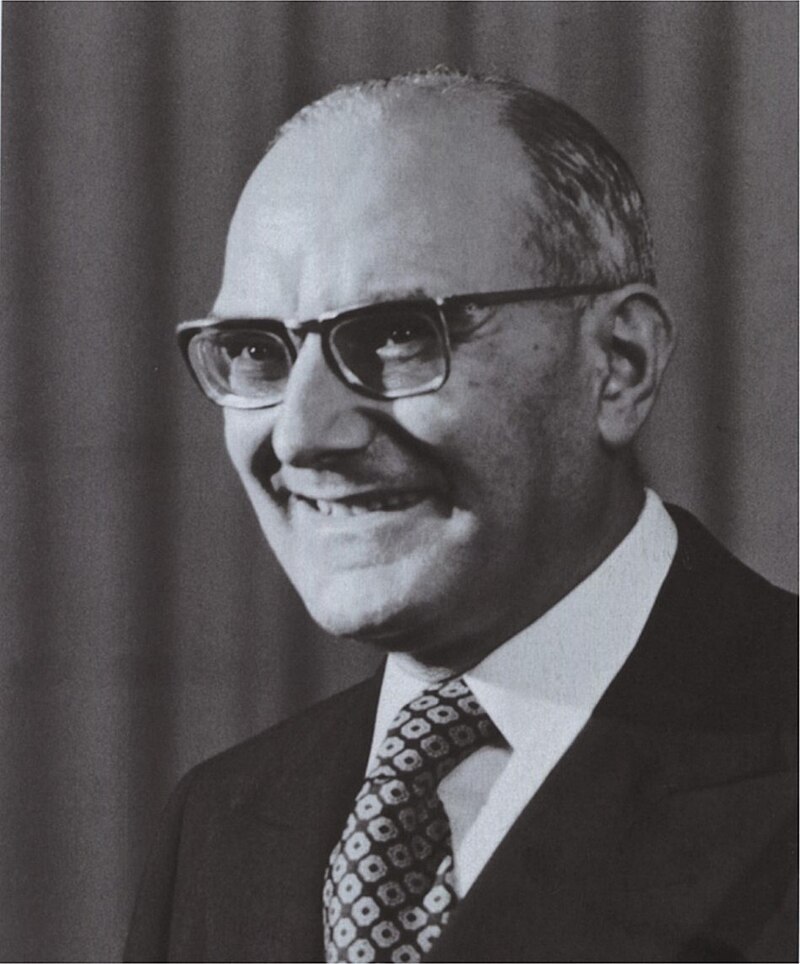
1970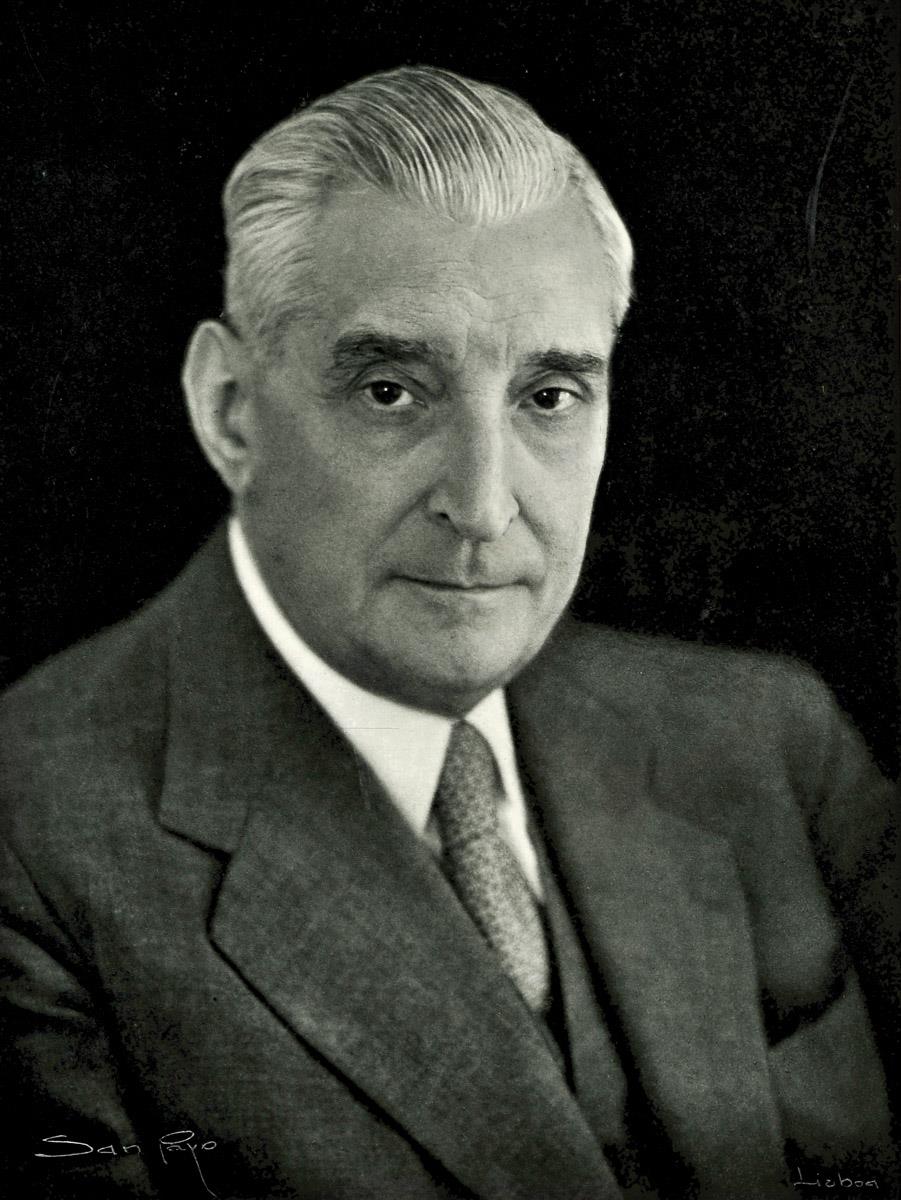
António de Oliveira Salazar, the long-standing Prime Minister of Portugal, met his end following a stroke. Salazar, an economist and politician, ruled Portugal with an iron fist for over 36 years, during which he established an authoritarian regime known as the Estado Novo. Under his leadership, Portugal experienced stability but also faced economic stagnation, censorship, and political repression.
His passing marked the end of an era for Portugal, leading to a power struggle within the government and eventually paving the way for the Carnation Revolution, a peaceful military coup that took place shortly after. The revolution brought an end to the Estado Novo regime, leading to Salazar's political ideology being gradually dismantled.
Salazar's death symbolized a turning point in Portuguese history, as the country transitioned from authoritarian rule to democracy. His legacy continues to be a topic of debate and reflection in Portugal, with opinions divided on his impact on the nation.
#AntónioDeOliveiraSalazar #EstadoNovo #CarnationRevolution #PortugueseHistory
View details