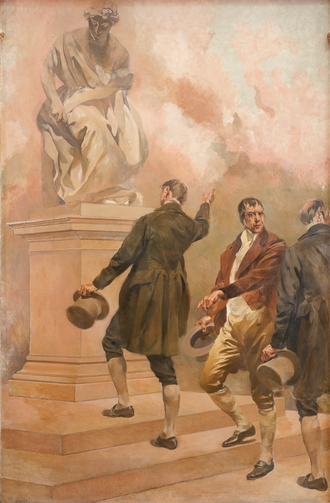
The Liberal Revolution of 1820 establishes constitutional monarchy, altering Portugal's political landscape.
Portugal
Political
3 min read
Updated By: History Editorial Network (HEN)
Published:
In 1820, a Liberal Revolution emerged in Portugal, sparking a transition towards a constitutional monarchy. The uprising was fueled by discontent with the monarchy's absolute power and economic issues faced by the middle class and military. The revolutionaries, comprised mainly of liberal-minded individuals, demanded a more representative government through the establishment of a constitutional monarchy. The movement quickly gained momentum and support across the country, leading to the King accepting the demands and creating a constitutional charter.
This event marked a significant turning point in Portugal's history, leading to the establishment of a constitutional monarchy and the curtailment of the monarch's absolute power. The revolution laid the foundation for political and social reforms, including the creation of a constitution that outlined civil rights and limited the King's authority. It also paved the way for the modernization of the country's institutions and governance structure.
The Liberal Revolution of 1820 in Portugal underscores the power of political movements in shaping the course of a nation's history, as well as the importance of advocating for democratic principles and reforms. #PortugalHistory #LiberalRevolution #ConstitutionalMonarchy

Explore the Life Moments of
 AI Twin