
Cuba

The Jewel of the Caribbean
Related Lives

US Fighter Jets
Fighterjets operated by the United State

Drama Movies
The Heart of Cinema

Panama
The Crossroads of the Americas
New Zealand
The Journey Through New Zealand
Colombia
Land of Diversity and Beauty
South Korea
The Land of Morning Calm
Afghanistan
The Jewel of Central Asia
Bolivia
The Heart of South America

1933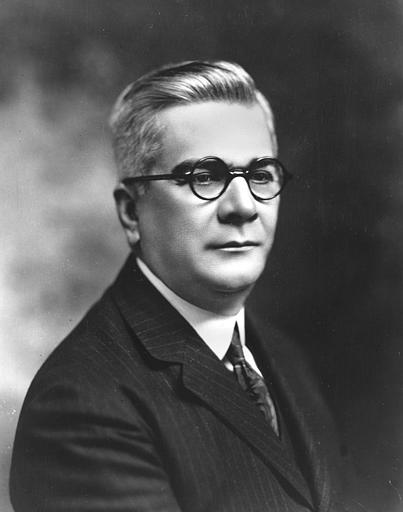
Following years of political repression and economic turmoil under the Machado dictatorship, Cuban citizens rose up in a coordinated effort to overthrow the oppressive regime. Civil unrest, protests, and strikes had been escalating, fueled by dissatisfaction with the dictatorship's corruption and disregard for basic human rights.
Opposition forces, including students, workers, and political groups, united against Machado and his government. The movement gained momentum with widespread support from the Cuban population, culminating in a decisive pushback against the dictatorship. As pressure mounted, Machado's grip on power weakened, leading to his eventual downfall and flight from Cuba.
The fall of the Machado dictatorship marked a turning point in Cuban history, paving the way for a new era of political change and reform. The event sparked hope for a more democratic and inclusive society, setting the stage for future developments in Cuban governance.
The aftermath of Machado's ousting brought about a period of transition and rebuilding as Cuba sought to establish a more stable and democratic government. The event served as a catalyst for political transformation and laid the groundwork for a reimagined Cuban identity.
#CubanRevolution #DictatorshipFall #PoliticalTransformation
View details1920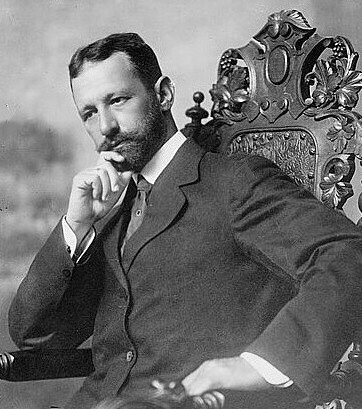
Mario García Menocal served as the President of Cuba from 1913 to 1921, a period marked by significant political and economic changes. His presidency, falling in the early years of the Cuban Republic, played a crucial role in shaping the country's future direction. Menocal's administration was characterized by both development and controversy, as he navigated through challenges both domestically and internationally.
Early Life and Career
Mario García Menocal was born on December 17, 1866, in Jagüey Grande, Matanzas Province, Cuba. He came from a well-to-do family, which allowed him to receive a quality education. Menocal studied engineering at Cornell University in the United States, graduating in 1888. His engineering skills would later prove beneficial in his military and political career.
Military Involvement
Menocal returned to Cuba during the Cuban War of Independence (1895-1898), where he became an influential figure in the Cuban Liberation Army. He served as a brigadier general under General Máximo Gómez and played a pivotal role in several key battles against Spanish forces. His military success bolstered his reputation and laid the groundwork for his entry into politics.
Presidential Election of 1912
Menocal ran for president as the candidate of the Conservative Party in 1912. He won the election, succeeding José Miguel Gómez, and took office on May 20, 1913. His victory marked the first time the Conservative Party had taken power since the establishment of the Cuban Republic in 1902.
First Term (1913-1917)
Economic Development
Menocal's first term focused heavily on economic development. He sought to modernize Cuba's infrastructure and boost the sugar industry, which was the backbone of the Cuban economy. Significant investments were made in railways, roads, and port facilities, helping to facilitate the export of sugar and other goods. The global demand for sugar, particularly during World War I, led to a boom in the Cuban economy.
Political Stability and Challenges
Menocal faced several political challenges during his first term. His administration was marked by accusations of electoral fraud and political repression. Despite these issues, he managed to maintain relative political stability and continued to attract foreign investment, particularly from the United States.
Re-election and Second Term (1917-1921)
Menocal ran for re-election in 1916 and won, although the election was marred by widespread allegations of fraud and corruption. His second term began on May 20, 1917, and was characterized by increased political unrest and economic difficulties.
World War I and Economic Impact
World War I had a significant impact on Cuba's economy. The demand for sugar surged, leading to prosperity in the early years of Menocal's second term. However, the post-war period saw a sharp decline in sugar prices, which severely affected the Cuban economy. The economic downturn led to social unrest and increased opposition to Menocal's government.
The "Chambelona" Rebellion
In 1917, Menocal faced a major challenge in the form of the "Chambelona" Rebellion, an armed uprising led by the Liberal Party, which opposed his re-election. The rebellion was eventually suppressed, but it highlighted the deep political divisions and dissatisfaction with Menocal's rule. His administration's response to the rebellion involved significant use of military force, further tarnishing his image.
End of Presidency and Legacy
Menocal's presidency ended on May 20, 1921, and he was succeeded by Alfredo Zayas. Despite the controversies and challenges, Menocal left a lasting impact on Cuba. His efforts to modernize the country’s infrastructure and economy had long-term benefits, although his tenure also exposed the fragility of Cuba's political system and the deep-seated issues of electoral integrity and political corruption.
After leaving office, Menocal continued to be an influential figure in Cuban politics. He remained active in the Conservative Party and ran for president again in 1924 and 1940, although he was unsuccessful in both attempts.
Conclusion
Mario García Menocal's presidency was a complex and transformative period in Cuban history. His administration saw significant economic growth and modernization, particularly in the sugar industry, but also faced serious political challenges and controversies. His legacy is a blend of developmental achievements and contentious political practices, reflecting the broader struggles of early 20th-century Cuba to define its identity and governance.
Hashtags
#MarioGarciaMenocal #CubanHistory #CubanRepublic #CubanPresidency #PoliticalHistory #EconomicDevelopment #ChambelonaRebellion #MomentsOfLife #MoofLife_Moment
View detailsIn 1920, Cuba officially became a member of the League of Nations, an intergovernmental organization established after World War I to promote peace and cooperation among countries. This decision marked Cuba's commitment to international diplomacy and solidarity.
Joining the League of Nations allowed Cuba to participate in discussions and decisions that affected global affairs, as well as to collaborate with other nations on issues of common interest. The membership provided Cuba with a platform to voice its concerns, showcase its culture, and strengthen its relationships with other countries.
Cuba's membership in the League of Nations had a profound impact on its foreign policy and international standing. It enhanced Cuba's reputation as a responsible and engaged member of the international community. The country had the opportunity to contribute to shaping global initiatives and promoting peace and cooperation worldwide.
By joining the League of Nations, Cuba demonstrated its eagerness to play a role in shaping a more peaceful and cooperative world. The decision reflected Cuba's commitment to multilateralism and its belief in the importance of international cooperation in addressing global challenges.
#Cuba #LeagueofNations #InternationalDiplomacy #PeaceandCooperation.
View details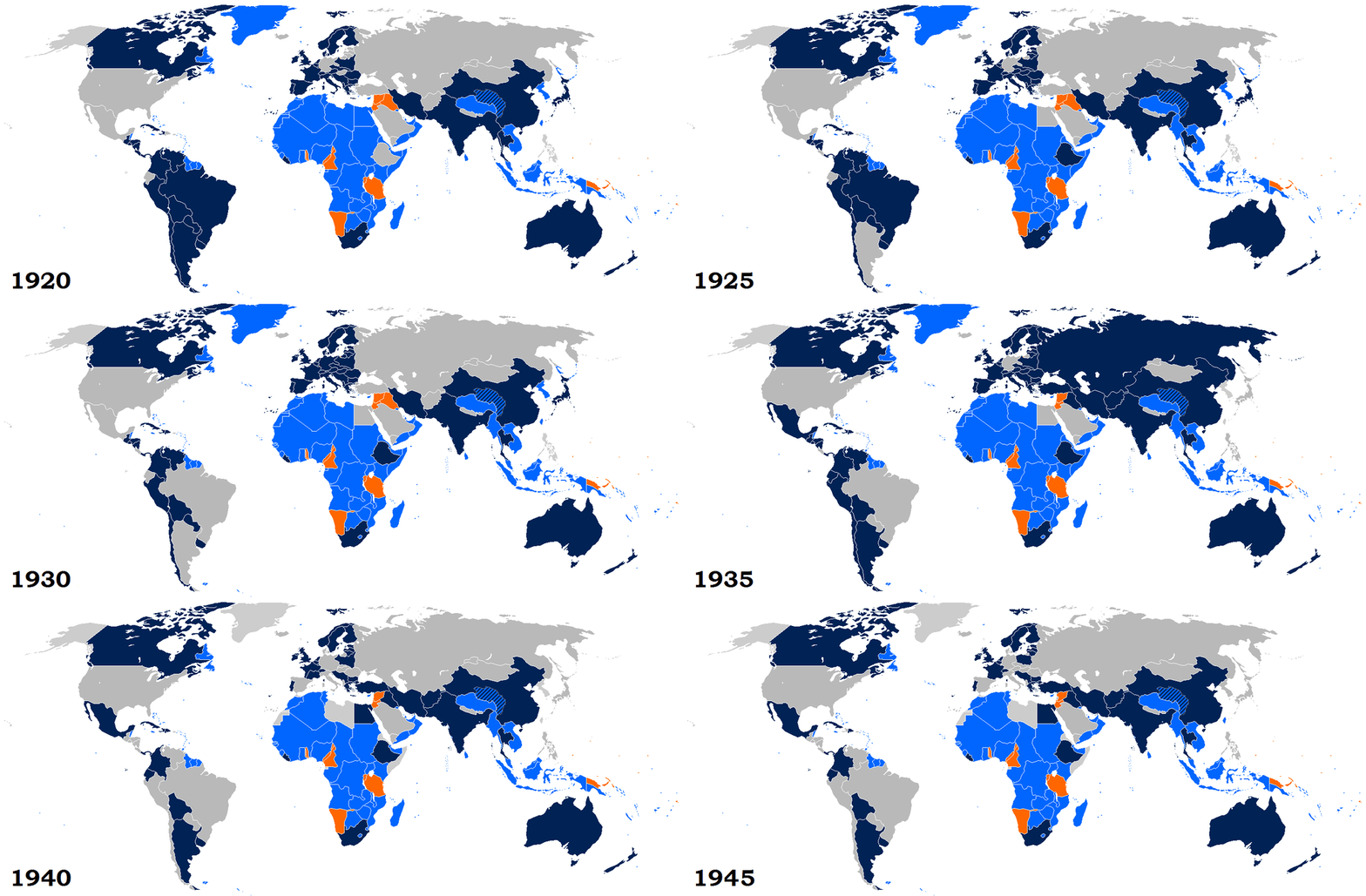
1917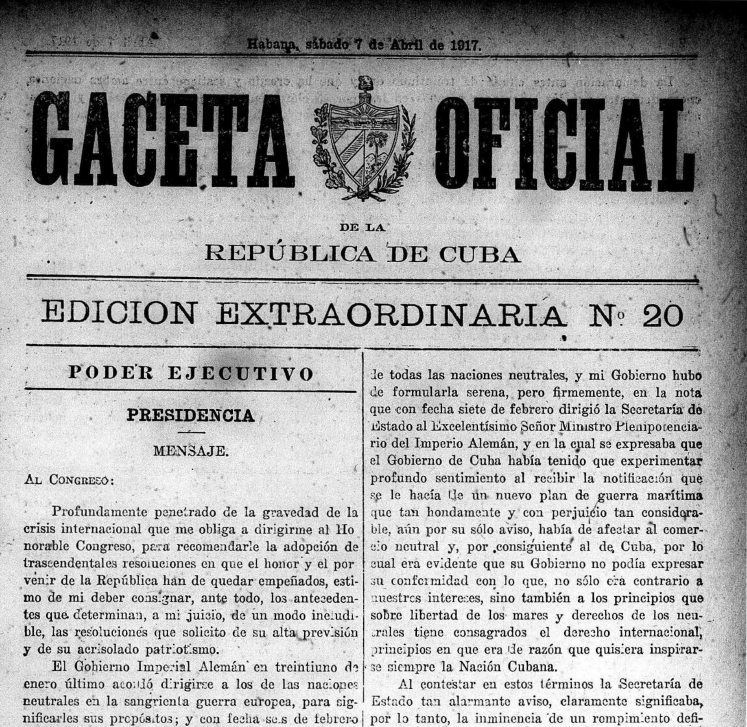
Cuba's involvement in World War I, while not as direct as that of the major powers, was significant in several respects. The island nation declared war on Germany, supported the Allied Powers, and experienced notable economic and social impacts due to the global conflict.
Diplomatic and Military Contributions
Declaration of War
On April 7, 1917, shortly after the United States entered the war, Cuba declared war on Germany. This move was largely symbolic but demonstrated Cuba's solidarity with the Allied Powers. The declaration was also a strategic decision to align more closely with the United States, which had significant economic and political influence over Cuba.
Naval Support
Cuba's strategic location in the Caribbean made it an important ally for the Allied naval operations. Cuban ports were used for refueling and repairing Allied ships, which was crucial for maintaining naval patrols and protecting shipping lanes in the region. The Cuban navy, though small, assisted in patrolling the Caribbean Sea to safeguard against German U-boat activities, which threatened Allied and neutral shipping.
#CubaWWI #CubanHistory #SugarBoom #EconomicGrowth #PoliticalChange #NavalSupport #MarioGarciaMenocal #WorldWarI #MomentsOfLife #MoofLife_Moment #MoofLife
View details1908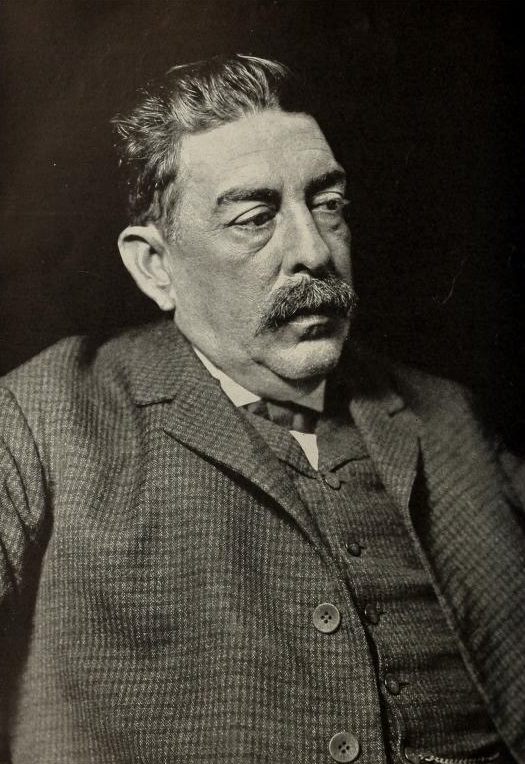
In November 14, 1908, the liberal candidate Jose Miguel Gomez emerged victorious in the national elections for president in Cuba. Gomez, a prominent figure in Cuban politics, had a long history of involvement in the struggle for independence from Spain.
His election marked a shift in Cuban politics, as he was known for his liberal views and advocacy for social reform. Gomez's presidency was characterized by efforts to improve education, healthcare, and infrastructure in Cuba. He also aimed to strengthen diplomatic relations with other nations.
Under Gomez's leadership, Cuba experienced economic growth and stability. His policies helped to modernize the country and improve the quality of life for many Cubans. His presidency was a period of relative peace and prosperity for the nation.
Overall, Jose Miguel Gomez's election as president was a turning point in Cuban history, ushering in a new era of liberalism and progress. His legacy continues to be remembered in Cuba today.
#JoseMiguelGomez #CubaElections #Liberalism #CubanHistory
View details1906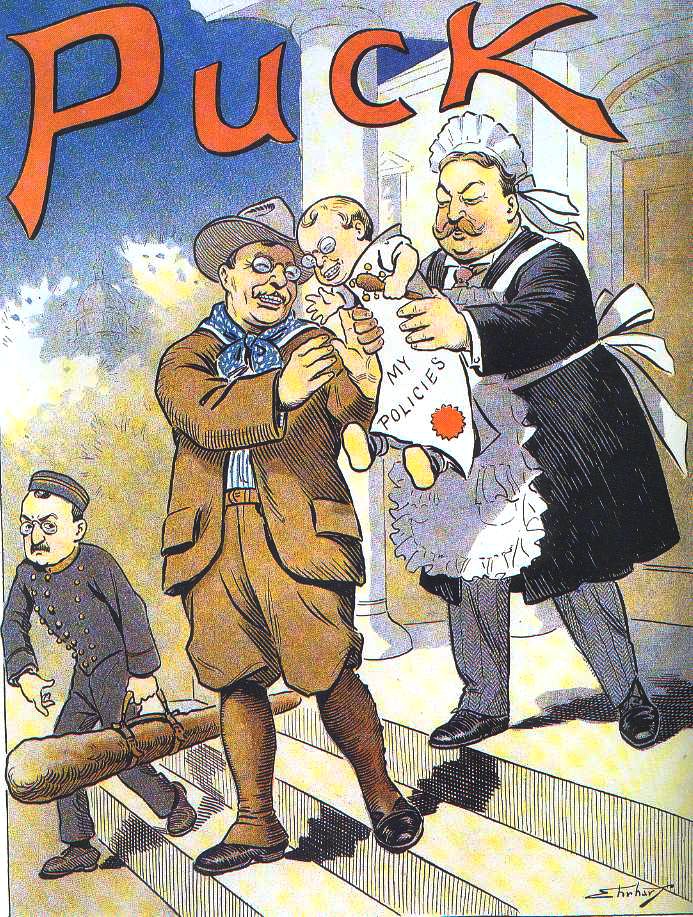
Following political unrest in Cuba, US troops reoccupied the nation until 1909. This intervention was a response to the Cuban government's inability to maintain stability after gaining independence from Spain. The US aimed to restore order, protect American interests, and oversee the transition to self-governance.
During this period, US forces collaborated with the Cuban military and established control over key government functions. They also worked to improve infrastructure, enhance public services, and ensure economic stability. The presence of American troops facilitated the modernization of Cuba's institutions and helped pave the way for a smoother transition towards self-rule.
The reoccupation generated mixed reactions among Cubans, with some viewing it as a necessary measure to prevent further chaos, while others saw it as an infringement on their sovereignty. Despite these tensions, the collaboration between US and Cuban authorities laid the groundwork for future diplomatic relations between the two nations.
The US troops' reoccupation of Cuba until 1909 marked a pivotal period in the nation's history, shaping its trajectory towards greater stability and autonomy. It underscored the complex dynamics of intervention, governance, and sovereignty in the context of international relations. #Cuba #USrelations #Interventionism
View detailsIn 1906, Cuba's first president, Tomás Estrada Palma, sought US intervention to help quell a rebellion brewing against his government. Palma's appeal for the United States to intervene came amidst political unrest and economic instability in Cuba. The request for assistance stemmed from concerns over maintaining order and stability within the country.
Palma's call for US intervention had significant implications for Cuban sovereignty and political autonomy. The intervention raised questions about Cuba's ability to govern itself independently without external support. The move also highlighted the complex relationship between Cuba and the United States, with intervention being a contentious issue for many Cubans.
The plea for intervention underscored the challenges facing the young Cuban republic and the fragile nature of its political institutions. It also underscored the influence and involvement of foreign powers in shaping Cuba's political landscape.
The event resonated with themes of political instability, foreign intervention, and struggles for independence. It reflected the complexities of Cuba's early years as an independent nation and the ongoing challenges it faced in establishing a stable and prosperous society.
#Cuba #USIntervention #TomásEstradaPalma #PoliticalUnrest
View details1902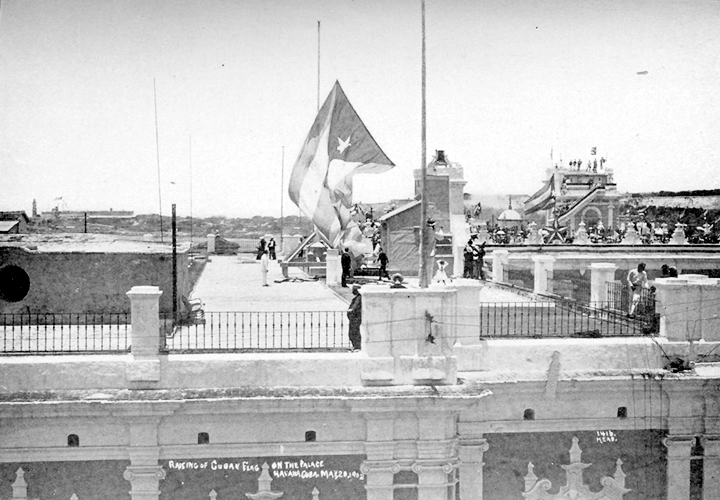
Following decades of Spanish colonial rule, Cuba was granted independence following the Spanish-American War, rebuffing the United States' initial attempts to annex the island. The Cuban Electoral Act ensured the formation of a new government, with Tomas Estrada Palma becoming the first president. The Platt Amendment, incorporated into the constitution, allowed the U.S. to intervene in Cuban affairs - a provision that was later repealed in 1934.
Cuban independence marked the culmination of a struggle for self-governance and national identity. The island nation faced challenges in establishing political stability and economic autonomy post-independence, grappling with internal conflicts and external pressures. Despite these obstacles, the event symbolized a victory for anti-colonial movements and aspirations for sovereignty in Latin America and beyond.
The transition to independence brought about new opportunities and constraints for Cuba, shaping its trajectory in the 20th century. The event underscored the complex dynamics of post-colonial relationships and the enduring impact of foreign intervention on domestic affairs. Cuban independence from the United States stands as a testament to the aspirations of a nation seeking self-determination and global recognition.
#CubanIndependence #SovereigntyAchieved #PostColonialLegacy
View details1901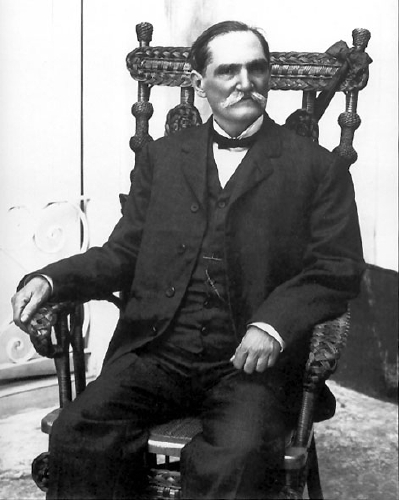
Following the establishment of a new constitution, Cuba conducted its first election. Tomas Estrada Palma was elected as the inaugural president, alongside the formation of a Congress. This landmark event marked a significant step in Cuba's transition towards self-governance following its liberation from Spanish colonial rule and the subsequent occupation by the United States. Estrada Palma's election ushered in a new era of leadership, embodying the aspirations of the Cuban people for autonomy and democratic governance.
The election of Estrada Palma and the establishment of Congress set a precedent for political stability and continuity in Cuba, laying the foundation for future democratic processes. The event represented a pivotal moment in the country's history, symbolizing the culmination of efforts towards independence and self-determination. Estrada Palma's presidency was characterized by efforts to stabilize the economy, strengthen national institutions, and foster diplomatic relations with other nations.
The election of Cuba's first president and the formation of Congress were pivotal in shaping the nation's political landscape, setting the stage for further developments in governance and public administration. The event underscored the Cuban people's determination to chart their own course and participate in the democratic process to shape the future of their nation. #Cuba #Election #Democracy #TomasEstradaPalma
View detailsFollowing the end of the Spanish–American War in 1898, Cuba fell under US military control. However, in response to growing demands for autonomy, Cuba convened its constitutional convention to establish its own governance. This marked a significant shift in Cuba's political landscape.
With the constitutional convention, Cuba aimed to reassert its sovereignty and define its political structure independently of US influence. Delegates representing various factions and interests within Cuban society gathered to draft a constitution that would shape the nation's future. The convention provided a platform for debates and negotiations, ultimately paving the way for Cuba to establish its own government.
The event showcased Cuba's determination to break free from foreign domination and assert its nationhood. It symbolized a crucial step towards self-determination and independence, setting the stage for Cuba's political autonomy.
The constitutional convention in Cuba represented a pivotal moment in the country's history, as it sought to redefine its political identity and governance structure. It exemplified the nation's journey towards independence and self-governance, showcasing its commitment to shaping its own future.
#Cuba #ConstitutionalConvention #Sovereignty #Independence
View details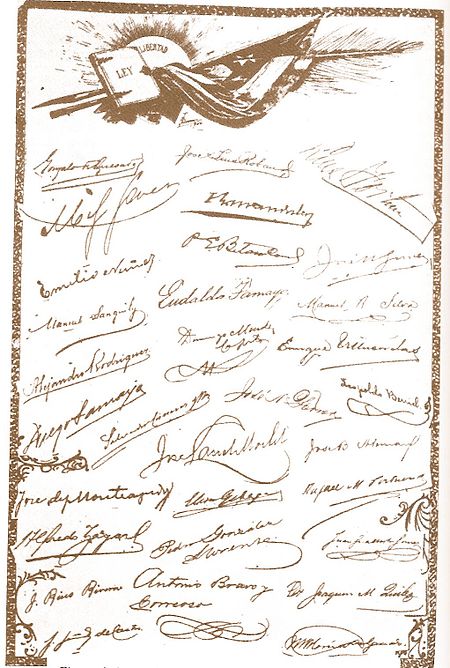
1899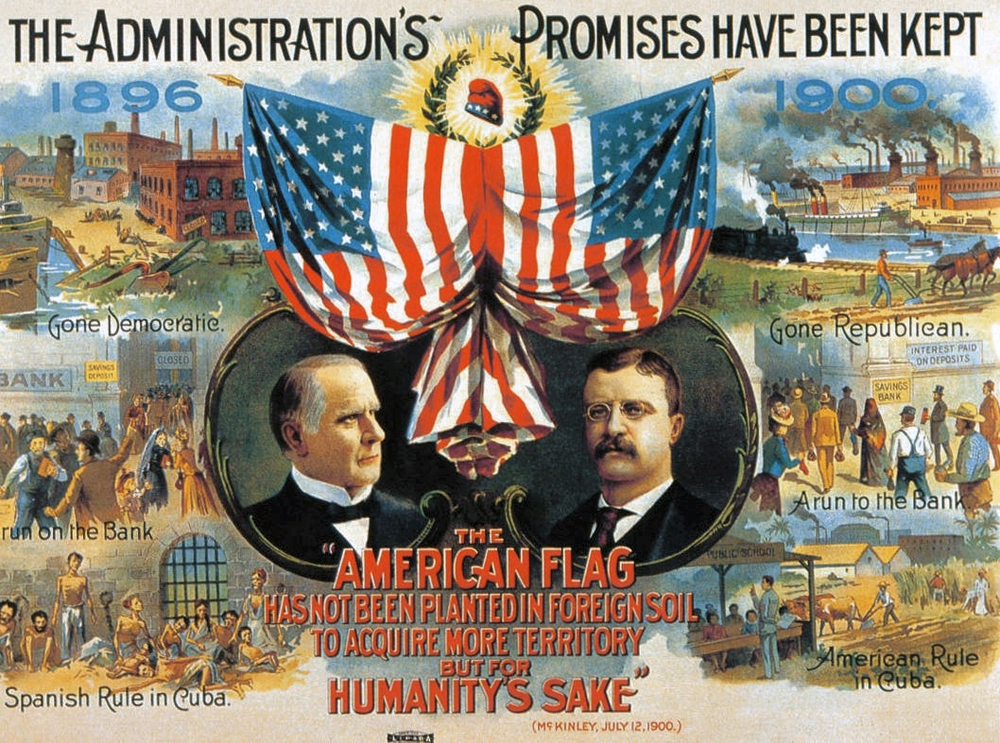
After the Spanish-American War, Cuba was liberated from Spanish colonial rule by the United States. The US established military control over the island, administering it for several years. The American occupation brought significant changes to Cuba, including improvements in infrastructure, healthcare, and education.
Despite initial relief from Spanish oppression, Cubans soon grew discontent with the US presence. The Platt Amendment, which granted the US the right to intervene in Cuban affairs, sparked protests and calls for full independence. Eventually, through negotiations, the US agreed to withdraw its troops and grant Cuba independence in 1902.
The American occupation of Cuba left a lasting impact on the country, influencing its political landscape and shaping its future relations with the United States. The experience of being under US control fueled Cuban nationalist sentiments and a desire for true sovereignty.
#Cuba #USoccupation #independence #SpanishAmericanWar
View details1898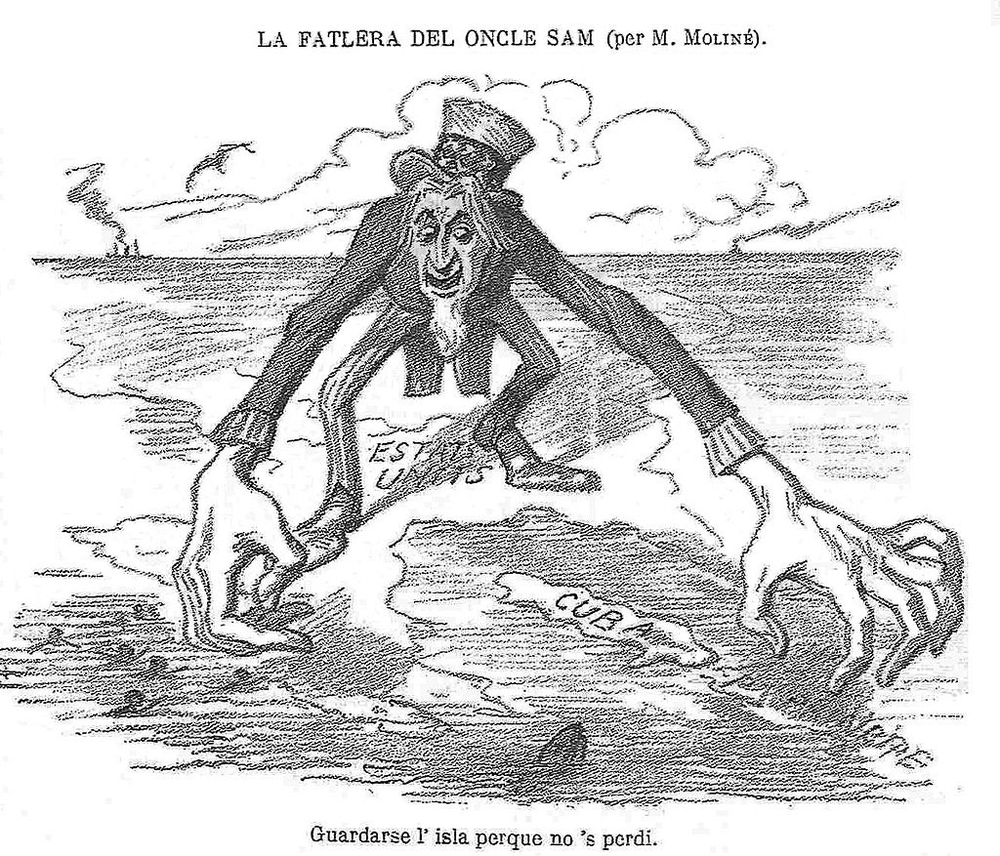
After a fierce conflict between Spain and the United States over Cuba's independence, the Treaty of Paris was agreed upon, bringing an end to the Spanish-American War. As a result of the treaty, Cuba was ceded to the United States, marking a significant shift in the island's governance. The United States pledged to aid in Cuba's reconstruction and then grant the island its freedom. This move reshaped the political landscape of Cuba and established a path towards self-governance.
The signing of the Treaty of Paris had a profound impact on Cuba's future, as it paved the way for the country to eventually gain independence. The agreement also allowed the United States to expand its influence in the Caribbean region. The cession of Cuba marked the beginning of a new era for the island, as it transitioned from Spanish colonial rule to becoming a US protectorate.
Overall, the Treaty of Paris was a crucial turning point in the history of Cuba, setting the stage for its eventual independence and shaping its relationship with the United States for years to come. #TreatyofParis #SpanishAmericanWar #Cuba #USRelations
View detailsDuring the conflict, the US marines staged an attack on Spanish forces off the coast of Guantánamo, Cuba. The altercation stemmed from the tense relations between the United States and Spain, leading to the outbreak of the Spanish-American War. The US sought to assert dominance in the Caribbean region, ultimately leading to this skirmish near Guantánamo.
The event had significant repercussions, escalating tensions between the two nations and marking a key moment in the war. The US victory in this particular engagement bolstered their confidence and morale, propelling them towards further military successes in the conflict. The attack on the Spanish forces exemplified the determination of the US marines and their strategic capabilities in combat.
The outcome of the clash also had lasting effects on the geopolitical landscape, as the Spanish defeat in the war ultimately led to the ceding of territories such as Cuba to the United States. This event was pivotal in shaping the future of Cuba and solidifying the US as a dominant force in the region.
#USMarines #SpanishForces #Guantánamo #Cuba #SpanishAmericanWar #Geopolitics
View details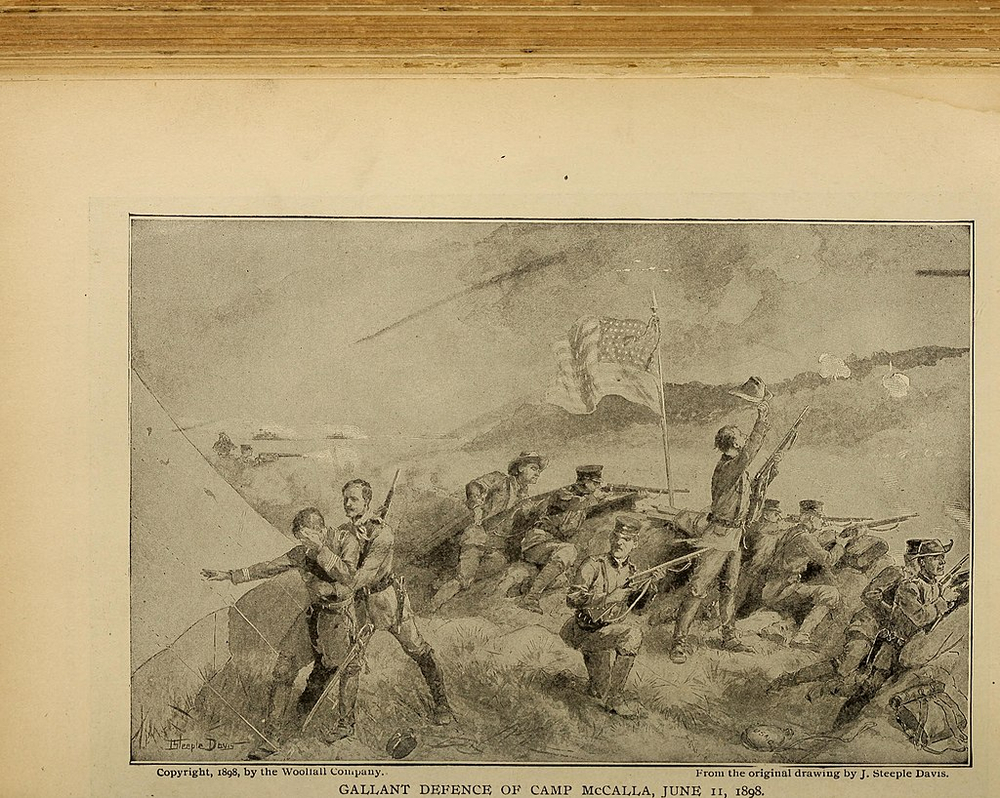
During the Spanish-American War, the 1st US Marines, consisting of 600 troops, landed at Guantanamo, Cuba. This strategic move aimed to establish a foothold for American forces in the Caribbean region. The Marines' mission included securing the area and ensuring control of Guantanamo Bay, which would later become a crucial US naval base.
The arrival of the US Marines marked a significant development in the conflict, as it bolstered American presence on Cuban soil. The operation at Guantanamo Bay played a pivotal role in the overall war effort, providing a key point for logistical support and reconnaissance activities. The successful landing paved the way for future military operations and ultimately contributed to the American victory in the war.
This event demonstrated the United States' expanding influence and military capabilities, as well as its commitment to asserting its interests in the Western Hemisphere. The strategic importance of Guantanamo Bay would endure long after the war, shaping geopolitical dynamics in the region for decades to come.
#SpanishAmericanWar #GuantanamoBay #USMarines #Cuba #MilitaryHistory
View details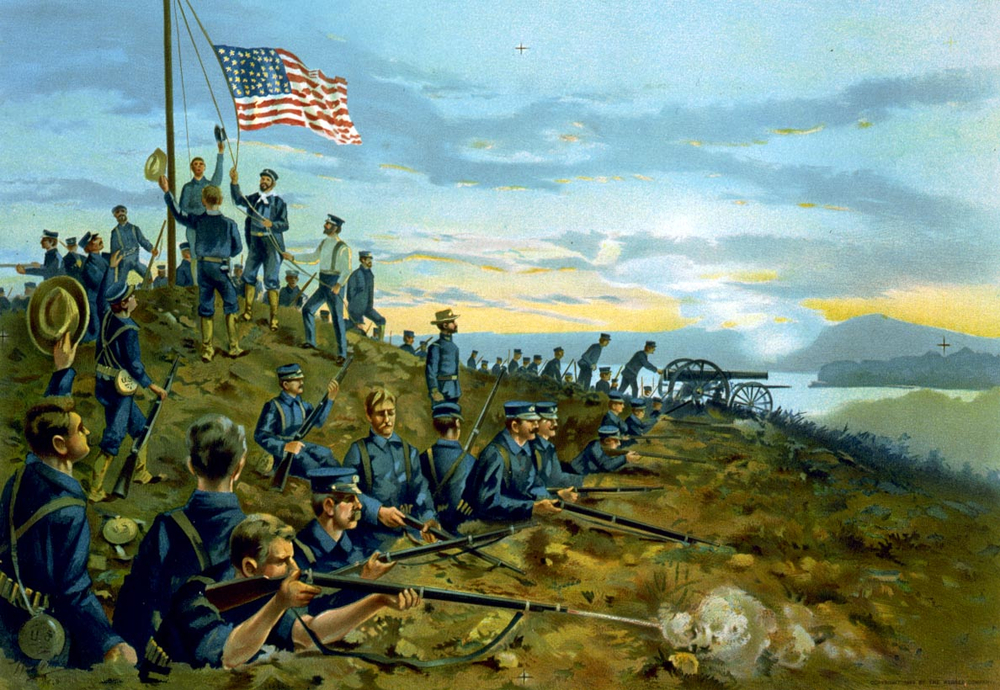
The Spanish-American War erupted due to the long-standing tensions between Spain and the United States over Spain's colonial rule in Cuba. The conflict was fueled by the American interests in Cuban independence and the sinking of the USS Maine in Havana Harbor.
The impact of the Spanish-American War was substantial. The United States emerged as a global power by defeating Spanish forces in Cuba, Puerto Rico, and the Philippines. The war also marked the end of Spanish colonial rule in the Americas.
The involvement of the United States in the war had far-reaching consequences, as it led to the annexation of Puerto Rico and the Philippines. Cuba gained independence but was heavily influenced by the United States.
The Spanish-American War was a turning point in American history, signaling the country's shift towards imperialism and overseas expansion. It also highlighted the United States' growing influence in international affairs.
#SpanishAmericanWar #Spain #UnitedStates #Cuba #Imperialism #Colonialism
View details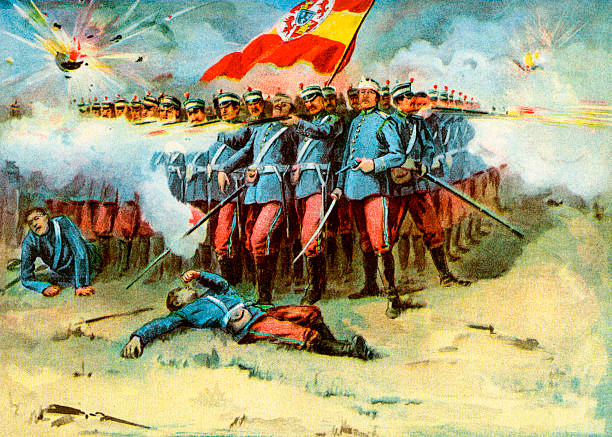
1879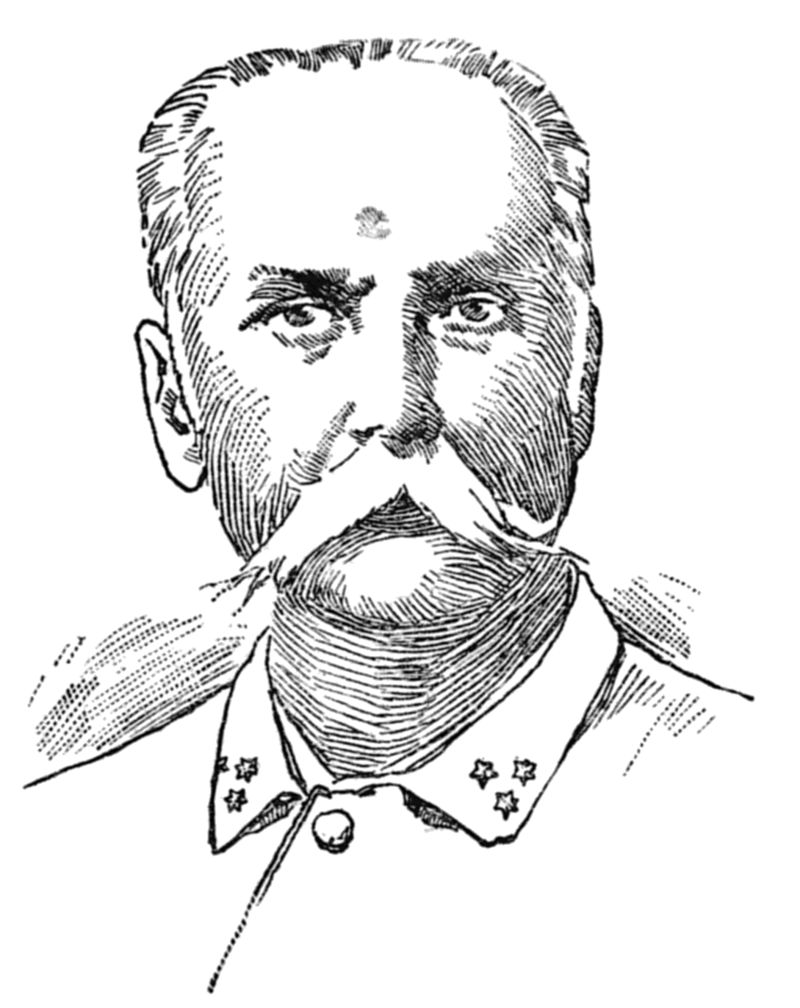
Following years of fighting for independence from Spanish colonial rule, the Little War began as a continuation of the Cuban struggle for freedom. The conflict stemmed from unresolved tensions and the desire to assert Cuban sovereignty. Cuban insurgents aimed to weaken Spanish control over the island and advance their cause for independence.
The Little War marked a crucial period in Cuba's quest for autonomy, attracting international attention to the ongoing fight for independence. It involved guerrilla warfare tactics and widespread mobilization of Cuban forces against the well-equipped Spanish army. The conflict brought about significant casualties and destruction, illustrating the high stakes and determination of both sides.
The Little War highlighted Cuba's resilience and unwavering commitment to self-determination, showcasing the bravery and sacrifice of those involved in the struggle for liberation. The ongoing fight for independence during this time inspired unity and solidarity among Cubans, fostering a sense of national pride and identity.
#Cuba #Independence #LittleWar #Freedom #Sovereignty
View details1878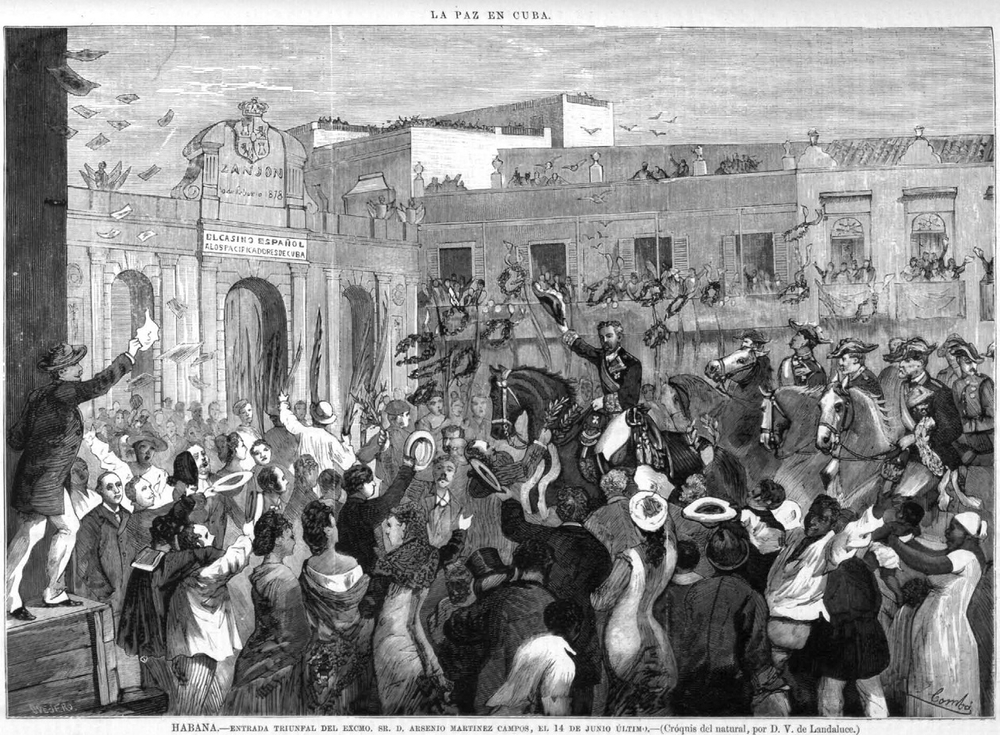
The Pact of Zanjón brought an end to the Ten Years' War in Cuba. The conflict arose due to longstanding tensions between Cuban rebels and Spanish colonial authorities. The rebels fought for independence, aiming to overthrow colonial rule and establish autonomy.
The signing of the Pact of Zanjón marked a crucial moment in Cuban history, as it halted the fighting that had ravaged the island for a decade. The agreement, however, fell short of granting full independence to Cuba, disappointing many rebels. Despite this, the pact paved the way for discussions on reforms and improved conditions for Cubans.
The aftermath of the Pact of Zanjón saw mixed reactions among the Cuban population. While some hoped for progress towards autonomy, others criticized the agreement for not meeting their aspirations for full independence. The signing of the pact brought a temporary cessation of hostilities, but it did not address the deep-rooted issues that had fueled the Ten Years' War.
Overall, the Pact of Zanjón had a significant impact on Cuba's quest for independence, setting the stage for future struggles and negotiations. Its legacy remains a point of reflection for historians and a reminder of the complexities involved in the pursuit of sovereignty. #Cuba #TenYearsWar #PactofZanjon #Independence #Colonialism
View details1868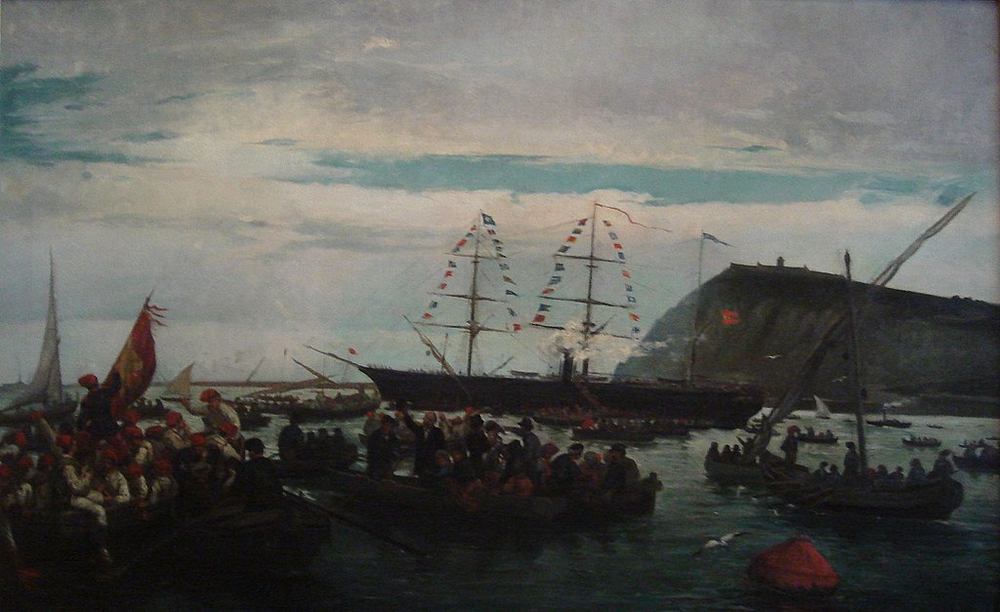
The Ten Years' War in Cuba commenced as a response to the oppressive Spanish colonial rule. Cuban revolutionaries, led by Carlos Manuel de Cespedes, rebelled against Spain's dominance, advocating for independence and abolition of slavery. The conflict emerged from years of frustration and discontent among the Cuban population, fueled by economic hardships and political inequality.
The war had a profound impact on Cuban society, leading to widespread destruction and loss of life. It marked the beginning of a long and arduous struggle for independence, shaping the country's history for years to come. Despite facing military superiority, Cuban rebels demonstrated resilience and determination in their fight against Spanish forces.
The Ten Years' War served as a catalyst for the Cuban independence movement, inspiring future generations of revolutionaries and freedom fighters. It laid the foundation for future uprisings and rebellions, ultimately culminating in Cuba's independence from Spain. The conflict brought international attention to Cuba's plight and garnered support for the island's quest for self-determination.
#Cuba #TenYearsWar #Independence #ColonialRule #Revolution
View details1843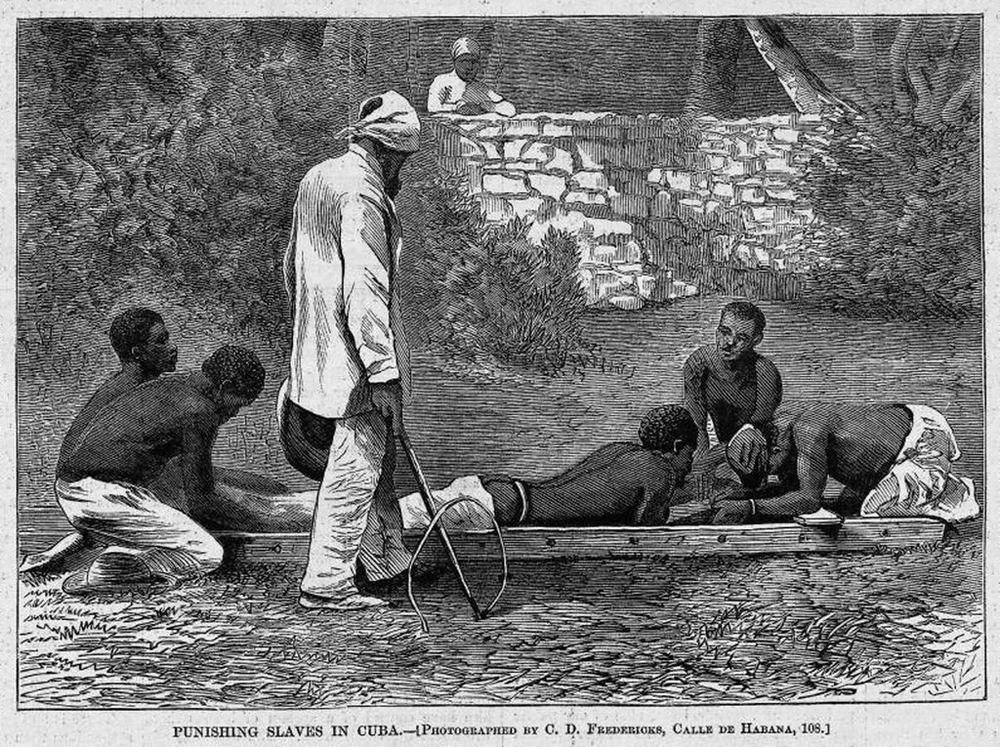
In December 1843, the Conspiracy of La Escalera unfolded in Cuba, unveiling an alleged conspiracy among slaves and free people of color to rebel against the Spanish colonial authorities. The plot surfaced in Matanzas and quickly spread fear across the island. Accusations led to mass arrests, with over 3,000 individuals implicated, including prominent figures in the Afro-Cuban community.
Authorities resorted to brutal interrogations, extracting confessions through torture. Many faced summary trials, and around 100 were executed, while numerous others received harsh sentences or were deported. The repercussions of the conspiracy exacerbated racial tensions and fueled further oppression of Afro-Cubans. The event highlighted the deep-rooted fear of slave uprisings and justified the tightening of control over the enslaved population.
The aftermath of the Conspiracy of La Escalera perpetuated racial discrimination and restrictions in Cuba, marking a dark chapter in the country's history. The legacy of this event underscores the enduring impact of colonialism and slavery on the social fabric of the nation. #ConspiracyofLaEscalera #SlaveRebellion #ColonialOppression #RacialTensions #CubanHistory
View details1762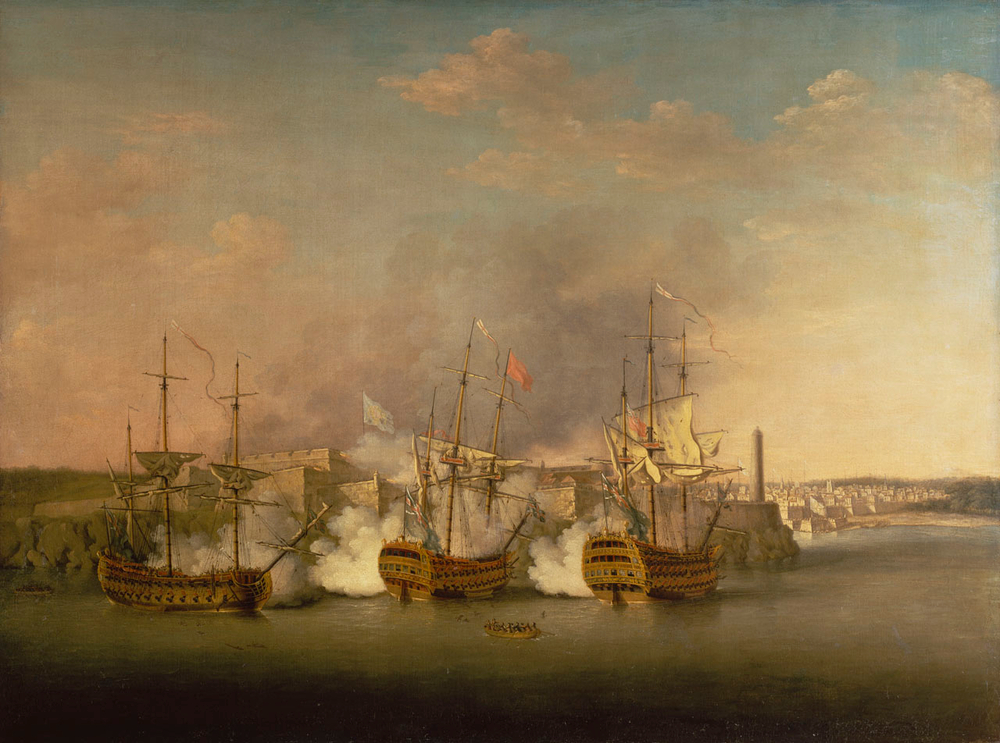
The British occupation of Havana during the War of the Spanish Succession was a pivotal event in Cuban history. As part of the broader conflict between European powers for control of territories, the capture of Havana by British forces significantly altered the dynamics of power in the region.
The siege of Havana began with a British expeditionary force descending upon the strategically important port city. After a fierce battle, the British successfully overpowered the Spanish defenders and took control of the city. The occupation lasted for a brief period but had lasting repercussions.
The impact of the British occupation was felt economically, politically, and socially in Havana. The British implemented new administrative systems, leading to changes in governance and trade practices. The event also exposed the vulnerabilities of Spanish colonial rule in the Caribbean and highlighted the strategic importance of Havana as a key port.
In the aftermath of the occupation, the Spanish worked to regain control of Havana, eventually succeeding through diplomatic negotiations. However, the brief period of British rule left a lasting impression on the city and its residents.
#BritishOccupation #Havana #WarOfSpanishSuccession #CubanHistory
View details1693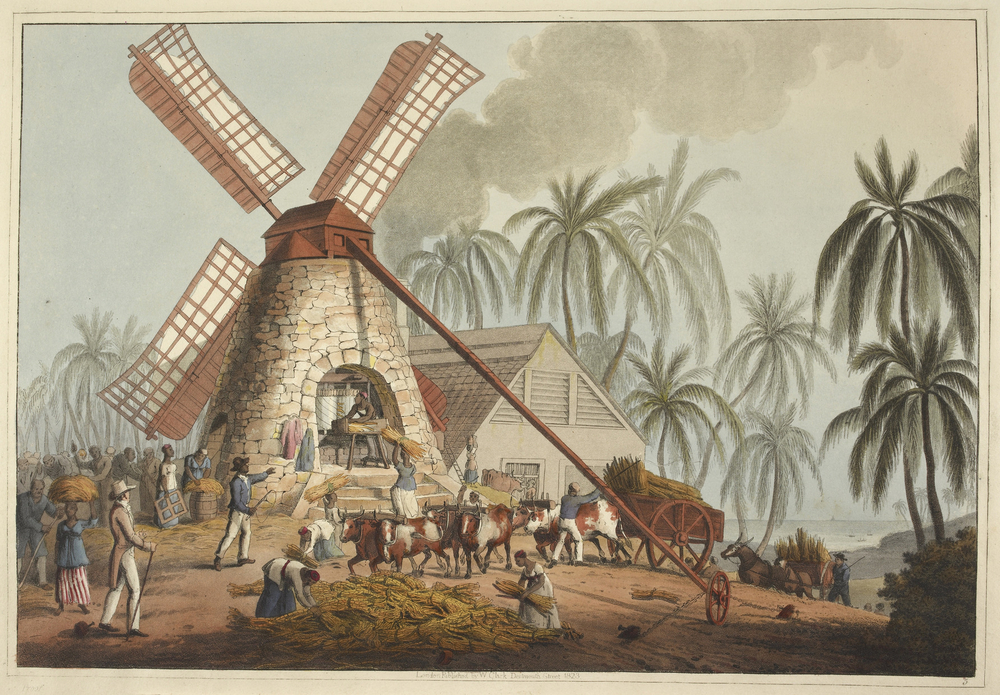
In 1693, the establishment of Matanzas as a major sugar-producing region in Cuba marked a pivotal moment in the island's economic history. The fertile lands and favorable climate of Matanzas attracted numerous sugar plantations, leading to a surge in sugar production within the region. The strategic location of Matanzas, situated between Havana and Varadero, also played a significant role in its rapid growth as a central hub for sugar cultivation and export.
The emergence of Matanzas as a primary sugar-producing region had far-reaching impacts on Cuba's economy and trade relations. The increase in sugar production not only bolstered the island's economy but also fueled the expansion of the sugar industry, attracting investments and spurring economic development in other sectors. The labor demand for sugarcane cultivation and processing also led to the influx of enslaved Africans to work on the plantations, shaping the demographic landscape of the region.
The establishment of Matanzas as a leading sugar-producing region solidified Cuba's position as a prominent player in the global sugar market, contributing significantly to the island's prosperity and economic importance. This transformative event underscored the crucial role of sugar production in shaping Cuba's history and economy, leaving a lasting legacy that continues to resonate to this day.
#Matanzas #sugarindustry #Cuba #economicdevelopment #sugarproduction
View details1670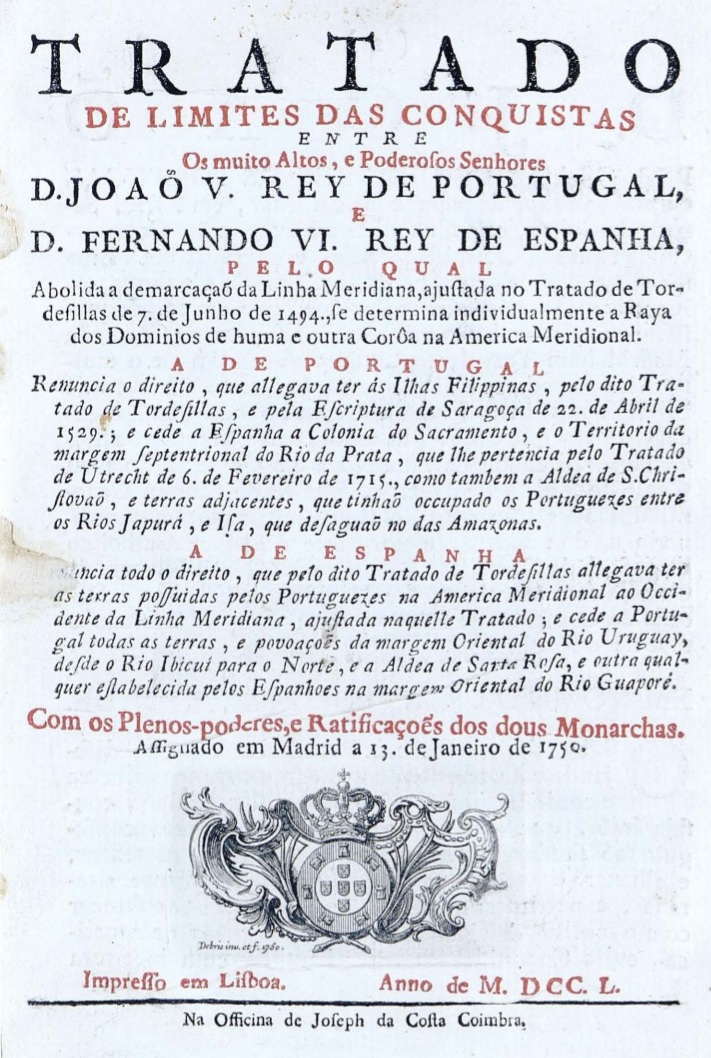
Following a period of British possession, the Treaty of Madrid saw Havana being returned to Spanish control. The agreement came after escalating tensions between Britain and Spain over territorial claims in the Caribbean. Havana's strategic location and its bustling trade port made it a coveted prize for colonial powers.
The return of Havana to Spain had a profound impact on the region. Spanish influence was restored, marking a shift in power dynamics in the Caribbean. The Spanish authorities reinstated control over the city, reestablishing their dominance over the island of Cuba. This event reshaped the political landscape of the region and had lasting implications for its future development.
The Treaty of Madrid solidified Spain's position in the Caribbean and reaffirmed its colonial presence in Cuba. The return of Havana from British to Spanish hands symbolized the ongoing competition between European powers for control of valuable territories in the New World. This event underscored the complex history of colonialism and the struggles for dominance in the Caribbean.
#Havana #Spain #TreatyofMadrid #Cuba #ColonialHistory #PowerStruggles
View details1607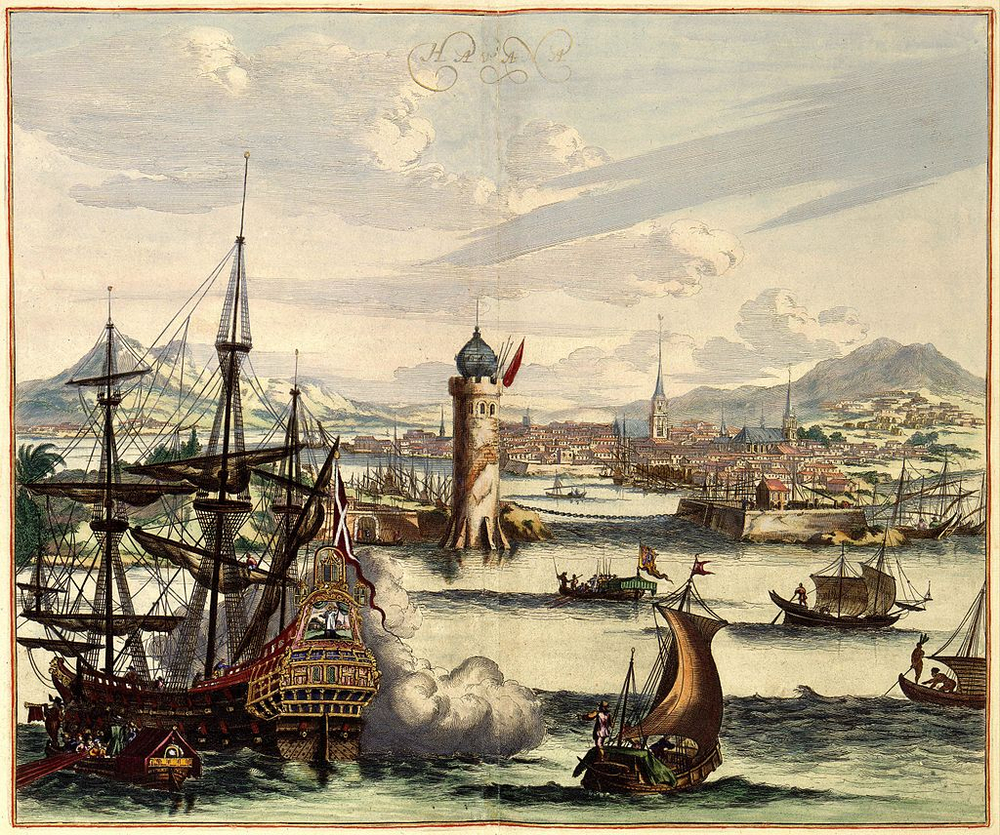
In 1607, the Spanish established the foundation of Havana, a pivotal event in the history of Cuba. Havana's strategic location on the island's northern coast made it a crucial port for Spanish ships traveling to and from the New World. The city quickly grew into a bustling hub of commerce, serving as a key link between Spain and its colonies in the Americas.
The establishment of Havana had a lasting impact on the region, shaping its cultural, political, and economic landscape for centuries to come. The city became a center of trade and a target for rival colonial powers seeking to control its valuable resources. Its fortifications, such as the iconic Morro Castle, were constructed to defend against attacks and secure Spanish dominance in the Caribbean.
Over time, Havana evolved into a vibrant cosmopolitan metropolis, blending Spanish, African, and indigenous influences into a rich tapestry of culture. Its architecture, music, and cuisine reflect this diverse heritage, making it a unique destination for tourists and historians alike. Today, Havana stands as a living testament to its colonial past, while embracing the complexities of its multicultural present.
#Havana #SpanishColonization #CubanHistory
View details1589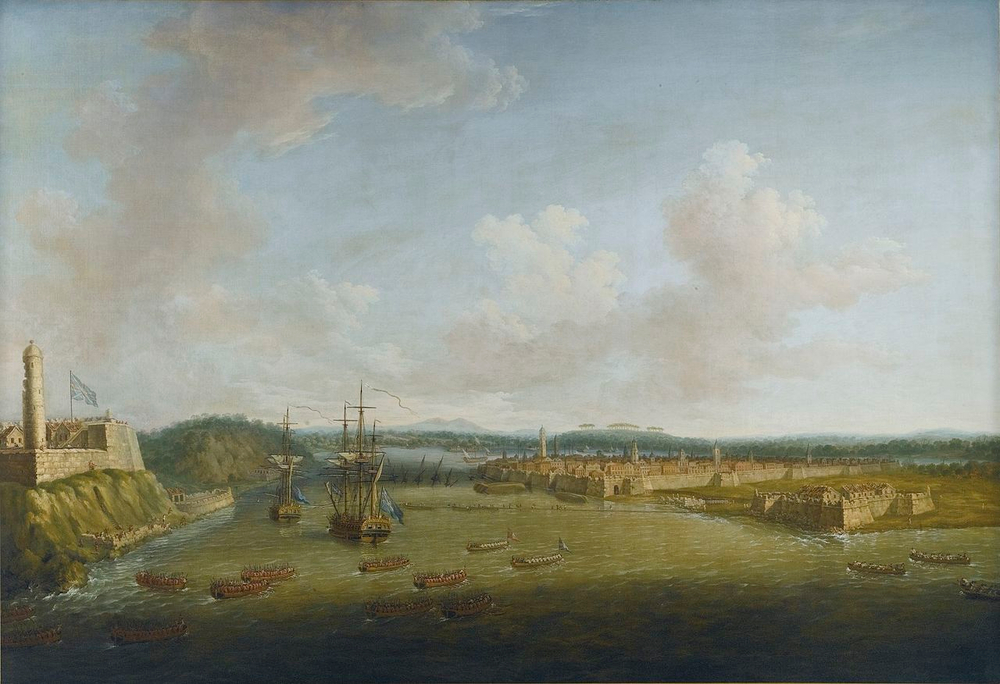
In 1589, the construction of Morro Castle in Havana was initiated with the primary purpose of defending the city against pirate invasions. The strategic location of Havana made it a target for frequent attacks by pirates looking to plunder the wealth of the Spanish colonies. The castle was designed by Italian engineer Juan Bautista Antonelli and built using a combination of stone and coral, making it a formidable fortress overlooking the entrance to the Havana Bay.
The construction of Morro Castle had a significant impact on the security of Havana, providing a strong defense against maritime threats and safeguarding the city and its inhabitants. The castle's imposing presence served as a deterrent to would-be attackers, enhancing the overall defense of the region.
Over the centuries, Morro Castle has stood as a symbol of Havana's resilience and strength, witnessing various historical events and serving different purposes. Today, it stands as a popular tourist attraction, showcasing its historical significance and architectural beauty to visitors from around the world.
#MorroCastle #Havana #PirateAttacks #Defense #HistoricalFortress #CubanHistory
View detailsIn 1589, the construction of the Castillo de San Salvador de la Punta in Havana was initiated to safeguard the city against pirate attacks and foreign invasions. The fortress was strategically positioned at the entrance of Havana Bay, allowing it to control maritime traffic and provide a vital defense line.
The need for such a stronghold arose due to the frequent raids by pirates in the Caribbean region, threatening the economic activities and stability of Havana. The Castillo de San Salvador de la Punta played a pivotal role in protecting the city, serving as a deterrent to potential attackers and ensuring the safety of its inhabitants.
The fortress was designed with thick walls, cannons, and watchtowers, showcasing its military strength and readiness to repel any hostile forces. Its construction marked a significant investment in the defense infrastructure of Havana, emphasizing the strategic importance of the city as a key port in the Spanish colonial empire.
Over the years, the Castillo de San Salvador de la Punta stood as a symbol of resilience and determination, a reminder of Cuba's historical struggles and triumphs in the face of external threats. Its legacy continues to resonate, underscoring the enduring efforts to preserve Cuba's heritage and protect its sovereignty.
#CubaHistory #FortressDefense #PirateThreat #ColonialArchitecture
View details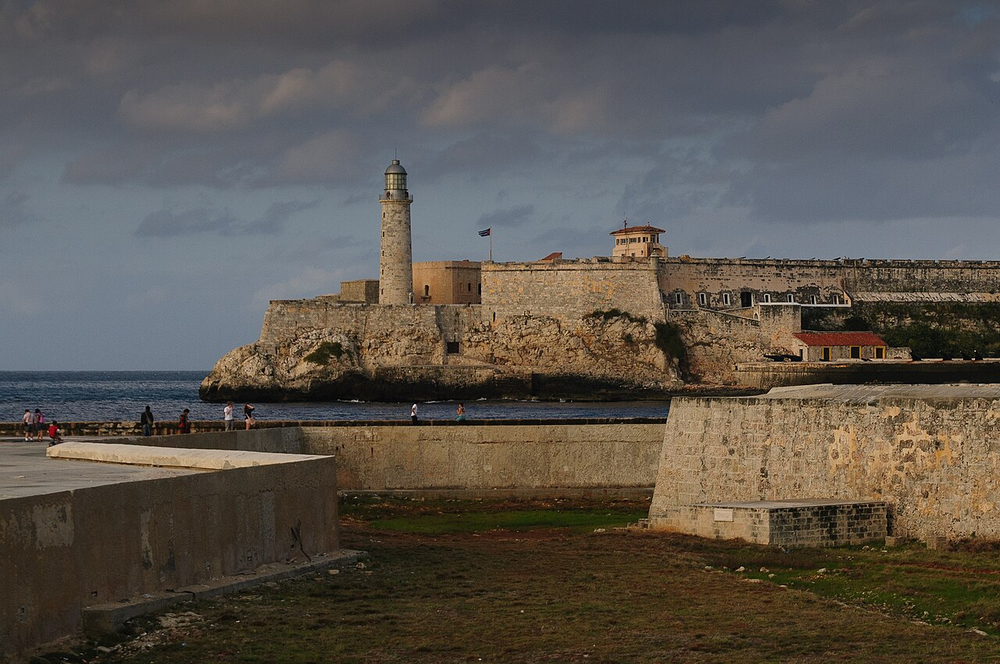
1513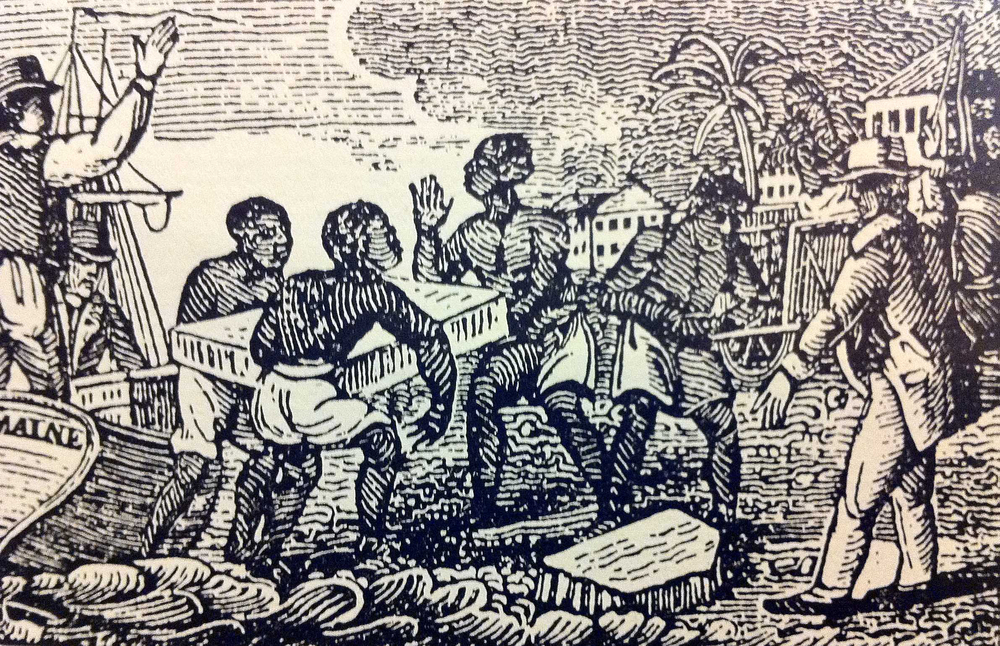
During the early 16th century, African slaves were introduced to work in the sugarcane plantations in Cuba. This historical development was driven by the growing demand for labor in the flourishing sugar industry. The arrival of African slaves in Cuba significantly transformed the demographics and labor dynamics of the island.
The African slaves brought with them diverse cultural backgrounds and agricultural knowledge, contributing to the enrichment of Cuban society. Their forced labor played a crucial role in the expansion and economic success of the sugarcane plantations. This marked the beginning of a long and brutal period of slavery in Cuba, with thousands of Africans enduring harsh conditions and exploitation on the plantations.
The introduction of African slaves to work in the sugarcane plantations in Cuba shaped the social and economic landscape of the island for centuries to come. The legacy of slavery continues to influence Cuban culture, identity, and social relations. It remains a dark chapter in the history of Cuba, underscoring the enduring impact of the transatlantic slave trade.
#AfricanSlavery #CubanPlantations #TransatlanticTrade #LaborExploitation
View details1512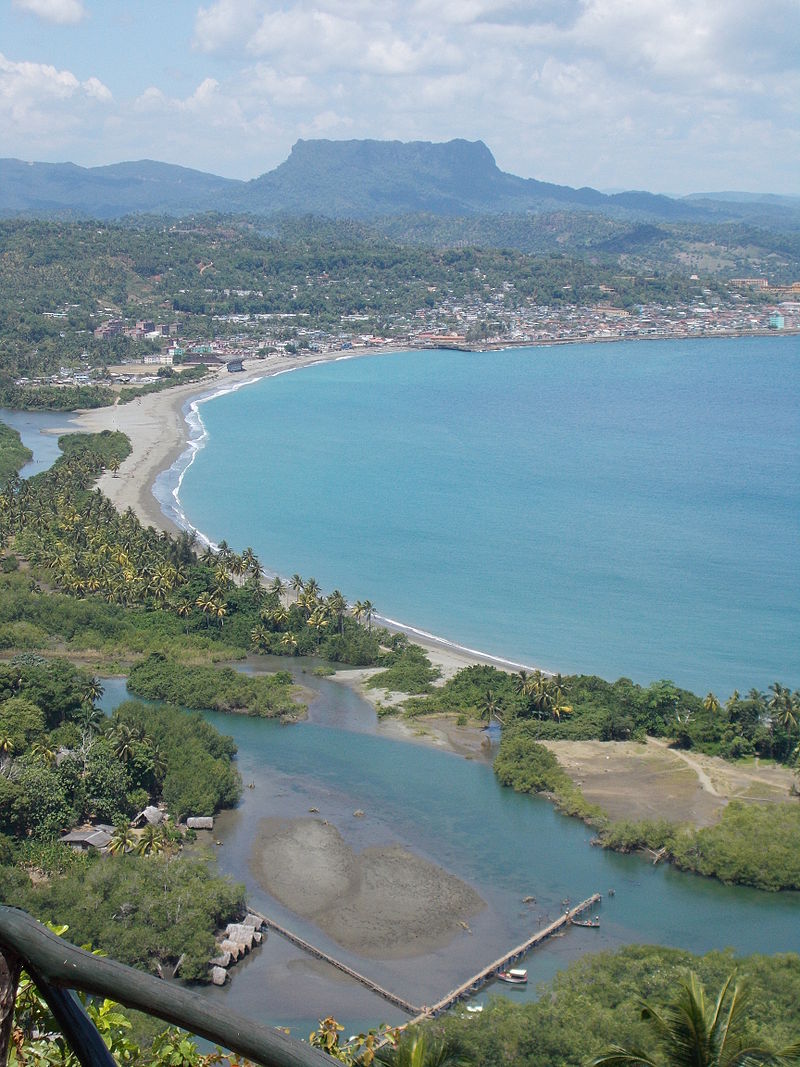
In the early 16th century, the Spanish founded Baracoa, the first permanent settlement on the island of Cuba. Located on the northeastern coast, the town played a crucial role in Spain's colonization efforts in the Americas. Baracoa served as an important administrative center and trading hub, connecting the New World to Europe through the Spanish Empire's vast network.
The establishment of Baracoa marked the beginning of Spanish influence in Cuba, leading to further expeditions and settlements across the island. The town's strategic location facilitated interactions between Spanish colonizers, indigenous populations, and African slaves, shaping Cuba's diverse cultural landscape.
Baracoa's founding brought European diseases that devastated the indigenous communities, leading to significant changes in the demographic makeup of the region. The Spanish introduced crops such as sugarcane and cacao, laying the foundations for Cuba's agricultural economy.
Today, Baracoa stands as a testament to Cuba's rich history, blending Spanish, indigenous, and African influences. Its picturesque landscapes, vibrant culture, and historic landmarks attract tourists from around the world, highlighting the town's enduring significance in Cuban history.
#Baracoa #SpanishSettlement #CubanHistory #Colonization #CulturalHeritage
View details1511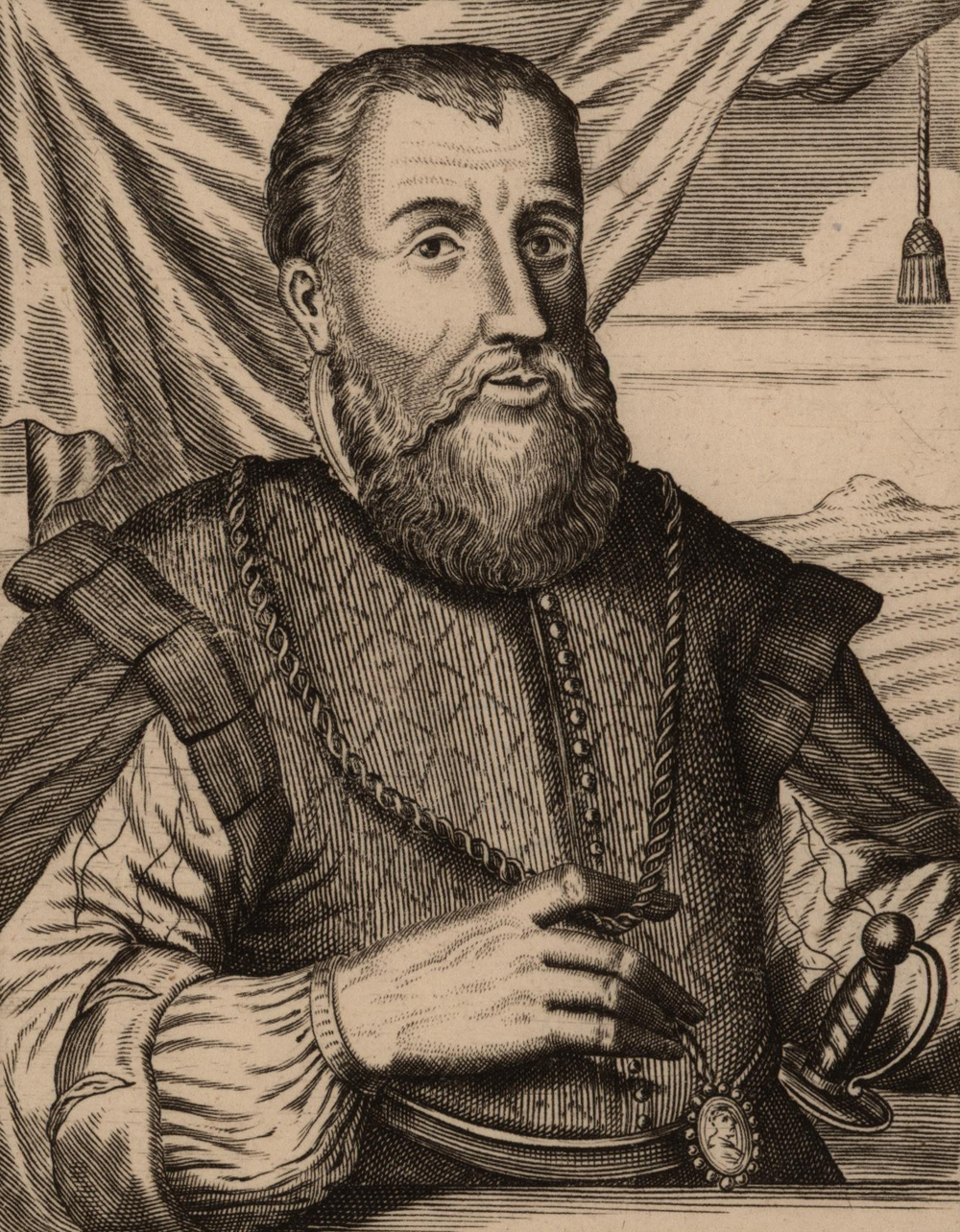
In 1511, the Spanish colonization of Cuba began as Diego Velazquez de Cuellar led an expedition to the island. This marked the start of a significant period in the history of Cuba. The Spanish conquistadors encountered the indigenous Taino people and quickly asserted control over the region. They established settlements and introduced new crops and livestock to the island.
The colonization brought about drastic changes to the social, economic, and cultural landscape of Cuba. The Spanish imposed their language, religion, and governance system on the native population. They exploited the land for resources and forced the indigenous people into labor. This led to a decline in the Taino population due to diseases, warfare, and harsh living conditions.
The Spanish colonization of Cuba had a lasting impact on the island, shaping its history and identity. It laid the foundation for the development of a plantation economy based on sugar and tobacco, with enslaved Africans brought in to work the fields. The cultural fusion between the Spanish, African, and indigenous populations gave rise to the unique Cuban identity that exists today.
#SpanishColonization #CubaHistory #CulturalFusion
View details1492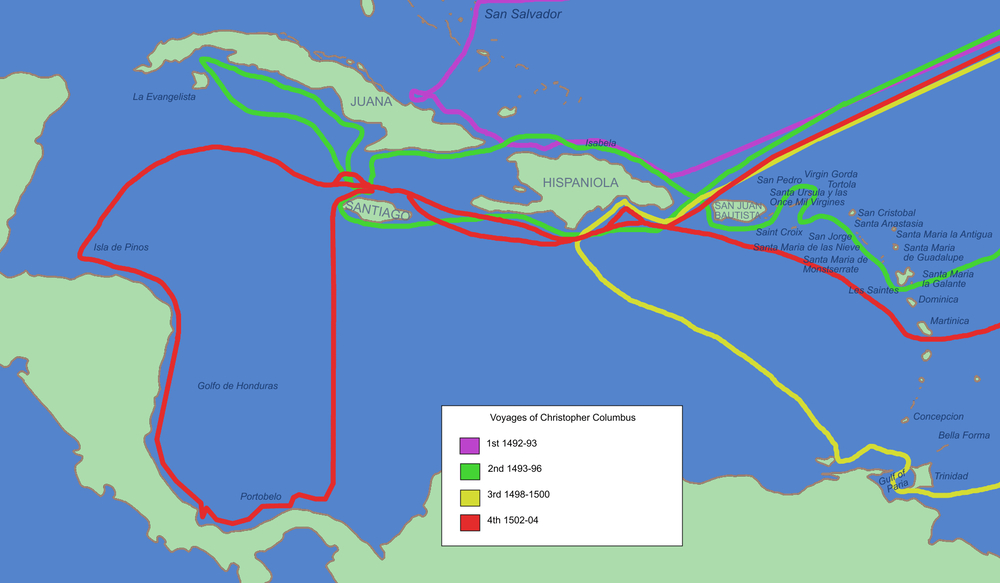
Christopher Columbus arrived in Cuba during his first voyage, seeking a new route to Asia. Upon reaching the island, Columbus and his crew were greeted by the Taíno people, who inhabited the land for centuries. The encounter marked the first recorded European contact with Cuba, setting off a chain of events that would eventually lead to Spanish colonization.
Columbus was struck by the beauty of Cuba and its potential for resources. He noted the lush landscapes and the friendliness of the local population. This initial interaction would pave the way for future expeditions and the eventual establishment of Spanish settlements on the island.
The arrival of Columbus in Cuba had a profound impact on the region, as it signaled the beginning of European influence in the Caribbean. The encounter between the Old World and the New World would forever alter the course of history, leading to cultural exchange, conflict, and the spread of new ideas and technologies.
This historic event in Cuba's history is a reminder of the complex legacy of colonialism and the enduring connections between different cultures and peoples. #Columbus #Cuba #Exploration #Colonization
View details1440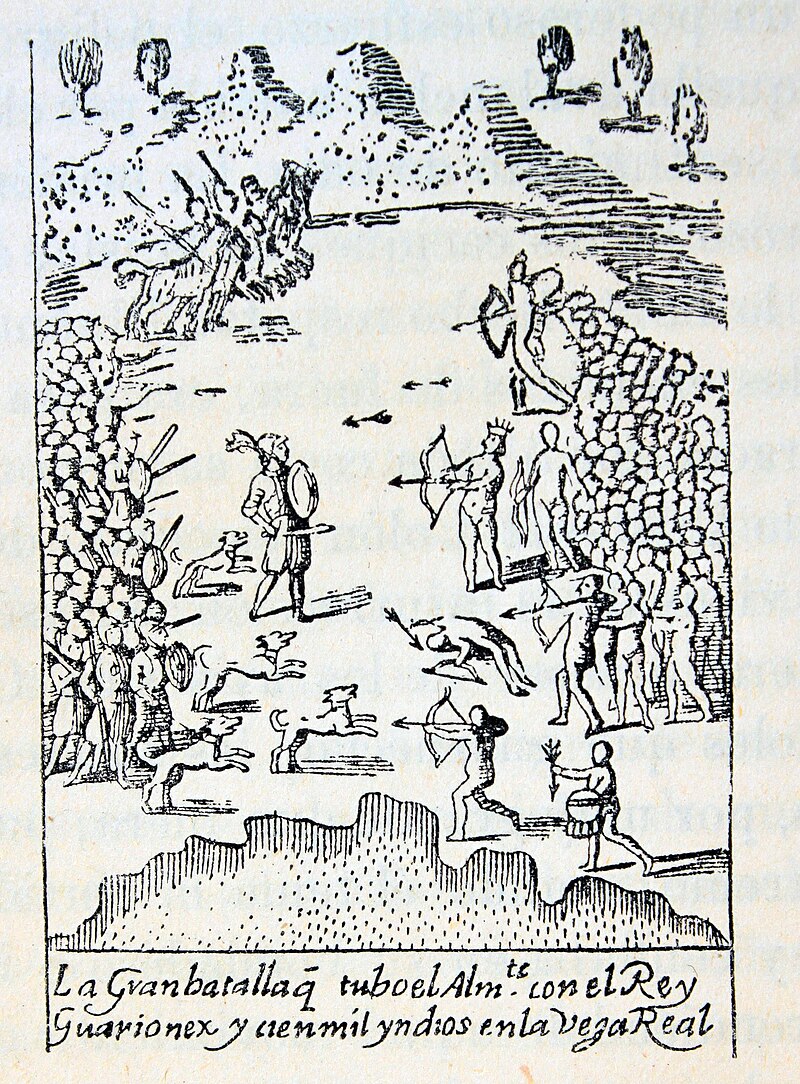
In the early 1440s, an influential Taíno chiefdom was established in Cuba. This development was a pivotal moment in the island's history, marking the consolidation of political power among the indigenous Taíno people.
The emergence of the Taíno chiefdom in Cuba had a profound impact on the social and political landscape of the region. It brought about a centralized authority that governed over a significant portion of the island, fostering stability and organization within the Taíno communities.
Under the leadership of the Taíno chief, the society experienced a period of cultural flourishing, marked by advancements in agriculture, trade, and craftsmanship. The chiefdom also played a crucial role in facilitating communication and alliances between different Taíno groups across the island.
Overall, the establishment of the Taíno chiefdom in Cuba was a defining moment that shaped the trajectory of indigenous civilization on the island, leaving a lasting legacy in the cultural heritage of Cuba. #Taíno #Chiefdom #CubanHistory #IndigenousCulture
View details