Spanish Colonization of Cuba Begins
Cuba

Cultural Fusion
3 min read
Updated By: History Editorial Network (HEN)
Published:
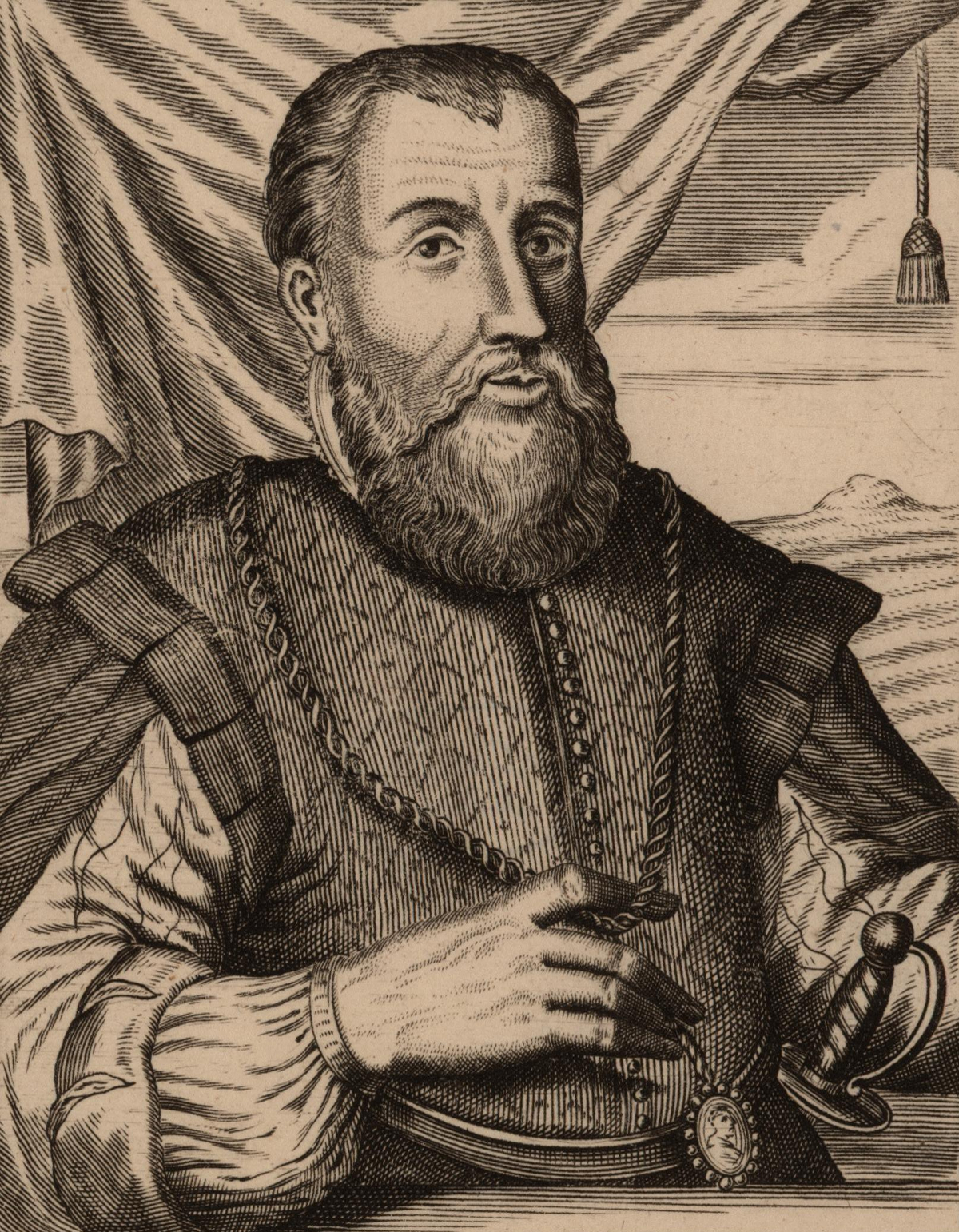
In 1511, the Spanish colonization of Cuba began as Diego Velazquez de Cuellar led an expedition to the island. This marked the start of a significant period in the history of Cuba. The Spanish conquistadors encountered the indigenous Taino people and quickly asserted control over the region. They established settlements and introduced new crops and livestock to the island.
The colonization brought about drastic changes to the social, economic, and cultural landscape of Cuba. The Spanish imposed their language, religion, and governance system on the native population. They exploited the land for resources and forced the indigenous people into labor. This led to a decline in the Taino population due to diseases, warfare, and harsh living conditions.
The Spanish colonization of Cuba had a lasting impact on the island, shaping its history and identity. It laid the foundation for the development of a plantation economy based on sugar and tobacco, with enslaved Africans brought in to work the fields. The cultural fusion between the Spanish, African, and indigenous populations gave rise to the unique Cuban identity that exists today.
#SpanishColonization #CubaHistory #CulturalFusion
Primary Reference
Cuba profile - Timeline - BBC News
Explore the Life Moments of
 AI Twin