The Rise of the Taíno Chiefdom in Cuba
Cuba

Cultural Heritage
3 min read
Updated By: History Editorial Network (HEN)
Published:
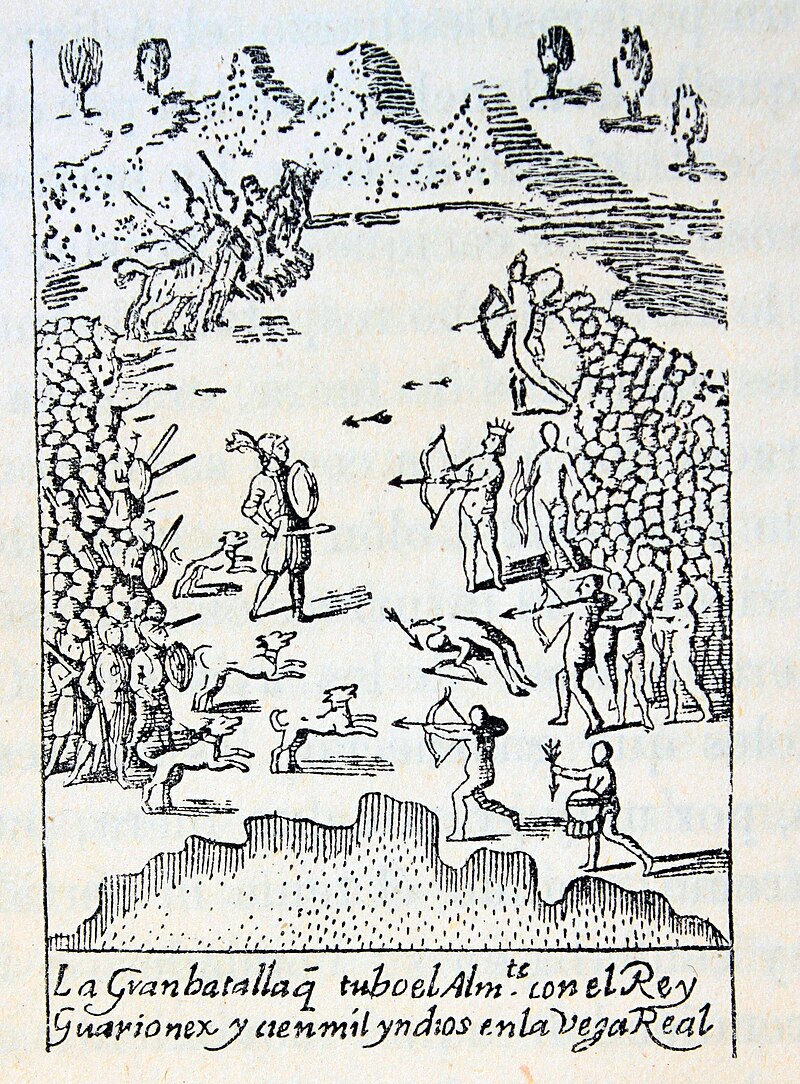
In the early 1440s, an influential Taíno chiefdom was established in Cuba. This development was a pivotal moment in the island's history, marking the consolidation of political power among the indigenous Taíno people.
The emergence of the Taíno chiefdom in Cuba had a profound impact on the social and political landscape of the region. It brought about a centralized authority that governed over a significant portion of the island, fostering stability and organization within the Taíno communities.
Under the leadership of the Taíno chief, the society experienced a period of cultural flourishing, marked by advancements in agriculture, trade, and craftsmanship. The chiefdom also played a crucial role in facilitating communication and alliances between different Taíno groups across the island.
Overall, the establishment of the Taíno chiefdom in Cuba was a defining moment that shaped the trajectory of indigenous civilization on the island, leaving a lasting legacy in the cultural heritage of Cuba. #Taíno #Chiefdom #CubanHistory #IndigenousCulture
Primary Reference
July 2022 Trafficking in Persons Report
Explore the Life Moments of
 AI Twin