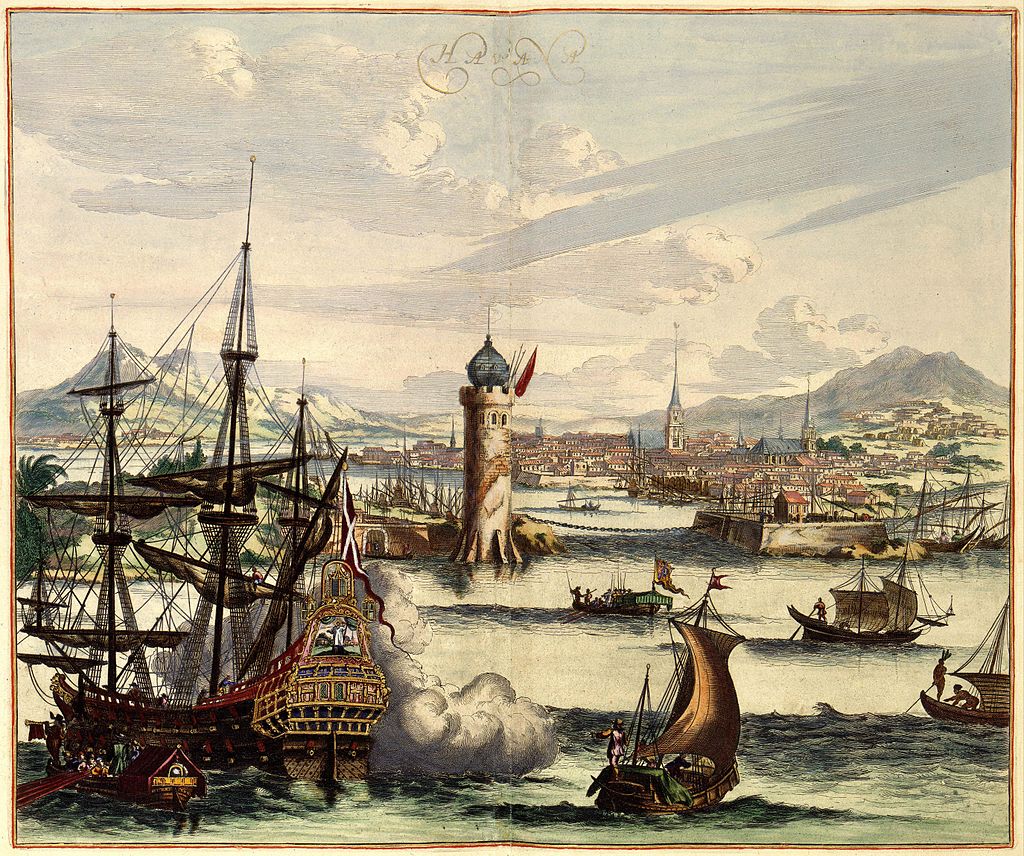
Colonial Establishment of Havana City in 16th Century
Cuba

Cultural
3 min read
Updated By: History Editorial Network (HEN)
Published:
In 1607, the Spanish established the foundation of Havana, a pivotal event in the history of Cuba. Havana's strategic location on the island's northern coast made it a crucial port for Spanish ships traveling to and from the New World. The city quickly grew into a bustling hub of commerce, serving as a key link between Spain and its colonies in the Americas.
The establishment of Havana had a lasting impact on the region, shaping its cultural, political, and economic landscape for centuries to come. The city became a center of trade and a target for rival colonial powers seeking to control its valuable resources. Its fortifications, such as the iconic Morro Castle, were constructed to defend against attacks and secure Spanish dominance in the Caribbean.
Over time, Havana evolved into a vibrant cosmopolitan metropolis, blending Spanish, African, and indigenous influences into a rich tapestry of culture. Its architecture, music, and cuisine reflect this diverse heritage, making it a unique destination for tourists and historians alike. Today, Havana stands as a living testament to its colonial past, while embracing the complexities of its multicultural present.
#Havana #SpanishColonization #CubanHistory
Primary Reference
Havana - Wikipedia

Explore the Life Moments of
 AI Twin