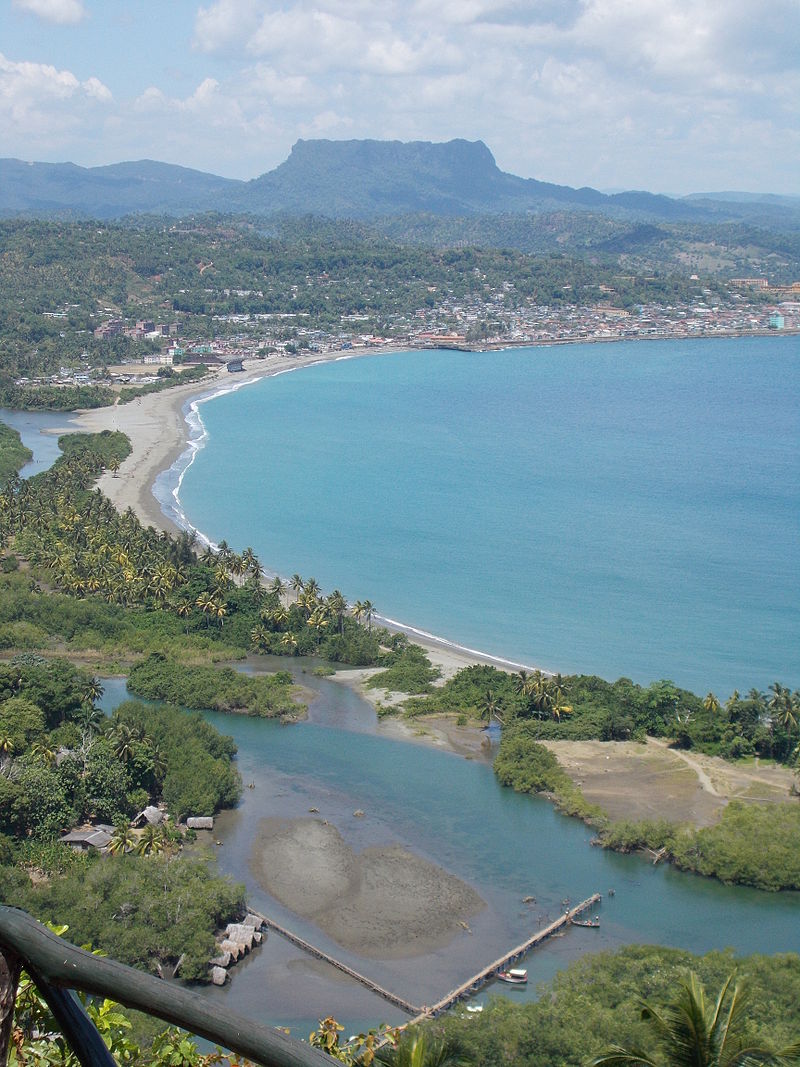
The Founding of Baracoa
Cuba

Cultural Heritage
3 min read
Updated By: History Editorial Network (HEN)
Published:
In the early 16th century, the Spanish founded Baracoa, the first permanent settlement on the island of Cuba. Located on the northeastern coast, the town played a crucial role in Spain's colonization efforts in the Americas. Baracoa served as an important administrative center and trading hub, connecting the New World to Europe through the Spanish Empire's vast network.
The establishment of Baracoa marked the beginning of Spanish influence in Cuba, leading to further expeditions and settlements across the island. The town's strategic location facilitated interactions between Spanish colonizers, indigenous populations, and African slaves, shaping Cuba's diverse cultural landscape.
Baracoa's founding brought European diseases that devastated the indigenous communities, leading to significant changes in the demographic makeup of the region. The Spanish introduced crops such as sugarcane and cacao, laying the foundations for Cuba's agricultural economy.
Today, Baracoa stands as a testament to Cuba's rich history, blending Spanish, indigenous, and African influences. Its picturesque landscapes, vibrant culture, and historic landmarks attract tourists from around the world, highlighting the town's enduring significance in Cuban history.
#Baracoa #SpanishSettlement #CubanHistory #Colonization #CulturalHeritage
Primary Reference
Feb. 2, 1512: Taíno Leader Hatuey Executed in Cuba - Zinn ...
Explore the Life Moments of
 AI Twin