First Voyage of Christopher Columbus: Arrival in New World
Cuba

Global Trade
3 min read
Updated By: History Editorial Network (HEN)
Published:
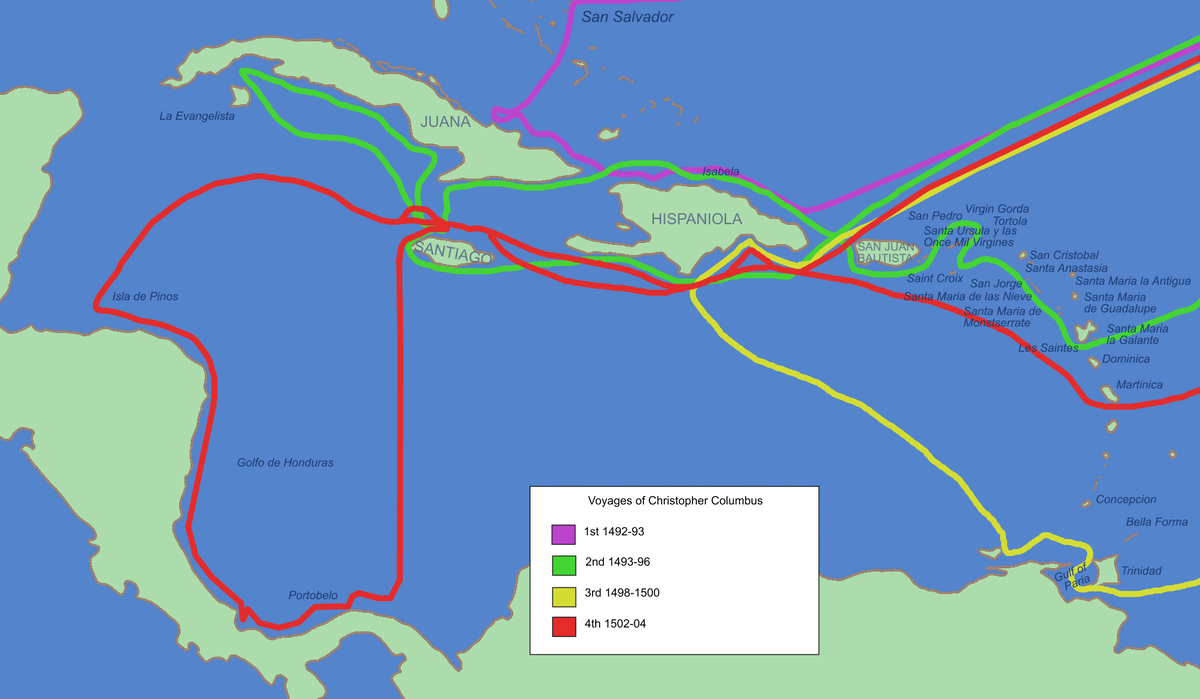
Christopher Columbus arrived in Cuba during his first voyage, seeking a new route to Asia. Upon reaching the island, Columbus and his crew were greeted by the Taíno people, who inhabited the land for centuries. The encounter marked the first recorded European contact with Cuba, setting off a chain of events that would eventually lead to Spanish colonization.
Columbus was struck by the beauty of Cuba and its potential for resources. He noted the lush landscapes and the friendliness of the local population. This initial interaction would pave the way for future expeditions and the eventual establishment of Spanish settlements on the island.
The arrival of Columbus in Cuba had a profound impact on the region, as it signaled the beginning of European influence in the Caribbean. The encounter between the Old World and the New World would forever alter the course of history, leading to cultural exchange, conflict, and the spread of new ideas and technologies.
This historic event in Cuba's history is a reminder of the complex legacy of colonialism and the enduring connections between different cultures and peoples. #Columbus #Cuba #Exploration #Colonization
Primary Reference
Cuba's Taíno people: A flourishing culture, believed extinct
Explore the Life Moments of
 AI Twin