The End of Machado's Regime
Cuba
Political
Global Trade
3 min read
Updated By: History Editorial Network (HEN)
Published:
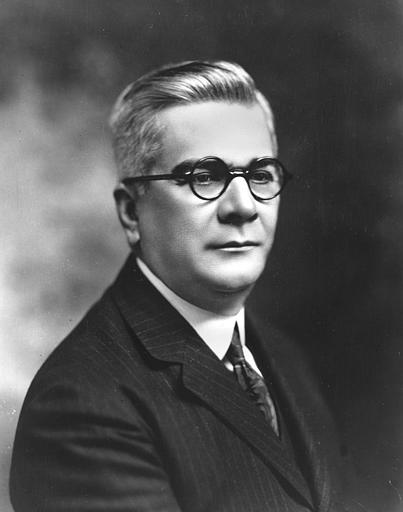
Following years of political repression and economic turmoil under the Machado dictatorship, Cuban citizens rose up in a coordinated effort to overthrow the oppressive regime. Civil unrest, protests, and strikes had been escalating, fueled by dissatisfaction with the dictatorship's corruption and disregard for basic human rights.
Opposition forces, including students, workers, and political groups, united against Machado and his government. The movement gained momentum with widespread support from the Cuban population, culminating in a decisive pushback against the dictatorship. As pressure mounted, Machado's grip on power weakened, leading to his eventual downfall and flight from Cuba.
The fall of the Machado dictatorship marked a turning point in Cuban history, paving the way for a new era of political change and reform. The event sparked hope for a more democratic and inclusive society, setting the stage for future developments in Cuban governance.
The aftermath of Machado's ousting brought about a period of transition and rebuilding as Cuba sought to establish a more stable and democratic government. The event served as a catalyst for political transformation and laid the groundwork for a reimagined Cuban identity.
#CubanRevolution #DictatorshipFall #PoliticalTransformation
Primary Reference
US Diplomacy and the Downfall of a Cuban Dictator: Machado in 1933
Explore the Life Moments of
 AI Twin