
Cuba

The Jewel of the Caribbean
About
#Cuba
#Caribbean
#Havana
Life Classification
Country
Life ID
EL2775261668372
Verified Name
cuba
Life Type
Entity Life
Life Editor(s)
History Editorial Network (HEN)
Life Privacy
Public
Subscription
Elite
Created On
2024-07-18
Updated On
2025-12-19
Connect
Related Lives
US Fighter Jets
Fighterjets operated by the United State

Drama Movies
The Heart of Cinema

Panama
The Crossroads of the Americas
New Zealand
The Journey Through New Zealand
Egypt
The Land of the Pharaohs

Hungary
Tales of the Danube
Albania
The Land of Eagles
Jordan
Land of Ancient Wonders

2026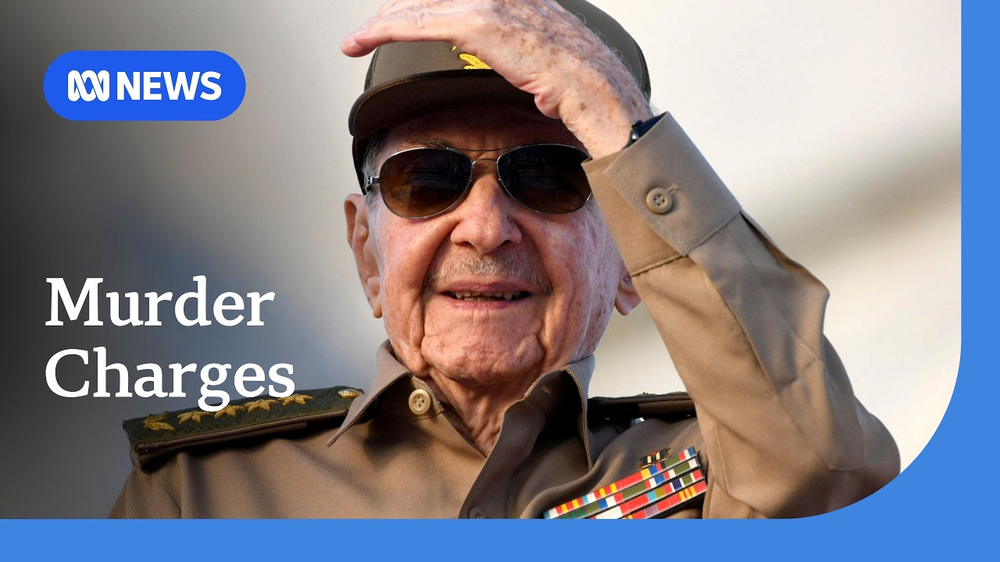
On 20/05/2026, the United States Department of Justice unsealed a superseding indictment against former Cuban President Raúl Castro and five co-defendants, accusing them of crimes including conspiracy to kill U.S. nationals, murder, and destruction of aircraft. The indictment marked one of the most high-profile legal actions ever taken by the United States against a former Cuban head of state and intensified already strained relations between Washington and Havana.
Raúl Castro, who was 94 years old at the time of the indictment, served as President of Cuba from 2008 to 2018 and remained a central political figure in the Cuban government for decades following the revolution led by his brother Fidel Castro. U.S. prosecutors alleged that Castro and the other accused individuals were connected to actions involving the downing of civilian aircraft and attacks resulting in the deaths of U.S. citizens. The superseding indictment expanded on earlier legal proceedings tied to longstanding investigations into incidents involving anti-Castro organizations and U.S.-Cuba tensions dating back decades.
The charges included conspiracy to murder U.S. nationals, destruction of aircraft resulting in death, and related criminal offenses under U.S. federal law. The Department of Justice stated that the case was being pursued under statutes allowing prosecution for acts targeting U.S. citizens and aircraft, regardless of where the alleged crimes occurred. Legal experts noted that the indictment was largely symbolic in practical terms because Cuba does not extradite its citizens to the United States, making any future prosecution dependent on major geopolitical developments.
The announcement drew immediate international attention because of Raúl Castro’s historic role in Cuban politics and the broader legacy of Cold War-era conflict between the United States and Cuba. Cuban officials strongly condemned the indictment, describing it as politically motivated and rejecting the legitimacy of the accusations. The case also renewed debate over unresolved historical disputes tied to exile groups, aviation incidents, and U.S.-Cuba relations spanning several decades.
Raúl Castro formally succeeded Fidel Castro as Cuba’s president in 2008 after previously serving for many years as defense minister and second-in-command within the Cuban government. Although he stepped down from the presidency in 2018 and later retired from formal Communist Party leadership, he remained one of the most recognizable figures associated with the Cuban revolutionary state.
Why This Moment Matters :
The indictment represented a rare instance of the United States formally charging a former foreign head of state with terrorism-related and homicide offenses connected to historical geopolitical conflict. The legal action also highlighted the continuing influence of unresolved Cold War disputes on modern U.S.-Cuba relations.
View details2022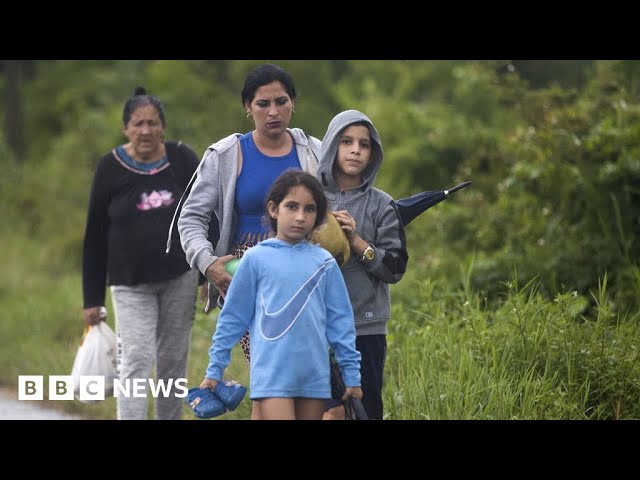
Hurricane Ian, a category 3 storm, swept through western Cuba, causing extensive damage to the country's national grid and resulting in a widespread power outage. The hurricane's strong winds and heavy rainfall wreaked havoc on infrastructure, leaving communities without electricity.
The impact of the storm was severe, with residents facing challenges in communication, transportation, and access to essential services. The destruction of the national grid posed a significant obstacle to recovery efforts, requiring immediate attention to restore power and essential services for the affected population.
In the aftermath of Hurricane Ian, Cuba faced a pressing need for assistance to rebuild and recover from the devastation caused by the storm. The government and humanitarian organizations mobilized resources to provide support to those affected and work towards restoring normalcy in the region.
The event highlighted the vulnerability of Cuba to natural disasters and underscored the importance of preparedness and resilience in the face of such crises. As the country begins the long process of recovery, unity and collaboration will be crucial in overcoming the challenges ahead. #Cuba #HurricaneIan #DisasterRecovery #Resilience
View detailsCuba officially approved same-sex marriage by enacting a new family code through a national referendum. This landmark decision marked a progressive shift in the country's stance on LGBTQ+ rights. The legalization of same-sex marriage was met with widespread support from the LGBTQ+ community and allies, symbolizing a significant step towards equality and inclusivity.
The new family code not only recognized the right of same-sex couples to marry but also granted them the same legal rights and protections as heterosexual couples. This decision was seen as a victory for LGBTQ+ rights in Cuba, a country where discrimination based on sexual orientation has been prevalent in the past. By legalizing same-sex marriage, Cuba joined a growing number of nations worldwide that have embraced marriage equality.
The impact of this decision extended beyond the LGBTQ+ community, as it represented a progressive shift towards a more inclusive and tolerant society. It signified a significant milestone in Cuba's journey towards recognizing and respecting the rights of all individuals, regardless of their sexual orientation.
Overall, the legalization of same-sex marriage in Cuba through the implementation of a new family code in a national referendum marked a historic moment that signified a positive step towards equality and inclusivity in the country. #Cuba #SameSexMarriage #LGBTQRights #Inclusivity
View details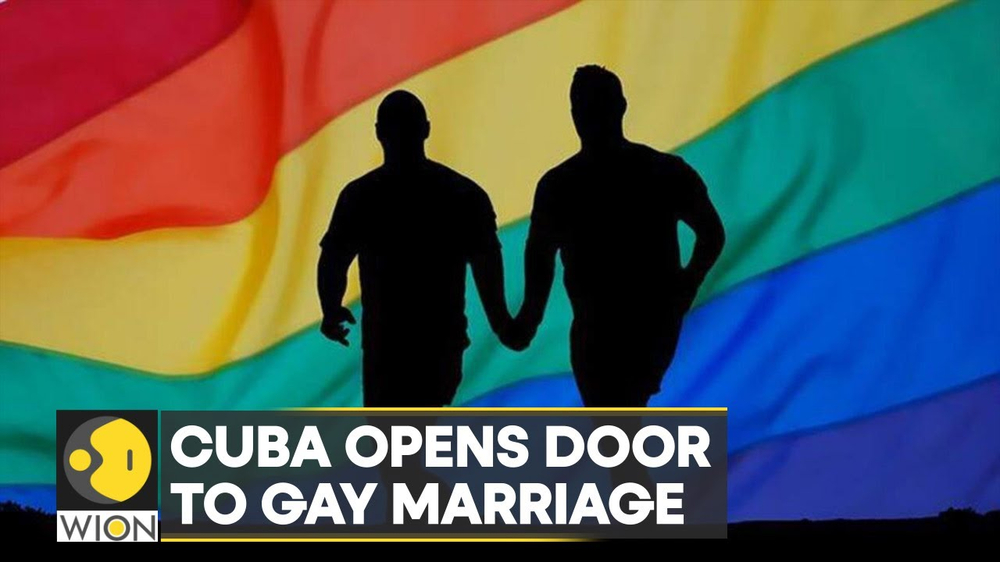
2021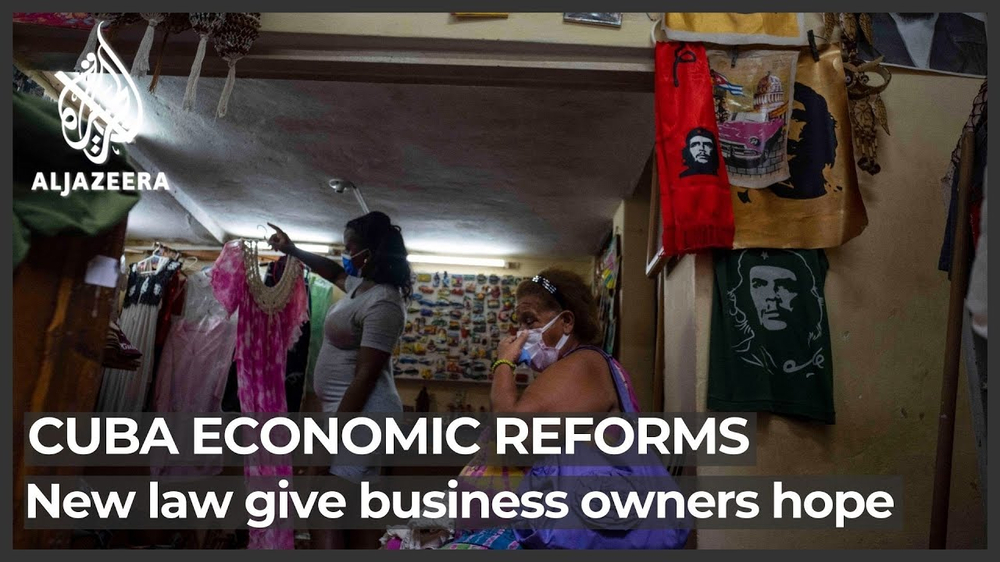
Cuba announced the initiation of limited private enterprise as a component of its economic restructuring efforts. This shift marked a departure from decades of strict state control over the economy. The new measures unveiled by the government enabled citizens to legally operate small businesses in various industries, including food service and retail. Entrepreneurs were allowed to hire labor, import supplies, and expand their operations.
The decision to permit private enterprise aimed to stimulate economic growth, create job opportunities, and increase productivity in a country grappling with economic challenges. It represented a significant shift towards a more mixed economy, combining elements of both state-owned enterprises and private businesses.
The impact of this policy change was initially met with cautious optimism from the Cuban population. Many viewed it as a step towards a more diversified economy and improved living standards. However, challenges such as limited access to resources and bureaucratic hurdles posed obstacles to the success of private businesses. Over time, the success and scalability of these enterprises would be critical in shaping Cuba's economic landscape.
#Cuba #EconomicReforms #PrivateEnterprise #MixedEconomy #JobOpportunities
View detailsIn July 2021, Cuba witnessed unprecedented protests as thousands of citizens took to the streets in multiple cities across the island. These demonstrations were significant due to their scale, spontaneity, and the issues they brought to the forefront, marking a critical moment in the country's recent history.
Background
Cuba, a one-party socialist state governed by the Communist Party since the 1959 revolution, has long experienced economic difficulties exacerbated by the U.S. embargo. These hardships have been compounded by the COVID-19 pandemic, which severely impacted the tourism sector, a crucial part of the economy. The resulting shortages in food, medicine, and basic goods, along with long-standing grievances about government inefficiency and repression, set the stage for the protests.
The Protests
The protests began on July 11, 2021, in San Antonio de los Baños, a town southwest of Havana. Demonstrators, frustrated by power outages, the lack of basic necessities, and a worsening economic crisis, quickly gathered and voiced their discontent. The protests rapidly spread to other cities, including Havana, Santiago de Cuba, and Matanzas, as social media played a pivotal role in mobilizing people and sharing real-time updates.
Chants of "Libertad" (Freedom), "Patria y Vida" (Homeland and Life—a slogan opposing the government-endorsed "Patria o Muerte," Homeland or Death), and demands for President Miguel Díaz-Canel's resignation were common. The protests were notable not only for their size but also for their diversity, encompassing various demographics, including young people and the elderly.
Government Response
The Cuban government, taken by surprise by the scale of the protests, responded swiftly and forcefully. President Díaz-Canel initially called on supporters to counter the protesters, framing the unrest as a result of U.S. interference and economic warfare. This call to action led to clashes between protesters and government supporters, as well as security forces.
The government also implemented internet blackouts to stifle communication and prevent the organization of further protests. Despite these measures, videos and reports of the protests and subsequent crackdowns continued to emerge, often showing violent confrontations and mass arrests. Estimates suggest that hundreds of people were detained, with reports of abuses and harsh conditions in detention.
International Reaction
The international community closely watched the events in Cuba. The U.S. government, alongside other Western nations, expressed support for the protesters' right to peaceful assembly and condemned the Cuban government's repression. President Joe Biden called the protests a "clarion call for freedom," emphasizing the need for the Cuban regime to listen to its people.
Conversely, countries and organizations sympathetic to the Cuban government, including Russia and Venezuela, echoed the narrative of foreign interference and expressed solidarity with the Cuban leadership.
Impact and Legacy
The 2021 Cuban protests are considered a landmark moment in the country's history due to their scale and the direct challenge posed to the government. They exposed deep-seated frustrations among the Cuban population and highlighted the power of social media as a tool for mobilization and information sharing in a tightly controlled society.
In the aftermath, the Cuban government promised to address some of the economic issues but continued to crack down on dissent. The protests left an indelible mark on Cuban society, emboldening activists and ordinary citizens to demand more accountability and transparency from their leaders.
Conclusion
The 2021 Cuban protests represent a significant chapter in Cuba's ongoing struggle for economic stability and political freedom. The widespread dissatisfaction and the boldness of the demonstrators signaled a potential shift in the Cuban populace's willingness to confront their government, despite the risks involved. As the country continues to navigate its complex challenges, the legacy of these protests will undoubtedly influence future movements and the broader push for change in Cuba.
#MomentsOfLife #MoofLife_Moment #MoofLife #CubaProtests #Libertad #PatriaYVida
View details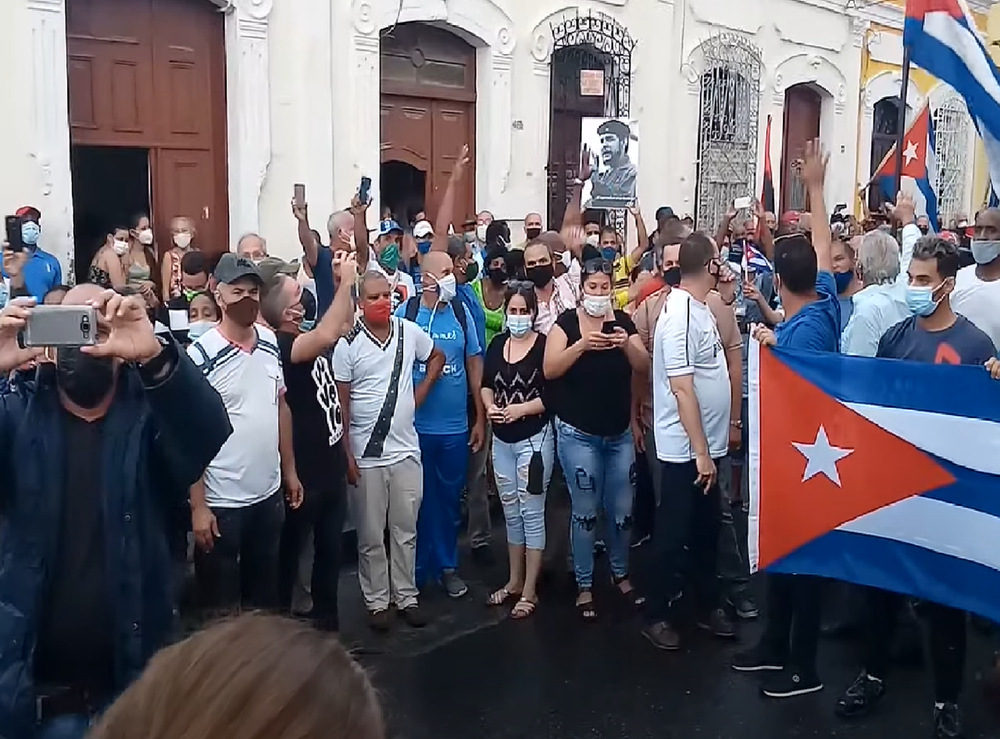
2018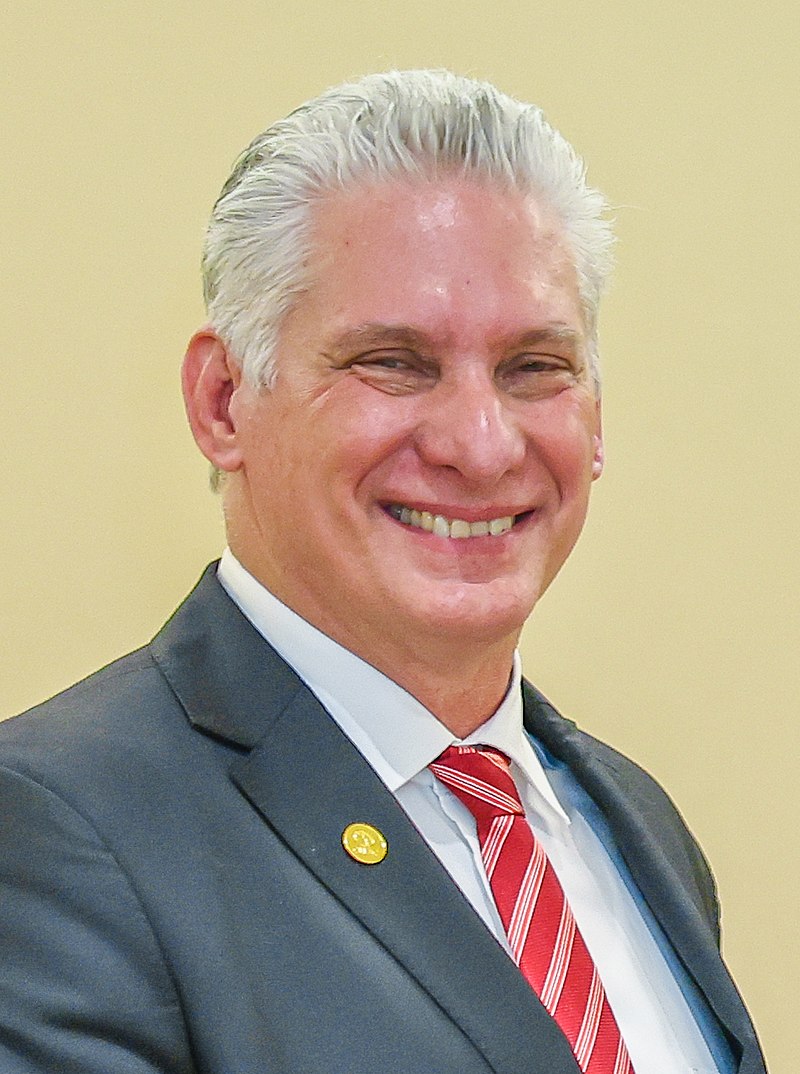
In April 2018, Miguel Díaz-Canel succeeded Raúl Castro as the President of Cuba, marking a historic transition in the country's leadership. This moment was significant as it brought an end to nearly six decades of the Castro family's direct rule since the Cuban Revolution of 1959, making Díaz-Canel the first non-Castro leader of Cuba in almost 60 years.
Background
The Cuban Revolution of 1959 led by Fidel Castro overthrew the regime of Fulgencio Batista, ushering in a socialist state underpinned by Communist Party control. Fidel Castro served as the country's prime minister and then president until 2008, when health issues prompted him to transfer power to his younger brother, Raúl Castro. Raúl continued Fidel's policies but also introduced modest economic reforms aimed at revitalizing the island's stagnant economy.
By the mid-2010s, Raúl Castro began signaling the need for a generational shift in leadership. He announced that he would step down as president in 2018, although he would remain the head of the Communist Party until 2021. This transition was part of a broader plan to modernize the political system while maintaining the Communist Party's grip on power.
The Rise of Miguel Díaz-Canel
Miguel Díaz-Canel was born in 1960, a year after the Cuban Revolution. He is a trained electronics engineer and a member of the Communist Party. Díaz-Canel began his political career in the Young Communist League, eventually rising through the ranks to hold various important positions within the party and government.
His reputation as a loyal party member and competent administrator paved the way for his ascension. By 2013, he was appointed First Vice President of the Council of State, effectively positioning him as Raúl Castro's successor. Díaz-Canel's rise was seen as part of a carefully managed transition designed to ensure continuity and stability within the Cuban political system.
Transition of Power
On April 19, 2018, Miguel Díaz-Canel was formally elected as the President of Cuba by the National Assembly. This election was largely ceremonial, as candidates for the presidency are selected by the Communist Party. Raúl Castro, in a symbolic gesture, passed the presidential sash to Díaz-Canel, underscoring the transfer of power.
In his inaugural speech, Díaz-Canel emphasized continuity with the revolutionary legacy of Fidel and Raúl Castro, while also acknowledging the need for modernization and reform. He pledged to uphold the principles of socialism and resist external pressures, particularly from the United States, which continues to impose an economic embargo on Cuba.
Challenges and Reforms
Díaz-Canel's presidency has been marked by a series of significant challenges and cautious reforms. The Cuban economy, already burdened by inefficiencies and the U.S. embargo, faced additional strains from the collapse of ally Venezuela's economy and the tightening of U.S. sanctions under the Trump administration. The COVID-19 pandemic further exacerbated these difficulties, leading to severe shortages of food, medicine, and other essential goods.
In response, Díaz-Canel's government implemented economic reforms aimed at decentralizing state control and encouraging private enterprise. These included the expansion of the private sector, the unification of Cuba's dual currency system, and measures to attract foreign investment. However, these reforms have been met with resistance from within the party and skepticism among the population, who are wary of the potential social impacts and rising inequality.
Legacy and Significance
Miguel Díaz-Canel's succession marked a new era in Cuban politics. As the first leader outside the Castro family since the revolution, his presidency symbolizes both continuity and change. While maintaining the core principles of the socialist state, Díaz-Canel has had to navigate the complexities of economic reform and social unrest.
His tenure has been a test of the Communist Party's ability to adapt and survive in a rapidly changing world. The 2021 protests, sparked by economic hardship and demands for greater freedom, have been a significant challenge for Díaz-Canel's administration, highlighting the growing discontent among Cubans and the urgent need for meaningful reforms.
Conclusion
The transition from Raúl Castro to Miguel Díaz-Canel in 2018 was a pivotal moment in Cuban history. It ended the direct rule of the Castro family while ensuring the continuation of the socialist state established by the Cuban Revolution. Díaz-Canel's leadership represents a delicate balance between preserving revolutionary ideals and addressing the contemporary needs of the Cuban people. His ability to manage this balance will shape Cuba's future in the years to come.
#MomentsOfLife #MoofLife_Moment #MoofLife #CubaLeadership #CubanRevolution #DíazCanel #CastroLegacy
View details2017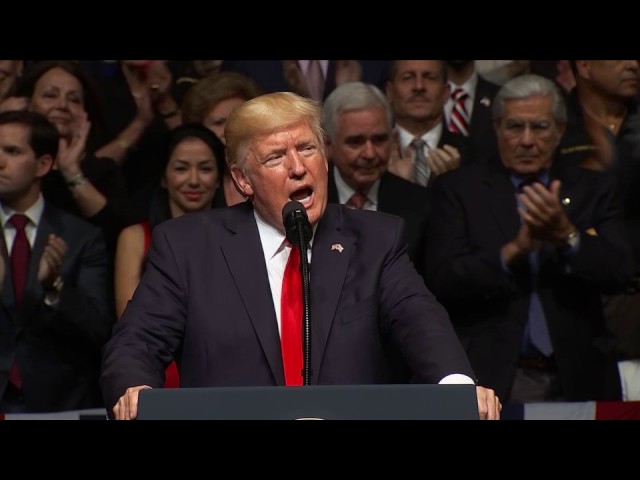
In June 2017, U.S. President Donald Trump announced a significant shift in U.S. policy towards Cuba, effectively canceling the diplomatic agreements established by his predecessor, Barack Obama, and bringing an end to what was commonly referred to as the "Cuban Thaw." This move marked a sharp reversal of the efforts to normalize relations between the two countries that had been in a state of hostility since the early 1960s.
Upon taking office in January 2017, President Donald Trump signaled his intent to roll back many of Obama's policies, including those related to Cuba. On June 16, 2017, in a speech delivered in Miami's Little Havana, a neighborhood with a significant Cuban-American population, Trump announced the cancellation of what he termed the "completely one-sided deal" with Cuba.
The announcement received mixed reactions. Supporters of the policy, particularly within the Cuban-American community and among political hardliners, praised Trump for taking a strong stance against the Cuban government and for standing up for human rights and democracy.
Critics, however, argued that the rollback would harm the Cuban people by restricting economic opportunities and cultural exchanges that had begun to flourish under the thaw. They contended that engagement was more likely to bring about positive change in Cuba than isolation.
The reversal of the thaw had immediate and tangible effects on the Cuban economy, which had been benefiting from increased tourism and investment. The reinstatement of travel restrictions led to a significant decline in American visitors, impacting the tourism industry, which is a vital source of income for many Cubans.
Additionally, U.S. companies that had started to explore business opportunities in Cuba faced new hurdles, and remittances from Cuban-Americans became more complicated, affecting the financial support many Cuban families relied on.
President Donald Trump's decision to cancel the previous administration's diplomatic agreements with Cuba in 2017 marked a significant shift in U.S. foreign policy, effectively ending the Cuban Thaw initiated by Barack Obama. This reversal reintroduced restrictions and heightened tensions, impacting both the Cuban and American people. The long-term effects of this policy change underscored the complex and often contentious nature of U.S.-Cuba relations, reflecting broader debates about the best approach to promoting change and human rights in Cuba.
#MomentsOfLife #MoofLife_Moment #MoofLife #CubanThaw #USCubaRelations #TrumpPolicy #ObamaLegacy
View details2016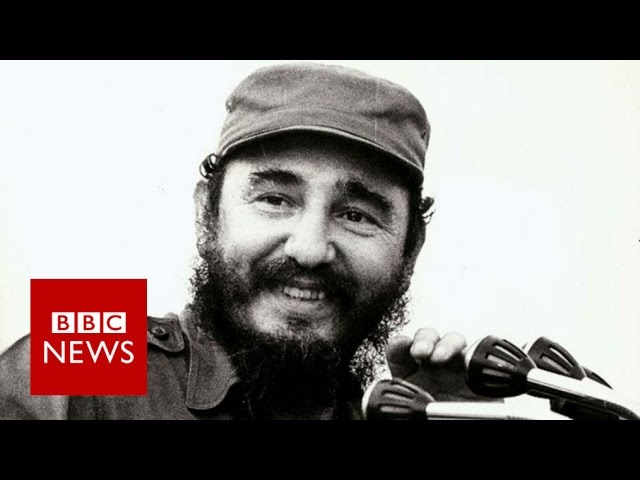
The death of Fidel Castro on November 25, 2016, marked the end of an era for Cuba and the world. Castro, the revolutionary leader who had ruled Cuba for nearly five decades, left a complex legacy that continues to influence the country's political, economic, and social landscape.
Early Life and Rise to Power
Fidel Alejandro Castro Ruz was born on August 13, 1926, in Birán, Cuba. He grew up in a relatively affluent family and attended prestigious schools. Castro studied law at the University of Havana, where he became politically active and began to develop his revolutionary ideology.
In 1953, Castro led a failed attack on the Moncada Barracks, an event considered the beginning of the Cuban Revolution. Although imprisoned, he used his trial to gain attention, famously declaring, "History will absolve me." After being released in 1955, he went into exile in Mexico, where he met Ernesto "Che" Guevara and planned the next phase of the revolution.
The Cuban Revolution
In 1956, Castro and a small group of revolutionaries returned to Cuba on the yacht Granma, launching a guerrilla campaign against the U.S.-backed dictator Fulgencio Batista. After two years of warfare, Batista fled the country on January 1, 1959, and Castro's forces took control. Castro assumed power, initially as Prime Minister and later as President, and established a socialist state.
Leadership and Policies
Fidel Castro's rule was marked by significant social and economic reforms, including the nationalization of industries, land redistribution, and the establishment of universal healthcare and education systems. These policies improved literacy rates and healthcare outcomes, earning Cuba international recognition.
However, Castro's regime was also characterized by political repression, censorship, and the persecution of dissenters. Relations with the United States deteriorated rapidly, leading to the Bay of Pigs invasion in 1961 and the Cuban Missile Crisis in 1962, which brought the world to the brink of nuclear war.
Legacy and Controversy
Castro's legacy is polarizing. Supporters laud his achievements in healthcare, education, and social equality, as well as his defiance of U.S. hegemony. Critics point to human rights abuses, economic mismanagement, and the lack of political freedoms. Under Castro, Cuba became an ally of the Soviet Union, receiving substantial economic aid, which helped sustain the economy but also tied it to the fluctuations of the Cold War.
The collapse of the Soviet Union in 1991 plunged Cuba into an economic crisis known as the "Special Period," marked by severe shortages and hardships. Despite this, Castro maintained his grip on power, adapting the economy to survive through limited market reforms and opening up to tourism and remittances from Cubans abroad.
Transition of Power
In July 2006, Fidel Castro underwent surgery and temporarily transferred power to his younger brother, Raúl Castro. In 2008, due to ongoing health issues, Fidel officially stepped down as President, and Raúl succeeded him, marking the first time since the revolution that Fidel was not in charge. Raúl implemented a series of economic reforms aimed at modernizing the Cuban economy while maintaining the socialist system.
Death and Reaction
Fidel Castro died on November 25, 2016, at the age of 90. His death elicited a wide range of reactions. In Cuba, the government declared nine days of mourning, during which public activities were suspended, and citizens paid their respects. Massive crowds gathered to honor him, reflecting the deep respect and admiration he commanded among many Cubans.
International reactions were mixed. World leaders from countries allied with Cuba, such as Russia, China, and various Latin American nations, praised Castro's leadership and contributions. In contrast, Cuban exiles and critics in the United States and elsewhere expressed relief, seeing his death as the end of an oppressive era.
Conclusion
Fidel Castro's death marked a significant historical moment, closing a chapter on one of the 20th century's most influential and controversial figures. His revolutionary zeal, charisma, and defiance of global powers left an indelible mark on Cuba and the world. The debates over his legacy, reflecting the broader ideological divides of the Cold War era, continue to shape perceptions of his impact. As Cuba moves forward, the influence of Fidel Castro's policies and vision will remain a fundamental part of its national identity.
#MomentsOfLife #MoofLife_Moment #MoofLife #FidelCastro #CubanRevolution #CubanHistory
View detailsUS President Barack Obama made history by becoming the first sitting US president to visit Cuba in 88 years. This visit was a significant step in normalizing relations between the two countries after decades of hostilities. The visit aimed to strengthen diplomatic ties, promote trade and travel, and engage with the Cuban people.
During his visit, President Obama met with Cuban President Raul Castro to discuss various issues, including human rights, economic cooperation, and political reforms. The two leaders also attended a baseball game between the Tampa Bay Rays and the Cuban national team, showcasing the power of sports diplomacy.
The visit was met with mixed reactions, as some welcomed the historic event as a positive step towards reconciliation, while others criticized it as conceding to a repressive regime. Overall, the visit opened doors for increased dialogue and cooperation between the US and Cuba, paving the way for future progress in their relationship.
#ObamaInCuba #USCubaRelations #HistoricVisit #Diplomacy #CubanRelations
View details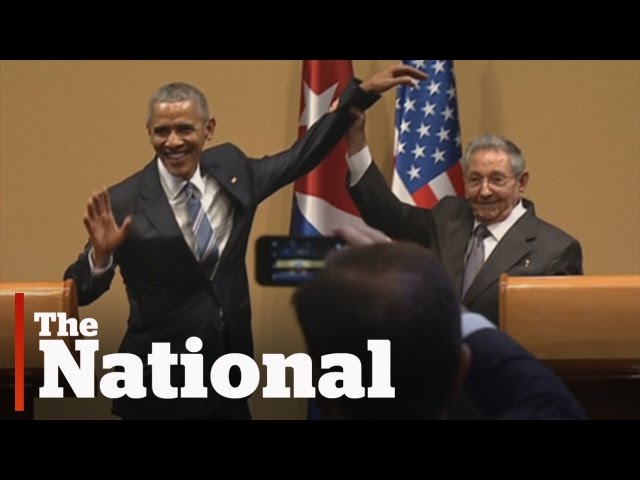
2015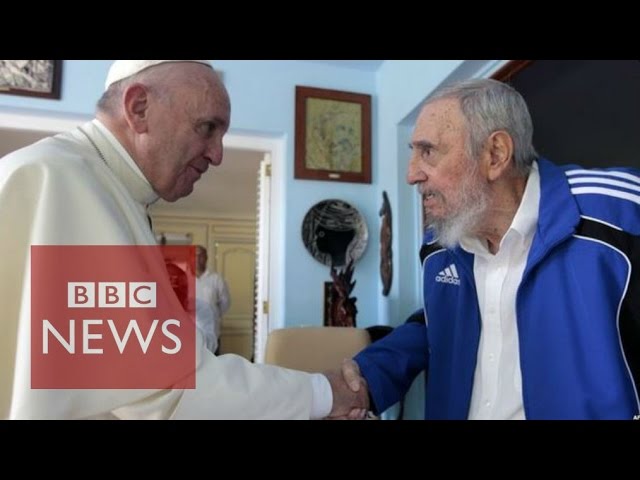
During Pope Francis's tour of Cuba, he met with Fidel Castro in Havana. The meeting between the leader of the Catholic Church and the former Cuban president took place against the backdrop of improving relations between Cuba and the Vatican. The two influential figures discussed topics such as world peace, climate change, and social justice. Pope Francis stressed the importance of dialogue and reconciliation as a means to address global issues.
The encounter between Pope Francis and Fidel Castro had a significant impact on the people of Cuba and the international community. It symbolized a moment of bridge-building between the Catholic Church and the Cuban government, as well as a step towards healing past tensions. The meeting was seen as a sign of hope for a more open and inclusive Cuba.
The event highlighted the role of diplomacy and dialogue in fostering understanding and cooperation. It showcased the power of communication in overcoming differences and working towards common goals. The meeting between Pope Francis and Fidel Castro was a reminder of the potential for positive change when influential leaders come together to engage in meaningful conversations.
#PopeFrancis #FidelCastro #Cuba #Diplomacy #Unity #Hope
View detailsThe US President, Barack Obama, made a historic announcement to normalize relations with Cuba. The decision aimed to end years of hostility between the two nations. Since the Cuban Revolution in 1959, diplomatic ties had been strained, with a trade embargo in place since the early 1960s.
The normalization plans included reopening embassies in each other's capitals and easing trade and travel restrictions. The announcement marked a significant shift in US foreign policy towards Cuba, allowing for increased communication and cooperation between the two countries.
The impact of the decision was felt across various sectors, particularly in trade, tourism, and cultural exchanges. It opened up opportunities for economic growth and collaboration, benefiting both nations. The move was met with mixed reactions, with some applauding the efforts towards reconciliation, while others criticized the decision as a concession to an authoritarian regime.
Overall, the announcement marked a turning point in US-Cuba relations, paving the way for a new era of engagement and cooperation between the two nations. #USCubaRelations #Diplomacy #Trade #Cooperation
View details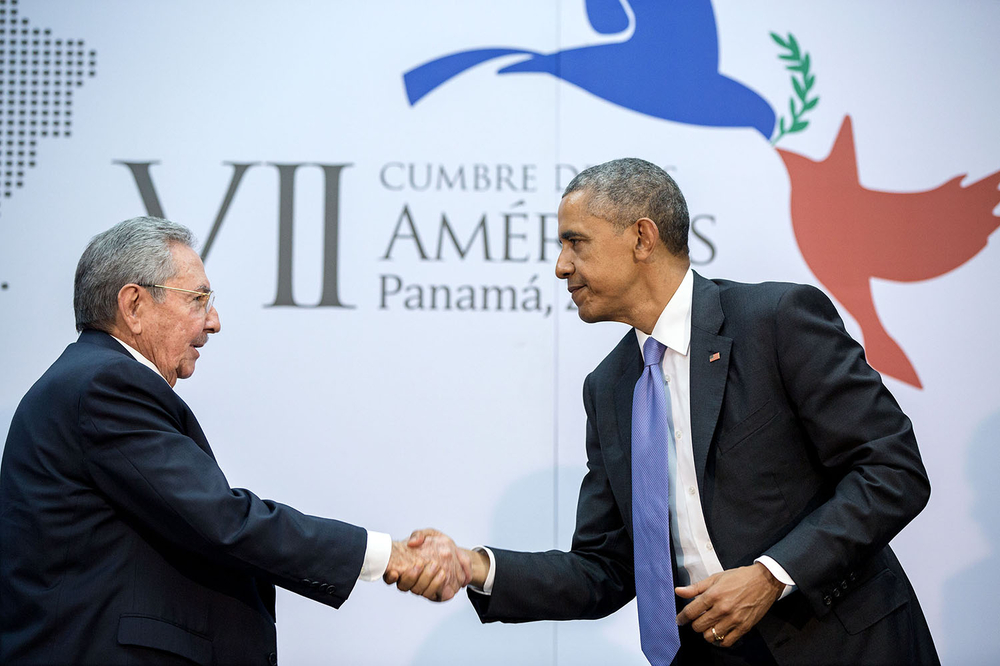
2012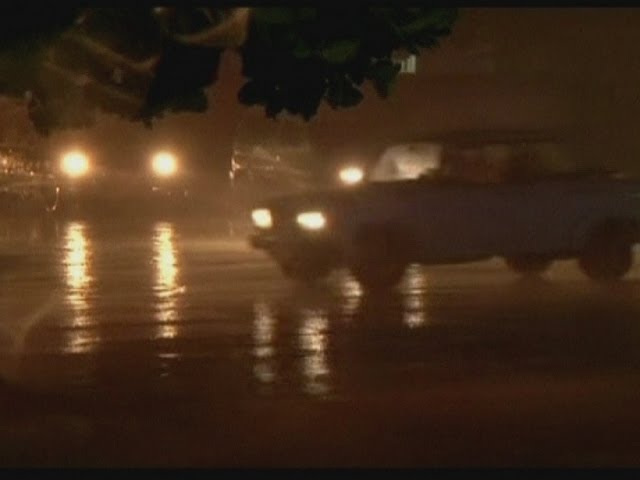
Hurricane Sandy struck Cuba and Haiti, resulting in a death toll of 65 people and causing more than $80 million in damage. The storm made landfall, triggering widespread destruction and leaving thousands homeless. Infrastructure, including buildings, roads, and power lines, suffered severe harm. The affected regions faced challenges in terms of accessing clean water, food, and medical care. The impact of Hurricane Sandy was especially devastating in impoverished areas where communities already faced limited resources and fragile infrastructure.
Relief efforts were mobilized to provide aid and support to those affected, with organizations and governments stepping in to assist with recovery and rebuilding efforts. The resilience of the communities was tested as they worked to recover from the disaster and restore normalcy to the affected areas.
#HurricaneSandy #Cuba #Haiti #NaturalDisaster #Impact #Recovery
View details2011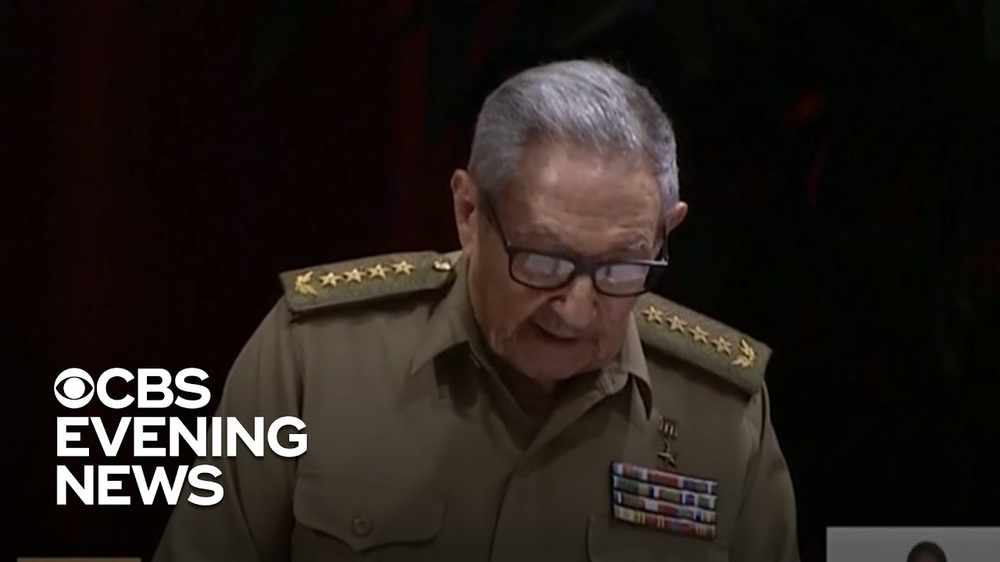
Fidel Castro resigns as First Secretary of the Central Committee of the Communist Party of Cuba after 45 years in power marked the end of an era in Cuban history. Castro had been a prominent figure in the Cuban Revolution and a significant player in global politics. His resignation signaled a shift in leadership for the country and raised questions about the future direction of Cuban policies. The decision came amidst health concerns and the need for a new generation of leaders to take charge.
Castro's resignation had a profound impact on Cuba and its citizens, as well as international relations. It marked the beginning of a new chapter for the country, with his brother Raul Castro taking over the position. The resignation also raised speculations about potential reforms and changes in Cuban governance. The event highlighted the complexities of Cuban politics and the challenges of transitioning power in a one-party system.
Overall, Fidel Castro's resignation as First Secretary of the Central Committee of the Communist Party of Cuba after 45 years in power was a significant moment in Cuban history, shaping the country's future and generating discussions about leadership and governance. #FidelCastro #Cuba #CommunistParty #TransitionOfPower
View details2008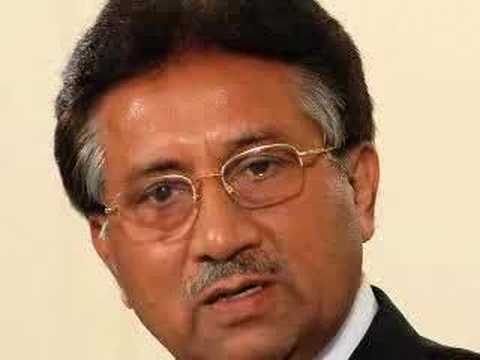
Fidel Castro stepped down as Cuba's president after nearly 50 years in power. Castro had been the leader of the Cuban Revolution in 1959, overthrowing the government and establishing a socialist state. His rule was marked by tension with the United States, economic hardship, and restrictions on political freedoms.
Castro's resignation was announced in a letter read on state television. His brother, Raul Castro, took over as president. Fidel Castro's departure sparked speculation about the future of Cuba and its political direction. Many Cubans hoped for economic reforms and greater personal freedoms under the new leadership.
The impact of Castro's resignation was felt both in Cuba and around the world. Supporters praised his efforts to improve healthcare and education in Cuba, while critics denounced his human rights record and authoritarian rule. The transition of power raised questions about the country's future and its relationship with the United States.
#FidelCastro #Cuba #CubanRevolution #RaulCastro #PoliticalTransition #Socialism
View details2006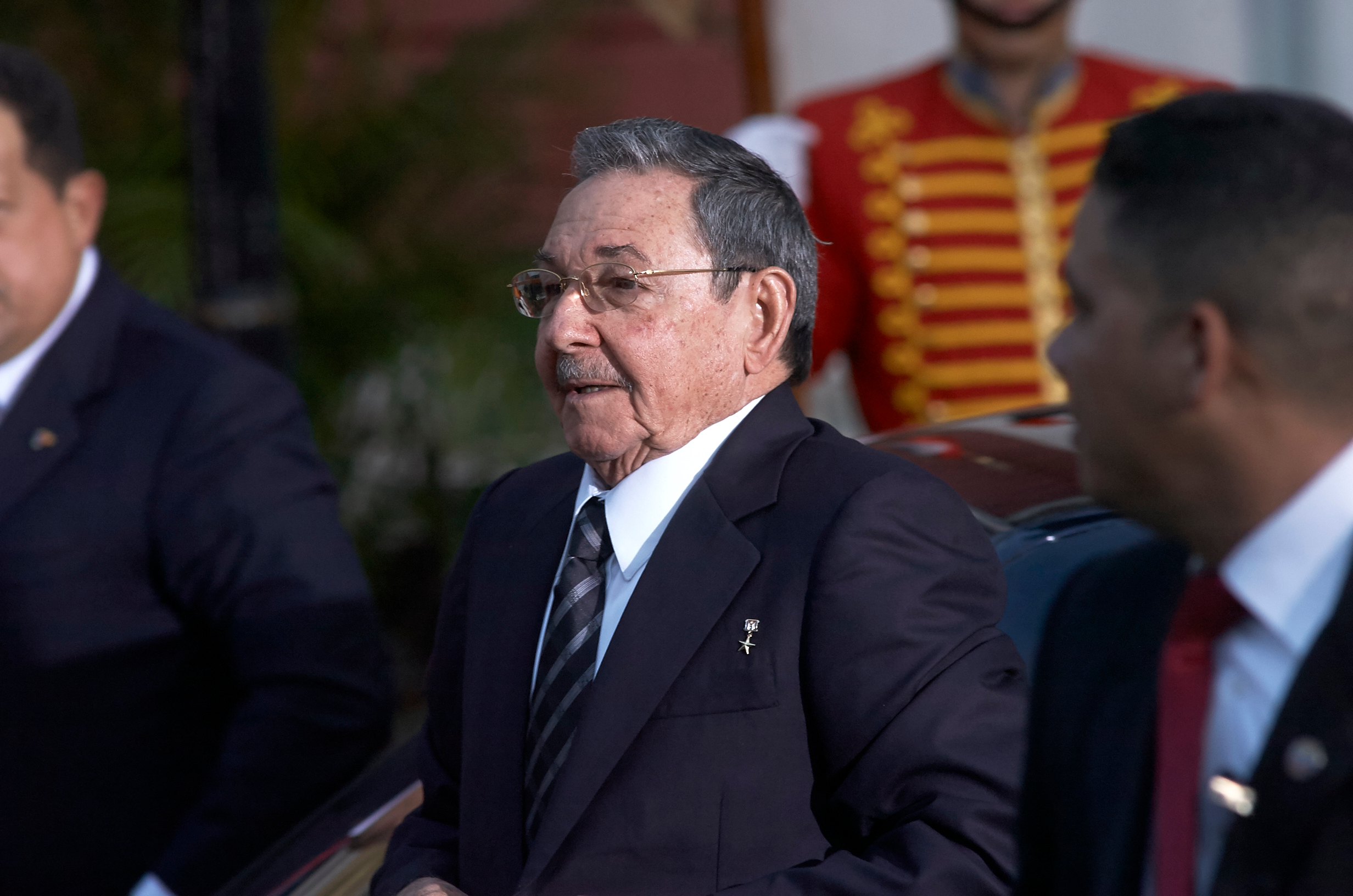
Fidel Castro, the leader of Cuba, temporarily transferred power to his brother Raúl Castro due to health issues. Fidel had led the country for several decades, governing with a firm hand and implementing socialist policies. The decision to hand over power came as a surprise to many, as Fidel had been a dominant figure in Cuban politics.
Raúl Castro took over as acting president, leading the country during this period. The transition of power was a significant moment in Cuban history, marking the first time Fidel had relinquished control since coming to power. The move raised questions about the future of Cuba and its leadership.
During this time, Raúl worked to maintain stability and continuity in the government. Fidel eventually returned to power after recovering from his health issues, but the temporary transfer of power to Raúl served as a turning point in Cuban politics.
This event highlighted the close ties between the Castro brothers and their influence on Cuban politics. It also sparked discussions about the future leadership of the country, as Fidel's health issues raised concerns about succession.
#Cuba #FidelCastro #RaúlCastro #TransferOfPower #PoliticalHistory
View details2000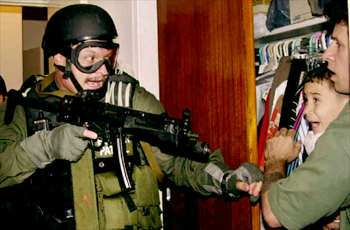
The custody battle for Elian Gonzalez concluded with him being returned to Cuba. Elian, a young Cuban boy, had been found off the coast of Florida after surviving a shipwreck that killed his mother and others attempting to reach the United States. The event sparked a heated debate between Cuba and the United States over his custody.
Elian's relatives in Miami wanted him to stay in the US, while his father in Cuba demanded his return. After months of legal battles and political tensions, US authorities finally decided to send Elian back to his father in Cuba. The decision was met with protests from Cuban-Americans in Miami who felt that Elian should have been allowed to stay in the US.
The custody battle over Elian Gonzalez highlighted the political complexities between Cuba and the US, as well as the emotional toll it took on both countries. The event also raised questions about immigration policies and the rights of children in similar situations.
#ElianGonzalez #Cuba #UnitedStates #CustodyBattle #PoliticalTensions #ImmigrationPolicy
View details1980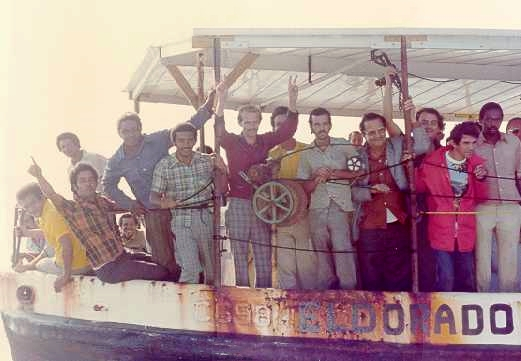
The Mariel boatlift started, providing an opportunity for Cubans to leave for the U.S. due to worsening economic conditions under Fidel Castro's regime. This event was triggered by a Cuban man seeking asylum in the Peruvian embassy, leading to thousands flocking to the embassy for refuge. In response, Castro announced that anyone wanting to leave could depart from the port of Mariel.
Over the course of several months, around 125,000 Cuban citizens sailed to Florida in a mass exodus. The influx included not just political dissidents but also individuals with criminal backgrounds, leading to some tensions in the U.S. This event had a profound impact on the demographics and culture of Cuban-American communities in the U.S., reshaping neighborhoods like Miami's Little Havana.
The Mariel boatlift's legacy is a complex mix of stories of hope, desperation, and new beginnings for those who made the journey. The event underscored the ongoing political tensions between the U.S. and Cuba, while also illustrating the lengths people would go to seek a better life. Today, it stands as a significant chapter in the history of Cuban emigration and U.S. immigration policy.
#MarielBoatlift #CubanEmigration #USCubaRelations
View details1979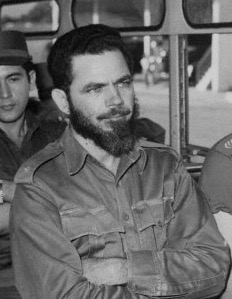
Huber Matos, a key figure in the Cuban Revolution, was released from prison on October 21, 1979, after serving his full 20-year sentence. Matos' story is one of passionate commitment to democratic ideals and the dramatic transformation from revolutionary hero to political prisoner.
Early Involvement in the Cuban Revolution
Huber Matos was born on November 26, 1918, in Yara, Cuba. Originally a teacher and farmer, he became deeply disillusioned with the corrupt government of Fulgencio Batista. Inspired by Fidel Castro's call to arms, Matos joined the revolutionary movement in 1956. He quickly rose through the ranks due to his leadership and strategic acumen, playing a crucial role in the fight against Batista's forces. Matos' contributions were significant, particularly in the Sierra Maestra mountains, where he helped organize and lead guerrilla operations.
Post-Revolution: Disillusionment and Arrest
After the revolution's triumph in January 1959, Matos was appointed as the military commander of Camagüey province. However, he soon became disillusioned with the increasing influence of communism within the new government. Matos believed that the revolution was straying from its democratic principles and becoming a communist regime under the control of Fidel Castro and his close allies, including Che Guevara and Raúl Castro.
In July 1959, Matos tendered his resignation in a letter to Fidel Castro, expressing his concerns about the direction of the revolution. This act of dissent was seen as a betrayal. On October 21, 1959, Matos was arrested by Fidel Castro himself and subsequently charged with treason and sedition. His trial was a high-profile affair, lasting several days, during which Matos defended his actions and reiterated his commitment to democratic ideals. Despite his defense, he was sentenced to 20 years in prison.
Imprisonment
Matos' imprisonment was harsh and grueling. He was held in various prisons, including La Cabaña and Isla de Pinos (later renamed Isla de la Juventud). Throughout his incarceration, Matos endured solitary confinement, physical and psychological abuse, and deprivation. Despite these conditions, he remained steadfast in his beliefs and became a symbol of resistance against the authoritarian regime.
During his imprisonment, Matos' plight drew international attention. Human rights organizations, foreign governments, and individuals advocated for his release, citing his treatment as a glaring example of the Cuban government's repressive tactics. However, the Cuban regime remained unyielding, and Matos served his full sentence.
Release and Exile
On October 21, 1979, exactly 20 years after his arrest, Huber Matos was released from prison. His release was conditional; he was forced into exile and immediately flown to Costa Rica, where he was warmly received. Matos continued to be a vocal critic of the Castro regime from abroad, advocating for democratic reforms and the liberation of political prisoners in Cuba.
In exile, Matos founded Cuba Independiente y Democrática (CID), an organization dedicated to promoting democracy and human rights in Cuba. He remained an influential figure in the Cuban exile community and continued his activism until his death on February 27, 2014.
View details1962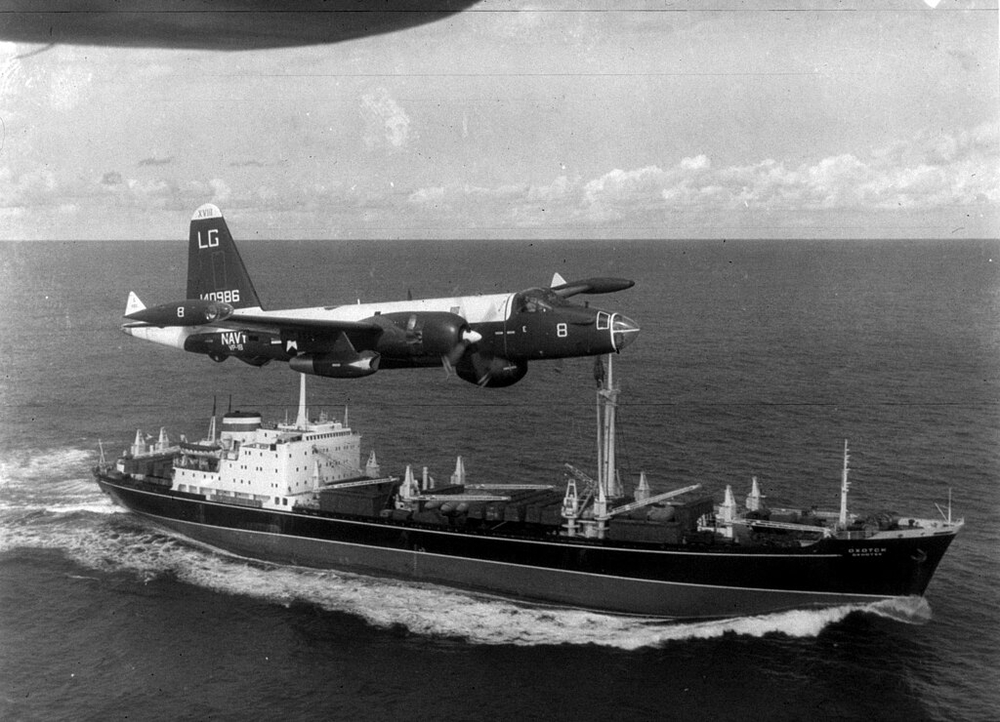
In October 1962, the world found itself on the brink of nuclear war during the Cuban Missile Crisis. The tension between the United States and the Soviet Union had been escalating for years, with the Cold War causing a constant power struggle. The Soviet Union decided to secretly place nuclear missiles in Cuba, just 90 miles off the coast of the United States, in response to American missiles placed in Turkey.
When U.S. intelligence discovered the missile sites in Cuba, President John F. Kennedy demanded their removal and announced a naval blockade of the island. For nearly two weeks, the world held its breath as the two superpowers engaged in intense negotiations, with the threat of nuclear war looming large.
Ultimately, the crisis was defused when Soviet Premier Nikita Khrushchev agreed to remove the missiles in exchange for a U.S. pledge not to invade Cuba and secretly remove American missiles from Turkey. The Cuban Missile Crisis was a defining moment of the Cold War, highlighting the catastrophic consequences of nuclear conflict and the importance of communication and diplomacy in times of crisis.
#CubanMissileCrisis #ColdWar #NuclearWar #Diplomacy #Tension
View details1961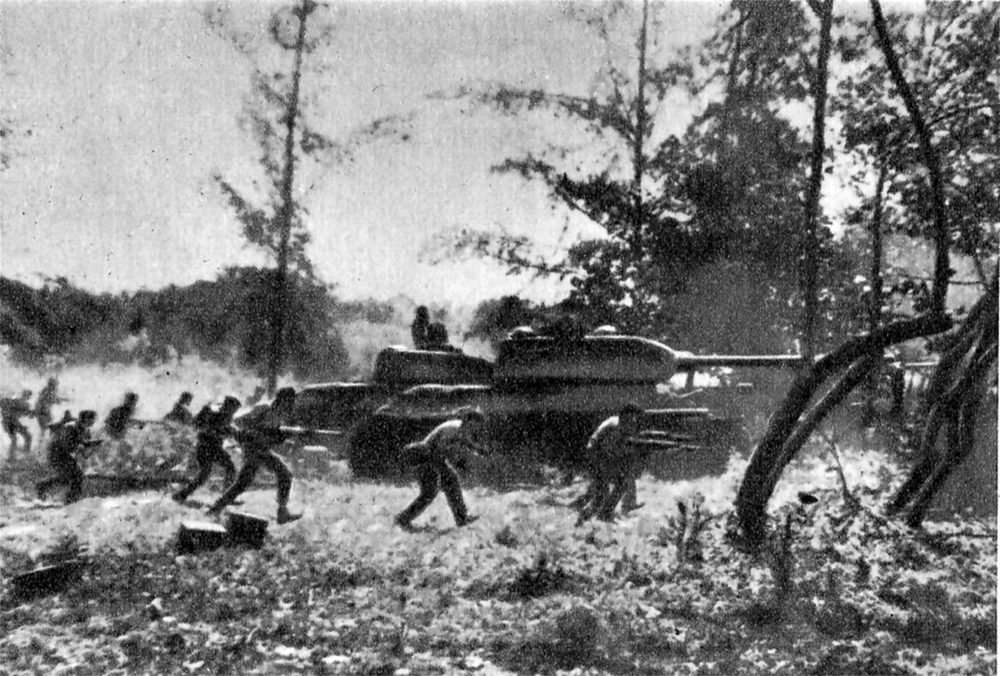
Amid rising tensions between the United States and Cuba, a group of Cuban exiles, backed by the CIA, launched an invasion on the Bay of Pigs, with the goal of overthrowing the communist regime of Fidel Castro. The exiles hoped to incite a popular uprising against Castro's government, but their plans were soon thwarted.
The invasion quickly faced logistical issues and lacked support from the Cuban people. Cuban forces, led by Castro, were well-prepared and easily defeated the invaders within three days. The failed attempt brought embarrassment to the US government and strengthened Castro's position, solidifying his hold on power.
The Bay of Pigs invasion marked a significant moment in the history of US-Cuba relations, exacerbating the animosity between the two countries for decades to come. It highlighted the limitations of US intervention in foreign conflicts and fueled anti-American sentiment in Cuba. Despite its failure, the invasion served as a rallying point for Castro and his supporters, further entrenching the socialist revolution in Cuba.
#BayOfPigs #Cuba #FidelCastro #CIA #FailedInvasion #ColdWar #USForeignPolicy
View details1960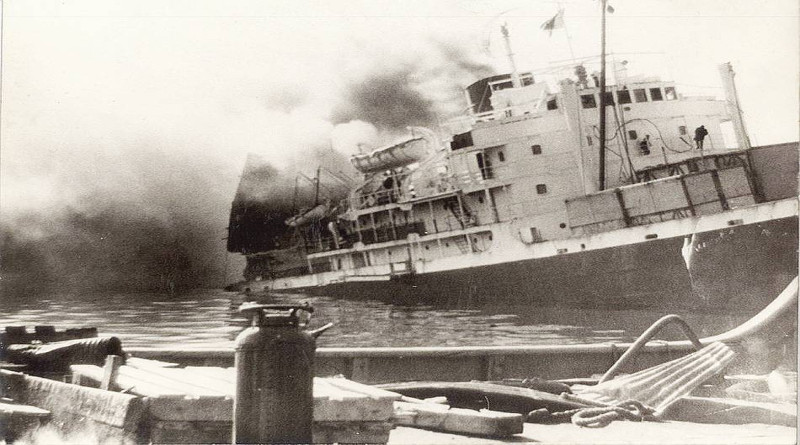
A French freighter named “La Coubre” exploded in the harbor of Havana, Cuba, resulting in the deaths of approximately 100 individuals and injuring hundreds more. The ship had been carrying a large quantity of munitions, which were being unloaded at the time of the explosion. The incident occurred during a period of heightened tension in Cuba, following the Cuban Revolution led by Fidel Castro.
The explosion had a significant impact on the city of Havana, causing widespread destruction to nearby buildings and homes. It also led to a state of mourning and shock among the Cuban population, as the death toll continued to rise in the days following the explosion. The Cuban government declared a national day of mourning to honor the victims of the tragedy.
The event highlighted the volatility of the political and social climate in Cuba during that period, with various groups pointing fingers and sharing conspiracy theories regarding the cause of the explosion. The aftermath of the La Coubre explosion served as a somber reminder of the dangers of transporting and handling munitions in densely populated areas.
#LaCoubre #HavanaExplosion #CubanRevolution #MunitionsTragedy
View details1959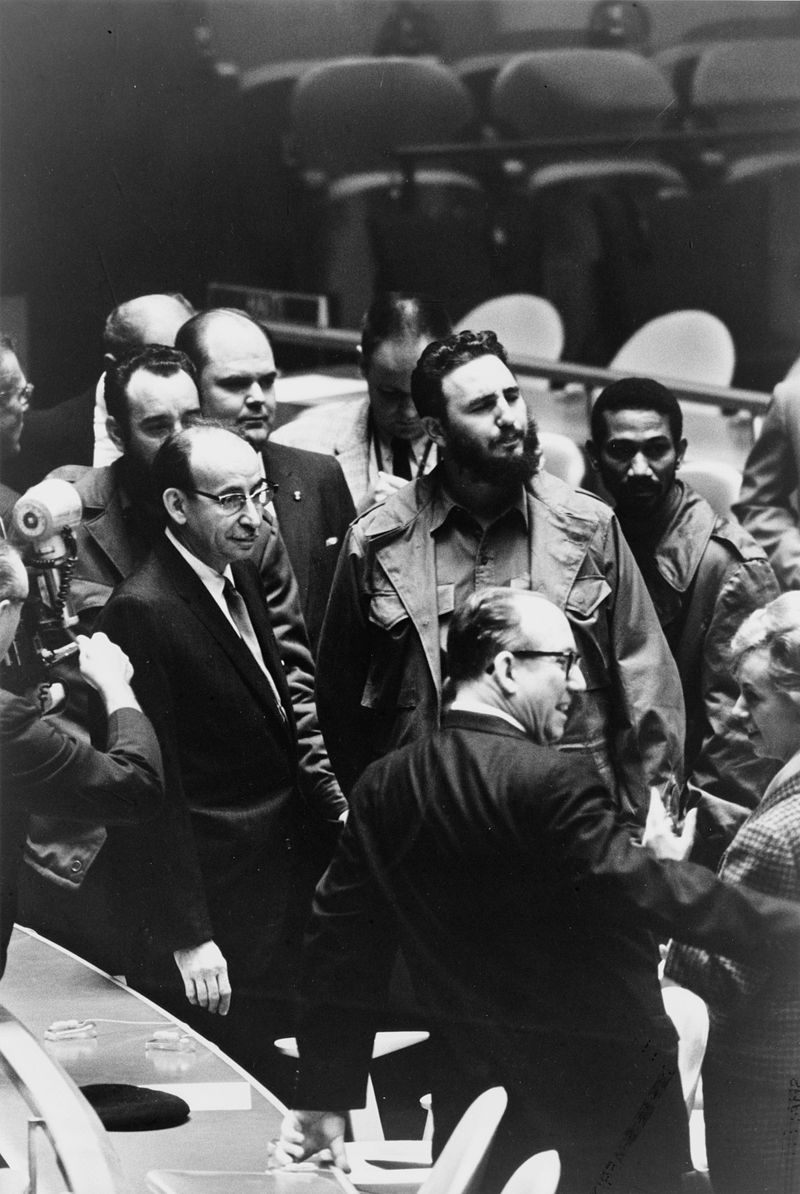
After the passing of his brother, Fidel Castro assumed the presidency of Cuba, bringing an end to his sibling's over four-decade-long rule. Fidel, a prominent figure in Cuban politics for years, took on the presidency amidst some controversy, with critics highlighting concerns over the Castro family's continuous hold on power.
Fidel's presidency marked a continuation of the socialist policies and centralized governance that defined his brother's tenure. Throughout his rule, Cuba faced a mix of challenges and developments, maintaining a complex relationship with the United States while also solidifying alliances with other nations.
Under Fidel's leadership, Cuba experienced shifts in its economy and international relations, showing resilience despite facing hardships such as economic embargoes and political isolation. His presidency stirred both admiration and criticism, with supporters praising his efforts in social welfare and anti-imperialistic stance, while detractors pointed to restrictions on freedoms and human rights.
Fidel Castro's presidency symbolized an era defined by revolutionary ideologies and defiance against external pressures, leaving a lasting impact on Cuba's history and global politics. #FidelCastro #Cuba #RevolutionaryLeader #Socialism
View detailsAfter the Cuban Revolution, Fidel Castro rose to power and became the Prime Minister of Cuba. Leading a guerilla campaign against the previous regime, Castro's forces overthrew the government, leading to a significant shift in Cuban politics. With a focus on social reforms and anti-imperialist policies, Castro nationalized industries and redistributed land, aiming to reduce social inequality on the island.
As Prime Minister, Castro implemented sweeping changes, including the establishment of diplomatic relations with the Soviet Union and the nationalization of American-owned businesses. These actions had a profound impact on Cuba's economy and foreign relations, leading to tensions with the United States and eventually the Cuban Missile Crisis.
Castro's leadership polarized opinion, with supporters lauding his socialist agenda while critics condemned his authoritarian rule and suppression of dissent. Nevertheless, his tenure as Prime Minister marked a turning point in Cuban history, shaping the island's trajectory for decades to come.
#FidelCastro #CubanRevolution #SocialReforms #ForeignRelations #Nationalization #Cuba #PrimeMinister
View details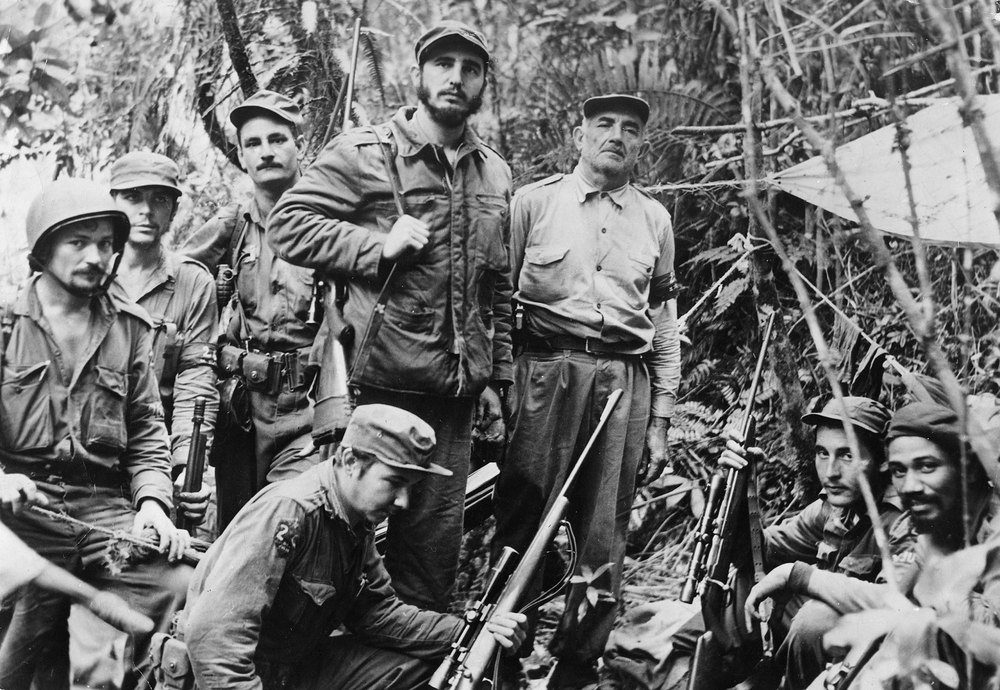
After overthrowing the Batista regime, Fidel Castro proclaimed a new constitution in Cuba. The new constitution aimed to address issues of social inequality and political corruption that had plagued the country for years. The document outlined the principles of the Cuban revolution, including land reform, nationalization of industries, and free education and healthcare for all citizens.
The proclamation of the new constitution had a significant impact on the Cuban people, as it symbolized the dawn of a new era of equality and justice. It solidified Castro's position as the leader of the revolution and laid the foundation for the socialist government that would come to define Cuba for decades to come.
The new constitution marked a turning point in Cuban history, setting the stage for the implementation of revolutionary policies and reforms that would shape the country's future. It represented a break from the past and a bold step towards a more egalitarian society.
#FidelCastro #Cuba #Constitution #Revolution #Socialism
View details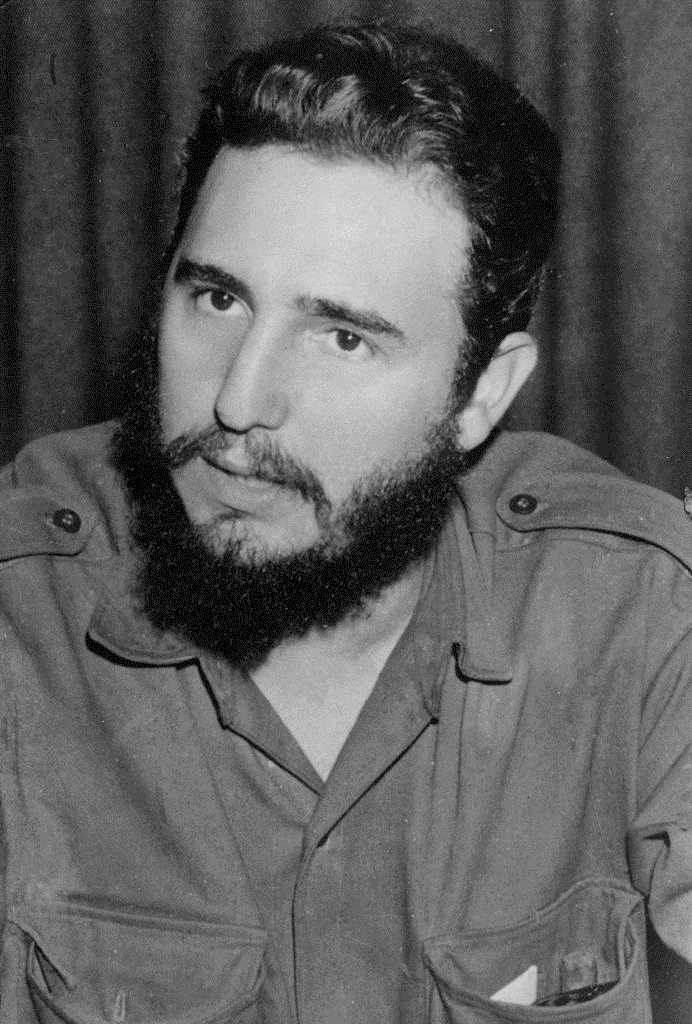
In 1958, the Havana Hilton opened its doors in Cuba. The luxury hotel, designed by architect Welton Becket, quickly became a symbol of opulence and modernity in Havana. However, just months after its grand opening, the hotel gained historical significance as the headquarters for Fidel Castro during the Cuban Revolution.
As Castro's forces gained momentum in their fight against the Batista regime, the Havana Hilton served as a strategic location for planning and organizing revolutionary activities. The hotel witnessed key moments in the revolution, including meetings between Castro and his supporters, as well as international journalists covering the events unfolding in Cuba.
After Castro's successful revolution in 1959, the Havana Hilton was renamed the Habana Libre and nationalized by the new Cuban government. Despite its transformation, the hotel's association with Castro and the revolution remained ingrained in its history.
The opening of the Havana Hilton in 1958 marked the beginning of a new era for Cuba, one defined by political upheaval and social change. The hotel's transformation into the headquarters for Fidel Castro further solidified its place in history as a witness to the Cuban Revolution.
#HavanaHilton #Cuba #FidelCastro #CubanRevolution
View details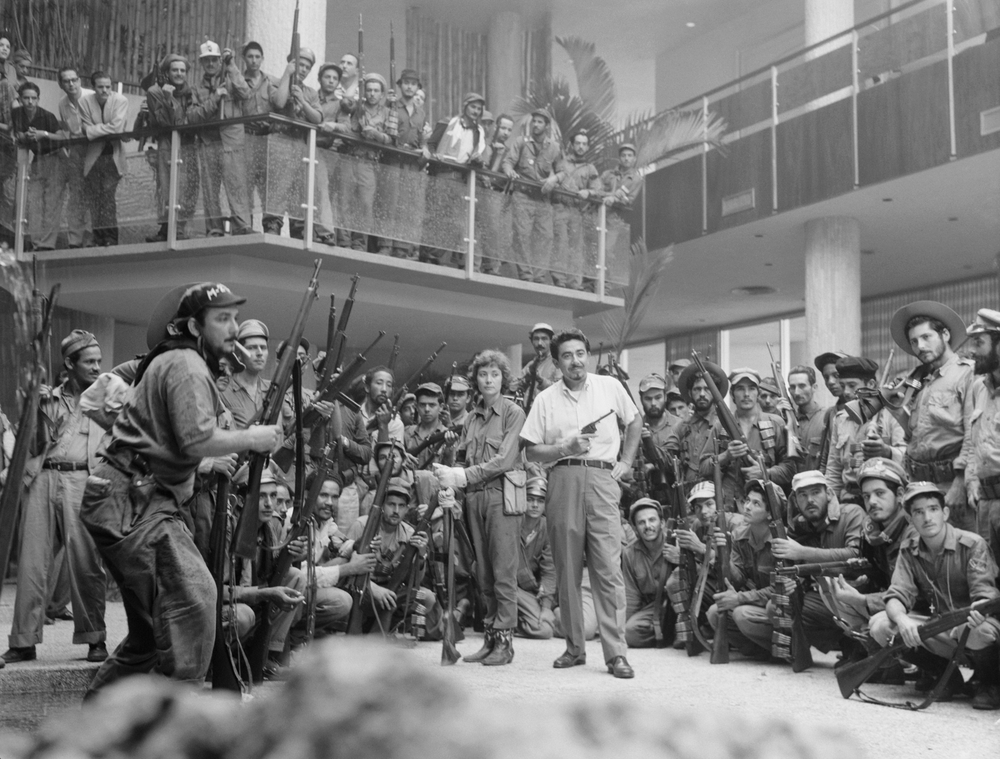
1953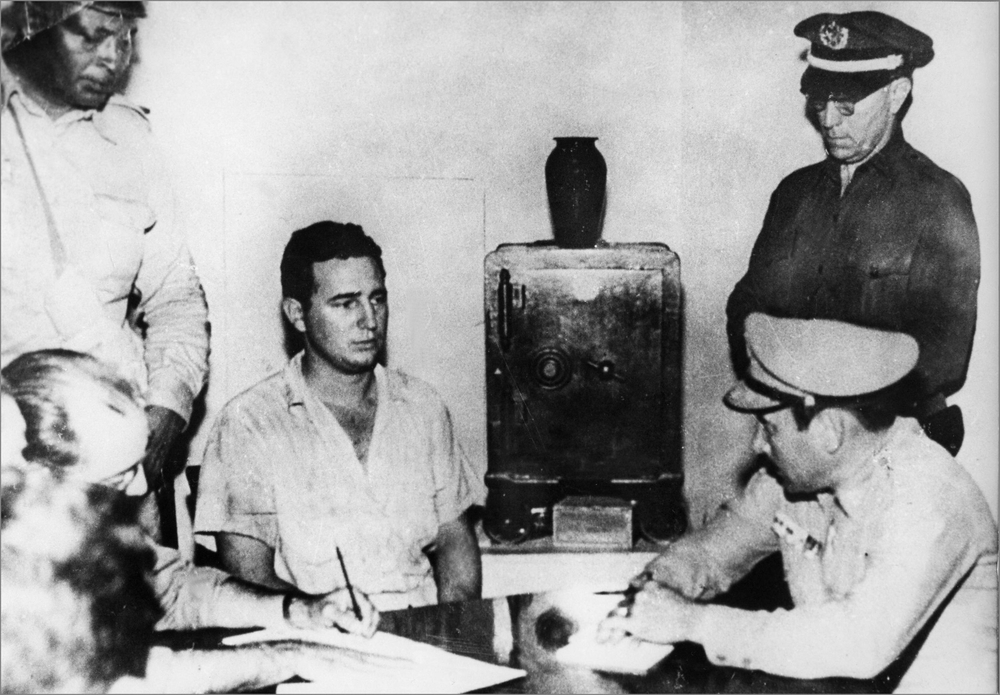
Fidel Castro's arrest in Cuba stemmed from his attempt to overthrow the government led by Fulgencio Batista. Castro, along with a group of revolutionaries, attacked the Moncada Barracks in Santiago de Cuba. The assault failed, resulting in many casualties and the arrest of Castro and his followers.
This event marked the beginning of Castro's revolutionary journey, shaping the course of Cuban history. Despite his incarceration, Castro's ideas gained momentum, leading to his release and eventual rise to power. The failed attack propelled him to the forefront of the Cuban resistance, garnering support for the overthrow of Batista's regime.
Castro's arrest symbolized a pivotal moment in the Cuban Revolution, igniting a fire of rebellion that would ultimately culminate in his successful overthrow of Batista in the revolution of 1959. It marked the start of Castro's transformation into a revolutionary icon, both in Cuba and internationally.
#FidelCastro #CubanRevolution #MoncadaBarracks #BatistaRegime
View detailsFidel Castro, along with a group of around 160 rebels, attempted to overthrow the government by attacking the Moncada army barracks in Santiago de Cuba. The attack was aimed at seizing weapons to start a revolution against the then-President Fulgencio Batista.
The assault, though meticulously planned, ultimately failed. The rebels faced strong opposition from the government forces, leading to many casualties on both sides. Castro and his brother Raul were captured, tried, and sentenced to prison.
Despite its failure, the attack on the Moncada barracks marked the beginning of the Cuban Revolution. It propelled Fidel Castro to the forefront of the anti-Batista movement and garnered support for his cause. The failed attack also shed light on the deep-rooted issues of corruption and inequality in Cuba, fueling the push for societal change.
The events at the Moncada barracks served as a catalyst for the Cuban Revolution, which ultimately succeeded in toppling the Batista regime and establishing a new government under Castro's leadership.
#FidelCastro #MoncadaBarracks #CubanRevolution #AntiBatistaMovemen
View details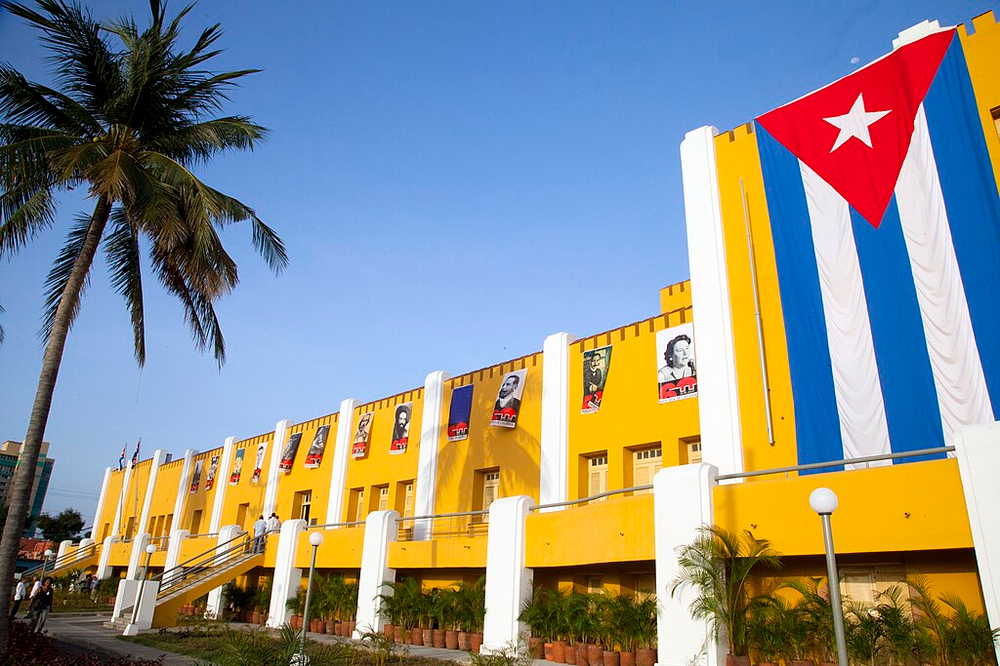
1952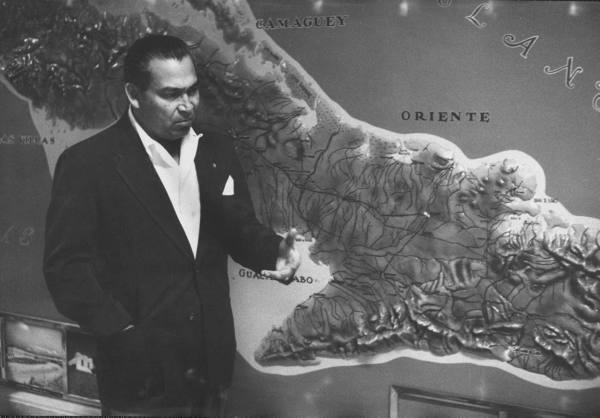
General Fulgencio Batista orchestrated a military coup in Cuba, overthrowing the government. With the backing of the army, Batista seized power, ending the country's fragile democracy. The coup was a result of widespread corruption, economic instability, and social inequality that plagued Cuba at that time.
Batista suspended the constitution, dissolved Congress, and established himself as the leader of the country. His rule was marked by authoritarianism, censorship, and the suppression of opposition. Despite initial support from some sectors of society, Batista's regime soon faced opposition from rebel groups, including Fidel Castro's 26th of July Movement.
The military coup led by General Fulgencio Batista had lasting effects on Cuba. It set the stage for the Cuban Revolution, which eventually led to Fidel Castro's rise to power in 1959. The coup marked a turning point in Cuban history, shaping the island nation's political landscape for decades to come.
#MilitaryCoup #GeneralBatista #CubanHistory #PoliticalUnrest
View details1942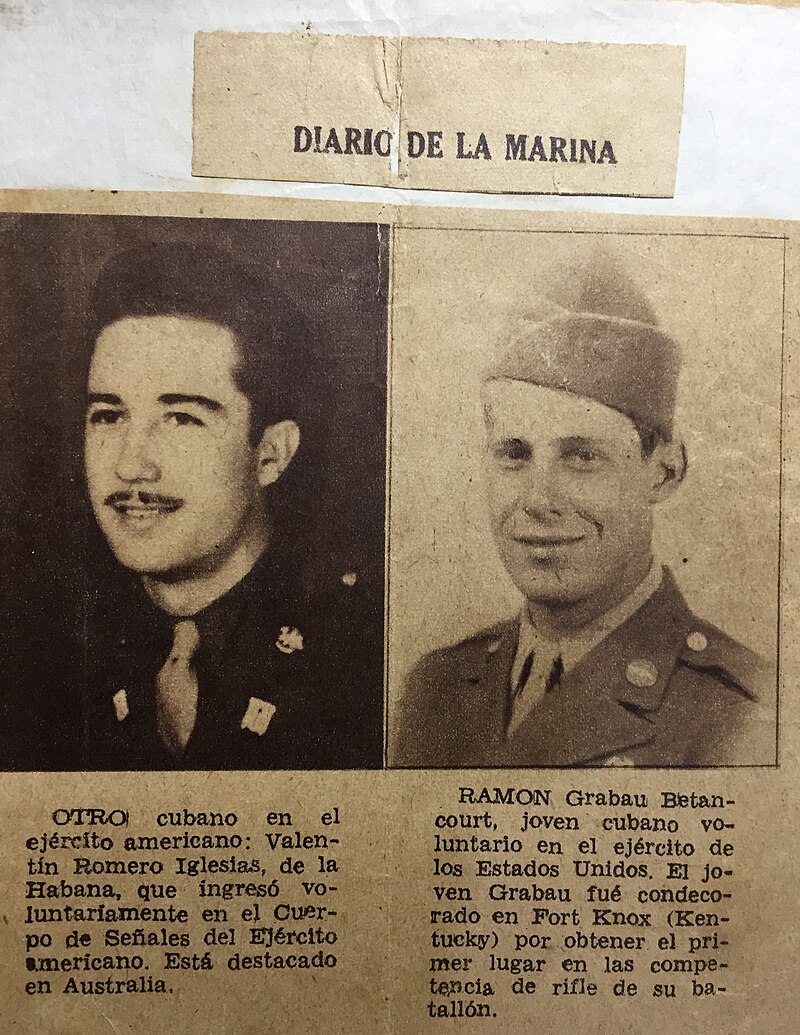
During World War II, Cuba declared war on Germany, Japan, and Italy, joining the Allied forces in the fight against the Axis powers. The decision came after the sinking of several Cuban merchant ships by German submarines, causing outrage and pushing Cuba towards active involvement in the war. The declaration of war solidified Cuba's support for the Allies and its commitment to defending democracy and freedom.
Cuba's entry into the war had significant implications for the region, as it allowed for closer cooperation with the United States and other Allied nations. The Cuban government contributed to the war effort by providing sugar, rum, and other resources to the Allies. Additionally, Cuban troops later participated in military operations alongside American forces.
The declaration of war by Cuba represented a turning point in the country's foreign policy and marked a shift towards a more active role in global affairs. It also highlighted the impact of the war on countries beyond Europe and the Pacific, emphasizing the truly global nature of the conflict.
#Cuba #WorldWarII #AlliesVsAxis #GlobalConflict
View details1934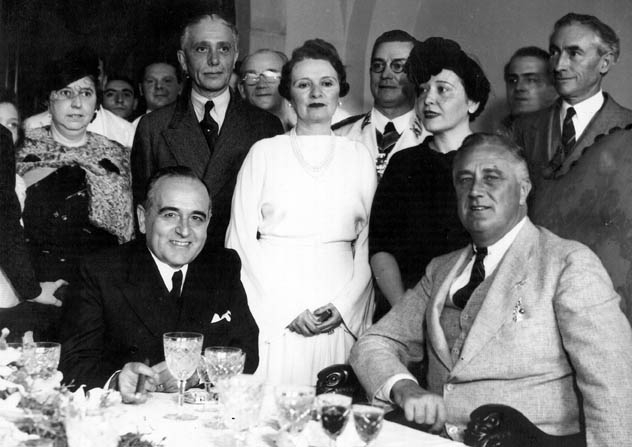
The Cuban-American Treaty of Relations of 1934 was a key element of President Franklin D. Roosevelt's Good Neighbor Policy, designed to improve relations with Latin American countries, particularly Cuba. This treaty represented a significant departure from the United States' previous interventionist approach and sought to foster a more equal and respectful partnership with its southern neighbor.
The Good Neighbor Policy
Upon taking office in 1933, President Franklin D. Roosevelt introduced the Good Neighbor Policy, which aimed to improve relations with Latin American countries by reducing direct intervention and promoting mutual respect and cooperation. This policy was a strategic shift from the previous "Big Stick" diplomacy and was intended to counteract growing nationalist and anti-American sentiments in the region.
Economic and Diplomatic Relations Post-Treaty
In the years following the treaty, the economic and diplomatic relations between Cuba and the United States improved, albeit within a framework of continued economic dependency. The United States remained Cuba's primary trading partner, and American businesses continued to have a substantial presence on the island. However, the political landscape was more balanced, allowing Cuban leaders greater autonomy in domestic governance.
Long-term Consequences
While the 1934 treaty marked a positive shift, it did not completely eliminate U.S. influence in Cuba. The continued economic dependency on American markets and investments, coupled with the presence of Guantanamo Bay, meant that the relationship remained complex and occasionally fraught. Nonetheless, the treaty laid the groundwork for a more balanced and respectful partnership.
The nationalist sentiments and aspirations for complete sovereignty that were bolstered by the treaty would later contribute to the revolutionary fervor that culminated in the Cuban Revolution of 1959, led by Fidel Castro. This revolution radically transformed U.S.-Cuban relations, leading to a new era of confrontation and conflict.
The Cuban-American Treaty of Relations of 1934 was a pivotal moment in the history of U.S.-Cuban relations and a cornerstone of Roosevelt’s Good Neighbor Policy. By abrogating the Platt Amendment, the treaty restored significant aspects of Cuban sovereignty and marked a shift towards more equitable and respectful international relations. While challenges and complexities.
#CubanAmericanRelations #TreatyOfRelations1934 #PlattAmendment #GoodNeighborPolicy #FDR #CubanHistory #USHistory #Sovereignty #Diplomacy #MomentsOfLife #MoofLife_Moment #MoofLife
View details