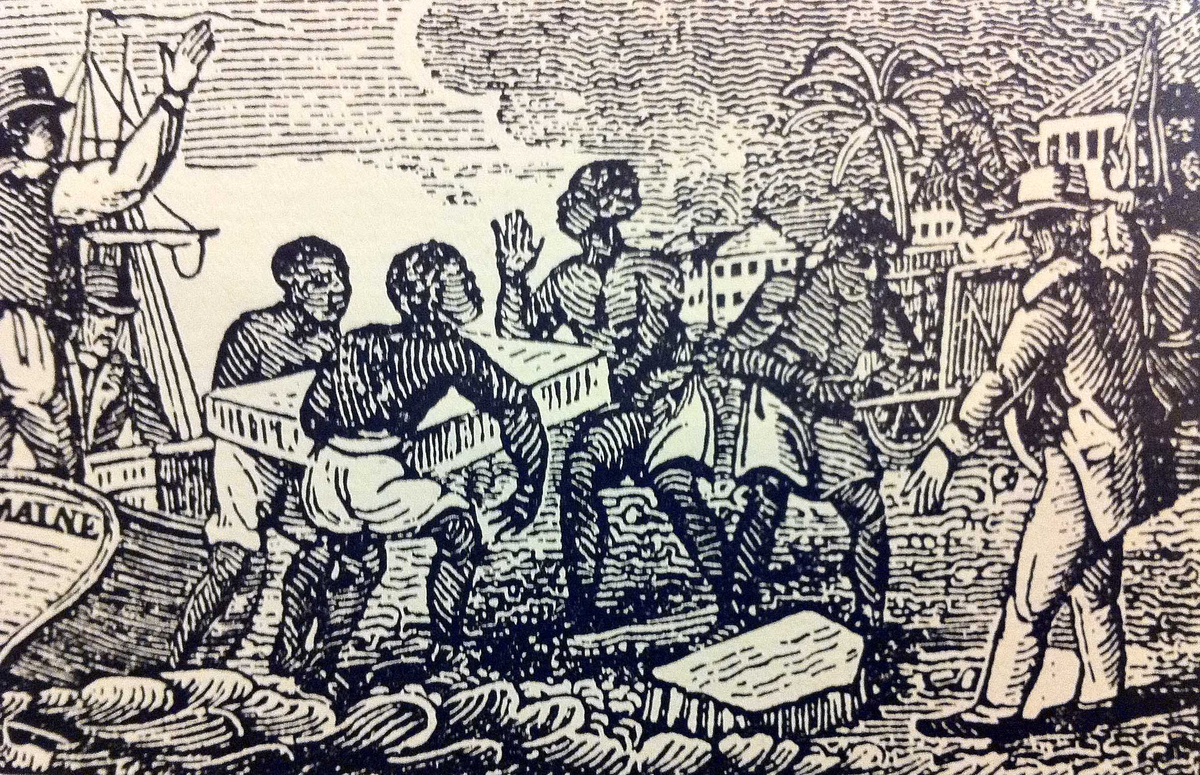
African Slaves in Cuban Sugarcane Plantations
Cuba
Social Issues
3 min read
Updated By: History Editorial Network (HEN)
Published:
During the early 16th century, African slaves were introduced to work in the sugarcane plantations in Cuba. This historical development was driven by the growing demand for labor in the flourishing sugar industry. The arrival of African slaves in Cuba significantly transformed the demographics and labor dynamics of the island.
The African slaves brought with them diverse cultural backgrounds and agricultural knowledge, contributing to the enrichment of Cuban society. Their forced labor played a crucial role in the expansion and economic success of the sugarcane plantations. This marked the beginning of a long and brutal period of slavery in Cuba, with thousands of Africans enduring harsh conditions and exploitation on the plantations.
The introduction of African slaves to work in the sugarcane plantations in Cuba shaped the social and economic landscape of the island for centuries to come. The legacy of slavery continues to influence Cuban culture, identity, and social relations. It remains a dark chapter in the history of Cuba, underscoring the enduring impact of the transatlantic slave trade.
#AfricanSlavery #CubanPlantations #TransatlanticTrade #LaborExploitation
Primary Reference
World Directory of Minorities and Indigenous Peoples - Cuba

Explore the Life Moments of
 AI Twin