Matanzas Emerges as Sugar Hub
Cuba
Economic Development
Global Trade
3 min read
Updated By: History Editorial Network (HEN)
Published:
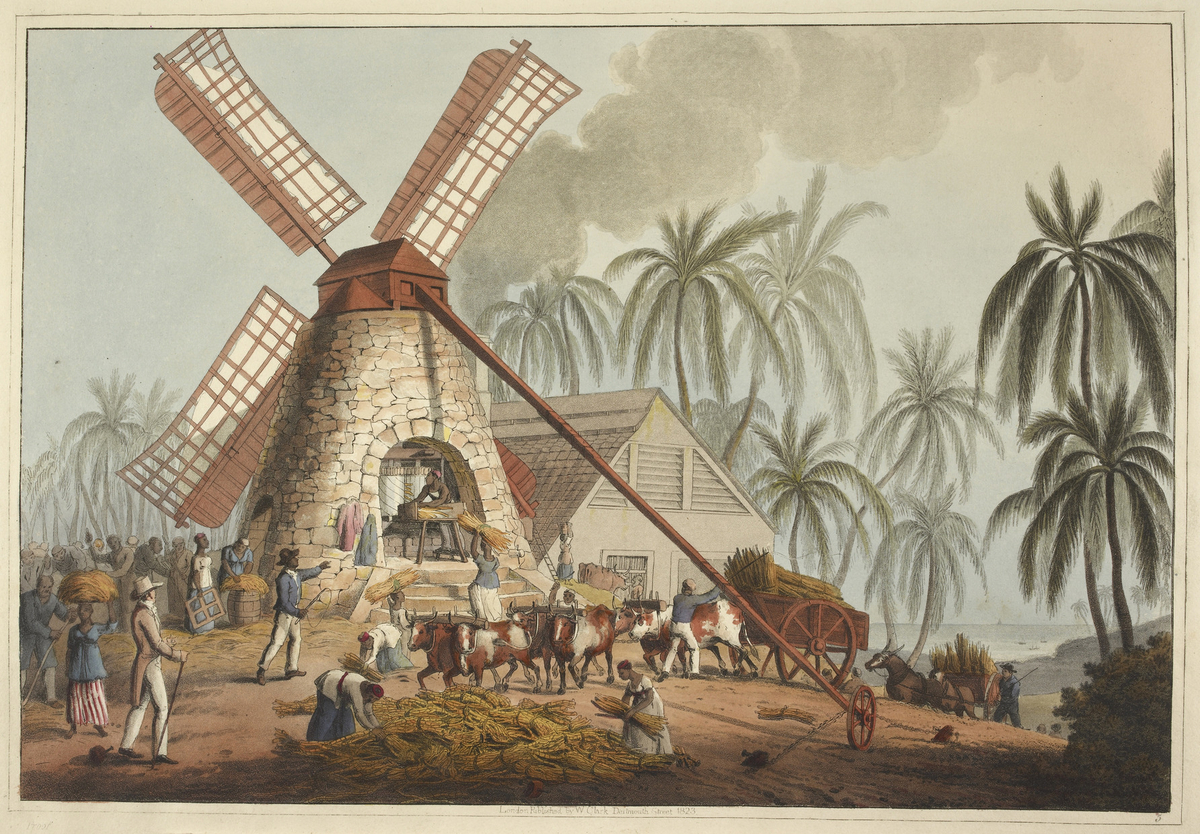
In 1693, the establishment of Matanzas as a major sugar-producing region in Cuba marked a pivotal moment in the island's economic history. The fertile lands and favorable climate of Matanzas attracted numerous sugar plantations, leading to a surge in sugar production within the region. The strategic location of Matanzas, situated between Havana and Varadero, also played a significant role in its rapid growth as a central hub for sugar cultivation and export.
The emergence of Matanzas as a primary sugar-producing region had far-reaching impacts on Cuba's economy and trade relations. The increase in sugar production not only bolstered the island's economy but also fueled the expansion of the sugar industry, attracting investments and spurring economic development in other sectors. The labor demand for sugarcane cultivation and processing also led to the influx of enslaved Africans to work on the plantations, shaping the demographic landscape of the region.
The establishment of Matanzas as a leading sugar-producing region solidified Cuba's position as a prominent player in the global sugar market, contributing significantly to the island's prosperity and economic importance. This transformative event underscored the crucial role of sugar production in shaping Cuba's history and economy, leaving a lasting legacy that continues to resonate to this day.
#Matanzas #sugarindustry #Cuba #economicdevelopment #sugarproduction
Primary Reference
Matanzas - Wikipedia

Explore the Life Moments of
 AI Twin