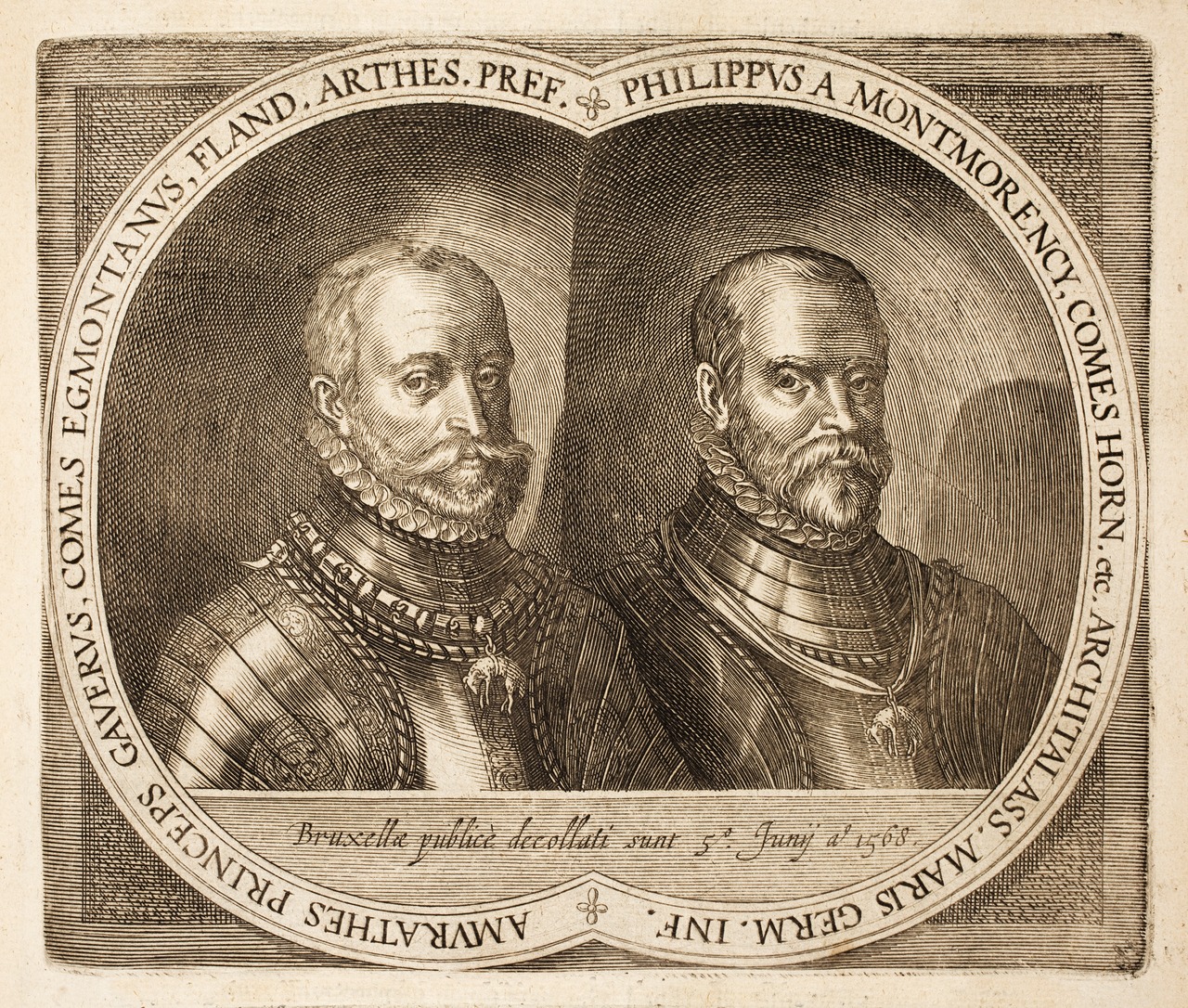
Resistance grows after execution of Egmont and Hoorn in Brussels
Belgium
Political
4 min read
Updated By: History Editorial Network (HEN)
Published:
The Execution of the Count of Egmont and Count of Hoorn in Brussels was a pivotal event in the history of the Netherlands. The Counts were prominent leaders of the Dutch Revolt against Spanish rule, advocating for greater autonomy and religious freedom. Their public execution by the Spanish authorities sparked outrage across the Low Countries, leading to increased resistance and galvanizing support for the independence movement.
The Count of Egmont, a skilled military commander, and the Count of Hoorn, a respected statesman, were both arrested on charges of treason and heresy. Despite their noble status and previous loyalty to the Spanish Crown, they were swiftly sentenced to death. The brutal manner in which they were executed, through beheading in the main square of Brussels, shocked the local population and fueled anti-Spanish sentiments.
The deaths of Egmont and Hoorn became rallying cries for the Dutch rebels, strengthening their resolve to break free from Spanish oppression. The executions symbolized the tyranny of Spanish rule and the suppression of Dutch aspirations for self-determination. As news of the event spread, support for the rebel cause swelled, drawing in more followers and resources for the struggle.
The execution of the Count of Egmont and Count of Hoorn in Brussels marked a turning point in the Dutch Revolt, propelling the movement towards full-fledged independence. The tragedy brought together disparate factions united in their desire to resist Spanish domination and fight for their rights. The legacy of the Counts' sacrifice endured as a reminder of the high price of freedom and the resilience of the Dutch people in the face of adversity.
#DutchRevolt #Independence #Resistance #Brussels #SpanishRule #Netherlands #CountofEgmont #CountofHoorn

Explore the Life Moments of
 AI Twin