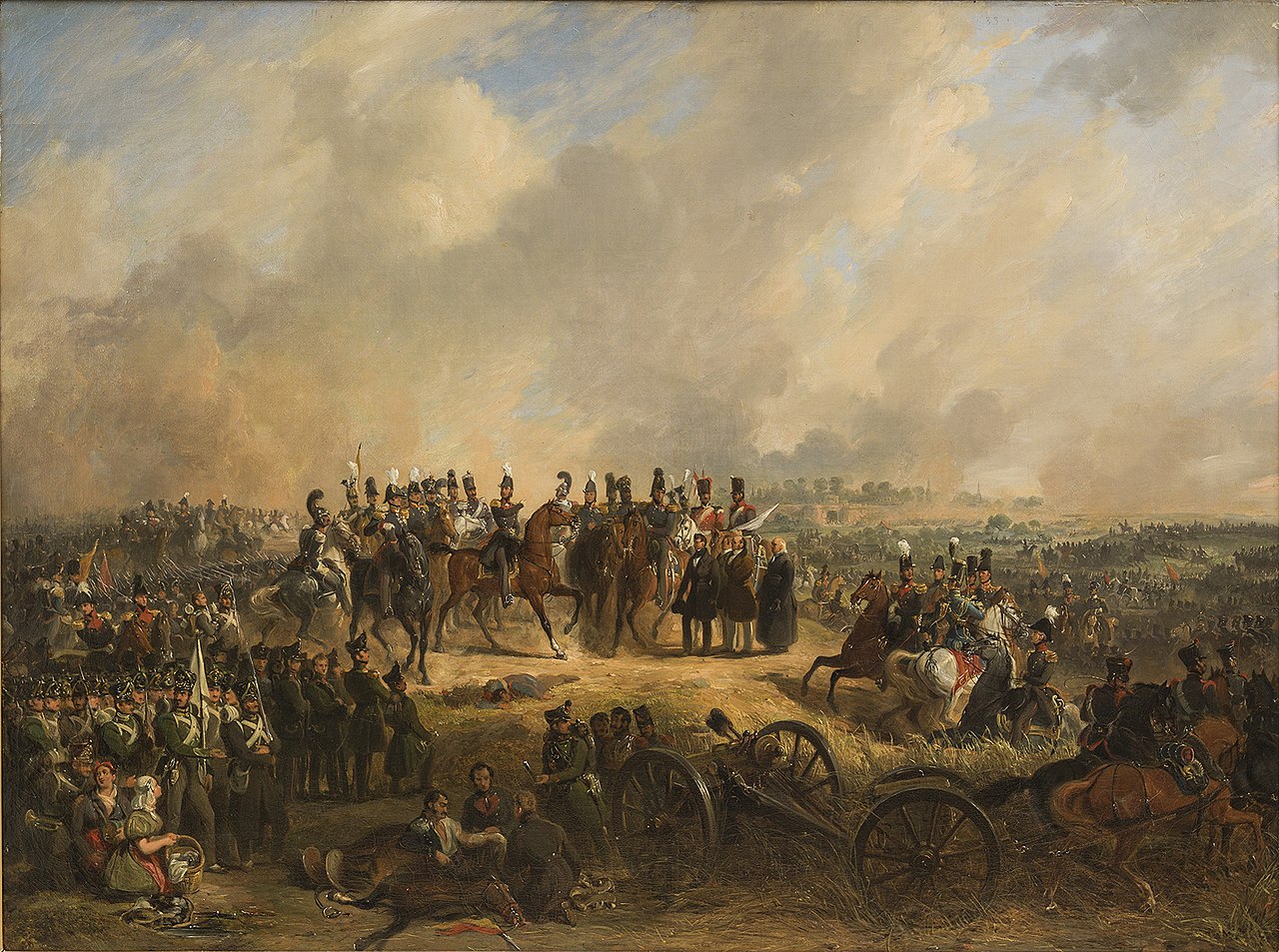
Dutch Army success in driving out Belgians at Battle of Hasselt.
Belgium
Political
Military Conflict
4 min read
Updated By: History Editorial Network (HEN)
Published:
In August 1831, the Battle of Hasselt took place, marking a significant event in the Belgian Revolution. The confrontation unfolded as the Dutch army launched an offensive against Belgian forces to reclaim control over the city of Hasselt. The Dutch army, well-equipped and determined, engaged in a fierce battle against the Belgians, who were fighting for independence and sovereignty.
The conflict stemmed from the larger political turmoil following the Belgian declaration of independence from the United Kingdom of the Netherlands in 1830. The Dutch King William I sought to reassert authority over the rebellious Belgian provinces, leading to military clashes throughout the region. The Battle of Hasselt was a pivotal moment in this struggle for power, as the Dutch army aimed to quash Belgian resistance and assert control over strategic territories.
The outcome of the Battle of Hasselt was decisive, with the Dutch army successfully driving out the Belgian forces and solidifying their hold over the city. This victory bolstered Dutch morale and strategic position in the ongoing conflict, while dealing a blow to Belgian aspirations for independence. The aftermath of the battle saw heightened tensions and continued fighting between the two sides, fueling further bloodshed and unrest in the region.
The Battle of Hasselt reflected the broader dynamics of the Belgian Revolution, characterized by shifting alliances, military confrontations, and aspirations for self-determination. The conflict between the Dutch and Belgian forces underscored the complexities of nation-building and sovereignty in the early 19th century, leaving a lasting impact on the political landscape of Europe.
#BattleofHasselt #BelgianRevolution #DutchArmy #Independence #Sovereignty #MilitaryConflict

Explore the Life Moments of
 AI Twin