French Conquest of Belgium
Belgium

Political
4 min read
Updated By: History Editorial Network (HEN)
Published:
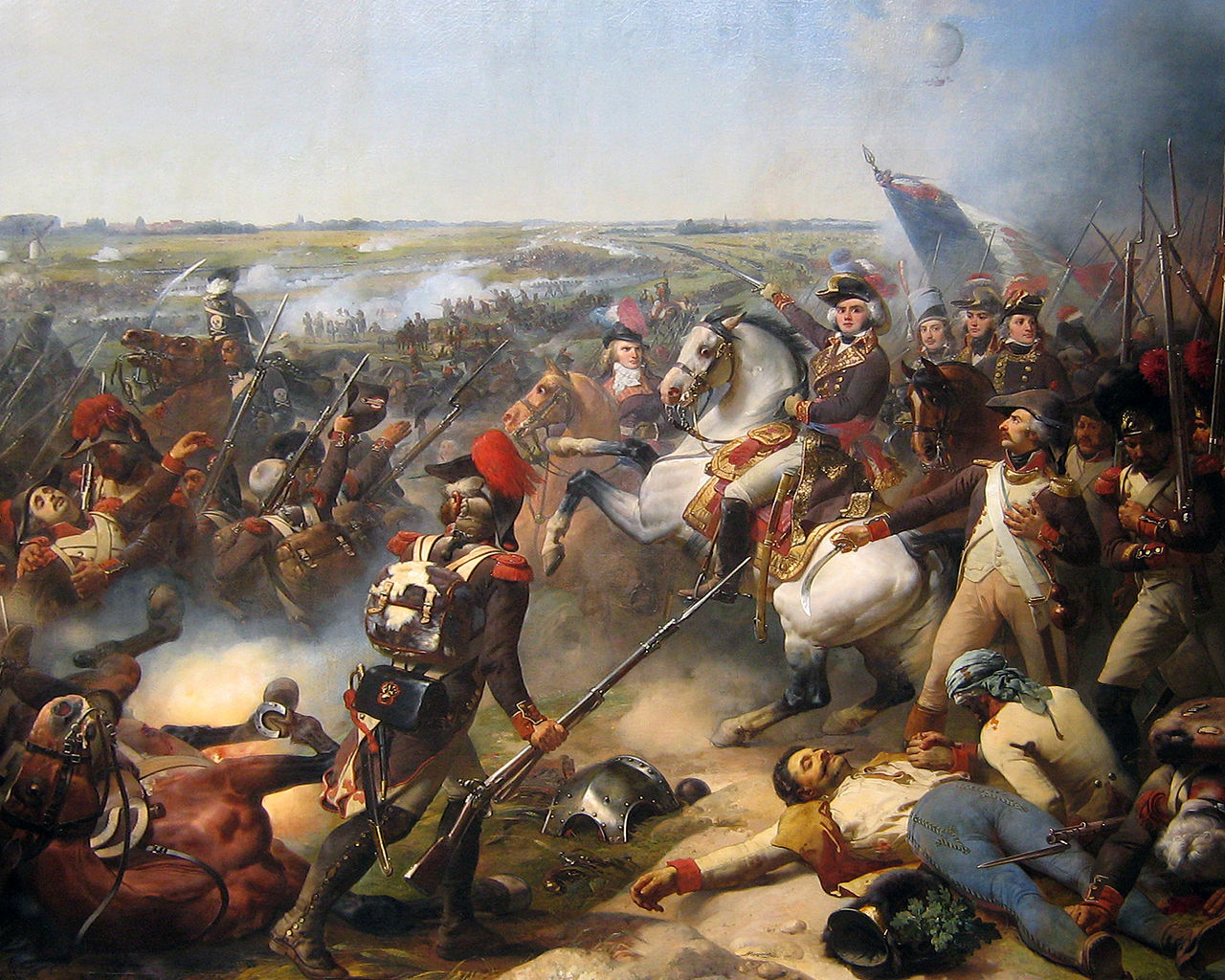
In the year 1795, Belgium was conquered by France after a series of military campaigns. This conquest was a result of the French Revolutionary Wars that had been ongoing since 1792. The French armies, led by General Lazare Hoche, successfully invaded and took control of the region, which was then known as the Austrian Netherlands.
The conquest of Belgium by France had far-reaching consequences for the region. It marked the end of Austrian rule in the area and the beginning of a period of French domination that lasted until the defeat of Napoleon at the Battle of Waterloo in 1815. During this time, Belgium was incorporated into the French Republic and underwent significant political, social, and economic changes.
The French introduced new laws and administrative systems in Belgium, aimed at centralizing power and promoting the ideals of the French Revolution. They abolished feudal privileges, promoted religious tolerance, and implemented measures to modernize the economy. While these reforms were met with resistance by some, they also laid the groundwork for the development of a more unified and centralized Belgian state in the future.
Overall, the conquest of Belgium by France had a profound impact on the region, shaping its history and identity for years to come. It represented a significant turning point in the political and social landscape of Belgium, setting the stage for the country's eventual independence in 1830.
#ConquestofBelgium #FrenchRevolutionaryWars #NapoleonicEra #BelgianHistory

Explore the Life Moments of
 AI Twin