Switch to Modern Turkish Alphabet from Ottoman Script
Turkey

Cultural Transformation
Language Reform
4 min read
Updated By: History Editorial Network (HEN)
Published:
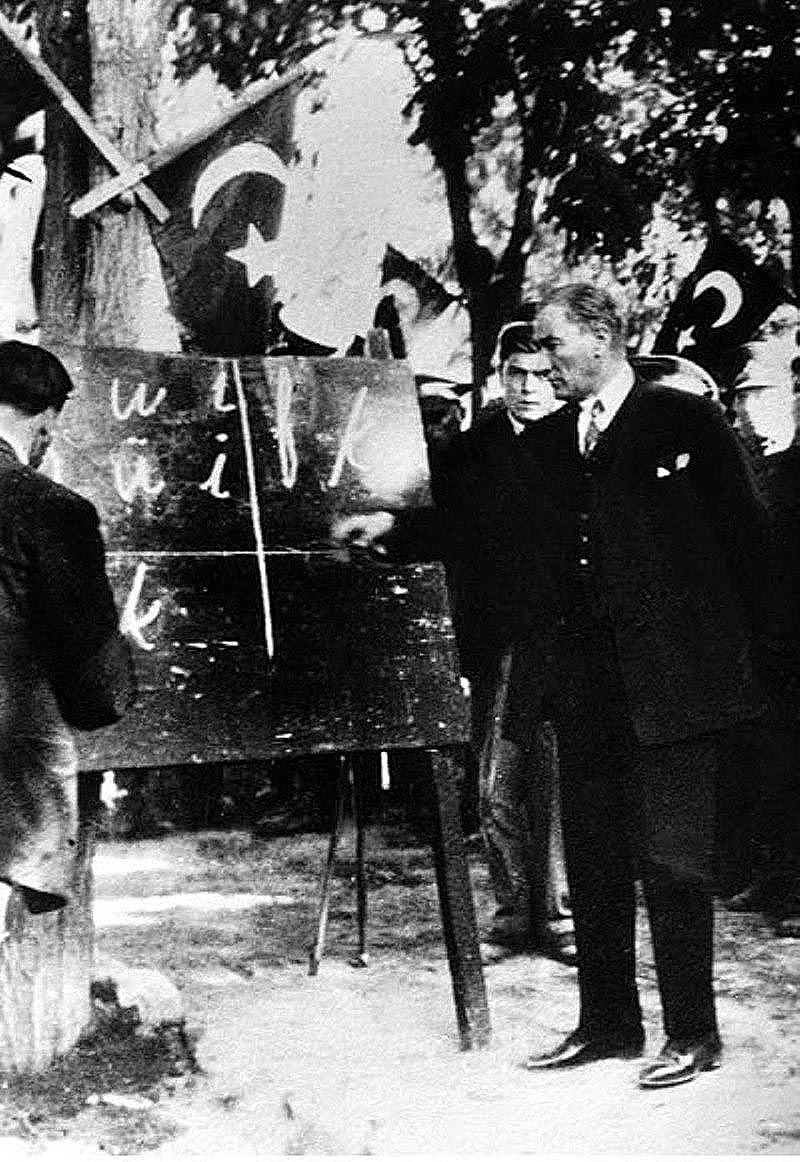
In 1928, the Turkish alphabet underwent a significant transformation. The shift from the Ottoman Turkish alphabet to the new Turkish alphabet marked a pivotal moment in Turkish history. This change aimed to modernize the Turkish language and make it more accessible to the general population. The Ottoman Turkish alphabet consisted of Arabic script, which posed difficulties in literacy and education for the Turkish people.
Mustafa Kemal Atatürk, the founder of the Republic of Turkey, initiated the reform to promote literacy and communication in the country. The new Turkish alphabet was based on the Latin script to streamline the language and align it with Western standards. This change allowed for a more straightforward learning process and increased literacy rates among the Turkish population.
The adoption of the new Turkish alphabet had a profound impact on various sectors of Turkish society. It facilitated communication, improved educational opportunities, and bolstered cultural unity among the population. The transition was met with both enthusiasm and resistance, reflecting the significant cultural shift it symbolized.
Overall, the switch to the new Turkish alphabet was a transformative moment in Turkish history that reshaped language and literacy in the country. It paved the way for modernization and cultural reformation, solidifying Turkey's position as a progressive nation in the global arena.
#TurkishAlphabet #LanguageReform #CulturalTransformation #MustafaKemalAtaturk

Explore the Life Moments of
 AI Twin