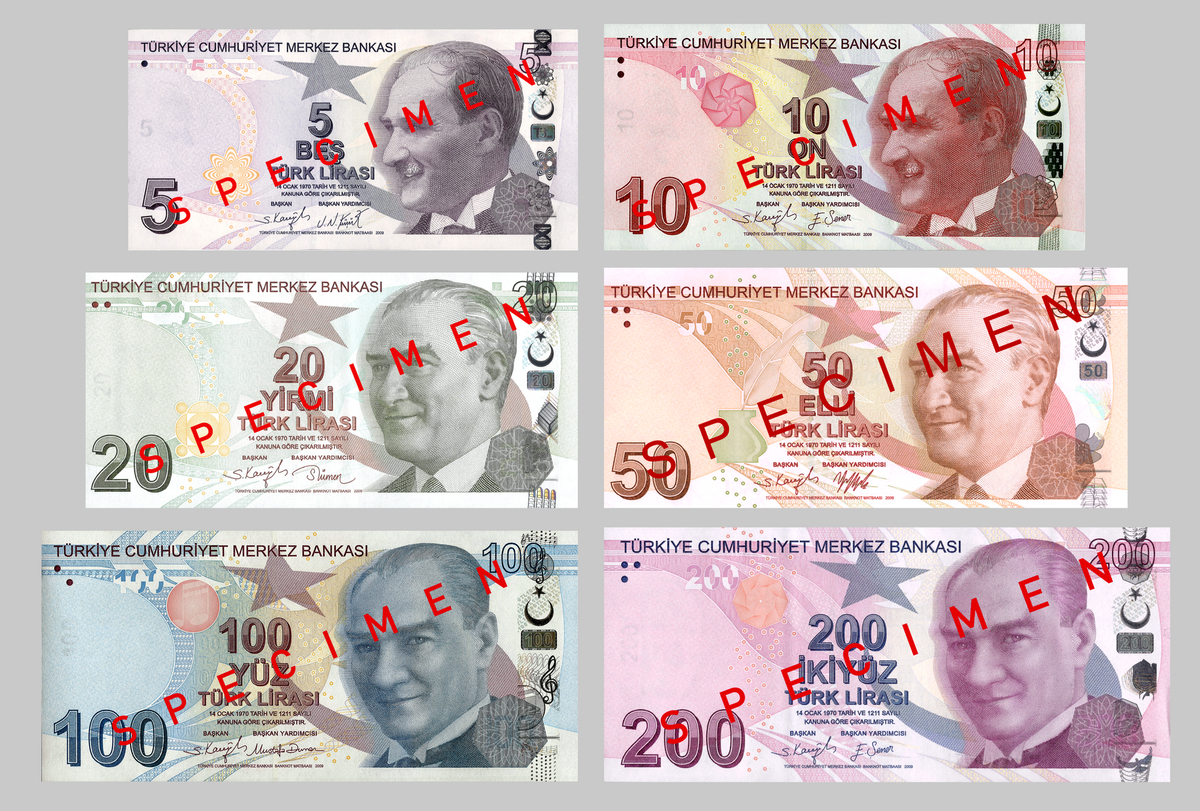
Turkey Implements New Lira Currency, Eliminates Six Zeroes
Turkey

Economic Reform
Currency Change
4 min read
Updated By: History Editorial Network (HEN)
Published:
The introduction of the new lira currency marked a significant turning point in Turkey's economic history. The decision to strip six zeroes from the old lira came after a period of hyperinflation, where banknotes were denominated in millions. This move aimed to simplify transactions and restore confidence in the national currency.
The old lira, plagued by rapid devaluation, had become cumbersome to use in everyday transactions. Prices would change rapidly, and people struggled to keep up with counting or carrying large amounts of banknotes. The introduction of the new lira sought to address these challenges and bring stability to the economy.
With the new currency in circulation, Turkey entered a period of adjustment. Prices were revalued, wages recalibrated, and savings converted. While the transition posed some initial challenges, it ultimately paved the way for a more manageable and efficient monetary system.
The impact of the new lira extended beyond the financial realm. It symbolized a break from the past, marking the end of an era characterized by economic instability. The introduction of a more stable currency instilled confidence in both domestic and international investors, driving economic growth and development.
In conclusion, the introduction of the new lira currency, with six zeroes stripped from the old lira, was a pivotal moment in Turkey's economic history. It brought an end to a period of hyperinflation and marked the beginning of a new chapter of stability and growth. #Turkey #EconomicReform #CurrencyChange.

Explore the Life Moments of
 AI Twin