Turkey Signs the Mecca Joint Defence Agreement to Expand Its Regional Security Role
Mecca, Saudi Arabia
Political
8 min read
Updated By: History Editorial Network (HEN)
Published:
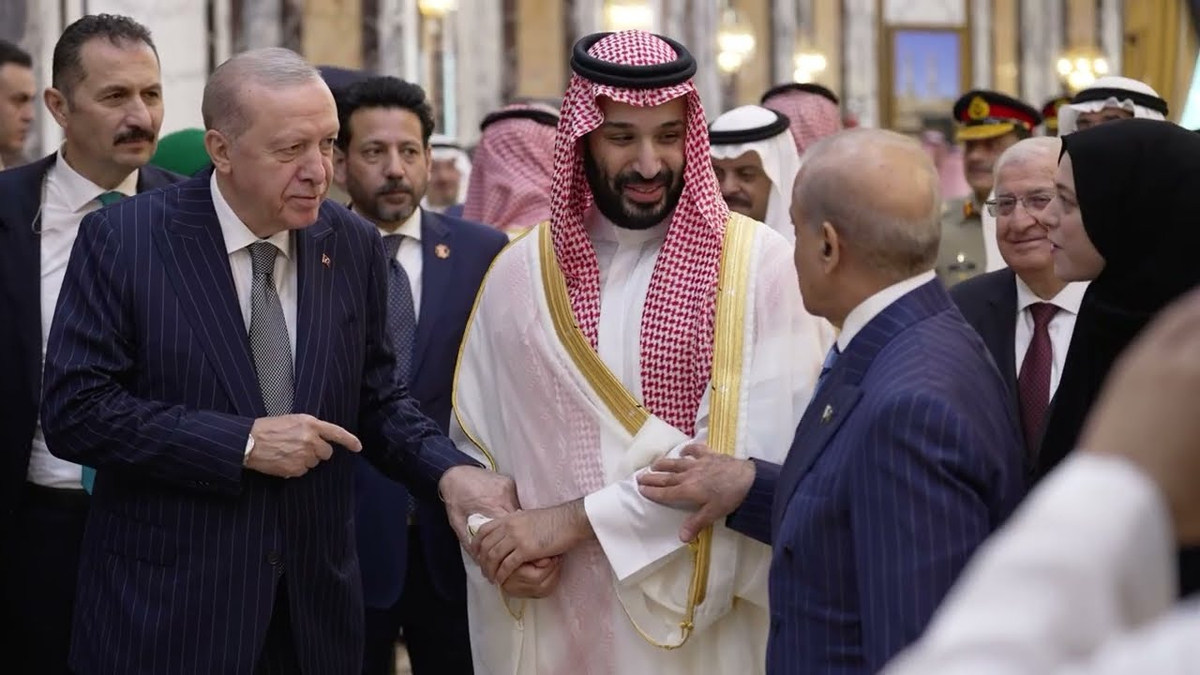
Turkey formally joined the Mecca Joint Defence Agreement on 07/08/2026, establishing a trilateral defense framework with Saudi Arabia and Pakistan. Signed in Mecca, Saudi Arabia, the agreement strengthened military cooperation among the three countries at a time of heightened instability across the Middle East and increasing concerns over regional security.
From Ankara's perspective, the agreement aligned with Turkey's long standing objective of expanding its strategic influence beyond its immediate borders while strengthening defense partnerships across the Gulf region. Turkish officials presented the initiative as a cooperative security arrangement designed to improve regional stability through defense coordination, military modernization, and expanded strategic cooperation.
Defense industry cooperation formed one of the agreement's most important components. During the past decade, Turkey significantly expanded its domestic defense sector, increasing the production of unmanned combat aerial vehicles, missile systems, naval platforms, armored vehicles, and electronic warfare technologies. The agreement created opportunities for larger defense contracts, joint manufacturing projects, technology transfers, and expanded military exports to Gulf partners.
Saudi Arabia's participation also opened the door to greater financial cooperation. Reports surrounding the agreement highlighted the possibility of increased Saudi investment in Turkish industries, including defense manufacturing, advanced technology, infrastructure, and industrial development. These investments complemented Ankara's broader strategy of attracting foreign capital while strengthening domestic production capabilities.
The agreement also carried important geopolitical implications. By strengthening military cooperation with Saudi Arabia and Pakistan, Turkey expanded its strategic presence within a region that remains central to global energy markets and international trade. The trilateral framework combined three distinct strengths: Saudi Arabia's financial resources and energy influence, Pakistan's military capabilities, and Turkey's advanced defense industry.
Turkey's membership in NATO added another dimension to the agreement. Ankara continued to balance its obligations within the Western alliance while simultaneously pursuing a more independent foreign policy. Turkish policymakers have increasingly emphasized strategic autonomy, seeking to maintain relations with Western allies while building regional partnerships that reflect Turkey's own security priorities.
Officials also described the agreement as a defensive arrangement rather than an offensive military alliance. Public statements emphasized the protection of critical infrastructure, energy facilities, maritime routes, and territorial security. This messaging sought to position Turkey as a stabilizing regional actor capable of contributing military expertise without directly escalating existing conflicts.
The agreement highlighted Turkey's growing influence as both a military producer and a diplomatic intermediary. Through defense cooperation, technological partnerships, and strategic coordination, Ankara strengthened its position within an evolving Middle Eastern security environment.
Why This Moment Matters:
The Mecca Joint Defence Agreement reflected Turkey's transition from a regional military power into a country seeking a broader leadership role in security, defense manufacturing, and geopolitical coordination. The agreement demonstrated how Ankara increasingly combines military technology, economic diplomacy, and strategic partnerships to expand its influence beyond its traditional sphere.
#Turkey
#MeccaJointDefenceAgreement
#SaudiArabia
#Pakistan
#NATO
#DefenseIndustry
#MiddleEast
#Geopolitics

Explore the Life Moments of
 AI Twin