
Sri Lanka

The Pearl of the Indian Ocean
About
#Sri_Lanka_History
#Sri_Lankan_History
#Sri_Lankan_History_Timeline
#History_of_Sri_Lanka
#Ceylon
#Serendip
#Lakdiva
#Taprobana
#Tambapanni
Life Classification
Country
Life ID
EL7704417295568
Verified Name
sri-lanka
Life Type
Entity Life
Life Editor(s)
History Editorial Network (HEN)
Life Privacy
Public
Subscription
Elite
Created On
2024-08-27
Updated On
2026-02-24
Connect
Related Lives

Ancient Greece
The Cradle of Civilization

Bhutan
Land of the Thunder Dragon

Cape Verde
Jewel of the Atlantic
Argentina
Land of the Tango
President of the Italian Republic
Head of State

Nigeria
The Giant of Africa

Jordan
Land of Ancient Wonders

Chad
Heart of the Sahel

2024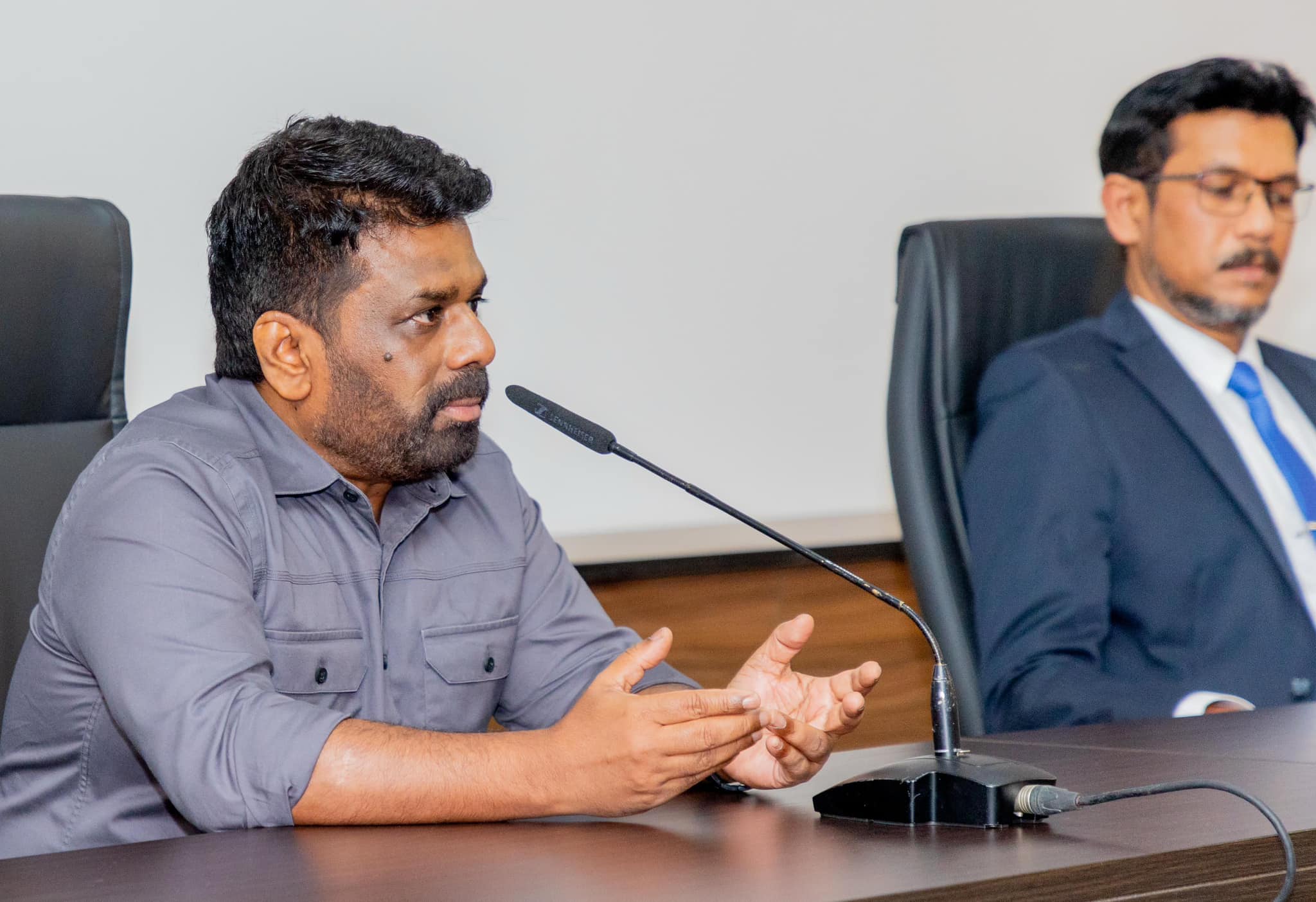
The Sri Lankan presidential election led to a historic result when Anura Kumara Dissanayake was elected President in a second round of vote counting. The election process was intense, with a high voter turnout reflecting the country's demand for change. Dissanayake, representing the Janatha Vimukthi Peramuna (JVP), had campaigned on promises of economic reform, anti-corruption measures, and social justice.
In the initial round of counting, no candidate secured the required majority, leading to a second round. Dissanayake's victory in this round was significant due to his outsider status and the JVP's lesser role in mainstream politics historically. His win was influenced by a coalition of smaller parties and independent voters dissatisfied with the traditional political establishments.
The election result marks a shift in Sri Lankan politics, emphasizing public discontent with previous administrations’ handling of economic issues and corruption. Dissanayake has pledged to address pressing economic challenges, aiming to stabilize the economy, reduce the national debt, and improve public services. His administration's priorities include transparency in government dealings, equitable economic policies, and fostering national unity.
Statistics from the Election Commission showed that Dissanayake received approximately 52% of the votes in the second round, highlighting a clear preference among the electorate. The election process was widely monitored by local and international observers, ensuring transparency and legitimacy.
Dissanayake's presidency is expected to influence regional politics, with potential shifts in foreign policy and international relations. His focus on local economic development and anti-corruption initiatives aligns with broader global trends demanding accountable governance.
#SriLankaElection, #AnuraKumaraDissanayake, #PoliticalChange, #EconomicReform, #AntiCorruption, #MoofLife
View details2022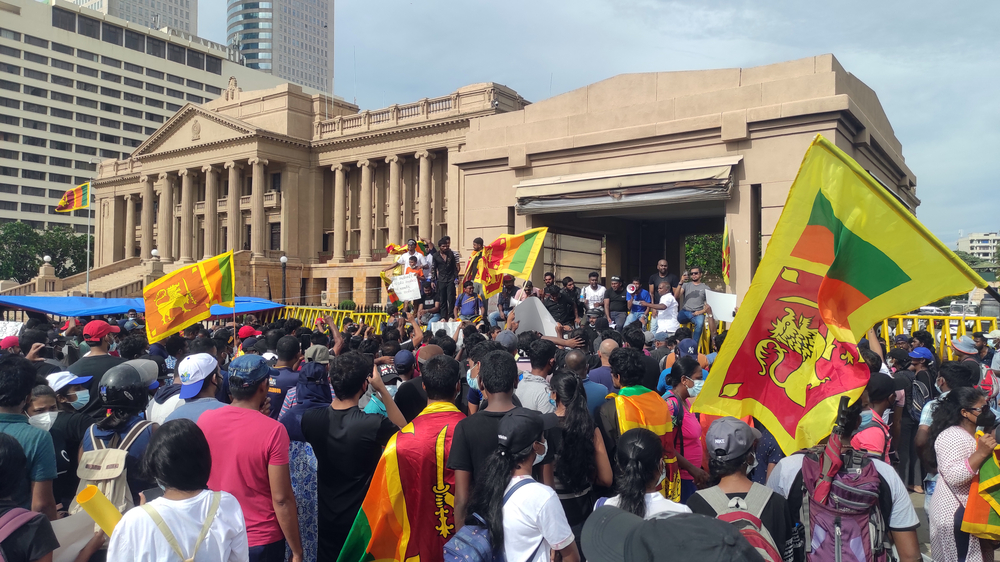
Economic mismanagement had been festering in Sri Lanka for years, leading to unprecedented levels of inflation, rampant unemployment, and severe shortages of essential goods. Citizens had borne the brunt of policy breakdowns, currency devaluation, and dwindling foreign reserves. Frustrations reached a boiling point, compelling thousands to take to the streets in protest against the government's handling of the crisis.
Sri Lanka's GDP growth had faltered, marked by lower-than-expected agricultural yields and a significant downturn in tourism—a sector critical to its economy. Compounded by mismanaged debt obligations and insufficient foreign direct investment, fiscal deficits deepened. Basic commodities like rice, sugar, and milk powder became scarce, with prices soaring exponentially. Electricity outages were common, and fuel shortages crippled public and private transportation.
At the height of public discontent, demonstrators gathered in Colombo and other major cities, voicing their grievances through slogans, banners, and mass rallies. The protests were widespread and included diverse sections of society, such as students, professionals, and the working class. The demonstrators demanded accountability and sought comprehensive economic reforms and governmental transparency.
Law enforcement responded with measures aimed at dispersing crowds, which led to confrontations and, in some cases, violent clashes. Tear gas and water cannons were deployed; dozens were arrested, sparking further outrage both domestically and internationally. Human rights organizations raised alarms, urging the government to respect citizens' rights to peaceful assembly and expression.
Media coverage of the uprising spotlighted the severity of the economic plight Sri Lankans faced, amplifying calls for international intervention and support. Economists suggested frameworks for stabilizing the nation’s economy, advocating for IMF assistance and prudent fiscal reforms. The political ramifications were immediate, with some members of parliament resigning and pressure mounting on the executive branch to initiate policy reforms.
This profound public display highlighted the nexus between governance and economic stability, underscoring the importance of accountable leadership.
#EconomicCrisis #SriLankaProtests #PublicDiscontent #FiscalPolicy #MoofLife
View details2019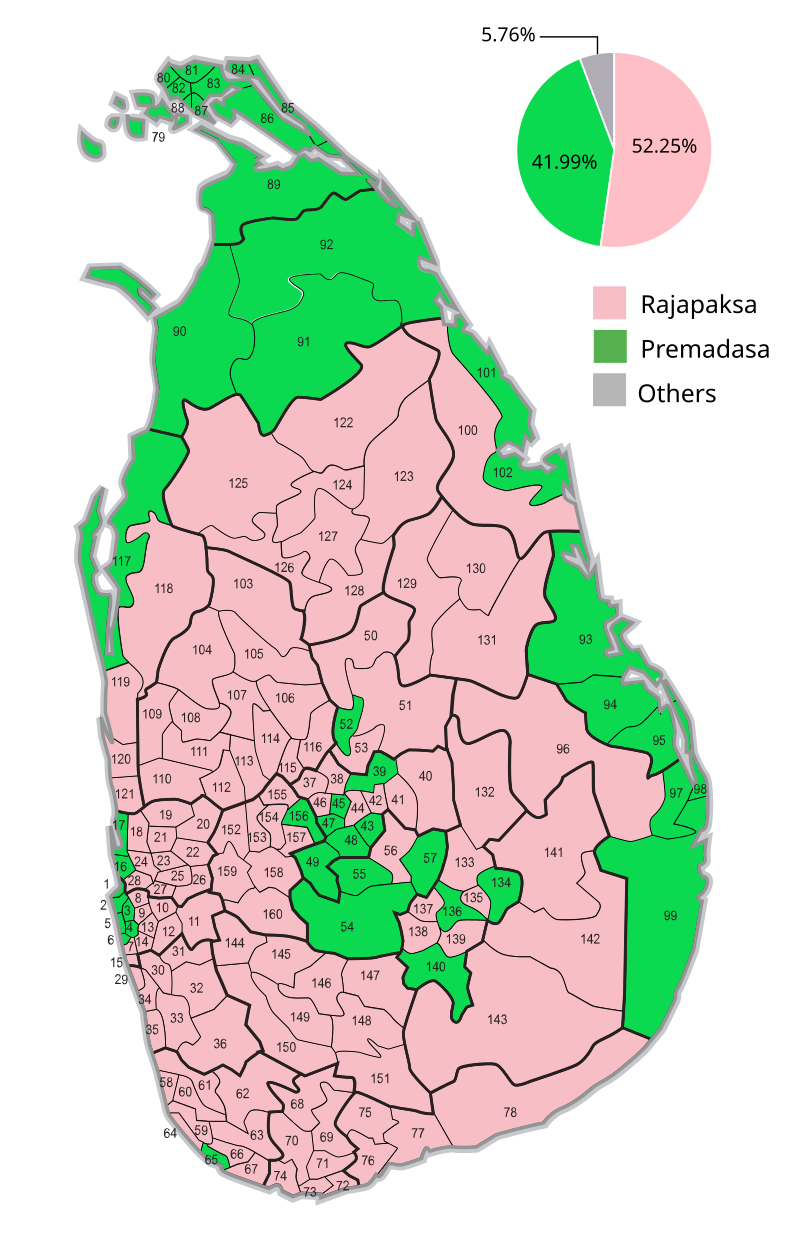
The 2019 Sri Lankan presidential election, held on November 16, 2019, was a pivotal moment in the nation's political landscape. This election came in the wake of the tragic Easter Sunday bombings, which had shaken the country earlier that year. National security became a central issue, with many citizens seeking strong leadership to address growing concerns about safety and stability.
Gotabaya Rajapaksa, the candidate from the Sri Lanka Podujana Peramuna (SLPP) and former Defense Secretary, focused his campaign on restoring security and revitalizing the economy. His appeal to the majority Sinhalese Buddhist population, along with his role in ending the civil war, played a key part in garnering widespread support. Rajapaksa promised a tough approach to terrorism and a more robust national defense strategy.
His main opponent, Sajith Premadasa of the United National Party (UNP), ran on a platform of economic reform, social welfare, and inclusivity. Premadasa sought to address issues like poverty and unemployment while maintaining a focus on development and equality.
The election saw a high voter turnout of over 80%, with Gotabaya Rajapaksa securing 52.25% of the vote compared to Premadasa’s 41.99%. Rajapaksa's victory marked the return of the powerful Rajapaksa family to political prominence, as his brother, Mahinda Rajapaksa, had served as president from 2005 to 2015.
This result signaled a shift towards a more nationalist and security-focused governance model, with Rajapaksa pledging to address both internal security concerns and economic challenges.
#MomentsOfLife #MoofLife_Moment #MoofLife#SriLankaElection2019 #GotabayaRajapaksa #SajithPremadasa #NationalSecurity #EconomicRevival
View detailsOn April 21, 2019, Sri Lanka was struck by one of the deadliest terrorist attacks in its history when a series of coordinated bombings targeted churches and luxury hotels across the country. The attacks, which occurred on Easter Sunday, were carried out by Islamic militants and resulted in the deaths of 269 people, including many worshippers and tourists, and injured over 500 others. This tragic event shocked the nation and the world, marking a dark chapter in Sri Lanka’s post-civil war history.
The Attacks: A Coordinated Strike
The bombings took place in three cities: Colombo, Negombo, and Batticaloa. The targets included:
Churches:
St. Anthony’s Shrine in Colombo: A historic Catholic church located in the capital, which was packed with Easter Sunday worshippers at the time of the attack.
St. Sebastian’s Church in Negombo: Another Catholic church where a large number of people had gathered for Easter services.
Zion Church in Batticaloa: A Protestant church located in the eastern part of the country, also attacked during the Easter service.
Hotels:
The Shangri-La, Colombo: A luxury hotel that was targeted during the busy breakfast period.
The Kingsbury, Colombo: Another high-end hotel in the capital.
The Cinnamon Grand, Colombo: One of the city’s most prominent hotels, also hit during breakfast time.
The bombings were carried out by suicide bombers who detonated their explosives in quick succession. The attacks were meticulously planned to cause maximum casualties and target locations where large gatherings of people were expected. The fact that the bombings occurred on Easter Sunday, one of the most significant days in the Christian calendar, added to the horror and symbolism of the attacks.
Perpetrators and Motivations
In the immediate aftermath, it was unclear who was responsible for the attacks. However, investigations quickly pointed to local Islamist extremist groups. The Sri Lankan government later identified the National Thowheeth Jama'ath (NTJ), a relatively obscure local jihadist group, as the main organization behind the bombings. It was revealed that the NTJ had ties to the Islamic State (ISIS), which later claimed responsibility for the attacks, stating that they were carried out in retaliation for the mass shooting at mosques in Christchurch, New Zealand, in March 2019.
The attackers were mostly young Sri Lankan Muslims, many of whom were well-educated and from affluent backgrounds, a fact that shocked many both in Sri Lanka and abroad. The group’s leader, Zahran Hashim, was among the suicide bombers and was identified as the mastermind behind the attacks.
Impact on Sri Lanka
The Easter Sunday bombings had a profound impact on Sri Lanka, a country that had been enjoying a decade of relative peace following the end of its brutal civil war in 2009. The attacks shattered the sense of security that had gradually returned to the island and exposed deep vulnerabilities in the country’s security apparatus.
The Sri Lankan government faced intense criticism for failing to act on multiple intelligence warnings that had been received in the days leading up to the attacks. These warnings, which included specific information about potential targets, were reportedly not adequately shared among security agencies, leading to a catastrophic failure to prevent the bombings.
In the wake of the attacks, the Sri Lankan government declared a state of emergency, imposed curfews, and launched a massive security crackdown, detaining hundreds of suspects and conducting widespread raids. Social media platforms were temporarily blocked to prevent the spread of misinformation and potential incitement to violence.
The attacks also led to a rise in communal tensions between the Muslim minority and the majority Sinhalese and Tamil populations. There were reports of retaliatory attacks on Muslim-owned businesses and mosques in the days following the bombings, prompting fears of further unrest.
International Response and Solidarity
The international community reacted with shock and condemnation to the Easter Sunday bombings. World leaders expressed their condolences and offered support to Sri Lanka. The United Nations, the European Union, and numerous countries, including India, the United States, and the United Kingdom, condemned the attacks and pledged to assist Sri Lanka in its counterterrorism efforts.
Global religious leaders, including Pope Francis, expressed their sorrow and solidarity with the victims and the people of Sri Lanka. The bombings were widely recognized as an attack not only on Sri Lanka but on religious freedom and the right to worship peacefully.
Legacy and Ongoing Challenges
The Easter Sunday attacks had a lasting impact on Sri Lanka's national psyche and its approach to security. The government has since taken steps to reform its intelligence and security operations, aiming to prevent similar attacks in the future. However, the bombings also exposed deep-seated issues within Sri Lankan society, including religious and ethnic tensions that continue to simmer beneath the surface.
For the victims and their families, the attacks were a devastating tragedy that left a lasting scar on the nation. Memorials and vigils have been held annually to honor the lives lost, and the event serves as a somber reminder of the dangers of extremism and the importance of vigilance and unity in the face of such threats.
#MomentsOfLife #MoofLife_Moment #MoofLife #SriLanka #EasterSundayBombings #Terrorism #NationalTragedy #ReligiousExtremism
View details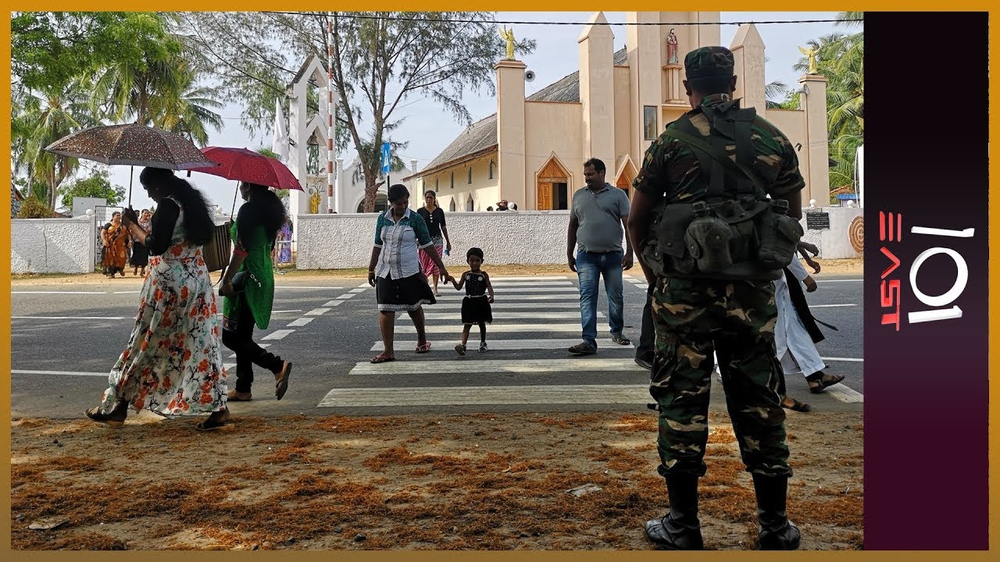
2018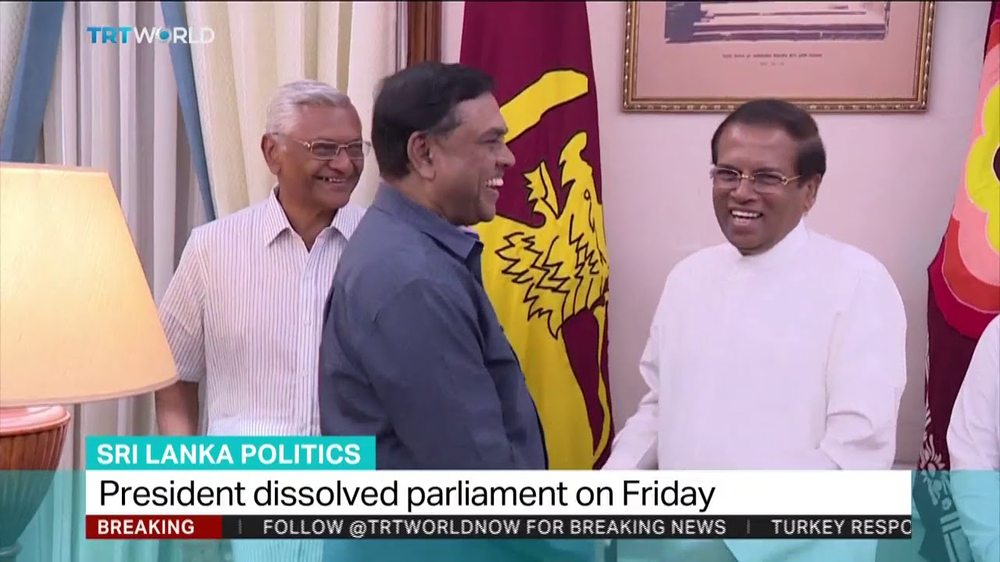
In a move that triggered a constitutional crisis, President Maithripala Sirisena attempted to replace Prime Minister Ranil Wickremesinghe with former President Mahinda Rajapaksa. Wickremesinghe, leader of the United National Party (UNP), had served as Prime Minister since Sirisena's election victory over Rajapaksa. Despite the partnership, tensions had surfaced between Sirisena and Wickremesinghe, particularly over economic policies and governance.
President Sirisena's decision to oust Wickremesinghe and appoint Rajapaksa was met with significant political and public backlash. Wickremesinghe refused to step down, arguing that his dismissal was unconstitutional as he retained the support of a majority in Parliament. This led to a standoff, with both Wickremesinghe and Rajapaksa claiming the premiership.
The crisis escalated when Sirisena dissolved Parliament, a move critics argued was aimed at preventing a vote that could demonstrate Wickremesinghe's majority. This action was challenged in the Supreme Court, which ruled that the dissolution was unconstitutional and ordered Parliament to reconvene.
During the turmoil, violent clashes and political destabilization were reported. Sri Lanka's economy, already fragile, faced further strain due to the uncertainty. International observers, including the United Nations and several foreign governments, expressed concern over the democratic process in Sri Lanka.
The parliamentary votes held subsequently reaffirmed Wickremesinghe's majority, leading to Rajapaksa's resignation. This restored Wickremesinghe to his position, ending the political impasse but leaving behind a legacy of mistrust and political fragmentation.
This crisis highlighted the fractious nature of Sri Lankan politics and raised questions about the stability of democratic institutions in the country. It underscored the importance of constitutional mechanisms and the rule of law in maintaining political order.
#SriLankaPolitics #PoliticalCrisis #ParliamentaryDemocracy #MoofLife
View details2014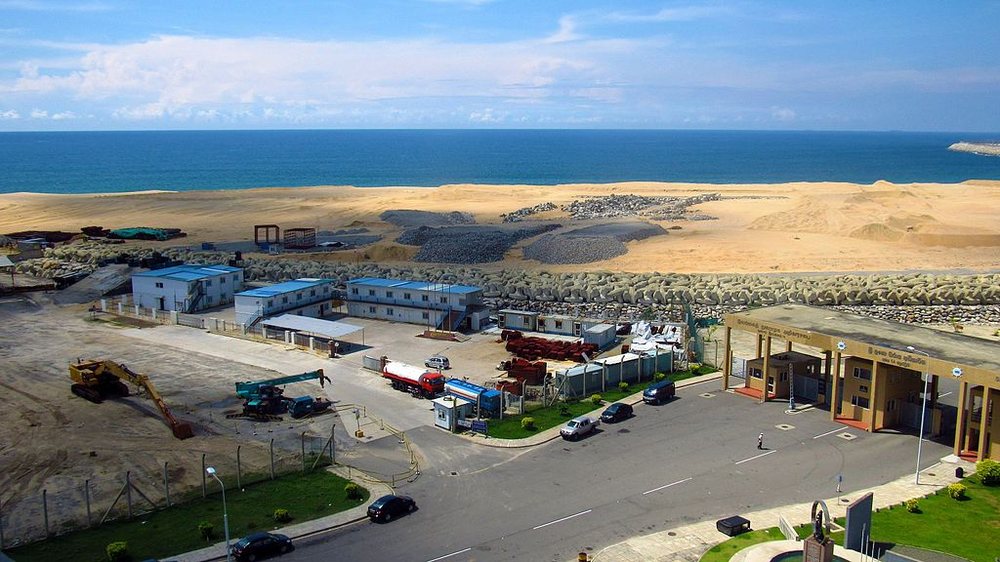
The construction of the Port City Colombo project was officially launched on September 17, 2014. This ambitious venture is a land reclamation project situated along the coast of Colombo, Sri Lanka, aimed at creating a new urban hub on the Indian Ocean. Initiated with Chinese investment through China Communications Construction Company (CCCC), the project is expected to play a critical role in Sri Lanka’s economic development, positioning the country as a strategic business and financial hub in South Asia.
Port City Colombo covers an area of 269 hectares (660 acres) of reclaimed land, and the development is envisioned as a modern, international city with luxury residences, commercial spaces, hotels, and a financial district. The project's strategic location along major shipping routes makes it an attractive site for global business and tourism, reinforcing Sri Lanka's role in China's Belt and Road Initiative (BRI).
Despite the project's grand vision, it has been met with some controversy. Environmentalists have raised concerns about the impact of land reclamation on marine ecosystems and coastal communities. Additionally, questions regarding the sovereignty of the land—initially given on a 99-year lease to Chinese developers—sparked national debate. However, the Sri Lankan government has maintained that the Port City will bring much-needed investment, job opportunities, and infrastructure development to the country.
Once completed, the Port City Colombo is expected to significantly enhance Colombo’s standing as a global city, offering advanced infrastructure, international trade facilities, and contributing billions of dollars to the national economy. The project has been phased over 25 years, and as of 2023, several infrastructure components are nearing completion.
#PortCityColombo #SriLankaDevelopment #BeltAndRoadInitiative #UrbanExpansion #EconomicHub #ColomboProject #MaritimeGateway #GlobalBusiness #LandReclamation #SriLankaEconomy #MoofLife
View details2010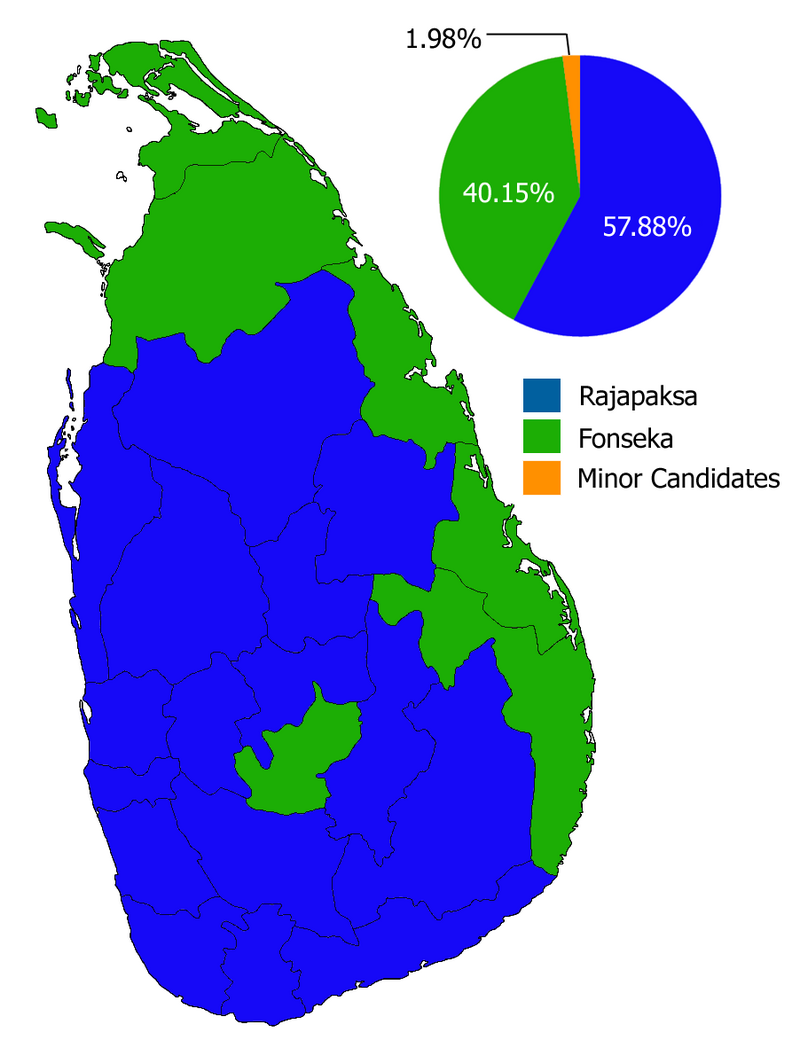
The 2010 Sri Lankan presidential election was held on January 26, 2010. It was a significant election, marking the first presidential race since the end of Sri Lanka's 26-year civil war. The incumbent president, Mahinda Rajapaksa, ran for re-election and was challenged by Sarath Fonseka, a former army commander who played a major role in defeating the Liberation Tigers of Tamil Eelam (LTTE).
Mahinda Rajapaksa, representing the United People's Freedom Alliance (UPFA), campaigned on the platform of peace and development, emphasizing his leadership in ending the civil war. His opponent, Sarath Fonseka, ran as a candidate from a coalition of opposition parties, promising reform and a stronger focus on good governance and anti-corruption.
Rajapaksa secured a decisive victory, winning with 57.88% of the vote, while Fonseka received 40.15%. The election was marked by high voter turnout, exceeding 70%. Despite the peaceful conduct of the voting process, Fonseka's camp alleged irregularities and raised concerns about the transparency of the election.
Rajapaksa's victory consolidated his political power, allowing him to serve a second term, and laid the groundwork for his continued leadership until his eventual defeat in 2015.
#SriLankaElection2010 #MahindaRajapaksa #SarathFonseka #EndOfCivilWar #PoliticalVictory #SriLankaPolitics #HighVoterTurnout #MoofLife
View details2009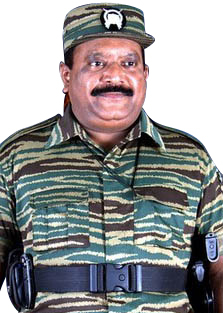
Velupillai Prabhakaran, the founder and leader of the Liberation Tigers of Tamil Eelam (LTTE), was killed during a decisive military confrontation with the Sri Lankan Armed Forces. This event marked the culmination of the Sri Lankan Civil War, a protracted conflict that persisted for nearly three decades. The war was characterized by intense violence, significant human costs, and deep-rooted ethnic tensions between the Sinhalese majority and the Tamil minority.
The LTTE, often labeled as a terrorist organization, had established a de facto state in large parts of Northern and Eastern Sri Lanka. They were known for orchestrating sophisticated attacks, including suicide bombings, and had a well-equipped military wing. The Sri Lankan government, struggling for years to contain the insurgency, launched a series of military offensives that intensified in the final phase of the conflict.
In the final days, the Sri Lankan Army advanced into the last remaining stronghold of the LTTE in the northeastern part of the country. The encounter was brutal, leading to significant casualties on both sides. The death of Prabhakaran effectively dismantled the command structure of the LTTE and led to the surrender of remaining LTTE combatants.
In the aftermath, Sri Lanka faced the challenge of post-war reconstruction and reconciliation. The conflict had resulted in the displacement of hundreds of thousands of people and significant destruction of infrastructure. Estimates suggest that approximately 70,000 to 100,000 lives were lost over the course of the war. Human rights organizations raised concerns about alleged war crimes and humanitarian crises during the final phases of the conflict.
Domestically, the end of the conflict brought a sense of relief and an opportunity for economic growth, but it also highlighted the need for addressing the underlying ethnic grievances. Internationally, Sri Lanka's handling of the end of the conflict drew both condemnation and support, with calls for accountability and justice for the victims of atrocities.
The resolution of the conflict has led to increased efforts towards national unity and economic development, but the scars of war have left enduring impacts on the collective memory of the nation.
#MoofLife #SriLanka #CivilWar #LTTE #EthnicConflict #Prabhakaran #Reconciliation #HumanRights
View details2004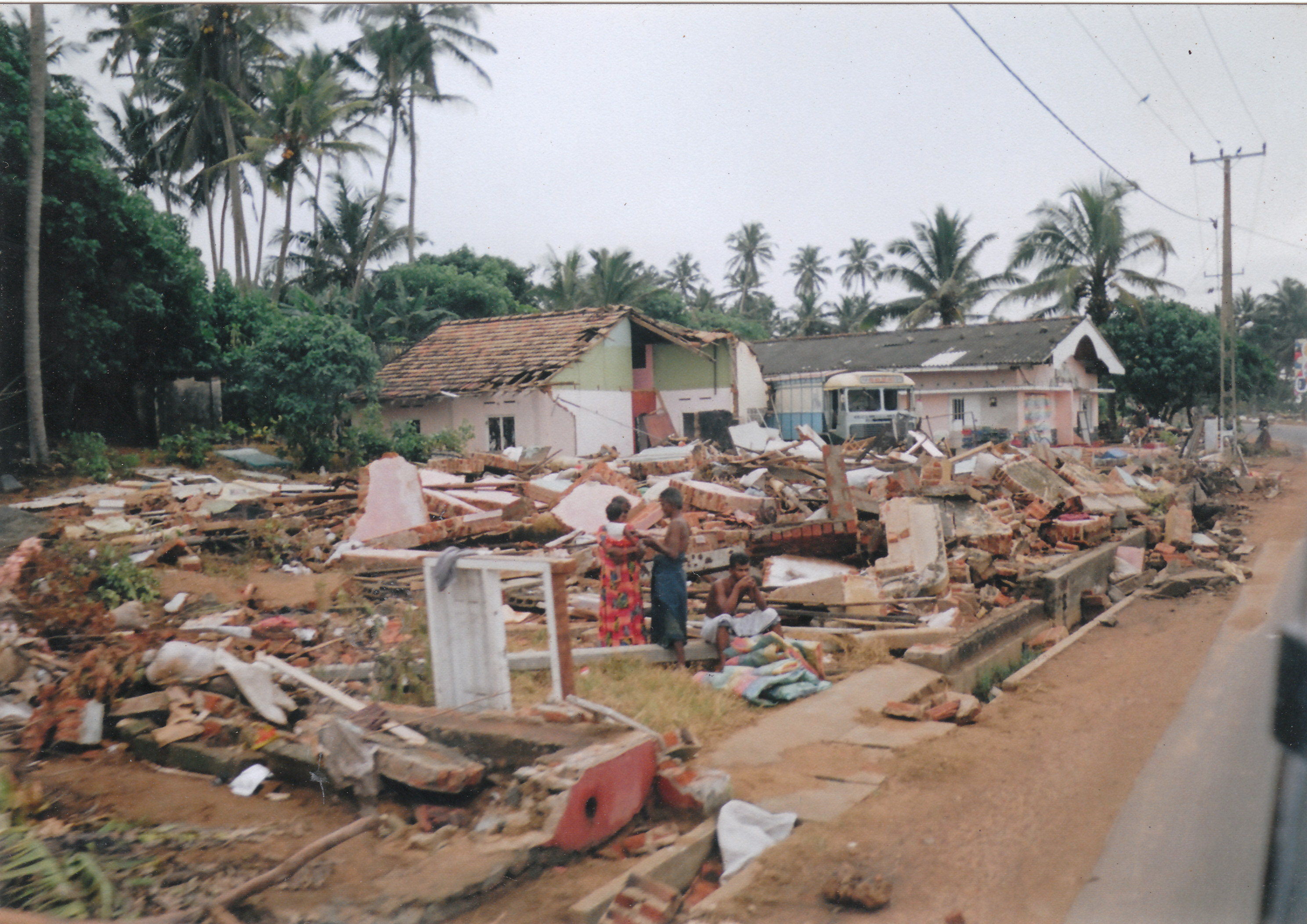
A massive earthquake occurred in the Indian Ocean off the coast of Sumatra, Indonesia, triggering a series of powerful tsunamis that radiated out across the ocean. The waves reached the coast of Sri Lanka, bringing colossal destruction in their wake. The coastal regions of Sri Lanka bore the brunt of these devastating waves, resulting in widespread loss of life and extensive damage to infrastructure.
Sri Lanka, an island nation, was ill-prepared to handle such a natural disaster of this scale. The tsunami waves, some reported to be as high as 30 feet, inundated the coastal areas swiftly, catching many residents off guard. Entire communities were obliterated, and the immediate aftermath saw a massive scramble to rescue survivors and provide relief to those affected.
The human toll was staggering. Official figures indicate that over 35,000 people lost their lives, and many more were injured or went missing. The deadly waves displaced over half a million people, leaving them without homes, basic necessities, and facing an uncertain future. The sheer force of the water caused widespread destruction to homes, schools, hospitals, and critical infrastructure, leading to substantial economic losses.
The natural disaster also brought to light the vulnerabilities of the coastal communities. Many of the affected areas were fishing villages that depended heavily on the sea for their livelihoods. The tsunami not only claimed lives but also decimated boats, nets, and other fishing equipment, crippling the local economy.
Efforts to provide immediate relief involved local authorities, international aid organizations, and volunteers. The disaster prompted a significant global response, with countries around the world contributing financial aid, supplies, and technical expertise to support Sri Lanka’s recovery. In the long term, the disaster highlighted the necessity for better preparation and early warning systems to mitigate the impact of similar events in the future.
The tragedy remains a poignant reminder of the destructive power of natural disasters and the importance of resilience and preparedness in the face of such threats.
#NaturalDisaster #Tsunami #SriLanka #LossOfLife #CommunityImpact #GlobalAid #HumanToll #Resilience #MoofLife
View details2002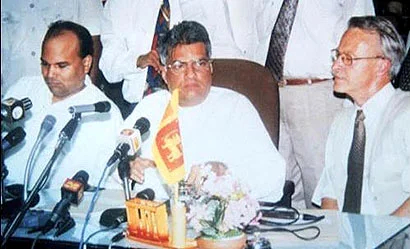
The Ceasefire agreement signed between the Sri Lankan government and the Liberation Tigers of Tamil Eelam (LTTE) marked a critical turning point in the protracted conflict that had gripped Sri Lanka for nearly two decades. The conflict had resulted in significant casualties, displacements, and economic hardships for the country. The LTTE, which had been fighting for an independent Tamil state in the northeastern part of the island, and the Sri Lankan government were both pressured by international and domestic factors to seek a peaceful resolution.
The negotiations that led to the ceasefire were facilitated by Norwegian mediators and supported by the international community. Norway played a crucial role in bringing both parties to the table, highlighting the complexities and the need for neutral mediation in resolving such deep-seated conflicts. The ceasefire was hailed as a diplomatic achievement, providing a temporary respite from violence for the war-weary population.
According to statistics, the conflict had claimed over 70,000 lives and displaced hundreds of thousands of individuals. The ceasefire aimed to halt hostilities and create favorable conditions for a comprehensive peace process. It included mechanisms for monitoring compliance, which were overseen by the Sri Lanka Monitoring Mission (SLMM), comprising representatives from Nordic countries. The SLMM played a vital role in reporting ceasefire violations and ensuring accountability.
The impact of the ceasefire was multifaceted. On one hand, it brought immediate relief to civilians, who experienced a reduction in violence and could return to their normal lives. Infrastructure rebuilding and economic activities resumed, and there was a sense of cautious optimism about a lasting peace. On the other hand, the ceasefire period saw challenges and violations from both sides, with accusations of covert operations and rearmament.
Moreover, the ceasefire opened up space for political dialogues and negotiations, although achieving a final settlement remained elusive. The complexities of ethnic, regional, and political interests continued to present significant challenges to a peace agreement.
In conclusion, the ceasefire agreement between the Sri Lankan government and the LTTE represented a crucial moment in the history of Sri Lanka's conflict. While it provided temporary relief and the hope for a lasting solution, it also showcased the difficulties of transitioning from ceasefire to comprehensive peace.
Signatories: The agreement was signed by then-Prime Minister Ranil Wickremesinghe and LTTE leader Velupillai Prabhakaran.
Facilitator: The peace process and the agreement itself were brokered by the Government of Norway.
Effective Date: While signed on the 22nd, the ceasefire officially entered into force at 00:00 hours on February 23, 2002.
View details2001
In the early 2000s, the Tamil National Alliance (TNA) was established as a political coalition representing the Sri Lankan Tamil minority. This formation was a pivotal event in Sri Lanka's political landscape, rooted in decades of ethnic tension and conflict. The backdrop of this period was marked by the civil war between the Sri Lankan government and the Liberation Tigers of Tamil Eelam (LTTE), which sought autonomy for Tamil regions in the north and east of the country.
The TNA aimed to unite various Tamil political factions under a single banner to provide a stronger, more unified representation for Tamil interests in the Sri Lankan Parliament. Prior to TNA’s formation, Tamil political representation was fragmented across multiple parties, weakening their collective bargaining power. The coalition originally included the All Ceylon Tamil Congress (ACTC), Tamil Eelam Liberation Organization (TELO), Eelam People's Revolutionary Liberation Front (EPRLF), and the Tamil United Liberation Front (TULF), among others.
During parliamentary elections, the TNA presented itself as the main proponent of Tamil rights and grievances, articulating demands for greater regional autonomy, recognition of the Tamil identity, and addressing issues related to war-affected communities. The electoral success soon followed, with the coalition securing a significant number of seats in the parliament, highlighting the local support for their agenda.
The formation of the TNA marked a shift from armed struggle to political negotiation. By entering the formal political process, the TNA sought to leverage democratic mechanisms to achieve its goals. This movement played an essential role in the political economy of Sri Lanka, where ethnic minority representation in governance became crucial.
Statistically, the TNA’s success in subsequent elections demonstrated the political will of the Tamil population, seeking peace and political solutions over continued armed conflict. The coalition’s ability to unify various factions meant that Tamil interests were presented more cohesively on national and international stages, which had previously seen fragmented representation.
As a political coalition, the TNA continues to influence the dynamics of Sri Lankan politics, leveraging its parliamentary presence to advocate for Tamil rights and addressing long-standing grievances stemming from the civil war era. #TamilNationalAlliance #SriLankaPolitics #TamilRights #EthnicConflict #PoliticalCoalition #MoofLife
View details1998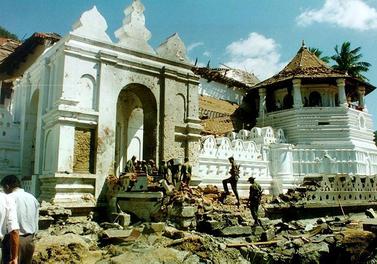
The attack on the Temple of the Tooth in Kandy, Sri Lanka, is a stark chapter in the island's history. The Temple of the Tooth, also known as Sri Dalada Maligawa, is a sacred site for Buddhists, believed to house the relic of the tooth of the Buddha. This event took place during the tumultuous period of the Sri Lankan Civil War, a long-lasting conflict between the government and the separatist group, the Liberation Tigers of Tamil Eelam (LTTE).
On that day, a truck loaded with explosives rammed into the temple premises and detonated, causing substantial structural damage. The explosion resulted in the deaths of at least 17 people, including several monks, and injured more than 25 others. The attack not only damaged a UNESCO World Heritage site but also struck at the heart of Sri Lankan cultural and religious identity.
The LTTE, known for its guerrilla tactics and suicide bombings, claimed responsibility for the attack. The group targeted the temple due to its symbolic value, aiming to destabilize and demoralize the Sri Lankan government and its supporters. This assault was widely condemned both domestically and internationally, amplifying calls for a peaceful resolution to the ongoing conflict.
In the aftermath, the Sri Lankan government intensified its military campaign against the LTTE, leading to increased violence and further civilian casualties. Restoration efforts for the temple began almost immediately, with the government and various organizations contributing to its repair. Despite the swift restoration, the psychological and spiritual impact on the community remained profound, highlighting the vulnerability of cultural heritage in conflict zones.
Security measures around religious and cultural sites were significantly heightened, aiming to prevent similar incidents in the future. The attack on the Temple of the Tooth serves as a grim reminder of the lengths to which parties in conflict may go to achieve their goals, affecting not just combatants but also the cultural and spiritual fabric of a society.
#TempleOfTheTooth #SriLankanCivilWar #CulturalHeritage #ReligiousConflict #LTTE #MoofLife
View details1993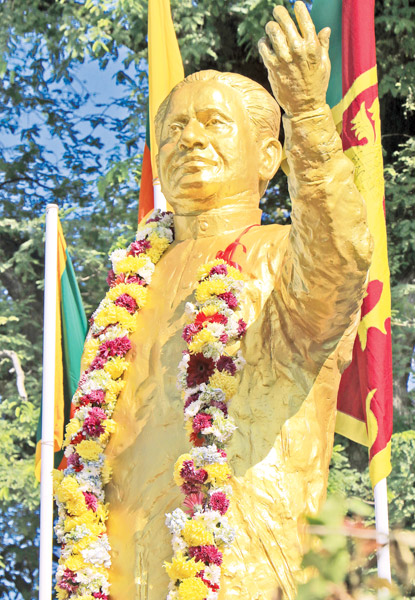
During a routine public engagement near Colombo, the President of Sri Lanka, Ranasinghe Premadasa, was assassinated by a suicide bomber. Premadasa, known for his populist policies and a distinct administrative style, rose to power through different political roles, eventually leading the nation. His presidency was marked by efforts to improve infrastructure and address poverty, alongside a tumultuous period marked by civil strife.
The attack was carried out by an assailant linked to the Liberation Tigers of Tamil Eelam (LTTE), a militant organization involved in the prolonged civil conflict in Sri Lanka. The suicide bomber, inconspicuous among the crowd, detonated explosives as Premadasa participated in a May Day parade, resulting in the President's death and several other fatalities. This strategic assassination aimed at disrupting the nation's political structure and creating widespread instability.
The assassination generated significant political turmoil in Sri Lanka. It marked an escalation in the tactics used by the LTTE, showing their reach and capability to strike at the highest levels of government. This event led to heightened security measures nationwide and intensified efforts to curb the activities of militant groups.
The impact extended beyond immediate political ramifications; it instilled fear and uncertainty among the public, affected economic prospects, and intensified efforts by subsequent administrations to tackle insurgency. Global reactions included condemnation of the attack and calls for strengthening democratic processes and peace initiatives in the region.
By removing a significant figure through this targeted assassination, the LTTE underscored the persistent volatility in Sri Lanka, influencing the political and social landscape for years. The effort to address the underlying causes of the conflict and rebuild the nation continued under increased scrutiny and international pressure.
This incident is a crucial point of reference in Sri Lanka's history, encapsulating the complexities of its internal conflict and the challenges in navigating towards peace and stability.
#MoofLife #SriLankanHistory #PoliticalAssassination #PeaceAndSecurity #CivilConflict
View details1987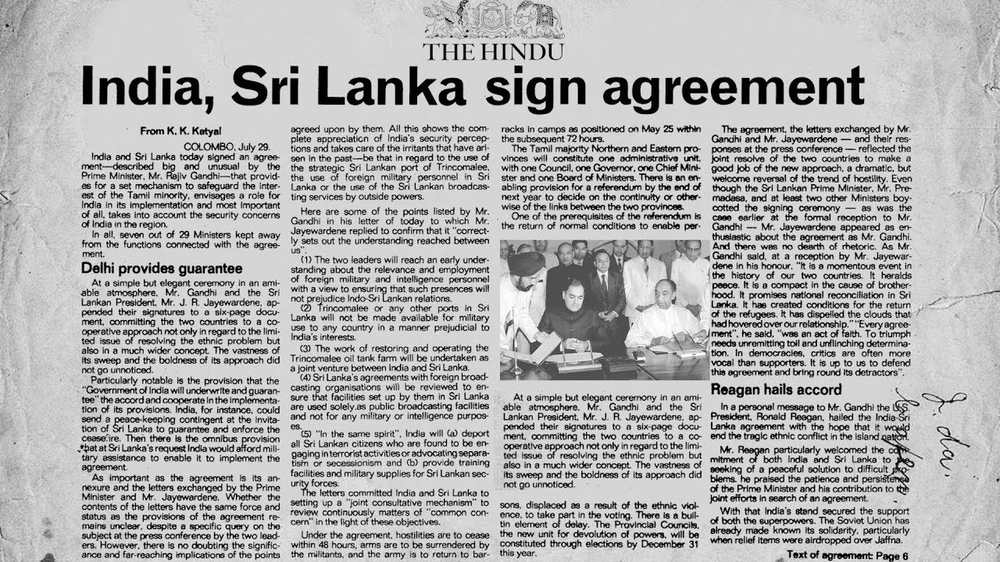
The Indo-Sri Lanka Peace Accord was a pivotal diplomatic agreement between India and Sri Lanka, signed in Colombo. Prime Minister Rajiv Gandhi of India and President J.R. Jayewardene of Sri Lanka formalized the agreement to address the escalating ethnic conflict in Sri Lanka, primarily between the Sinhalese majority and the Tamil minority. The accord aimed to foster peace and stability by devolving power to the provincial councils in Sri Lanka.
The background of this accord lay in the protracted ethnic strife that led to a civil war in Sri Lanka. The Tamil minority's demand for autonomy and their violent conflict with the Sri Lankan government had resulted in significant loss of life and economic disruption. India's involvement was prompted by geopolitical considerations and the large Tamil population in India's southern state of Tamil Nadu, which maintained close ties with the Sri Lankan Tamils.
The agreement included several key points: the disarmament of Tamil militant groups, the devolution of power through the establishment of provincial councils, and the recognition of Tamil as an official language. It also facilitated the induction of the Indian Peace Keeping Force (IPKF) to oversee the disarmament and to maintain order.
While the accord initially raised hopes for peace, its implementation faced significant challenges. Various Tamil militant organizations refused to disarm, and political factions within Sri Lanka also expressed dissatisfaction. The presence of the IPKF became contentious, leading to further conflict between the Indian forces and Tamil militants.
Statistics indicate that the resultant hostilities involving the IPKF led to numerous casualties, drawing criticism from multiple fronts. Eventually, India withdrew its peacekeeping forces after facing significant resistance and loss. The accord, despite its initial promise, did not immediately resolve the ethnic tensions and the civil conflict continued for years.
Nevertheless, the Indo-Sri Lanka Peace Accord marked an important chapter in the diplomatic relations between the two countries and represented a concerted effort to bring about a political solution to ethnic strife.
#MoofLife #IndoSriLankaPeace #RajivGandhi #JRJayewardene #SriLankaConflict #TamilStruggle #InternationalRelations #EthnicConflict
View detailsThe 1987–1989 JVP insurrection in Sri Lanka was a violent and tumultuous period of political unrest led by the Janatha Vimukthi Peramuna (JVP), a Marxist-Leninist party. This was the second uprising by the JVP, following their first insurrection in 1971. The rebellion was primarily driven by widespread dissatisfaction with the government, economic hardships, and the signing of the Indo-Sri Lanka Accord in 1987, which allowed Indian Peacekeeping Forces (IPKF) to be deployed in the country during the Sri Lankan Civil War.
The JVP, under the leadership of Rohana Wijeweera, opposed the presence of Indian troops and viewed the accord as a betrayal of national sovereignty. They also campaigned against the ruling United National Party (UNP) government led by President J. R. Jayewardene, accusing it of authoritarianism and economic mismanagement. The JVP resorted to guerrilla tactics, targeting government officials, military personnel, and civilians who were seen as supporters of the government. The violence escalated into widespread assassinations, strikes, and attacks on infrastructure.
In response, the government launched a brutal counter-insurgency campaign. Security forces, along with paramilitary groups, were accused of widespread human rights abuses, including torture, extrajudicial killings, and mass disappearances. The insurgency was eventually crushed in late 1989, with the capture and execution of JVP leaders, including Wijeweera.
The 1987–1989 insurrection left a lasting impact on Sri Lankan society, with an estimated 40,000 to 60,000 people killed during the conflict. It exposed deep political and social divisions within the country and led to a tightening of state control over civil liberties in the years that followed.
#JVPInsurrection #SriLankaHistory #19871989Rebellion #RohanaWijeweera #IndoLankaAccord #PoliticalViolence #HumanRightsAbuses #SriLankanConflict #MoofLife
View details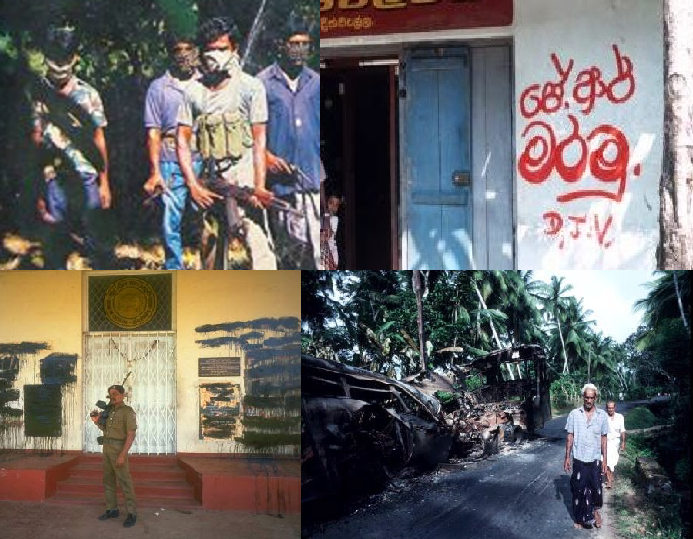
1985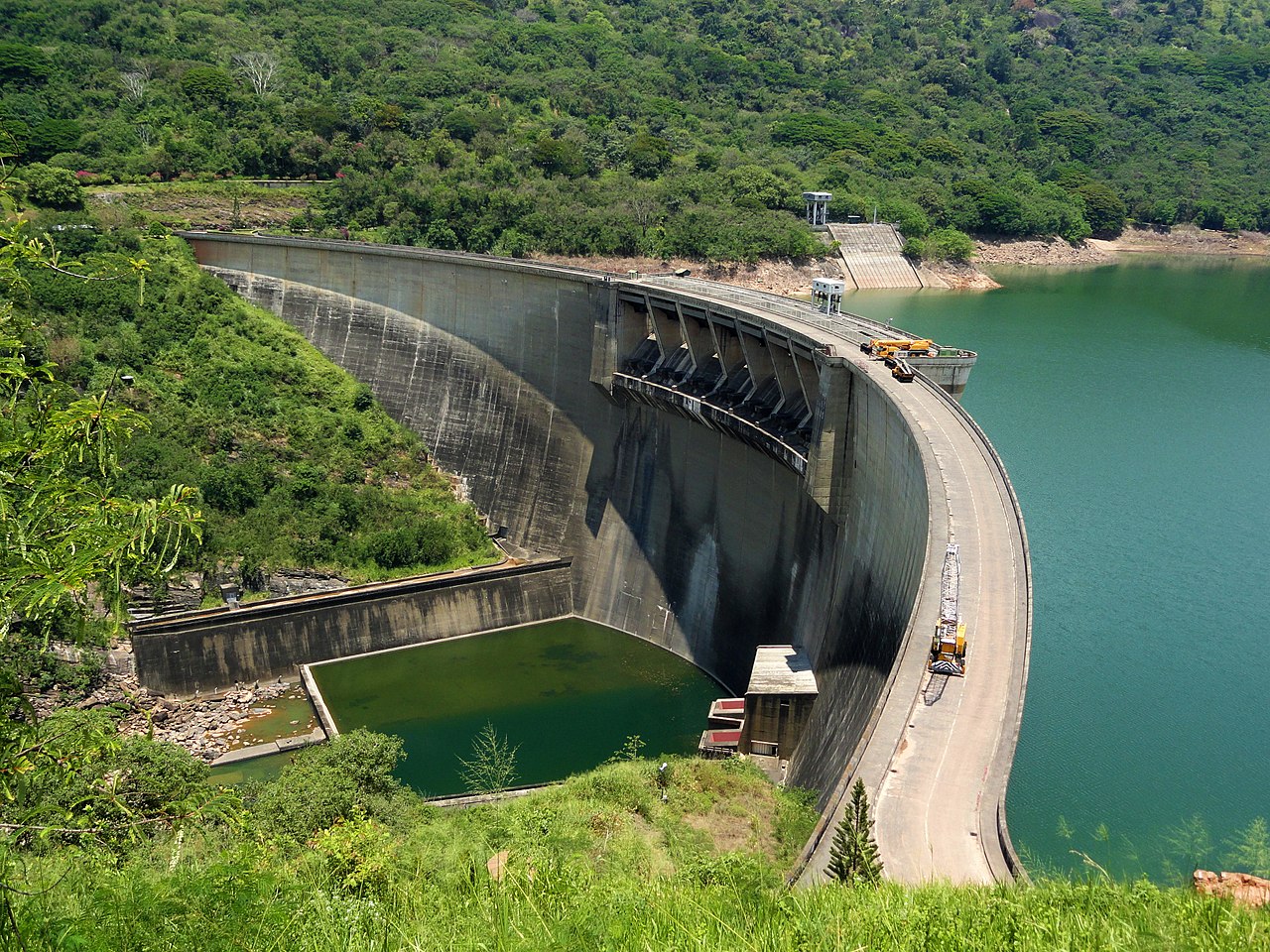
The Victoria Dam, Sri Lanka, marked a pivotal development in the nation's efforts to harness hydroelectric power and water resources. Constructed on the Mahaweli River, this dam was part of the extensive Mahaweli Development Programme, which aimed to address the growing needs for irrigation and electricity production in the country. The project received technical and financial assistance from various international organizations, underscoring its significance in regional development.
At the core of the dam's construction was its ability to generate hydroelectric power and provide a reliable water supply for agricultural irrigation. The dam's reservoir can store up to 722 million cubic meters of water, significantly mitigating seasonal water shortages for farmers in the region. Additionally, the hydroelectric plant associated with the dam has an installed capacity of 210 megawatts, contributing substantially to the national grid and reducing reliance on fossil fuels.
Aside from its primary functions, the Victoria Dam project offered socioeconomic benefits, creating numerous employment opportunities during and after construction. Infrastructure improvements, such as roads and bridges, facilitated better access to remote areas, promoting trade and mobility. However, the construction also necessitated the relocation of several communities, leading to notable challenges and adjustments for the displaced populations.
The inauguration of the Victoria Dam was a testament to Sri Lanka's commitment to sustainable development and energy independence. The project exemplifies how large-scale infrastructure endeavors can contribute to a nation's overall growth while addressing critical resources like water and electricity.
#MoofLife #VictoriaDam #HydroelectricPower #SriLanka #MahaweliDevelopment #SustainableDevelopment #WaterManagement
View details1983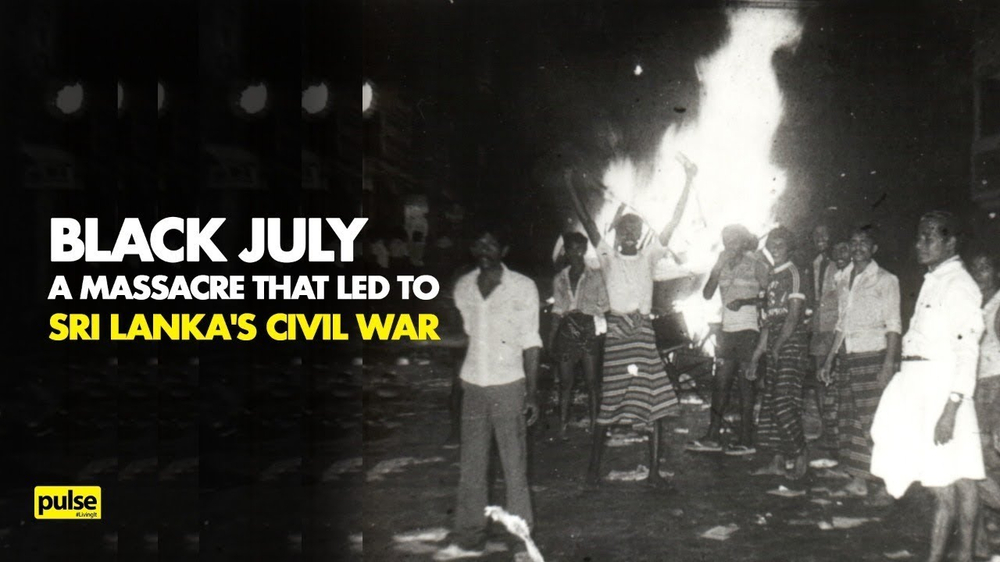
The period marked by intense violence and unrest in Sri Lanka saw anti-Tamil riots instigated by the government and Sinhalese mobs, leading to the commencement of a prolonged civil conflict. The roots of this upheaval lay in deep-seated ethnic tensions between the Sinhalese majority and the Tamil minority. The events were triggered following the ambush and killing of 13 Sri Lankan soldiers by the Tamil militant group, the Liberation Tigers of Tamil Eelam (LTTE). This incident drew a violent backlash from Sinhalese groups, who, with covert support from governing authorities, embarked on a series of retaliatory attacks against Tamil civilians.
Over a span of several days, Tamil homes, businesses, and properties were looted and set on fire, resulting in widespread destruction and loss of life. Estimates suggest that between 400 to 3,000 Tamil individuals were killed, though exact figures remain contested. Approximately 150,000 Tamils were rendered homeless, and a significant number sought refuge in camp-like structures within and outside the country.
The impact of these events was profound. They catalyzed further ethnic segregation and forced displacement. The riots also significantly bolstered the ranks of the LTTE as many disaffected Tamil youth, disillusioned by the systemic failures and violence, joined the militant insurgency, hoping to carve out a separate Tamil state. Consequently, this period marked the beginning of the Sri Lankan Civil War, a conflict that spanned over two decades and profoundly altered the socio-political landscape of the nation.
Sri Lanka's standing on the international stage was affected, attracting widespread condemnation for the government's role—or at least complicit neutrality—in the violence. The term 'Black' has been used to denote the dark legacy of these events, reflecting a period marked by brutality and national division.
#MoofLife #SriLanka #CivilWar #AntiTamilRiots #EthnicConflict #WarHistory #Displacement #LTTE #BlackJuly
View details1982
On 14/02/1982, the Sri Lanka Rupavahini Corporation (SLRC) was formally established as Sri Lanka’s national television broadcaster, marking the institutional foundation of state television in the country. The following day, on 15/02/1982, the corporation commenced official broadcasting, introducing regular terrestrial television services to viewers across the island.
The Sri Lanka Rupavahini Corporation was created under the Sri Lanka Rupavahini Corporation Act No. 6 of 1982, enacted by the Parliament of Sri Lanka. Its mandate included operating television broadcasting services in the national interest, promoting education, information dissemination, and cultural programming. The launch took place during the presidency of J. R. Jayewardene, at a time when Sri Lanka was expanding its state media infrastructure.
The establishment of SLRC followed earlier experimental television broadcasts conducted in the late 1970s. In 1979, the Independent Television Network (ITN) had begun limited transmissions before later coming under state control. The creation of SLRC in 1982 consolidated national television broadcasting under a statutory corporation, providing a structured framework for content production, transmission, and nationwide coverage.
From its inception, SLRC broadcast in Sinhala and Tamil, reflecting Sri Lanka’s linguistic diversity. Over time, the corporation expanded its reach through additional channels and improved transmission infrastructure, becoming a primary source of news, educational content, and entertainment programming. The launch in February 1982 thus marked the start of regular national television broadcasting under a state-established entity in Sri Lanka.
View details1978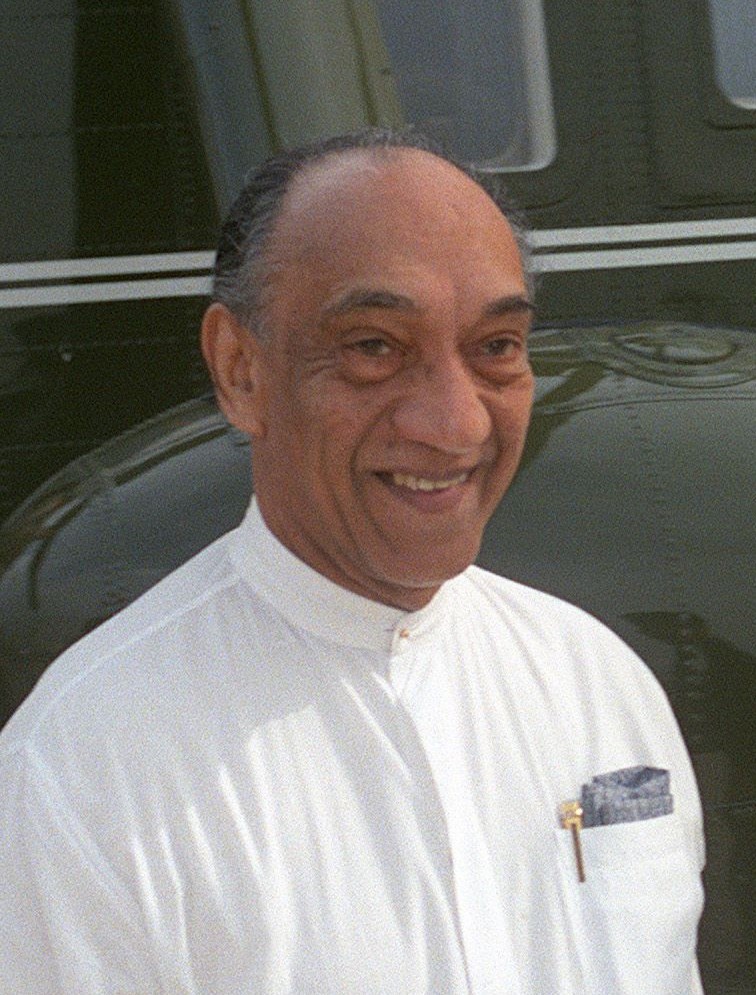
Junius Richard Jayewardene's ascent to the role of the first Executive President of Sri Lanka marked a shift in the country's political structure. Before this transition, Sri Lanka had a parliamentary system where executive power was predominantly vested in the Prime Minister. The adoption of the Second Republican Constitution facilitated this change, altering the nation’s governance framework by establishing a presidential system conferring greater executive powers on the previously ceremonial presidency.
Jayewardene, who previously served as the Prime Minister, was a veteran political figure belonging to the United National Party (UNP). The public and political support, alongside strategic constitutional amendments, enabled his presidency. His tenure promised economic liberalization and profound changes intended to spearhead national development. The shift was supported by his party's dominant presence in the Parliament, which allowed for smooth constitutional amendments.
The constitutional shift to an executive presidency sought to combine effective governance with stability. It introduced concepts like fixed presidential terms and direct elections by the populace, intending to ensure a robust and accountable leadership style. Jayewardene’s administration prioritized open-market policies, contrasting with the previously adopted socialist-oriented economic strategies. His leadership initiated extensive economic reforms aimed at liberalizing trade and introducing foreign investment, contributing to varying levels of economic growth.
This constitutional transformation intended to phase out the prior administrative inefficiencies perceived within the parliamentary system. By concentrating executive power within the presidency, the reforms aimed to streamline decision-making processes and implement policies more efficiently. However, this concentration of power also invited scrutiny and criticism regarding potential authoritarianism and the impact on democratic institutions.
Jayewardene's presidency thus set a precedent for the centralized executive control within Sri Lanka's political landscape. His economic policies and governance style had lasting impacts, influencing the nation's trajectory in the subsequent decades.
#MoofLife #SriLanka #PoliticalChange #ExecutivePresidency #UNP #EconomicReform
View details1976
The formation of the Liberation Tigers of Tamil Eelam (LTTE) as a separatist militant organization in Sri Lanka occurred during a period of escalating ethnic tensions. The backdrop to this development involved the longstanding grievances of the Tamil minority in Sri Lanka, who felt marginalized by policies promoting Sinhalese nationalism. These policies included the shift of the national language to Sinhala, affecting Tamil education and public sector employment opportunities.
The LTTE emerged as a response to violent anti-Tamil riots and intermittent clashes between Tamil youths and the state apparatus. Initially, it sought to address Tamil grievances through reform and autonomy within a united Sri Lanka. Over time, however, the LTTE's objectives shifted toward the establishment of an independent Tamil state named Tamil Eelam in the northern and eastern regions of the country.
The inception of the LTTE marked a new phase in the Tamil struggle, transitioning from political lobbying and non-violent protests to armed conflict. With a mixture of guerrilla tactics, conventional warfare, and acts labeled as terrorism, the LTTE became known for its disciplined and ruthless approach. The organization's leader, Velupillai Prabhakaran, galvanized support among Tamil youth, leveraging both indigenous and international networks for funding and resources.
The impact of the LTTE's formation was profound, leading to a protracted civil conflict that spanned multiple decades. The conflict resulted in significant human suffering, with both sides committing severe human rights violations. Civilian casualties, displacement, and economic devastation became defining features of the Sri Lankan landscape during this period. Precise statistics remain challenging to ascertain, but estimates suggest tens of thousands of lives were lost, and hundreds of thousands were displaced.
International reactions varied, with some nations initially viewing the LTTE as a liberation movement, while others condemned its tactics and designated it a terrorist organization. The global Tamil diaspora played a crucial role in sustaining the LTTE through donations and advocacy.
#SriLanka #TamilTigers #LTTE #TamilEelam #CivilConflict #EthnicTensions #HumanRights #Separatism #MoofLife
View details1972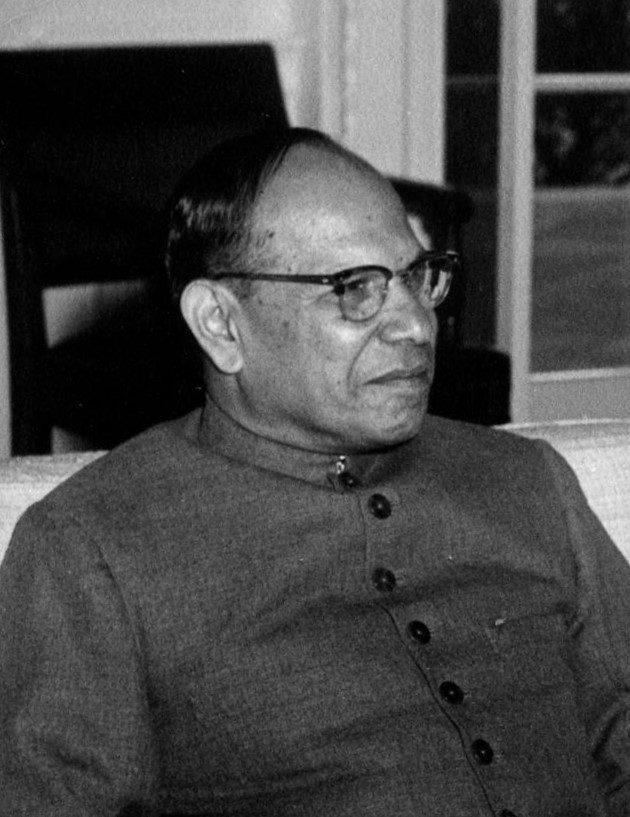
On May 22, 1972, Sri Lanka officially became a republic and adopted its current name, marking a significant moment in the country's history. This transition from a dominion within the British Commonwealth to a fully sovereign republic represented a crucial step in the nation’s journey towards self-determination and independence. The change of the country’s name from Ceylon to Sri Lanka symbolized a break from its colonial past and the embrace of a new national identity.
Background: From Colonial Rule to Independence
Sri Lanka, formerly known as Ceylon, had been under British colonial rule since 1815 when the Kingdom of Kandy, the last independent kingdom on the island, was ceded to the British. Over the next century, the island became a key part of the British Empire, known primarily for its tea, rubber, and coconut plantations.
After World War II, movements for independence gained momentum across the British Empire, and Ceylon was no exception. In 1948, Ceylon gained independence from Britain but remained a dominion within the British Commonwealth. This meant that while it had its own government and legal systems, the British monarch was still the head of state, represented in Ceylon by a Governor-General.
The Road to Republic
By the early 1970s, there was growing sentiment within Ceylon for the establishment of a republic that would fully sever the symbolic ties to the British monarchy and allow the country to assert its own identity. This movement was driven by the United Front coalition government, led by Prime Minister Sirimavo Bandaranaike, who had been elected in 1970.
The government began drafting a new constitution that would reflect the aspirations of the people and establish Ceylon as a republic. The proposed changes included the abolition of the monarchy, the establishment of a president as the head of state, and the renaming of the country to Sri Lanka—a name derived from ancient Sanskrit, meaning "resplendent island."
The Republic of Sri Lanka
On May 22, 1972, the new constitution was enacted, and Ceylon officially became the Republic of Sri Lanka. The British monarch was replaced by a President of Sri Lanka, who would serve as the ceremonial head of state. The first president under the new constitution was William Gopallawa, who had previously served as the Governor-General.
The constitution also strengthened the role of the Prime Minister as the head of government, with Sirimavo Bandaranaike continuing in this role. The name change to Sri Lanka was significant, as it not only discarded the colonial-era name of Ceylon but also embraced a name that resonated with the country’s ancient history and cultural heritage.
Significance and Legacy
The creation of the Republic of Sri Lanka was a milestone in the nation’s post-colonial history. It symbolized the culmination of the struggle for complete independence and the desire to build a modern nation-state based on the values and aspirations of its people. The adoption of the name Sri Lanka was also a powerful statement of national pride and identity, reconnecting the country with its pre-colonial past.
However, the establishment of the republic also marked the beginning of a period of significant political and social changes in Sri Lanka. The 1972 constitution centralized power, reduced the independence of the judiciary, and emphasized the primacy of the Sinhala language and Buddhism, which led to growing ethnic tensions between the Sinhalese majority and the Tamil minority. These tensions would eventually contribute to the outbreak of the Sri Lankan Civil War in 1983, a conflict that lasted until 2009.
Despite these challenges, the transition to a republic remains a defining moment in Sri Lanka's history, representing the country’s assertion of its sovereignty and its ongoing quest for a cohesive national identity.
#MomentsOfLife #MoofLife_Moment #MoofLife #SriLanka #Ceylon #RepublicDay #NationalIdentity #PostColonialHistory
View details1971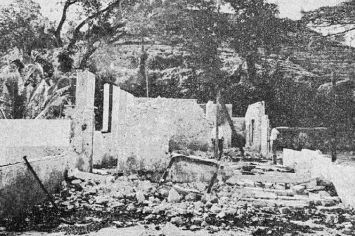
The Janatha Vimukthi Peramuna (JVP) launched an armed insurrection against the Sri Lankan government. This movement emerged from dissatisfaction among segments of the Sri Lankan society, primarily composed of educated but unemployed youth. The JVP, a Marxist political group, sought to overturn the existing structures they viewed as oppressive and to establish a socialist state.
The background of this insurrection involves a period of political and economic challenges in Sri Lanka. High unemployment rates, dwindling economic opportunities, and feelings of marginalization contributed to the growing unrest among the youth. The ideology of the JVP resonated strongly with these disaffected individuals, leading to the recruitment of thousands who were willing to take up arms.
The JVP's strategy was to attack police stations and government facilities, aiming to destabilize the country rapidly. This resulted in significant disruptions across the island. The government responded with military force to suppress the insurrection. The confrontation led to significant casualties on both sides. According to official estimates, approximately 15,000 individuals perished during this violent period.
In terms of social impact, the insurrection deeply traumatized Sri Lankan society. Besides the immediate loss of life and property, the event cast a long shadow over the political landscape. It underscored the necessity for addressing inequalities and prompted reflections on governance and social justice within the country.
The JVP's insurrection remains a pivotal event in Sri Lankan history, illustrating the volatility that can arise from socio-economic discontent. It also highlighted the potential consequences of a disenfranchised and unemployed youth population. The responses from both the JVP and the government exemplify the extreme measures that can emerge from political and social strife.
#JVPInsurrection #SriLanka #MarxistMovement #PoliticalHistory #SocialJustice #YouthUnemployment #MoofLife
View details1969
The Ceylon Electricity Board (CEB) was established by the Parliament of Sri Lanka in the late 1960s. Prior to this establishment, electricity in Sri Lanka was managed by multiple local authorities and private enterprises. This fragmented approach led to inefficiencies in the distribution and generation of electricity. Recognizing the critical need for a centralized and streamlined electricity supply system, the government prioritized the creation of a single statutory body to oversee all aspects of electrical energy management.
The primary objectives of the CEB were to generate, transmit, distribute, and supply electricity to meet the growing demands of the population and the expanding industrial sector. With strategic goals to enhance electrification, the CEB embarked on initiatives to extend electricity to rural areas, which had previously been underserved. This effort was crucial in fostering economic development and improving the quality of life for many communities.
The establishment of the CEB was a pivotal move in Sri Lanka's path towards modernization. At the time of its inception, the electricity coverage in Sri Lanka was limited, with only a fraction of households having access. The CEB's mandate included ambitious targets to increase the national electrification rate. Over the ensuing decades, the CEB undertook large-scale infrastructure projects, including the construction of hydroelectric plants and the improvement of transmission networks. These actions significantly boosted the electricity supply capacity and reliability across the nation.
The impact of the CEB’s formation was evident through the rapid increase in electrification rates. Areas that were once without electricity became connected, driving social change and economic growth. Importantly, this centralization allowed for more effective planning and investment in renewable energy sources, aligning with global trends towards sustainable development.
In the context of Sri Lanka's development history, the establishment of the CEB represents a key chapter. It was instrumental in laying the groundwork for the country's future electrical energy policies and infrastructure developments. The CEB continues to play a vital role in ensuring that Sri Lanka meets its energy needs efficiently and sustainably.
#CeylonElectricityBoard #CEB #SriLankaEnergy #RuralElectrification #Hydropower #EnergyInfrastructure #MoofLife
View details1958
In late May, the city of Colombo in Sri Lanka experienced a pivotal conflict known as the ethnic riots between the Sinhalese and Tamils. This period marked a critical point in the island nation's fraught ethnic relations, following years of simmering tensions. The Sinhalese, the majority ethnic group, and the Tamils, the largest minority, found themselves in a confrontation rooted in socio-political disparities and mutual grievances.
The tumult originated from longstanding issues including economic inequalities, political underrepresentation of Tamils, and a struggle over cultural dominance. Rising Tamil nationalism, energised by demands for greater autonomy and anti-Tamil measures imposed by Sinhalese-dominated governments, further strained relationships. The immediate trigger for the violence was an inflammatory statement made during a political rally, exacerbating existing unrest.
When violence erupted on a late evening, it engulfed Colombo rapidly. Armed mobs took to the streets, leading to widespread arson, lootings, and brutal assaults on both sides. Reports indicated that residences and businesses were targeted, with significant destruction particularly in Tamil-majority areas. The violence led to a tragic loss of lives; estimates suggest that casualties numbered in the hundreds, with several dozen fatalities and numerous injuries.
The government's response included imposing curfews and deploying security forces to curb the chaos. Despite these measures, the upheaval left deep scars on the societal fabric. The economic impact was considerable, with numerous properties damaged or destroyed, disrupting lives and livelihoods. The event also deepened the mistrust and animosity between the two communities, setting a contentious backdrop for future conflicts.
In the aftermath, there were calls for justice and reparations, but the root issues remained largely unaddressed. This incident is often cited as a precursor to later, more intense periods of conflict between the Sinhalese and Tamils, including the protracted civil war.
#MoofLife #SriLanka #EthnicConflict #Sinhalese #Tamils #ColomboRiots
View details1956
In the mid-20th century, Sri Lanka experienced a pivotal change in its linguistic policy. The local government passed legislation that mandated Sinhala as the sole official language of the nation. This legislative move was influenced by rising nationalist sentiments among the Sinhalese majority, who constituted around 70% of the population.
The decision had immediate and far-reaching consequences. The Tamil-speaking minority, which made up about 11% of the population, felt marginalized. This community relied on Tamil for daily communication, administrative tasks, and education. The implementation of this language policy meant that many Tamils faced significant barriers in accessing governmental services and employment opportunities, particularly in public sectors.
The legislation led to widespread unrest among the Tamil community. Protests erupted, notably within Tamil-majority regions and among university students, who viewed the policy as an act of cultural and linguistic subjugation. Tensions between the Sinhalese and Tamil communities escalated, laying the groundwork for ethnic discord that would bubble over in the ensuing years.
Economically, the new language policy affected the administrative efficiency of the country. Many government employees, fluent only in Tamil, had to adapt to the new requirement, a process that involved extensive retraining. This transition period slowed down governmental operations and created inefficiencies.
International observers and human rights organizations viewed the move as exclusionary. They voiced concerns that it conflicted with the values of inclusivity and equality. While the government's official narrative framed the policy as a unifying step to ensure national coherence, the reality was a fragmented society with deepening divides.
The enshrining of Sinhala as the sole official language was more than a mere legislative act; it was a catalyst for socio-political changes that fundamentally altered Sri Lanka's demographic fabric. The ramifications of this policy are deeply felt, influencing the island nation's history and its subsequent path toward civil strife and attempts at reconciliation.
#LanguagePolicy #SriLanka #EthnicTensions #SinhalaOnly #LinguisticRights #MoofLife
View details1951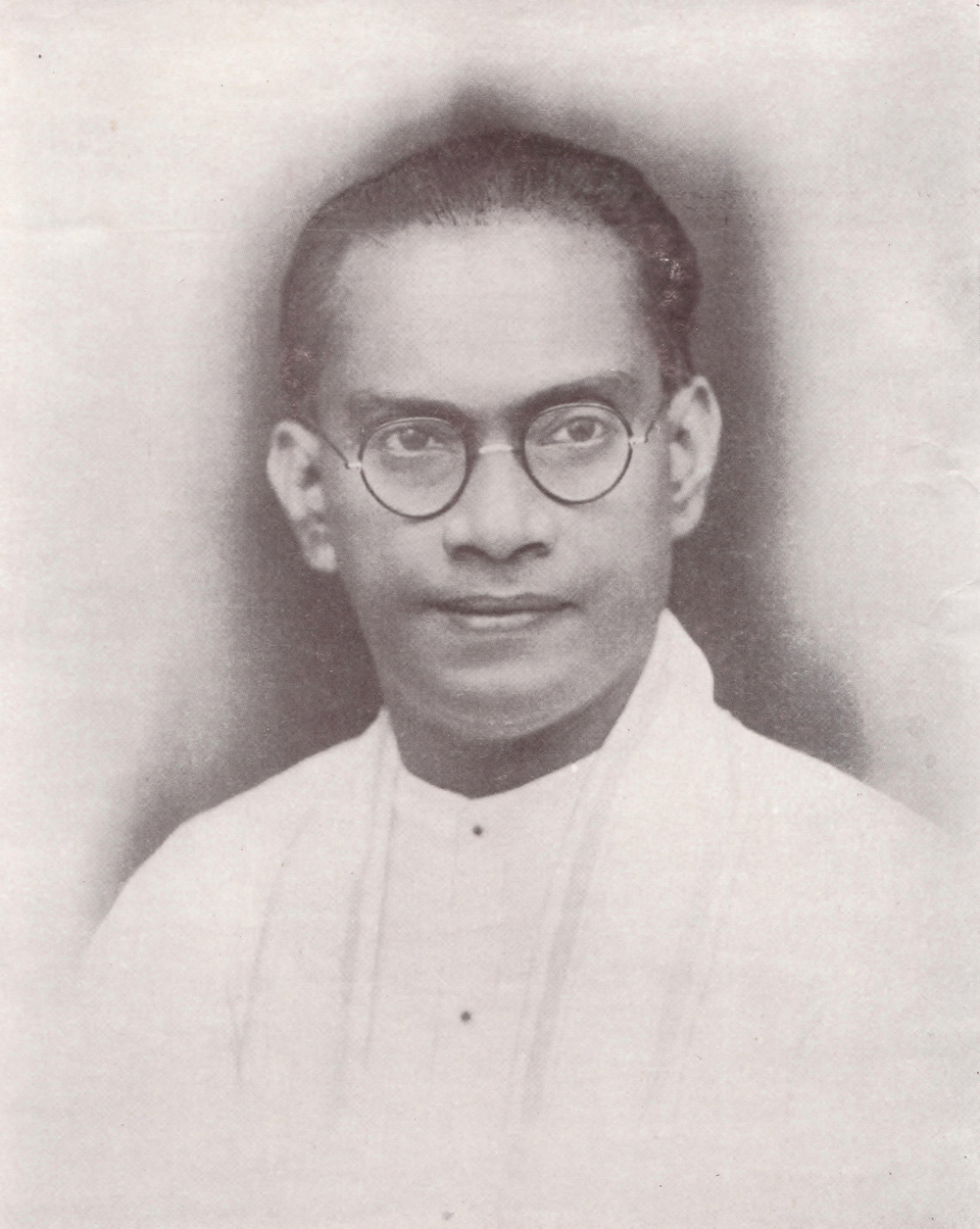
Solomon West Ridgeway Dias Bandaranaike, before the formation of the Sri Lanka Freedom Party (SLFP), was a prominent member of the United National Party (UNP). However, ideological differences led him to part ways with the UNP. Bandaranaike aimed to address the needs of the majority Sinhala population and criticized the UNP's Western-leaning policies and focus on the English-speaking elite. In pursuit of a more inclusive political landscape, Bandaranaike founded the SLFP. This new party appealed to the rural masses, Buddhist clergy, and vernacular-speaking populace.
The formation of the SLFP marked a pivotal shift in Sri Lankan politics. The party advocated for a focus on indigenous culture, social justice, and economic policies beneficial to the rural communities. Bandaranaike's vision resonated with a large segment of the population who felt marginalized by the existing political structure. The party rapidly gained popularity, challenging the dominance of the UNP.
One of the key promises of the SLFP under Bandaranaike's leadership was to make Sinhala the official language, a move that aimed to decentralize administrative power and reduce reliance on colonial languages. This policy gained significant support but also sowed the seeds for future ethnic tensions in the country.
Under Bandaranaike's leadership, the SLFP won a significant number of seats in subsequent elections, eventually propelling him to the position of Prime Minister. This ascent of the SLFP marked the beginning of significant transformations in Sri Lanka's political, social, and economic fabric, leading to greater representation for rural and religious groups in governance.
The SLFP's foundation was a critical juncture, impacting Sri Lanka's post-colonial trajectory. It redefined political participation by focusing on local issues and cultural identity, shifting away from colonial legacies. Bandaranaike's move had far-reaching consequences, setting the stage for future political dynamics in Sri Lanka.
#SriLankaPolitics #SLFP #Bandaranaike #PoliticalShift #PostColonialHistory #MoofLife
View details1948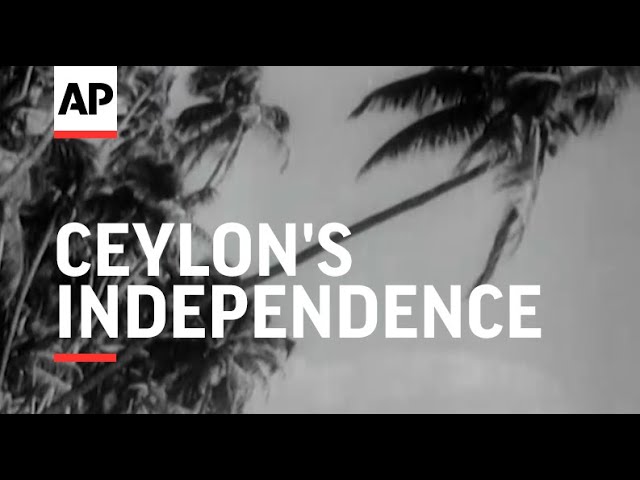
The Dominion of Ceylon marked a pivotal milestone in the island nation's trajectory toward self-rule and sovereignty. This period was characterized by the culmination of decades of struggle and negotiations for autonomy from British colonial rule. The path towards this milestone was neither brief nor effortless. Resistance efforts had been long-standing since the advent of British control, encapsulating political agitation, peaceful protests, and gradual constitutional reforms.
Significant legislative development occurred through the Donoughmore Commission reforms, which expanded political representation and provided increased local governance. This set the framework for the Soulbury Commission reforms, which ultimately paved the way for self-governance. When the Dominion of Ceylon was formally established, it was a strategic political shift, where the country, while maintaining its allegiance to the British Crown, had control over its domestic affairs and governance structures.
The administration under the first Prime Minister, D.S. Senanayake, symbolized the emerging indigenous leadership. The emergence of the Dominion status marked the recognition of Ceylon's capability and readiness to manage its own affairs, while still under the broad protective wing of the Commonwealth. The transfer of power was smooth, signaling a departure from violent upheavals that typified similar shifts elsewhere in the region.
The impact of gaining Dominion status was manifold. It fostered an environment for political stabilization and opened pathways for economic planning and development. Socially, it nurtured a sense of national identity and unity among the diverse ethnic groups within the country. Educational and infrastructural development accelerated as local leaders prioritized indigenous needs and aspirations in policy-making.
Statistically, this period saw an increase in key socio-economic indicators. Literacy rates gradually rose, educational institutions expanded, and health care initiatives received more focused attention. The emphasis on local agricultural initiatives also geared the economy toward self-sufficiency.
The Dominion of Ceylon laid the foundational governance structures and civic consciousness that would later propel the nation's journey toward complete republic status. This transitional stage remains a crucial chapter in the chronicles of Sri Lanka, reflecting the measured and strategic efforts of its leaders and people.
#Independence #HistoricalMilestone #SriLankanHistory #ColonialTransition #Governance #NationalIdentity #MoofLife
View details1944
During the mid-20th century, significant political changes unfolded in a geographic location known today as Sri Lanka. Amidst the backdrop of increasing self-governance movements across the globe, the territory, known as Ceylon, experienced a pivotal change. The colonial governance framework was transformed following the implementation of the Soulbury Constitution.
The preparation for this transition was marked by numerous consultations and political struggles aimed at modifying the governmental structure. The underlying objective was to facilitate greater autonomy while maintaining a connection to the British Commonwealth. The constitution evolved from the recommendations of the Soulbury Commission, introduced earlier, which had consulted various local stakeholders.
Under the new constitution, Ceylon moved from colonial rule to become a dominion, symbolizing a shift in administrative power. While retaining a formal allegiance to the British Crown, the new status offered greater internal self-governance. This constitutional change introduced a parliamentary system that incorporated elements of the British model, including a bicameral legislature with a Senate and a House of Representatives.
Economic and social impacts were prominent. The new form of government allowed for more significant local participation in decision-making processes, affecting policies on education, infrastructure, and health. For example, literacy rates and public health initiatives saw improvements, aligning more closely with local needs and priorities.
Politically, the transformation under the Soulbury Constitution set the stage for more robust nationalistic movements. It offered a platform from which local leaders could advocate further sovereignty. This led to subsequent political developments that eventually reshaped the entire nation's future.
The Soulbury Constitution's implementation also fostered shifts in international relations. As a dominion within the British Commonwealth, Ceylon engaged more assertively on the global stage, both economically and diplomatically, establishing bilateral ties separate from the colonial administration.
This moment represented a transitional phase that reflected global trends of decolonization and self-determination. It brought about changes in governance, economic strategies, and social policies, laying the foundational framework for future political evolution.
#MoofLife #SriLanka #Decolonization #Autonomy #Commonwealth #Governance #ParliamentarySystem
View details1931
The Donoughmore Constitution was introduced in Ceylon as a pivotal shift in the island's governance. This moment marked the transition from colonial administrative practices to a form of self-governance. Before its introduction, Ceylon was under British colonial rule, with limited participation from local leaders in the political process. The existing executive system was criticized for being unrepresentative and disconnected from the local population.
The new constitutional structure aimed to create a more inclusive governmental framework. Notably, it established a State Council with 61 members, where members were either elected, appointed, or occupied seats by virtue of their positions. It provided segments of governance where local leaders had actual authority, a stepping stone towards eventual independence and full self-governance.
One of the key features was the partial enfranchisement of the population, allowing Ceylonese individuals some input in their governance. This system permitted more local voices to be heard in policy-making processes. The council's introduction also included provisions for education, agriculture, and public works, sectors vital to the country's development. Through this structured involvement, it aimed to address and improve the socioeconomic conditions across the island.
While it did grant more autonomy compared to previous administrations, the move also faced criticism for not going far enough in ensuring complete self-rule. Its impact was multifaceted: it brought political engagement to a new demographic, yet left out certain groups, igniting discussions on equal representation. Measures included opening more seats for education representation and increasing accountability to citizens.
Statistics from this period indicate moderate advancement in literacy rates and infrastructure improvement as a consequence of policies enacted under this governance model. While not universally applauded, this move towards self-governance provided a foundation for the future political structure of Sri Lanka.
In concluding, the introduction of the Donoughmore Constitution stands as a noteworthy event in Ceylon's journey towards comprehensive self-rule, reflecting early efforts at decentralizing power and engaging local populations in governance.
#DonoughmoreConstitution #SriLanka #ColonialHistory #PoliticalChange #Governance #MoofLife
View details1924
The period marked by the formation of the Jaffna Youth Congress was a turning point in Sri Lanka's trajectory toward self-governance. Jaffna, an important cultural and administrative region, had long been a center for education and political awareness. The youth, particularly students and young professionals, began to actively engage in discussions regarding their country's future under colonial rule.
The Jaffna Youth Congress, fundamentally, was a response to the rising sentiment against colonialism. Drawing inspiration from global movements advocating for self-determination, the leaders were primarily from the educated classes, enlightened by ideas circulating in the wider world. They aimed to channel the collective aspirations for an independent nation-state.
A key aspect of the congress was its emphasis on unity across ethnic and social lines, attempting to consolidate efforts toward a common goal. This was a strategic move in a landscape often marked by division. The congress also focused on education reform, promoting vernacular languages, and nurturing a sense of national identity that transcended colonial impositions.
One notable event associated with the congress was its resolve to boycott the state-sponsored history curricula, which they believed promoted colonial narratives. Members of the congress played pivotal roles in public lectures, pamphleteering, and organizing events to build awareness among the populace about self-governance.
Statistically, the congress attracted a significant following, with membership comprising youth from various walks of life contributing to the national discourse. Their resolve found resonance not only within Jaffna but across other regions, laying a grassroots framework for political activism in Sri Lanka.
The impact of the Jaffna Youth Congress was far-reaching. Although it did not immediately result in political change, it galvanized a generation and set the stage for future movements. It planted seeds of self-governance that would later grow into full-fledged national movements demanding independence.
#MoofLife #YouthLeadership #SelfGovernance #SriLankanHistory #ColonialResistance #NationalIdentity
View details