
Nigeria

The Giant of Africa
About
#AfricanGiant
#Nigeria
#Naija
Life Classification
Country
Life ID
EL7060554044047
Verified Name
nigeria
Life Type
Entity Life
Life Editor(s)
History Editorial Network (HEN)
Life Privacy
Public
Subscription
Elite
Created On
2024-07-23
Updated On
2025-12-18
Connect
Related Lives

Burundi
The Land of a Thousand Hills

Nobel Prize in Literature
Inspiring through literature

Rugby World Cup
International Rournament in Rugby

Horror Movies
Nightmares on Screen

Pakistan
Pakistan Zindabad

Iran
The Land of Persia

China
Land of Silk
Azerbaijan
The Land of Fire

2026
On the evening of 3 January 2026, armed gunmen raided the Kasuwan Daji market / Kasuwan-Daji community in Demo village (Kabe District), Borgu LGA, Niger State, killing 30+ people (police count) and abducting others, including children.
Attack timing & method: Police said the attackers stormed the market at around 4:30 p.m. on Saturday, firing on residents, burning market stalls, and looting food items; homes were also set on fire in the raid.
Casualties (vary by source):
Police: “Over 30” killed, with additional people kidnapped.
Local/clergy estimates: Residents and a Catholic diocese spokesperson cited ~37 to “more than 40” deaths, with some victims still missing.
Where attackers came from: Local reporting and official statements referenced nearby forest areas (including a national park forest corridor) often used as hideouts by armed groups.
Follow-up development
Federal response: President Bola Tinubu ordered the military, police, and intelligence services to hunt down the perpetrators and rescue abducted victims.
Claimed linkage to recent strikes: Tinubu’s office said the attackers were suspected to be fleeing pressure after U.S.-assisted airstrikes conducted around Christmas Eve, and separate reporting described U.S.-backed strikes targeting ISIS-linked camps in Nigeria’s northwest in late December.
View details2025
A devastating flood struck Mokwa, causing the deaths of at least 200 people and leaving widespread destruction across the region. Heavy rainfall and overflowing rivers overwhelmed local infrastructure, submerging homes, roads, and farmlands, and displacing thousands of residents. Emergency services and rescue teams were mobilized to search for survivors, provide medical assistance, and deliver essential supplies to affected communities. Authorities reported that communication and transportation networks were severely disrupted, complicating relief efforts and evacuation procedures. The disaster has prompted both national and international attention, with calls for urgent humanitarian aid and long-term flood mitigation measures.
The Mokwa flood carries profound humanitarian, economic, and social implications. Humanitarian concerns are immediate, as survivors face shortages of food, clean water, shelter, and medical care, while communities cope with trauma and loss of loved ones. Economically, the destruction of homes, farmland, and infrastructure threatens livelihoods, disrupts local markets, and may require extensive rebuilding efforts. Socially, the disaster has highlighted vulnerabilities in flood preparedness, early-warning systems, and infrastructure resilience, emphasizing the need for improved disaster management and climate adaptation strategies. Experts note that such extreme weather events may increase in frequency and intensity due to climate change, underscoring the importance of proactive planning and investment in mitigation measures. Overall, the Mokwa flood represents a tragic humanitarian crisis with far-reaching consequences, highlighting the urgent need for coordinated relief, reconstruction, and long-term disaster resilience initiatives.
View details2024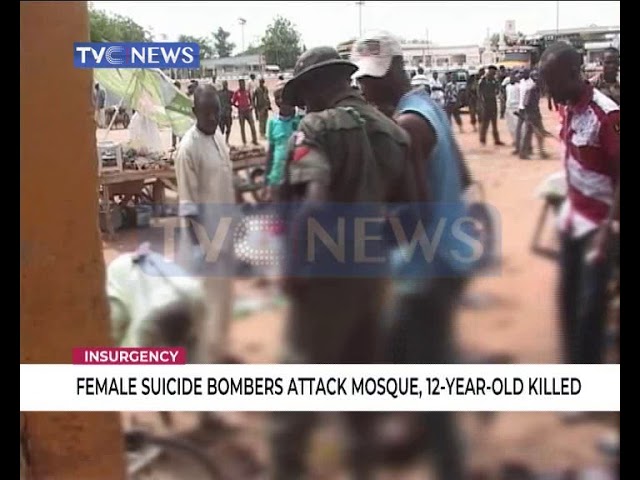
Gwoza, a town in Borno State, Nigeria, experienced a tragic event when multiple bombings resulted in the deaths of 30 people and injuries to 100 others. This incident has intensified the ongoing security challenges facing the region and highlights the fragility of peace in Borno State. The bombings occurred in a densely populated area, leading to widespread chaos and emergency response efforts straining to manage the aftermath.
The region has a history of violence linked to insurgent groups, making it particularly vulnerable to such attacks. Borno State has been at the center of Nigeria's fight against terrorism, with extremist groups often targeting civilians and infrastructure to destabilize the area. The bombings in Gwoza are part of a series of attacks that have plagued the state, reflecting the persistent threat posed by these groups.
Emergency responders and local authorities scrambled to provide medical care and support to the victims. Hospitals were quickly overwhelmed with the influx of injured individuals, illustrating the dire need for enhanced medical facilities and preparedness in the region. The local community, already coping with the aftereffects of previous attacks, faced renewed trauma and loss.
International organizations and NGOs have called for increased aid and intervention to support the affected populations and prevent future incidents. The need for strengthened security measures and community resilience has become even more urgent. The bombings have also brought global attention to the challenges Nigeria faces in combating insurgent activities and protecting its citizens.
In the wake of the bombings, solidarity within the community and support from external entities have been crucial in the recovery process. Efforts are being made to address both the immediate needs of the affected individuals and the long-term strategies required to prevent further violence.
#NigeriaCrisis #BornoStateAttacks #GwozaBombings #SecurityChallenges #EmergencyResponse #HumanitarianAid #MoofLife
View details2017
The Nigerian military inadvertently bombed a refugee camp due to a mistaken target identification. The military aircraft targeted Boko Haram militants in the region, but mistakenly hit the displacement camp in Rann instead. The camp, located in the northeastern state of Borno, was home to thousands of internally displaced persons fleeing the violence caused by Boko Haram.
The bombing resulted in numerous casualties, with at least 100 people reported dead and many more injured. The victims primarily included women and children who were already facing harsh living conditions in the camp. The incident sparked outrage and condemnation from both the Nigerian population and the international community.
Following the tragic event, the Nigerian government launched an investigation into the circumstances surrounding the bombing. The military acknowledged the mistake and expressed deep regret for the loss of innocent lives. Measures were promised to prevent such incidents from occurring in the future.
The bombing of the refugee camp in Rann highlighted the challenges faced by those affected by the Boko Haram insurgency in Nigeria. It underscored the importance of accurate target identification and adherence to rules of engagement during military operations to avoid civilian casualties. The incident also brought attention to the plight of internally displaced persons in the country and the need for better protection and support for vulnerable populations.
#Nigeria #Military #Bombing #RefugeeCamp #BokoHaram #InternallyDisplacedPersons #Tragedy #Investigation #HumanitarianCrisis.
View detailsThe event involving the Nigerian government negotiating the release of 82 more Chibok schoolgirls marked a significant milestone in the efforts to bring back the girls abducted by Boko Haram. The girls were part of the group of over 200 students kidnapped from their school in Chibok in 2014. This mass abduction had sparked global outrage and calls for their safe return.
The negotiation process for the release of the 82 girls was reportedly facilitated by the International Committee of the Red Cross and the Swiss government. The girls were released in exchange for detained Boko Haram suspects, a strategy that has been used in previous negotiations for the release of abducted individuals.
The release of the 82 schoolgirls brought relief to their families and renewed hope for the other girls still missing. It also highlighted the ongoing security challenges and the humanitarian crisis caused by the activities of Boko Haram in Nigeria's northeast region.
The Nigerian government's efforts to secure the release of the Chibok schoolgirls have been ongoing since the abduction in 2014. The negotiation and subsequent release of the 82 girls demonstrated a willingness to engage in dialogue to secure the freedom of the abducted individuals.
The event underscored the resilience of the Chibok community and the need for continued international support in addressing the security and humanitarian challenges in the region. It also emphasized the importance of prioritizing the protection and education of vulnerable populations, especially children affected by conflict.
Overall, the negotiation and release of the 82 Chibok schoolgirls highlighted the complexities of dealing with insurgency and the importance of collaboration between governments, humanitarian organizations, and local communities in addressing such crises. #Nigeria #ChibokGirls #BokoHaram #HumanitarianCrisis
View details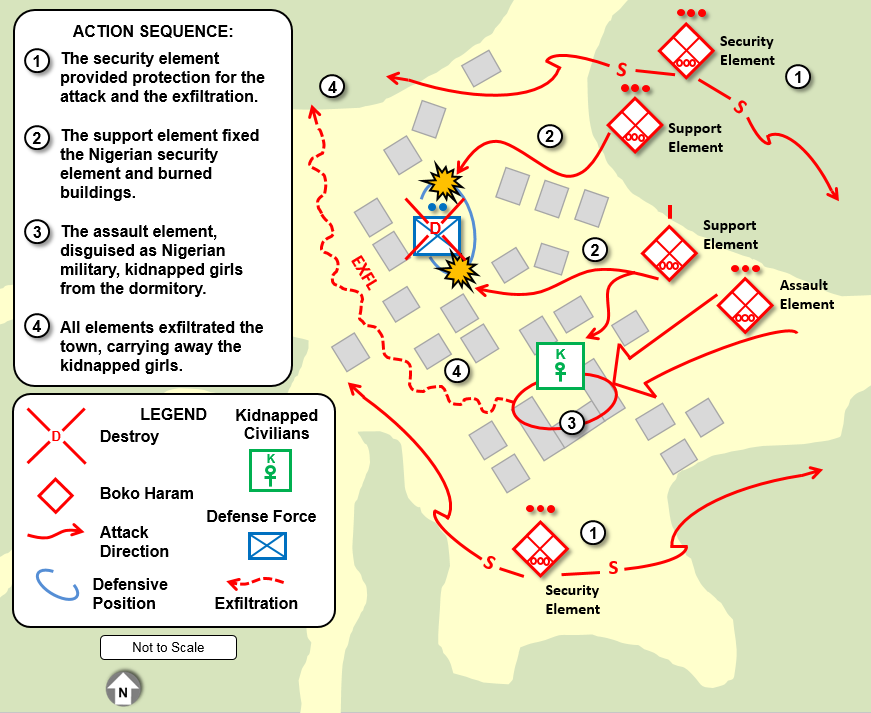
2015
In Zaria, Nigeria, a clash broke out between Shiite Muslims and Nigerian troops. The conflict arose when the military attempted to arrest Ibrahim Zakzaky, the leader of the Islamic Movement in Nigeria, following accusations of blocking a convoy of the army chief. The confrontation escalated as the Shiite group refused to comply with the arrest, leading to a violent exchange.
During the clash, gunfire was exchanged between the two parties, resulting in numerous casualties on both sides. The violence also spread to the residential areas surrounding the religious center of the Shiites. As a result, a state of emergency was declared in the region, with a curfew imposed to control the situation.
The clash between the Shiites and the Nigerian troops had far-reaching consequences, sparking tensions and protests across the country. The incident raised concerns about religious freedom and human rights violations in Nigeria, drawing international attention to the situation.
In the aftermath of the clash, investigations were launched to determine the cause of the violence and to hold those responsible accountable. The government faced criticism for its handling of the situation, with calls for transparency and justice for the victims.
Overall, the clash between the Shiites and Nigerian troops in Zaria highlighted the deep-seated tensions and divisions within the country, underscoring the need for dialogue and reconciliation to prevent further violence.
#Nigeria #Shiites #MilitaryClash #HumanRights #ReligiousFreedom
View detailsMuhammadu Buhari emerged as the President of Nigeria after winning a landmark election. He defeated the incumbent president, marking a significant transition of power in the country. Buhari, a former military leader, ran on a platform of anti-corruption and security reforms, resonating with the Nigerian population disillusioned with the state of governance in the country.
Buhari's election symbolized a renewed hope for the Nigerian people, promising to tackle rampant corruption and insecurity. His win signified a desire for change and a break from the status quo. As a former military leader, Buhari brought with him a reputation for discipline and order, qualities that many believed were needed to address the challenges facing Nigeria.
The election of Buhari also had broader implications for the region and the continent as a whole. Nigeria, as one of the largest economies in Africa, plays a crucial role in the stability and development of the continent. Buhari's presidency was seen as a step towards a more stable and prosperous Nigeria, which in turn could have a positive impact on the region.
Overall, Buhari's election as President of Nigeria marked a turning point in the country's history. It represented a shift towards a new era of governance, with a focus on addressing corruption and insecurity. The Nigerian people placed their faith in Buhari to lead the country towards a brighter future, free from the shackles of corruption and instability.
#MuhammaduBuhari #NigeriaElection #AntiCorruption #SecurityReforms #RenewedHope
View details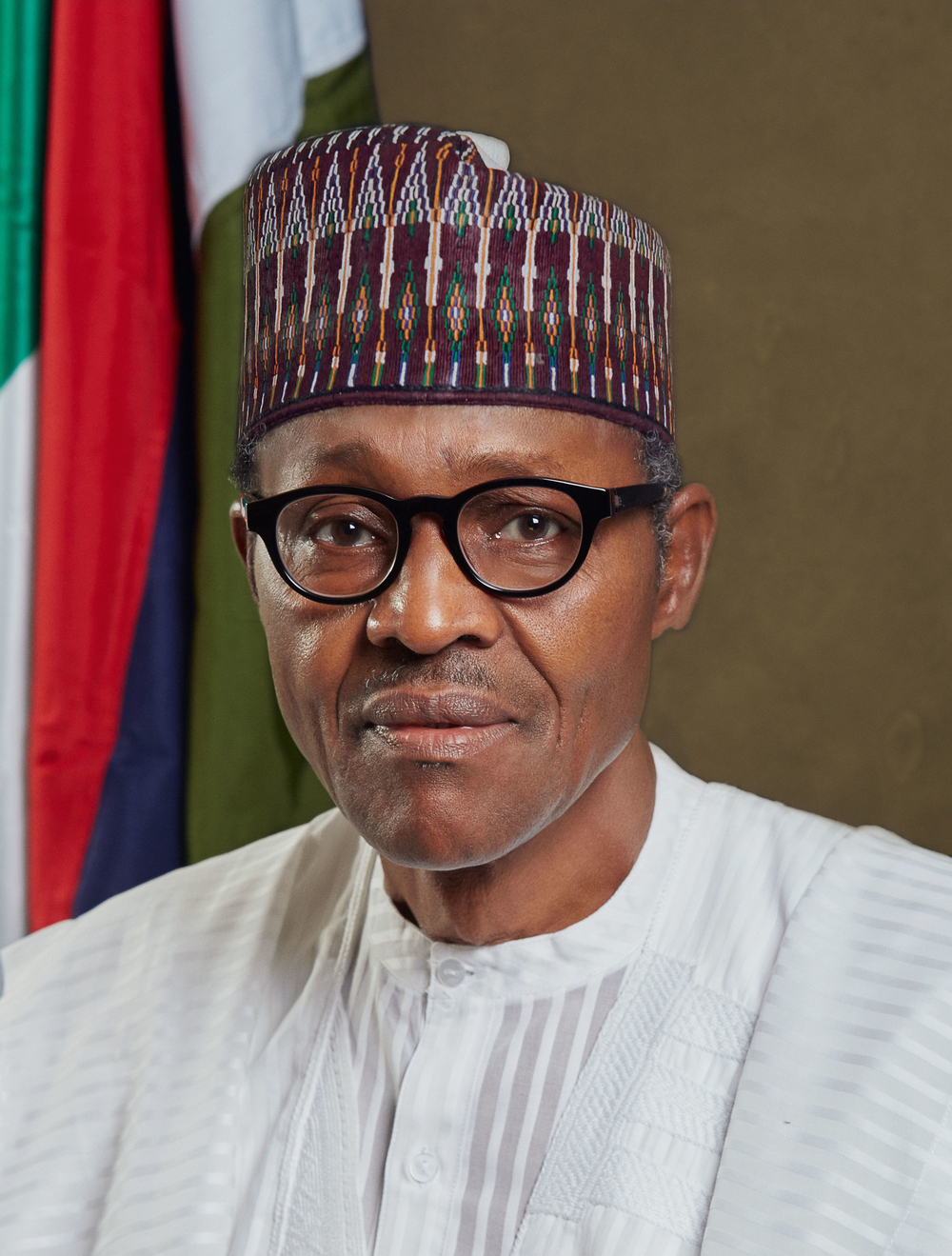
The Nigerian military successfully rescued close to 300 girls and women from the terrorist group Boko Haram. The operation took place in the Sambisa Forest, a known stronghold of the insurgent group. The rescued individuals were reportedly traumatized but in relatively stable condition.
This rescue mission is a part of the ongoing efforts by the Nigerian government to combat the threat posed by Boko Haram in the region. The group has been responsible for numerous attacks, abductions, and killings in Nigeria, particularly targeting schools and villages. The rescue of these girls and women is seen as a significant step towards dismantling the operations of Boko Haram and providing a sense of relief to the affected communities.
The rescued individuals are being provided with medical care, counseling, and support to reintegrate them back into society. Many of the girls were initially abducted by Boko Haram and forced into marriages or used as domestic and sex slaves. The rescue represents a glimmer of hope for the victims and their families, as they can now begin the process of healing and recovery.
This successful operation highlights the continued commitment of the Nigerian military in its fight against terrorism and insurgency. It underscores the importance of international cooperation and support in addressing security challenges in the region. The rescue also serves as a reminder of the resilience and bravery of the individuals affected by the violence of Boko Haram.
#Nigeria #BokoHaram #RescueMission #Security #Reintegration #Hope
View details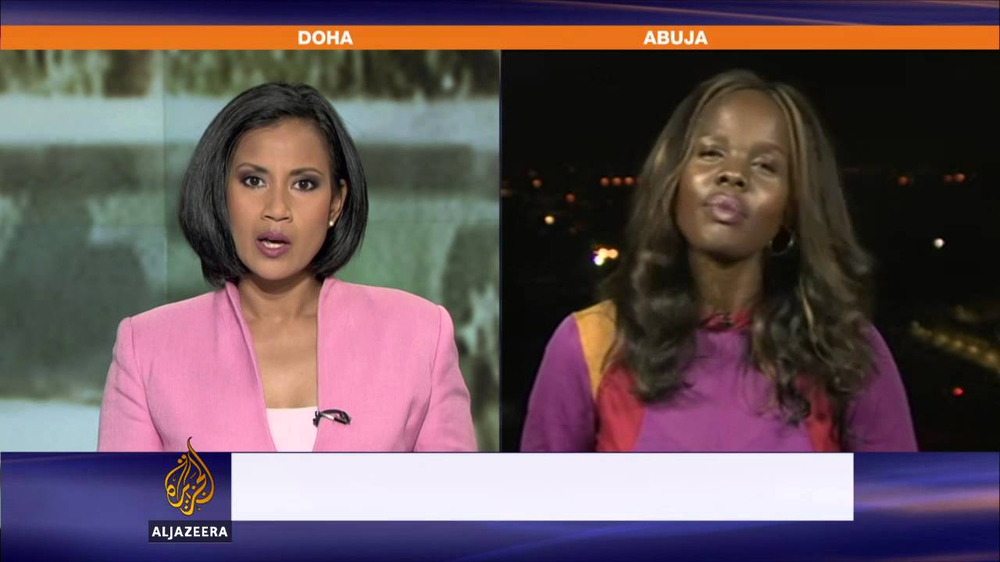
2014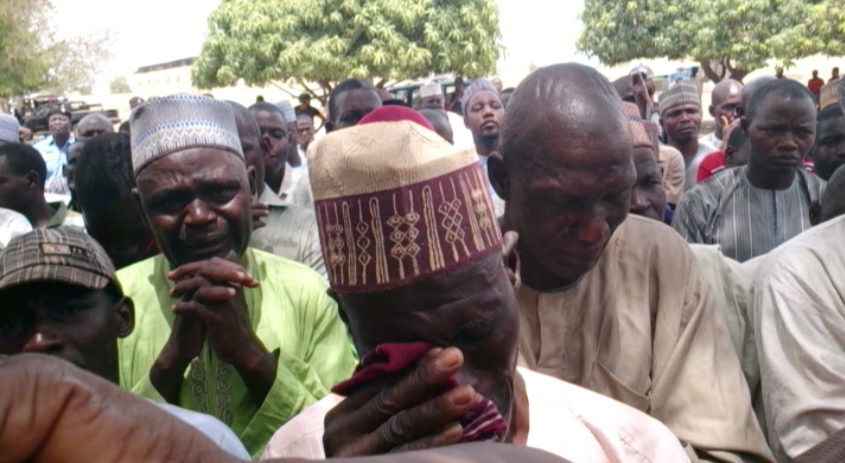
In a tragic incident, hundreds of schoolgirls were abducted by the militant group Boko Haram from their school in Chibok, Nigeria. The girls, who were preparing for their final exams, were taken from their dormitories in the middle of the night. This kidnapping sparked international outrage and brought attention to the persistent threat of terrorism in the region.
The extremist group Boko Haram, known for their opposition to Western education, specifically targeted the schoolgirls as a means to instill fear and disrupt the education system in Nigeria. The abduction led to a global #BringBackOurGirls campaign, calling for their safe return and condemning the actions of Boko Haram.
The impact of the Chibok schoolgirls kidnapping was deeply felt, both within Nigeria and around the world. Families of the girls were left devastated, unsure of the fate of their loved ones. The incident also shed light on the vulnerability of students, particularly girls, in conflict-affected areas where education is often targeted.
In the years following the abduction, some of the girls were able to escape or were rescued, but many remained missing. The Nigerian government faced criticism for their handling of the situation and their failure to secure the release of all the abducted girls. The Chibok schoolgirls kidnapping served as a stark reminder of the ongoing threat of terrorism in Nigeria and the challenges faced in protecting the rights and safety of students.
The abduction of the Chibok schoolgirls by Boko Haram highlighted the urgent need for increased security measures, support for victims of terrorism, and efforts to prevent such tragic events from occurring in the future. #ChibokGirls #BokoHaram #EducationUnderAttack
View details2012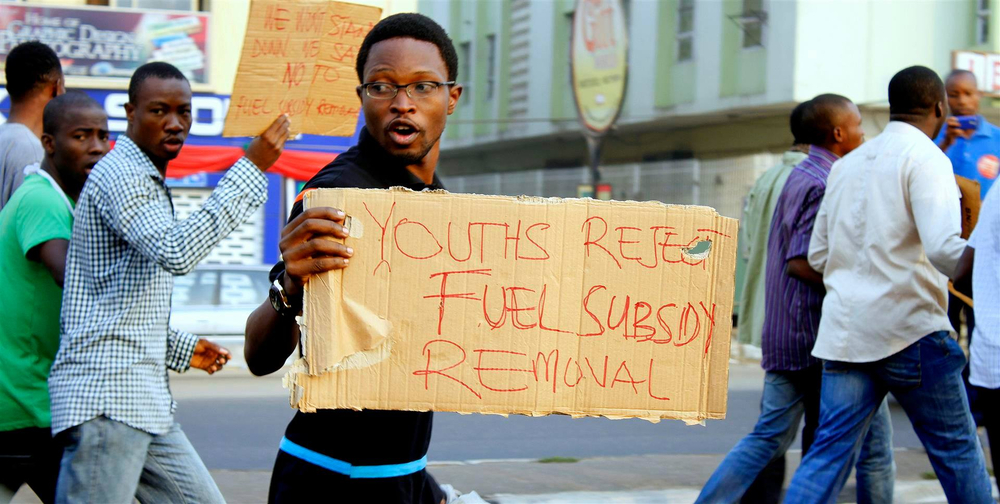
Nigerian police clashed with protestors during demonstrations against a sudden increase in fuel prices. The government's decision to remove fuel subsidies led to widespread outrage among citizens already grappling with high living costs. The protests were held in major cities across the country, with many expressing frustration over the perceived lack of consultation before the price hike.
As protestors took to the streets, the situation quickly escalated as security forces attempted to disperse the crowds using tear gas and water cannons. The clashes resulted in injuries on both sides and a number of arrests. The use of force by the police was met with condemnation from human rights organizations and sparked debates about the right to peaceful assembly.
The fuel price hike demonstrations highlighted the deep-rooted issues of corruption and transparency in Nigeria, with many questioning the government's motives behind the sudden policy change. The protests also shed light on the economic challenges faced by ordinary Nigerians, who often bear the brunt of policy decisions without adequate social safety nets in place.
In the aftermath of the clashes, calls for dialogue between the government and protestors grew louder, with civil society groups advocating for a more inclusive decision-making process in matters affecting the public. The event served as a reminder of the importance of open communication and accountability in governance, as well as the need to address the underlying grievances of the population.
#Nigeria #FuelPriceHike #Protests #PoliceBrutality #GovernmentAccountability
View details2002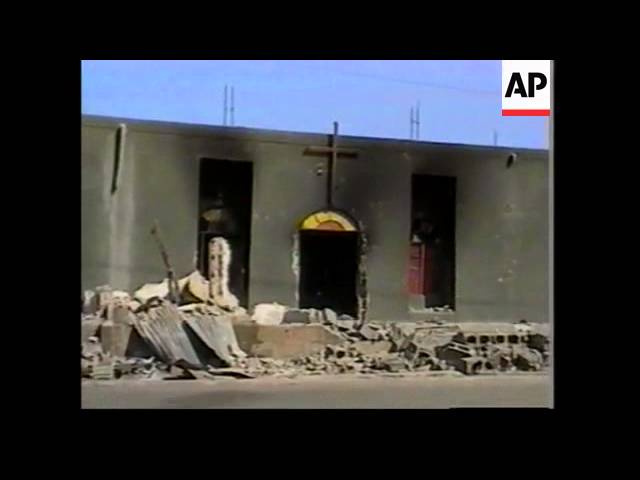
The Miss World pageant was relocated from Nigeria to London following religious riots that erupted in response to an article published in a local newspaper. The article suggested that Prophet Muhammad would have chosen a wife from the beauty queens competing in the pageant, sparking outrage among the Muslim community in the country.
The violence that ensued claimed the lives of over 200 people and left hundreds more injured. Churches and mosques were torched, and widespread destruction swept through the streets as protesters clashed with security forces. The escalating tensions led to the decision to move the pageant to the United Kingdom for the safety of the contestants and attendees.
The relocation of the event had a significant impact on Nigeria, tarnishing its reputation on the international stage and highlighting the deep-seated religious and cultural divisions within the country. It also sparked debates about freedom of speech and the boundaries of cultural sensitivity in a diverse society like Nigeria.
Overall, the incident served as a stark reminder of the importance of promoting religious tolerance and understanding, and the need to address underlying social tensions that can erupt into violence. It also brought to light the challenges of hosting international events in regions prone to such conflicts.
#MissWorld #ReligiousViolence #Nigeria #CulturalSensitivity #Tolerance
View details1999
Zamfara State introduced Sharia law in October 27, 1999, becoming the first state in Nigeria to do so. This move was largely influenced by the overwhelming Muslim population in the state and the desire to uphold Islamic principles in governance. The implementation of Sharia law in Zamfara State had a profound impact on the legal system and social landscape of the region.
Under Sharia law, strict Islamic codes of conduct were enforced, affecting various aspects of daily life including family matters, criminal justice, and business practices. Offenses such as theft, adultery, and alcohol consumption were met with severe punishments such as amputation, stoning, or flogging. The Sharia police, known as Hisbah, were tasked with ensuring compliance with the new laws, leading to increased surveillance and moral policing in the state.
The introduction of Sharia law in Zamfara State sparked heated debates and controversy both within Nigeria and on the international stage. Critics raised concerns about human rights violations, as the new legal system appeared to infringe upon individual freedoms and minority rights. However, supporters argued that Sharia law was a reflection of the state's religious identity and a means to combat social vices.
In the years following the implementation of Sharia law, Zamfara State witnessed a shift in its socio-political dynamics. The Muslim majority welcomed the move as a step towards a more devout and righteous society, while religious minorities and human rights activists expressed apprehension about the implications of the new legal framework.
Overall, the introduction of Sharia law in Zamfara State marked a significant turning point in Nigeria's legal history, setting a precedent for other states to follow suit. The event highlighted the complex interplay between religion, law, and governance in a diverse and multi-religious nation.
#ShariaLaw #ZamfaraState #IslamicPrinciples #NigeriaGovernance
View details1995
Ken Saro-Wiwa, a Nigerian writer and environmental activist, met a tragic fate as he was executed after a controversial trial. Saro-Wiwa had been a vocal critic of the government and the oil industry's exploitation of the Ogoni land in the Niger Delta. He founded the Movement for the Survival of the Ogoni People (MOSOP) to fight for the rights of the Ogoni community who suffered environmental degradation due to oil drilling.
The Nigerian government accused Saro-Wiwa of inciting violence that resulted in the deaths of four Ogoni leaders. Despite international outcry and calls for clemency, Saro-Wiwa and eight others were sentenced to death following a trial that was widely criticized for being unfair and politically motivated. On the day of their execution, protests erupted worldwide, condemning the Nigerian government's actions.
The execution of Ken Saro-Wiwa sparked outrage globally and brought attention to the human rights abuses and environmental devastation occurring in the Niger Delta. It led to Nigeria's suspension from the Commonwealth of Nations and heightened scrutiny of the relationship between multinational oil companies and repressive regimes. Saro-Wiwa's legacy as a champion for environmental justice and indigenous rights lives on, inspiring activists around the world to continue the fight against environmental destruction and corporate greed.
The tragic event serves as a reminder of the ongoing struggles faced by communities affected by extractive industries and the importance of upholding human rights in the face of oppressive governments. #KenSaroWiwa #Nigeria #EnvironmentalJustice #HumanRights #OgoniRights
View details1994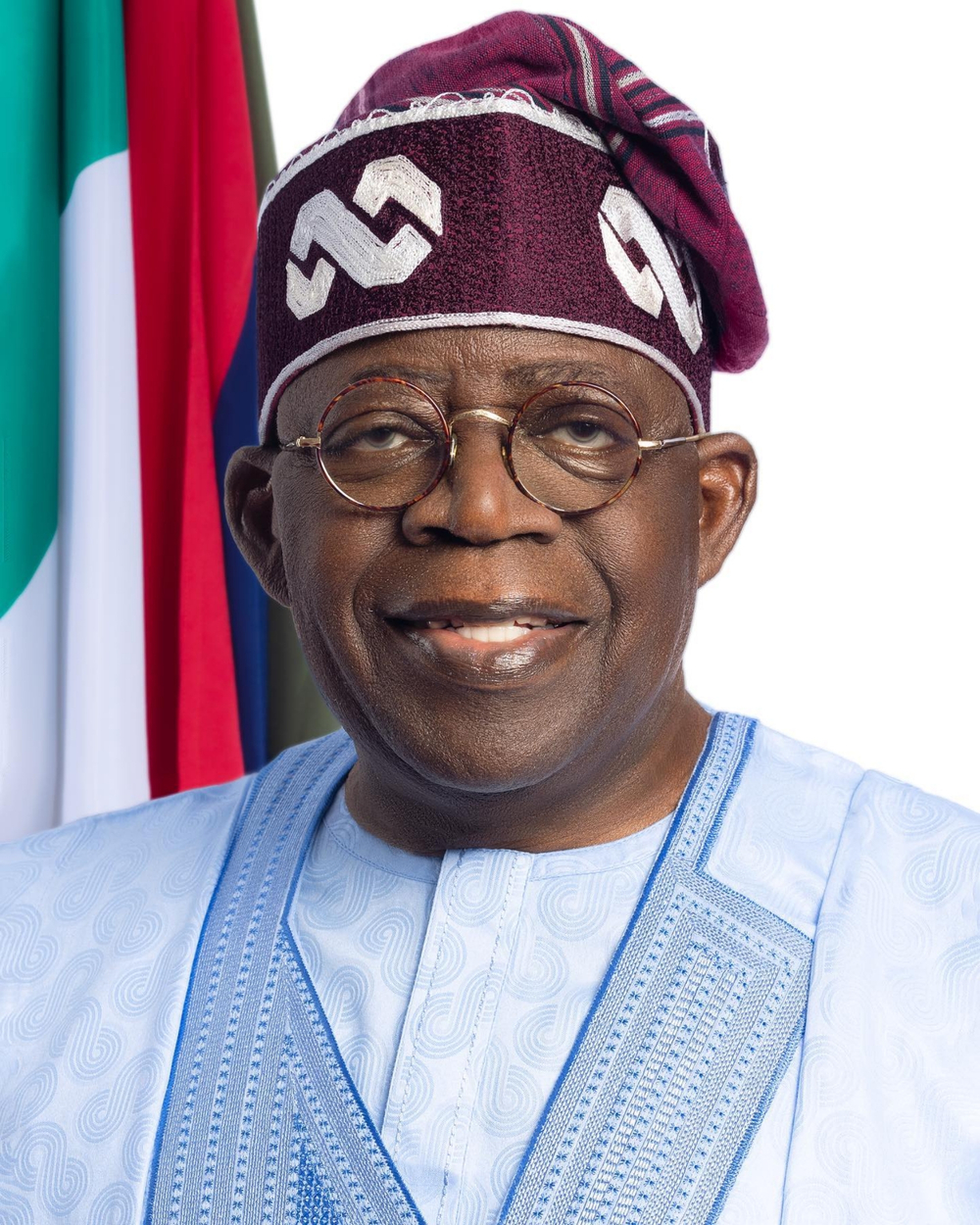
Moshood Abiola, a prominent Nigerian businessman and politician, faced accusations of treason after declaring himself as the president of Nigeria. The unfolding events were rooted in the annulment of the June 12 presidential election results in which Abiola was poised to become the leader of the nation. This annulment had sparked widespread protests and unrest across the country.
In response to the political crisis, Abiola took the oath of office as the president in a public ceremony, asserting his mandate from the people. However, his bold move was met with swift backlash from the military government. Abiola was subsequently arrested by security forces and charged with treason for his self-declaration.
The arrest of Abiola led to further turmoil in Nigeria, with protests erupting in various parts of the country. The political landscape was fraught with tension as supporters of Abiola demanded his release and the restoration of the election results. The government crackdown on dissent further exacerbated the situation, leading to a period of uncertainty and instability.
The accusations of treason against Abiola and his subsequent arrest marked a critical juncture in Nigeria's political history. The events surrounding his declaration as president and the military's response highlighted the deep-seated political tensions and power struggles within the country.
The arrest of Moshood Abiola and the ensuing political crisis underscored the fragility of Nigeria's democratic institutions and the challenges of transitioning to civilian rule. It also brought to the forefront the unresolved issues of electoral integrity and governance in the country.
#Nigeria #MoshoodAbiola #Treason #PoliticalCrisis #Democracy
View details1991
Abuja, Nigeria's newly designated capital, replaced Lagos following a government decision to move the administrative hub away from the country's largest city. The move was aimed at decentralizing power and boosting development in other regions. Abuja's central location and spacious layout were key factors in its selection as the new capital. This transition marked a significant shift in Nigeria's political landscape, bringing about changes in infrastructure, governance, and economic activities.
The relocation to Abuja had a profound impact on the country's socio-economic dynamics. The city underwent rapid development, with new government buildings, embassies, and residential areas springing up. The move attracted investments and international attention, bolstering Nigeria's global standing. Infrastructure projects such as the Nnamdi Azikiwe International Airport and the Abuja National Mosque transformed the city into a bustling metropolis.
The shift in the capital city brought about changes in governance and administration. Government agencies and embassies were relocated to Abuja, leading to a redistribution of resources and power. The move also aimed to address issues of overcrowding and congestion in Lagos, laying the groundwork for a more organized and efficient governmental structure.
The relocation of the capital city from Lagos to Abuja marked a turning point in Nigeria's history, symbolizing a new era of development and progress. The decision reflected a strategic vision to position Abuja as a hub for political, economic, and social activities in the country. The move had far-reaching implications for Nigeria's identity and aspirations, signaling a commitment to growth and modernization.
#Abuja #Nigeria #CapitalCity #Decentralization #Development #Infrastructure #Governance #EconomicGrowth #Transformation
View details1979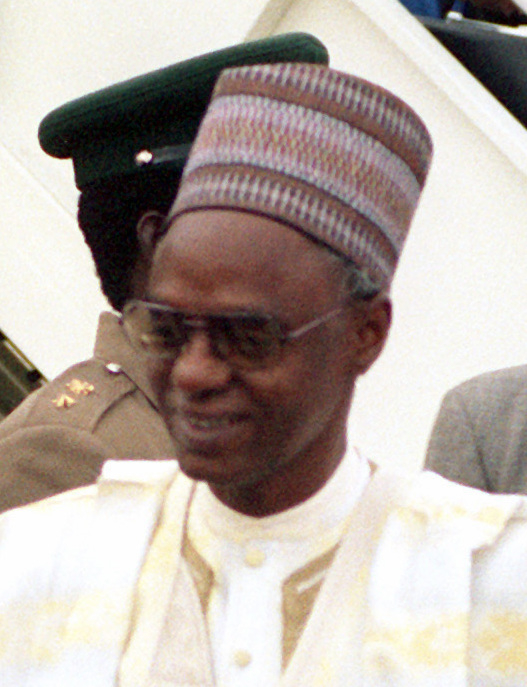
Following a period of military rule in Nigeria, a new constitution was adopted, paving the way for civilian governance. In the first elections held under this constitution, Alhaji Shagari emerged victorious and became the country's president.
Alhaji Shagari's election marked a significant shift in Nigeria's political landscape, transitioning from military to civilian leadership. His presidency was characterized by efforts to stabilize the economy and promote national unity. During his time in office, there were advancements in various sectors, including agriculture and infrastructure.
The adoption of the constitution and Shagari's presidency brought a sense of hope and optimism to the Nigerian people, signaling a new era of democracy and governance in the country. It also reinforced the importance of upholding the rule of law and respecting the will of the people through free and fair elections.
Overall, the event of Nigeria adopting a constitution and Alhaji Shagari becoming president was a turning point in the nation's history, setting the stage for democratic governance and laying the foundation for progress and development in the years to come.
#Nigeria #Constitution #AlhajiShagari #President #Democracy #Elections
View details1970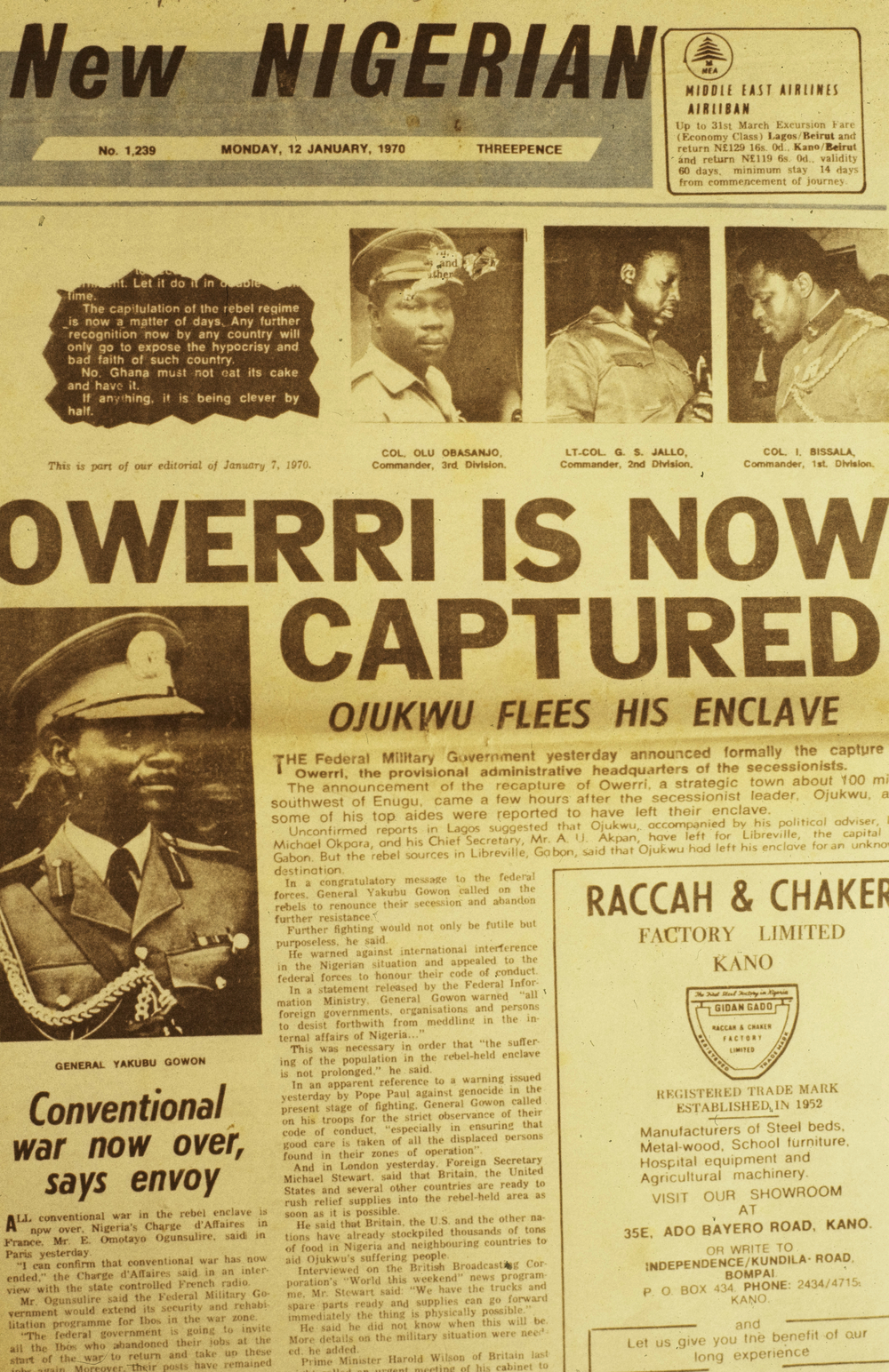
The Nigerian Civil War came to a close with the surrender of Biafra, led by General Odumegwu Ojukwu. The conflict arose from political, ethnic, and religious tensions that culminated in the secession of the Eastern Region, where the Igbo people dominated, as the Republic of Biafra. The Nigerian government, under General Yakubu Gowon, launched a military campaign to reunify the country, resulting in a brutal three-year war marked by widespread casualties and atrocities.
Biafra, facing a blockade and dwindling resources, eventually capitulated. General Ojukwu fled to Ivory Coast, and his deputy, Philip Effiong, formally surrendered to Nigerian forces. The end of the war brought about the reintegration of Biafra into Nigeria, but the scars of the conflict lingered, with deep-seated ethnic tensions persisting in the post-war era.
The impact of the Nigerian Civil War and the surrender of Biafra was profound. The conflict had resulted in an estimated one to three million deaths, primarily due to famine and disease, making it one of the deadliest civil wars in modern African history. The surrender marked the beginning of a challenging period of reconciliation and reconstruction for the war-torn country. It also underscored the importance of addressing grievances and fostering national unity to prevent future conflicts.
The surrender of Biafra was a pivotal moment in Nigerian history, highlighting the need for political stability, equitable governance, and respect for diversity in a multi-ethnic society. It stands as a reminder of the devastating consequences of civil strife and the imperative of peaceful coexistence.
#EndOfNigerianCivilWar #BiafraSurrender #ReconciliationAndReintegration #NigerianUnity
View detailsIn the unfolding of events between Nigerian government forces and the breakaway state of Biafra, Colonel Odumegwu Ojukwu, the leader of Biafra, made a decisive move. Faced with the imminent collapse of Biafra in the Nigerian Civil War, Ojukwu fled into exile, leaving his deputy Philip Effiong to manage the surrender to the Nigerian army.
Ojukwu's departure marked a pivotal moment in the conflict that had ravaged the region, as Effiong took on the responsibility of ending the war on behalf of Biafra. The surrender led to the unofficial end of the Nigerian Civil War, with Effiong signing the instrument of surrender on behalf of Biafra, effectively bringing the three-year conflict to a close.
The impact of Ojukwu's decision to flee and Effiong's surrender was profound, signaling the defeat of the breakaway state of Biafra and the reunification of Nigeria. The Nigerian government's victory in the war had far-reaching implications for the country, as it sought to heal the wounds of the conflict and rebuild a unified nation.
The events surrounding Ojukwu's exile and Effiong's surrender reflect the complex and turbulent history of Nigeria during that time. The Nigerian Civil War had caused immense suffering and devastation, leading to widespread displacement and loss of life. Ojukwu's departure and Effiong's surrender were symbolic of the end of a tragic chapter in Nigeria's history, as the country sought to move forward and reconcile its divided past.
#NigerianCivilWar #OdumegwuOjukwu #PhilipEffiong #Biafra #Nigeria #Surrender
View details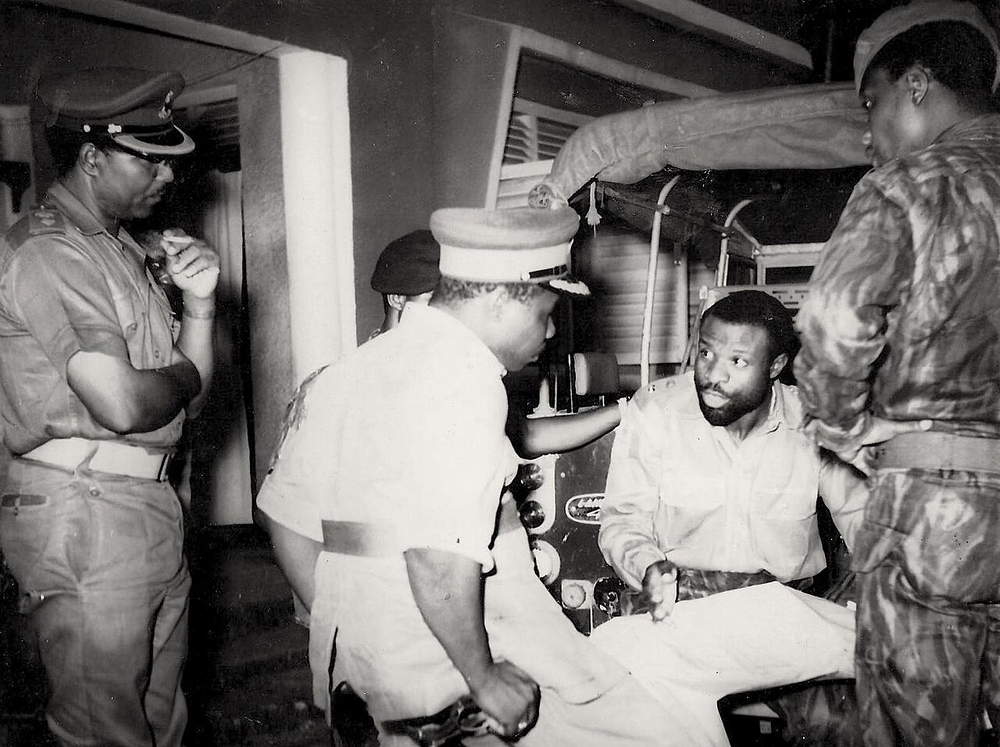
1967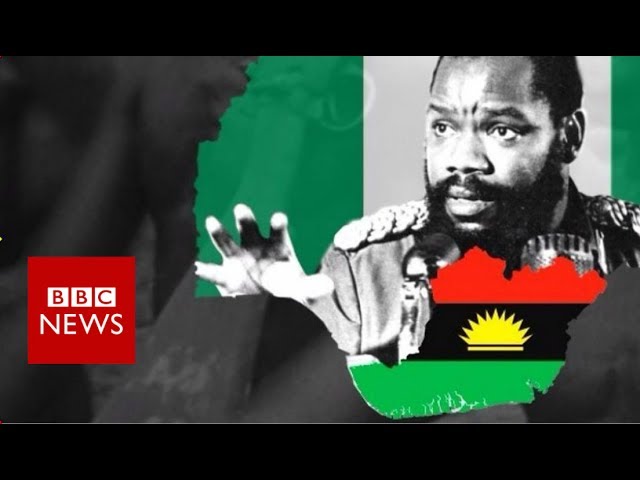
The Nigerian Civil War, also known as the Biafran War, erupted due to a culmination of political, ethnic, and economic tensions in Nigeria. The conflict stemmed from the secession of the southeastern region, primarily inhabited by the Igbo people, who declared themselves the independent Republic of Biafra. The Nigerian government, led by General Yakubu Gowon, refused to recognize Biafra's independence, leading to a brutal civil war.
The war resulted in a devastating loss of lives, mainly due to starvation and disease exacerbated by blockades imposed by the Nigerian military. The international community also played a role in the conflict, with various countries providing support to either side. After nearly three years of intense fighting, Biafra surrendered to Nigerian forces in 1970, marking the end of the war.
The impact of the Nigerian Civil War was profound and long-lasting. Estimates suggest that millions of people lost their lives during the conflict, making it one of the deadliest civil wars in modern African history. The war also left deep scars on the Nigerian society, exacerbating ethnic tensions and political divisions that continue to resonate to this day. Additionally, the humanitarian crisis that emerged during the conflict drew international attention to the plight of civilians affected by war and highlighted the importance of humanitarian intervention in conflicts.
The Nigerian Civil War underscored the challenges of ethnic diversity and governance in post-colonial Africa, serving as a cautionary tale for other countries grappling with similar issues. It remains a pivotal moment in Nigerian history, shaping the country's politics, society, and international relations for decades to come. The legacy of the war continues to influence debates on national unity, ethnic relations, and conflict resolution in Nigeria.
#NigerianCivilWar #BiafranWar #NigeriaHistory #ConflictResolution #EthnicTensions
View details1966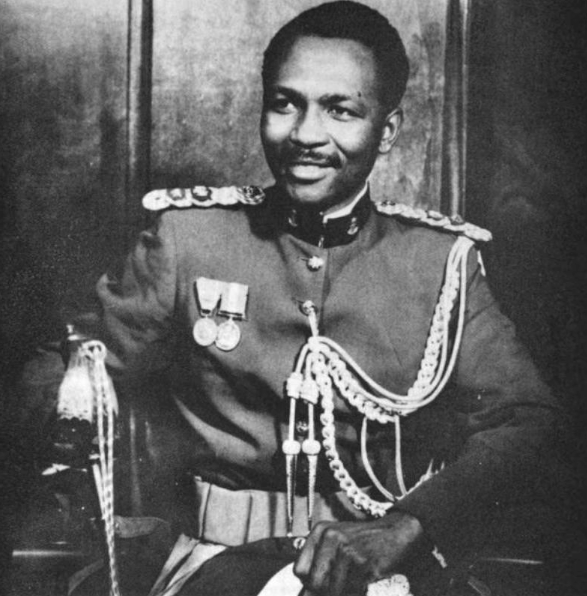
Following a military coup d'état, Yakubu Gowon emerged as the Head of State in Nigeria. The coup took place against the backdrop of political instability and ethnic tensions within the country. The new government, led by Gowon, aimed to restore stability and unity by implementing measures to address the challenges facing Nigeria.
Gowon's leadership during this period had a significant impact on the country. He initiated policies to promote national reconciliation and worked towards the reconstruction and development of Nigeria. Gowon also embarked on a mission to unify the diverse ethnic groups within the country, fostering a sense of national identity among the population.
Under Gowon's administration, Nigeria experienced a period of relative peace and economic growth. His government implemented various reforms to improve governance and address social and economic issues. Gowon's focus on infrastructure development and the expansion of industries contributed to the country's economic progress during his tenure.
Overall, Yakubu Gowon's ascent to power following the military coup d'état marked a turning point in Nigeria's history. His leadership played a crucial role in shaping the country's direction during a challenging time, steering Nigeria towards stability, unity, and development.
#YakubuGowon #NigeriaHeadOfState #MilitaryCoup #Unity #Development
View detailsFollowing a period of political instability in Nigeria, General Aguiyi Ironsi, the Head of State, was assassinated by a group of Northern Nigerian officers and soldiers in a counter-coup. The coup led by Ironsi earlier had overthrown the civilian government, which resulted in resentment among the Northern officers.
The assassination of General Aguiyi Ironsi was a significant event in Nigerian history as it marked a shift in power dynamics within the government. The group of Northern officers who carried out the assassination aimed to assert their control and influence in the political landscape of the country. The assassination also led to further ethnic and regional tensions between the North and South of Nigeria.
The impact of General Ironsi's assassination was felt across the country, leading to widespread unrest and violence. The assassination fuelled existing ethnic and religious divides within Nigeria, leading to a series of reprisal killings and conflicts between different ethnic groups.
In the aftermath of the assassination, General Yakubu Gowon, a Northern officer, emerged as the new Head of State, further consolidating Northern dominance in the Nigerian government. The events that followed General Ironsi's assassination set the stage for the Nigerian Civil War, which erupted shortly after, with the secession of the Eastern region under the leadership of Colonel Odumegwu Ojukwu.
The assassination of General Aguiyi Ironsi and the subsequent events that unfolded highlighted the deep-rooted political, ethnic, and regional tensions in Nigeria. It served as a catalyst for the series of events that ultimately led to the Nigerian Civil War, shaping the country's history for years to come.
#Nigeria #Assassination #PoliticalUnrest #NorthernOfficers #EthnicTensions #NigerianCivilWar
View details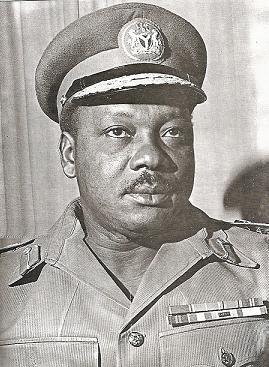
In 7/16/1966, Nigeria achieved a historical milestone by becoming the first Anglophone independent state in Africa to be granted associate membership in the European Economic Community (EEC). This accomplishment marked a significant step towards strengthening international ties for Nigeria, recognizing its emerging position on the global stage.
Nigeria's journey towards EEC associate membership began with its attainment of independence from British colonial rule in 1960. As one of the most populous and economically vibrant nations in Africa, Nigeria's inclusion in the EEC as an associate member signaled its growing influence and potential for economic cooperation with European nations.
The impact of Nigeria's association with the EEC was substantial. It provided the country with access to new markets, technology, and investment opportunities, which were crucial for its industrial and economic development. Additionally, the relationship with the EEC opened doors for policy dialogues, exchange programs, and collaborations that contributed to Nigeria's socio-economic growth.
Becoming an associate member of the EEC not only elevated Nigeria's status in the international community but also facilitated greater diplomatic relations with European countries. It paved the way for enhanced trade agreements and diplomatic engagements that furthered Nigeria's interests on the global platform.
The recognition of Nigeria as an associate member of the EEC represented a turning point in the country's foreign policy strategy, emphasizing its commitment to fostering partnerships beyond the African continent. It also laid the foundation for future collaborations and alliances that would shape Nigeria's position in the global economic landscape.
This event underscores Nigeria's proactive engagement with international organizations and its efforts to leverage external partnerships for national development. As Nigeria embraced its role as an EEC associate member, it set a precedent for other African nations to pursue similar opportunities for integration and collaboration in the international arena. #Nigeria #EEC #GlobalPartnerships #EconomicDevelopment
View detailsAmidst a military coup in Nigeria, Johnson Aguiyi-Ironsi emerged as the country's Head of State. The coup was driven by discontent within the military, resulting in chaos and uncertainty. Aguiyi-Ironsi, a senior military officer, took advantage of the situation to seize power.
As the new Head of State, Aguiyi-Ironsi moved quickly to consolidate power, dissolving the existing political structures and implementing martial law. His leadership style was characterized by a strong centralization of authority, leading to a more authoritarian regime. This shift had both supporters who saw it as necessary for stability and critics who feared the erosion of democratic principles.
The seizure of power by Aguiyi-Ironsi had far-reaching consequences for Nigeria. It marked a significant shift in the country's political landscape, with the military playing a larger role in governance. His tenure was marked by efforts to unite the ethnically diverse nation and address regional tensions. However, his administration faced challenges, including resistance from some factions within the military and civilian population.
The event of Johnson Aguiyi-Ironsi seizing power in the aftermath of a military coup reshaped the course of Nigerian history. It set the stage for future power struggles and military interventions in the country's political affairs. The impact of Aguiyi-Ironsi's rule continues to be a topic of debate among historians and political analysts, as it represents a pivotal moment in Nigeria's post-independence trajectory.
#Nigeria #AguiyiIronsi #MilitaryCoup #HeadOfState #PoliticalHistory
View detailsIn 1966, Nigeria experienced its first military coup, resulting in the ousting of the civilian government. The military officers who carried out the coup cited reasons such as political corruption, ethnic tensions, and perceived ineffectiveness of the government as the rationale behind their actions. The Prime Minister, along with other key political figures, were deposed, and a military government was installed.
The aftermath of the coup was marked by chaos and violence, leading to a period of instability in the country. The new military government struggled to maintain control and unity among the diverse ethnic and religious groups in Nigeria. This period also saw reprisal coups and counter-coups, further exacerbating the political turmoil.
The military coup of 1966 had a profound impact on Nigeria's political landscape. It marked the beginning of a series of military interventions in the country's governance, leading to years of military rule. The event also heightened existing ethnic and religious tensions, contributing to future conflicts and divisions within Nigerian society.
In the years following the coup, Nigeria faced numerous challenges, including political oppression, economic instability, and social unrest. The legacy of the military coup continues to shape Nigeria's political environment to this day, as the country grapples with issues of corruption, governance, and national unity.
#Nigeria #MilitaryCoup #PoliticalUnrest #EthnicTensions #MilitaryRule
View details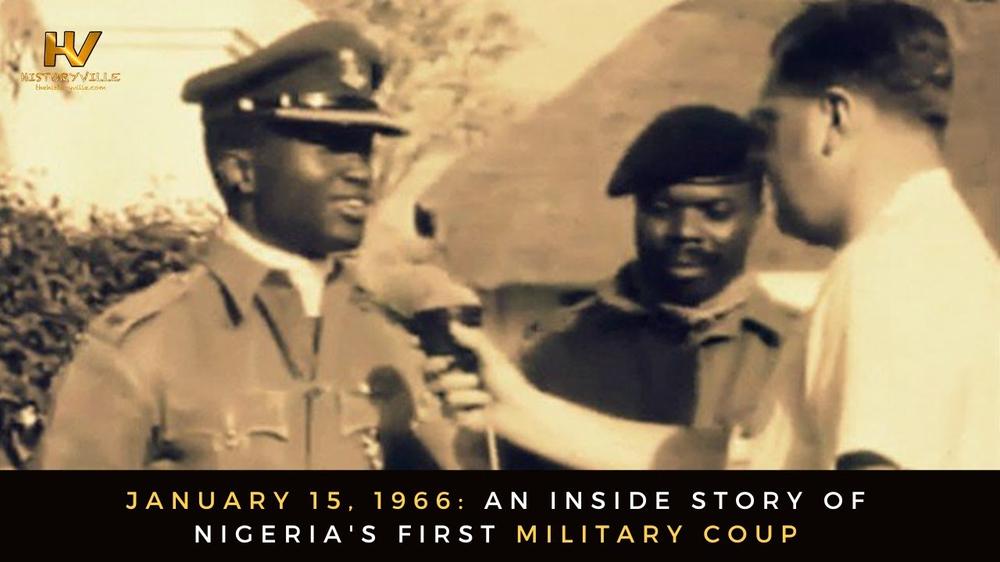
1963
Following years of British colonial rule in Nigeria, a significant shift occurred as the British colony transitioned into a federation. This restructuring aimed to address the country's diverse ethnic groups and regional differences by granting each region a degree of autonomy and power. The federation consisted of three regions: Northern, Western, and Eastern, with each having its own legislature and premier.
The British colony of Nigeria becoming a federation had a profound impact on the country's governance and administration. It aimed to decentralize power, promote regional development, and accommodate the varied interests of Nigeria's diverse population. The move towards a federal system was also an attempt to foster unity among the different regions while recognizing their unique cultural and political identities.
This transition led to the establishment of a federal government with limited powers, while the regional governments were granted authority over specific areas such as education, healthcare, and agriculture. Each region had the freedom to enact laws and policies tailored to its particular needs and priorities, paving the way for more localized decision-making and development initiatives.
The British colony of Nigeria becoming a federation marked a significant milestone in the country's history, setting the stage for a new era of federalism and regional autonomy. It laid the foundation for Nigeria's future federal system of government, which remains in place to this day. This shift towards a federated structure played a crucial role in shaping Nigeria's political landscape and in addressing the challenges posed by its diverse ethnic and regional makeup.
#Nigeria #BritishColonialRule #Federation #RegionalAutonomy #PoliticalTransition
View detailsIn October 1963, Nigeria transitioned to a republic by enacting a new constitution. This marked a significant shift in the country's governance, as it moved away from its previous monarchical system. The new constitution established Nigeria as a federal republic with a President as the head of state, granting the country greater autonomy and self-governance.
The transition to a republic brought about several changes in the political landscape of Nigeria. It allowed for more inclusive participation in the government, as the President was now elected by the people, reflecting a more democratic process. This shift also signified a break from colonial influences, further asserting Nigeria's independence and sovereignty.
The enactment of the new constitution had a profound impact on the identity and future trajectory of Nigeria. It set the stage for the development of the country as a republic and paved the way for the evolution of its political institutions. This move towards republicanism symbolized a commitment to self-determination and a desire for self-rule within the Nigerian nation.
Overall, Nigeria's transition to a republic in 1963 was a crucial moment in its history, signaling a new era of governance and independence. The enactment of the new constitution laid the foundation for a more democratic and self-governing Nigeria, shaping its political landscape for years to come.
#Nigeria #Republic #NewConstitution #Independence #Democracy
View details
1960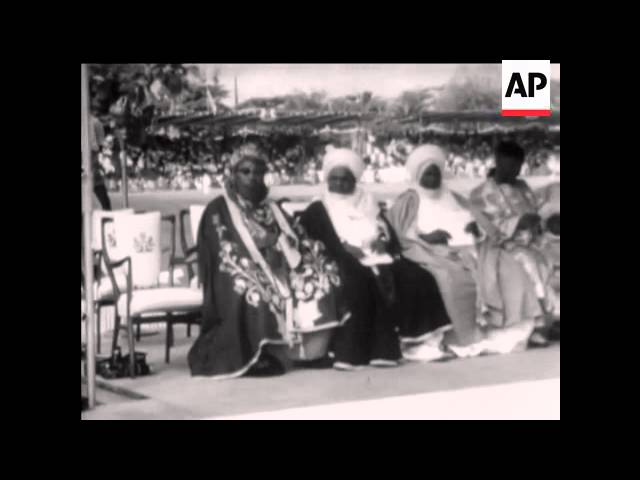
Nigeria gained independence from British colonial rule after years of political struggle and agitation. The journey towards independence began with the formation of political parties and the demand for self-governance by Nigerian nationalists. Through a series of constitutional conferences and negotiations, the path to independence was laid out.
The impact of Nigeria's independence was profound, not only for the nation itself but also for the entire continent of Africa. As the most populous country in Africa, Nigeria's independence inspired other countries in the region to strive for self-rule. The event marked the end of over six decades of British colonial domination and paved the way for the emergence of a new African nation.
With independence came new challenges for Nigeria, including the need to build a stable government, foster national unity among its diverse ethnic groups, and promote socio-economic development. The country faced various internal conflicts and struggles in the years following independence, but it also made significant progress in areas such as education, infrastructure, and healthcare.
Today, Nigeria celebrates its independence as a symbol of freedom and self-determination. The legacy of the independence movement continues to inspire Nigerians to work towards a more prosperous and united nation.
#NigeriaIndependence #BritishColonialRule #PoliticalStruggle #AfricanIndependence #NationalUnity
View detailsAfter gaining independence, Nigeria chose to join the British Commonwealth, a voluntary association of countries. This decision was significant as it allowed Nigeria to maintain historical ties with Britain and establish diplomatic relations with other Commonwealth nations.
Becoming a member of the Commonwealth had both symbolic and practical implications for Nigeria. It signaled the country's desire to be part of a global community that promoted democracy, human rights, and economic development. It also provided Nigeria with a platform to engage in international affairs and access resources for national development.
As a member of the Commonwealth, Nigeria benefited from technical assistance, expertise, and cultural exchange programs. The country was able to collaborate with other member states on various issues, such as trade, education, and good governance. This membership also helped Nigeria to enhance its international standing and strengthen its diplomatic ties worldwide.
Overall, joining the British Commonwealth was a strategic move for Nigeria, offering opportunities for growth and cooperation on the global stage. It reflected the country's commitment to peaceful coexistence, mutual respect, and shared prosperity among nations.
#Nigeria #BritishCommonwealth #Independence #Diplomacy #GlobalCooperation
View details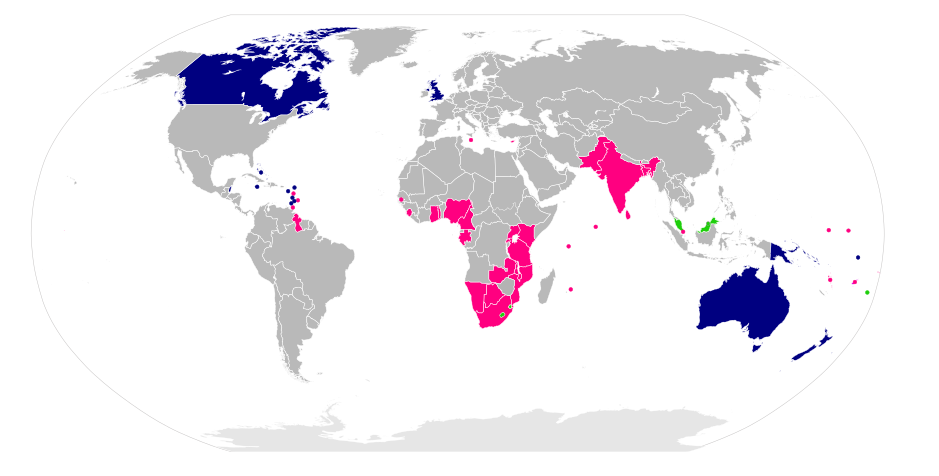
1956
In Oloibiri, Nigeria, the discovery of oil in commercial quantities reshaped the country's economic landscape. The finding marked the beginning of Nigeria's oil industry, leading to a significant shift in its economy and global standing. The drilling activities by Shell Darcy Petroleum Development Company changed the course of the region's history.
Before the discovery, Nigeria was predominantly an agricultural-based economy. The newfound oil reserves in Oloibiri opened doors to immense wealth and development opportunities. The country quickly transformed into one of the world's major oil producers, attracting foreign investments and boosting its GDP.
The impact of the discovery in Oloibiri was two-fold. On one hand, it brought in substantial revenue for the government, allowing for infrastructural development and social programs. On the other hand, it fueled corruption, environmental degradation, and socio-economic disparities within the country.
The Oloibiri discovery sparked a frenzy of exploration activities across Nigeria, leading to the establishment of more oil wells and refineries. However, it also brought challenges such as oil spills, land degradation, and conflicts over resource control in the oil-rich Niger Delta region.
In conclusion, the discovery of oil in commercial quantities in Oloibiri was a turning point in Nigeria's history, shaping its economy and society in unforeseen ways. As the country continues to grapple with the blessings and curses of its oil wealth, the lessons from Oloibiri remain relevant to its future development trajectory. #Oloibiri #OilDiscovery #NigerianEconomy #ResourceCurse #SocioeconomicImpact #EnvironmentalChallenges
View details1952
In 1953, the Kano Riot unfolded in Northern Nigeria, marking a crucial anti-colonial uprising. The backdrop of the event was rooted in the discontent and frustration of the Hausa community in Kano, who were facing economic hardships amidst British colonial rule. The spark that ignited the riot was the arrest of a prominent politician, who was seen as a defender of the people's interests.
The protesters took to the streets, expressing their anger towards the British authorities and their perceived injustices. The riot quickly escalated, leading to widespread violence, looting, and clashes with the police. The unrest continued for days, bringing the city to a standstill and causing a significant disruption to daily life.
The repercussions of the Kano Riot were profound. It highlighted the deep-seated resentment towards colonial rule and the growing calls for independence across Nigeria. The uprising also exposed the vulnerabilities of the British administration in effectively managing the diverse socio-political landscape of the region.
In the aftermath of the Kano Riot, the British authorities were forced to reassess their approach to governance in Nigeria. The event served as a wake-up call, propelling discussions on granting more autonomy to the Nigerian people and paving the way for eventual independence.
The legacy of the Kano Riot endures as a testament to the resilience and determination of the Nigerian people in their struggle for self-determination and freedom from colonial oppression. It stands as a pivotal moment in the country's journey towards independence and a reminder of the sacrifices made by those who fought for a better future.
#KanoRiot #AntiColonialUprising #NigerianIndependence #BritishColonialRule
View details