
Sri Lanka

The Pearl of the Indian Ocean
Related Lives

Ancient Greece
The Cradle of Civilization

Bhutan
Land of the Thunder Dragon

Cape Verde
Jewel of the Atlantic

Argentina
Land of the Tango

Iraq
The Cradle of Civilization
Bhutan
Land of the Thunder Dragon
Cape Verde
Jewel of the Atlantic

Benin
The Jewel of West African Culture.

1344
Parakramabahu V took the throne as the King of Gampola in what would become a defining event for this period in Sri Lankan history. Gampola, a town strategically located in the central part of the island, emerged as a focal point of political power amidst the turbulent times that characterized the Kingdom of Gampola. The rise of Parakramabahu V brought about a period marked by consolidation and relative stability.
His ascent to power followed a time when the island of Sri Lanka was particularly fragmented. Competing factions and incursions had resulted in a fractured governance system, making the role of the new king vital. Parakramabahu V’s coronation represented both a reunification effort and a bid for strengthened sovereignty. It also involved a strategic balance of appeasement and assertion over local chieftains and regional lords, a crucial tactic for maintaining control.
Under his rule, efforts were made to fortify and enhance the capital city of Gampola. Significant developments included the construction of new temples and monasteries, showcasing the importance of Buddhism in maintaining social cohesion. This religious patronage was not merely for spiritual reasons but also served to establish the legitimacy and sacred aura around Parakramabahu V's rule.
Economically, his tenure saw attempts to improve agricultural output, with emphasis on paddy cultivation, which was critical for sustaining the population. There were also measures to enhance irrigation systems, which had deteriorated over earlier years of conflict.
Internationally, his reign is noted for diplomatic tactics aimed at preserving Gampola’s sovereignty. While challenges remained from South Indian polities and other external entities, Parakramabahu V’s relatively stable governance allowed for a period of renewed cultural and infrastructural development.
Despite these efforts, his rule did not fully alleviate the feudal fragmentations that continued to influence the sociopolitical landscape of medieval Sri Lanka. Nonetheless, the period under his leadership remains a notable chapter in the broader history of the island, reflecting significant strides in governance and development.
#Gampola #SriLankanHistory #ParakramabahuV #Buddhism #MoofLife #Governance #Agriculture #InfrastructureDevelopment #MedievalSriLanka
View details1341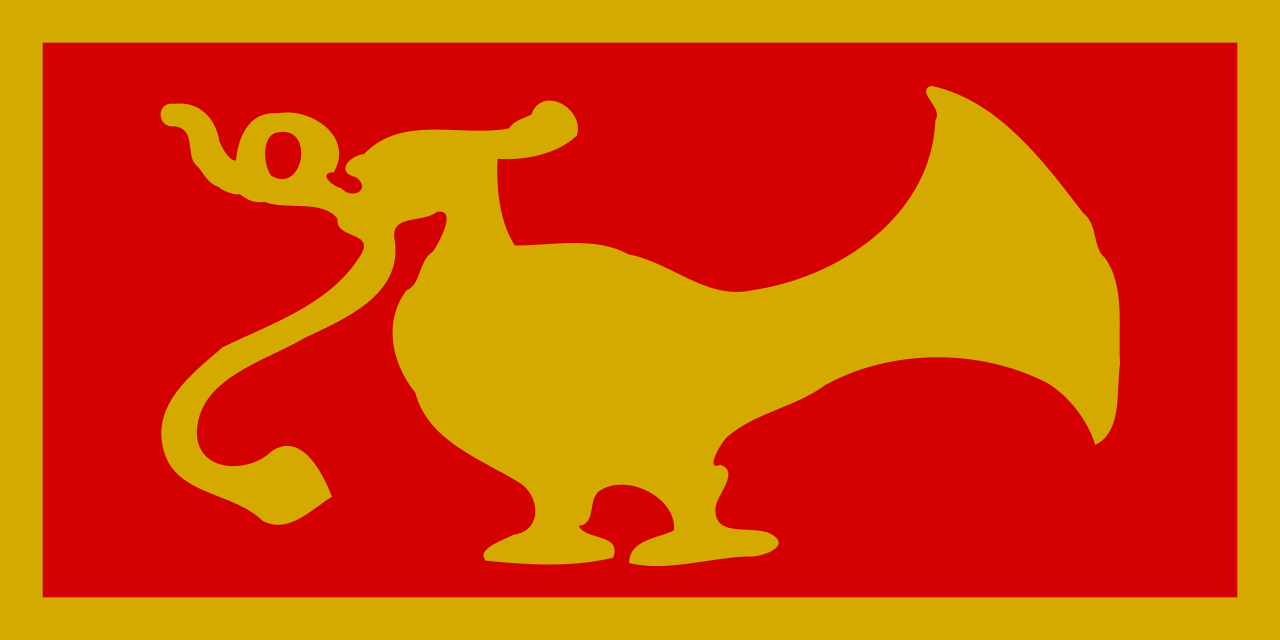
With the decline of the Kingdom of Dambadeniya, political instability gripped Sri Lanka. The weakened political structure provided an opportunity for a shift in power. During this period, Bhuvanaikabahu IV ascended to power and established the Gampola Kingdom, marking a major transition in the island's history. This new kingdom emerged strategically in the central highlands, leveraging geographical advantages to fortify its position.
Gampola's emergence was marked by significant political reorganization. The shift addressed the issues caused by the fall of Dambadeniya, and Gampola's establishment represented a move towards political stability. It influenced administrative structures and laid the groundwork for future governance models in the region. The choice of location in the central highlands provided both natural defenses and control over nearby trade routes, crucial for economic sustenance.
Bhuvanaikabahu IV's reign was pivotal in knitting together the fragmented regional powers under the new centralized authority of Gampola. This era also saw the construction of important cultural and religious sites, such as the Lankathilaka and Gadaladeniya temples. These constructions not only served religious purposes but also demonstrated the kingdom’s architectural advancements and influence.
The foundation of the Gampola Kingdom also had social impacts. The shift in political power realigned local allegiances and reinvigorated economic activities, benefiting from existing trade networks which were further stabilized. The kingdom's central location made it a nexus for trade, fostering economic and cultural exchanges that were crucial for its prosperity.
The establishment of Gampola marked a pivotal chapter in Sri Lankan history, highlighting the resilience and adaptability of its political systems. Future kingdoms and political entities in the region drew lessons from the Gampola era, making it a touchstone for understanding shifts in Sri Lankan governance and culture.
#GampolaKingdom #SriLankanHistory #PoliticalTransition #BhuvanaikabahuIV #MedievalSriLanka #CulturalHeritage #EconomicImpact #HistoryInFocus #MoofLife
View details1323
Prince Sapumal's establishment of the Kingdom of Jaffna marked a pivotal phase in Sri Lankan history. Originating from the Kingdom of Kotte, Sapumal is often credited for quelling the turbulent regions of the north, consolidating his power, and formalizing a new realm. The creation of the Kingdom of Jaffna was neither an abrupt nor simple affair; rather, it followed years of military campaigns and political maneuvering. Before Sapumal's ascendancy, northern Sri Lanka was fragmented, facing frequent incursions and power struggles.
Using his military acumen, Sapumal managed to subdue the forces within the Jaffna peninsula. These efforts were supported by the Kingdom of Kotte, likely seeking to stabilize and exert influence over the northern territories. Upon his successful campaign, Sapumal did not merely establish control through force but initiated administrative reforms to solidify his rule. This included the reconstruction of infrastructures, such as fortifications and irrigation systems, which were essential for both defense and agricultural productivity.
Economic stability soon followed, as the region began to benefit from increased trade. Located in the proximity of maritime routes, Jaffna became an essential node connecting South Asia with Southeast Asia. This strategic position facilitated the growth of commerce, including the export of pearls, elephants, and spices, contributing to the region's prosperity. As a result, the Kingdom of Jaffna grew more cohesive and economically viable, serving as a northern counterpart to the southern Kingdom of Kotte.
The influence of the Kingdom of Jaffna extended beyond economic realms, affecting socio-cultural domains. The consolidation under Sapumal allowed for the fostering of Tamil cultural practices and the proliferation of Hinduism, which remained significant in shaping the regional identity. Additionally, Sapumal's reign instilled a sense of political stability that had been lacking, fostering future lineage continuity and governance.
In essence, the establishment of the Kingdom of Jaffna by Prince Sapumal was not merely a military conquest but a significant restructuring of northern Sri Lanka's political, economic, and socio-cultural landscapes. This foundational period set the precedent for the region's development in subsequent years, laying a cornerstone for its historical trajectory.
#MoofLife #JaffnaHistory #SriLankanHistory #KingdomOfJaffna #TamilCulture #EconomicTransformation #HinduismInSriLanka
View details1236
The reign of Parakramabahu II, who ruled from 1236 to 1270, was a significant period in the history of Sri Lanka, particularly for the Dambadeniya Kingdom. Parakramabahu II is remembered as one of the most capable and enlightened rulers of the medieval period in Sri Lanka. His reign marked a time of cultural revival, literary achievements, and efforts to consolidate and strengthen the kingdom during a period of political fragmentation and external threats.
The Dambadeniya Kingdom
The Dambadeniya Kingdom was established in the 13th century after the decline of the Polonnaruwa Kingdom, which had been the center of Sinhalese power and culture. The capital was moved to Dambadeniya, a more defensible location in the central part of the island, partly due to the constant invasions and the need for a safer capital.
Parakramabahu II ascended the throne of Dambadeniya following the reign of his father, Vijayabahu III. His father had laid the foundation for the Dambadeniya Kingdom, but it was Parakramabahu II who truly solidified its power and prestige.
Parakramabahu II's Achievements
1. Political Consolidation and Military Successes:
Parakramabahu II is credited with reasserting the authority of the Dambadeniya Kingdom over other regions of Sri Lanka, which had become fragmented following the decline of Polonnaruwa. His reign was marked by efforts to reunify the island under his rule. He successfully defended the kingdom against invasions from the Pandyan Dynasty of South India, which was a persistent threat to the Sinhalese rulers during this period. His military campaigns helped secure the kingdom's borders and maintain its independence.
2. Cultural and Literary Contributions:
Parakramabahu II is particularly celebrated for his contributions to Sinhalese literature and Buddhism. He was a patron of the arts and letters and is said to have authored several important literary works himself, including the "Kausilumina," a renowned poetic work that is considered a masterpiece of medieval Sinhalese literature. Under his patronage, the Dambadeniya Kingdom became a center for learning and culture.
3. Religious Revitalization:
During his reign, Parakramabahu II worked to restore and support Buddhist institutions that had suffered during the previous centuries of warfare and foreign invasions. He rebuilt temples and monasteries, supported the Sangha (Buddhist monastic community), and promoted Buddhist education and scholarship. This revitalization of Buddhism was a key aspect of his reign and contributed to the religious and cultural identity of the kingdom.
The Legacy of Parakramabahu II
Parakramabahu II's reign is remembered as a period of relative stability and cultural flourishing in the history of Sri Lanka. His efforts to reunify the island, defend it against external threats, and promote literature and religion left a lasting impact on the country. The Dambadeniya Kingdom, under his leadership, became a strong and vibrant center of power in medieval Sri Lanka, even as it faced the challenges of a changing political landscape.
After his death in 1270, the kingdom continued under his successors, but the challenges of maintaining unity and defending against external invasions persisted. Nevertheless, Parakramabahu II's reign remains a highlight of the Dambadeniya period and a testament to his capabilities as a ruler.
#MomentsOfLife #MoofLife_Moment #MoofLife #SriLanka #ParakramabahuII #Dambadeniya #MedievalHistory
View details1215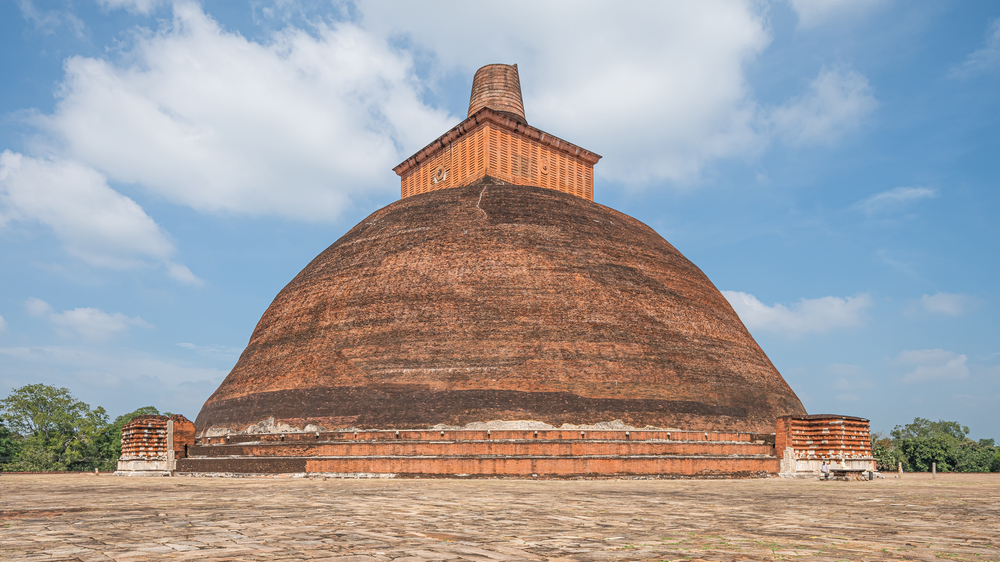
Kalinga Magha, a ruler from Kalinga, invaded the Polonnaruwa Kingdom, a significant power center in Sri Lanka. His assault marked a turning point in the history of the island. Backed by a formidable force of 24,000 soldiers, primarily from Southern India, his approach was ruthless and strategically calculated. The Polonnaruwa Kingdom, already weakened by previous internal strife and diminished military might, could not withstand such formidable opposition.
Magha's invasion led to the devastating fall of the Polonnaruwa Kingdom. His army plundered and ravaged the land extensively, causing massive destruction to infrastructure, religious monuments, and agricultural systems. Buddhist monasteries and temples were not spared; many were destroyed or damaged. This aggression resulted in a mass displacement of citizens, with many fleeing to safer regions such as the Dambadeniya and Yapahuwa kingdoms to the south.
The once-thriving center of culture, economy, and administration was left in ruins. The political landscape of Sri Lanka underwent significant changes. The administrative and royal structures of Polonnaruwa collapsed, and for a substantial period, the island experienced further instability and intermittent conflicts. The decentralized nature of the subsequent regional kingdoms meant that Sri Lanka's unity as a single polity was lost for years to come.
The invasion had a lasting impact on the socio-cultural fabric of the island. Traditional practices and the central Buddhist teachings that had thrived during Polonnaruwa's peak experienced disruptions. Additionally, it facilitated the rise of smaller regional powers, which further fragmented the political landscape.
Hashtags: #PolonnaruwaFall #KalingaMaghaInvasion #SriLankaHistory #ColonialImpact #MoofLife
View detailsIn the era of medieval Sri Lanka, the establishment of the Jaffna Kingdom marked a transformative phase in the northern regions of the island. The Aryacakravarti dynasty, believed to have roots in the Pandyan Kingdom of South India, rose to prominence under the leadership of its founder. The backdrop of this establishment was characterized by the waning influence of the Kingdom of Polonnaruwa and increasing disputes among regional powers.
The Aryacakravarti dynasty's ascent was facilitated by the geopolitical instability in the region, allowing the dynasty to consolidate power and establish control over the Jaffna Peninsula. They strategically capitalized on maritime trade routes, strengthening economic ties with South India and further afield. This dynastic rule introduced a period of relative stability and prosperity, fostering cultural and economic exchanges.
The impact of the Aryacakravarti rule was profound. The dynasty implemented administrative reforms, which included a system of provincial governance and revenue collection that enhanced statecraft and economic stability. The construction of temples and other architectural works during this period led to a flourishing of Tamil culture and Hindu religious practices in the region. The maritime prowess of the dynasty also contributed to the socio-economic development of the kingdom, making Jaffna a significant trading hub.
Historical records point to the Aryacakravarti dynasty's military engagements with neighboring kingdoms, indicating a period of regional influence and territorial assertion. The dynasty's naval capabilities were particularly noted, reinforcing their control over sea routes and deterring potential invasions.
The Aryacakravarti dynasty's establishment of the Jaffna Kingdom carved out a distinct Tamil polity in Sri Lankan history, leaving an enduring legacy that continued to shape the cultural and political landscape of the region for centuries.
#JaffnaKingdom #AryacakravartiDynasty #SriLankanHistory #TamilHeritage #MedievalTrade #MoofLife
View details1187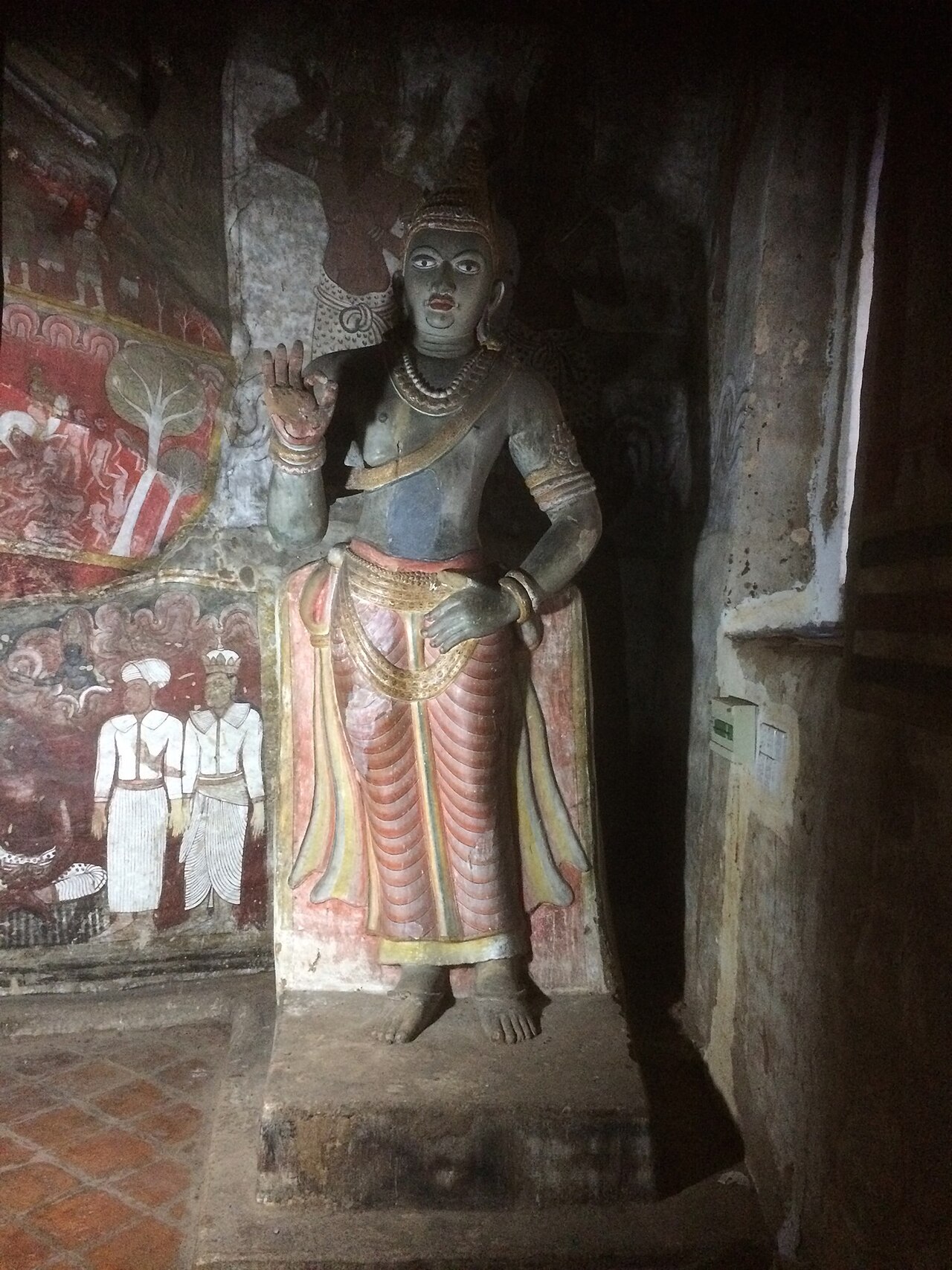
King Nissanka Malla's coronation as the ruler of Polonnaruwa marked the beginning of a new chapter in Sri Lanka's history. Nissanka Malla ascended to the throne following the rule of his predecessor, demonstrating a consolidation of power within the Sinhalese dynasties. His coronation ceremony, held within the ancient city, symbolized the commencement of initiatives aimed at fortifying national unity and stimulating economic growth.
Nissanka Malla, who hailed from a noble lineage with close ties to previous monarchs, sought to legitimize his rule through various means. One of his first initiatives post-coronation was the commissioning of grand construction projects, including the Gal Vihara, a significant part of the existing Polonnaruwa complex. These projects not only enhanced the architectural heritage of the region but also provided employment, uplifting the local economy.
In addition to infrastructure, King Nissanka Malla focused on administrative reforms. He introduced policies to streamline governance, creating a more centralized administration that facilitated efficient tax collection and better resource management. His reign was marked by attempts to strengthen the judicial system as well, which included efforts to curb corruption and ensure fair dealings in the kingdom.
King Nissanka Malla sought to project his authority beyond Polonnaruwa by making religious offerings and endowments to Buddhist establishments, solidifying his status as a pious ruler. This helped in fostering goodwill among the clergy and laypeople alike, ensuring their support for his rule.
From a socio-political perspective, his coronation and subsequent reign brought relative stability to the kingdom, which had experienced sporadic internal conflicts in the past. While his rule also faced challenges, such as occasional disputes over succession and territorial integrity, his contributions left a lasting impact on Sri Lanka’s cultural and historical landscape.
The coronation itself, although a ceremonial event, laid the groundwork for significant advancements in statecraft and infrastructure, positioning Polonnaruwa as a pivotal center of power in the island nation’s history.
#NissankaMalla #Polonnaruwa #SriLankaHistory #MooofLife
View details1157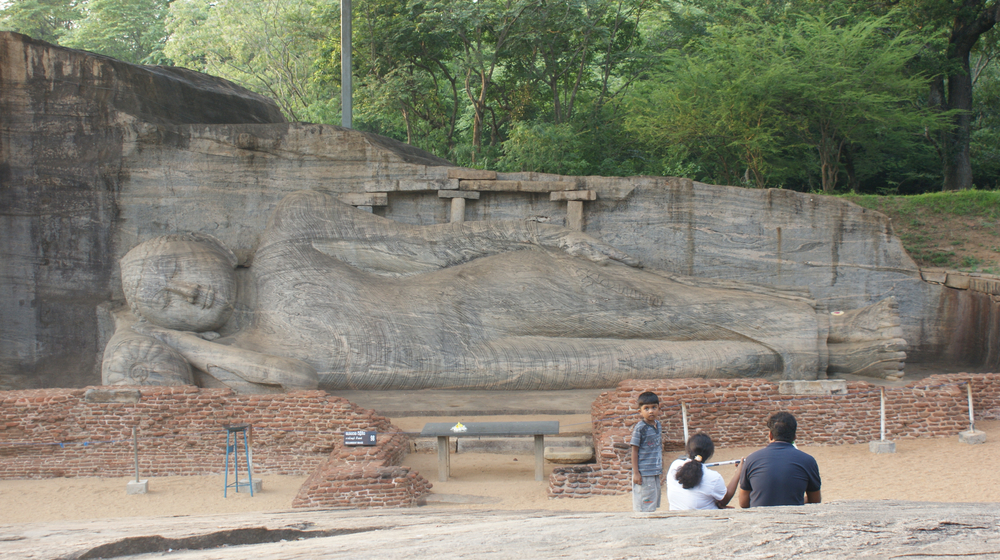
During a pivotal period in the history of Sri Lanka, the construction of Polonnaruwa Vatadage took place, representing a key development in the Polonnaruwa period. Polonnaruwa, known as the second ancient capital of Sri Lanka, saw this circular relic house erected under the reign of King Parakramabahu I. The Polonnaruwa Vatadage, designed to protect a stupa, was part of the broader effort to solidify Buddhist influence and architectural innovation in the region.
The Vatadage, primarily constructed with stone and brick, showcased an advanced understanding of engineering and architectural skills of the era. It featured a circular outer wall with elaborate carvings and inscriptions that reflect the religious and cultural ethos of the time. The main purpose of this structure was to enshrine a relic of the Buddha, a practice central to Theravada Buddhism, which was promoted by the king.
The impact of constructing the Vatadage was multifaceted. It reinforced Polonnaruwa's status as a religious and administrative center. The monument itself, standing on a base with intricate carvings of guardian deities and sacred symbols, exemplifies the zenith of Sri Lankan medieval architecture. This construction project also contributed to the socio-economic framework by engaging artisans, laborers, and resources, thus driving local economic activity.
The Polonnaruwa Vatadage has withstood the ravages of time and remains a testament to the architectural ingenuity and spiritual dedication of its era. It continues to draw researchers, historians, and tourists, offering insights into the cultural and religious history of Sri Lanka.
This construction project is not merely a relic of the past but a symbol of the ingenuity and spiritual resilience that have shaped Sri Lankan identity.
#Polonnaruwa #BuddhistArchitecture #SriLankanHistory #CulturalHeritage #TheravadaBuddhism #HistoricalConstruction #MoofLife
View details1153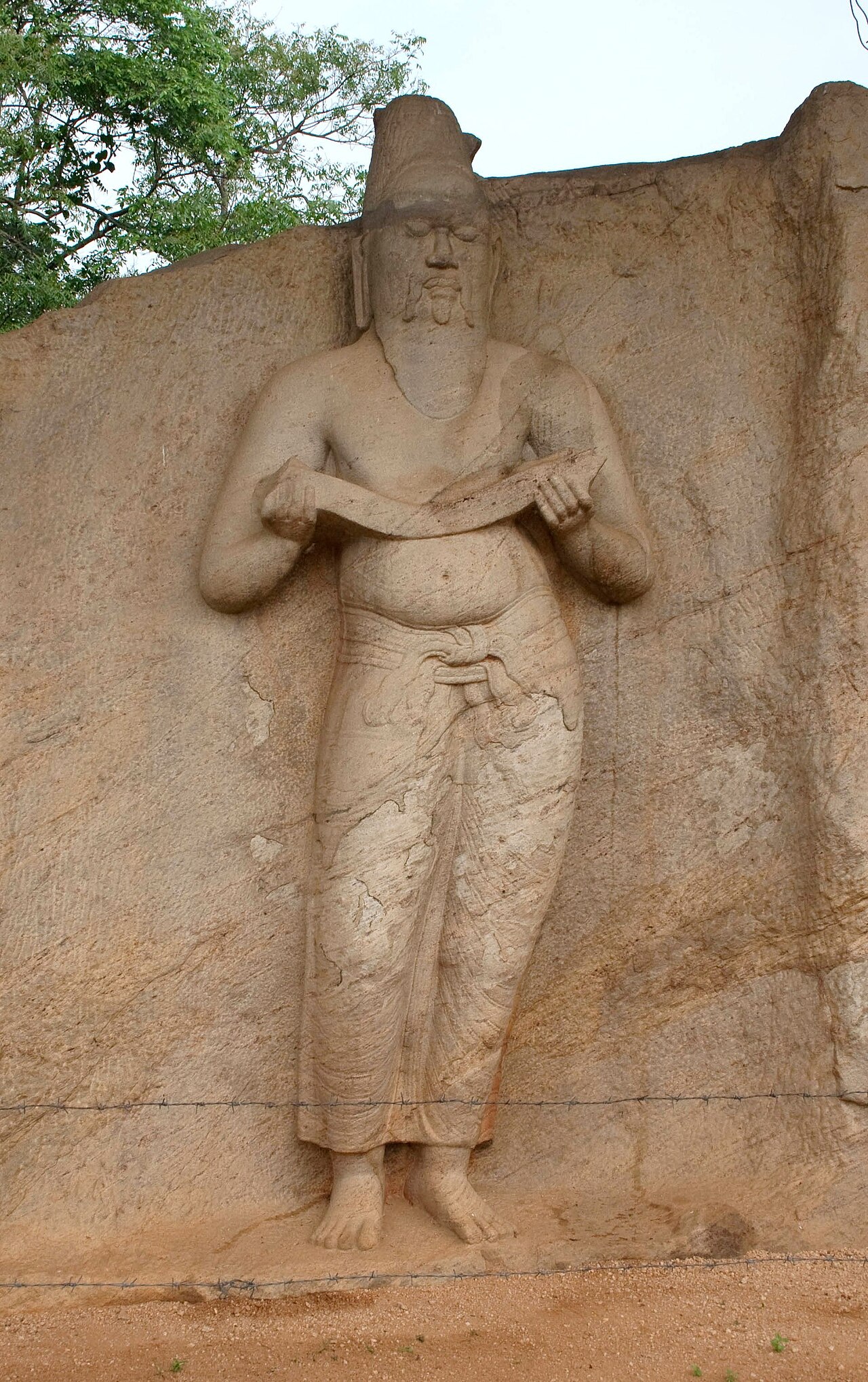
Parakramabahu I rose to power in the Kingdom of Polonnaruwa, centralizing authority and embarking on a series of transformative reforms that would shape Sri Lanka's history. Before his reign, the region experienced fragmentation, with local chieftains exerting considerable influence. Parakramabahu I sought to unify the island, consolidating disparate territories through a combination of diplomacy and military campaigns.
His administration prioritized agricultural innovations, foremost among them the extensive development of irrigation systems. The Parakrama Samudra, a massive reservoir, exemplifies this focus, ensuring water supply and thereby enhancing rice cultivation. This significant improvement in agricultural productivity supported population growth and economic stability, positioning Polonnaruwa as an influential regional power.
Parakramabahu I also focused on fortifying the kingdom's infrastructure. He initiated the construction of roads, hospitals, and monasteries, creating a network that facilitated efficient administration and trade. These infrastructural advancements underpinned the kingdom's economic expansion and integration with regional trade networks, extending links as far as Southeast Asia and the Indian subcontinent.
Buddhism flourished under Parakramabahu I's patronage. He sponsored the refurbishment of temples and monasteries, ensuring the religion's central role in societal life. He also held religious councils to purify and unify the Buddhist clergy, reinforcing the kingdom's cultural coherence and spiritual identity.
The contribution to literature and the arts during this period also merits attention. Scholars and artists found patronage in Parakramabahu I's court, producing works that enriched the cultural fabric of the kingdom. Polonnaruwa emerged as a hub of learning and culture, attracting intellectuals and artisans.
Military expeditions were another aspect of Parakramabahu I's reign. He conducted campaigns into South India and rival states within Sri Lanka, aiming to extend his influence and secure the kingdom's borders. These actions ensured political stability and affirmed Polonnaruwa's authority in the region.
Economic, agricultural, cultural, and political strides achieved during Parakramabahu I’s tenure left a lasting legacy on Sri Lanka's history, marking it as a notable phase of prosperity and development.
#MoofLife #SriLankanHistory #Polonnaruwa #ParakramabahuI #Buddhism #AgriculturalRevolution #InfrastructureDevelopment #CulturalRenaissance #TradeExpansion
View details1110
The death of Vijayabahu I marked a pivotal point in Sri Lankan history, initiating a significant power struggle. Vijayabahu I, who had been a unifying figure in Sri Lanka, successfully ended the Chola occupation and restored Sinhalese sovereignty. His reign was characterized by efforts to revitalize Buddhism and reinforce the kingdom's administrative structure. At the time of his death, he left behind a legacy of strengthened internal stability and economic progress.
However, his passing led to a succession crisis. His son, Vikramabahu I, was regarded as the legitimate heir to the throne. But Jayabahu I, Vijayabahu I’s brother, also laid claim to the kingship. This dispute over succession weakened the unified front that Vijayabahu I had painstakingly established. Both factions garnered support from different segments of the kingdom's nobility and military, leading to internal conflicts and fragmentation.
The immediate aftermath saw Jayabahu I seizing power, compelling Vikramabahu I to rally his supporters and stake his claim. The ensuing power struggle between the uncle and nephew strained the kingdom’s resources and divided loyalties. This internal discord allowed other regional powers to exert influence and further complicate the political landscape.
Economically, the kingdom faced disruptions in trade and agriculture. The administrative apparatus put in place by Vijayabahu I struggled under the new pressures, and projects aimed at furthering the prosperity of the kingdom were either stalled or abandoned. The Buddhist clergy, who had received significant patronage from Vijayabahu I, found themselves navigating this fractured political terrain to protect their interests and maintain religious stability.
The contest for the throne persisted, keeping the kingdom in a state of uncertainty. This period is a reminder of the complications arising from contested successions and the fragile nature of political stability, even in relatively prosperous times.
#SriLanka #MedievalHistory #VijayabahuLegacy #DynasticStruggle #PoliticalInstability #MoofLife
View details1084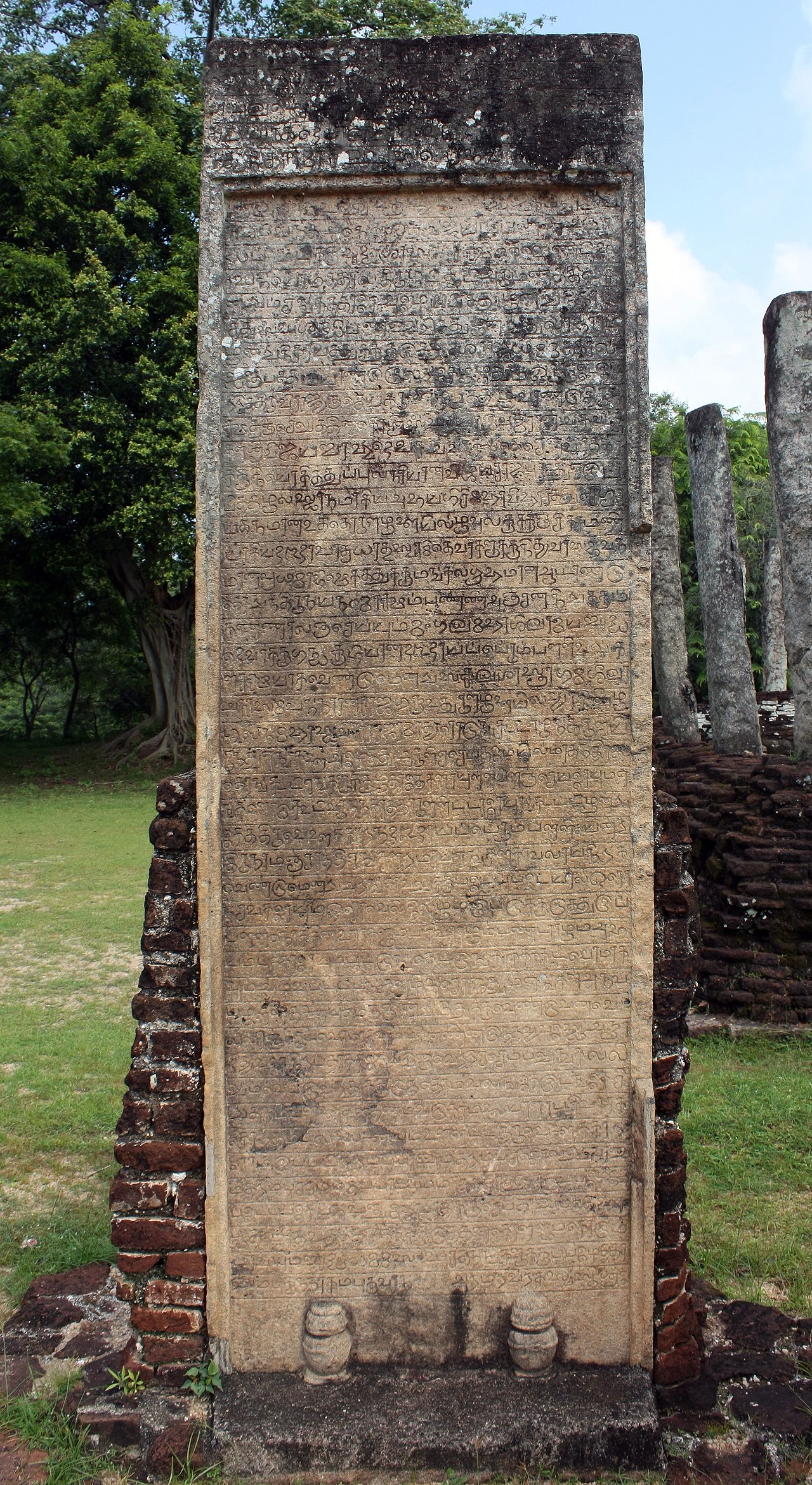
The Velakkara Revolt was a pivotal episode in the history of Sri Lanka, illustrating the complex interplay of regional politics, military commitments, and ethnic loyalties. King Vijayabahu, who ascended to the throne as the ruler of Polonnaruwa, aimed to consolidate his power and sought to end the longstanding dominion of the Chola Empire over parts of Sri Lanka. In his struggle, he enlisted the service of Tamil mercenaries known as the Velakkara.
The Velakkara, known for their martial prowess, were instrumental in helping Vijayabahu combat Chola forces and establish his rule over the island. However, while these mercenaries were valued for their combat capabilities, they retained strong ethnic ties to their Tamil roots, which played a crucial role in the unfolding conflict. The constant pressure and policies imposed by Vijayabahu to ensure loyalty led to discontent among the Velakkara.
Tensions came to a head when King Vijayabahu’s administration implemented measures that were seen as unfavorable or even oppressive by the Velakkara. The specific grievances might have included issues related to pay, recognition, and the overall treatment of Tamil soldiers within the predominantly Sinhalese kingdom. These discontents spurred the Velakkara to mutiny against Vijayabahu’s rule.
The revolt by the Velakkara was not just a military upheaval but also a socio-political statement. It highlighted the fragile alliances that kings of the era had to navigate, especially when dealing with mercenary forces whose primary allegiance was not necessarily to the sovereign they served. The mutiny disrupted the stability of Vijayabahu’s reign, necessitating immediate and effective countermeasures to quell the disobedience.
The revolt emphasized the significance of maintaining balanced and fair treatment of diverse ethnic groups within a kingdom, particularly when such groups played crucial roles in the military and administrative apparatus. For Vijayabahu, the incident was both a reminder and a lesson in the complexities of leadership within a multi-ethnic and politically dynamic environment.
#VelakkaraRevolt #SriLankaHistory #TamilMercenaries #KingVijayabahu #CholaEmpire #MooofLife
View details1070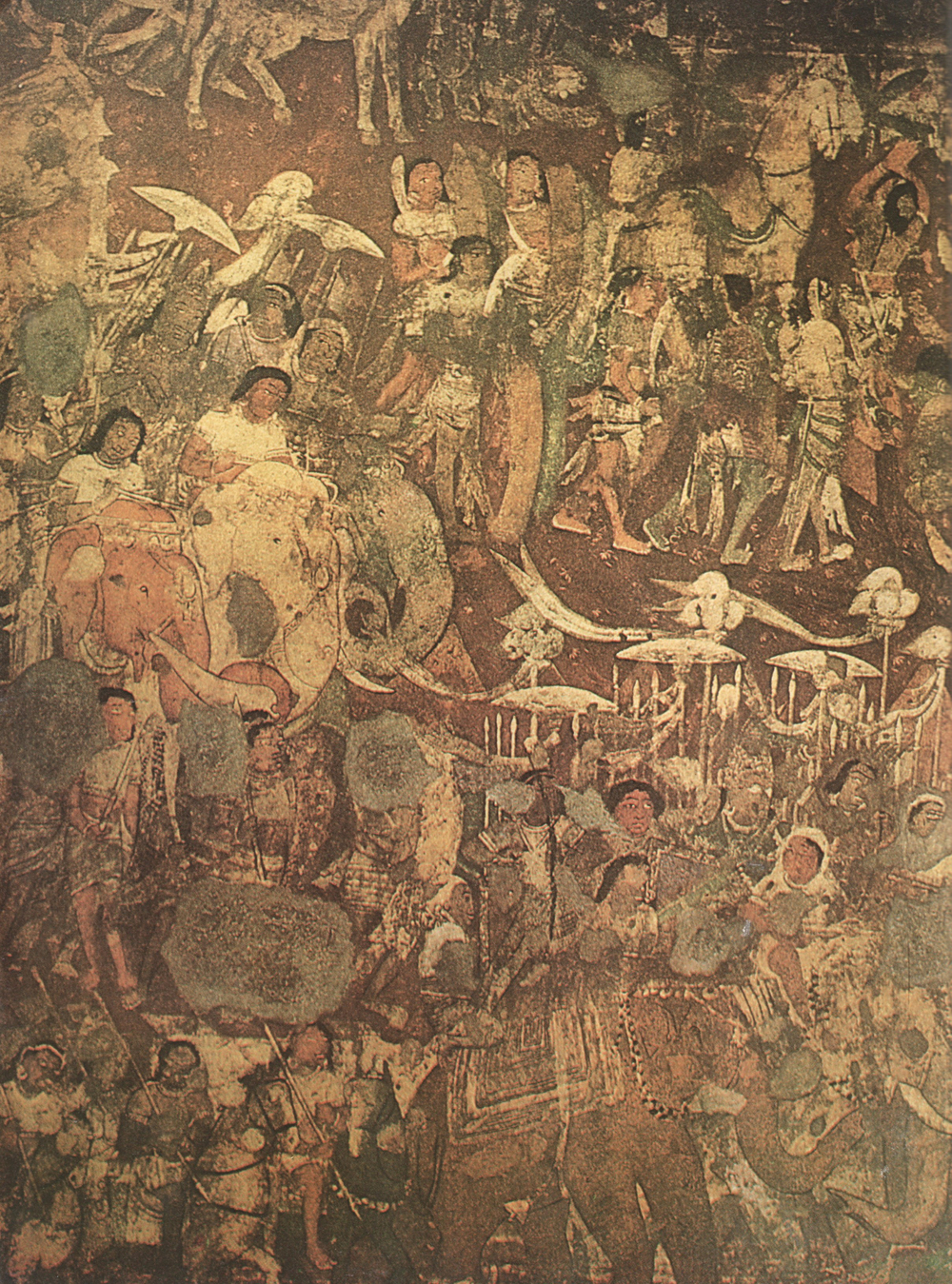
Prince Kitti, also known by his official title Vijayabahu, launched a pivotal military campaign to expel the Chola dynasty from Sri Lanka. The Cholas had established control over key parts of the island, including the capital, Anuradhapura, leading to cultural and administrative shifts. Within this period, local resistance grew steadily against the foreign power.
Vijayabahu ascended to leadership among this resistance. Born into the Sinhalese royal lineage, he began gathering forces in the southern territories of Sri Lanka. He strategically allied with local chieftains and leveraged dissatisfaction among the populace under Chola rule, fostering a climate ripe for rebellion.
After consolidating his power base, Vijayabahu initiated a series of calculated attacks focusing on weakening Chola strongholds. By attacking logistical points and cutting off supply lines, he managed to destabilize the Chola administration. His forces employed guerrilla tactics, conducting swift raids that inflicted heavy casualties and disrupted the Chola's capacity to maintain their dominance.
The turning point in Vijayabahu's campaign occurred when his forces laid siege to the Chola-controlled city of Polonnaruwa. The protracted siege drained Chola resources and morale, ultimately leading to the withdrawal of their main contingent back to their homeland in South India. With the retreat of the Chola forces, Vijayabahu declared victory and ascended to the throne as king, establishing the reign of Vijayabahu I.
This epochal event marked the end of Chola hegemony in Sri Lanka and the restoration of Sinhalese rule. Economically, it initiated a period of rebuilding and bolstered internal trade. Politically, it reinforced the sovereignty of the Sinhalese monarchy, which then moved the capital from Anuradhapura to Polonnaruwa to signify a new era. Culturally, it reinforced Sinhalese and Buddhist traditions that had been under pressure during Chola occupation.
Vijayabahu’s successful expulsion of the Cholas had far-reaching implications. It not only restored local governance but also strengthened national identity and cultural continuity in Sri Lanka.
#Vijayabahu #SriLankanHistory #CholaDynasty #GuerrillaWarfare #SinhaleseMonarchy #MoofLife
View detailsVijayabahu I staged a crucial campaign to reclaim and consolidate the fractured regions of Sri Lanka. The turmoil had spread after several invasions and internal strife, which weakened the centralized authority. Vijayabahu, originally from Ruhuna, gradually gathered a force capable of challenging the dominant Chola dynasty's presence in the north and central regions of the island.
Vijayabahu's significant military strategy involved coordinated guerrilla warfare leading to extended periods of skirmishes that ultimately exhausted the Chola forces. Leveraging both his knowledge of local geography and the support of regional nobles who favored self-rule over foreign domination, he created military and political alliances that were instrumental in his campaign's success.
Upon achieving military victory, he relocated the center of power from the ancient capital Anuradhapura to Polonnaruwa. The shift to Polonnaruwa was strategic, as it offered more security and was better positioned for both administrative coordination and defense. This transition marked the commencement of the Polonnaruwa Kingdom, which opened a new chapter in Sri Lankan history.
The establishment of the Polonnaruwa Kingdom under Vijayabahu I's reign brought about a period of reconstruction and revival. Religious and cultural rejuvenation was prioritized, with significant contributions made toward restoring Buddhist temples and monastic establishments that had suffered during periods of conflict. The infrastructure developments enhanced agricultural productivity, which in turn promoted economic stability.
Vijayabahu’s governance introduced administrative reforms that streamlined governance and taxation. These reforms laid the groundwork for a more cohesive and unified dominion that would last beyond his reign, facilitating an era of relative peace and prosperity.
The impact of Vijayabahu I’s founding of the Polonnaruwa Kingdom is evident in the socio-political transformation of Sri Lanka. This era set precedents for future leadership and governance models in the island nation.
#PolonnaruwaKingdom #VijayabahuI #SriLanka #MoofLife
View details1056
King Vijayabahu I, a ruler of Sri Lanka, turned the tides in a crucial conflict known as the Battle of Manihara, defeating the Chola invaders. The Chola dynasty, originating from Southern India, had established significant control over northern and eastern parts of Sri Lanka, posing a continuing threat to the island’s sovereignty. Vijayabahu I, born to noble heritage and driven by a vision of a free Sri Lanka, organized a campaign to expel the Cholas.
The confrontation at Manihara was pivotal. Precision, determination, and local knowledge played vital roles in the Sri Lankan forces' strategy. The battle was fiercely contested, with both sides wielding substantial military power. King Vijayabahu I's army comprised native Sinhalese warriors, well-familiar with the terrain and bolstered by their leader's rallying call for independence.
With the defeat of the Chola invaders, King Vijayabahu I solidified his position and initiated a series of reforms and reconstruction efforts. The triumph also marked the gradual decline of Chola influence in the island, allowing Sri Lanka to reestablish its cultural and political autonomy.
Post-battle, King Vijayabahu I became a national symbol of resilience and freedom. His victory had far-reaching impacts on the socio-economic conditions of Sri Lanka, including the revival of Buddhism and the reconstruction of ancient structures. This episode in Sri Lankan history underlined the importance of local leadership and highlighted the end of a period of foreign domination.
The successful expulsion of the Chola invaders at the Battle of Manihara became a cornerstone for future generations, emphasizing the relevance of strategic unity and national identity. It fostered a period of relative peace, enabling the kingdom to flourish both culturally and economically.
#MoofLife #SriLanka #VijayabahuI #CholaDynasty #BattleOfManihara #Independence #HistoricalVictory
View details1055
In a period characterized by regional conflicts and power struggles within the island of Sri Lanka, Prince Kitti emerged as a pivotal figure who managed to alter the course of the nation's history. Through a series of strategic maneuvers and conflicts, Prince Kitti successfully annexed the domains governed by Lokeshwara and Keshadhatu Kasyapa.
The territory of Ruhuna, located in the southeastern region of Sri Lanka, had been fragmented due to continual internal disputes and external pressures. Prince Kitti, demonstrating military prowess and diplomatic acumen, initiated a campaign to consolidate power across Ruhuna. His first target was Lokeshwara, a local chieftain who controlled a significant portion of the territory. Utilizing both force and tactical alliances, Prince Kitti subdued Lokeshwara's forces, thereby gaining substantial ground.
Following this victory, Prince Kitti turned his attention to Keshadhatu Kasyapa, another influential ruler whose domain presented a strategic advantage for full control over Ruhuna. The annexation required a meticulously planned military offensive, complemented by political negotiations that minimized resistance. Keshadhatu Kasyapa's defeat marked the final piece in Prince Kitti's unification strategy.
The unification of Ruhuna under Prince Kitti's rule brought about several immediate and long-term impacts. By consolidating these territories, he succeeded in stabilizing the region, which had a ripple effect on trade, agriculture, and overall governance. Resources could now be pooled more effectively, bolstering the local economy and securing the livelihoods of the inhabitants. Additionally, the centralization of power contributed to improved defense mechanisms against external invasions, fostering a period of relative peace and prosperity.
This historic unification not only reshaped the political landscape of Ruhuna but also set a precedent for future leaders in Sri Lanka. It underscored the importance of strategic foresight and cohesive governance in achieving regional stability.
The narrative of Prince Kitti's achievement continues to resonate in the annals of Sri Lankan history, illustrating a critical juncture when fragmented territories coalesced into a unified dominion.
#MoofLife #SriLankanHistory #UnificationOfRuhuna #StrategicLeadership #HistoricalImpact
View details1054
Keshadhatu Kasyapa, a military leader of notable prowess, successfully established dominion in Eastern Ruhuna by driving away the Chola forces. The Chola forces, originating from the Chola Dynasty of South India, had exerted influence over parts of Sri Lanka during their expansion. The conflict between local leaders and the Cholas was marked by numerous skirmishes, with Eastern Ruhuna being a strategically significant region due to its position and resources.
Keshadhatu Kasyapa's campaign against the Chola occupation was methodically planned and executed. His tactics included leveraging local knowledge of the terrain and forming alliances with key regional leaders. These alliances provided both strategic insights and logistical support. The Cholas, known for their formidable military and naval capabilities, initially posed a stern challenge. However, persistent guerrilla tactics and well-planned offensive strikes by Keshadhatu Kasyapa's forces gradually weakened the Chola hold.
The expulsion of the Chola forces marked a critical turn for the region. Eastern Ruhuna, freed from foreign control, began to experience a period of peace and reconstruction. Keshadhatu Kasyapa's leadership was instrumental in re-establishing local governance and restoring socio-economic stability. His rule focused on rebuilding infrastructure, fostering agriculture, and revitalizing trade routes that had deteriorated under foreign occupation.
The impact of his successful campaign extended beyond the immediate region. It served as a rallying point for other local leaders resisting Chola influence, thus contributing to the broader effort to regain autonomy in other parts of Sri Lanka. Keshadhatu Kasyapa's actions fortified the sense of local resilience and self-determination, setting a precedent for future resistance against external threats.
#KeshadhatuKasyapa #EasternRuhuna #CholaForces #SriLankanHistory #LocalLeadership #GuerrillaTactics #RegionalStability #MoofLife
View details1049
In the backdrop of a turbulent period in Sri Lankan history, Sinhalese chieftain Lokeshwara managed to deliver a temporary blow to the invading Chola forces. The Chola Empire, wielding substantial military might and commanding widespread influence across South India and beyond, had been waging war to assert dominance over the island of Sri Lanka.
Lokeshwara, a local leader of the Sinhalese, organized a resistance against the Chola occupation. Through a combination of tactical acumen and intimate knowledge of the local terrain, he orchestrated a successful offensive that forced the Chola forces to retreat momentarily. The victory enabled Lokeshwara to establish a military base in Ruhuna, located in the southern part of Sri Lanka.
The base in Ruhuna served multiple strategic purposes. It became a center for local resistance, where forces could regroup, plan further operations, and maintain a defensive stance against potential Chola counter-attacks. The establishment of this base also heightened local morale, encouraging more Sinhalese to join the resistance and bolstering the hope of reclaiming their sovereignty.
Despite the temporality of this victory, the repercussions were notable. This event illustrated the resilience and strategic capabilities of the Sinhalese people in the face of a formidable adversary. It highlighted the complex dynamics of power and military strategy prevalent in the region, offering a glimpse into the ongoing conflict between local chieftains and imperial forces.
Although the Chola forces eventually managed to regroup and reassert control, the actions of Lokeshwara and his temporary triumph reverberated through the halls of local histories. As a flashpoint in the larger struggle, it demonstrated the potential of local leadership to challenge even the most established empires, if only for brief moments.
#MoofLife #SriLankaHistory #SinhaleseResistance #CholaEmpire #MilitaryStrategy
View details1029
In the early part of the second millennium, Sri Lanka was under the control of the Chola Empire, which had extended its dominance over the island's ancient kingdoms. The local Sinhalese populace, however, never fully accepted Chola rule. Among those determined to reclaim sovereignty was Vikramabahu, the son of Mahinda V, a former king of Sri Lanka.
Vikramabahu organized a resistance movement to challenge Chola dominion. His efforts sought to restore local autonomy and revive the traditional governing structures that had long existed on the island. He gathered support from various regional leaders and formed a coalition aimed at expelling the Chola forces from Sri Lankan territories.
Despite facing a sizable and well-organized Chola military presence, Vikramabahu's resistance managed several notable skirmishes, leveraging his knowledge of the local terrain and guerrilla tactics. These engagements gradually eroded the Chola hold on strategic areas, rallying more support to his cause.
However, during the height of the resistance, Vikramabahu contracted a debilitating disease. This unfortunate development struck a severe blow to the movement's morale and leadership. Despite receiving local medicinal care, he succumbed to the illness, leading to a disintegration of the organized resistance he had built. His death marked a significant setback for the Sinhalese efforts against the Chola Empire.
The impact of Vikramabahu's resistance was profound, even though short-lived. It emphasized the enduring desire for self-governance among the Sinhalese people and showcased their resilience. The localized uprisings and continued dissatisfaction with foreign rule set the stage for future leaders to rise and eventually regain independence from Chola control.
While Vikramabahu's attempts did not immediately reverse the Chola occupation, they contributed to the larger narrative of Sri Lanka's resistance against external domination, paving the way for future revolts and eventual liberation.
#VikramabahuResistance #CholaEmpire #SriLankaHistory #StruggleForIndependence #MedievalSriLanka #MoofLife
View detailsMahinda V's death in Chola captivity marked a turning point in the history of Sri Lanka, particularly the Anuradhapura Kingdom. Born to the throne during a period of internal strife and external pressures, Mahinda V inherited a kingdom in decline. The Anuradhapura Kingdom, which had been a significant center of Sinhalese power for over a millennium, struggled with political fragmentation, economic difficulties, and repeated invasions.
The Chola Dynasty, based in southern India, had grown increasingly ambitious and powerful, seeking to expand their influence across the Indian Ocean. The Cholas mounted several invasions into Sri Lanka, motivated by a combination of political domination and economic gain, particularly eyeing the rich resources and strategic location of the island.
During one such invasion, Mahinda V was captured by the Cholas. The defeat and subsequent captivity of the king represented not just a personal tragedy but also a symbolic end to an era. Anuradhapura, the long-standing capital and seat of the Sinhalese rulers, could no longer stand against foreign dominance. Mahinda V spent his remaining years under Chola custody, effectively marking the cessation of indigenous Sinhalese rule in the region.
The impact of his death in captivity was far-reaching. It led to the eventual transition of power to the Polonnaruwa Kingdom, which would go on to become the next center of Sinhalese administration and culture. It also underscored the vulnerabilities of insular states against well-organized and resourced invaders. The Chola occupation prompted a cultural and military reassessment within Sri Lanka, influencing subsequent generations of rulers in their strategies to guard against similar threats.
Although statistics from this period are scarce, the historical records suggest significant demographic and economic shifts. The sacking of Anuradhapura by Chola forces and the establishment of Chola administration led to a period of disruption and adaptation in Sri Lankan history.
#CholaInvasion #Anuradhapura #SriLankanHistory #KingMahindaV #HistoricalTransition #MoofLife
View details0992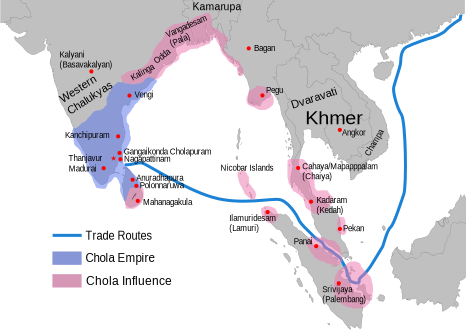
The rise of the Chola invasion leading to the conquest of Anuradhapura is a pivotal episode in South Asian history. During this period, the Chola Dynasty, under the leadership of Rajaraja Chola I, sought to expand its influence beyond the Indian subcontinent. The kingdom of Anuradhapura in Sri Lanka, known for its rich cultural and economic prosperity, became a prime target.
The background of this invasion is deeply rooted in the Cholas' ambition to control strategic maritime routes and to enhance their economic dominance in the Indian Ocean. The Chola military strategy was methodical, comprising a well-organized and disciplined army, reinforced by a formidable naval force. The Cholas were adept at utilizing advanced warfare techniques, which significantly contributed to their success.
The invasion triggered a series of conflicts, resulting in the decline of the Anuradhapura Kingdom, which had been a center of Sinhalese power for over a millennium. The Cholas were able to overpower the Anuradhapura defenses and capture the city, marking a critical juncture in Sri Lanka's history. The fall of Anuradhapura led to the establishment of Polonnaruwa as the new capital under Chola governance, thereby shifting the administrative and cultural nucleus of the island.
The impact of the Chola conquest extended beyond immediate political changes. It influenced the island's trade, architecture, and religious practices. The Cholas introduced South Indian styles of governance and infrastructure, which included temple-building projects and the imposition of Tamil administrative practices. This period also saw increased trade activities in the Indian Ocean, as the Chola rulers capitalized on their new territories to boost economic exchanges with other regions.
Relevant statistics from this period highlight the effective military campaigns carried out by the Cholas, with their reinforcements and strategic alliances contributing significantly to the invasion’s success. Additionally, the occupation fostered a period of cultural exchange between the Chola and Sinhalese civilizations, leaving a lasting imprint on Sri Lankan society.
#CholaDynasty #Anuradhapura #SriLankanHistory #SouthAsianHistory #MaritimeTrade #CulturalExchange #MoofLife
View details0982
Mahinda V became the ruler of Sri Lanka following a period marked by internal strife and external threats. His ascension to the throne was amid a backdrop of declining power for the Anuradhapura Kingdom. The kingdom, one of the most enduring in South Asian history, faced frequent invasions from South India, significantly draining its resources and diminishing its influence.
The power vacuum created by these invasions had left the kingdom vulnerable. Mahinda V succeeded his father, who had struggled to maintain control over the territory. Upon becoming king, Mahinda V faced the daunting task of stabilizing a nation in decline. His rule was characterized by the centralizing of authority and attempts to restore internal order.
One critical aspect of Mahinda V's reign was his approach to dealing with foreign adversaries. He had to navigate complex diplomatic relations, particularly with the Chola dynasty in South India, which continued to pressure the island kingdom. His strategies included forging alliances and, at times, paying tributes to avoid full-scale invasions. Despite his efforts, the kingdom's weakening military and economic state made it difficult to repel external forces effectively.
Mahinda V’s administration also saw efforts to sustain the cultural and religious life of the kingdom. Buddhism remained a central aspect of society, and he supported the construction and maintenance of Buddhist monasteries and temples. This support aimed to solidify his legitimacy and moral authority among the populace.
The infrastructure of the kingdom, notably the ancient irrigation systems, suffered neglect due to the ongoing conflicts and economic strains. This neglect led to decreased agricultural productivity, which further exacerbated the hardships faced by the citizens.
The influence of Mahinda V’s reign set the stage for significant transformations in the region. His inability to fully restore the kingdom’s former glory underscored the need for more robust and adaptive governance structures to withstand both internal and external pressures.
#MoofLife #SriLankanHistory #Monarchs #AnuradhapuraKingdom #MahindaV #SouthAsianHistory #HistoricalReigns
View details0477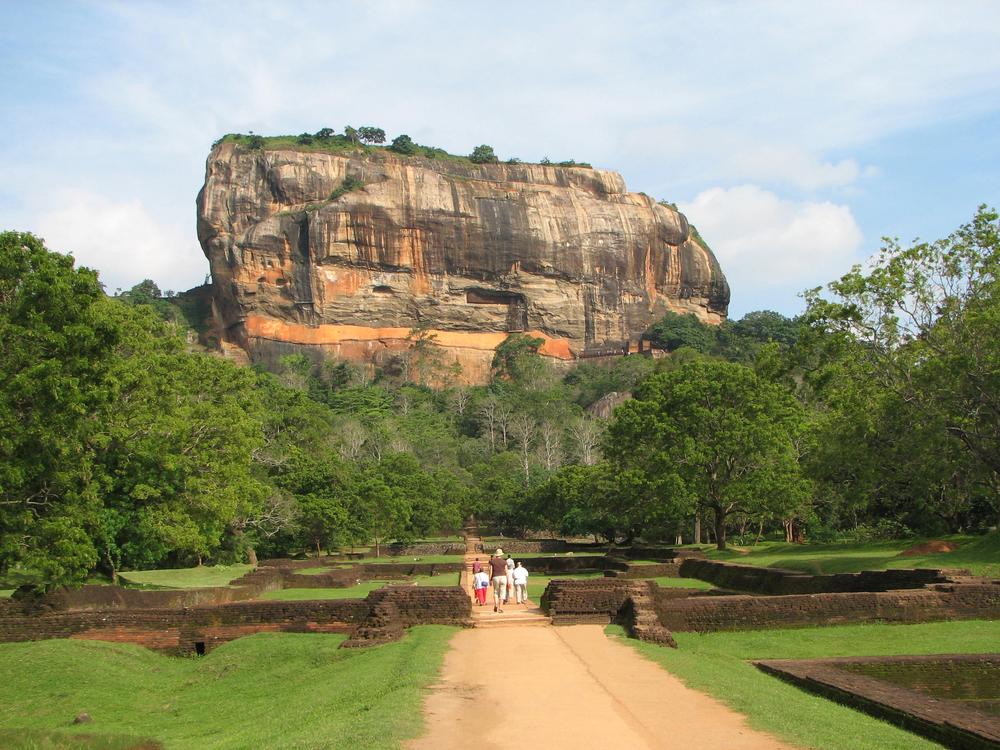
During a politically charged period in Sri Lanka's history, a dramatic power shift occurred when Kashyapa I, the king's son by a non-royal consort, usurped the throne from his father, King Dhatusena. Kashyapa's ambition was fueled by his desire for power and status, compounded by perceived injustices and marginalization due to his maternal lineage. This act of seizing power was not merely a familial betrayal but had significant ramifications for the kingdom's governance and stability.
King Dhatusena, who had reigned with considerable authority, had two sons: Moggallana, the rightful heir born of the royal consort, and Kashyapa. Despite being Dhatusena's offspring, Kashyapa's birth status placed him at a disadvantage in the line of succession. Driven by ambition and supported by factions within the military and the court, Kashyapa executed a coup to overthrow his father. To solidify his claim to the throne, Kashyapa imprisoned Dhatusena and eventually had him executed, an act that deeply scarred the monarchy's legacy.
Kashyapa's usurpation had immediate and long-lasting impacts on the island's socio-political landscape. Moggallana, the legitimate heir, fled to South India, biding his time to reclaim the throne, which promised prolonged unrest and conflict. During his reign, Kashyapa relocated the capital to Sigiriya, where he constructed an elaborate fortress and palace complex, utilizing advanced engineering and artistic skills. This move was not just a strategic military decision but also a statement of legitimacy and grandeur, designed to consolidate his power and deter any attempts at reclamation by Moggallana.
Despite these efforts, Kashyapa's rule remained fraught with challenges. His regime was often marked by internal strife, and his controversial rise to power left a legacy of division. The coup and subsequent actions by Kashyapa underline the complex interplay of personal ambition, legitimacy, and political power in Sri Lankan history.
In conclusion, Kashyapa I's seizing of the throne from King Dhatusena was a turning point that altered the course of Sri Lankan history, highlighting themes of ambition, power struggles, and the enduring impact of dynastic conflict.
#KashyapaI #Dhatusena #SriLankanHistory #RoyalCoup #PowerStruggle #Monarchy #MoofLife
View details