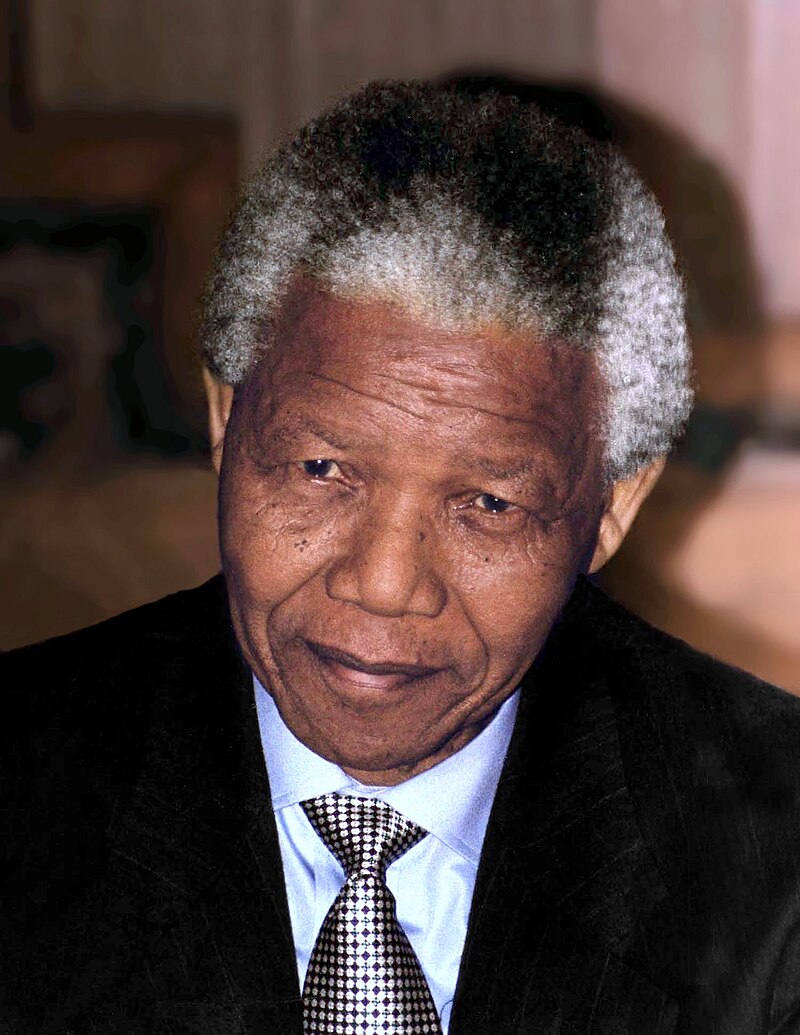
Nelson Mandela and 51 others infringe South Africa's curfew. make discription

Political
Freedom
4 min read
Updated By: History Editorial Network (HEN)
Published:
In 1952, Nelson Mandela, along with 51 other activists, engaged in a deliberate act of civil disobedience by infringing South Africa's strict curfew laws. This defiant action was part of the broader Defiance Campaign, a nonviolent protest initiated by the African National Congress (ANC) against the apartheid regime's oppressive policies. By intentionally breaking the curfew, Mandela and his fellow protesters aimed to challenge the system of racial segregation and discrimination that defined apartheid. This act of defiance was not just a violation of the law; it was a powerful statement against the unjust and inhumane practices that sought to control and marginalize the non-white population in South Africa.
Mandela's involvement in this campaign marked a significant step in his rise as a leader in the anti-apartheid movement. The infringement of the curfew was a strategic effort to draw international attention to the brutality of the apartheid system and to inspire widespread resistance within the country. The Defiance Campaign, with Mandela at its forefront, played a crucial role in mobilizing South Africans from all walks of life to stand up against the oppressive regime. This moment highlighted the courage and determination of Mandela and his fellow activists, who risked their freedom and safety in the pursuit of equality and justice. Their actions laid the groundwork for future struggles that would eventually lead to the dismantling of apartheid and the establishment of a democratic South Africa.
#NelsonMandela #AntiApartheid #CivilDisobedience #DefianceCampaign #SouthAfricanHistory #HumanRights #ResistanceMovement #Equality #Justice #MomentsOfLife #MoofLife_Moment #MoofLife

Explore the Life Moments of
 AI Twin