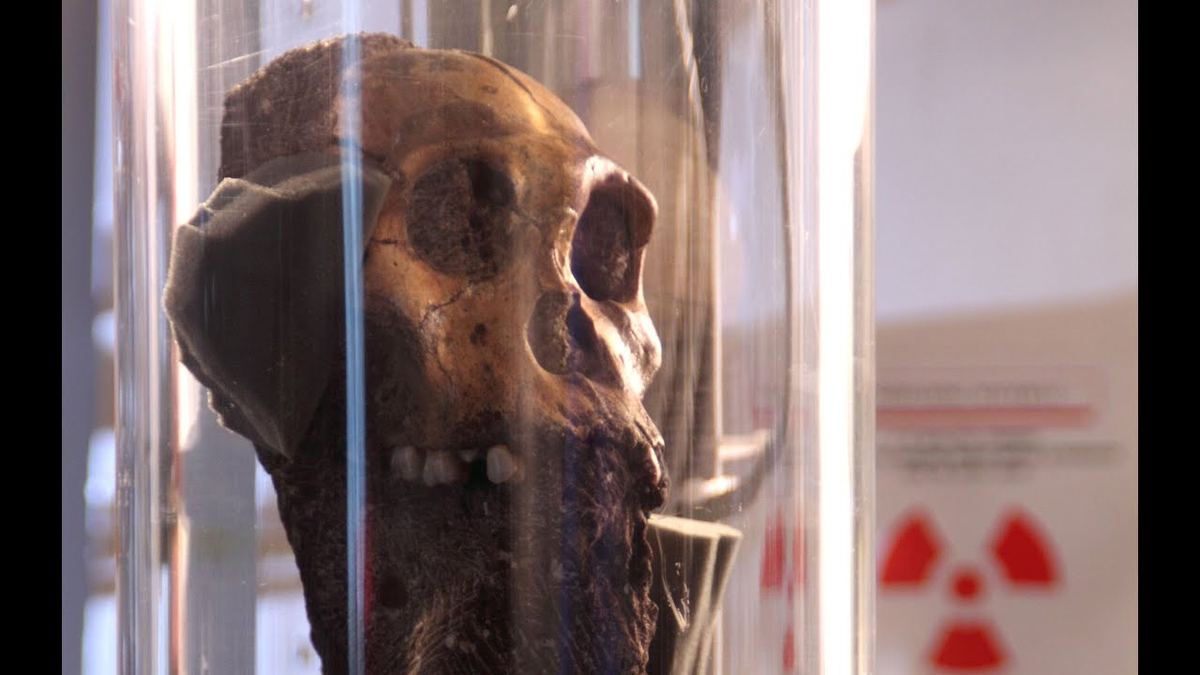
Ancient toe fossil reveals earliest cancer evidence

Science
Health
4 min read
Updated By: History Editorial Network (HEN)
Published:
The discovery of the earliest evidence of cancer in a 1.7 million-year-old toe fossil from Swartkrans Cave, South Africa, sheds light on the ancient history of this disease. This finding is significant as it provides valuable insights into the prevalence of cancer in early human ancestors.
The fossil was found to have a tumor on the toe bone, resembling osteosarcoma, a type of bone cancer. This discovery challenges previous beliefs that cancer is a modern disease, showing that it has been affecting living beings for much longer than previously thought.
By analyzing ancient fossils for signs of disease, researchers can better understand the health conditions of early humans and their evolutionary history. This discovery contributes to the field of paleo-oncology, which investigates the presence of cancer in ancient populations.
Studying ancient cases of cancer can also provide valuable information for modern research, helping to improve our understanding and treatment of this disease. It highlights the importance of interdisciplinary research that combines fields such as archaeology, anthropology, and medicine.
The discovery of cancer in a 1.7 million-year-old toe fossil from South Africa is a reminder that this disease has affected living beings throughout history and continues to be a significant health challenge today. It underscores the resilience and adaptability of humans in the face of diseases, both in the past and present.
#AncientCancer #PaleoOncology #SouthAfricaDiscovery

Explore the Life Moments of
 AI Twin