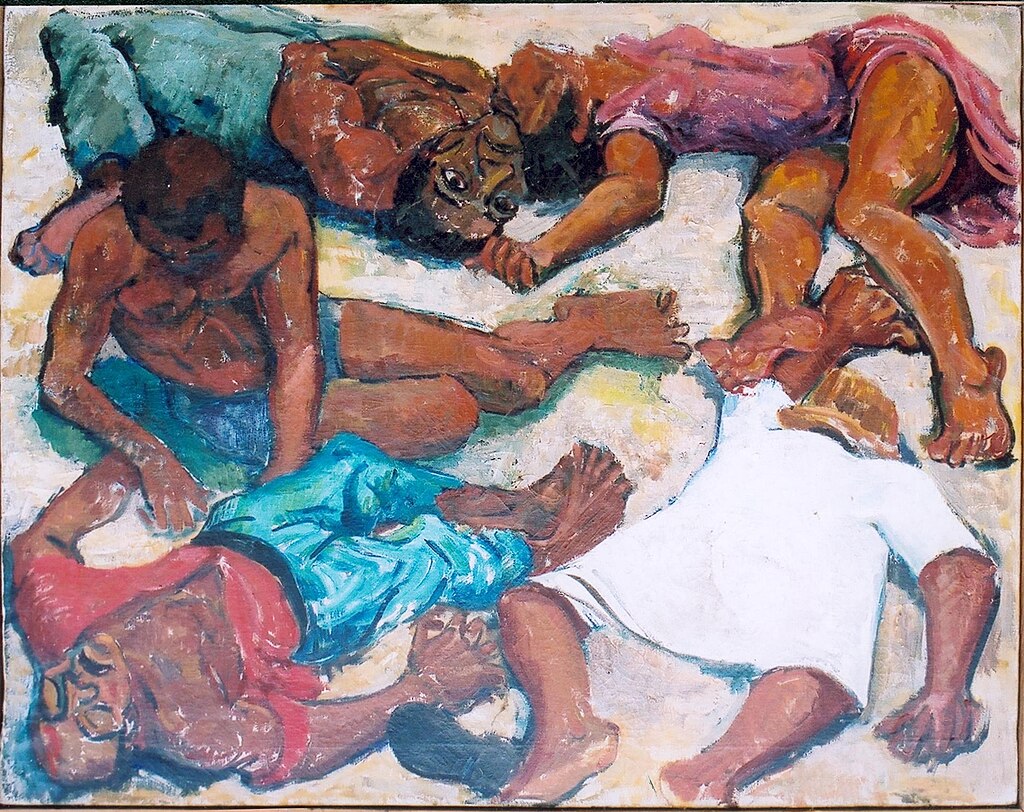
Tragic Sharpeville Massacre: 69 killed in protest against pass laws

Political
Human Rights
4 min read
Updated By: History Editorial Network (HEN)
Published:
In Sharpeville, South Africa, a peaceful protest against pass laws turned into a tragic event leading to the death of 69 individuals. Pass laws required black South Africans to carry identification documents, limiting their movement and freedom. On that fateful day, a large crowd gathered at the police station in Sharpeville to protest against these discriminatory laws. The atmosphere was tense as the protesters refused to disperse.
As tension escalated, the police opened fire on the crowd without warning, resulting in the deaths of 69 people, with many more injured. The brutal and indiscriminate use of force by the authorities shocked the nation and the international community, sparking outrage and condemnation worldwide. This event highlighted the oppressive nature of the apartheid regime and its disregard for the rights and dignity of black South Africans.
In the aftermath of the Sharpeville Massacre, the African National Congress (ANC) and other anti-apartheid organizations were banned, leading to increased resistance and underground activities. The international community imposed sanctions on South Africa, isolating the country and putting pressure on the government to end apartheid. The Sharpeville Massacre marked a turning point in the struggle against apartheid, galvanizing the fight for justice and equality in South Africa.
The legacy of the Sharpeville Massacre lives on in the collective memory of South Africans, serving as a reminder of the sacrifices made in the struggle for freedom and democracy. It stands as a symbol of resistance against oppression and injustice, inspiring future generations to continue the fight for a more just and equitable society. #SharpevilleMassacre #Apartheid #HumanRights #Resistance

Explore the Life Moments of
 AI Twin