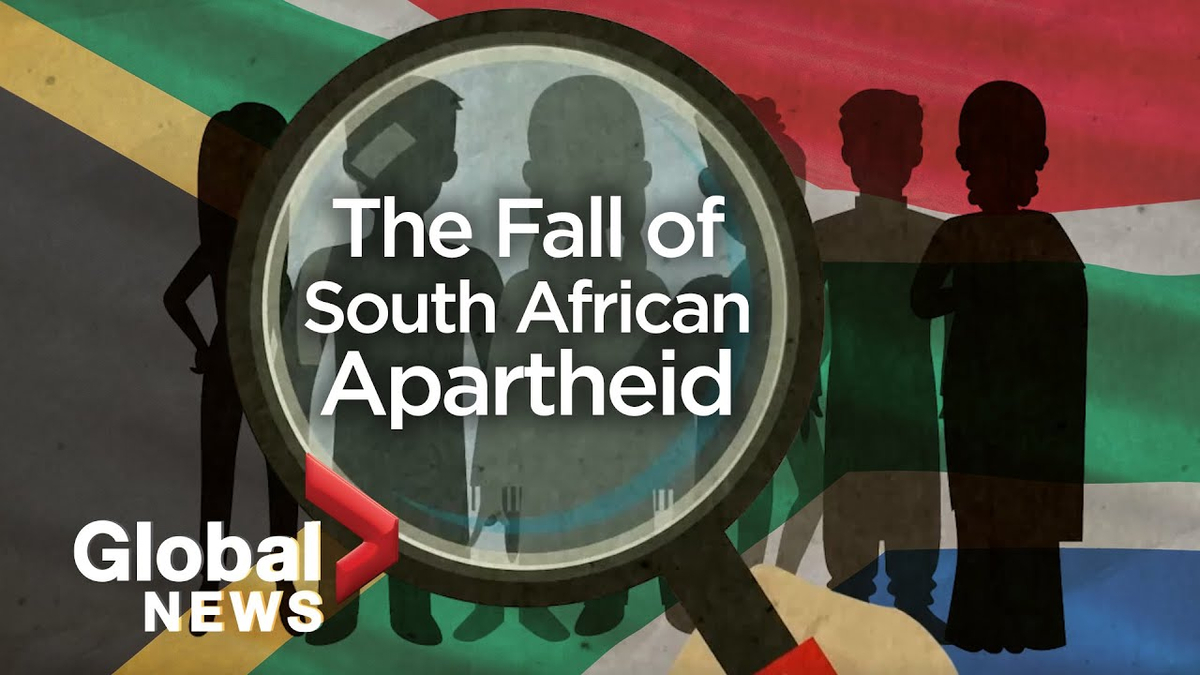
Peace Accords End Apartheid and Enable Elections
Political
Global Trade
4 min read
Updated By: History Editorial Network (HEN)
Published:
In April 1994, a historic event unfolded in South Africa as the Peace Accords were signed, bringing an end to apartheid and setting the stage for democratic elections. This marked a significant turning point in the country's history, symbolizing the culmination of years of struggle against institutionalized racial segregation and oppression.
The Peace Accords were the result of intense negotiations involving various political parties, including the African National Congress (ANC) led by Nelson Mandela and the National Party representing the white minority government. The agreement paved the way for the dismantling of apartheid laws and the establishment of a new constitutional framework that enshrined the principles of equality and democracy.
As a result of the Peace Accords, South Africa was able to conduct its first inclusive elections, where citizens of all races were able to participate. In those elections, Nelson Mandela emerged as the country's first black president, ushering in a new era of reconciliation and unity.
The impact of the Peace Accords was profound, not only in South Africa but also on a global scale. The peaceful transition from apartheid to democracy served as a beacon of hope and inspiration for oppressed peoples around the world, demonstrating the power of dialogue and negotiation in resolving conflicts.
The signing of the Peace Accords marked a new beginning for South Africa, as the country embarked on a journey towards healing and nation-building. The legacy of this historic event continues to resonate today, reminding us of the importance of pursuing peace, justice, and equality in the face of adversity.
#SouthAfrica #PeaceAccords #EndOfApartheid #DemocraticElections #NelsonMandela #Reconciliation

Explore the Life Moments of
 AI Twin