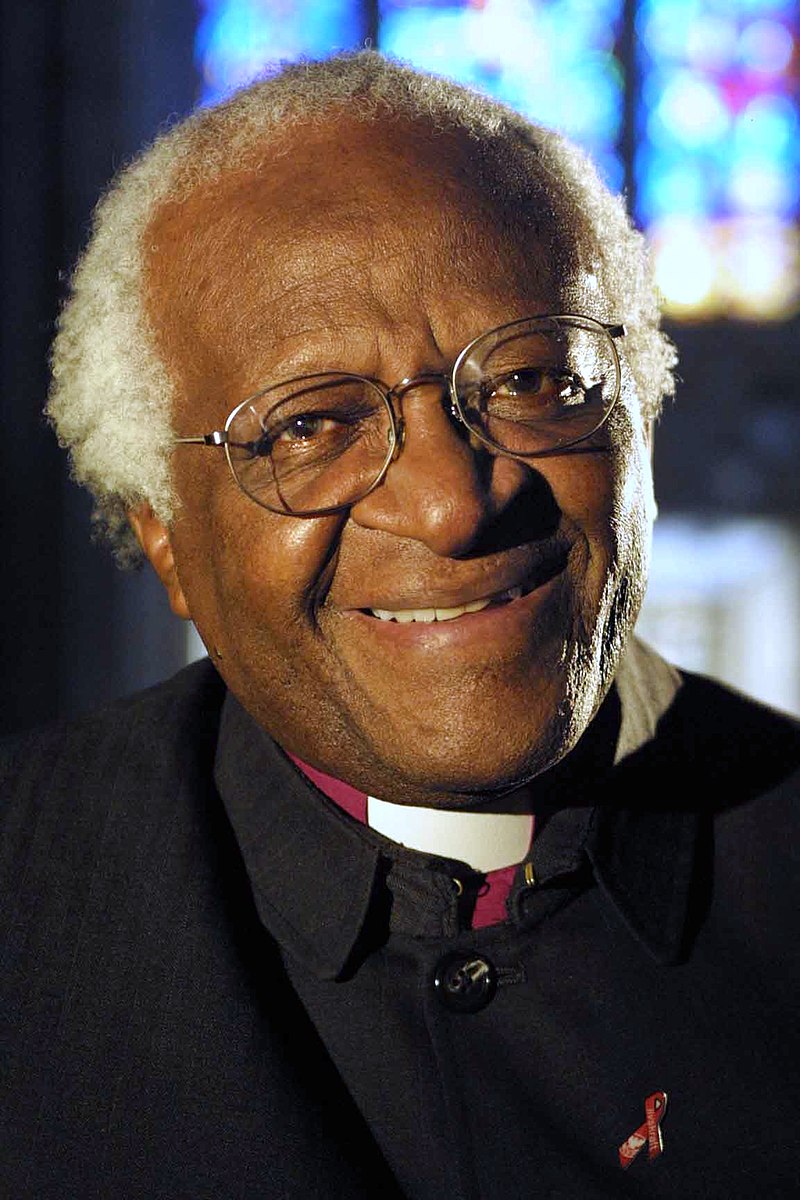
Archbishop Desmond Tutu wins the Nobel Peace Prize for his peaceful opposition to Apartheid.

Sustainability
Peace
NobelPrice
7 min read
Updated By: History Editorial Network (HEN)
Published:
On October 16, 1984, Archbishop Desmond Tutu was awarded the Nobel Peace Prize for his courageous and unwavering opposition to apartheid, South Africa’s institutionalized system of racial segregation and discrimination. Tutu's leadership and moral authority were instrumental in mobilizing both domestic and international resistance to apartheid, advocating for peaceful reconciliation rather than violent confrontation.
Early Life and Career
Desmond Mpilo Tutu was born on October 7, 1931, in Klerksdorp, South Africa. Initially trained as a teacher, he later turned to theology, becoming an Anglican priest in 1960. Tutu's deep religious conviction and commitment to social justice led him to become a prominent voice against apartheid.
Role in the Anti-Apartheid Movement
Tutu rose to international prominence in the 1970s and 1980s as a key figure in the anti-apartheid movement. As the Bishop of Lesotho, and later as the General Secretary of the South African Council of Churches, Tutu used his platform to denounce the injustices of apartheid. His message was clear: apartheid was a sin and needed to be dismantled through peaceful means. He called for economic sanctions and international pressure on the South African government, believing that these measures would force the regime to negotiate and end apartheid.
Nobel Peace Prize
The Nobel Committee awarded Tutu the Peace Prize in recognition of his role as a unifying figure in the campaign for racial equality in South Africa. The committee highlighted his “role as a unifying leader figure in the campaign to resolve the problem of apartheid in South Africa.” This award brought significant international attention to the anti-apartheid cause and further isolated the South African government.
Impact of the Nobel Prize
Receiving the Nobel Peace Prize greatly amplified Tutu’s influence and the anti-apartheid movement. It provided him with a larger global platform to advocate for the end of apartheid and to call for non-violent resistance and reconciliation. Tutu's approach was marked by his strong Christian faith and belief in forgiveness, which later played a crucial role in South Africa's transition to democracy.
Post-Nobel Activities
Following the award, Tutu continued to be a prominent figure in South Africa's journey towards democracy. He was appointed the Archbishop of Cape Town in 1986, becoming the first black person to lead the Anglican Church in South Africa. After the end of apartheid, President Nelson Mandela appointed Tutu to chair the Truth and Reconciliation Commission (TRC) in 1995. The TRC aimed to uncover the truth about human rights violations that occurred during the apartheid era and to promote national healing and reconciliation. Tutu's leadership in the TRC was characterized by his deep empathy and commitment to restorative justice.
Legacy
Archbishop Desmond Tutu's receipt of the Nobel Peace Prize cemented his legacy as a symbol of peace and justice. His unwavering stand against apartheid and his advocacy for non-violent resistance inspired many both within South Africa and globally. Tutu's emphasis on reconciliation, forgiveness, and human dignity continues to resonate as a powerful message of hope and moral integrity.
#MomentsOfLife #MoofLife_Moment #MoofLife #DesmondTutu #NobelPeacePrize #AntiApartheid #SouthAfricaHistory #PeacefulResistance #HumanRights

Explore the Life Moments of
 AI Twin