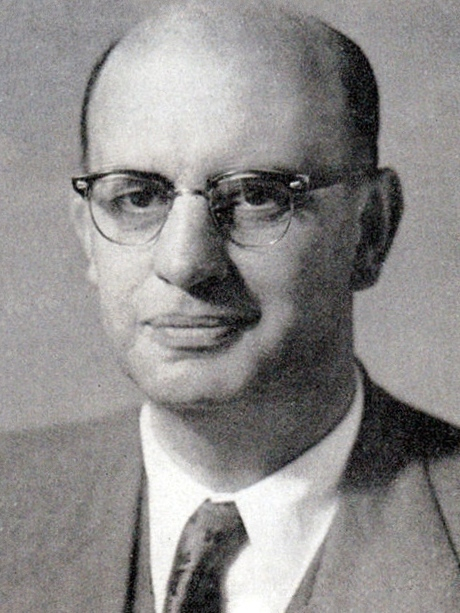
P. W. Botha is elected State President of South Africa

6 min read
Updated By: History Editorial Network (HEN)
Published:
Pieter Willem Botha, commonly known as P.W. Botha, was a pivotal figure in South African history. His election as State President on September 3, 1984, marked a significant moment in the country's complex political landscape, characterized by the enforcement and eventual unraveling of apartheid, the institutionalized system of racial segregation and discrimination.
Political Landscape Prior to Botha's Presidency
Before becoming State President, Botha had been serving as Prime Minister since 1978, succeeding John Vorster. During his tenure as Prime Minister, Botha implemented several policies aimed at preserving white minority rule, while also attempting to placate international criticism and internal unrest. His administration was known for its "total strategy" approach, which combined military force and reformist measures to maintain control.
Election as State President
Botha's election as State President came about following significant constitutional changes. The new constitution, enacted in 1983, established a Tricameral Parliament, which included separate houses for whites, coloureds (mixed-race people), and Indians, but notably excluded the black African majority. This system aimed to give a semblance of political representation to non-white groups while ensuring white dominance.
The office of State President replaced the ceremonial position with an executive role, combining the head of state and head of government. This shift effectively gave Botha unprecedented power. His election by the predominantly white electoral college was emblematic of the apartheid regime's reluctance to cede any real political power to the non-white population.
Botha's tenure saw intensified resistance from within and outside South Africa. The African National Congress (ANC) and other anti-apartheid organizations ramped up their efforts, leading to widespread protests, strikes, and civil disobedience. The government's response was typically harsh, involving violent crackdowns and states of emergency declared in 1985 and 1986.
Internationally, Botha's regime faced mounting pressure. Economic sanctions, diplomatic isolation, and cultural boycotts from countries and organizations worldwide highlighted the growing condemnation of apartheid. Despite Botha's efforts to reform and modernize apartheid, these measures only deepened South Africa's pariah status on the global stage.
P.W. Botha's election as State President of South Africa represents a crucial juncture in the nation's history. His tenure is a testament to the complexities of maintaining an oppressive regime in the face of inevitable change and the relentless pursuit of justice by those oppressed.
#MomentsOfLife #MoofLife_Moment #MoofLife #SouthAfricaHistory #ApartheidEra #PWBotha #PoliticalReform #ResistanceAndRepression

Explore the Life Moments of
 AI Twin