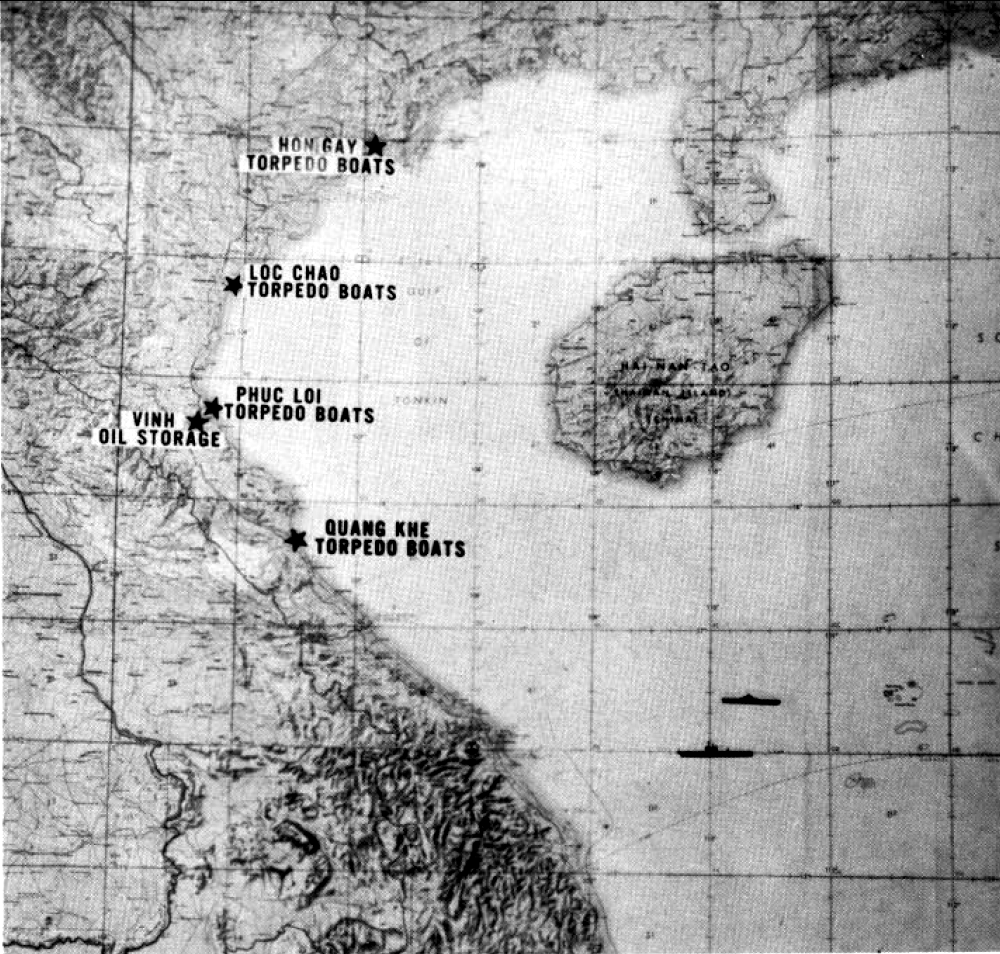
US bombing of North Vietnam in retaliation to alleged Gulf of Tonkin attacks.
Vietnam
Political
4 min read
Updated By: History Editorial Network (HEN)
Published:
In response to alleged attacks on US Navy ships in the Gulf of Tonkin, the US began bombing North Vietnam. This event intensified the US involvement in the Vietnam War. The Gulf of Tonkin incident, involving the USS Maddox and Turner Joy destroyers, led President Lyndon B. Johnson to authorize retaliatory airstrikes.
The bombing campaign aimed to cripple North Vietnam's infrastructure and military capabilities. Over time, it expanded to include ground troops and a prolonged conflict that lasted for years. The US military's operations in North Vietnam led to significant civilian casualties and widespread destruction.
The Gulf of Tonkin Resolution, passed by Congress in the aftermath of the incident, granted broad war powers to the President. This resolution paved the way for increased US military involvement in Vietnam and shaped the course of the conflict.
The bombing of North Vietnam marked a turning point in the Vietnam War, escalating the conflict and deepening the US commitment to the region. The decision to expand military operations had far-reaching consequences, both domestically and internationally.
The event highlighted the growing divide within American society over the war in Vietnam. It sparked protests and anti-war movements, challenging the government's rationale for continued military action. The bombing of North Vietnam underscored the complexities and controversies surrounding US foreign policy during the Vietnam War era.
#VietnamWar #GulfOfTonkin #USMilitaryInvolvement #AntiWarMovement

Explore the Life Moments of
 AI Twin