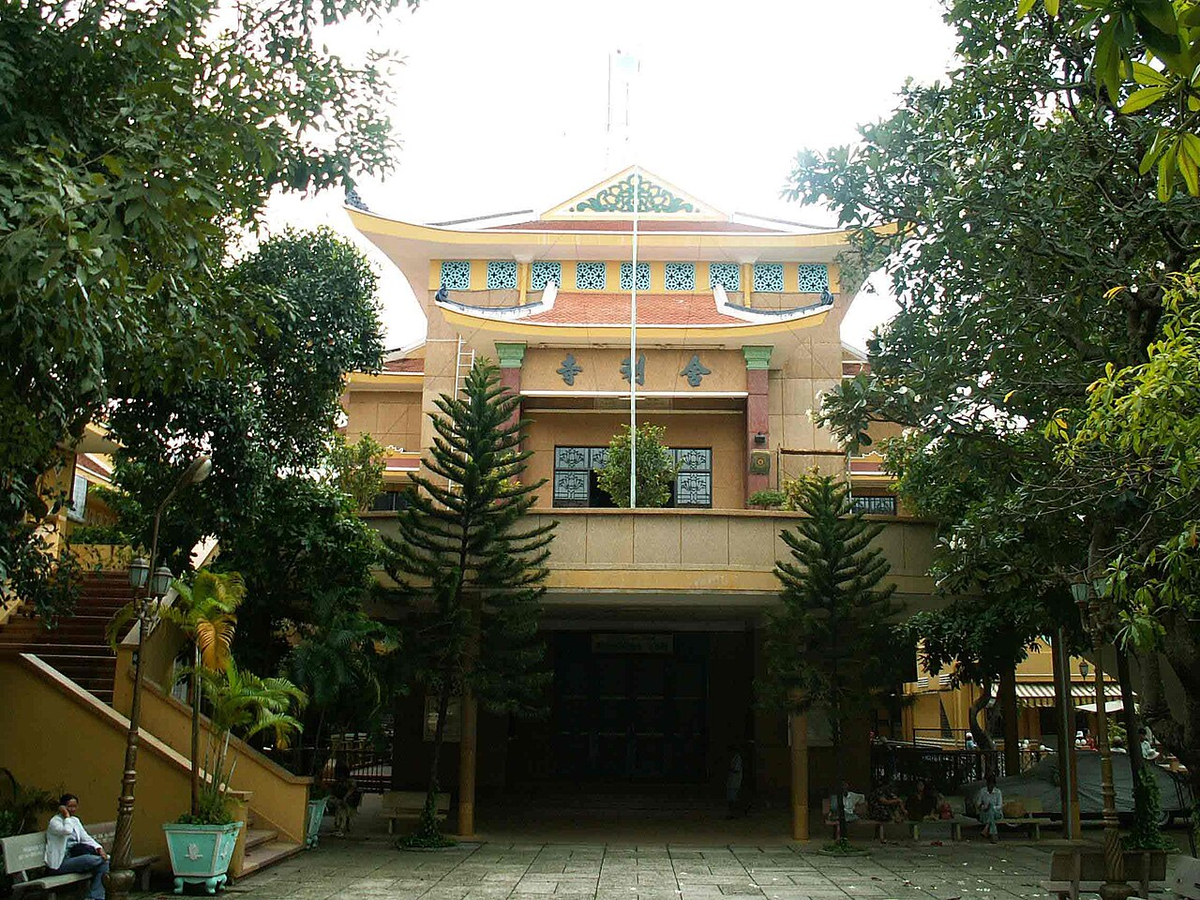
South Vietnam declares martial law after pagoda raids
Vietnam
Political
4 min read
Updated By: History Editorial Network (HEN)
Published:
Martial law was declared in South Vietnam after government forces raided Buddhist pagodas, leading to intensified tensions in the region. The ruling regime's crackdown on Buddhists sparked widespread protests and political unrest. The Buddhist community, feeling oppressed and marginalized, sought to challenge the authoritarian leadership, advocating for religious freedom and civil rights.
The government's heavy-handed response to the peaceful demonstrations further fueled public discontent and drew international attention to the escalating crisis. The imposition of martial law signaled a turning point in the struggle for democracy and social justice in South Vietnam. The authorities' repressive measures only served to galvanize the opposition, with activists and intellectuals joining forces to demand political reforms and an end to the oppressive regime.
In the aftermath of the raids on Buddhist pagodas and the declaration of martial law, the country plunged into a state of turmoil and uncertainty. The crackdown on dissent triggered a wave of resistance, with protests spreading across the nation. The events of that period laid bare the deep-seated grievances and divisions within Vietnamese society, exposing the fragility of the political system and the need for meaningful change.
The declaration of martial law in South Vietnam following the raids on Buddhist pagodas underscores the complex dynamics of power, religion, and dissent in the country's turbulent history. The episode serves as a reminder of the enduring legacy of resistance and resilience in the face of oppression and injustice.
#Vietnam #Buddhism #PoliticalUnrest #MartialLaw #Repression #Protests

Explore the Life Moments of
 AI Twin