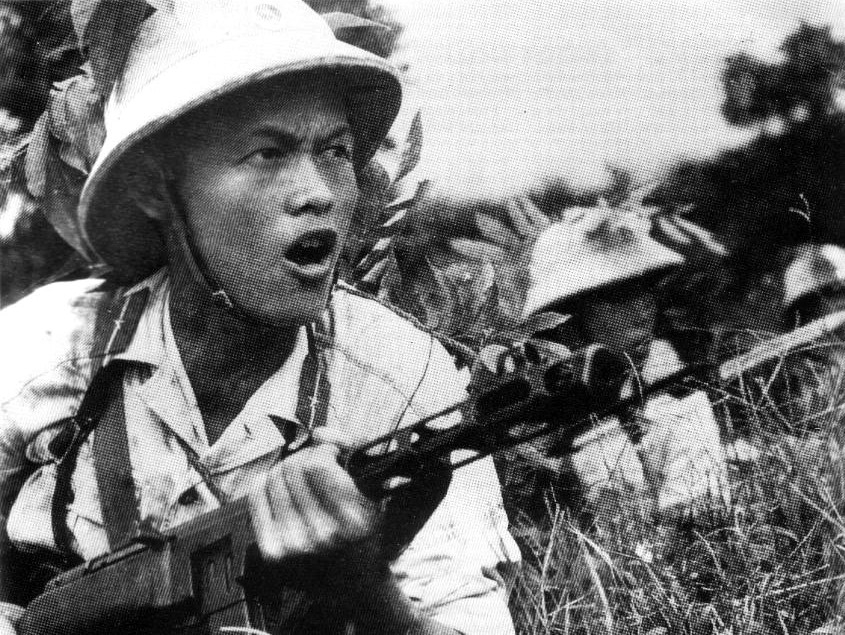
Formation of the National Liberation Front in South Vietnam
Vietnam
Political
Military
4 min read
Updated By: History Editorial Network (HEN)
Published:
Amid political turmoil in South Vietnam, the National Liberation Front (NLF), commonly known as the Viet Cong, was established. Comprised of Vietnamese communist forces and supporters of Ho Chi Minh, the NLF aimed to overthrow the South Vietnamese government and reunify the country under communist rule. The organization operated clandestinely, utilizing guerrilla tactics to combat the South Vietnamese military and their American allies.
The formation of the Viet Cong had a significant impact on the Vietnam War, escalating the conflict and prolonging the struggle for control of Vietnam. The NLF's presence posed a serious challenge to the stability of South Vietnam and hindered the efforts of the US-backed government to combat communist insurgency. The Viet Cong's tactics, which included ambushes, booby traps, and underground tunnels, proved difficult for conventional military forces to counter.
As the Viet Cong gained strength and support from the local population, their influence expanded throughout rural areas in South Vietnam. The NLF's propaganda efforts and promises of land reform resonated with many impoverished peasants, further fueling their resistance against the government in Saigon. This grassroots support enabled the Viet Cong to establish a widespread network of fighters and sympathizers, making them a formidable adversary in the conflict.
The formation of the Viet Cong marked a turning point in the Vietnam War, setting the stage for years of brutal fighting and bloodshed. The NLF's insurgency tactics challenged the conventional warfare strategies of the US and South Vietnamese forces, leading to a protracted and divisive conflict that would ultimately shape the course of Vietnamese history.
#VietnamWar #NationalLiberationFront #VietCong #GuerrillaWarfare

Explore the Life Moments of
 AI Twin