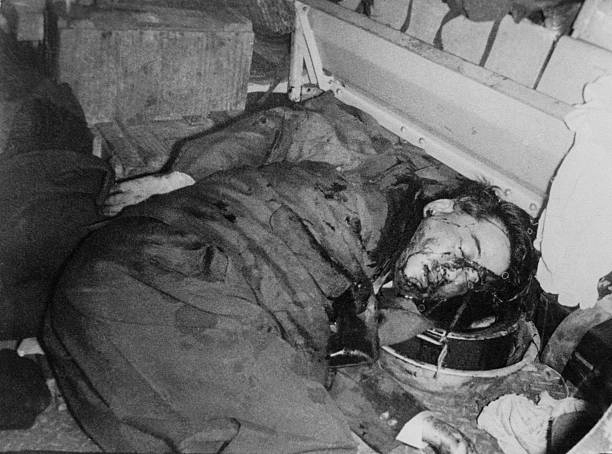
President of South Vietnam assassinated in military coup.
Vietnam
PoliticalEvent
4 min read
Updated By: History Editorial Network (HEN)
Published:
Ngô Đình Diệm, the President of South Vietnam, faced growing discontent due to his authoritarian rule and failure to address social, political, and economic issues. His favoritism towards the Catholic minority in a predominantly Buddhist country further fueled unrest. The Buddhist community, in particular, protested against Diệm's discriminatory policies, resulting in widespread demonstrations and international criticism.
Amidst this turmoil, a group of South Vietnamese Army officers orchestrated a coup to overthrow Diệm's government. The coup culminated in Diệm's capture and subsequent assassination, marking the end of his presidency. The military junta that took control pledged to institute reforms and restore stability in the country.
The assassination of Diệm sent shockwaves through South Vietnam, exacerbating the existing political turmoil and leading to continued instability. The removal of Diệm did little to quell the growing opposition to the government, as various factions vied for power in the ensuing power vacuum. The assassination also had broader implications, sparking further military interventions and political upheaval in the region.
Ultimately, the overthrow and assassination of Ngô Đình Diệm irrevocably altered the political landscape of South Vietnam, setting the stage for increased conflict and instability in the years to come. The event underscored the deep-seated tensions within Vietnamese society and the challenges of governance in a country torn by internal strife and external influences.
#NgôĐìnhDiệm #SouthVietnam #Coup #Assassination #PoliticalUnrest #MilitaryIntervention #Instability #HistoricalEvent #VietnamWar

Explore the Life Moments of
 AI Twin