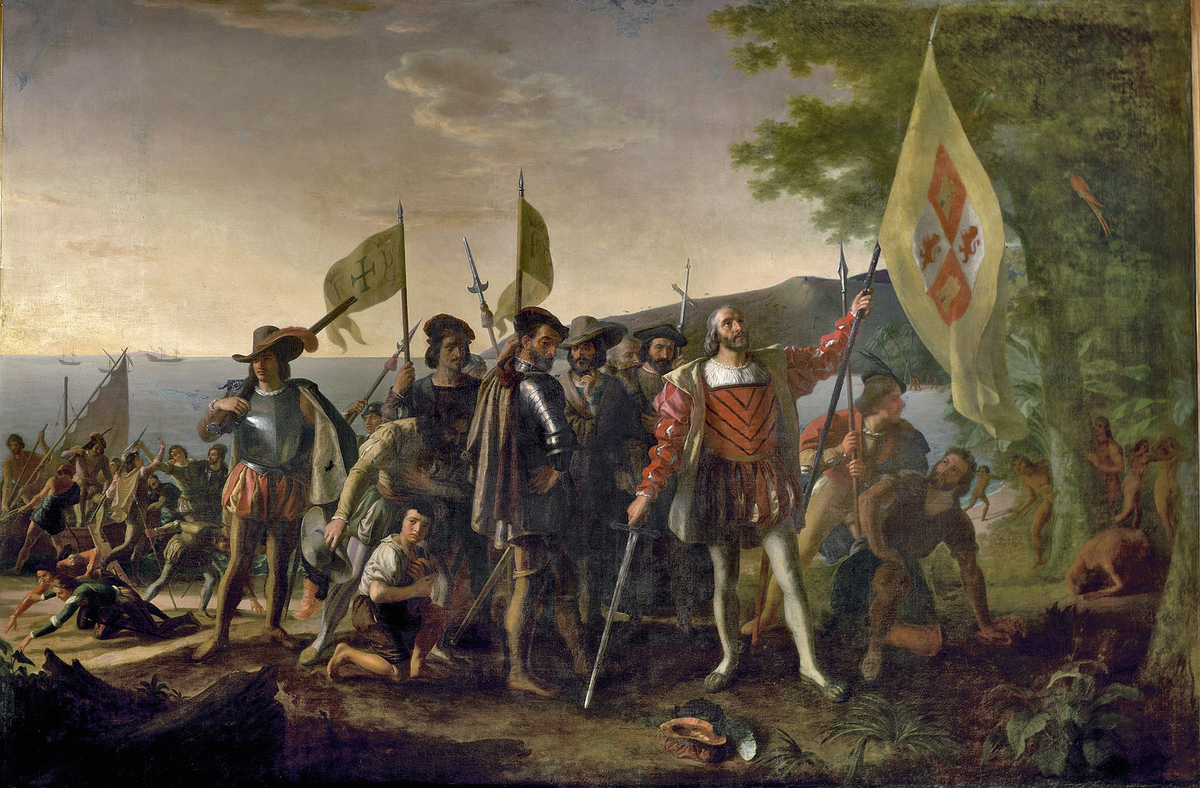
Christopher Columbus reaches South America near Orinoco River mouth.
Venezuela

Exploration
4 min read
Updated By: History Editorial Network (HEN)
Published:
In a momentous expedition, Christopher Columbus reached the shores of South America at the mouth of the Orinoco River, marking his first landing in this region. The Italian explorer, sailing under the flag of the Spanish Crown, had set out to find a westward route to Asia but found himself on the shores of the continent unknown to Europe at the time. Columbus and his crew stepped onto the land of what is now modern-day Venezuela, greeted by the lush vegetation and the flowing waters of the Orinoco River.
This pivotal event not only expanded the understanding of the world's geography but also paved the way for further European exploration and colonization of the Americas. The arrival of Columbus in South America heralded the beginning of significant interactions between the indigenous peoples of the continent and European powers. It initiated a period of exploration, conquest, and colonization that would forever alter the course of history in the region.
The encounter at the Orinoco River was a prelude to the wave of Spanish colonization that would follow in the years and decades to come, bringing about profound changes in the cultures, societies, and landscapes of South America. The impact of Columbus's landing would resonate through the centuries, shaping the identity and trajectory of the nations that would emerge in the wake of European arrival.
The event of Christopher Columbus landing in South America near the Orinoco River stands as a key moment in the history of exploration and colonization, highlighting the interconnectedness of nations and the enduring legacy of discovery and conquest. It symbolizes the collision of worlds and the complex legacies that continue to shape the region to this day.
#ChristopherColumbus #SouthAmerica #OrinocoRiver #Exploration #Colonization #Venezuela
Explore the Life Moments of
 AI Twin