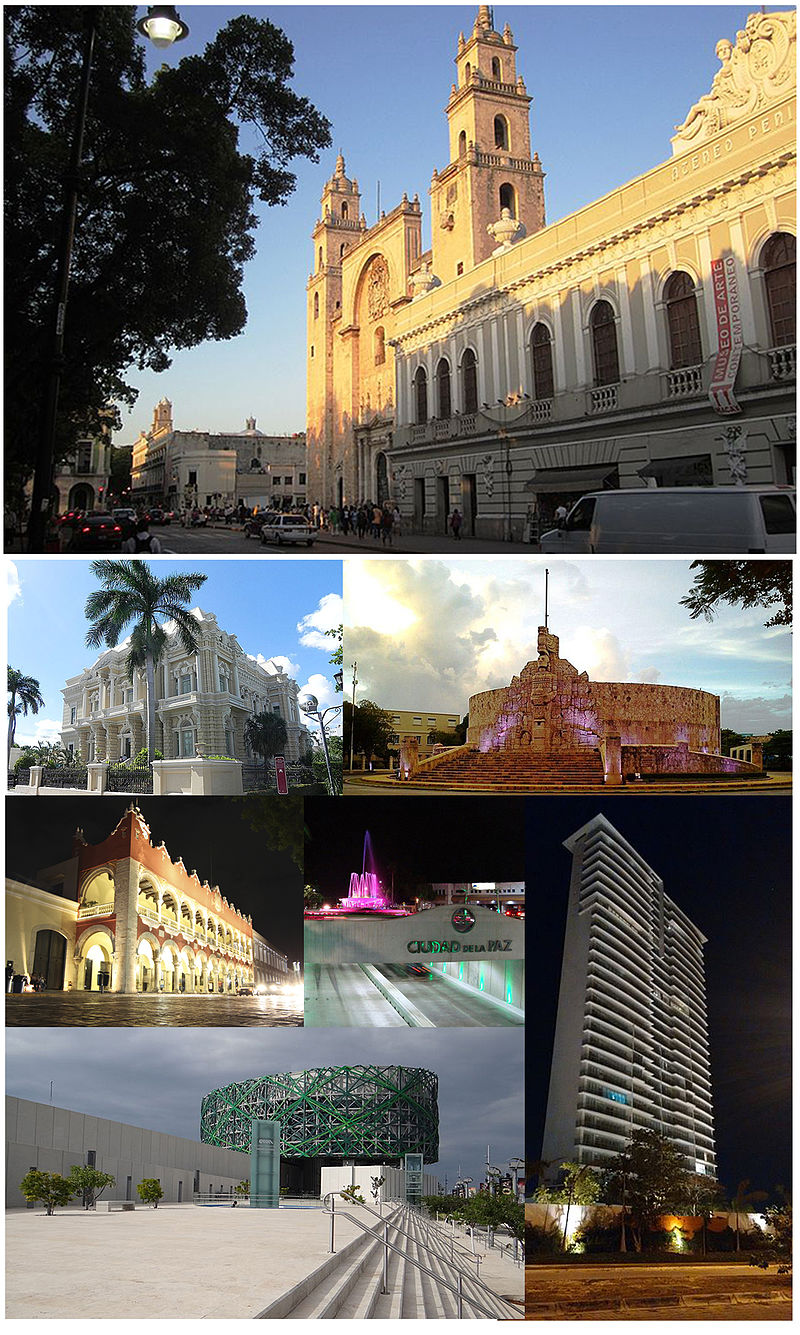
The Founding of Mérida City
Venezuela

Culture
4 min read
Updated By: History Editorial Network (HEN)
Published:
In 1542, the expedition led by Captain Juan Rodríguez Suárez reached the land of the Yucatan Peninsula, where they established the city of Mérida. Named after the Spanish city of the same name, Mérida became the capital of the Yucatan region and played a significant role in the Spanish conquest of the area. The city was strategically located near important Mayan settlements and quickly became a center of Spanish influence in the region.
The establishment of Mérida brought about significant changes to the area, as the Spanish introduced new laws, customs, and language to the indigenous populations. The city served as a base for further expeditions into the surrounding areas, leading to the expansion of Spanish control over the Yucatan Peninsula. Additionally, Mérida became a hub for trade and commerce, attracting settlers from Spain and other parts of the region.
Over time, Mérida grew into a prosperous city, with impressive colonial architecture and a rich cultural heritage that blended Spanish and indigenous influences. The city's economy thrived, thanks to its strategic location and the resources available in the surrounding area. Mérida also became known for its vibrant arts and music scene, attracting artists and musicians from all over.
Today, Mérida stands as a testament to the enduring legacy of Spanish colonization in the region. The city's historical importance is evident in its well-preserved architecture, museums, and cultural festivals that celebrate its heritage. #Mérida #SpanishColonization #YucatanPeninsula #ColonialHistory
Explore the Life Moments of
 AI Twin