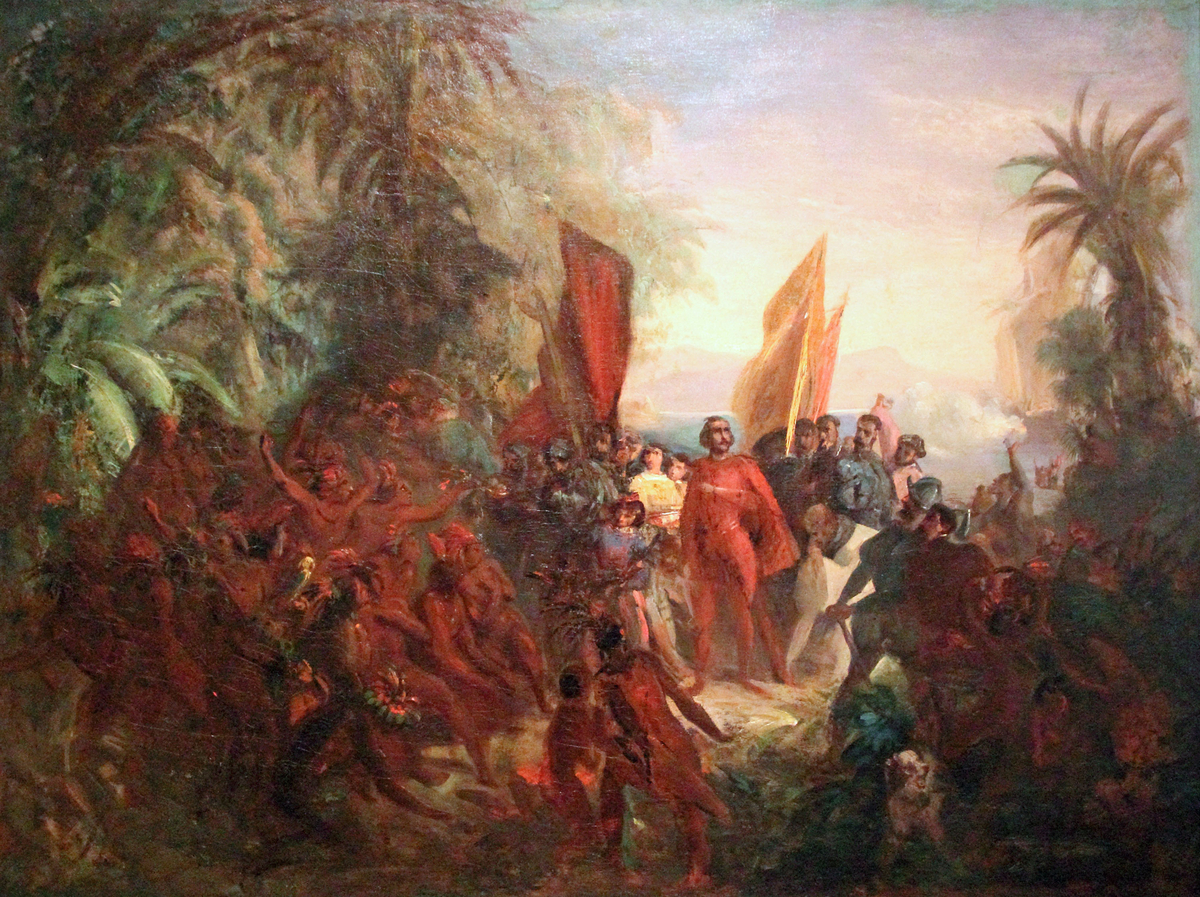
Spanish colonization commences in South America's Venezuela region.
Venezuela

Cultural Heritage
4 min read
Updated By: History Editorial Network (HEN)
Published:
In the early 16th century, Spanish colonization of Venezuela commenced with the arrival of Spanish explorers led by Alonso de Ojeda. The expedition set foot on the northern coast, marking the beginning of European presence in the region.
The Spanish colonization of Venezuela had a profound impact on the indigenous populations, leading to conflicts over territory, resources, and ultimately the subjugation of native tribes. The Spanish sought to exploit the land for its riches, particularly gold, leading to the establishment of mining operations and plantations.
Under Spanish rule, Venezuela became a key outpost of the Spanish Empire in South America, attracting settlers and traders eager to capitalize on the abundant resources of the land. The Spanish implemented encomienda systems, forcing indigenous people into labor and converting them to Christianity.
The arrival of the Spanish also brought diseases that devastated the native populations, leading to a significant decline in their numbers. The impact of colonization was far-reaching, shaping the culture, economy, and society of Venezuela for centuries to come.
The Spanish colonization of Venezuela laid the foundation for the country's modern identity, blending indigenous, African, and European influences. Despite the hardships endured by indigenous peoples, their resilience and cultural heritage have endured, contributing to Venezuela's rich multicultural tapestry.
Today, remnants of the Spanish colonial era can be seen in Venezuela's architecture, language, and traditions, serving as a reminder of the country's complex history and the enduring legacy of colonization.
#SpanishColonization #VenezuelanHistory #CulturalHeritage.
Explore the Life Moments of
 AI Twin