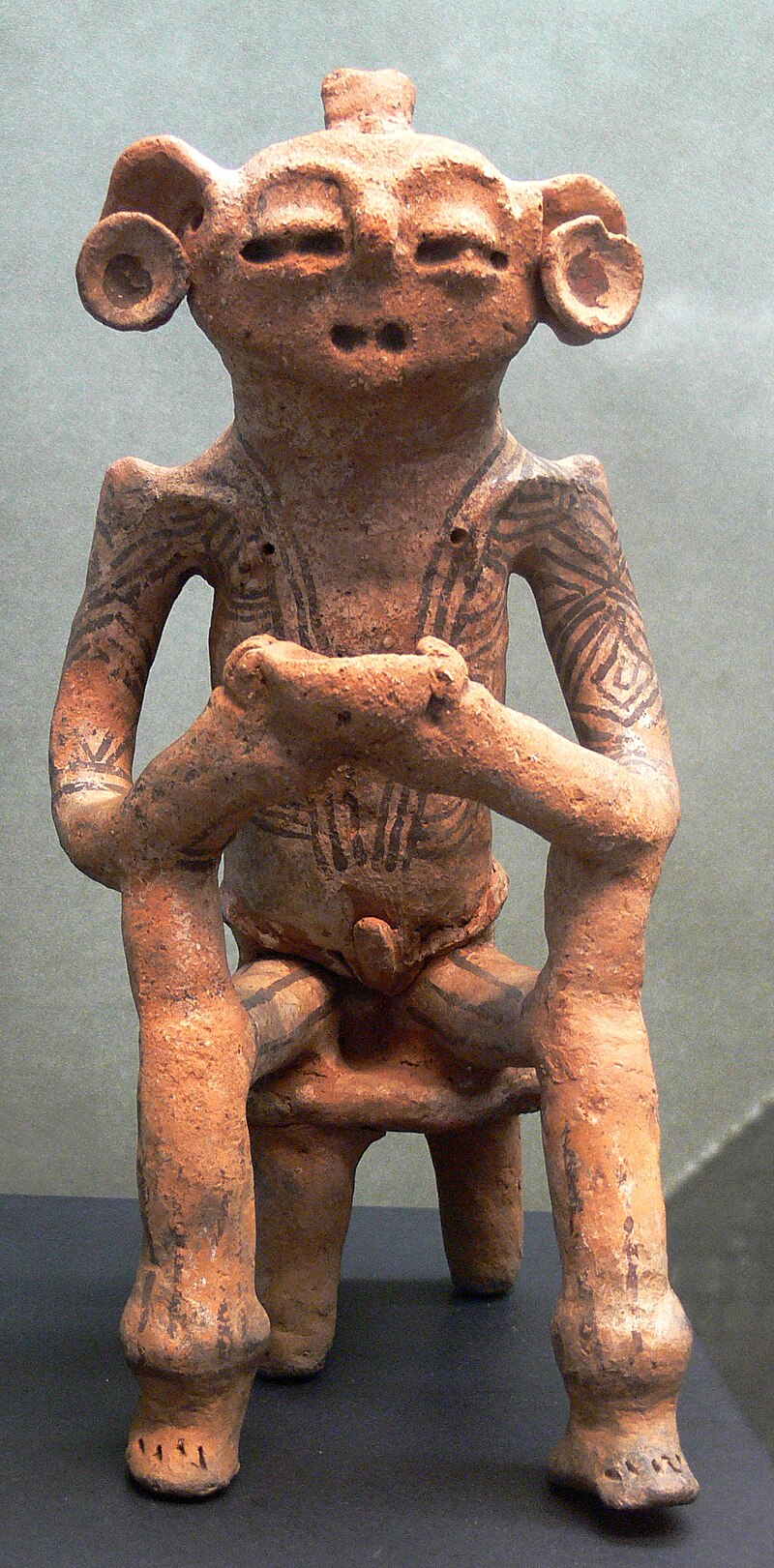
Ancient Timoto-Cuica Culture in the Andes Region
Venezuela
Culture
4 min read
Updated By: History Editorial Network (HEN)
Published:
The establishment of the Timoto-Cuica culture in the Andes region of Venezuela marked a pivotal moment in the history of the indigenous peoples of South America. The Timoto-Cuica were one of the most advanced pre-Columbian cultures in the region, known for their sophisticated agricultural techniques, complex religious beliefs, and skilled craftsmanship.
Living in the Andean highlands, the Timoto-Cuica people built terraced fields for farming maize, beans, and squash. They also developed intricate irrigation systems to support their crops, demonstrating their advanced knowledge of engineering and agriculture. Additionally, the Timoto-Cuica were skilled in pottery and textile production, creating beautiful ceramics and fabrics that were traded throughout the region.
The cultural impact of the Timoto-Cuica extended beyond their technological achievements. They had a rich spiritual life, worshipping a pantheon of deities and practicing elaborate rituals. Their religious beliefs were intertwined with their agricultural practices, reflecting a deep connection to the natural world.
Despite their cultural achievements, the Timoto-Cuica culture faced challenges from European colonization. Spanish conquistadors arrived in the region in search of gold and resources, leading to conflicts with the indigenous populations. The arrival of European diseases also had a devastating impact on the Timoto-Cuica people, reducing their population significantly.
Today, the legacy of the Timoto-Cuica culture lives on in the traditions and customs of the indigenous communities in the Andean region of Venezuela. Their agricultural techniques, artistic achievements, and spiritual beliefs continue to influence the cultural landscape of the area, reminding us of the rich heritage of the indigenous peoples of South America.
#TimotoCuica #AndesRegion #VenezuelanHistory
Explore the Life Moments of
 AI Twin