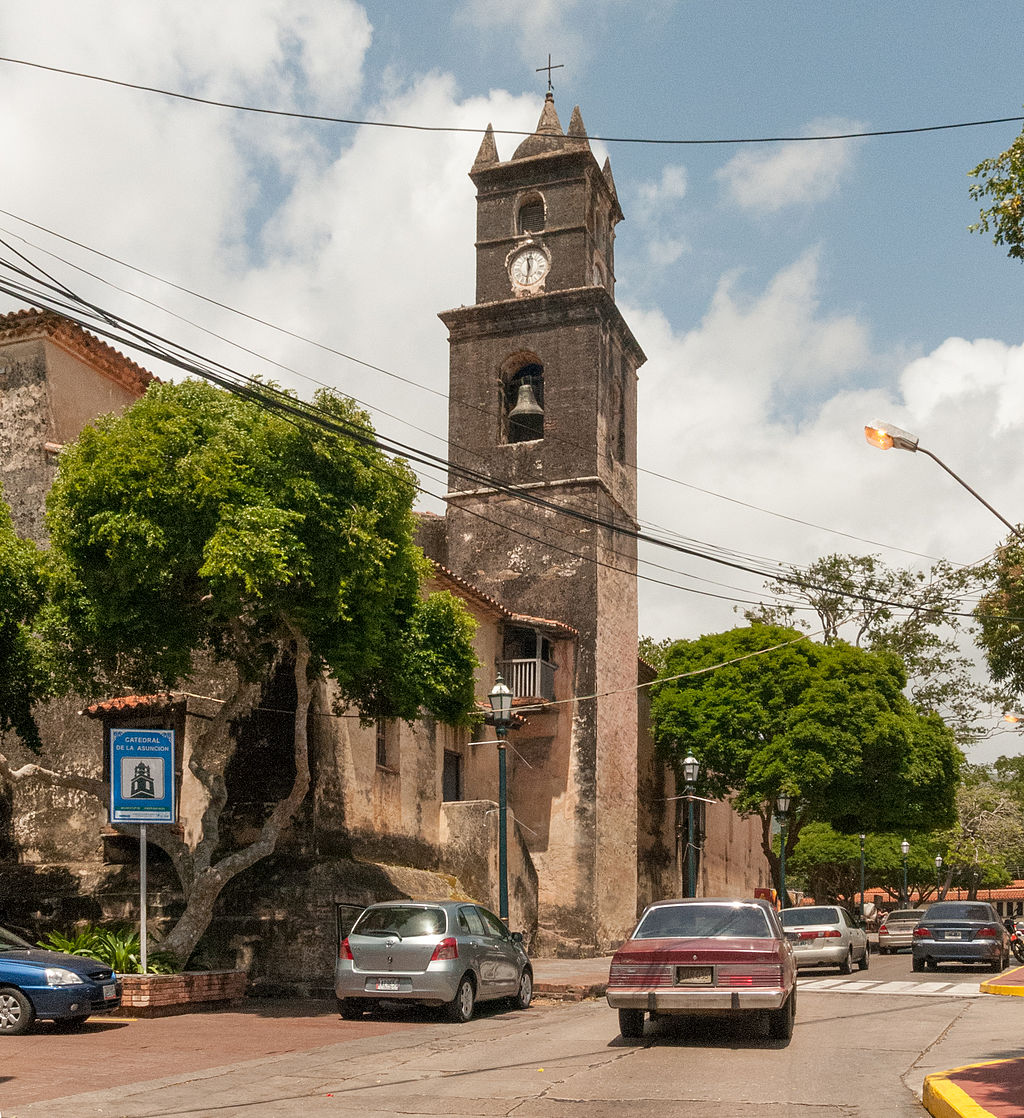
Establishment of La Asunción town on Margarita Island
Venezuela
Political
4 min read
Updated By: History Editorial Network (HEN)
Published:
In 1565, the town of La Asunción was founded on Margarita Island, off the coast of Venezuela. This historic event was a significant milestone in the Spanish colonization of the region, as it served as a strategic outpost for the Spanish Empire in the Caribbean.
The foundation of La Asunción was part of the broader effort by the Spanish to establish control over the valuable resources and trade routes in the Caribbean. The town quickly grew in importance due to its strategic location and its function as a hub for trade and administration in the region. La Asunción became a key center for military operations, as well as for the dissemination of Spanish culture and influence in the New World.
The impact of the founding of La Asunción was profound, as it helped solidify Spanish control over Margarita Island and the surrounding areas. The town played a crucial role in the economic and political development of the region, serving as a base for expeditions and conquests in the Caribbean and South America.
Over the centuries, La Asunción continued to be an important center of economic activity, with agriculture, fishing, and trade driving its growth. The town also became known for its colonial architecture, including the iconic Santa Rosa Castle, which still stands as a testament to its storied past.
Today, the town of La Asunción remains a vibrant cultural and historical center, attracting visitors from around the world to its picturesque streets and historic sites. The foundation of La Asunción on Margarita Island stands as a testament to the enduring legacy of Spanish colonialism in the Caribbean and its lasting impact on the region's history and culture.
#SpanishColonization #CaribbeanHistory #ColonialLegacy #VenezuelanHistory

Explore the Life Moments of
 AI Twin