
Sudan

The Land of the Nubian Pyramids
Related Lives

Angola
Land of contrasts, from bustling cities to breathtaking landscapes.

Roman Republic
Res Publica Romana

President of the Republic of Panama
Head of the State

Liechtenstein
The Jewel of the Alps

Andorra
Hidden Gem of the Pyrenees

Turkey
The Land of Singing Trees
Angola
Land of contrasts, from bustling cities to breathtaking landscapes.

Cape Verde
Jewel of the Atlantic

1884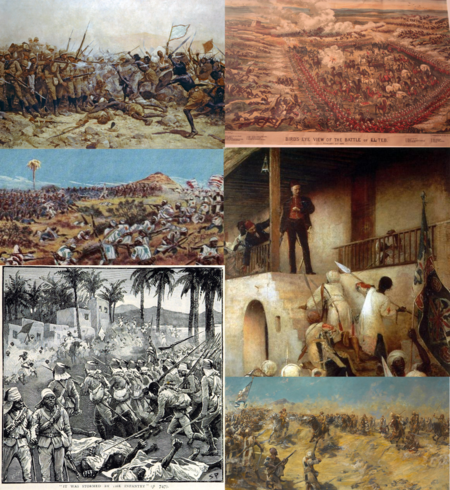
The initiation of the Siege of Khartoum marked a pivotal moment in Sudanese history. British-Egyptian forces were pitted against the Mahdist forces, led by Muhammad Ahmad, known as the Mahdi, who claimed to be the prophesied redeemer of Islam. The Mahdist movement sought to overthrow Ottoman-Egyptian rulers and establish an Islamic state.
Khartoum, situated at the confluence of the Blue and White Nile, was the administrative center and a strategic node for controlling Sudan. Its defense was critical to maintaining British-Egyptian authority in the region. General Charles Gordon, a British army officer and governor-general of Sudan, was tasked with orchestrating the city's defense. With its fortifications and supply lines well-established, Khartoum seemed prepared for a prolonged conflict.
However, the Mahdist forces, numbering in the tens of thousands, besieged the city with rigorous determination. The siege led to severe shortages of food and medical supplies among Khartoum's defenders and residents, contributing to deteriorating conditions within the city walls. The Mahdist forces gradually tightened their grip, cutting off any potential routes for supplies or reinforcements.
Repeated appeals for reinforcements from Britain were delayed, exacerbating the situation. The British government's hesitation was partly due to the complexities of its colonial policies and partly due to political considerations back in Britain. Public opinion was divided about the necessity and justification of intervening in Sudan.
After enduring approximately 10 months of relentless siege, the defenses of Khartoum faltered. The Mahdist forces breached the city, leading to its fall. General Gordon was killed in the ensuing chaos, and the Mahdists established control over Khartoum. The fall of Khartoum had significant implications, reflecting the Mahdist uprising's potency and the challenges faced by colonial powers in maintaining control over distant territories.
The siege underscored the complexities of colonial dominion, indigenous resistance, and the often-devastating human cost of conflict. The immediate aftermath saw the consolidation of Mahdist power in Sudan, which persisted until the eventual reconquest by British forces years later.
#KhartoumSiege #ColonialHistory #MahdistWar #SudanConflict #HistoricalEvent #MoofLife
View detailsThe siege and fall of Khartoum was a critical event in the conflict between Mahdist forces and the Khedivate of Egypt, subsequently impacting British colonial interests. Khartoum, the administrative center of the Egyptian Sudan held strategic and symbolic importance. Muhammad Ahmad, self-proclaimed Mahdi, led a religious and military campaign against Sudan's Egyptian rulers, seeking to establish a theocratic state based on Islamic principles.
The conflict escalated when Muhammad Ahmad’s followers, known as the Mahdists, began to capture key towns across Sudan. The Khedive of Egypt's rule was increasingly contested, leading to chaos in the region. British General Charles Gordon was appointed to oversee the defense and evacuation of Khartoum’s inhabitants. However, Gordon opted to fortify the city and make a stand against the advancing Mahdists.
As Mahdist forces laid siege to Khartoum, the city faced severe shortages of food and military supplies. The defenders, comprising Egyptian soldiers and local inhabitants, were vastly outnumbered by the Mahdist army. Despite calls for reinforcements, British military support was delayed, a subject of much controversy back in the United Kingdom. Newspapers and public opinion were fervent about Gordon's heroism, yet questioned the political and military decisions of their leaders.
Providing little relief, the siege continued unabated. After several months of encirclement, the Mahdist forces launched their final assault on Khartoum. They breache
View details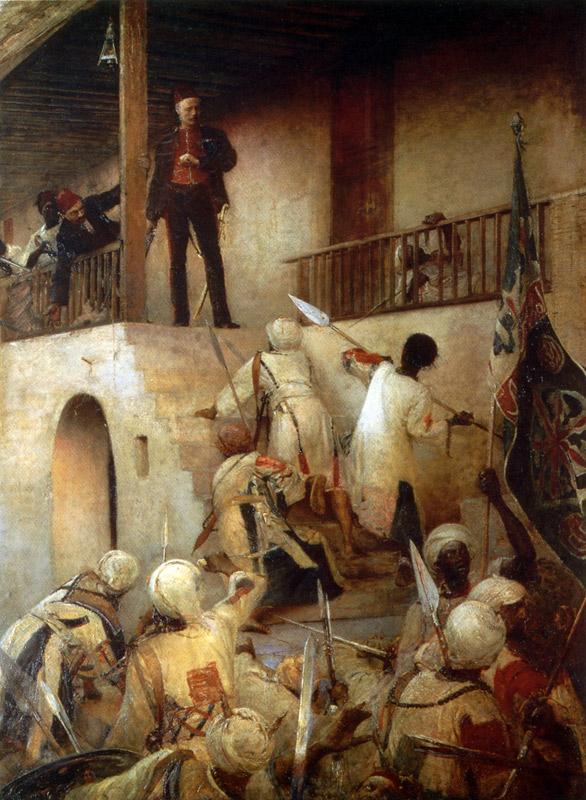
1881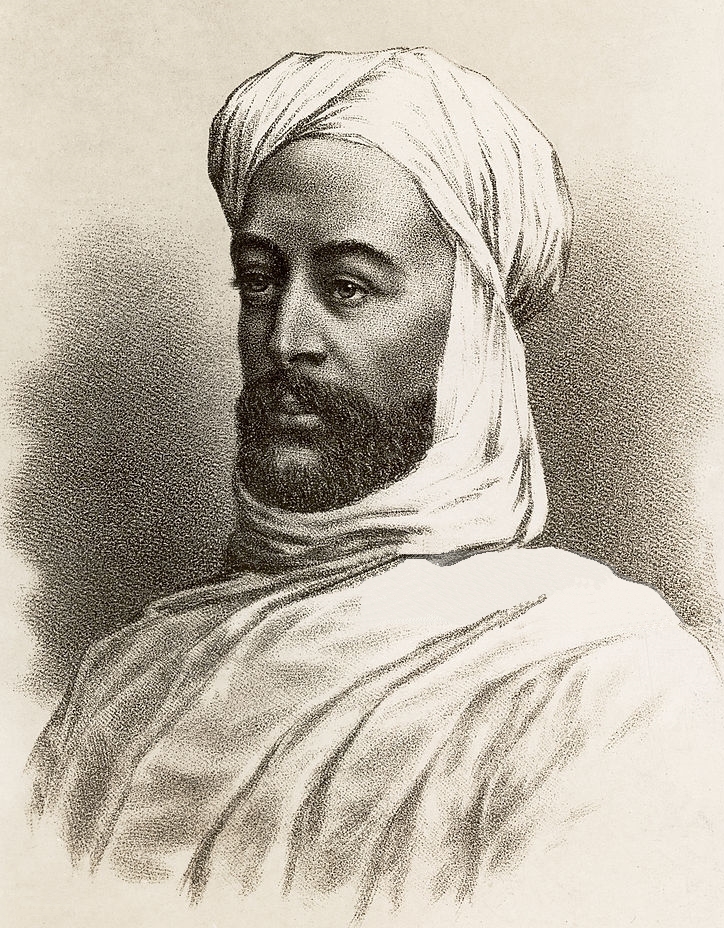
Muhammad Ahmad declared himself the Mahdi of Sudan. Raised in Sudanese society shaped by Islamic traditions, Ahmad was well-versed in religious teachings. He had spent years training as a carpenter while gaining knowledge in Islamic jurisprudence and Sufism. His claim came at a time of significant social and political unrest, marked by discontentment with the Turco-Egyptian administration that ruled Sudan.
The announcement by Ahmad mobilized a broad spectrum of Sudanese society. His assertion of being the Mahdi, an Islamic messianic figure, resonated deeply with those who were disillusioned by the oppressive and exploitative practices of the governing authorities. These practices included heavy taxation, forced labor, and exploitative trade practices. The socio-economic hardships faced by the Sudanese people amplified their support for a unifying cause that promised justice and the establishment of a righteous Islamic state.
Ahmad's movement rapidly gained momentum, attracting thousands of followers known as the Ansar. They shared a unified goal of overthrowing the Turco-Egyptian rule. Ahmad's religious authority provided legitimacy to the cause, and his leadership galvanized a powerful resistance. This uprising marked the beginning of what would be a significant challenge to the established order in Sudan.
The ensuing conflict had notable implications. The Mahdist forces achieved a series of victories against the Turco-Egyptian troops, expanding their control over large parts of Sudan. The movement not only aimed at political change but also sought to implement social reforms based on Islamic principles, creating new administrative structures.
Key figures, including the British general Charles Gordon, came into the spotlight as the foreign powers took an interest in the unfolding events. The Mahdist movement continued to exert influence, affecting the geopolitical landscape of the region. These dynamics underscored the broader struggle for autonomy and self-determination against imperial and colonial forces.
The emergence of Muhammad Ahmad as the Mahdi was a pivotal development, catalyzing a national resistance movement that left a lasting impact on Sudanese history. The Mahdist uprising reshaped the socio-political fabric of the region, setting the stage for future conflicts and changes in Sudan.
#MahdiOfSudan #MuhammadAhmad #SudaneseHistory #IslamicMovements #ColonialResistance #MoofLife
View details1879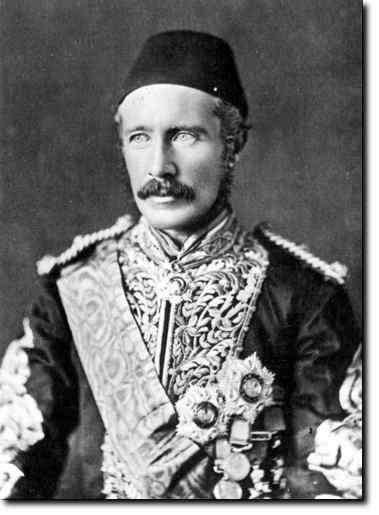
Charles Gordon, the Governor-General of Sudan, completed his official duties and traveled back to Cairo. Previously a British officer, Gordon had been appointed to this role to establish control and implement reforms in Sudan on behalf of the Khedive of Egypt. During his tenure, he became known for his relentless efforts to suppress the slave trade and to bring administrative structure to the region.
Gordon's return to Cairo marked a transitional phase for Sudan as it exposed the fragility of the administrative reforms he had tried to implement. His governance had been met with mixed reactions; while his efforts against the slave trade were significant, they were not entirely successful. Local leaders and influential traders resisted such changes, creating challenges for his administration.
The period following his departure was marked by instability. Though he had sought to bring some semblance of order, Sudan remained a region fraught with political complexity and social turmoil. His return to Cairo also reflected the broader geostrategic interests of the British Empire and the Egyptian rulers, who were keen on maintaining a semblance of control over Sudan but were also wary of the region's resistance.
Gordon's legacy in Sudan continued to linger. The challenges faced by the region in subsequent years, including the Mahdist War, underscored the limited impact of his reforms. Sudan's struggle with governance and the external influences of colonial powers formed a backdrop that influenced events long after Gordon's departure.
#MoofLife #SudanGovernance #ColonialImpact #HistoricalTransitions #BritishEmpire
View details1876
Sir Charles Gordon's decision to end religious tolerance in Sudan marked a crucial moment in the history of the region. At the time, Gordon was serving as the Governor-General of the Sudan, a territory under British-Egyptian administration. The region was characterized by its diverse religious landscape, including Muslims, Christians, and indigenous spiritual practices.
Gordon's tenure in Sudan had been marked by his efforts to suppress the burgeoning slave trade, which he viewed as a humanitarian crisis. However, his actions extended beyond just the trading of humans. Gordon believed that for Sudan to achieve a stable and moral society, it was essential to integrate British Victorian values, which included a specific Christian doctrine. His administration began enacting policies that favored Christianity and Westernized educational systems.
The repercussions of ending religious tolerance were immediate and profound. Gordon's measures led to widespread discontent among the Muslim population, which constituted the majority. Traditional practices and places of worship came under scrutiny, and religious leaders were marginalized. Ancient social structures started to destabilize, causing economic and social strife.
The decision to prioritize one religion over others fueled resistance movements. These movements were not only religious but also nationalist in nature, as they saw Gordon's actions as another form of colonial imposition. The Mahdist Revolt, a Sudanese Islamic rebellion led by Muhammad Ahmad, garnered substantial support partly due to the dissatisfaction caused by the cessation of religious tolerance.
Statistics show that the population of Sudan at the time was around 8 million, with Muslims making up approximately 70%. The crackdown affected this majority severely, resulting in economic hardships as many lost their livelihoods tied to traditional practices and communal life. This period saw numerous uprisings and violent confrontations between local factions and Gordon's forces.
The legacy of Gordon's policy significantly influenced Sudanese society's trajectory, sowing seeds of religious and social unrest that would find echoes in future conflicts. The end of religious tolerance under Gordon's governance highlighted the complexities of imposing external values on a diverse population, a lesson that remains relevant to modern geopolitics.
#MoofLife #SudanHistory #ColonialImpact #ReligiousTolerance #GordonAdministration
View details1821
Ibrahim Pasha, acting on behalf of the Ottoman Empire, established Khartoum as a military outpost. The geopolitical motivations behind this move were influenced by the empire's desire to consolidate its control over the Sudanese territory and facilitate the expansion of its influence in the African continent. Khartoum, strategically situated at the confluence of the Blue and White Nile rivers, was selected for its advantageous position, providing both a navigable waterway and a defensible location.
The establishment of Khartoum also served an economic purpose. The Ottomans aimed to control the burgeoning trade routes that passed through the region, including the transport of ivory, gold, and slaves. The military outpost quickly grew into a significant commercial hub, attracting traders and merchants from various parts of Africa and the Middle East.
The initial phases involved the construction of basic military infrastructure, including forts and barracks, which later expanded to accommodate administrative buildings and markets. The influx of soldiers, administrators, and traders transformed Khartoum into a bustling center of activities. This, in turn, laid the groundwork for the city to become a focal point of interactions between diverse ethnic groups, cultures, and economies.
The founding of Khartoum had lasting impacts on the region. It marked the beginning of significant urban development in Sudan, setting the stage for the future growth of the city. Over time, Khartoum evolved from a military outpost into the administrative and political capital of modern-day Sudan.
While the establishment brought economic opportunities, it also introduced new layers of complexity to the local dynamics, including increased taxation and military conscription, which affected the local population. These changes sowed the seeds for future conflicts and resistance movements against the Ottoman-imposed policies.
In summary, Khartoum's establishment as a military outpost by Ibrahim Pasha was a calculated move to extend Ottoman influence, control trade routes, and usher in an era of urban development and cultural exchange. The city's strategic location played a crucial role in accomplishing these aims, marking a pivotal point in Sudan's history.
#UrbanDevelopment #TradeRoutes #MilitaryStrategy #OttomanExpansion #CulturalExchange #Khartoum #MoofLife
View detailsThe consolidation of Egypt and Sudan under Ottoman rule marked a pivotal transition. The process began when Muhammad Ali Pasha, the Ottoman viceroy of Egypt, set his sights on the southern regions of Nubia and Sudan, driven by economic interests and the desire for consolidation of power. His ambitions were largely fueled by the agricultural potential of the Nile Valley and the perceived strategic benefits.
Muhammad Ali dispatched an Egyptian army led by his son, Isma'il Kamil Pasha. The military campaign quickly overwhelmed the feuding Nubian and Sudanese territories. The weaker local rulers, lacking a unified defense, found themselves unable to resist the organized and technologically superior Egyptian forces. This resulted in the establishment of Egyptian control over Sudan.
The unification under Ottoman oversight had multiple impacts. Economically, the region saw increased development in agriculture, partially due to the Nile and partially due to the establishment of new irrigation projects. However, the local population faced heavy taxation and conscription into the Egyptian army. The introduction of new agricultural practices and crops such as cotton aimed to integrate Sudan more closely into the international economy.
Politically, the governance structure of Sudan underwent significant changes. The introduction of a centralized administration aligned with Ottoman frameworks, though it faced resistance and occasional uprisings from the local populace. Governance now fell under appointed Egyptian officials, changing the traditional power dynamics in Sudanese society.
The social landscape of Sudan also shifted as Egyptian and, by extension, Ottoman cultural influences began permeating Sudanese life. This period saw the beginning of more pronounced Islamic administrative practices aligning with Ottoman norms. Communication and transport links between Egypt and Sudan improved, facilitating better management but also leading to exploitation and resource extraction.
This unification event was significant in shaping the historical trajectory of Sudan, deeply influencing its socio-economic and political structures and setting the stage for future events in the region.
#OttomanEmpire #MuhammadAliPasha #Egypt #Sudan #ColonialImpact #MoofLife
View details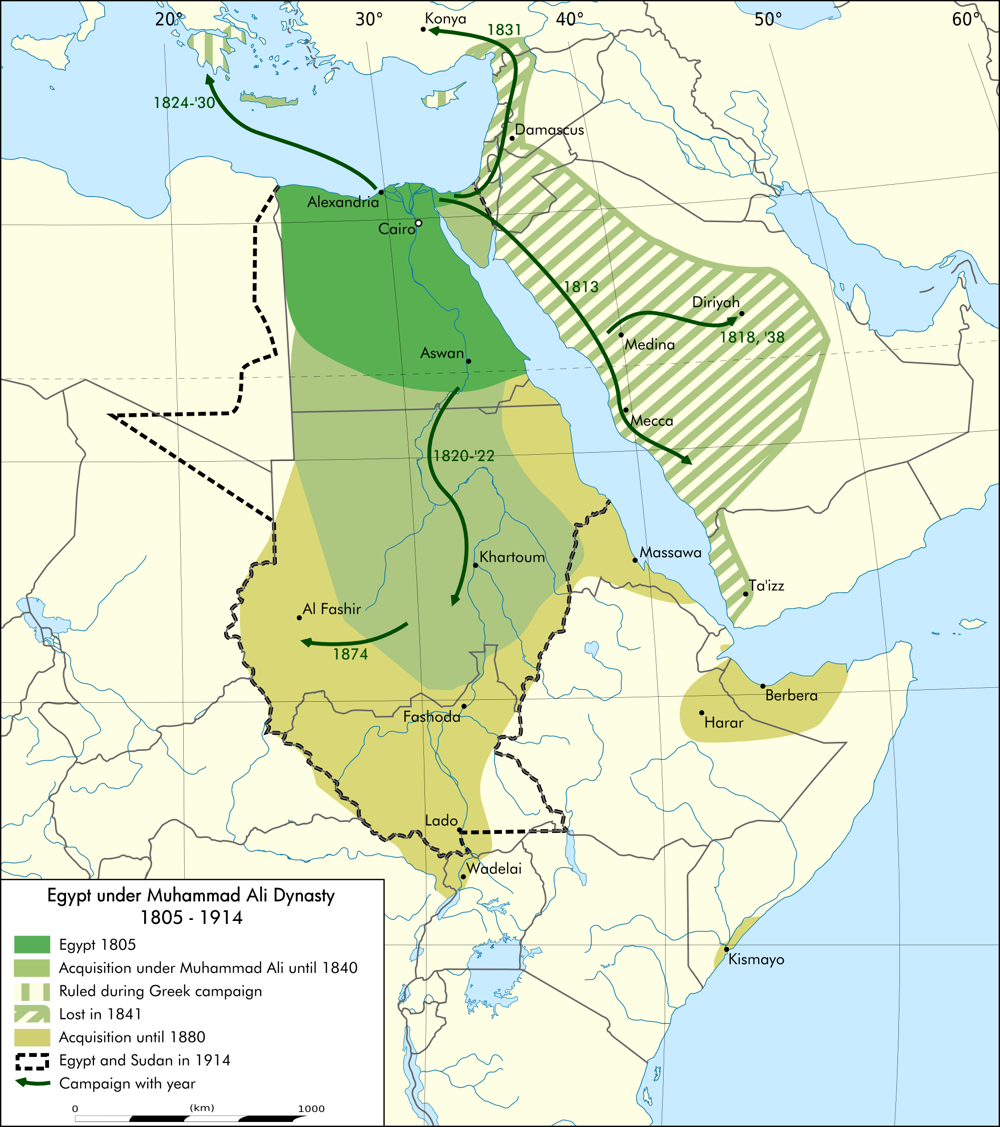
1820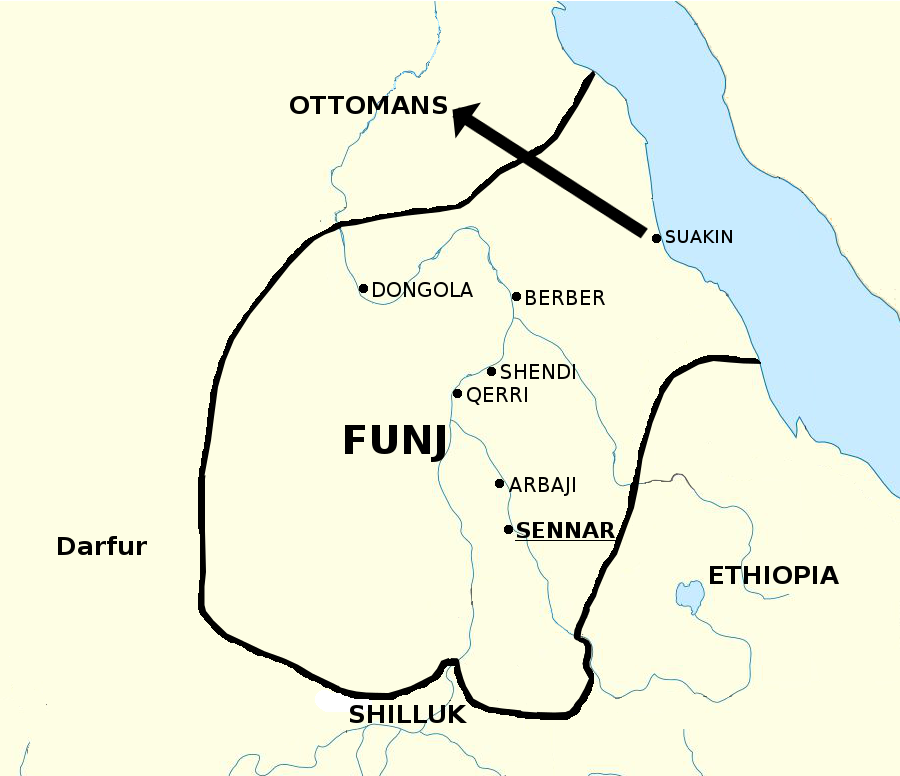
The Funj Sultanate, centered in Sennar, was a powerful entity in the African region known today as Sudan. Its political and military influence had been a significant force since its establishment in the early 16th century. However, this period witnessed major political changes that culminated in the eventual collapse of the sultanate.
The decline of the Funj Sultanate was gradual, marked by internal disarray and external pressures. The administrative structure weakened due to infighting among ruling elites and decreasing central control over outlying areas. The kingdom's fragmented nature made it susceptible to external threats, particularly from the expanding power of Egypt under the rule of Muhammad Ali Pasha.
Egypt, under Muhammad Ali's leadership, was undergoing a period of expansion and modernization. Muhammad Ali sought to increase his influence and control over trade routes and resources, particularly in the region of Sudan. The Funj Sultanate's weakened state presented an opportunity for Egypt to exert dominance. Egyptian forces, well-equipped and organized, faced little resistance from the fragmented and underprepared Funj army.
The military campaign led by Muhammad Ali’s forces was swift and decisive. The Funj Sultanate was unable to muster a significant defense against the Egyptian advance. Key locations, including the capital Sennar, were quickly captured. The once-powerful sultanate fell, marking the end of Funj dominance in the region and the beginning of Egyptian rule over Sudan.
The collapse had substantial impacts on the region’s political and social structures. Under Egyptian rule, significant changes were implemented which altered the traditional power dynamics. The imposition of new administrative practices, introduction of different economic policies, and integration into the broader Egyptian empire transformed the region's landscape. This period also laid the groundwork for subsequent British colonization of Sudan, linking local histories to broader imperial narratives.
The end of the Funj Sultanate represents a critical moment in Sudanese history, signifying the shift from localized rule to external domination. This transition period describes the geopolitical restructuring that had long-term implications for the region's future.
#SudanHistory #FunjSultanate #EgyptianConquest #PoliticalTransition #HistoricalImpact #MoofLife
View details1750
In the mid-18th century, the establishment of the Kingdom of Taqali marked a pivotal change in eastern Sudan's history. This region, characterized by its diverse ethnic groups and complex socio-political landscape, witnessed a significant shift when the Taqali people, under the leadership of a prominent figure, consolidated power and laid the foundation of a new political entity.
The background of this development can be traced to the socio-political fragmentation prevalent in the area. Various ethnic groups, including the Fur, Bagir, and Funj, occupied the region, each with its governing systems and hierarchies. The Taqali leveraged their strategic location in the Nuba Mountains, coupled with their skilled diplomacy and military prowess, to assert dominance over neighboring tribes.
With the rise of the Kingdom of Taqali, a new administrative and political structure was established, promoting stability and centralization in a previously fragmented area. This shift had considerable implications for the local populations, including improvements in agricultural practices and a more organized form of governance. The Taqali rulers facilitated trade routes and created a network that contributed to the region's economic integration. This period also saw the enhancement of cultural exchanges, further enriching the local heritage.
The impact of Taqali's ascendancy resonated beyond their immediate domain. Their governance model, which included elements of traditional local customs and innovative administrative techniques, became a reference for surrounding regions. The stability provided by Taqali administration attracted traders and settlers from different parts of Africa, contributing to the region's economic and social development.
This moment is exemplified by the increased territorial control and influence of the Taqali over eastern Sudan. The kingdom's ability to unify diverse communities under a single political entity showcased the effectiveness of their governance and strategic acumen.
In conclusion, the establishment of the Kingdom of Taqali in eastern Sudan represents a crucial chapter in the region's history. Its impact on political structures, economic practices, and cultural exchanges underscores its importance in shaping the historical trajectory of Sudan.
#TaqaliRise #SudanHistory #PoliticalShift #EconomicIntegration #CulturalExchange #MoofLife
View details1692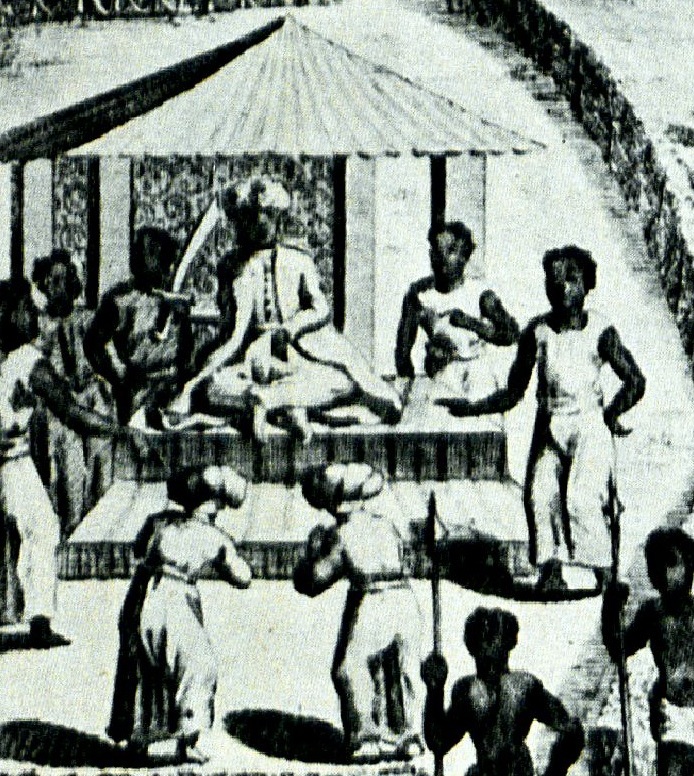
Sultan Badi III ascended to the throne of the Funj Sultanate during a period marked by military ambition and territorial consolidation. Known for his strategic acumen, Badi III initiated a series of campaigns aimed at fortifying the Sultanate's borders and expanding its influence. Under his leadership, the Funj Sultanate engaged in several decisive conflicts with neighboring kingdoms and tribes, asserting dominance through both direct confrontations and strategic alliances.
Badi III's military strategy was characterized by the utilization of well-organized cavalry units, which played a crucial role in the Sultanate's victories. He focused on securing key trade routes, which bolstered the economic foundation of his realm. The Sultan's efforts in securing and expanding trade not only increased the wealth of the Funj Sultanate but also facilitated cultural exchanges with other regions. This period witnessed the strengthening of the Sultanate's central authority and the consolidation of its territorial control.
The impact of Sultan Badi III’s military campaigns was multifaceted. On one hand, they contributed to the Sultanate's territorial expansion, bringing new regions under Funj control. On the other hand, his campaigns often resulted in significant upheaval for the local populations, leading to shifts in demographic patterns and economic structures. Badi III's reign thus marked a period of both consolidation and transformation, with long-standing implications for the Sultanate's political and economic landscape.
Statistically, the Sultanate saw an increase in its territorial expanse by approximately 20%, with significant annexations along its eastern and southern borders. His reign is also noted for the establishment of fortified settlements and administrative centers that helped maintain control over the newly acquired territories. Badi III’s focus on military and economic strategies laid a foundation that future sultans would build upon, ensuring the continued prominence of the Funj Sultanate in the region.
The legacy of Sultan Badi III's military campaigns is a testament to the complexities of statecraft in the region and the enduring impact of strategic leadership. His actions not only shaped the immediate geopolitical reality of the Funj Sultanate but also influenced the broader historical trajectory of Sudanese history.
#FunjSultanate #SultanBadiIII #MilitaryCampaigns #HistoricalSudan #MoofLife
View details1605
The ascent of Sultan Adlan I to the throne in Darfur marked a pivotal transition in the historical landscape of what is now Sudan. Adlan I, a member of the Keira dynasty, assumed leadership during a period characterized by regional fragmentation and internal strife. The Keira dynasty had already established itself as a dominant force in the region, and Adlan I's rise to power signaled a consolidation of control over the disparate territories of Darfur.
Under Sultan Adlan I, Darfur experienced significant administrative restructuring. He implemented reforms aimed at stabilizing and unifying the region. One of his primary focuses was the centralization of authority, which involved diminishing the power of local chieftains and tribal leaders. By bolstering the central government, Adlan I was able to create a more cohesive and resilient state apparatus.
Adlan I emphasized the development of a structured legal system, which provided a framework for dispute resolution and governance. This system played a crucial role in maintaining order and reducing conflicts within Darfur. Additionally, he fostered economic growth by promoting agriculture and trade. The region's economy became more diversified, contributing to greater economic stability and prosperity.
Military reforms were another cornerstone of Adlan I's rule. He reorganized and strengthened the armed forces, which enhanced the security and defense capabilities of Darfur. This bolstered defense allowed the state to better protect its borders and maintain internal order.
The reign of Sultan Adlan I also had a lasting cultural impact. He supported the construction of mosques and educational institutions, which facilitated the spread of Islamic education and literacy. This cultural development further integrated Darfur into the broader Islamic world, fostering a sense of unity and shared identity among its people.
Though his reign laid the foundation for future stability and growth, it also set the stage for both internal and external challenges that would confront Darfur in subsequent years. Adlan I's strategies and reforms became a benchmark for future leaders, influencing the political and social structures of the region for generations.
#DarfurHistory #Sudan #MoofLife #SultanAdlanI #KeiraDynasty
View details1602
In the early 17th century, Muhammad Dihqan, a leader from the Tunjur ethnic group, rose to prominence and unified the regions that would later be known as Darfur. The Tunjur had migrated from eastern Sudan and established a foothold in the region now encompassing western Sudan, forging alliances and consolidating power through a combination of military strength and strategic marriages.
Muhammad Dihqan's ascent marked a pivotal transformation as he established the Sultanate of Darfur. This newly formed state became a focal point for trade and culture in Central Africa. Darfur was strategically positioned along significant trade routes, facilitating commerce between the Nile Valley, Central Africa, and the Sahel. The sultanate's economy thrived due to the export of slaves, ivory, and ostrich feathers, attracting merchants from distant regions.
Islam was made the state religion, incorporating it into the political and social fabric of the sultanate. This religious foundation served as a unifying force among the diverse communities within Darfur, promoting a sense of shared identity and stability. Sultan Muhammad Dihqan implemented a centralized administration that further strengthened the authority of the sultanate.
The establishment of the sultanate had profound and far-reaching impacts on the region. It provided a model of governance that endured for several centuries. The Sultanate of Darfur maintained relative autonomy until its incorporation into the Mahdist State in the late 19th century. The political and social structures that originated during Sultan Muhammad Dihqan's rule influenced subsequent regimes and local governance practices.
The legacy of the Sultanate of Darfur is reflected in the region's rich cultural tapestry and historical continuity. This period set the stage for future developments that shaped the historical dynamics of Sudan and its neighboring regions.
#SultanateOfDarfur #SudanHistory #TradeRoutes #IslamInDarfur #CulturalUnity #HistoricalImpact #MoofLife
View details1503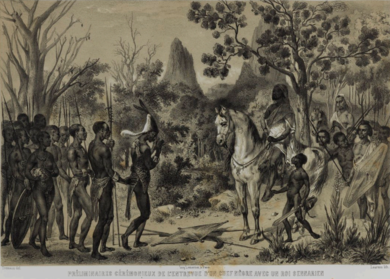
In a pivotal moment in Sudan's history, the Funj Sultanate launched an invasion into the territory, fundamentally altering the region's socio-political landscape. The Funj people, originally from the Sennar region, were driven by the desire to expand their influence and control over the northern Sudanese Nile Valley. This effort was spearheaded by the forces of Amara Dunqas, the first known ruler of the Funj Sultanate, who aimed to establish a new dominion.
Prior to the invasion, the region was characterized by smaller, fragmented kingdoms such as Alodia, which had been weakening due to internal strife and external pressures. The Funj Sultanate’s well-disciplined cavalry and strategic use of alliances helped them to swiftly overrun these smaller states. As the Funj forces moved northward, local resistance was swiftly quelled, often without significant prolonged conflicts, thanks to superior military tactics and the internal disunity of the established kingdoms.
The successful invasion led to the establishment of the Funj Sultanate's capital at Sennar, marking the beginning of a new era. This shift allowed the Sennar to become a dominant economic and cultural hub. The Funj implemented a hierarchical system of governance and fostered the diffusion of Islam throughout the territory. This religious propagation was facilitated by the Funj's own conversion to Islam, which played a strategic role in gaining the loyalty of the local Muslim populations and embedding the new religion more deeply into Sudanese society.
The Funj Sultanate's expansion significantly impacted trade dynamics along the Nile, bolstering both regional and long-distance trade routes. Their control over the Blue Nile region allowed them to influence crucial commercial exchanges and impose taxes, further strengthening their economic base. The invasion and subsequent rule also set the stage for centuries of Funj influence, which persisted until colonial interventions disrupted the established order.
The reverberations of this campaign are still evident in the cultural and religious compositions of present-day Sudan. The Funj’s legacy is interwoven into the historical fabric of the region, influencing contemporary Sudanese identity and historical narratives.
#FunjInvasion #SudaneseHistory #FunjSultanate #MoofLife #HistoricalImpact #IslamicExpansion
View details1500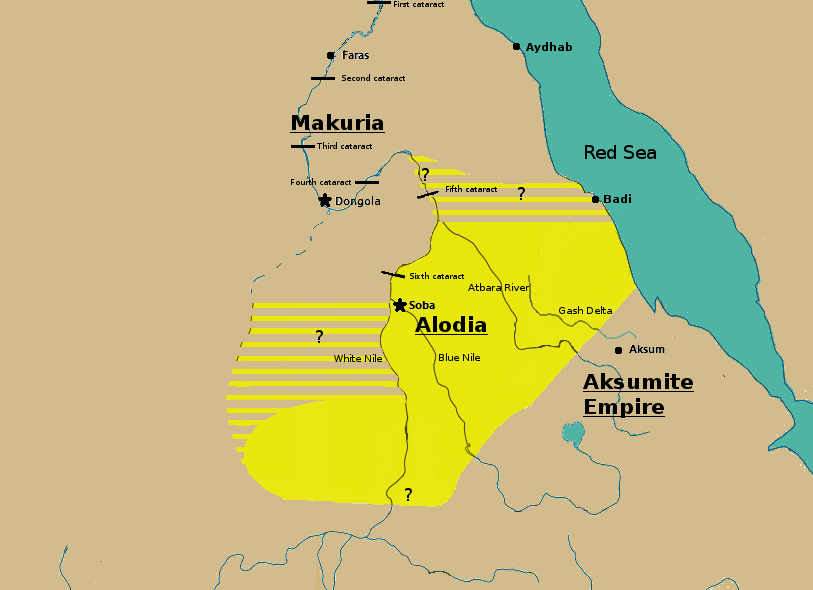
The decline of the Christian kingdom of Alodia in Sudan marks a crucial turning point in the region's history. Located in what is now Sudan, Alodia had been a significant Christian kingdom for centuries. It formed part of the larger Nubian Christian civilization, which included the kingdoms of Makuria and Nobatia. The kingdom was known for its distinctive form of Nubian Christianity, cultural achievements, and network of relationships that extended across Africa and the Middle East.
Multiple factors contributed to Alodia’s eventual downfall. These included internal strife, economic difficulties, and external pressures. The kingdom faced increasing incursions from Muslim nomadic tribes from the north, who sought to expand their territory. These incursions were coupled with intermittent periods of drought and famine, which weakened the kingdom's agrarian-based economy.
The Islamic kingdom of Funj, rising to prominence south of Alodia, played a significant role in its ultimate collapse. The Funj overcame Alodia's defenses and captured the central areas of the kingdom. This decisive action led to the disintegration of Alodian political structures. The inhabitants were either assimilated into the new ruling systems or displaced.
The collapse had far-reaching consequences. With the end of Alodia, the Christian presence in Nubia significantly diminished. The region underwent a rapid process of Islamization and Arabization, which led to substantial cultural and religious shifts. Many of the Christian traditions and architectural achievements were either abandoned or repurposed. The remnants of Christian Nubia faded into history, altering the cultural and religious landscape of Sudan permanently.
The demographic impact included the displacement of populations and the blending of ethnic groups, which redefined the social fabric of the region. The economy also shifted as the new rulers established different trade networks and production systems oriented towards the Islamic world.
Thus, the transformation witnessed in this period set the stage for the modern history of Sudan. The shift from a predominantly Christian kingdom to an Islamic sultanate exemplifies the dynamic changes that shaped the face of northeastern Africa.
#MoofLife #SudaneseHistory #CulturalShift #Islamization #DynasticChange #AncientSudan #Alodia
View details1276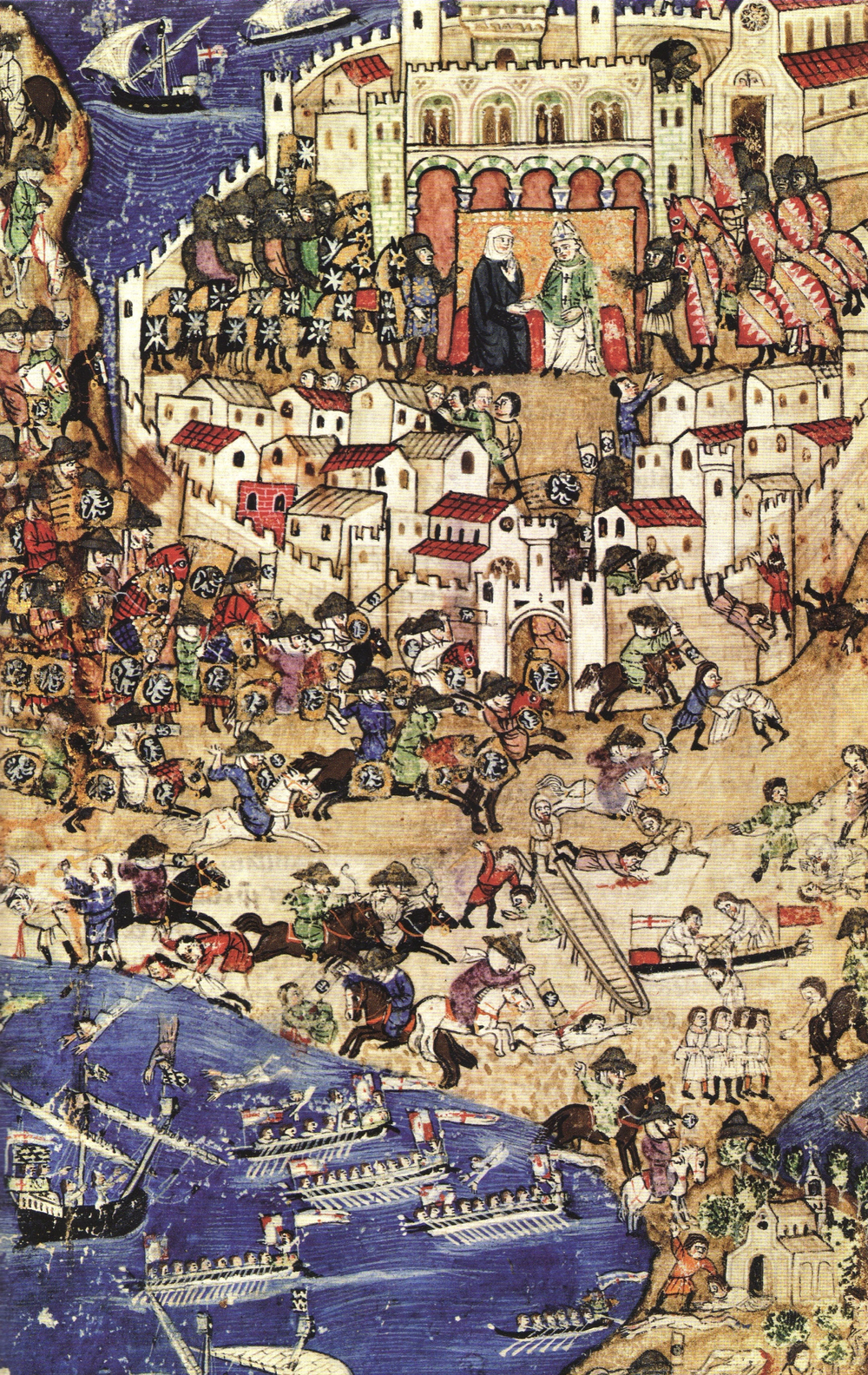
The Mamluks established control over Nubia following a period of political and military instability in the region. The Nubian Kingdom of Makuria, already weakened by internal strife and diminishing resources, faced increased pressure from expanding Egyptian powers. The Mamluks, a military class that held power in Egypt, saw an opportunity to solidify their influence in the region by asserting dominance over Nubia.
Their campaign into Nubia was marked by strategic military excursions rather than a single decisive battle. The Mamluks systematically undermined Nubian defenses and utilized their superior cavalry and coordination to outmaneuver the Nubian forces. The ruling class in Nubia, unable to mount an effective resistance, saw their political power steadily erode under the military pressure from the north.
This control extended beyond mere military occupation. Economically, the Mamluks sought to capitalize on the wealth of Nubia, including its gold mines and other natural resources. They established new trade routes and imposed taxes that redirected wealth to Cairo, further integrating Nubia into the economic sphere of the Mamluk Sultanate.
Politically, the Mamluk rule resulted in a shift in governance structures. Local leaders who were cooperative were often retained in positions of power but were stripped of much of their former autonomy, now subordinated to Mamluk governors. This system ensured a degree of local stability while facilitating the extraction of resources and the imposition of Mamluk law and order.
The long-term impact on Sudan was significant. Nubia's incorporation into the Mamluk Empire not only changed its political and economic landscape but also had demographic and cultural repercussions. Increased interaction led to cultural exchanges but also precipitated demographic shifts due to the movement of people, whether through forced migrations or as part of economic pursuits.
By establishing control over Nubia, the Mamluks altered the historical trajectory of the region, integrating it more closely with the Islamic world and setting the stage for future developments under different regimes. The era marked a turning point for Sudan, influencing its historical and cultural development for centuries to come.
#MoofLife #Nubia #Mamluks #SudanHistory #AfricanHistory #PoliticalChange
View details1273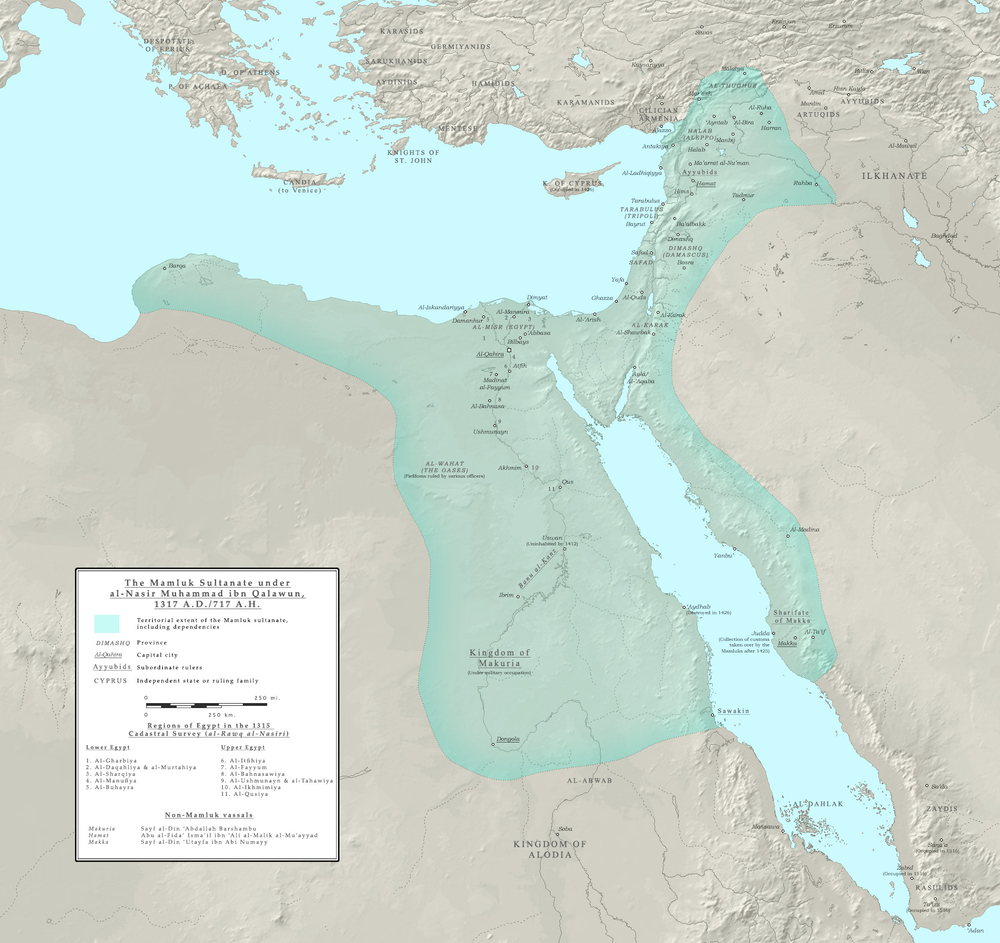
The Mamluk Sultanate expanded its influence significantly when it captured the city of Soba in Sudan. This move was part of a larger strategy by the Mamluks to gain control over key trade routes and extend their dominion into Northeast Africa. Soba, the capital of the medieval Nubian kingdom of Alodia, was known for its strategic location near the Blue Nile and White Nile rivers.
The Mamluk forces, well-trained and supported by a stable economic base, encountered a city less capable of resisting a coordinated attack. Soba’s defenses, traditional and reliant on methods that had protected the city for centuries, were outmatched by the Mamluks' advanced military tactics and technologies. This event not only marked the fall of Alodia’s stronghold but also a shift in power dynamics within the region.
The capture of Soba had immediate and long-term impacts on the local population and the region's political landscape. The Mamluks, with their more centralized and organized governance, introduced changes in administration, taxation, and trade practices. The integration of Soba into the Mamluk Sultanate facilitated their control over the flow of goods, including gold, ivory, and slaves, which were crucial to their economy. This integration also affected the cultural and religious landscape, as the Mamluks, who were Muslim, influenced the existing Christian population in Soba and its surrounding areas.
Statistically, the population of Soba experienced a decline due to the initial conflict and subsequent changes in settlement patterns as residents adapted to the new rulers. Historical records indicate shifts in trade volumes and routes, with Soba becoming a secondary hub for channeled commerce through Cairo and Alexandria. This consolidation under Mamluk control allowed for a more streamlined and profitable trade network.
In conclusion, the capture of Soba by the Mamluk Sultanate was a pivotal moment that reshaped the region's socio-economic and political constructs. It facilitated the spread of Mamluk influence deeper into Africa, reinforcing their position as a formidable power in the medieval world.
#MamlukSultanate #Alodia #TradeRoutes #CulturalShift #MilitaryHistory #Sudan #Soba #MoofLife
View details0969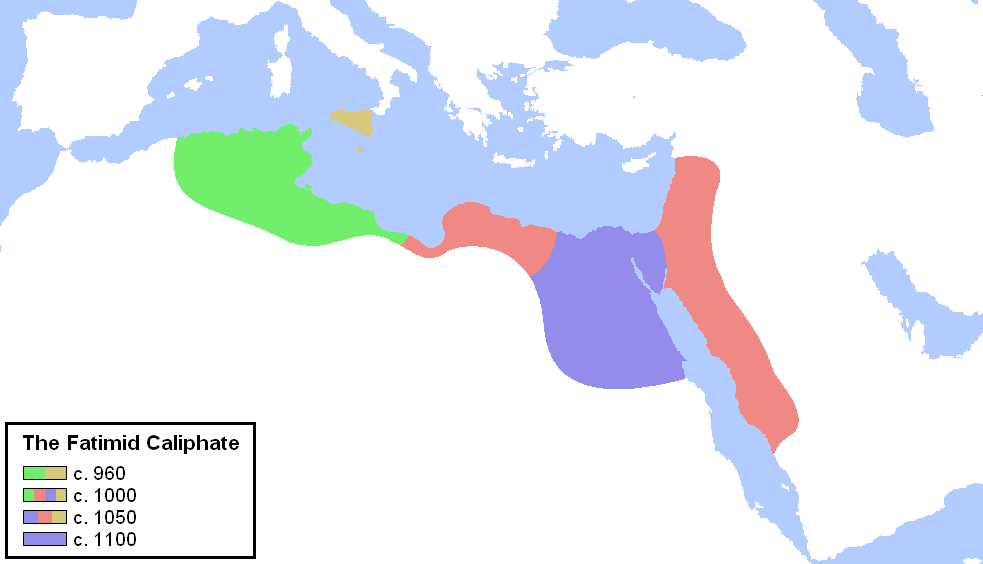
The Fatimid conquest of Egypt marked a significant shift in the political landscape of North Africa and the eastern Mediterranean region. Originating from Ifriqiya, the Fatimid dynasty set its sights on Egypt, the seat of substantial economic and strategic importance due to its fertile lands and control over key trade routes. Their success in capturing Egypt opened new opportunities for expansion, leading to their consolidation of power and subsequent influence over neighboring territories, including Sudan.
The Fatimid caliphate, rooted in an Ismaili Shia ideology, sought to expand its influence and propagate its religious doctrine. Following the conquest of Egypt, the establishment of Cairo as the capital symbolized not only a political but also a cultural and religious transformation. The Fatimid expansion did not stop there; the rulers extended their influence southward towards Sudan. Sudan became entwined in the broader political and economic circuits of the Fatimid empire.
The impact of Fatimid rule manifested through several dimensions. Economically, integration into the Fatimid domain facilitated trade between Sudan and other parts of the empire, enriching local markets. Administratively, the region saw the imposition of Fatimid governance practices, which included taxation and law enforcement aligned with their systems. Militarily, the Fatimid rulers bolstered their southern borders, establishing garrisons to secure their newly acquired territories.
Furthermore, the spread of Ismaili Shia Islam as a state-sponsored religion began to permeate Sudanese society. Though the long-term religious impacts were nuanced with interplay from indigenous beliefs and existing practices, the Fatimids initiated significant religious and cultural exchanges.
The Fatimid caliphate's control over Egypt and its expansion into Sudan thus marked a period of increased interaction between northern and northeastern Africa. This expansion facilitated economic interconnectivity, administrative integration, and cultural diffusion across the regions, further embedding Sudan into the web of an emerging Islamic world dominated by the Fatimid influence.
#FatimidConquest #PoliticalChange #IslamicExpansion #CulturalIntegration #SudanHistory #MoofLife
View details0550
In the middle of the 6th century, the Kingdom of Alwa in what is now Sudan chose Soba as its capital. The decision was influenced by several factors including strategic location, access to resources, and political stability. Alwa, part of the broader Nubian region, had embraced Christianity, which shaped its administrative and cultural foundations.
Soba, situated near the confluence of the Blue Nile and White Nile rivers, was an ideal choice due to its access to water routes, facilitating trade and communication. This location enabled the kingdom to consolidate its power, control trade routes, and interact with neighboring regions. The construction of Soba marked a crucial phase in the establishment of a Christian kingdom in a predominantly non-Christian region.
The construction process involved building religious, administrative, and residential structures. Church construction showcased the embrace of Christianity, with architectural styles reflecting Byzantine influences. The inclusion of religious buildings emphasized the role of the church in governance and daily life. Administrative buildings housed the kingdom's bureaucracy, coordinating activities across the extended territory of Alwa.
The impact of establishing Soba as the capital was multifaceted. Economically, it became a hub for trade; artisans and traders congregated there, facilitating the exchange of goods such as textiles, pottery, and grain. Politically, Soba’s prominence cemented Alwa’s control over its territory, resisting challenges from other Nubian kingdoms and external threats. Culturally, the city contributed to the diffusion of Christianity and fostered a unique blend of local and Hellenistic traditions. The city’s educational and religious institutions promoted literacy and theological scholarship, influencing the broader region.
The establishment of Soba had long-lasting implications for Sudan’s historical landscape. By centralizing governance and fostering a cultural renaissance, it laid foundational structures for subsequent developments in the region. Soba’s significance declined after several centuries, but its historical influence persisted, marking a key phase in Sudanese history.
#MoofLife #SobaCapital #ChristianKingdom #NubianHistory #SudanHistory #EconomicHub #CulturalRenaissance #TradeRoutes #AdministrativeCenter
View details0349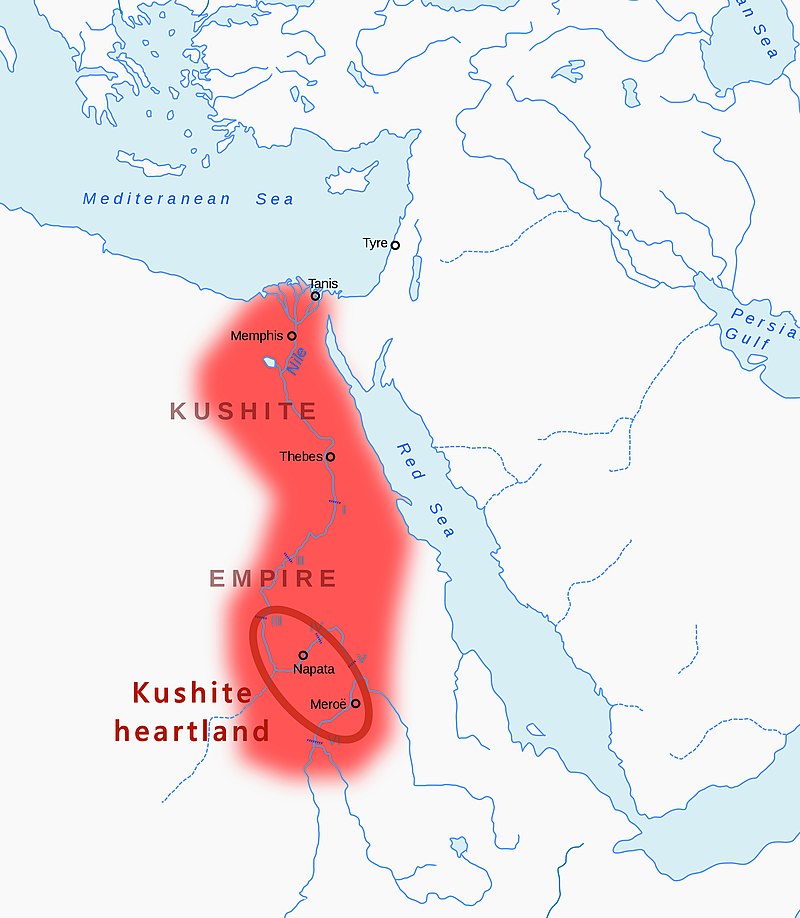
The Kingdom of Kush, located in present-day Sudan, faced a critical turning point due to an onslaught by the Kingdom of Axum. The Kingdom of Kush had been a formidable power in Northeast Africa, boasting advanced metallurgy and a robust economy fueled by agriculture and trade. Kush held sway over the Nile River region, benefiting from rich agricultural lands and strategic trade routes connecting sub-Saharan Africa with the Mediterranean.
Meanwhile, the Kingdom of Axum, situated in what is now Ethiopia and Eritrea, transformed from a small trading state into a dominant force. The rise of Axum was largely driven by strategic control of the Red Sea trade routes, linking the Indian Ocean with the Mediterranean. Axum's control over these trade networks increased its wealth and influence, creating an inevitability to challenge neighboring powers.
Military confrontations between Axum and Kush demonstrated Axum’s superiority. The decisive attack by Axum ended with the capture and sacking of Meroe, the capital of Kush. This not only led to the fall of the Kushite monarchy but also destabilized the region’s economic and political systems. Meroe, known for its iron production and impressive pyramids, faced destruction, ending its status as a powerful cultural and economic center.
The decline of Kush had profound effects on the region. The power vacuum created by Kush’s fall allowed Axum to expand its influence further west towards Nubia. The assimilated territories became vital conduits for Axum’s trade and cultural exchanges, altering the region's socio-economic landscape.
It's noteworthy that the Kingdom of Axum emerged as a prominent Christian state after adopting Christianity. This religion began to spread through the territories they controlled, including former Kushite regions, affecting the religious and cultural transformations therein.
Historical sources suggest that the Axumite campaigns against Kush were not solely for territorial expansion but also aimed to control critical economic resources and trade routes. The succession from Kush to Axum represents a shift in power dynamics in the eastern African kingdoms and their transformation over subsequent centuries.
#KingdomOfKush #KingdomOfAxum #Meroe #NortheastAfrica #TradeRoutes #MilitaryConflict #CulturalShift #NileRiverCivilizations #MoofLife
View details0330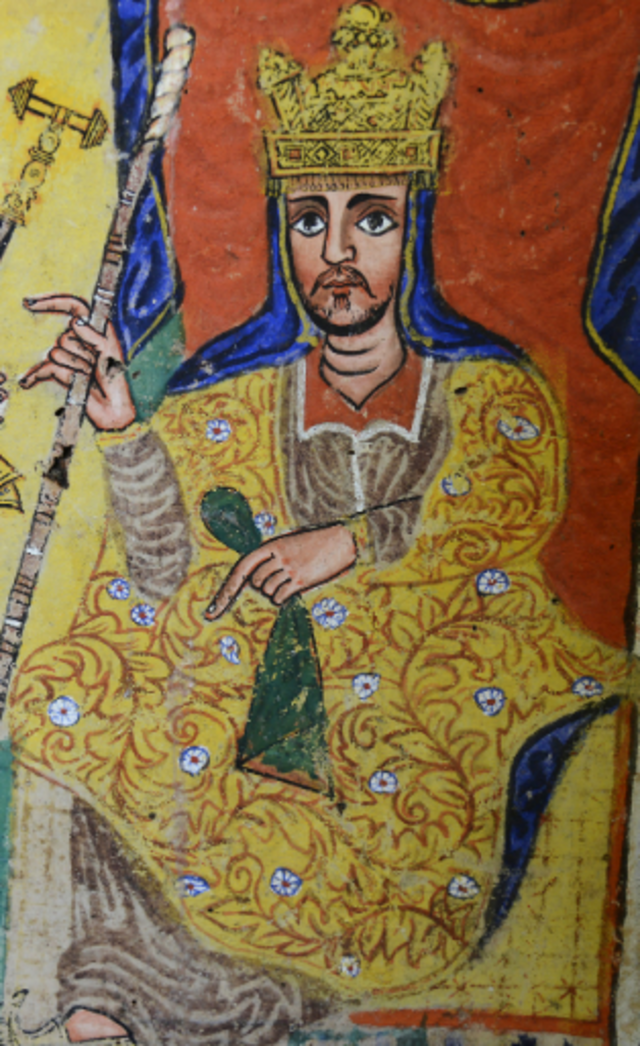
King Ezana of Axum ascended to the throne of the Kingdom of Axum, located in present-day Ethiopia and Eritrea, during a period when the region was characterized by intricate trade networks and diverse cultures. Geographically advantageous, Axum functioned as a middle ground between the Roman Empire and India, facilitating extensive commercial exchanges. Its strategic location boosted its prominence across northeastern Africa and fueled its diverse cultural influx.
King Ezana's conversion to Christianity was primarily influenced by his tutor, a captured Syrian Christian named Frumentius. Frumentius, who had significant influence over the young king, introduced him to the teachings of Christianity. Under Frumentius’ guidance, King Ezana not only embraced the new faith but also declared Christianity as the state religion of Axum. Consequently, Frumentius was ordained as the first Bishop of Axum by the Patriarch of Alexandria, making Axum one of the earliest Christian states in the world.
The impact of this conversion extended far beyond Axum's borders, significantly affecting regions like modern-day Sudan. Christianity began to spread along the trade routes, influencing local Nubian leaders and eventually leading to the establishment of Christian kingdoms, including Nobatia, Makuria, and Alodia. These kingdoms flourished and maintained a Christian identity for several centuries amidst the Islamic expansion in the surrounding areas.
The Christianization of the region influenced various aspects of society, including architecture, language, governance, and cultural practices. Churches and monasteries were constructed, many of which were adorned with unique art forms combining local and Byzantine influences. This period also marked the translation of religious texts into Ge'ez, the classical language of Ethiopia, thereby enriching the literary heritage of the region.
Religious transformation played a pivotal role in shaping the cultural and political landscape of northeastern Africa. The establishment of Christian states laid the foundation for intricate networks of religious and educational institutions, fostering a shared cultural and religious identity that persisted despite later political upheavals.
#Conversion #KingEzana #Axum #Christianity #Sudan #Nubia #HistoricEvent #MoofLife
View details